A Doberman That Is Wary Rather Than Confident
It’s a heartbreaking sight for any Doberman owner: seeing your usually bold and powerful dog shrink back from a friendly stranger, shy away from a new environment, or show outright fear when you expected confidence. We bring these incredible dogs into our lives often with an image of an unshakeable guardian, and when they display wariness, it can be confusing, frustrating, and even a little scary. This comprehensive guide is here to help you understand why your Doberman might be wary instead of confidently outgoing, and, more importantly, what concrete steps you can take to build their security and self-assurance, turning that apprehension into calm resilience.
Understanding the Roots of Wariness in Dobermans
When you envision a Doberman, you probably picture a sleek, confident, and perhaps even a bit aloof dog, ready to face the world with poise. So, when your Doberman exhibits wariness, shyness, or outright fear, it can feel like something is fundamentally "wrong." But like us, our dogs are products of both their inherited traits and their life experiences. Pinpointing the cause of their wariness is the first step toward helping them.
Genetics vs. Environment: Nature and Nurture
It’s easy to think that a Doberman's temperament is purely a result of how you raise them, but genetics play a significant role. Just as some people are naturally more anxious or introverted, some Dobermans are predisposed to be more sensitive or wary. This can stem from breeding lines where confidence wasn't prioritized, or where dogs with nervous temperaments were inadvertently (or even intentionally, in misguided attempts to create a "sharper" dog) bred. While the Doberman standard calls for a fearless and bold character, not all breeding reflects this ideal. A puppy from parents who are themselves visibly nervous or reactive is already starting at a disadvantage.
However, genetics aren't destiny. Even a genetically predisposed Doberman can learn to be more confident with the right environment, just as a well-bred, confident pup can become wary if not properly raised. This interplay means we have a critical role to play. Sometimes, the wariness isn't about fear but rather a lack of proper foundational exposure during key developmental stages.
Identifying the Subtle Signs of a Wary Doberman
Wariness isn't always overt growling or cowering. Sometimes, the signs are much more subtle, and it's vital for us as Doberman owners to become fluent in our dog's body language. A truly confident Doberman will usually carry itself with an open, relaxed posture, tail held naturally, ears (cropped or natural) attentive but not clamped, and an interest in new things without being frantic or hesitant.
A wary Doberman, however, might show a range of quieter signals. This could be a stiffening of the body, a slightly lowered head, ears flattened back, or an averted gaze that avoids direct eye contact. They might take a wide arc around something new, rather than approaching it directly. You might notice excessive lip licking, yawning when not tired, or a sudden intense focus on something insignificant as a displacement behavior. They might also lean into you excessively in new situations, or try to hide behind your legs. These are all subtle cues that your Doberman isn't feeling entirely comfortable or secure, and recognizing them allows you to intervene before they feel overwhelmed. Understanding these signals is key to knowing when to step in and offer support or remove them from a stressful situation.
The Impact of Early Experiences and Lack of Socialization
The world is a big, noisy, and sometimes scary place for a young Doberman puppy. The period from about 8 to 16 weeks is incredibly crucial for their development, often referred to as the "critical socialization window." During this time, every positive exposure to new sights, sounds, people, and other dogs helps build their mental resilience and confidence. If a Doberman puppy misses out on this vital period, or if their early experiences are overwhelmingly negative, they can develop lasting anxieties and wariness.
Imagine a Doberman puppy that spends its first few months isolated, or only exposed to a very limited environment. When suddenly faced with the bustling world – cars, children, other dogs, strange noises – it can be genuinely terrifying. Even a single traumatic event during a fear period, like a loud noise startling them or a negative encounter with an off-leash dog, can cement a wary reaction. This is why good breeders start The Sixteen Weeks That Set a Doberman Up with careful exposure, and why owners must continue this work diligently. Without a foundation of positive, varied experiences, the world remains an unpredictable and potentially threatening place, leading to a default state of wariness.
The Difference Between Wariness and Aggression
It’s a common misconception that a wary or fearful Doberman is necessarily aggressive. While fear can be a precursor to aggression, it's crucial to understand the distinction. A wary Doberman is often trying to avoid conflict, whereas true aggression, while sometimes rooted in fear, is typically an outward display intended to deter or harm. Misreading these signals can lead to mishandling the situation, potentially making your Doberman more fearful and, in turn, increasing the risk of a fear-based defensive reaction.
When Wariness Can Escalate to Reactivity
A wary Doberman operates primarily on the "flight or fight" instinct. Most prefer flight. They'll try to create distance, hide, or make themselves small. They might pull desperately on the leash to get away from a perceived threat, or duck behind your legs. However, if flight isn't an option – if they're cornered, or on a tight leash with no escape – their fear can escalate to a "fight" response. This isn't because they're inherently aggressive, but because they feel trapped and overwhelmed, and defending themselves is their only perceived option. This is when you might see barking, lunging, or even nipping, often referred to as fear-based reactivity.
This escalation is almost always a last resort for a fearful dog. Their body language will usually show clear signs of distress before this point: a rigid posture, hackles raised, ears pinned, tail tucked, wide eyes (often called "whale eye" where the whites of the eyes are visible), and sometimes a low growl. Understanding that this isn't an act of dominance but a desperate plea for space and safety is paramount. Your goal is to prevent them from ever feeling this trapped.
Misinterpreting Doberman Body Language
Because Dobermans are naturally stoic and often carry themselves with such dignity, their subtle signs of discomfort can be easily missed. An owner might mistake a stiff body and an averted gaze for calm indifference, when in fact, the Doberman is highly stressed and trying to de-escalate without drawing attention. Their cropped ears, while striking, can sometimes mask the more nuanced ear movements that communicate stress in other breeds. What Cropped Ears Hide About a Doberman's Mood highlights how vital it is to read the entire dog.
For example, a Doberman standing rigidly with a tightly closed mouth, rather than a relaxed pant or open mouth, is often stressed. If their tail is tucked tightly between their legs, that's a clear sign of fear, even if their body seems still. If they hesitate before stepping through a doorway or onto a new surface, they're wary. Dismissing these signals as "stubbornness" or "being dramatic" only teaches your Doberman that you don't understand their needs, eroding trust and potentially exacerbating their anxiety. We must learn to listen to what their whole body is telling us, even if it's not a loud bark or a visible tremble.
Why Confidence Building Prevents Problems
Proactive confidence building is always more effective than reactive problem-solving. A Doberman with a strong sense of self-assurance is less likely to become reactive or aggressive out of fear. When a Doberman trusts that you will protect them and manage situations appropriately, they don't feel the need to take matters into their own paws. This doesn't mean forcing them into situations they're uncomfortable with, but rather systematically and positively exposing them to the world in a way that builds positive associations.
Think of it like building a financial safety net. You don't wait for an emergency to start saving; you build a fund over time so you're prepared. Similarly, you build your Doberman's emotional resilience and confidence during calm periods, so they have a "bank" of positive experiences to draw upon when something unexpected or slightly scary happens. This foundation allows them to process new information with curiosity rather than fear, making them a well-adjusted and joyful companion.
Building a Foundation of Trust and Security
Helping a wary Doberman isn't about changing who they are, but rather empowering them to navigate the world with less fear. This process begins and ends with you, their primary caregiver. Your consistency, calm demeanor, and commitment to their well-being are the cornerstones upon which their confidence will be built.
Becoming Your Doberman's Calm Leader
Your Doberman looks to you for guidance and reassurance. If you become anxious or frustrated when they show wariness, you're inadvertently confirming to them that the situation is indeed scary, and that you're not a reliable source of safety. Instead, strive to be a calm, confident presence. This doesn't mean being stern or dominant; it means being a predictable, consistent, and supportive anchor in their world. You set the rules, you provide the structure, and you protect them.
When your Doberman encounters something new or slightly alarming, your calm response is incredibly powerful. Acknowledging their worry with a soft voice, then confidently moving forward (if safe and appropriate) or calmly redirecting them, teaches them that you've got this. Avoid babying or excessively coddling them when they're scared, as this can inadvertently reinforce the fear. Instead, be a beacon of quiet strength, guiding them through the world with a sense of security.
Creating a Safe and Predictable Environment
For a wary Doberman, predictability is gold. A consistent daily routine, from meal times to potty breaks to walks, reduces anxiety because they know what to expect. Unexpected changes can be jarring and lead to heightened stress. Beyond routine, every Doberman, especially a wary one, needs a designated safe space where they can retreat and feel completely undisturbed. This might be a crate covered with a blanket, a quiet room, or a specific dog bed in a low-traffic area. It should be their sanctuary, not a place for punishment.
This safe space provides an essential escape valve when things get too much. For example, if you have guests over, your Doberman can go to their crate for a break. Ensure the space is comfortable and appealing, perhaps with a favorite chew toy or a cozy blanket. This allows them to decompress and recharge, rather than constantly feeling on edge. Providing this control over their environment significantly lowers their ambient stress levels. Choosing a Crate for a Doberman can guide you on selecting the best option for your dog.
Positive Reinforcement and Relationship Building
The most powerful tool in your arsenal for building confidence is positive reinforcement. Every time your Doberman shows a brave moment, even a small one like looking at a novel object without retreating, reward it! Use high-value treats, enthusiastic praise, or a quick game of tug – whatever motivates your individual Doberman. This creates positive associations with new experiences and helps them understand that facing challenges can lead to wonderful outcomes.
This positive reinforcement isn't just about training; it's about building a strong, trusting relationship. Spend quality time with your Doberman, engaging in activities they enjoy, whether it's playtime, cuddles, or Puzzle Work That Actually Tires a Doberman. A strong bond based on positive experiences makes them more willing to trust your judgment and venture out of their comfort zone with you by their side. Programs like those offered by BAXTER & Bella can provide structured guidance for positive reinforcement training, helping you build this crucial bond and confidence through effective communication and rewards. Remember, yelling or harsh corrections will only shut down a wary Doberman, making them more fearful and less trusting, as discussed in Why Yelling Shuts a Doberman Down.
Strategic Socialization and Exposure for Wary Dobermans
The goal with a wary Doberman isn't to force them to love everyone and everything, but to help them feel safe and neutral in the presence of new stimuli. This requires a carefully managed, gradual approach to socialization, avoiding situations that overwhelm them.
Gradual Exposure to New Sights, Sounds, and People
Overwhelming a wary Doberman with too much, too soon, is counterproductive. Instead, embrace the concept of "threshold training." This means exposing them to new things at a distance or intensity where they notice it but don't react fearfully. For instance, if a crowded park is too much, start by sitting on a bench across the street, letting them observe from a safe distance while you offer calm praise and treats. Gradually, over days or weeks, you can move a little closer, always watching for signs of stress. If they show wariness, you've gone too far too fast; simply increase the distance again.
The key is to keep these exposures short, positive, and voluntary. Never drag your Doberman towards something that frightens them. Allow them to investigate at their own pace, or simply observe from afar. The goal is to build positive associations, so every encounter should end on a good note, with your Doberman feeling successful and rewarded. Exposing a Doberman Puppy to Strangers offers further insights on how to introduce new people positively.
Structured Interactions with Calm Dogs
While dog parks are generally not recommended for wary Dobermans (or Dobermans in general, given their potential for reactivity and misunderstanding by other breeds), structured interactions with calm, well-mannered dogs can be beneficial. Look for a friend or family member with a stable, friendly dog who isn't overly boisterous or pushy. Start with on-leash parallel walks, maintaining enough distance that your Doberman is comfortable.
Gradually, you can allow brief, controlled sniff-and-greet sessions. Always supervise closely and interrupt if either dog shows signs of stress. The aim is for positive, low-pressure interactions that teach your Doberman that other dogs aren't necessarily threats. Avoid forcing interaction; let them set the pace. If your Doberman is prone to lunging at other dogs out of fear, refer to A Doberman That Lunges at Passing Dogs for specific guidance. These controlled scenarios are about quality, not quantity, of interaction.
The Role of Professional Guidance and Training Classes
Navigating wariness can be challenging, and you don't have to do it alone. A certified professional dog trainer or a veterinary behaviorist can provide invaluable guidance. Look for someone experienced with Dobermans and who uses positive reinforcement methods. They can help you accurately assess your dog's body language, identify triggers, and develop a tailored training plan.
Group obedience classes can be helpful if the environment is carefully managed and the instructors are attuned to individual dog needs. A good class will prioritize safety and positive experiences, allowing wary dogs to work at a distance from others initially. Sometimes, private sessions are more appropriate to build a foundation before transitioning to group settings. Online resources, like the comprehensive programs offered by BAXTER & Bella, can also provide structured lessons and support from the comfort of your home, which can be less intimidating for a wary dog than a busy class environment right away. Finding a Trainer Who Has Worked With Dobermans can help you select the right professional.
Tools and Techniques to Support a Wary Doberman
Beyond training methods, certain tools and environmental management strategies can make a significant difference in a wary Doberman's comfort and safety, both for them and for you.
Appropriate Leash and Harness Choices for Control and Comfort
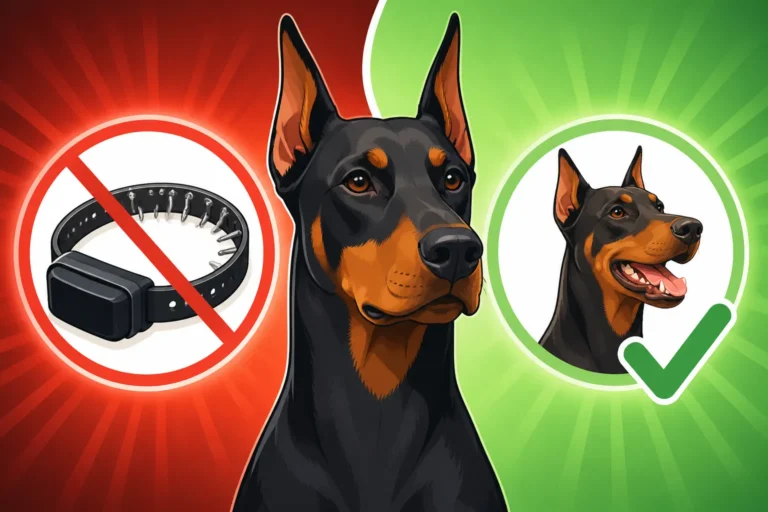
For a Doberman prone to fear or reactivity, the right equipment is crucial. Avoid harsh tools like choke chains or prong collars, as these can increase anxiety and create negative associations with walks or new situations. A comfortable, well-fitting harness is usually the best choice. A front-clip harness, easily found on platforms like Amazon, can be particularly effective, as it redirects your Doberman towards you if they pull, giving you more control without causing pain or discomfort.
Head halters (like a Halti or Gentle Leader) can also be excellent for Dobermans who pull strongly or need more directional control, as they guide the head, and where the head goes, the body often follows. Always introduce any new equipment slowly and positively, pairing it with treats and praise, so your Doberman forms a good association with wearing it. The goal is to feel secure and in control, not to punish or frighten.
Creating a Safe Retreat: Crates and Designated Spaces
We touched on this earlier, but it bears repeating: every wary Doberman benefits immensely from having a dedicated, safe retreat. A crate, when introduced and used correctly, becomes a den—a personal bedroom where your Doberman feels secure, comfortable, and undisturbed. This isn't a cage; it's their safe haven. Make it appealing with soft bedding, a favorite chew toy, and perhaps a long-lasting treat when they go in.
This space is particularly valuable when you have visitors, when there's loud activity in the house, or if your Doberman simply needs a break from the world. Teach them to go to their crate on cue and reward them heavily for doing so. This empowers them to choose their retreat when they feel overwhelmed, reducing the likelihood of a stress-induced reaction. For a dog that follows you everywhere or gets between people, having this clear boundary can also help manage A Doberman That Pushes Between People in social situations.
Calming Aids and Management Strategies
Sometimes, a little extra support can go a long way. There are various calming aids available that can help reduce anxiety in wary Dobermans. These can include:
- Pheromone products: Diffusers, sprays, or collars that release synthetic dog-appeasing pheromones (DAP), which mimic the calming pheromone released by a mother dog. Brands like Adaptil are widely available and can create a sense of security in the environment.
- Supplements: Certain natural supplements containing ingredients like L-Theanine, chamomile, or tryptophan can have a calming effect. Always consult your veterinarian before adding any supplements to your Doberman's diet to ensure they are safe and appropriate.
- Thundershirts or anxiety wraps: These snug-fitting garments apply gentle, constant pressure, similar to swaddling a baby, which can have a profoundly calming effect on some dogs.
- Enrichment toys and chews: Providing appropriate mental stimulation and outlets for chewing can reduce overall stress. Long-lasting chews or puzzle toys (like those you can fill with treats and find on Amazon) can occupy your Doberman's mind and help them relax in stressful situations.
These aids are not a magic bullet and should always be used in conjunction with positive training and management strategies, not as a replacement for addressing the root causes of wariness. They are tools to help your Doberman feel more comfortable as you work on building their confidence.
Managing Expectations and Celebrating Small Victories
Working with a wary Doberman requires patience, consistency, and a profound understanding that change takes time. This isn't a quick fix, but a journey you embark on together, filled with both progress and occasional setbacks.
Understanding That Progress Isn't Linear
It's easy to get discouraged when you feel like you've taken two steps forward, only to take one step back. A day where your Doberman confidently greets a new person might be followed by a day where they're suddenly fearful of a garbage can they've seen a hundred times. This is completely normal! Progress in behavioral modification is rarely a straight line. Many factors can influence a dog's mood and reactions, including weather, how much sleep they've had, what they ate, or subtle changes in their environment that you might not even notice.
Don't let setbacks derail your efforts. Instead, see them as information. What was different that day? What can you adjust next time? Focus on the overall trend of improvement rather than individual day-to-day fluctuations. Every small positive step, every moment of calm, is a victory worth celebrating. Remember, the aim is progress, not perfection.
Adapting Your Lifestyle for Your Doberman's Needs
Being a responsible owner of a wary Doberman often means making adjustments to your own lifestyle. This might involve choosing quieter walking routes, avoiding crowded dog parks, hosting fewer large gatherings, or being more mindful of who interacts with your dog and how. It means becoming your Doberman's advocate, protecting them from situations that would overwhelm them, and educating others on how to appropriately interact with a sensitive dog.
For example, instead of taking your Doberman to a bustling downtown area, choose a quiet nature trail. If you know a particular sound or type of person triggers their fear, adjust your routine to avoid those encounters until your Doberman has built more resilience. This isn't about letting your dog "rule the house," but about creating an environment where they can thrive and build confidence without being constantly pushed past their limits. A happy, confident Doberman is worth these thoughtful considerations.
The Long-Term Commitment to a Confident Doberman
Building confidence in a wary Doberman is a lifelong commitment. It's not a one-time training course; it's an ongoing process of support, understanding, and continued positive experiences. As your Doberman matures and continues to gain confidence, you'll still need to maintain their routine, reinforce good behaviors, and remain their calm, reliable leader. Their temperament might evolve over time, sometimes softening, sometimes showing new facets.
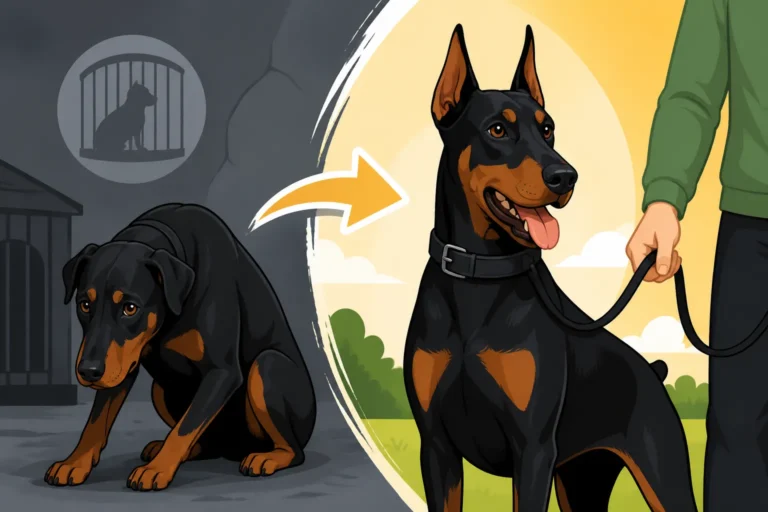
The reward for this dedication is immense. Watching your Doberman transform from a shy, apprehensive dog into a self-assured, resilient companion is one of the most fulfilling experiences a Doberman owner can have. They may never be the life of every party, but they will be a secure, loving, and deeply connected member of your family. Embrace the journey, celebrate every step forward, and enjoy the incredible bond you'll forge with your Doberman along the way. Whether a Shy Doberman Can Be Built Up is a question many owners ask, and the answer, with patience and dedication, is a resounding yes.
Disclaimer
This article is for general informational purposes only and does not constitute professional advice. Laws, prices and regulations vary by location and change over time. Consult a qualified professional for guidance on your specific situation.