Whether Doberman Bite Statistics Match the Fear
It’s a heartbreaking reality that Dobermans, despite their loyalty and intelligence, often face immediate judgment and fear from people who don't truly know the breed. This fear often stems from historical reputations and sensationalized stories, leading many to wonder if the frightening bite statistics sometimes cited against the breed actually reflect the Doberman you'd welcome into your home. This guide aims to dig deep into this persistent stereotype, examining the truth behind the numbers and the magnificent dogs living beyond the myths.
The Root of the Doberman's Fearsome Reputation
For generations, the Doberman has been unfairly cast as an inherently aggressive and dangerous dog. This isn't just a casual misconception; it’s a deep-seated fear that impacts owners and dogs alike, influencing everything from insurance policies to public perception. Understanding why this reputation exists is the first step in dismantling it.
Historical Context and Origin Story
The Doberman Pinscher was intentionally bred in the late 19th century by Karl Friedrich Louis Dobermann, a tax collector in Germany. His goal was to create a fiercely loyal and protective companion for personal defense during his rounds. He combined various breeds known for courage, intelligence, and protective instincts. While the exact blend remains somewhat a mystery, breeds like the Rottweiler, German Pinscher, and even Greyhounds are thought to be in the mix. This foundational purpose—to be a formidable guardian—is often misinterpreted as a predisposition to unprovoked aggression.
In its early days, the Doberman was indeed a much sharper, more intense dog than many of today's family companions. They were bred for courage and a strong prey drive, qualities highly valued in their working roles as police and military dogs. Over the decades, responsible breeders have worked tirelessly to refine the Doberman's temperament, emphasizing stability, trainability, and devotion while retaining their protective instincts. However, the shadow of their origins still looms large in the public imagination, often overshadowing the progress made in breeding for temperament.
Media Portrayal and Sensationalism
Let's be honest, Hollywood loves a Doberman. From "The Doberman Gang" movies to countless spy thrillers, these dogs are often cast as the villain's menacing sidekick, all bared teeth and relentless pursuit. These dramatic portrayals, while entertaining, do a tremendous disservice to the breed. They reinforce a stereotype of an uncontrollable, vicious animal, devoid of personality or warmth.
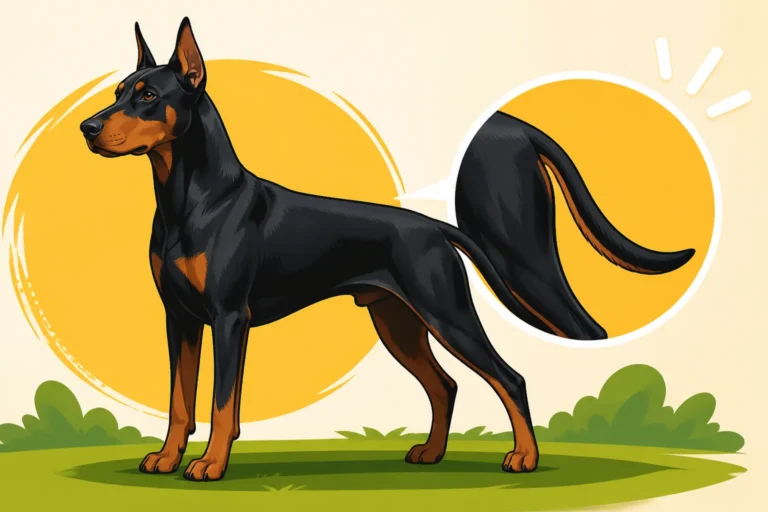
News reports, too, can contribute to the panic. A bite incident involving a Doberman often garners more attention than one involving a Labrador, simply because it "fits" the public's preconceived notions. The breed's imposing physique—sleek, muscular, and alert—lends itself to being perceived as intimidating. When combined with cropped ears and a docked tail (traditional modifications that enhance their sharp appearance), they become the embodiment of a formidable canine, regardless of their actual disposition. This constant barrage of negative imagery makes it incredibly difficult for the average person to see past the caricature to the loving dog beneath. Why Dobermans Have a Frightening Reputation explores this further.
Understanding "Bite Statistics" and Their Flaws
When we talk about "bite statistics," it sounds official and scientific, doesn't it? Like a definitive verdict on a breed's danger level. But the truth is, these statistics are far from perfect and often fail to capture the nuances of individual dog behavior or the real-world scenarios in which bites occur. Relying solely on these numbers can be deeply misleading.
How Bite Statistics Are Collected (and Miscollected)
Often, bite statistics are gathered from hospital records, animal control reports, or insurance claims. The problem is, these sources rarely have trained canine behaviorists on staff accurately identifying breeds or collecting detailed contextual information. Imagine an incident where a panicked person reports a "large black dog" or a "Doberman-type dog" when the animal might be a mixed breed, or even a different breed entirely. Breed identification by untrained individuals is notoriously unreliable. Many dogs are simply misidentified, inflating numbers for certain breeds based on superficial appearance.
Furthermore, these statistics frequently fail to differentiate between a playful nip that barely breaks the skin and a serious, unprovoked attack. Was the dog provoked? Was it protecting its territory, owner, or puppies? Was it poorly socialized or abused? Was it sick or in pain? These crucial details are often missing from general bite tallies, yet they are absolutely vital for understanding the true nature of an incident. Without this context, a "Doberman bite" might be counted the same way regardless of whether it was a warning snap from a dog cornered by a stranger or a dog genuinely acting aggressively.
The Problem of Breed-Specific Legislation
The fear stoked by misrepresented bite statistics has led to breed-specific legislation (BSL) in many areas. This means certain breeds, including Dobermans in some jurisdictions, are banned or heavily restricted based solely on their breed label, not on their individual behavior or training. This approach is widely criticized by veterinary organizations and responsible dog advocacy groups. It's like saying all sports cars are dangerous because some are driven recklessly, ignoring the driver's skill and temperament.
BSL often targets breeds that are large, strong, and visually intimidating, perpetuating the cycle of misunderstanding. It penalizes responsible owners and well-behaved dogs, diverting resources from truly effective bite prevention strategies like educating the public, promoting responsible ownership, and enforcing leash laws for all dogs, regardless of breed. The focus should be on individual dog behavior and owner responsibility, not on blanket condemnations of an entire breed based on flawed data.
Statistical Bias and Human Perception
There's a significant bias in how incidents are reported and perceived. A bite from a small, fluffy dog might be shrugged off as "cute" or "just being a dog," while the exact same severity of bite from a Doberman is immediately seen as proof of inherent aggression. This is human bias at play – we see what we expect to see.
Think about how a Doberman's sheer presence impacts a situation. A Doberman barking and lunging at a fence might be seen as a dangerous animal, whereas a smaller terrier doing the same might be dismissed as yappy. Both behaviors indicate a dog that needs training and socialization, but the Doberman's size and reputation amplify the perceived threat. This psychological effect heavily influences what gets reported, how it's reported, and how it's interpreted in those "statistics" we hear so much about.
Doberman Temperament: Reality Versus Myth
Moving beyond the numbers, it's essential to understand the true temperament of a Doberman Pinscher. When properly bred, raised, and trained, Dobermans are remarkable companions that defy the aggressive stereotypes.
Loyalty and Devotion to Their Family
The Doberman is often called a "Velcro dog" for a reason. They bond intensely with their human families, often choosing one person as their primary focus, though they are loving towards all household members. This devotion means they genuinely want to be near you, involved in whatever you're doing, whether it's watching TV, gardening, or just moving from room to room. This isn't clinginess in a needy way, but a profound connection that translates into an unwavering desire to protect their loved ones.
Their protective instincts are innate, but for a well-socialized Doberman, this manifests as vigilance and alertness, not aggression. They are watchful and will typically assess new situations before reacting. They are intelligent enough to discern threats from friendly greetings. A Doberman's greatest joy is often simply being with its family, offering companionship, and a quiet, watchful presence. Living With a Doberman That Follows You Everywhere perfectly captures this aspect of their personality.
Intelligence and Trainability
Dobermans consistently rank among the most intelligent dog breeds. This sharp intellect makes them incredibly trainable, capable of learning complex commands and tasks with surprising speed. They thrive on mental stimulation and excel in dog sports like obedience, agility, and even search and rescue. Their desire to please their owners, combined with their intelligence, means they are eager to engage in training sessions.
However, this intelligence is a double-edged sword. A smart dog that isn't given enough mental and physical exercise can become bored, and a bored Doberman can invent its own "job," which might involve destructive behaviors. This isn't aggression; it's a lack of appropriate outlets for their keen minds. Effective training for a Doberman involves positive reinforcement, consistency, and making learning fun. They respond poorly to harsh, punitive methods, often shutting down or becoming fearful. Training a Doberman That Is Smarter Than You Expect provides insights into harnessing their intelligence.
Sensitivity and Emotional Depth
Despite their tough exterior, Dobermans are surprisingly sensitive dogs. They are keenly attuned to their owners' moods and emotions, often offering comfort when sensing distress. They don't typically do well in chaotic, high-stress environments and prefer a calm, predictable routine. This sensitivity means they require a gentle but firm hand in training and thrive on positive reinforcement and clear communication.
Their sensitivity also means they can be prone to anxiety, especially separation anxiety, if not properly acclimated to being alone from a young age. A Doberman that acts out due to anxiety or fear is often misunderstood as aggressive when its behavior is rooted in emotional distress. Responsible Doberman ownership means understanding and respecting this sensitive nature, providing a stable home, consistent training, and plenty of positive social experiences.
Factors That Influence Any Dog's Behavior (Including Dobermans)
It's a common misconception that a dog's breed is the sole determinant of its behavior. While genetics certainly play a role in predisposing certain traits, the vast majority of a dog's personality and behavior are shaped by a complex interplay of environmental factors. For Dobermans, like any other breed, these influences are critical.
Genetics: Responsible Breeding Matters
While a Doberman's lineage might carry genes for certain drives or physical traits, responsible breeding focuses on temperament as much as, if not more than, appearance. A well-bred Doberman comes from parents who have stable, confident temperaments and have passed extensive health and temperament screenings. Breeders who prioritize these qualities are actively working to produce dogs that are sound in mind and body, making them far less likely to exhibit unwarranted aggression.
Conversely, poorly bred Dobermans, often from "backyard breeders" or puppy mills focused on profit over health and temperament, are a different story. These dogs may inherit genetic predispositions to shyness, nervousness, or instability, which can manifest as fear-based aggression later in life. This isn't a "Doberman problem" but a "poor breeding problem" that affects all breeds. Always seek out reputable breeders who openly discuss their dogs' temperaments and provide health testing results. The Health Testing a Doberman Breeder Must Show is crucial reading on this topic.
Socialization and Early Exposure
The first few months of a Doberman puppy's life are absolutely critical for shaping its future behavior. Extensive, positive socialization during this period is non-negotiable. This means exposing the puppy to a wide variety of sights, sounds, people (of all ages and types), other friendly dogs, and different environments in a controlled, positive way. A Doberman puppy that experiences the world as a safe and interesting place is far more likely to grow into a confident, well-adjusted adult.
A lack of proper socialization can lead to fear, anxiety, and reactivity. A Doberman that hasn't met many strangers might be fearful of them, leading to defensive behaviors like barking or even nipping. This isn't aggression inherent to the breed, but a consequence of insufficient early life experiences. Puppy classes, supervised playdates, and gradual, positive introductions to new things are paramount for a Doberman. The Sixteen Weeks That Set a Doberman Up highlights the importance of this foundational period.
Training and Consistent Guidance
Training isn't just about teaching commands; it's about building a strong relationship, establishing clear communication, and providing structure. Dobermans thrive on routine and clear expectations. Consistent, positive reinforcement training from a young age helps them understand their place in the family and what is expected of them. Without it, their intelligence and protective instincts can go awry.
A Doberman needs an owner who is confident, consistent, and willing to put in the time and effort. They need to know you are the leader, not through intimidation, but through calm, assertive guidance. A Doberman that is constantly corrected harshly or inconsistently will become confused, fearful, or develop behavioral issues. Tools and methods like those found on resources like Chewy can help you find appropriate training aids, from high-value treats to puzzle toys that engage their minds. The Owner a Doberman Actually Needs dives deeper into what it takes to raise a well-behaved Doberman.
Environment and Owner Responsibility
Finally, the environment a Doberman lives in, and the responsibility of its owner, are arguably the most significant factors influencing its behavior. A Doberman raised in a loving, stable home with consistent training, plenty of exercise, and appropriate mental stimulation is a vastly different dog from one confined to a kennel, neglected, or abused.
- Exercise: Dobermans are athletic and need a significant amount of physical activity daily. A bored, underexercised Doberman is more prone to frustration and destructive behaviors, which can be misconstrued as aggression.
- Mental Stimulation: Their sharp minds need challenges. Puzzle toys, training sessions, and working sports are essential to keep them happy and balanced.
- Health: An undiagnosed medical condition or chronic pain can make any dog irritable, fearful, and more likely to bite. Regular vet check-ups are crucial.
- Owner Engagement: Dobermans crave interaction. They are not dogs to be left alone in a backyard. They need to be part of the family, involved in activities, and given attention.
Ultimately, attributing "dangerousness" to a breed based on flawed bite statistics misses the entire point of canine behavior. Any dog, regardless of breed, can bite under certain circumstances, and almost always, there are underlying reasons related to genetics, upbringing, and environment. A Doberman, in the right hands, is a loyal, intelligent, and devoted family member, far removed from the scary statistics.
| Factor | Impact on Doberman Behavior | Positive Influence | Negative Influence |
|---|---|---|---|
| Genetics/Breeding | Predisposes temperament and drives | Responsible breeders focus on stable temperaments | Backyard breeding can lead to nervousness/instability |
| Early Socialization | Shapes confidence and worldview | Extensive, positive exposure to diverse stimuli | Lack of exposure leads to fear, anxiety, reactivity |
| Consistent Training | Establishes communication, structure, and expectations | Positive reinforcement, clear rules, mental engagement | Harsh methods, inconsistency, lack of stimulation |
| Exercise Needs | Affects energy levels and emotional balance | Daily vigorous exercise, outlets for physical energy | Boredom, destructive behavior, frustration |
| Environment/Care | Overall quality of life, security, and well-being | Loving, stable home, regular vet care, family inclusion | Neglect, abuse, isolation, unaddressed health issues |
Dispelling the Myth: The Doberman as a Family Dog
It's time to put the persistent fear-mongering about Doberman bite statistics to rest. The reality is that a properly bred, well-socialized, and consistently trained Doberman is an exceptional family companion. They are not ticking time bombs waiting to turn aggressive; they are sensitive, intelligent, and deeply loyal dogs who thrive on connection and purpose.
Dobermans and Children: A Different Picture
One of the most common fears surrounding Dobermans is their perceived danger to children. However, many Dobermans are raised successfully in homes with children and become devoted, gentle guardians. Their protective instincts, when properly channeled, mean they are often watchful over the younger members of their “pack.” This doesn’t mean leaving a Doberman unsupervised with a child—no dog, regardless of breed, should ever be left alone with young children—but it does mean that with proper introductions and consistent supervision, they can be wonderful family dogs.
Teaching both the Doberman and the child how to interact respectfully is key. Children need to understand boundaries, how to approach a dog gently, and when to leave the dog alone. The Doberman, in turn, needs to be taught appropriate responses to child-like behavior, such as sudden movements or loud noises. With mutual respect and proper guidance from adults, a Doberman's protective nature can mean they are incredibly tolerant and patient companions for kids, always keeping a watchful eye.
The True Measure of a Doberman
Instead of relying on often-flawed bite statistics, the true measure of a Doberman lies in their individual temperament, their upbringing, and the commitment of their owners. A Doberman that receives adequate mental and physical exercise, consistent positive reinforcement training, early and broad socialization, and lives in a loving, structured home will very rarely exhibit unwarranted aggression. Whether a Doberman Is Good With Strangers and Teaching a Doberman to Accept Visitors delve into how to foster a confident, polite Doberman.
The challenge isn't with the breed itself, but with the misconceptions surrounding it and the occasional irresponsible ownership that gives the breed a bad name. When someone encounters a truly aggressive Doberman, it is almost always a result of poor breeding, lack of socialization, harsh training methods, neglect, or abuse – factors that would impact any dog breed negatively. Let's champion responsible ownership and education over fear and misinformation.
Disclaimer
This article is for general informational purposes only and does not constitute professional advice. Laws, prices and regulations vary by location and change over time. Consult a qualified professional for guidance on your specific situation.