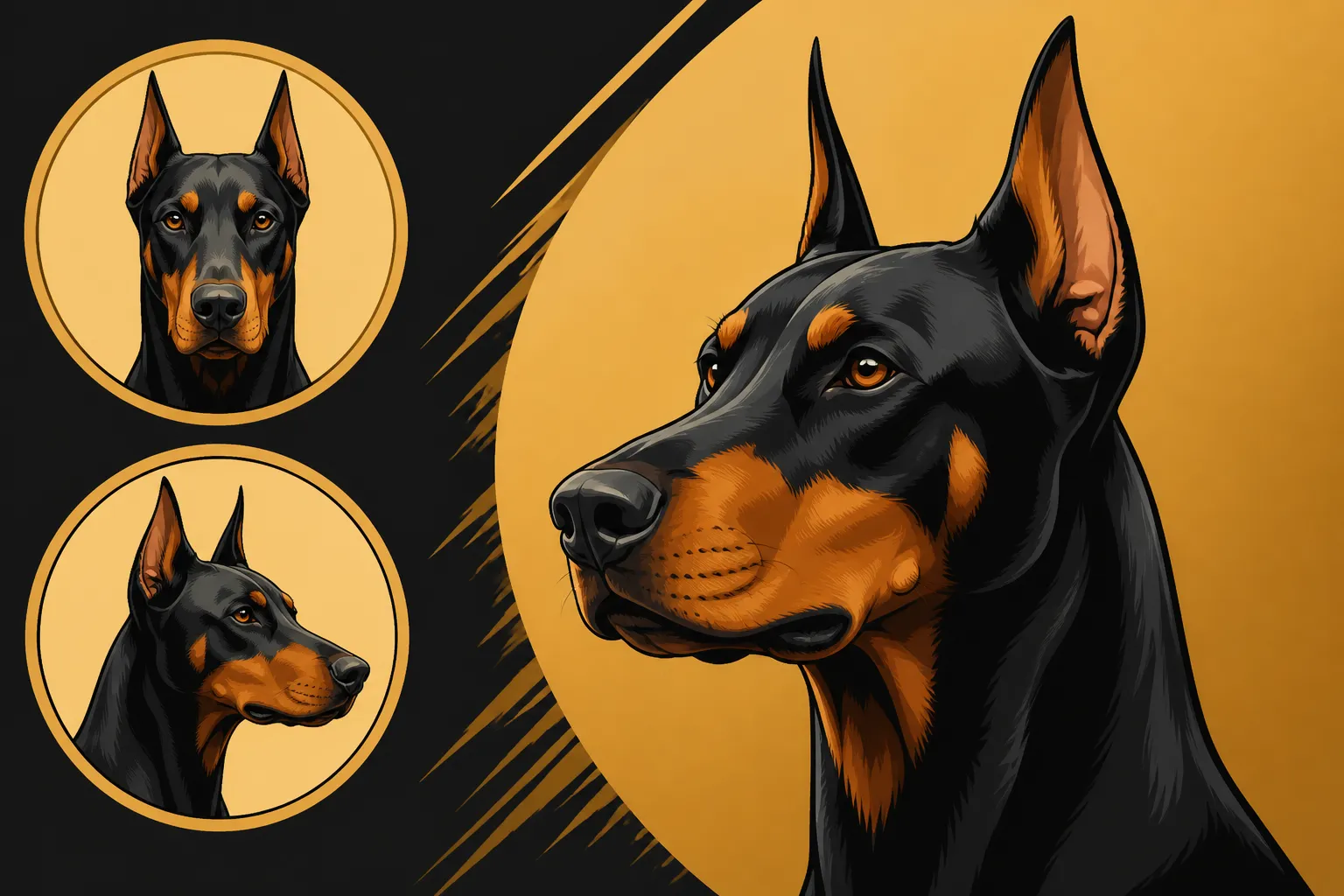
Doberman Head, Eye and Expression in the Standard
When you first look at a Doberman, their striking appearance is often the first thing that captures your attention. But beyond just "handsome" or "intense," there's a very specific blueprint for what makes a Doberman's head, eyes, and overall expression truly characteristic of the breed, as laid out in the breed standard. Many owners, and even some breeders, find themselves wondering exactly what makes an "ideal" Doberman face. This guide aims to demystify the intricacies of the Doberman's head, eyes, and expression, helping you understand the details that define this magnificent breed.
The Doberman Head: More Than Just a Pretty Face
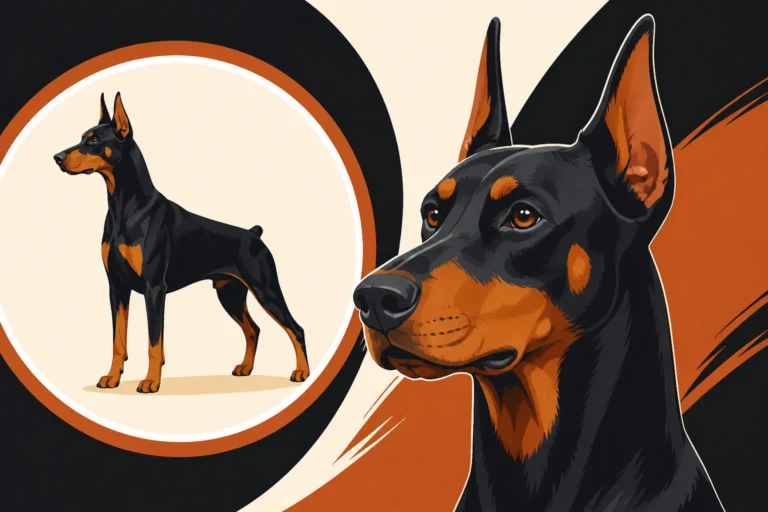
The Doberman's head is often described as a "blunt wedge," and this isn't just a poetic turn of phrase; it's a precise anatomical description that influences everything from their overall silhouette to their functionality. It’s a key indicator of correct breed type, and deviations here can subtly or overtly change the entire appearance of the dog. Understanding the nuances of this wedge shape is fundamental to appreciating the breed's aesthetic and historical purpose.
The Ideal Wedge: Shape and Proportion
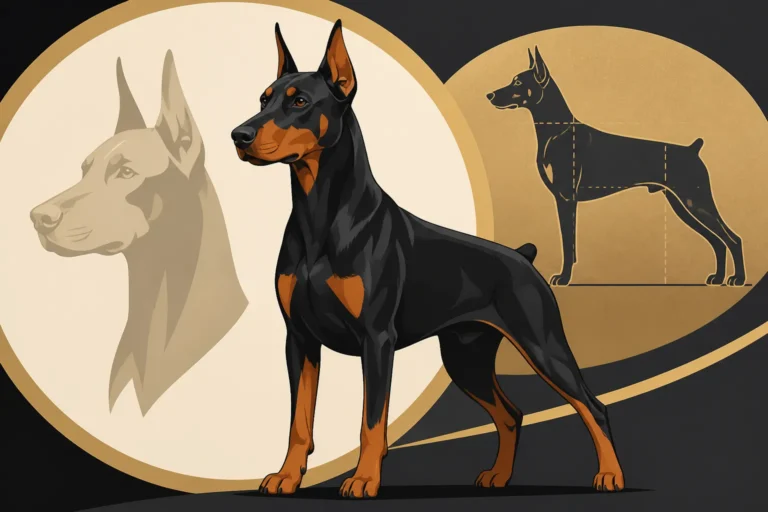
Imagine a blunt wedge, clean-cut, and without exaggeration. That's the blueprint for the Doberman head. From a top view, the head should broaden steadily from the nose to the base of the ears, forming a distinct, albeit blunt, wedge. When viewed from the side, the top line of the skull and the bridge of the muzzle should ideally be parallel. This parallel plane is a hallmark feature, signifying balance and strength.
The length of the head, from the nose to the occiput (the bump at the back of the skull), should be in proportion to the length of the dog's body and height. It's never meant to be overly long or short; balance is the key. A Doberman with a head that is too small for its body can look delicate or out of proportion, while one with a massive, heavy head might appear coarse. Breeders strive for that perfect harmony, ensuring the head flows seamlessly into a strong, muscular neck. You can delve deeper into what makes a Doberman's silhouette ideal in The Doberman the AKC Standard Describes.
The depth and width of the head are equally important. It should have sufficient depth without appearing overly heavy or cumbersome. A shallow head, lacking in substance, might give the dog a weak or refined appearance, which isn't characteristic of the breed's robust nature. The cheeks should be flat, without prominent musculature that would disrupt the smooth wedge lines.
Skull and Muzzle: A Balanced Symphony
The skull, or cranium, is essentially the top part of the head, from the stop (the indentation between the eyes) to the occiput. It should be flat on top, not domed or rounded, and of moderate width. A domed skull, sometimes called an "apple head," is a serious fault in the Doberman standard, as it significantly alters the desired wedge shape. Conversely, a skull that is too narrow gives the dog a pinched appearance.
The muzzle, which extends from the stop to the nose, should be powerful and deep, without being coarse or snipy (too pointed). The length of the muzzle should be nearly equal to the length of the skull. This equal proportion is critical to maintaining the parallel planes and the overall balance of the head. A short muzzle or one that slopes sharply downwards from the stop, often referred to as a "dished" face, detracts from the classic Doberman profile and is considered a fault. A great resource for understanding this specific feature is The Wedge Head a Doberman Is Meant to Have.
The stop itself, the transition from the forehead to the muzzle, should be moderate and well-defined, but not abrupt. It creates a subtle break in the profile, preventing the head from looking like one continuous, unrefined block. If the stop is too pronounced, it can give the Doberman a more "setter-like" appearance, which is incorrect for the breed. If it's too shallow, the face might appear flat and lacking definition.
Jaws and Teeth: Strength and Function
Underneath that elegant wedge, the Doberman possesses jaws of considerable strength. This is a working breed, and their bite must be powerful and efficient. The upper and lower jaws should be full and well-developed, meeting in a strong, complete scissors bite. This means the outer side of the lower incisors should just touch the inner side of the upper incisors. Any deviation from this, such as an overshot (upper jaw extends beyond lower) or undershot (lower jaw extends beyond upper) bite, is a serious fault.
The teeth themselves are equally important. A Doberman should have a full complement of 42 teeth, strong and white, properly aligned. Missing teeth, other than those lost due to injury or age, can be a fault, depending on the number and location. This emphasis on a sound mouth reflects the breed's utility as a protector and working dog, needing a strong grip. While Chewy offers a fantastic selection of dental chews and toothbrushes to help maintain your Doberman's oral health, a good breeder will always prioritize correct dental structure in their breeding program.
The lips should be close-fitting and tight, without any looseness or excessive flews (pendulous lips). Tight lips contribute to the clean-cut appearance of the muzzle and prevent drooling, which is generally not a Doberman characteristic. Loose lips can also be an indicator of a less refined head and can interfere with the dog's ability to hold and carry objects effectively, again linking back to their working heritage.
Eyes: The Windows to the Doberman Soul (and Standard)
The eyes of a Doberman are incredibly expressive and play a huge role in defining their characteristic look. They are often described as intelligent, alert, and watchful, reflecting the breed's keen awareness and protective nature. Beyond just aesthetics, the specific shape, size, and color of the eyes are critical elements of the breed standard, influencing the dog's overall expression and sometimes even hinting at underlying genetic traits.
Size, Shape, and Placement: The Doberman's Alert Gaze
The ideal Doberman eye is almond-shaped, not round, and of moderate size. Round eyes can give a Doberman a soft, almost puppy-like expression, which is contrary to the desired keen, determined look. The almond shape contributes to the intelligent and alert appearance that is so prized in the breed. They should be set moderately deep, not bulging or sunken, and placed well apart.
Their placement also affects the overall expression. Eyes that are set too close together can make the face appear narrow and less balanced, while those set too wide apart can give a dull or vacant look. The eye rims should be tight and well-pigmented, matching the overall color of the dog's coat. Loose or unpigmented eye rims can give a tired or sickly appearance and are considered faults. This specific gaze is a huge part of What Determined and Alert Mean in the Doberman Standard.
The expression conveyed by the eyes is paramount. A Doberman's eyes should always show intelligence, vigilance, and self-assurance. When they are alert, their gaze is direct and fearless, without appearing aggressive or timid. This piercing, yet noble, look is a defining characteristic that differentiates the Doberman from many other breeds. It’s this combination of shape, size, and placement that allows the eyes to truly convey the Doberman's inherent qualities.
Eye Color: The Importance of Darkness
When it comes to eye color, the darker the better for a Doberman. The standard explicitly calls for dark-colored eyes, with a preference for dark brown. In black Dobermans, very dark brown, almost black, eyes are ideal. For red Dobermans, a medium brown that blends with the red coat is acceptable, but still as dark as possible. The primary goal is for the eye color to be as dark as the deepest allowable shades of the coat.
This preference for dark eyes isn't merely aesthetic; it's a critical component of the breed's expression. Dark eyes give a Doberman a serious, penetrating gaze that adds to their imposing and watchful demeanor. They also create a stark contrast with the rust markings, enhancing the overall intensity of the face. Lighter eyes tend to soften the expression, making the dog appear less alert or less formidable, which is not in line with the breed's intended image.
The exact shade of darkness can be a subtle point of contention among enthusiasts, but the overarching principle remains: avoid lightness. This is a point frequently judged, and often results in points off in the show ring.
What a Light-Eyed Doberman Signals
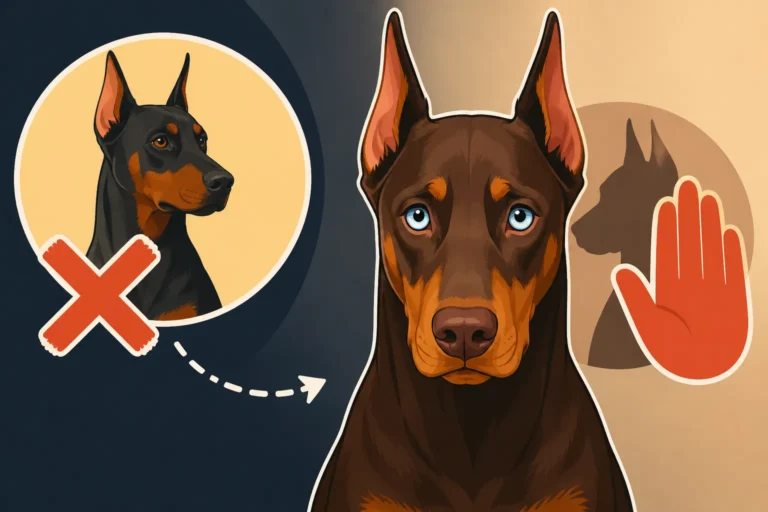
A light-colored eye in a Doberman is considered a significant fault and is heavily penalized in the show ring. This isn't just a subjective preference; it directly impacts the breed's characteristic expression of alertness and intelligence. Light eyes, often described as "yellow" or "bird of prey" eyes, soften the intense gaze that Dobermans are known for, making them appear less formidable and sometimes even nervous or vacant.
Beyond aesthetics, light eyes can sometimes be associated with dilution genes, particularly in blue and fawn Dobermans. While these colors themselves are variations that come with specific health considerations like Color Dilution Alopecia in Blue and Fawn Dobermans, light eye color can further emphasize the diluted pigment. Even in black and red Dobermans, a light eye signals a deviation from the desired standard. You can learn more about this specific fault in Why a Light-Eyed Doberman Is Marked Down.
It's important for prospective Doberman owners to recognize this fault, not just for show purposes, but because it helps in identifying responsible breeders who adhere to the standard. A reputable breeder will actively select against light eyes in their breeding program, prioritizing correct eye color as a key component of overall breed type and expression. While a pet Doberman with light eyes might be a wonderful companion, it's a clear indication that the dog does not meet the strict aesthetic requirements of the breed standard.
Expression: What a Doberman's Face Truly Communicates
The Doberman's expression is arguably one of its most captivating features. It's an intricate blend of their head shape, eye placement, and the way they hold their ears, all combining to convey their inner disposition. This isn't just about static features; it's about the dynamic interplay of muscles and attention that reveals the Doberman's true character.
Alert and Intelligent: The Breed's Hallmark
The paramount characteristic of the Doberman's expression is its undeniable alertness and intelligence. A Doberman's face, even at rest, should suggest a keen awareness of its surroundings. When stimulated or interested, this alertness intensifies, with the eyes brightening and the ears orienting towards the source of attention. This intense focus is a direct reflection of their history as watchful guardians and intelligent working dogs.
An ideal Doberman's expression should never be dull, vacant, or overly aggressive. Instead, it conveys self-assurance, curiosity, and a readiness to respond. This balance is tricky; they should look capable and confident without appearing threatening or unapproachable. It's a look that says, "I see you, I'm evaluating, and I'm ready if needed." This inherent intelligence is something you'll notice quickly in your Doberman's training journey, as detailed in Training a Doberman That Is Smarter Than You Expect.
This intelligent expression is one of the reasons Dobermans are so captivating. They seem to understand everything you say and do, often responding with subtle shifts in their gaze or the slight cocking of an ear. It's this active, engaged look that truly brings the Doberman's face to life and makes them such compelling companions.
Ears: Cropped vs. Natural and Their Role in Expression
Traditionally, Dobermans have their ears cropped and posted to stand erect. While this practice is becoming less common in some regions and is controversial, the breed standard for showing in many parts of the world, including the United States, still describes the ideal ear as "cropped and carried erect." When cropped correctly, the ears become an integral part of the Doberman's alert expression, accentuating the clean lines of the head and giving them a formidable, ever-watchful appearance.
An erect ear, whether naturally pricked (rare in Dobermans without cropping) or post-cropped, works with the almond eyes to enhance the breed's characteristic keen expression. The way a Doberman holds its cropped ears – forward, slightly to the side, or fully attentive – communicates volumes about its mood and focus. For many, this look is synonymous with the breed's iconic image. Learning about Doberman Ear Cropping From Surgery to Last Posting offers insight into the journey many owners undertake for this look.
However, many Dobermans today are left with their natural ears, which are typically medium-sized and set high on the skull, dropping or semi-pricked. While natural ears alter the classic silhouette, they are still capable of conveying expression. A Doberman with natural ears can still show alertness by lifting or rotating them, though the overall impression might be softer than with a stiff, erect crop. The preference for cropped or natural ears often comes down to individual owner choice, regional veterinary practices, and show ring requirements, as explored in Whether a Doberman Must Be Cropped to Win.
Forehead Furrows and Cheek Muscles
Subtle details in the Doberman's facial musculature also contribute significantly to their expression. When a Doberman is alert and concentrating, you might notice a slight furrowing of the brow, particularly above the eyes. This minor detail enhances the intelligent, questioning look that is so characteristic. It's not a deep, worried frown, but a subtle tension that conveys thoughtfulness and focus.
Similarly, the muscles around the cheeks and jaw, while meant to be flat, can subtly tighten or relax depending on the dog's mood. When intensely focused or assessing a situation, these muscles might become slightly more defined, adding to the impression of power and resolve. In contrast, a relaxed Doberman will have a softer, more fluid facial demeanor.
These subtle muscular movements are crucial for a Doberman's non-verbal communication, both with their human companions and with other dogs. They work in tandem with the eyes and ears to create a complete picture of the dog's internal state. Understanding these subtle cues can help an owner better interpret their Doberman's emotions and intentions, fostering a deeper bond.
Faults and Deviations: When a Doberman's Look Misses the Mark
While a Doberman's head, eyes, and expression are often sources of admiration, deviations from the breed standard can occur. These aren't just aesthetic preferences; many faults can indicate a departure from the functional and healthy structure intended for the breed. Recognizing these faults is important for anyone considering a Doberman, whether for showing, breeding, or simply as an educated pet owner.
Common Head Faults: Apples, Dished Faces, and More
A range of head faults can occur, impacting the Doberman's characteristic blunt wedge shape and parallel planes. One of the most common and easily identifiable is a "domed" or "apple" head, where the top of the skull is rounded rather than flat. This dramatically alters the desired elegant profile and can make the head appear more cumbersome. Conversely, a skull that is too flat or narrow, lacking sufficient width or substance, is also incorrect.
Another significant fault pertains to the muzzle. A "dished" face, where the bridge of the muzzle appears concave or sloped downwards from the stop, deviates from the straight, parallel lines of the ideal profile. Similarly, a "roman nose," where the bridge of the muzzle is convex or arched, is also a fault. A muzzle that is too short, snipey (too pointed), or lacking depth, gives a refined, weak appearance rather than the powerful, substantial look required.
A poorly defined or overly abrupt stop also constitutes a fault, disrupting the smooth transition from skull to muzzle. These structural deviations not only affect appearance but can sometimes indicate a departure from the breed's intended functional head structure. For a comprehensive look at what a judge would penalize, consult The Doberman Faults a Judge Cannot Overlook.
Eye Faults: Roundness, Lightness, and Unevenness
Eye faults are particularly impactful because they so directly influence the Doberman's expression. As discussed, round eyes are a common fault, replacing the desired almond shape with a softer, less intense look. Bulging eyes, which can appear to protrude from the socket, are also incorrect and can give a worried or startled expression. Similarly, eyes that are too small or deeply set can make the dog appear less open and intelligent.
The most penalized eye fault is light color. Yellow, amber, or excessively light brown eyes, often referred to as "bird of prey" eyes, are a clear deviation from the standard's preference for dark, rich eye color. This lightness severely detracts from the Doberman's intense and alert gaze. Another fault can be uneven eye placement or differing eye colors (heterochromia), though the latter is extremely rare in Dobermans and usually indicative of a mixed breed or specific genetic anomaly not typically found within the purebred standard.
Eyelids that are loose, showing too much of the haw (the inner pink membrane), or that roll in (entropion) or out (ectropion) are also faults. These can lead to health issues, such as irritation or infections, and detract from the tight, well-pigmented eye rims required.
Expression Deviations: Dullness or Hardness
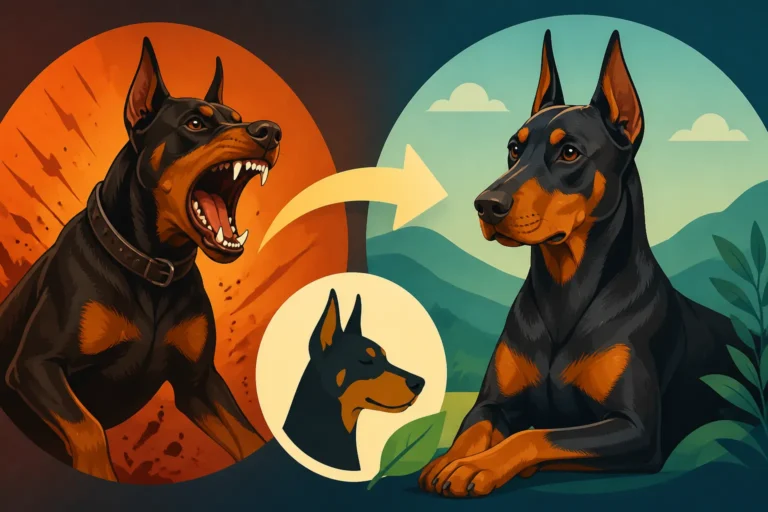
A Doberman's expression should convey intelligence, alertness, and self-assurance. Deviations from this ideal include a dull, vacant, or timid expression, which suggests a lack of the breed's characteristic keenness. A Doberman should never appear shy or fearful, as this goes against their inherent courage and confidence.
Conversely, an overly hard, aggressive, or glaring expression is also considered a fault. While Dobermans are protective, their expression should be one of composed power rather than overt hostility. A dog that continually looks menacing or suspicious is not exhibiting the balanced temperament desired by the standard. This subtle distinction between confident and aggressive is a key aspect of the breed's temperament, which you can read more about in Doberman Guarding Instinct and Where It Tips Over.
Faults in ear carriage, whether natural or cropped, can also impact expression. Naturally-eared Dobermans whose ears are set too low or are excessively heavy can give a less alert appearance. For cropped ears, a poor crop or improper posting can result in ears that flop, are uneven, or are too short or too long, all of which detract from the intended alert expression. These issues underline the importance of selecting a veterinarian experienced in The Six Hundred Dollar Doberman Crop if one chooses to crop.
Here's a quick reference table summarizing ideal Doberman facial features:
| Feature | Ideal Standard | Common Faults |
|---|---|---|
| Head Shape | Blunt wedge, parallel skull/muzzle planes | Domed (apple) skull, dished/roman nose, snipey muzzle |
| Stop | Moderate, well-defined | Too abrupt, too shallow |
| Jaws/Bite | Strong, full, complete scissors bite | Undershot, overshot, missing teeth, weak jaws |
| Eyes | Almond-shaped, moderate size, set moderately deep | Round, bulging, too small, sunken, loose eyelids |
| Eye Color | As dark as possible, preferably dark brown | Yellow, amber, light brown |
| Ears | Cropped and carried erect (traditional standard) | Poor crop, uneven, low set (natural ears, if not cropped) |
| Expression | Alert, intelligent, self-assured, watchful | Dull, timid, overly aggressive, vacant |
Why the Standard Matters: Beyond the Show Ring
Understanding the Doberman breed standard for head, eye, and expression isn't just for those who compete in conformation shows. It provides invaluable insight into the breed's origins, purpose, and the qualities that define a true Doberman. This knowledge empowers owners to appreciate their dog's unique traits and to make informed decisions when seeking a new Doberman.
Health and Functionality: More Than Just Aesthetics
While many aspects of the standard relate to appearance, they are often intrinsically linked to health and functionality. For instance, a strong, well-formed jaw with a correct scissors bite isn't just for looks; it ensures the dog can eat and use its mouth effectively for carrying or defending. Deviations like severe overshot or undershot bites can lead to dental problems, difficulty eating, and impaired function.
Similarly, correct eye shape and placement contribute to good vision and protection of the eye. Bulging eyes, for example, can be more prone to injury, while loose eyelids can lead to chronic irritation or infections. Even the traditional cropped ear, when done correctly, aimed to prevent ear infections in a working dog who might encounter thorns or other hazards, although this is a point of ongoing debate and has not been scientifically proven as a health benefit.
Responsible breeders use the standard as a guide to produce healthy, well-structured dogs. They understand that a beautifully proportioned head and keen expression often come hand-in-hand with good underlying structure and health. They are looking at the whole package, striving for both form and function, so you can often gauge a breeder's commitment to health by examining the quality of their dog's adherence to the standard.
Preserving the Breed's Legacy
The breed standard is essentially a living document that preserves the Doberman's identity. It describes the ideal physical and mental characteristics that define the breed, ensuring that Dobermans bred today maintain the qualities of their ancestors. By adhering to the standard, breeders help to prevent the breed from drifting too far from its original type, maintaining the unique combination of elegance, power, and intelligence that makes a Doberman a Doberman.
Every time a Doberman is judged against the standard, or when an owner learns about what makes their dog exemplary (or deviates), it reinforces an understanding of the breed's history and purpose. It helps maintain the characteristics that Karl Dobermann, the breed's founder, sought when he developed these dogs as guardians. The specific nuances of the head and expression are crucial components of this legacy, telling a story of vigilance and nobility.
Supporting breeders who conscientiously work towards the standard, and understanding the significance of the features described within it, contributes to the overall health and preservation of the breed for future generations. It's not about creating "perfect" dogs, but about striving for the ideal that best represents the Doberman's heritage.
Understanding Your Own Doberman's Features
Even if your Doberman is a beloved pet and will never step foot in a show ring, knowing the breed standard for their head, eyes, and expression can deepen your appreciation for them. You'll begin to notice the subtle nuances in their almond-shaped eyes, the way their ears (cropped or natural) communicate their mood, and the intelligent curve of their muzzle. This knowledge allows you to see beyond just a "dog" and truly appreciate the artistry and purpose behind the Doberman breed.
Understanding these features also helps you better communicate with your Doberman. You might start to pick up on the specific forehead furrows that mean they're thinking, or the slight tilt of their head and intensification of their gaze when they're trying to understand you. This awareness enhances the bond you share, as you become more attuned to their non-verbal cues. If you're looking for educational resources, Chewy often carries books and guides on specific breed standards that can further your understanding.
Ultimately, the Doberman's head, eyes, and expression are not just a collection of physical traits; they are the visible manifestation of their temperament, intelligence, and legacy. By taking the time to understand these elements of the breed standard, you're not just gaining knowledge; you're gaining a deeper connection to this extraordinary canine companion.
Disclaimer
This article is for general informational purposes only and does not constitute professional advice. Laws, prices and regulations vary by location and change over time. Consult a qualified professional for guidance on your specific situation.