Whether Doberman Puppies Come Already Cropped
Bringing a Doberman puppy home is an incredibly exciting time, filled with dreams of a loyal companion and endless adventures. However, many prospective owners find themselves wrestling with a common question: will their new Doberman puppy arrive with its ears already cropped, or is that a step they'll need to handle themselves? It's a point of confusion for many, often leading to frantic searches and calls to breeders. This guide will walk you through the typical practices surrounding Doberman ear cropping, what to expect from breeders, and the choices and responsibilities that lie with you.
The Standard Practice for Doberman Ear Cropping
When you picture a classic Doberman, chances are you imagine those elegant, erect ears. This distinctive look is achieved through a surgical procedure known as ear cropping, and for most Doberman puppies destined for homes that prefer this aesthetic, it’s usually performed long before they ever meet their new families. It's a significant part of the breed's traditional presentation and a detail often handled with great care by responsible breeders.
Why Doberman Puppies Are Cropped Young
The timing of ear cropping isn't arbitrary; it's carefully chosen for several reasons, primarily related to the puppy's development and healing process. Doberman puppies are typically cropped when they are quite young, usually within a narrow window between 7 and 12 weeks of age, though some vets might extend this slightly to 16 weeks depending on the individual puppy and the desired crop style. During this early stage, the cartilage in a Doberman's ears is still relatively soft and pliable, making it much easier to shape and allowing for better, more predictable cosmetic results. Attempting to crop ears much later, once the cartilage has hardened, significantly complicates the surgery and dramatically reduces the chances of the ears standing properly, often leading to unsatisfactory outcomes.
Beyond the physical aspect, cropping at a young age is also considered beneficial because puppies at this stage tend to recover more quickly from the surgery. Their pain tolerance and healing capabilities are generally robust, and they adapt more readily to the post-operative care and the initial posting process. The trauma of the procedure, while still present, is often less impactful on a very young pup compared to an older, more aware adolescent dog. It’s about leveraging their natural resilience and growth phase to ensure the best possible aesthetic and health outcome for the ear structure.
Furthermore, this early timing helps to minimize stress for both the puppy and the new owner. A reputable breeder who undertakes the cropping usually ensures the puppy is through the initial recovery period before going to its new home. This means the most acute phase of healing is managed by experienced hands, leaving the new owner to focus on the crucial, but less medically intensive, process of ear posting. It allows the puppy to settle into its new environment without the added discomfort and veterinary visits associated with fresh surgical wounds.
What to Expect from a Reputable Breeder
If you're seeking a Doberman puppy with cropped ears, a reputable breeder will typically have already taken care of this procedure before the puppies are ready to go home, usually around 8 to 10 weeks of age. This is because, as mentioned, the optimal window for cropping is quite early in the puppy's life. Good breeders have established relationships with skilled veterinarians who specialize in ear cropping for Dobermans, ensuring the procedure is performed safely and expertly. They understand the nuances of different crop styles—whether you're looking for a medium show crop or a more aggressive military cut—and work with their vet to achieve the desired look.
When discussing the purchase of a puppy, a transparent breeder will clearly outline their policy regarding ear cropping. Often, the cost of the cropping surgery is included in the overall price of the puppy, reflecting the additional expertise and care invested. This might seem like a higher initial cost compared to puppies sold uncropped, but it's important to remember that you're paying for the breeder's diligence in ensuring the procedure is done correctly by an experienced professional. They will also provide all necessary post-operative care instructions, details of the vet who performed the surgery, and usually demonstrate the initial ear posting. You can expect them to provide comprehensive information, helping you understand What Breeders Ask for a Doberman Puppy and how they ensure the health and proper development of their litters.
On the other hand, if a breeder offers puppies uncropped and you still desire the cropped look, they should be upfront about the fact that you, the new owner, will be responsible for arranging and paying for the cropping yourself. They might offer recommendations for vets in your area who are experienced with Doberman ear cropping, but the logistics and expenses will fall squarely on your shoulders. It's crucial to clarify these details well in advance to avoid any surprises, especially since getting Doberman Ear Cropping From Surgery to Last Posting right is a significant commitment. Be wary of any breeder who is vague about the cropping process or suggests delaying it beyond the optimal age range, as this can lead to poor results and additional complications down the line.
The Process: From Surgery to Initial Healing
Understanding what happens during and immediately after the ear cropping surgery can help alleviate some concerns and prepare you for the journey ahead. It's not just about the surgical cut; it's a careful process that involves meticulous aftercare and a commitment to ongoing posting to achieve the desired aesthetic. The breeder typically manages the initial, most delicate phases, setting the puppy up for success.
The Surgical Procedure and Immediate Aftercare
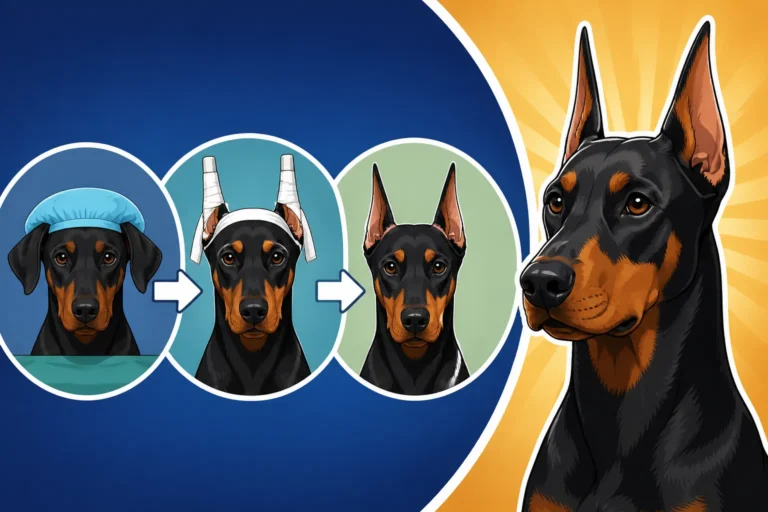
The ear cropping procedure itself is a skilled surgical art, typically performed under general anesthesia by a veterinarian highly experienced with Dobermans and cosmetic ear surgeries. The vet carefully removes a portion of the ear leather and shapes the remaining ear to achieve the desired style, whether it’s a more conservative pet crop or a longer, more dramatic show crop. Precision is key, as the cut must be symmetrical and proportionate to the puppy's head for the best outcome. Once the shaping is complete, the edges are meticulously stitched, and the ears are often taped up or fitted with a light framework to protect them during the initial healing phase. This immediate taping helps to hold the freshly cut edges in place and prevents the puppy from scratching or damaging the sensitive tissue.
After the surgery, the puppy will typically be kept under close observation as they recover from anesthesia. Pain management is a critical component of post-operative care, with veterinarians prescribing appropriate pain medications to ensure the puppy remains comfortable. You can expect the breeder to ensure the puppy has an Elizabethan collar (the "cone of shame") to prevent them from pawing at their ears or chewing at the stitches, which is vital for preventing infection and ensuring proper healing. The surgical sites need to be kept clean and dry, usually with daily cleaning using a mild antiseptic solution. The stitches typically remain in for about 7 to 10 days, after which they are either removed by the vet or dissolve naturally, depending on the type used. The goal during this period is uneventful healing, forming a clean, healthy scar line that will eventually define the ear's shape.
This initial healing period is crucial; any complications such as infection or excessive swelling can impact the final look and prolong the recovery. Reputable breeders will be monitoring their puppies constantly during this time, ensuring they are eating, drinking, and recovering well. They will have direct communication with the veterinary clinic, addressing any concerns immediately. It’s a dedicated period of care that forms the foundation for the subsequent, longer-term process of ear posting, which will ultimately determine how well the ears stand.
First Stages of Posting and Puppy Departure
Once the surgical stitches have been removed and the initial wounds have healed, usually within 10 to 14 days post-surgery, the ears are ready for their very first posting. This is a critical step, as it begins the process of training the ear cartilage to stand erect. A good breeder will typically handle these initial postings themselves, often working closely with their veterinarian or an experienced Doberman mentor. The ears are carefully cleaned, and then a variety of materials might be used for support: lightweight rods, foam, or even specialized medical tape. These supports are then taped securely to the inside of the ear, stretching the ear upwards into the desired standing position. The goal is to provide constant, gentle tension to encourage the cartilage to stiffen in an upright form.
When you bring your Doberman puppy home, if they’ve had their ears cropped by the breeder, they will almost certainly arrive with their ears already in their first, or perhaps second, set of posts. This means you’ll see those ears taped up, looking like little horns, often connected over the top of the head with a brace to keep them aligned. The breeder will provide you with detailed instructions, sometimes even a hands-on demonstration, on how to remove the old posts, clean the ears, and apply new posts. This isn't just a casual suggestion; it's a vital, ongoing commitment that lasts for several months, sometimes up to a year, depending on the individual puppy's ear set and cartilage strength. You can expect to spend a fair bit of time on this, and it’s important to understand the Posting Fees After a Doberman Crop might include supplies or further vet visits.
The importance of continuing the posting cannot be overstated. If posting is neglected or done improperly, the ears may "pocket" (bend inward) or "cup" (curl outward), or simply fail to stand erect at all. This would negate the entire surgical procedure and all the effort put in by the breeder. Think of it as orthodontic braces for ears; consistency is everything. You'll need to develop a routine for changing posts, allowing the ears to breathe for short periods between changes, and inspecting them for any signs of irritation or infection. The breeder should be your first point of contact for any questions or concerns during this long process, offering continued support and guidance to ensure your puppy's ears stand beautifully.
Variations in Cropping Practices and Owner Choices
While ear cropping has long been a tradition for Dobermans, it's not a universal practice. There are significant variations in how breeders approach it, influenced by geography, ethical considerations, and market demand. As a prospective owner, understanding these differences is crucial for making an informed decision that aligns with your values and capacity for care.
Breeders Who Sell Uncropped Puppies
Not every Doberman puppy leaves its breeder with cropped ears, and this is becoming an increasingly common scenario. Some breeders choose not to crop for ethical reasons, believing it's an unnecessary cosmetic procedure that subjects the puppy to elective surgery. Others might be located in areas where ear cropping is legally restricted or even outright banned, forcing them to sell puppies with natural ears. In parts of Europe, for instance, ear cropping is largely prohibited, leading to a prevalence of uncropped Dobermans. Such breeders will advertise their puppies as "natural eared" or "uncropped," and their prices will typically reflect the absence of the surgical fee. If you acquire a puppy from one of these breeders but still wish for cropped ears, the responsibility—and cost—of finding a veterinarian willing and able to perform the procedure, as well as managing the entire aftercare process, will fall entirely to you.
Finding a vet for a cropping procedure after a puppy has left the breeder can be challenging. Many general practice veterinarians do not perform ear cropping, either due to lack of specialized training, ethical objections, or local regulations. You would need to seek out a veterinary surgeon with a known expertise in Doberman ear cropping, which often means traveling to a different city or even state. The longer you wait, the harder and less successful the procedure becomes, as the cartilage stiffens with age. An older puppy, perhaps 16 weeks or more, will have ears that are far more difficult to shape and may never stand correctly, no matter how diligently they are posted. Therefore, if you buy an uncropped puppy with the intention of cropping, you need to act very quickly and have a vet lined up immediately. You might need to research Vets Who Will and Will Not Crop a Doberman in your area carefully.
Beyond the surgical aspect, managing the recovery and posting process yourself is a significant undertaking. The first few weeks post-surgery require diligent wound care, pain management, and then the months-long commitment to posting. Without the breeder's initial management and guidance, new owners can feel overwhelmed. It's a huge commitment of time, effort, and often unexpected expense if complications arise. This choice is usually best for experienced Doberman owners who are fully prepared for the extensive commitment required to get a good result, or for those who genuinely prefer the natural look.
Legal and Ethical Considerations
The practice of ear cropping in Dobermans is a highly debated topic, with strong opinions on both sides. From a legal standpoint, the situation varies dramatically across different regions. In many countries, particularly in Europe, ear cropping is either completely banned or heavily restricted, often considered an unnecessary mutilation. These laws reflect a growing concern for animal welfare and a shift away from purely cosmetic procedures. Conversely, in the United States and some other parts of the world, ear cropping remains legal and is viewed by many as an integral part of the Doberman breed standard, particularly for show dogs. It's essential to be aware of the specific laws in your locality or wherever you plan to purchase your Doberman, as transporting a cropped dog across borders with different regulations can sometimes create unforeseen complications. States That Regulate Who May Crop a Doberman can give you a better idea of the varying legal landscapes.
Ethically, the debate centers on the balance between tradition, aesthetics, and animal welfare. Proponents argue that ear cropping is a long-standing tradition that contributes to the Doberman's distinctive appearance and preserves the breed standard, as outlined in historical documents like Doberman Ear Cropping in the Standard. They also suggest that cropped ears can help prevent ear infections by improving air circulation, though this claim is often disputed by veterinary professionals. Furthermore, some believe that cropped ears reduce the risk of injury during active work or play, as natural ears are more prone to tears and hematomas. For these individuals, proper veterinary care and pain management mitigate the ethical concerns.
On the other side, animal welfare advocates and many veterinary organizations, such as the American Veterinary Medical Association (AVMA), oppose ear cropping, classifying it as a purely cosmetic procedure with no proven health benefits that subjects the animal to unnecessary pain and risk. They emphasize that the procedure is invasive, requires anesthesia, and involves a lengthy recovery and posting period that can be stressful for the puppy. They argue that the potential for complications like infection, poor healing, or psychological distress outweighs any aesthetic or unproven health benefits. Ultimately, the decision to have a Doberman with cropped or natural ears is a deeply personal one for each owner, influenced by cultural norms, personal beliefs, and the specific regulations of their area. It's a choice that carries significant responsibilities and implications for the puppy's well-being.
Costs and Long-Term Commitment for Cropped Ears
Opting for a Doberman with cropped ears, or deciding to have the procedure done yourself, involves far more than just the initial surgical fee. It's a substantial financial and time commitment that extends for many months after the puppy first comes home. Understanding the full scope of this investment is critical for any prospective Doberman owner.
Understanding the Full Financial Investment
The price tag for a Doberman puppy with cropped ears already included by the breeder typically reflects the cost of the surgery performed by a specialized veterinarian. However, this initial fee is just the starting point of your financial journey. Even if the breeder handles the surgery, you will still face ongoing expenses related to the aftercare and posting process. These include supplies such as medical tape, special adhesives, cleaning solutions, and sometimes ear forms or backer rods, which you might find readily available at pet supply retailers like Chewy. These items, while individually not exorbitant, add up over many months of frequent changes. If you opt to have the cropping done yourself, you'll shoulder the full burden of the surgical fee, which can vary significantly depending on the veterinarian's expertise and location, often ranging from hundreds to well over a thousand dollars; you can get an idea by looking at The Average Price of a Doberman Ear Crop.
Beyond the materials, there are recurring veterinary visits for professional ear changes or check-ups, especially if you're new to the process or encounter any issues. Many owners prefer to have a vet or an experienced mentor handle some of the initial postings to ensure they are done correctly. These follow-up appointments, while often less expensive than the surgery itself, contribute to the overall cost. Furthermore, there's always the possibility of complications. Infections, allergic reactions to tape, or issues with healing can necessitate additional veterinary consultations, prescription medications, and even more intensive treatments, adding unforeseen expenses to your budget. It's wise to budget a contingency fund specifically for these potential challenges.
Pet insurance is a valuable tool for managing unexpected veterinary costs, but it's important to understand how policies typically handle ear cropping. Most pet insurance providers, such as Healthy Paws, classify ear cropping as a cosmetic or elective procedure, meaning the initial surgery itself is generally not covered. However, if complications arise from the cropping—such as a severe infection, a reaction to anesthesia, or injury during the healing process—some policies might cover the treatment of these complications, provided the procedure was performed by a licensed veterinarian. It's crucial to read policy documents carefully and confirm coverage details directly with the insurer before committing to the procedure, to avoid any unwelcome financial surprises down the line. You need to know that What a Doberman Cropping Aftercare Visit Costs can add up.
The Time and Effort of Aftercare
Beyond the financial investment, the most significant commitment associated with cropped Doberman ears is the sheer amount of time and dedicated effort required for the aftercare, specifically the ear posting. This isn't a one-and-done task; it's a process that spans months, often continuing until the puppy is 6 months to a year old, and sometimes even longer for particularly stubborn ears. The goal is to train the ear cartilage to stand erect, which means consistently providing support until the cartilage hardens in the desired shape. This involves a routine of removing old posts, cleaning the ears thoroughly, allowing them to air out for a short period, and then meticulously applying fresh posts. This cycle typically needs to be repeated every 5 to 7 days, sometimes more frequently if the posts get wet or become loose.
Imagine dedicating an hour or more each week, sometimes twice a week, to this delicate task. It requires patience, a steady hand, and the ability to work with a squirming, playful Doberman puppy. You'll need to learn various posting techniques, troubleshoot common problems like ears pocketing or flopping, and constantly monitor for signs of irritation, sores, or infections caused by the tape. Neglecting the posting schedule, or doing it improperly, can lead to the ears not standing correctly, or even permanent damage to the ear leather. This could result in a "failed" crop, where the ears flop or only partially stand, negating the purpose of the surgery. For more insights into the extensive process, you can refer to How Many Posting Changes a Doberman Needs.
The commitment also extends to your lifestyle. During the posting period, you'll need to be mindful of activities that could damage the ears or loosen the posts. This means supervising playtime with other dogs, preventing your puppy from scratching their ears excessively, and avoiding situations where the ears might get wet (like swimming or heavy rain). It’s an intensive period that demands consistency and vigilance. Many Doberman owners describe it as a significant bonding experience, as it requires close interaction and trust between owner and puppy. However, it's undeniably a labor of love that should not be underestimated when deciding whether a cropped Doberman is the right choice for your household.
| Feature | Doberman Puppy Comes Already Cropped | Owner Crops Puppy After Purchase |
|---|---|---|
| Initial Surgical Cost | Usually included in puppy price (higher upfront puppy cost) | Paid separately by owner (can be significant) |
| Breeder Involvement | Breeder chooses vet, manages initial surgery & recovery | Breeder may offer vet recommendations; owner manages all |
| Puppy Age at Surgery | Optimal age (7-12 weeks) managed by breeder | Owner must act quickly; risk of missing optimal window |
| Initial Aftercare | Managed by breeder (wound care, pain meds) | Owner fully responsible from day one |
| Owner Responsibility | Primarily ongoing posting and monitoring | Full responsibility for surgery, recovery, and posting |
| Risk of Complications | Breeder-managed reduces early risks; owner handles later issues | Owner bears full risk and cost of all complications |
| Ease of Finding Vet | Breeder usually has established specialist vet | Owner must research and find a specialist vet willing to crop |
| Travel Requirements | Often none for owner, unless breeder is distant | May require travel to a specialist vet |
| Ethical/Legal Considerations | May still face public opinion; legality depends on breeder's location | Owner responsible for legality in their area; ethical debates persist |
Disclaimer
This article is for general informational purposes only and does not constitute professional advice. Laws, prices and regulations vary by location and change over time. Consult a qualified professional for guidance on your specific situation.