What Medicated Baths Run for a Bald Doberman
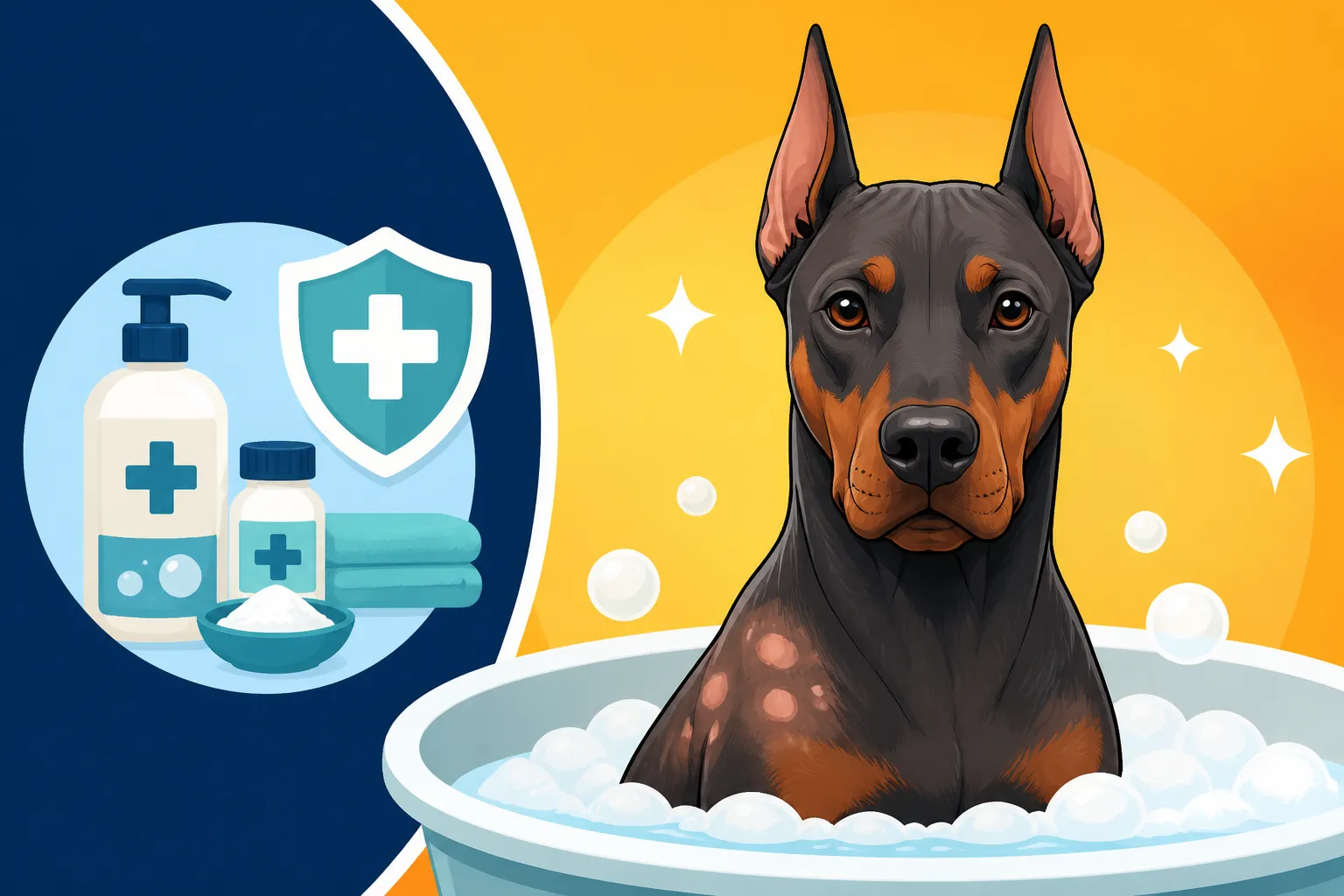
It’s truly disheartening to see your magnificent Doberman, a breed known for its sleek, short coat, start to experience hair loss. Especially with blue or fawn Dobermans, who are particularly prone to coat thinning and bald patches, it's a common worry for owners. Beyond the aesthetic concern, hair loss often comes with irritated skin, dryness, and the potential for secondary infections, which is where medicated baths often come into play. This guide aims to shed light on what you can expect in terms of the financial commitment for medicated baths for a Doberman experiencing these frustrating skin and coat issues.
Understanding the Need for Medicated Baths for Doberman Coat Loss
Before we even talk about the cost, it’s crucial to understand why medicated baths are often prescribed for Dobermans with coat loss. It’s not just about cleaning; it’s about treating underlying skin conditions that contribute to or are exacerbated by the hair thinning.
The Realities of Color Dilution Alopecia in Dobermans
Many Dobermans, particularly those with diluted coat colors like blue and fawn, are susceptible to a genetic condition called Color Dilution Alopecia (CDA). This isn't just cosmetic; it's a structural defect in the hair follicles that causes the hair shafts to become brittle, break easily, and eventually fall out, leading to progressive thinning and baldness. Color Dilution Alopecia in Blue and Fawn Dobermans covers this in detail, but what you need to know is that it often presents as a dry, flaky coat that can be itchy. This irritation can invite secondary bacterial or yeast infections, which then make the hair loss even worse and require intervention.
A Doberman suffering from CDA often has very delicate skin underneath that thinning coat. This skin barrier is compromised, making it easier for environmental irritants, allergens, and microbes to cause problems. Medicated shampoos are designed to address these specific issues, whether it's battling bacteria, yeasts, reducing inflammation, or moisturizing dry skin. Without them, your Doberman could be stuck in a cycle of itching, scratching, infection, and further hair loss. Hair Loss on a Blue Doberman is a common search term for a reason—it’s a real and frequent challenge.
Diagnosing Underlying Skin Issues
You can’t just pick up any medicated shampoo and expect it to fix the problem. The first, and often most critical, step is a proper diagnosis from your veterinarian or a veterinary dermatologist. They’ll perform tests like skin scrapes, fungal cultures, or cytology (looking at cells under a microscope) to identify if there are bacterial infections, yeast overgrowths, parasites, or other inflammatory conditions contributing to the hair loss. Skin Infections in a Bald Doberman can be particularly painful and persistent, making accurate diagnosis paramount.
Your vet might also rule out other causes of hair loss, such as allergies, hormonal imbalances (like hypothyroidism, which is also common in Dobermans), or nutritional deficiencies. Only once a clear picture emerges can the correct medicated shampoo be prescribed. Using the wrong type of medicated product can actually irritate the skin further or be ineffective, wasting both time and money. This diagnostic process, while necessary, is the initial cost investment before you even buy a bottle of shampoo.
Breaking Down the Costs of Medicated Shampoos and Treatments
Once your Doberman's specific skin issue is identified, your vet will recommend or prescribe a medicated shampoo. The cost here isn't just about the bottle itself, but also the frequency of use and the ancillary products needed.
Types of Medicated Shampoos and Their Price Ranges
Medicated shampoos fall into several categories, each targeting different problems:
- Antifungal Shampoos: These contain ingredients like miconazole or ketoconazole, used to treat yeast and fungal infections.
- Antibacterial Shampoos: Often with chlorhexidine or benzoyl peroxide, these combat bacterial skin infections.
- Antiseborrheic Shampoos: Containing ingredients like salicylic acid or sulfur, they help manage oily or flaky skin conditions (seborrhea).
- Anti-itch/Anti-inflammatory Shampoos: These might include hydrocortisone or oatmeal to soothe irritated skin.
- Moisturizing/Restorative Shampoos: Designed to hydrate dry skin and support the compromised skin barrier, often used in conjunction with other treatments.
The price of these shampoos can vary quite a bit. Over-the-counter options from pet stores or online retailers like Chewy might seem more affordable upfront, but they may not be potent enough or contain the specific active ingredients your vet recommends. Prescription-strength shampoos, which are typically only available through your veterinarian or a veterinary pharmacy, will usually carry a higher price tag. A single bottle might range in price depending on the brand, concentration, and volume.
For a Doberman, who is a larger dog with a considerable surface area to cover, you'll need a good amount of shampoo for each bath. Smaller bottles won't last long, so investing in larger sizes, if available, can sometimes be more cost-effective per ounce. Remember, these aren't just cosmetic washes; they are therapeutic treatments, and their ingredients often reflect that in the cost.
Frequency of Baths and Long-Term Maintenance
It’s not a one-and-done deal. Medicated baths are usually prescribed as a course of treatment, meaning regular bathing over a period. Initially, your vet might recommend bathing your Doberman every few days, perhaps two to three times a week, for several weeks. As the condition improves, the frequency might reduce to once a week, then bi-weekly, or as needed for maintenance.
This consistent use means you'll go through shampoo faster than you would with a regular shampoo. For a Doberman with a chronic condition like CDA, medicated baths might become a lifelong part of their care routine, even if the frequency is lower. This translates to an ongoing expense that needs to be factored into your budget. It's not uncommon for owners of Dobermans with skin issues to always have a bottle of medicated shampoo on hand. Medicated Baths for a Doberman With Coat Loss often requires dedication and consistency to see results.
Related Supplies and Products
Beyond the shampoo itself, you might need other items to make medicated baths effective and comfortable for your Doberman:
- Conditioners or Rinses: Many medicated shampoos can be drying, so a moisturizing or therapeutic conditioner may be recommended afterward to restore skin hydration and protect the skin barrier. These also come with their own costs.
- Dermatological Sprays or Wipes: For localized hot spots or flare-ups between baths, your vet might suggest medicated sprays or wipes, adding to your regular supply list.
- Specialized Brushes: A soft, rubber curry brush can help work the shampoo deep into the coat and stimulate circulation without irritating sensitive skin.
- Gloves: If your Doberman's skin is particularly inflamed or if you have sensitive hands, disposable gloves can be helpful.
- Towels & Drying Equipment: You'll need plenty of absorbent towels. For Dobermans, who don't have an undercoat, drying time is usually quicker than for other breeds, but ensuring they are completely dry after a medicated bath is important to prevent further skin issues.
These additional supplies, while seemingly minor, can add up over time, especially if they are specialized dermatological products rather than standard pet store items. Thinking about the overall Skin Care Costs for a Blue Doberman really involves looking at all these components together.
Factors That Influence the Total Cost of Medicated Baths
The overall cost isn't just a flat rate; several factors play into how much you'll actually spend on medicated baths for your Doberman.
Veterinary Consultation and Diagnosis Fees
As mentioned, the journey starts with your vet. Initial consultations, follow-up appointments, and diagnostic tests are significant contributors to the overall cost. These can include:
- Initial Exam: To assess the skin condition and general health.
- Skin Scrapes/Cytology: To look for mites, bacteria, or yeast.
- Fungal Cultures: If ringworm is suspected.
- Biopsy: In more complex cases, a skin biopsy might be necessary to get a definitive diagnosis, especially for chronic or unusual lesions.
- Blood Work: To rule out systemic issues like thyroid problems or other internal diseases impacting skin health.
Each of these steps carries a fee. Sometimes, multiple follow-up visits are needed to monitor progress and adjust treatment protocols. These veterinary fees can often dwarf the cost of the shampoos themselves, particularly in the initial stages of diagnosis and treatment.
Geographic Location and Veterinary Practice Rates
Just like everything else, the cost of veterinary services and pet products varies significantly by location. A vet clinic in a high-cost-of-living urban area will likely charge more for exams, diagnostics, and even the same medicated shampoos than a clinic in a rural or lower-cost area. Specialist veterinary dermatologists, if your Doberman's case is particularly stubborn, will also have higher consultation fees than a general practitioner.
The competition among veterinary practices in an area can also influence pricing. Some areas might have several options, leading to more competitive rates, while others might have fewer choices, giving clinics more control over their pricing. It’s always worth calling around to compare prices for specific diagnostics or shampoos, though maintaining a good relationship with your primary vet is also important.
DIY vs. Professional Grooming Services
You have a choice when it comes to bathing your Doberman: do it yourself or hire a professional groomer.
- Do-It-Yourself (DIY): This is generally the most cost-effective option for the actual bathing labor. You're only paying for the shampoo, water, and your time. However, bathing a large Doberman, especially one with sensitive or painful skin, can be a challenge. They might not enjoy it, and you need to ensure you're thorough, getting the medicated shampoo to all affected areas, and allowing proper contact time before rinsing. Messes are almost guaranteed!
- Professional Grooming: Some groomers offer medicated bath services. They have specialized equipment, such as walk-in tubs and high-velocity dryers, which can make the process easier and less stressful for your Doberman. They are also skilled at handling dogs and ensuring the shampoo is applied correctly. However, you'll be paying for their expertise and facilities. A professional medicated bath service will cost more per session than doing it yourself. Some groomers might require a vet prescription for certain medicated shampoos, or only use specific brands they stock.
Here's a quick comparison:
| Factor | Do-It-Yourself (DIY) | Professional Grooming Service |
|---|---|---|
| Cost Per Bath | Lowest (shampoo cost + utilities) | Higher (service fee + shampoo cost) |
| Convenience | Schedule at your leisure, but can be physically demanding | Convenient, less mess for you, but requires appointments |
| Expertise | Relies on owner's thoroughness and dog handling skills | Professional handling, proper application, specialized equipment |
| Supplies Needed | Shampoo, towels, possibly a non-slip mat, gloves | Usually provided by groomer |
| Dog's Temperament | Best for Dobermans tolerant of home bathing | Good for Dobermans who may be anxious or difficult to bath at home |
For a Doberman with significant skin issues, especially painful ones, the gentle yet firm handling of an experienced groomer might be worth the extra cost. However, many owners learn to manage medicated baths at home to save money, particularly if it becomes a frequent or lifelong necessity.
Strategies for Managing Medicated Bath Expenses
While medicated baths can be an ongoing expense, there are ways to manage the costs without compromising your Doberman's health.
Buying Medicated Shampoos Smartly
Once your vet has given you a specific recommendation or prescription, consider your purchasing options.
- Buy in Bulk (if appropriate): If your Doberman needs long-term medicated baths, purchasing larger bottles of shampoo can often provide a better unit price. Discuss this with your vet to ensure the product has a good shelf life and that it's the right long-term solution.
- Compare Prices Online: With a prescription from your vet, you can often price-shop for prescription-strength shampoos online through reputable pet pharmacies or large retailers like Chewy. These online vendors sometimes offer competitive pricing or subscription services that can lead to savings over time. Always ensure you are buying from a legitimate source to guarantee product quality and efficacy.
- Ask Your Vet About Generics: Sometimes, active ingredients are available in generic formulations, which can be less expensive than brand-name products. Your vet can advise if a generic option would be suitable for your Doberman's specific condition.
- Combine Shampoos: In some cases, your vet might recommend alternating between two different medicated shampoos or using one shampoo followed by a specific conditioner. Understanding the precise regimen can help you plan your purchases and avoid buying unnecessary products. Shampoo That Helps a Bald Doberman is often a specific formulation, so don't substitute without vet approval.
Pet Insurance Coverage for Skin Conditions
This is a big one. Investing in pet insurance before your Doberman develops a chronic skin condition like CDA can be a lifesaver for your budget. If your Doberman is already showing signs of coat loss, it's possible that a new policy might consider it a pre-existing condition, which means it wouldn't be covered. However, if you have coverage in place, pet insurance can often help with the costs of:
- Veterinary Consultations: For diagnosis and follow-up.
- Diagnostic Tests: Skin scrapes, cultures, biopsies, blood work.
- Prescription Medicated Shampoos: If prescribed by a vet to treat a covered condition.
- Other Medications: Oral antibiotics, antifungals, or anti-inflammatory drugs that might be part of the treatment plan.
Companies like Healthy Paws offer various plans. It’s crucial to read the policy details carefully to understand what is covered, what the deductible is, and what reimbursement percentage you'll receive. Even if you're getting an older Doberman from a rescue, it's worth checking if any policies are available, though coverage for existing conditions will be tricky. Planning ahead with insurance is one of the best financial moves you can make as a Doberman owner, especially given how prone they are to certain health issues. Insuring a Doberman Before the Heart Turns or other conditions like CDA becomes paramount.
Preventative Care and Early Intervention
While CDA is genetic, managing its symptoms and preventing secondary infections can save you money in the long run.
- Regular Grooming (Appropriate for CDA): Even with hair loss, gentle brushing can help distribute natural oils and remove loose hair, potentially reducing irritation. Using a very soft brush designed for sensitive skin, or even just a grooming mitt, is key. Doberman Grooming on a Coat With No Undercoat still involves some maintenance.
- Quality Diet: While not a cure for CDA, a balanced, high-quality diet can support overall skin and coat health. Some owners find that diets rich in omega fatty acids can help improve skin hydration and reduce inflammation.
- Environmental Management: Protecting your Doberman's sensitive skin from harsh weather conditions, excessive sun exposure (which can lead to sunburn on thin patches), or irritating chemicals can help prevent flare-ups. Sun Protection for a Thin-Coated Doberman is often overlooked but important.
- Act Quickly: If you notice new bald patches, excessive scratching, redness, or an unusual odor from your Doberman's skin, don't wait. Early veterinary intervention for secondary infections or flare-ups is almost always less expensive than treating a severe, chronic issue that has been left to fester.
By being proactive and vigilant, you can sometimes mitigate the severity and frequency of issues that require intensive medicated bath treatments, ultimately saving you money and your Doberman discomfort. Whether a Blue Doberman Costs More to Keep is a valid question, and proactive care helps manage those unique costs.
Disclaimer
This article is for general informational purposes only and does not constitute professional advice. Laws, prices and regulations vary by location and change over time. Consult a qualified professional for guidance on your specific situation.