Ear Hygiene Once a Doberman’s Crop Has Healed
After the initial excitement of ear cropping surgery and the sometimes-daunting weeks or months of posting are finally behind you, many Doberman owners breathe a huge sigh of relief. You’ve navigated the delicate aftercare, the frequent bandage changes, and the careful monitoring, only to wonder, "Okay, now what?" The truth is, while the heavy lifting of shaping is done, ear hygiene for a healed, cropped Doberman remains a vital part of their routine care, and neglecting it can lead to frustrating and painful issues down the road. This comprehensive guide will walk you through everything you need to know about keeping those elegant ears clean, healthy, and problem-free.
Understanding the Healed Cropped Ear
When we talk about a "healed" cropped ear, it's important to understand what that truly means beyond just the bandages being off and the ears standing. The skin has closed, yes, and the cartilage has set, but the structure itself has been altered, which changes the dynamics of how the ear canal manages debris and air circulation. Many people assume a cropped ear, being open and upright, will naturally stay cleaner than a floppy one, but this isn't always the case.
The Anatomy of a Cropped Doberman Ear
A Doberman's ear, whether cropped or natural, has a deep, L-shaped canal that can trap dirt, moisture, and wax. The cropping procedure removes the floppy part of the ear flap, leaving a rigid, upright ear. This does improve air circulation compared to a heavy drop ear, which can be a breeding ground for yeast and bacteria due to warmth and humidity. However, the skin on the inside of the ear, the visible part of the pinna, is still susceptible to accumulating environmental debris and natural ear wax. The canal itself still makes that characteristic turn, meaning foreign objects and wax can still get lodged deeper inside, out of sight.
Think of it like this: your kitchen counter is always exposed, but it still needs wiping down, right? The upright ear is more "exposed" but not immune to getting dirty or having issues. The surgical site itself, even after months, might have scar tissue that changes the skin's texture or how hair grows, which can sometimes create small pockets where debris might settle more easily.
Recognizing a Healthy Healed Ear
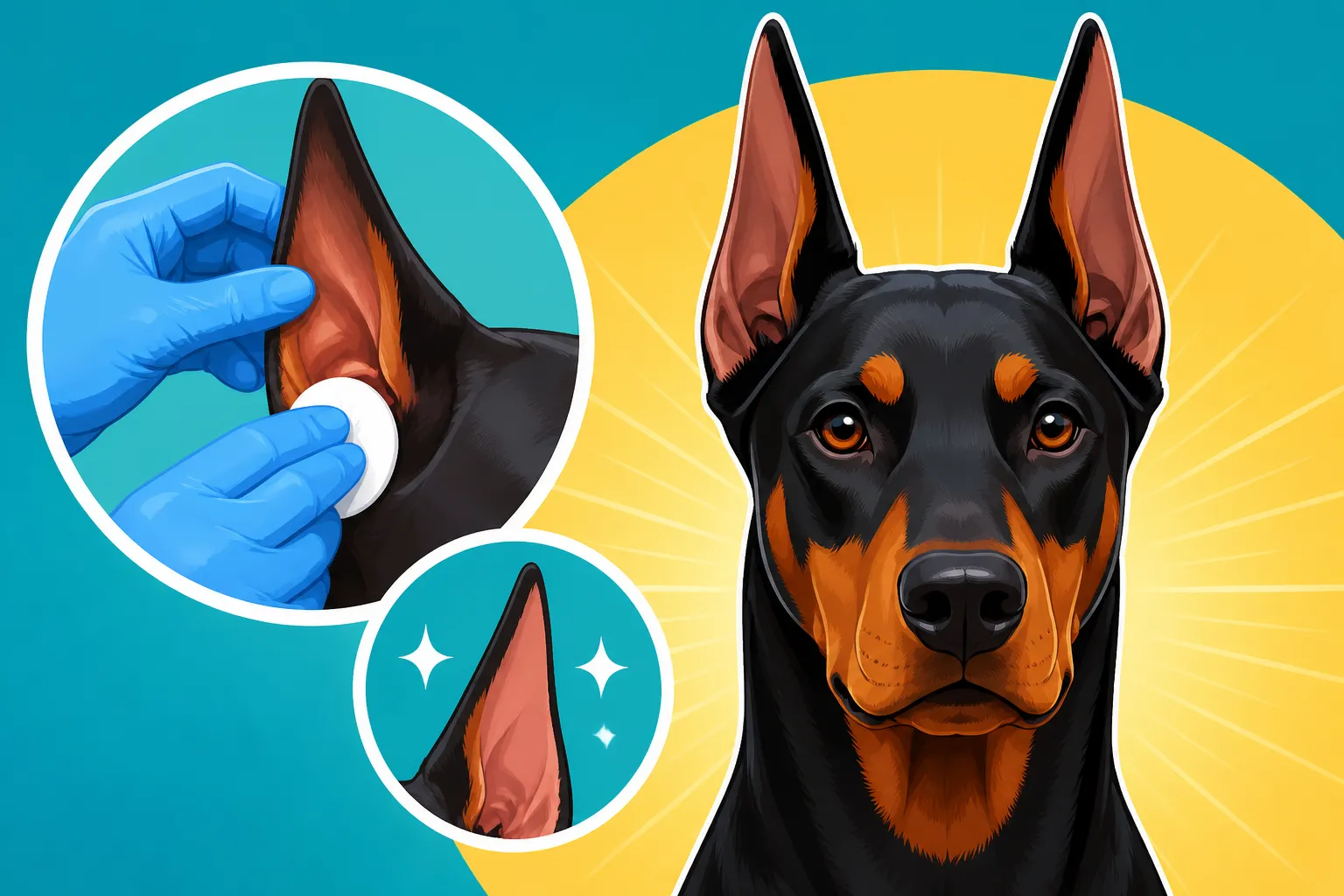
Knowing what a healthy Doberman ear looks like and smells like is your first line of defense. A healthy ear should be relatively clean, free of excessive wax, and have a very faint, almost neutral smell. The skin inside the ear should be a pale pink color, smooth, and not inflamed. There shouldn't be any redness, swelling, or crusting. You might notice a thin layer of light brown or yellowish wax – this is normal and serves a protective function.
When you gently touch the ear, your Doberman should show no signs of discomfort or pain. They shouldn't be shaking their head excessively, scratching at their ears, or holding them at an odd angle. Learning to recognize the subtle cues that indicate a potential problem means you can often address issues before they escalate. Pay attention to their behavior; a sudden aversion to having their ears touched is a major red flag, especially if they were previously tolerant.
Why Regular Cleaning is Crucial for Cropped Dobermans
Despite the improved airflow, cropped Doberman ears still benefit immensely from a consistent cleaning routine. It's not just about aesthetics; it's about preventing discomfort, infection, and expensive veterinary visits. Many owners find themselves asking Whether a Cropped Doberman Ear Needs Less Cleaning – the answer is usually no, not less cleaning, but perhaps different cleaning compared to a natural ear.
Preventing Infections and Irritations
Even with their open, elegant structure, cropped Doberman ears aren't immune to infections. Dust, pollen, dirt from digging, or even shampoo residue can settle into the ear canal. If moisture gets trapped—perhaps after a swim or a bath—it creates a perfect warm, damp environment for bacteria and yeast to flourish. Regular cleaning helps flush out these irritants and prevents them from building up to problematic levels. Without proper care, you might eventually face the challenge of Chronic Ear Infections in a Cropped Doberman.
Think of how easily a small scratch on your skin can become infected if not kept clean. The delicate skin inside your Doberman's ear is no different. A neglected buildup of wax and debris can lead to itching, which leads to scratching, which can then cause tiny abrasions, creating an entry point for infection. It’s a vicious cycle that’s much easier to prevent than to treat.
Managing Wax Buildup and Debris
All dogs produce ear wax, which is a natural protectant that traps dust and foreign particles. However, sometimes the ears produce too much wax, or the wax accumulates and hardens. While cropped ears might dry out a bit better, that doesn't mean wax magically disappears. Over time, excessive wax can become a comfortable home for mites, bacteria, or yeast. Regular cleaning removes this excess wax and any environmental debris like grass seeds, dust, or sand that might have found its way in.
For active Dobermans who love to run in fields or dig in the yard, foreign bodies are a constant threat. A tiny grass awn, if it works its way down the ear canal, can cause immense pain and severe infection. Regular, gentle cleaning can help dislodge these before they become deeply embedded. It's a proactive measure that saves your Doberman from discomfort and you from the worry of seeing them in pain.
Choosing the Right Cleaning Products and Tools
Walking into a pet store or browsing online, you'll find a dizzying array of ear cleaning products. It can feel overwhelming to pick the right one. The key is to choose products that are gentle, effective, and specifically designed for canine ears, avoiding harsh chemicals or anything that could cause irritation.
Safe Ear Cleaning Solutions
When it comes to cleaning solutions, stick to veterinary-approved formulas. These usually contain ingredients like salicylic acid, witch hazel, or specific antiseptic agents that break down wax and kill bacteria or yeast, while also being gentle on the sensitive ear canal lining. Some even contain drying agents to help prevent moisture buildup. Avoid anything with alcohol, hydrogen peroxide, or harsh detergents, as these can irritate or even damage the delicate skin.
You can find excellent ear cleaning solutions at most pet supply stores or online retailers like Chewy or Amazon. Look for brands that are veterinarian-recommended. If your Doberman has particularly sensitive skin or recurring issues, your vet might recommend a specific prescription-strength cleaner. Always check the ingredients and ensure it’s suitable for routine use, not just for treating active infections.
Essential Tools for Ear Cleaning
Beyond the cleaning solution, you'll need a few simple tools:
- Cotton Balls or Large Cotton Pads: These are ideal for wiping away debris and applying the solution. They are soft and absorbent.
- Gauze Pads: Similar to cotton, but sometimes preferred for their slightly more abrasive texture for stubborn wax, though still gentle.
- Warm Water (optional): For cleaning the external ear flap if it's visibly dirty.
- Treats: Lots of high-value treats to make the experience positive! Your Doberman is smart, and if ear cleaning means tasty rewards, they'll be far more cooperative.
What you should avoid are cotton swabs (Q-tips) for cleaning deep inside the ear canal. While fine for cleaning the visible folds of the outer ear, inserting them into the ear canal can push wax and debris further down, potentially puncturing the eardrum or compacting wax. If you suspect something is deep in the ear, that's a job for your veterinarian.
Here's a quick comparison of common cleaning solution types:
| Solution Type | Key Ingredients Often Included | Pros | Cons | Best For |
|---|---|---|---|---|
| Veterinary Antiseptic | Chlorhexidine, Ketoconazole, Salicylic Acid | Targets bacteria/yeast, vet-formulated | Can be slightly harsher if used excessively, may require Rx | Active infections (under vet guidance), preventative for prone dogs |
| Gentle Cleanser | Witch Hazel, Aloe Vera, Boric Acid, Propylene Glycol | Soothing, effective for routine wax removal | Less potent for active infections, some dogs sensitive to certain ingredients | Routine maintenance, sensitive ears |
| Drying Solution | Isopropyl Alcohol (in safe concentrations), Lactic Acid | Helps dry ear canal, prevents moisture buildup | Can be irritating if too high alcohol content, not for irritated ears | Post-swim, humid environments |
Always read the instructions on any product you purchase, and if in doubt, consult your veterinarian.
A Step-by-Step Guide to Cleaning Your Doberman's Cropped Ears
Cleaning your Doberman's ears doesn't have to be a battle. With patience, a gentle touch, and plenty of positive reinforcement, it can become a routine your dog tolerates, or even enjoys, especially if they associate it with treats!
Preparing for the Cleaning Session
Before you even touch your Doberman's ear, gather all your supplies: your chosen ear cleaner, cotton balls/pads, gauze, and a generous handful of high-value treats. Choose a quiet time and a comfortable location where both you and your Doberman can relax. A bathroom or kitchen area with easily cleaned floors is often a good choice. If your Doberman is prone to wiggling, having another person to gently steady them might be helpful initially.
It's also a good idea to engage your Doberman in a short play session or a brisk walk beforehand. A tired Doberman is often a more cooperative Doberman. Start by simply handling their ears outside of cleaning time – gently lifting, inspecting, and rewarding them. This builds a positive association with ear handling before you introduce the actual cleaning process. This kind of early desensitization is key, much like teaching a Doberman Puppy Biting and Adolescent Mouthing how to be gentle.
The Gentle Cleaning Technique
Now for the actual cleaning. Follow these steps:
- Position Your Doberman: Have your Doberman sit or lie down comfortably. Gently hold their head steady.
- Lift the Ear: Carefully lift the cropped ear upright to expose the entrance to the ear canal.
- Apply Solution: Squirt the recommended amount of ear cleaning solution directly into the ear canal. Don't be shy – you need enough to fill the canal.
- Massage the Base: Gently massage the base of the ear (where it joins the head) for 20-30 seconds. You should hear a squishing sound, which means the solution is working its way down and breaking up wax and debris.
- Let Them Shake: Stand back and let your Doberman shake their head. This helps to dislodge the solution and loosened debris from deeper in the canal. You might want to do this in an area where you don't mind a little splash!
- Wipe Clean: Using a clean cotton ball or pad, gently wipe away any visible solution, wax, and debris from the inner surface of the ear flap and the entrance of the ear canal. Only clean what you can see. Do not insert anything into the ear canal. Change cotton balls as needed until no more dirt comes out.
- Repeat (if necessary) and Reward: Repeat the process for the other ear. Once both ears are clean, offer lots of praise and those high-value treats. Make it a celebration!
Regularity is key here. For most Dobermans, cleaning once a week or every two weeks is sufficient, but this can vary depending on their activity level, environment, and individual ear wax production. If your Doberman goes swimming frequently, you might need to clean their ears more often or use a drying solution after each swim.
Post-Cleaning Care and Observation
After cleaning, take a moment to observe your Doberman's ears. Are they red or irritated from the cleaning? This might indicate you're using a product that's too harsh or that your technique needs adjusting. Continue to monitor for any signs of irritation, excessive head shaking, or scratching over the next day or two.
It's also a good habit to incorporate general ear checks into your daily routine. A quick glance and sniff can alert you to a developing problem long before it becomes severe. This diligent approach is part of Doberman Grooming on a Coat With No Undercoat which highlights the attention to detail needed for the breed's unique care needs. Remember, consistency in care means consistency in health and comfort for your beloved Doberman.
Troubleshooting Common Ear Issues in Cropped Dobermans
Even with the best intentions and a regular cleaning routine, your Doberman might still encounter minor ear issues. Recognizing these early and knowing how to respond can prevent them from becoming serious problems requiring more extensive intervention.
Dealing with Excess Wax or Mild Odor
It's not uncommon for some Dobermans to produce more ear wax than others, or for a slight, yeasty odor to develop between cleanings, especially in humid weather. If you notice a mild increase in wax or a faint smell, it often means you need to step up your cleaning frequency. Instead of every two weeks, try cleaning once a week for a few sessions to see if it brings things back into balance. Ensure you are massaging thoroughly during the cleaning process to really break up any compacted wax deep within the canal.
You might also consider adjusting your dog's diet if you suspect a chronic yeasty smell. While not directly related to cropped ears, some dogs with yeast issues can benefit from dietary changes, sometimes involving specialty foods that you can order from retailers like Chewy or Amazon. However, before making any major dietary shifts, always consult your vet. Sometimes, a slight change in the ear environment or even residual moisture can cause an uptick in normal flora, making the ear smell a bit stronger.
Addressing Minor Redness or Irritation
Occasionally, you might notice a little redness on the inner ear flap or your Doberman might scratch at their ears more than usual. This could be due to a number of factors: a mild allergic reaction to something in the environment (pollen, dust mites), a transient irritant, or perhaps even a small bug bite. If the redness is mild, localized, and there’s no discharge or strong odor, you can try cleaning the ear gently with a soothing, non-medicated ear cleaner and then observing it closely.
If the irritation persists for more than 24-48 hours, or if it worsens, it’s time to call your veterinarian. What looks like minor irritation to you could be the beginning of an infection. It’s better to err on the side of caution and get professional advice, as neglecting even a small problem can lead to a full-blown and very painful ear infection, which can incur significant The Vet Bills a Doberman Runs Up Outside Screening.
When to Seek Veterinary Help
While routine hygiene is essential, there are definite signs that indicate a problem beyond what you can handle at home. Delaying veterinary attention when these signs appear can lead to prolonged suffering for your Doberman and more complicated, expensive treatments.
Recognizing Signs of Infection
You absolutely must contact your vet if you notice any of these more severe symptoms:
- Strong, Foul Odor: A really unpleasant, strong smell coming from the ear is almost always a sign of infection, often bacterial or yeast-based.
- Excessive Discharge: Pus-like, yellow, green, or dark brown/black discharge, especially if it's thick or gooey. Normal ear wax is usually light brown/yellow and not overly abundant.
- Severe Redness and Swelling: The ear flap and canal are visibly inflamed, hot to the touch, and potentially swollen.
- Pain and Sensitivity: Your Doberman flinches, cries out, or acts aggressively when you try to touch their ear. They might hold their head tilted, shake it frequently, or rub it against furniture or the ground.
- Crusting or Scabs: Sores, scabs, or crusting on the inner ear flap or around the ear opening can indicate infection or severe irritation.
- Balance Issues: In severe inner ear infections, your Doberman might appear dizzy, stumble, or have trouble walking in a straight line.
These signs are beyond the scope of home care and require a professional diagnosis and appropriate medication, which might include antibiotics, antifungals, or anti-inflammatory drugs. Your vet might also want to do a full ear wash under sedation, something they would discuss in light of potential Vaccination and Anesthesia in a Doberman considerations.
Foreign Objects and Persistent Issues
Sometimes, a foreign object like a grass seed, a tiny twig, or even an insect can get lodged deep in the ear canal. You might not see it, but your Doberman will likely show extreme discomfort, sudden head shaking, pawing at the ear, and sometimes crying. Attempting to remove a deeply lodged foreign object at home is not recommended, as you could inadvertently push it deeper or damage the eardrum. This requires a veterinarian's skilled hand and specialized tools, often including an otoscope.
Similarly, if you've been diligently cleaning your Doberman's ears and the mild irritation or wax buildup simply isn't improving, or keeps recurring, it's time for a vet visit. Persistent issues can indicate underlying allergies, a resistant infection, or another condition that needs professional attention. Your vet can perform a thorough examination, take samples for microscopic analysis, and accurately diagnose the root cause, leading to effective treatment. Don't hesitate to seek help; your Doberman relies on you to ensure their comfort and health.
Disclaimer
This article is for general informational purposes only and does not constitute professional advice. Laws, prices and regulations vary by location and change over time. Consult a qualified professional for guidance on your specific situation.