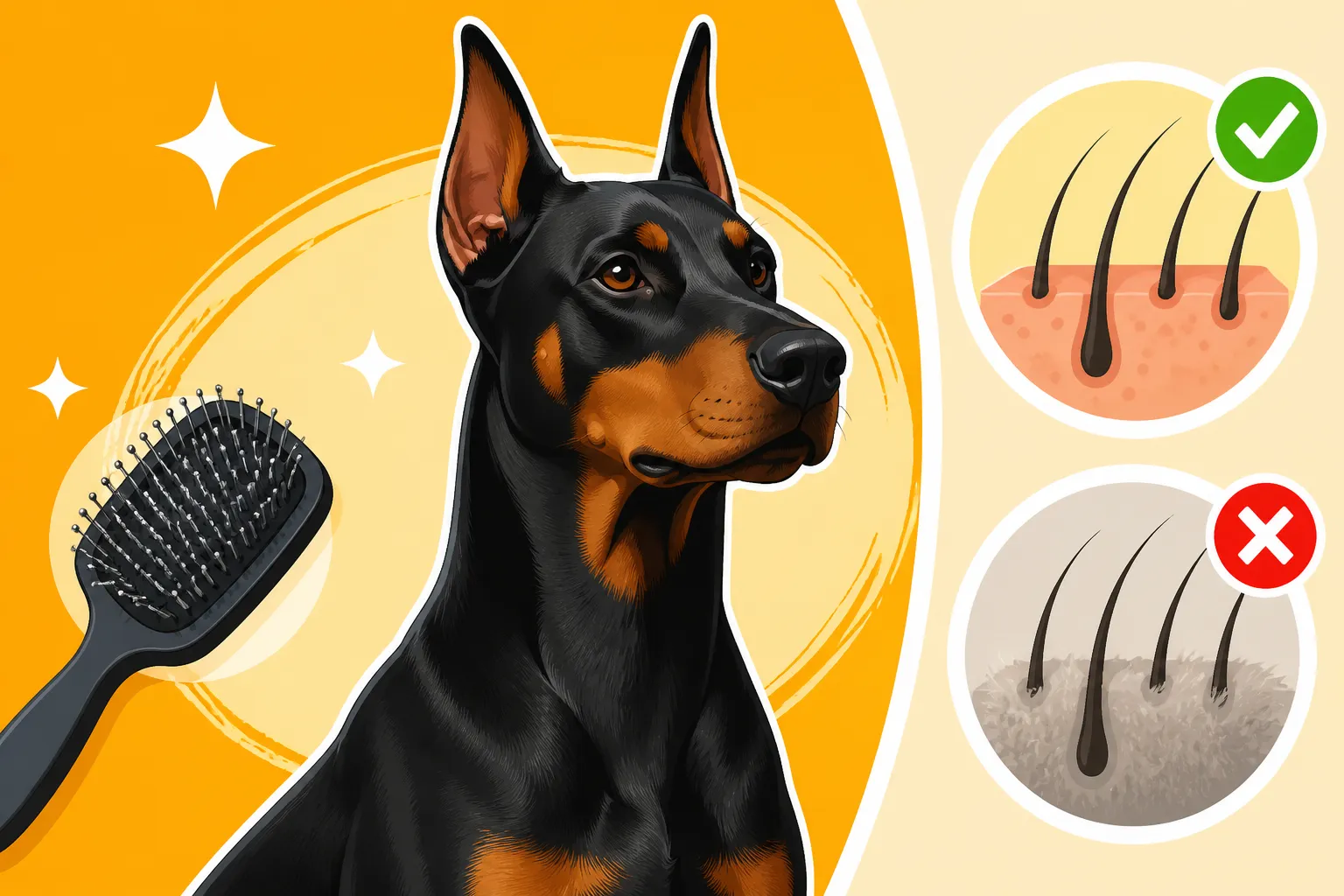
Doberman Grooming on a Coat With No Undercoat
For Doberman owners, it's easy to assume that their short-haired companion is low-maintenance when it comes to grooming. But this couldn't be further from the truth! Their unique coat, lacking a dense undercoat, presents its own set of challenges and demands a specific grooming routine to keep their skin healthy, their coat gleaming, and them comfortable. This comprehensive guide will walk you through everything you need to know about caring for your Doberman's distinctive coat, from daily brushing to special considerations for diluted colors.
Understanding the Doberman Coat: More Than Just "Short Hair"
When people first meet a Doberman, they often comment on how sleek and short their coat appears. And while it is short, that brevity belies a unique structure that makes Dobermans distinct from many other breeds. It's not just "short hair"; it's a single layer of hair without the insulating, protective undercoat that breeds like German Shepherds or Huskies possess. This fundamental difference shapes every aspect of Doberman grooming and care.
What "No Undercoat" Really Means for Your Doberman
The absence of an undercoat means your Doberman's skin is more exposed to the elements. Imagine wearing just a t-shirt in all kinds of weather – that's a bit like what your Doberman experiences compared to a double-coated dog in a thick winter jacket. This single layer, typically smooth and hard, offers little in the way of insulation. It's fantastic for dissipating heat, which can be an advantage in warmer climates or during intense exercise, but it's a significant drawback when temperatures drop. This is precisely Why a Doberman Feels the Cold Before Other Dogs, often shivering when other breeds are still comfortable. Their coat simply isn't designed to trap warmth efficiently. Furthermore, this lack of a buffer means their skin is more susceptible to direct exposure from UV rays, harsh chemicals, and physical abrasions. What might be a minor brush for a thick-coated dog could result in a skin scrape for a Doberman.
The Myth of the "Shed-Free" Doberman
Oh, if only this were true! Many prospective Doberman owners are told that because their coat is short, they don't shed much. I'm here to tell you, as a veteran Doberman enthusiast, that this is a lovely fantasy. Dobermans absolutely shed. In fact, they can shed a lot, especially seasonally, and their short, stiff hairs have a magical way of embedding themselves into every fabric imaginable – your couch, your clothes, your car seats. It's not like the tumbleweeds of fur you might find with a Golden Retriever, but rather a constant, fine sprinkle of needle-like hairs that cling with surprising tenacity. Because their hairs are short, they don't always get caught up in the coat to be brushed out later; they fall straight onto surfaces. Understanding that your Doberman will shed, and embracing a regular brushing routine, is key to managing this reality and keeping your home a little less "Doberman-decorated."
Why Their Skin Is So Visible and Vulnerable
With such a sleek, close-lying coat, a Doberman's skin is practically on display. This can be both a blessing and a curse. It's a blessing because it makes it much easier to spot skin issues early – a rash, a lump, a dry patch, or a flea infestation will be evident almost immediately. There's no thick fur to hide problems until they become severe. However, it's a curse because that very visibility highlights their skin's vulnerability. Their skin is relatively thin compared to many breeds, and without that insulating undercoat, it's more exposed to environmental irritants. This means they can be prone to dryness, allergic reactions, and even sun damage, especially on areas with less pigmentation or very sparse hair. Regular inspection of their skin should be a core part of your grooming routine, allowing you to catch any anomalies before they escalate.
Brushing: The Daily Ritual Your Doberman Needs
Even with a short coat, brushing is not optional for a Doberman. It's a vital part of their care that contributes to coat health, skin health, and your bond. It helps distribute natural oils, removes loose hair, and acts as a mini-massage, improving circulation to the skin. It also provides a wonderful opportunity for you to do a quick health check for any new lumps, bumps, or tender spots.
Choosing the Right Brush for a Single Coat
Forget those deshedding tools designed for thick undercoats; they're generally too harsh for a Doberman's skin and can cause irritation. What your Doberman needs are brushes that are gentle yet effective at removing loose hairs and stimulating the skin. A soft rubber curry brush or grooming mitt is often the go-to for daily brushing. These tools gently massage the skin, loosening dead hair and bringing it to the surface, and they're fantastic for distributing natural oils. Another excellent choice is a bristle brush with natural, firm bristles. This helps to polish the coat and remove any remaining loose hairs, leaving it shiny. For that final gleam, a soft velvet grooming cloth can buff the coat to perfection. I’ve found great success with brands available through retailers like Chewy or Amazon, where you can often read reviews from other Doberman owners to find what works best. For a more detailed look, you might want to check out Brushes That Suit a Doberman Coat.
| Brush Type | Best Use | Benefits | Cautions |
|---|---|---|---|
| Rubber Curry Brush | Daily shedding, massaging, distributing oils | Gentle, good for circulation, removes loose hair effectively | Can pull if hair is matted (rare for Dobermans), don't press too hard |
| Grooming Mitt/Glove | Daily shedding, bonding, gentle massage | Very gentle, comfortable for the dog, good for sensitive areas | Less effective for heavy shedding than a curry brush |
| Natural Bristle Brush | Polishing, removing fine dust/dander, finishing | Adds shine, smooths coat, good for sensitive skin | Not for heavy shedding, can flatten coat if overused |
| Hound Glove | Daily light brushing, removing loose hair | Easy to use, good for quick touch-ups, stimulates skin | Less thorough than a curry brush |
| Microfiber/Velvet Cloth | Final polish, removing fine dust | Adds incredible shine, very gentle, lint-free | No shedding removal, purely for finishing |
Techniques for Effective Brushing Without Irritation
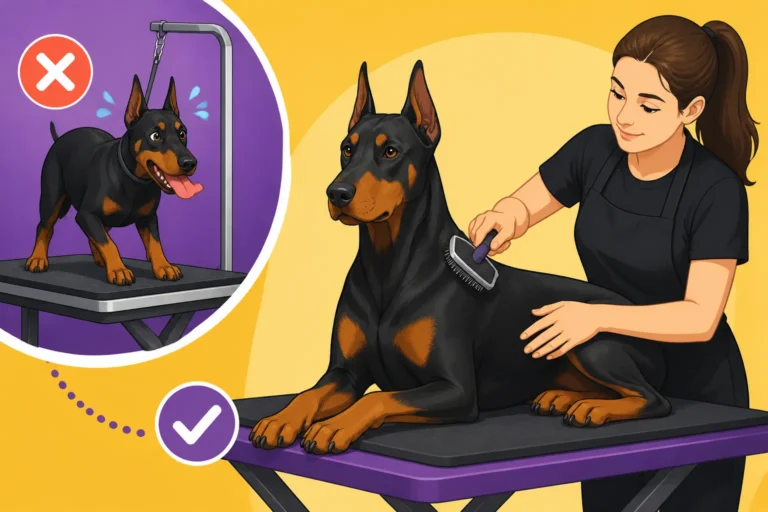
The key to successful Doberman brushing is consistency and gentleness. Start with your rubber curry brush or grooming mitt, working in short, firm but not aggressive strokes in the direction of hair growth. Pay special attention to the back, flanks, and chest where shedding can be more pronounced. This action helps to lift dead hair from the follicles. After a few minutes of this, switch to your bristle brush to sweep away the loosened hairs and bring out the natural sheen. Always keep an eye on your dog's skin – if you see any redness or irritation, you're either brushing too hard or using the wrong type of brush. For most Dobermans, these grooming sessions are enjoyable, a chance for some focused attention and tactile comfort. Make it a positive experience with praise and maybe a small treat afterward, reinforcing that grooming is a pleasant activity.
Dealing with Seasonal Shedding (Yes, They Still Shed!)
Despite the lack of an undercoat, Dobermans do experience seasonal shedding. Typically, you'll notice an increase in loose hair in the spring as they shed their winter coat (even if it's minimal) and again in the fall to prepare for a slightly denser (but still single-layered) winter coat. During these periods, you might need to increase your brushing frequency from a few times a week to daily. A damp cloth wiped over their coat after brushing can help pick up any lingering loose hairs before they settle on your furniture. While you won't get huge clumps of fur, consistent daily effort during these times will make a noticeable difference in how much Doberman glitter you find around your house. Remember, even short hairs can be a nuisance!
Bathing Basics: Keeping Your Doberman Clean Without Stripping Oils
Bathing a Doberman might seem straightforward, but their sensitive skin and lack of an undercoat mean you need to be mindful of the products you use and how frequently you bathe them. The goal is to get them clean without stripping their natural skin oils, which are crucial for maintaining a healthy skin barrier.
Selecting Gentle Shampoos and Conditioners
Because Dobermans have such exposed and often sensitive skin, the type of shampoo and conditioner you use is paramount. Avoid harsh detergents, artificial fragrances, and dyes. Look for shampoos formulated for sensitive skin, hypoallergenic formulas, or those designed to moisturize. Oatmeal-based shampoos are often a good choice as they can soothe irritated skin. If your Doberman has dry skin or is prone to flaking, a conditioning rinse is highly recommended after shampooing. This helps to restore moisture to both the skin and the hair, preventing dryness and maintaining elasticity. I’ve found good quality options available from pet supply stores like Chewy, or even some smaller, specialized brands you can find on Amazon. Always do a patch test if you're trying a new product, just to be safe. For more tips on this, see Washing a Doberman Without Stripping Its Skin.
Frequency of Bathing and When to Make Exceptions
Generally, Dobermans don't need frequent baths. Over-bathing can strip essential oils, leading to dry, itchy skin. For most Dobermans, a bath every 2-3 months is sufficient, or simply when they are visibly dirty or smelly. However, there are exceptions. If your Doberman rolls in something particularly foul, or if they have skin allergies that require therapeutic bathing with medicated shampoos, you might need to bathe them more often as recommended by your vet. In such cases, ensure you're using the vet-prescribed shampoo and following instructions carefully, often including a longer contact time before rinsing. Always follow up with a good conditioner to counteract any drying effects of medicated shampoos.
Drying Your Doberman: Preventing Chills and Skin Issues
Drying a Doberman after a bath is crucial, especially because they lack an insulating undercoat. They can get chilled very easily, particularly in cooler weather. Start by towel-drying them thoroughly, blotting rather than rubbing aggressively, which can irritate the skin. Then, you can either let them air dry in a warm, draft-free room or use a low-heat hairdryer specifically designed for pets. Human hairdryers can get too hot and damage their skin or hair. If using a hairdryer, keep it moving constantly and never hold it in one spot for too long. Ensure they are completely dry before letting them outside, especially if it's cold. A damp Doberman in chilly weather is a recipe for a very uncomfortable, shivering dog and potentially a lowered immune system. In winter, this is especially important – consider using a cozy dog robe or blanket immediately after toweling to help them retain warmth.
Skin Care: Protecting That Delicate Doberman Hide
A Doberman's skin is their first line of defense, and without a thick fur coat to protect it, proactive skin care becomes incredibly important. This isn't just about aesthetics; it's about comfort and preventing more serious issues.
Addressing Dryness, Flaking, and Dandruff
Dry, flaky skin and dandruff are common complaints among Doberman owners. This can be caused by a variety of factors: dry indoor air, harsh shampoos, nutritional deficiencies, or underlying health issues. If you notice persistent flaking or dandruff, first evaluate your shampoo and bathing routine. Ensure you're using a moisturizing, gentle product. Adding omega-3 and omega-6 fatty acid supplements to their diet can also work wonders for skin hydration from the inside out. Foods from brands like Ollie often contain these beneficial fats. If the problem persists, it's worth a vet visit to rule out allergies, fungal infections, or thyroid issues, which can all manifest as skin problems. Sometimes, a humidifier in your home can even help, especially during dry winter months. For more on this, check out Dandruff and Flaking on a Doberman.
Managing Minor Abrasions and "Thin Skin" Issues
Dobermans, with their close-lying hair and thinner skin, are prone to minor cuts, scrapes, and abrasions, especially if they are very active or prone to zooming through bushes. Their skin can tear more easily than a breed with thicker, looser skin. Regularly check their elbows, hocks, and chest for pressure sores or calluses, which can develop from lying on hard surfaces. Provide soft, comfortable bedding to prevent these. For minor scrapes, keep the area clean with a mild antiseptic wash and apply a pet-safe healing balm. If a wound is deep, bleeding heavily, or shows signs of infection (redness, swelling, pus), it's always best to consult your veterinarian promptly. Always monitor healing closely, as infections can spread quickly on exposed skin.
Sun Protection for Sensitive Doberman Skin
Yes, Dobermans can get sunburned! Especially on areas with sparse hair, pink skin, or diluted colors, their skin is vulnerable to harmful UV rays. Their ears, nose, and belly are particularly susceptible. If your Doberman spends extended time outdoors, especially during peak sun hours, consider applying a pet-safe sunscreen to these exposed areas. Companies like Chewy often stock pet-specific sunscreens. Limiting sun exposure during the harshest parts of the day is also a smart strategy. For blue or fawn Dobermans, who often have even thinner coats and more delicate skin due to Color Dilution Alopecia in Blue and Fawn Dobermans, sun protection is an even greater concern. A lightweight dog shirt or rash guard can also provide a physical barrier against the sun, an often-overlooked but crucial aspect of their skin health. More detailed advice can be found in Sun Protection for a Thin-Coated Doberman.
Paw, Nail, and Ear Care: Often Overlooked but Crucial
While the focus on Doberman grooming often centers on their coat, neglecting their paws, nails, and ears can lead to discomfort and health issues. These areas require regular attention to keep your Doberman comfortable and healthy.
Maintaining Healthy Doberman Nails (The Black Nail Challenge)
Dobermans typically have strong, black nails, which can make nail trimming a bit more challenging as it's hard to see the quick (the pink part containing blood vessels and nerves). Untrimmed nails can cause discomfort, splayed toes, and even affect their gait, leading to joint problems over time. Aim to trim their nails every 2-4 weeks, or as needed, using sharp clippers or a dremel. If you're unsure, ask your vet or a professional groomer to demonstrate. For those with all-black nails, tiny trims more frequently are safer than trying to take off too much at once. If you accidentally 'quick' them, apply styptic powder to stop the bleeding. Gradually introduce your Doberman to nail trims from a young age with positive reinforcement to make it a stress-free experience. For a deeper dive into this specific challenge, refer to Nail Trims on a Doberman With All-Black Nails.
Ear Hygiene: Cropped vs. Natural Ears
Dobermans can have either cropped or natural ears, and each requires slightly different care. Cropped ears, once fully healed and standing, have a more open canal, which can allow for better airflow and often fewer ear infections than floppy ears. However, they still need regular cleaning to remove wax and debris. Use a vet-approved ear cleaner and a cotton ball (never a cotton swab into the canal) to gently wipe out the outer ear folds and visible canal. Ear Hygiene Once a Doberman's Crop Has Healed can give you more specific instructions. For Dobermans with natural, floppy ears, airflow is restricted, creating a warmer, moister environment that can be a breeding ground for yeast and bacteria. These ears may require more frequent cleaning to prevent infections. Always check both types of ears for redness, discharge, odor, or excessive head shaking, which could indicate an infection.
Paw Pad Protection: From Hot Pavement to Winter Salt
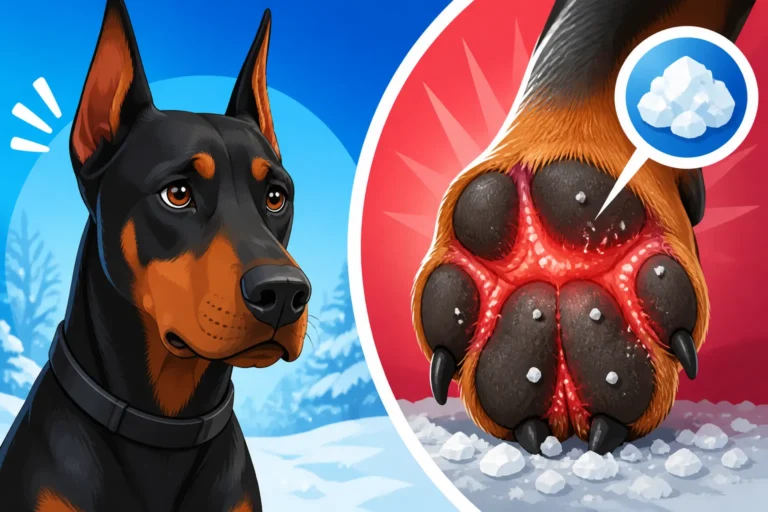
Your Doberman's paw pads are tough but not invincible. They need protection from extreme temperatures and harsh surfaces. In summer, hot pavement can cause painful burns, so walk during cooler parts of the day or use paw wax/balm for a protective layer. In winter, ice, snow, and de-icing chemicals (like rock salt) can dry out and crack pads, and ingested salt can be toxic. Consider dog boots for winter walks or apply a protective balm before and after going outside. Always wipe your Doberman's paws thoroughly after walks, especially in winter, to remove any irritants. Regular inspection of the pads for cuts, cracks, or foreign objects (like thorns or grass seeds) is also important year-round.
Special Considerations for Blue and Fawn Dobermans
While all Dobermans require careful grooming, those with diluted colors – blue and fawn – have unique challenges due to a genetic condition linked to their coat color. Understanding these predispositions is key to providing them with the best care.
The Link Between Diluted Coats and Skin Problems
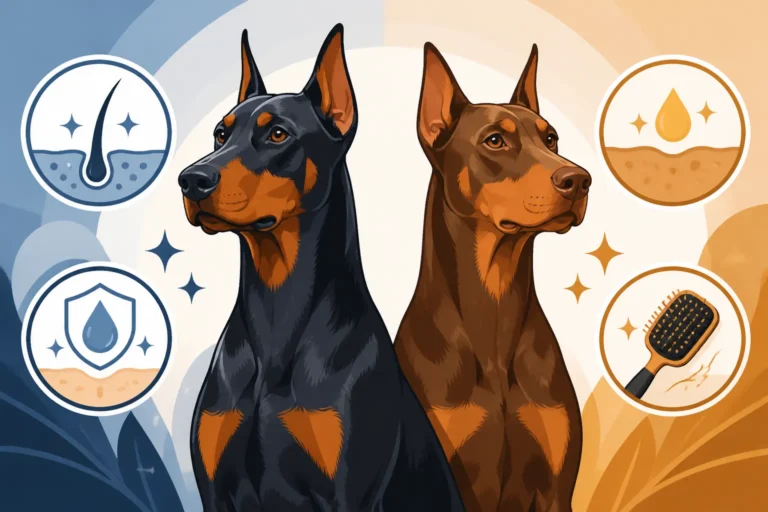
Blue (grey) and fawn (Isabella) Dobermans carry a gene that dilutes their black or red pigment. Unfortunately, this dilution gene is strongly associated with a condition called Color Dilution Alopecia (CDA). CDA causes the hair shafts to be brittle and break easily, or even fail to grow properly, leading to progressive hair thinning or baldness, often patchy, across the body. This is why you might see Hair Loss on a Blue Doberman. It's not just a cosmetic issue; the sparse hair further exposes their delicate skin, making it even more vulnerable to dryness, irritation, and secondary infections. If you have a blue or fawn Doberman, assume they are at higher risk for CDA and factor this into your grooming and skin care routine from day one.
Specific Grooming Needs for Color Dilution Alopecia (CDA)
For Dobermans with CDA, grooming needs to be incredibly gentle. Harsh brushing can exacerbate hair breakage and skin irritation. Opt for the softest brushes, like a natural bristle brush or a grooming mitt, and use light strokes. Bathing should be even less frequent, and only with extremely gentle, moisturizing shampoos specifically formulated for sensitive or compromised skin. A good quality leave-in conditioner can help to keep any existing hair shafts supple and reduce breakage. Supplements rich in omega fatty acids, biotin, and other skin-supportive nutrients can be beneficial, though they won't cure CDA, they can help improve skin health. Avoiding direct sunlight and using protective clothing or pet-safe sunscreen is paramount, as their skin is even more prone to sunburn.
Preventing and Managing Secondary Skin Infections
The sparse coat and compromised skin barrier in Dobermans with CDA make them highly susceptible to secondary bacterial and yeast infections. The exposed skin can become dry, flaky, and itchy, prompting the dog to scratch, which then breaks the skin and allows pathogens to enter. Look for signs like redness, pustules, scabs, strong odor, or increased itching. If you suspect an infection, a vet visit is essential for proper diagnosis and treatment, which often involves medicated shampoos, topical treatments, or oral antibiotics. Regular, gentle cleaning of the affected areas and keeping the skin moisturized can help prevent infections from taking hold. For more information, you can read Skin Infections in a Bald Doberman. Consistent vigilance and proactive care are critical for blue and fawn Dobermans to keep them comfortable and minimize health complications.
Troubleshooting Common Doberman Grooming Challenges
Even with the best intentions, you might run into some bumps on the grooming road. From behavioral challenges to persistent skin issues, it's helpful to know how to approach these hurdles and when to seek professional advice.
When Grooming Becomes a Battle: Building Positive Associations
If your Doberman dreads grooming sessions, it can turn a necessary routine into a stressful event for both of you. The key to turning this around is patience, positive reinforcement, and breaking down the process into small, manageable steps. Start with very short sessions – just a few seconds of brushing or touching a paw – followed immediately by a high-value treat and praise. Gradually increase the duration as your dog becomes more comfortable. If they resist a particular tool, switch to a different one or simply let them sniff and investigate the tool while offering treats, without even touching them with it. Never force them or punish them during grooming, as this will only create negative associations. Desensitization and counter-conditioning can slowly teach your Doberman that grooming means good things, not scary things. Sometimes, using a lick mat with peanut butter or a favorite spread can distract them and keep them still during brushing or nail trims.
Seeking Professional Help for Persistent Skin or Coat Issues
While daily grooming can catch many minor issues, some problems warrant professional intervention. If your Doberman has persistent itching, excessive hair loss beyond normal shedding, recurring skin infections, or unusual lumps and bumps that don't resolve, it's time to see your veterinarian. They can diagnose underlying health conditions like allergies, hormonal imbalances (such as thyroid issues, which often show up as The Thyroid Numbers That Slow a Doberman Down), or parasitic infestations that might be contributing to skin and coat problems. Similarly, if you're struggling with nail trims or ear cleaning due to your Doberman's resistance or your own discomfort, a professional groomer or vet tech can provide guidance, demonstrate proper techniques, or even perform the tasks for you while you learn. They might also be able to refer you to a veterinary dermatologist if the skin issues are particularly complex.
Recognizing Red Flags: When to Call the Vet
Being attentive during grooming sessions means you're often the first to notice changes in your Doberman's health. While some issues are minor, others can be red flags indicating a more serious problem. Always contact your vet if you notice any of the following:
- Sudden or excessive hair loss that is not explained by seasonal shedding.
- Persistent itching, scratching, or licking that leads to raw spots or hot spots.
- Red, inflamed skin, pustules, scabs, or a strong odor emanating from the coat or ears, which could indicate infection.
- New lumps, bumps, or growths on or under the skin. While many are benign, any new growth should be checked by a vet.
- Changes in skin texture or color, such as thickening, darkening, or unusual pallor.
- Bleeding from skin lesions or ears that doesn't stop quickly.
- Pain or sensitivity when touched in certain areas during grooming.
Early detection of health issues often leads to more effective and less invasive treatment, so don't hesitate to reach out to your vet if you have any concerns. A regular grooming routine is more than just keeping them looking sharp; it's a vital part of their overall health monitoring.
Disclaimer
This article is for general informational purposes only and does not constitute professional advice. Laws, prices and regulations vary by location and change over time. Consult a qualified professional for guidance on your specific situation.