Color Dilution Alopecia in Blue and Fawn Dobermans
It's heartbreaking to watch your beautiful Doberman's sleek, shiny coat begin to thin, especially when you've fallen in love with the striking blue or fawn coloration. Many owners find themselves confused and worried when their dog starts losing hair, developing dry skin, or becoming prone to recurrent infections, often dismissed as "just a blue dog thing." This comprehensive guide will meticulously break down Color Dilution Alopecia (CDA) in blue and fawn Dobermans, exploring its causes, symptoms, diagnosis, and most importantly, how to effectively manage this chronic condition to ensure your beloved companion lives as comfortably as possible.
Understanding Color Dilution Alopecia (CDA) in Dobermans
Color Dilution Alopecia, or CDA, is a genetic skin condition primarily affecting dogs with "diluted" coat colors, meaning those whose black or red pigments have been lightened. In Dobermans, this manifests most commonly as blue (diluted black) and fawn (diluted red or "Isabella") coats. While these colors are undeniably striking and often sought after, they come with an inherent genetic predisposition to this frustrating and often misunderstood skin disorder.
What is CDA and Why Does It Happen?
At its core, CDA is a hereditary disorder where the hair follicles in diluted colored areas develop abnormally. Instead of robust, healthy hairs, the follicles produce fragile, brittle hairs that break easily or fail to grow properly. This isn't just a cosmetic issue; the compromised follicles and skin barrier leave the dog vulnerable to secondary bacterial infections, itching, and general discomfort. It’s important to understand that CDA isn't caused by anything you've done or failed to do; it’s etched into your Doberman's genetic code, an unintended consequence of the genes that give them their unique coat color.
The underlying mechanism involves how pigment granules (melanin) are formed and distributed within the hair shaft. In dogs with a normal, dense coat color, these granules are evenly distributed. However, in diluted colors like blue or fawn, the pigment granules clump together unevenly within the hair shaft. This clumping weakens the hair structure, making it prone to breakage and causing the characteristic sparse, dull appearance. Over time, these compromised hair shafts can damage the hair follicles themselves, leading to inflammation, infection, and eventually, permanent hair loss and scarring. The early signs can often be subtle, perhaps just a slight dullness or dryness to the coat, but they tend to progress over months or even years.
The Genetics Behind Diluted Coats and Hair Loss
The "dilution" gene, specifically the MLPH gene (melanophilin), is responsible for the blue and fawn colors in Dobermans. This gene affects the distribution of pigment in the hair and skin. A Doberman with a "dd" genotype (two copies of the recessive dilution allele) will have a diluted coat color. If they also carry other factors that predispose them to CDA, the condition can manifest. Not every blue or fawn Doberman will develop severe CDA, but they all carry the genetic predisposition. The precise genetic pathway linking the MLPH gene directly to the follicular damage of CDA is still being researched, but the correlation is undeniable. It's a complex interplay where the dilution gene creates the perfect storm for hair follicle malformation and fragility. Responsible breeders are keenly aware of What the Dilution Gene Does to a Doberman and often conduct genetic testing to avoid breeding affected dogs, though it's important to remember that carriers (Dd) exist and can pass on the gene without showing symptoms themselves.
It’s crucial to understand that dogs must inherit two copies of the dilution gene (dd) to express a diluted color. If a Doberman inherits even one copy of the dominant gene (D), they will have a dense coat color (black or red). So, a blue Doberman is genetically black with two copies of the dilution gene, and a fawn Doberman is genetically red with two copies of the dilution gene. This recessive inheritance pattern means that two carriers can produce dilute puppies, even if they themselves have black or red coats. This genetic nuance is why it's so vital for owners to understand their Doberman's lineage and any health certifications, especially when considering The Health Testing a Doberman Breeder Must Show.
Differentiating CDA from Other Skin Conditions
When you first notice hair loss or skin issues, it's easy to jump to conclusions or fear the worst. However, many skin conditions can mimic CDA, at least in their initial presentation. It's vital to rule out common culprits like allergies (environmental or food-related), hypothyroidism, Cushing's disease, demodectic mange, and even bacterial or fungal infections. These conditions often present with similar symptoms such as hair loss, itching, redness, scaling, or a dull coat.
A thorough veterinary examination, including skin scrapes, fungal cultures, and blood tests (especially for thyroid function), is essential to get an accurate diagnosis. For example, a Doberman with hypothyroidism might show generalized hair thinning, lethargy, and weight gain, symptoms not typical of CDA's focal hair loss. Allergies often come with intense itching and redness, which can lead to self-trauma and secondary infections. While CDA often leads to secondary infections, the primary cause of the hair loss itself is different. Getting a correct diagnosis early on is key to implementing an effective management plan. Without proper diagnosis, you might be treating the symptoms of an infection without addressing the underlying follicular issue caused by CDA, leading to ongoing frustration and discomfort for your Doberman.
Recognizing the Signs and Symptoms of CDA
The onset of CDA can be insidious, often starting subtly and progressing over months or years. It's not usually a sudden, dramatic hair loss event, which can make it harder for owners to pinpoint when exactly the problem began. Staying vigilant and knowing what to look for can help you seek veterinary advice sooner.
Early Indicators of Coat Thinning
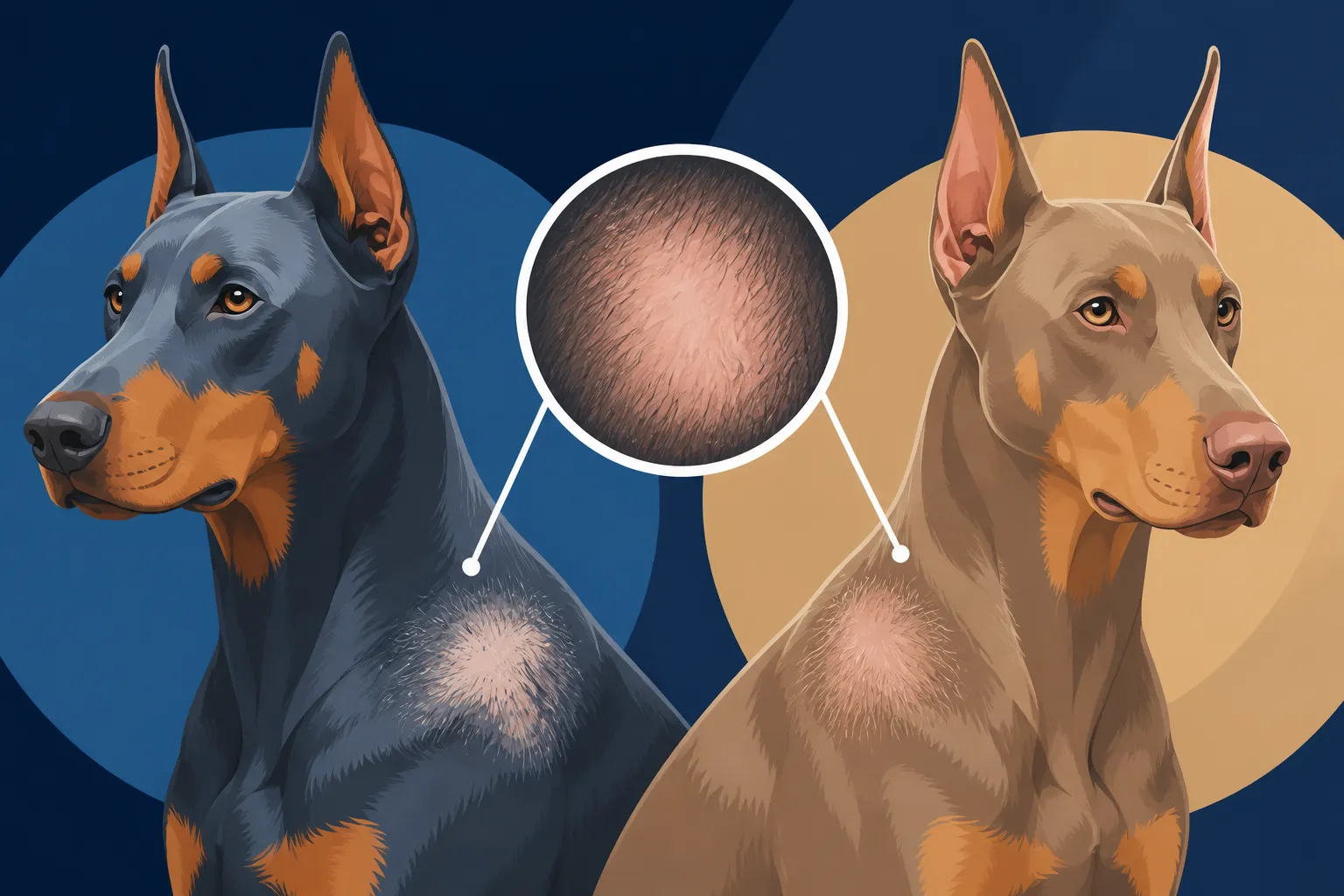
Typically, the first noticeable signs of CDA appear anywhere from 6 months to 3 years of age, though it can sometimes manifest later. You might first notice a dullness in your Doberman's typically sleek, shiny coat. The hair might feel coarser or more brittle to the touch, and you might see more broken hairs than usual. Often, the hair loss begins in patches on the trunk, particularly along the back, flanks, and chest, usually in the blue or fawn colored areas. These patches may start as sparse areas rather than completely bald spots.
One of the tell-tale signs is that the head and legs, which often have solid black or red pigment (even in a dilute dog, some areas are less affected by dilution), tend to be spared initially. You might observe a "moth-eaten" appearance to the coat, where the hair isn't completely gone but is significantly thinned, allowing you to see the skin underneath more easily. Sometimes, the only early sign is a mild flakiness or dry skin in the affected areas, which might be mistaken for simple dry skin. However, this dryness is a precursor to the compromised skin barrier that allows secondary issues to take hold. If you notice a Thinning Coat on a Blue Doberman Puppy, it's worth a vet visit to discuss potential CDA.
Progression of Hair Loss and Skin Changes
As CDA progresses, the hair loss becomes more pronounced, often leading to large, completely bald areas. The remaining hairs in these patches might be short, broken, and stubbly. The skin underneath will become increasingly visible and can take on a distinctive appearance. It often becomes dry, scaly, and thickened (hyperkeratotic). You might notice blackheads (comedones), especially along the back and flanks, which are clogged hair follicles.
The skin can also become quite fragile and prone to cuts, scrapes, and irritation, which then become entry points for bacteria. In severe cases, the skin can become hyperpigmented, appearing darker, almost black, due to chronic inflammation. The pattern of hair loss is typically bilaterally symmetrical, meaning it affects both sides of the body in a similar manner. This distinguishes it from patchy hair loss that might suggest parasites or fungal infections. The progression is slow and steady, rarely halting entirely without intervention, which makes proactive management so critical.
Secondary Skin Issues Associated with CDA
Perhaps the most challenging aspect of living with a Doberman affected by CDA is managing the inevitable secondary skin infections. Because the hair follicles are abnormal and the skin barrier is compromised, these dogs are highly susceptible to bacterial infections (pyoderma) and sometimes yeast infections. These infections cause intense itching, redness, pustules, and crusts, which only add to the dog's discomfort and accelerate hair loss.
A Doberman with CDA might suffer from recurrent bouts of folliculitis (inflammation of the hair follicles) or furunculosis (deeper skin infections). These infections can be painful and require repeated courses of antibiotics, which can be taxing on both the dog and your wallet. The constant scratching can also lead to further skin trauma, creating a vicious cycle. Recognizing the signs of Skin Infections in a Bald Doberman early, such as redness, pustules, or an unusual odor, is crucial for prompt treatment to prevent them from becoming more severe and difficult to resolve. Regular medicated baths and diligent skin care become a lifeline for these dogs.
The Specific Impact on Blue Dobermans
Blue Dobermans, with their stunning slate-gray coats, are particularly prone to Color Dilution Alopecia. So much so that the condition in Dobermans was often historically referred to as "Blue Doberman Syndrome" before it was understood to affect other dilute colors like fawn. This elegant, rare coloration is, unfortunately, a double-edged sword, bringing with it a higher likelihood of skin and coat challenges.
The "Blue Doberman Syndrome" Misconception
The term "Blue Doberman Syndrome" really highlights how closely this condition is associated with blue-colored Dobermans. While it's true that blue Dobermans are statistically more likely to develop CDA compared to fawn Dobermans, or certainly black and red ones, the term is a bit of a misnomer. It implies a condition solely unique to blue dogs, when in fact, the underlying genetic mechanism of pigment clumping and follicular damage is shared across all dilute coat colors. Fawn Dobermans, for example, experience the same fundamental issues, just often with slightly different prevalence or severity.
The blue pigment itself isn't directly toxic to the hair follicle, but the altered structure of the melanocytes (cells that produce pigment) and the way the pigment is aggregated within the hair shaft make the follicles inherently fragile and prone to malformation. This susceptibility is why many Doberman enthusiasts and reputable breed clubs strongly advocate against breeding for dilute colors, preferring to prioritize health over aesthetics. It’s also why owners seeking a blue Doberman should be exceptionally diligent in sourcing their puppy from a breeder who can demonstrate a history of healthy skin and coats in their lines.
Common Age of Onset and Severity in Blue Coats
For blue Dobermans, the onset of CDA often begins in puppyhood or early adolescence, typically between 6 months and 2 years of age, though some might not show overt signs until they are a bit older. The progression can vary greatly from dog to dog. Some blue Dobermans might experience only mild, localized thinning that never progresses much further, maintaining a relatively decent, albeit perhaps duller, coat throughout their lives. Others, however, can experience severe, widespread hair loss that leads to almost complete baldness on their trunk and significant discomfort from secondary skin infections.
The severity often correlates with the degree of pigment clumping and follicular damage. The hair shafts become increasingly fragile, breaking off at or below the skin surface, leaving behind sparse, stubbly patches. The exposed skin is then highly vulnerable to environmental factors, making regular sun protection and careful management of ambient temperatures essential. It’s not uncommon for owners to deal with cyclical skin infections that require ongoing veterinary attention, impacting the dog's overall quality of life significantly.
Managing Blue Doberman Coat and Skin Health
Managing a blue Doberman with CDA requires a comprehensive, proactive approach. The focus is always on supporting the compromised skin barrier and preventing secondary infections, since the hair loss itself is not directly curable. A consistent grooming routine is paramount. Regular bathing with medicated shampoos, often prescribed by your vet, helps to remove dead skin cells, bacteria, and yeast, and to moisturize the dry skin. Products containing chlorhexidine or benzoyl peroxide are often recommended for their antiseptic properties.
Moisturizing conditioners and sprays can help alleviate dryness and reduce flaking. Topical treatments like leave-on conditioners with ceramides can help to repair the skin barrier. Because their skin is so fragile, extra care must be taken during grooming to avoid harsh brushing or scrubbing that could further irritate the skin or break remaining hairs. Furthermore, providing Sun Protection for a Thin-Coated Doberman is non-negotiable, as their exposed skin is highly susceptible to sunburn and UV damage. This might mean specialized sunscreens, protective clothing, or limiting sun exposure during peak hours. Dietary supplements, which we will discuss later, can also play a supportive role in overall skin health. For those seeking guidance on a specific routine, our article on a Daily Skin Routine for a Thinning Blue Doberman offers detailed advice.
CDA in Fawn (Isabella) Dobermans
While blue Dobermans often get the spotlight when discussing CDA, their fawn (also known as Isabella) counterparts are equally susceptible to this genetic condition. Fawn Dobermans boast a gorgeous, light reddish-brown coat that, like blue, is a diluted color. Understanding how CDA manifests in these dogs is crucial for their well-being, as the symptoms and management strategies bear many similarities to those for blue Dobermans.
How Fawn Dilution Affects the Coat
Just as blue Dobermans are diluted blacks, fawn Dobermans are essentially diluted reds. The same recessive dilution gene (dd) that turns a black Doberman blue is at play, but it acts on a dog that is genetically red (bb, meaning they cannot produce black pigment). The result is a stunning, pale brown or beige coat that has a certain elegance. However, similar to blue Dobermans, this dilution process causes the pigment granules (pheomelanin, which gives red color) to clump within the hair shaft. This clumping weakens the hair structure, making it fragile and prone to breakage and poor growth.
The skin of fawn Dobermans is also affected by this genetic dilution, often being thinner and more delicate than that of their black or red counterparts. This inherent fragility means their skin barrier is less robust, making them more vulnerable to environmental irritants and secondary infections. While the aesthetic appeal of a fawn Doberman is undeniable, it's vital for prospective owners to be fully informed about the potential health implications, particularly concerning their skin and coat. It’s not a given that every fawn Doberman will develop CDA, but the genetic predisposition is always there.
Differences in CDA Presentation Compared to Blue Dobermans
While the underlying genetic cause and pathology are the same for both blue and fawn Dobermans, some subtle differences in CDA presentation can be observed. Generally, CDA in fawn Dobermans tends to be less severe than in blue Dobermans, or at least the onset might be later, or the progression slower. This isn't a hard and fast rule, as individual variations exist, but it's a common observation. The hair loss in fawn Dobermans might begin as subtle thinning, often appearing as a dulling of the coat and a slightly rougher texture.
The pattern of hair loss usually mirrors that in blue Dobermans – starting on the trunk, flanks, and back, typically sparing the head and legs. Secondary bacterial skin infections are still a significant concern, although possibly less frequent or intense than those seen in some blue Dobermans. The skin changes, such as scaling, dryness, and comedones, are also present. Owners should refer to articles like How Common Coat Loss Is in Fawn Dobermans to get a deeper understanding of what to expect specifically for this color variant. Despite these subtle differences, proactive management and vigilance remain key for both color dilutions.
Proactive Care for Fawn Dobermans
Just like with blue Dobermans, proactive care is the cornerstone of managing CDA in fawn Dobermans. This means establishing a consistent routine from puppyhood, even if signs aren't immediately apparent. Regular, gentle grooming with appropriate shampoos and conditioners designed for sensitive or allergy-prone skin can help maintain skin hydration and reduce flaking. Avoiding harsh chemicals, abrasive brushes, and excessive bathing is important, as these can strip the skin of its natural oils and worsen dryness.
Dietary support, including omega-3 and omega-6 fatty acid supplements, can significantly improve skin barrier function and reduce inflammation. Some vets might recommend other supplements, such as melatonin, though its efficacy can vary, as discussed in Whether Melatonin Helps Doberman Coat Loss. Environmental protection, similar to blue Dobermans, is also crucial. Fawn Dobermans with thinning coats are just as susceptible to sunburn and temperature extremes, necessitating the use of dog-safe sunscreen and protective clothing during outdoor activities. Regular veterinary check-ups allow for early detection and treatment of any secondary infections, preventing them from escalating. Many owners find that starting a robust pet insurance plan, like those offered by Healthy Paws, early in their Doberman's life can help cover the recurring costs associated with managing a chronic condition like CDA, offering peace of mind.
Diagnosing Color Dilution Alopecia
Getting an accurate diagnosis for Color Dilution Alopecia is the first critical step toward effective management. While the visual signs can be quite indicative in blue or fawn Dobermans, a definitive diagnosis requires ruling out other conditions and often involves specific diagnostic tests. This process ensures that your Doberman receives the most appropriate and targeted care.
Initial Vet Examination and Exclusion of Other Causes
When you first bring your Doberman to the vet with concerns about coat thinning or skin issues, the veterinarian will start with a thorough physical examination. They'll assess the pattern of hair loss, the condition of the skin, and look for any signs of itching, redness, or infection. They'll also ask about your dog's history, diet, and any previous health problems. This initial assessment is vital for distinguishing CDA from other dermatological conditions that can present similarly.
To rule out other common causes of hair loss, your vet will likely recommend several preliminary tests. These often include skin scrapes to check for parasites like demodectic mange mites, fungal cultures to detect ringworm, and blood work to assess for underlying systemic diseases such as hypothyroidism. For example, if your dog is exhibiting generalized hair loss, lethargy, and weight changes, a thyroid panel might be a primary recommendation. Only after these more common and treatable conditions have been ruled out can the focus shift more definitively toward CDA.
Skin Biopsy: The Definitive Diagnostic Tool
While a strong suspicion of CDA can arise from a clinical examination of a blue or fawn Doberman with characteristic hair loss, the definitive diagnosis is typically made through a skin biopsy. This procedure involves taking a small sample of affected skin under local or general anesthesia. The tissue samples are then sent to a veterinary dermatopathologist, who examines them under a microscope.
What the pathologist looks for are specific changes within the hair follicles that are pathognomonic for CDA. These changes include clumped melanin granules within the hair shafts and outer root sheaths of the hair follicles, and sometimes structural abnormalities of the follicles themselves. This microscopic examination allows for a conclusive diagnosis, differentiating CDA from other follicular dysplasias or skin diseases. It's a critical step that provides certainty and guides the long-term management strategy for your Doberman's skin health. While it may seem invasive, a skin biopsy provides invaluable information that visual inspection alone cannot.
Genetic Testing for the Dilution Gene
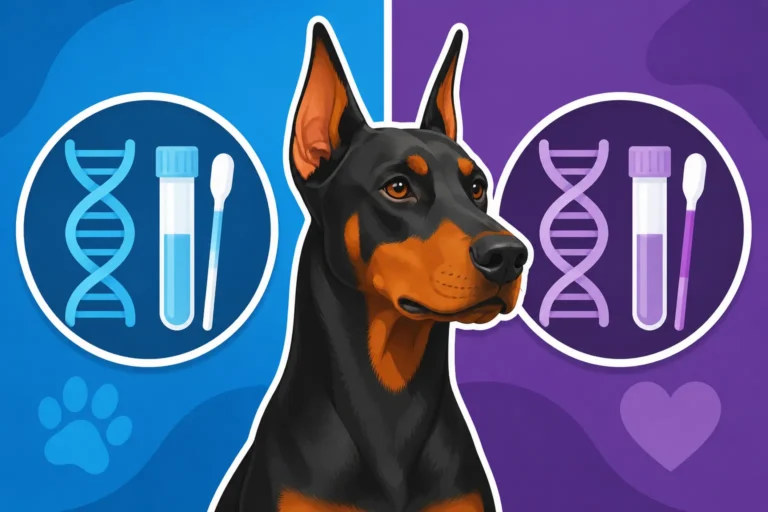
While a skin biopsy confirms the follicular dysplasia characteristic of CDA, genetic testing can identify the presence of the dilution gene (dd genotype). This test is usually performed using a cheek swab or blood sample and can confirm if your Doberman carries the genetic predisposition for dilute color. While it won't tell you if they will develop severe CDA, it confirms they can. For Doberman owners, knowing their dog's genetic status can be incredibly helpful, particularly for breeders who want to make informed decisions to reduce the prevalence of dilute colors and associated health problems in future generations.
It's important to remember that testing positive for the dilution gene (dd) confirms the color, but not necessarily the severity or even presence of CDA symptoms. Many dilute Dobermans live relatively normal lives with mild or no symptoms, while others struggle significantly. However, genetic testing does offer valuable insight into the inherited nature of the condition and can aid in counseling owners about the potential lifelong management that might be required. For comprehensive health assessments, especially when considering breeding, understanding The Two Doberman DCM Gene Tests and other genetic screenings alongside color dilution status is crucial for a complete picture.
Living with and Managing CDA: Practical Strategies
While Color Dilution Alopecia is a chronic condition without a cure, it's absolutely manageable with consistent, dedicated care. The goal isn't to regrow a full coat (though some improvement may be seen), but rather to alleviate discomfort, prevent secondary infections, and maintain the best possible skin health for your Doberman. This involves a multi-faceted approach focusing on hygiene, protection, and nutritional support.
Specialized Grooming and Bathing Regimens
One of the most crucial aspects of managing CDA is establishing a regular and gentle grooming routine. Frequent medicated baths, as recommended by your veterinarian, are often necessary to keep the skin clean, control bacterial and yeast populations, and remove excess scales and crusts. Shampoos containing ingredients like chlorhexidine, benzoyl peroxide, or sulfur-salicylic acid are commonly prescribed. It's vital to follow your vet's instructions regarding frequency and contact time, as leaving the shampoo on for too short a period can render it ineffective.
After bathing, using a hydrating conditioner or a leave-on moisturizing spray is essential to combat the dryness characteristic of CDA. Products rich in ceramides or essential fatty acids can help restore the skin barrier. When drying your Doberman, avoid harsh rubbing, which can irritate already sensitive skin and break fragile hairs. Instead, gently blot the coat with a soft towel. Brushing should be done sparingly and with a very soft brush, or ideally, just a soft cloth or grooming glove to avoid irritating the skin. Remember, the aim is to support the compromised skin, not to stimulate hair growth through aggressive brushing. For more detailed guidance, our article on Medicated Baths for a Doberman With Coat Loss can provide specific tips.
Environmental Protection for Thinning Skin
The thinning or bald patches associated with CDA leave your Doberman's skin highly exposed and vulnerable to environmental factors. Sunburn is a significant risk, especially for light-skinned blue and fawn Dobermans. During peak sun hours, it's critical to limit outdoor exposure or apply dog-specific sunscreen to affected areas. Protective clothing, such as lightweight, UV-protective shirts or bodysuits, can also be invaluable for walks or outdoor play. These clothes also offer a layer of protection against minor scrapes and irritations from plants or rough surfaces.
Conversely, Dobermans, especially those with thin coats and low body fat, already feel the cold more acutely. With CDA, their compromised coat offers even less insulation. In colder climates, a warm dog coat or sweater is essential to prevent hypotherman and discomfort, both indoors and outdoors. Maintaining a comfortable indoor temperature and providing soft, cushioned bedding can also help prevent pressure sores on exposed, bony areas. Being mindful of hot pavements in summer and icy surfaces in winter is also important, as their delicate skin can be more susceptible to injury.
Dietary Considerations and Supplements
Nutrition plays a supportive role in overall skin health, though it won't cure CDA. A high-quality diet that is rich in easily digestible proteins and essential fatty acids can contribute to a healthier skin barrier. Many veterinarians recommend supplementing with omega-3 and omega-6 fatty acids, such as those found in fish oil (EPA and DHA). These fatty acids have anti-inflammatory properties and can help improve skin hydration, reduce scaling, and strengthen the skin barrier.
Other supplements that might be considered, often under veterinary guidance, include Vitamin E, which is an antioxidant, and zinc, which is vital for skin health. Some anecdotal reports suggest melatonin might help with hair regrowth in some cases of CDA, though scientific evidence is mixed and individual results vary widely. Always consult with your veterinarian before adding any supplements to your Doberman's diet, as excessive amounts can be harmful or interact with other medications. A vet can help you choose the right product, such as a reputable fish oil supplement from a brand like Nordic Naturals or Healthy Paws (which also offers insurance that might cover vet-recommended supplements if prescribed for a covered condition). Ultimately, the goal with diet and supplements is to provide the building blocks and support systems that the compromised skin needs to function as optimally as possible.
Here is a summary table for quick reference:
| Symptom Category | Typical Doberman Coat/Skin | CDA-Affected Dilute Doberman | Management Strategy |
|---|---|---|---|
| Coat Texture | Smooth, sleek, shiny | Dull, coarse, brittle, sparse | Gentle brushing, soft cloths, avoid harsh friction |
| Hair Growth | Dense, even | Thinning, slow growth, broken hairs, bald patches | No direct cure; focus on skin health and prevention of secondary issues |
| Skin Appearance | Healthy, elastic, unblemished | Dry, flaky, scaly, thickened, comedones (blackheads), sometimes hyperpigmented | Regular medicated baths, moisturizing conditioners, topical treatments |
| Vulnerability to Infection | Low (with good hygiene) | High (compromised skin barrier, abnormal follicles) | Proactive medicated baths, prompt vet care for secondary infections |
| Environmental Sensitivity | Moderate | High (sunburn, cold, abrasions) | Protective clothing, dog-safe sunscreen, warm bedding in winter |
| Itching | Minimal | Variable, often severe with secondary infections | Anti-itch medications (if prescribed), gentle skin care, infection control |
Preventing CDA and Ethical Breeding Practices
The best way to prevent Color Dilution Alopecia is to approach breeding and puppy selection with knowledge and ethical considerations. Since CDA is a genetic condition linked to dilute coat colors, choices made by breeders and prospective owners have a direct impact on its prevalence.
The Role of Responsible Breeding and Genetic Screening
Responsible breeders prioritize the health and temperament of their Dobermans above all else. This means making informed decisions about breeding pairs, which includes understanding the genetic risks associated with certain traits, like dilute coat colors. Breeders who are truly committed to the breed's well-being will avoid breeding two dogs that both carry the recessive dilution gene, or at least carefully consider the implications if they do. Many reputable Doberman clubs and associations worldwide do not encourage or even register dilute colors due to the associated health problems, including CDA.
Genetic testing for the dilution gene is readily available and can help breeders make educated choices. By knowing the genetic status of their breeding stock, they can choose to breed carriers only to clear dogs, or ideally, only breed clear dogs to ensure no dilute offspring are produced. This proactive approach significantly reduces the chances of producing puppies genetically predisposed to CDA. When you're looking for a Doberman puppy, ask breeders about their genetic testing protocols and their stance on dilute colors. A reputable breeder will be transparent about their practices and readily discuss the health implications, rather than promoting "rare" colors without mentioning the risks. For more on what to look for, check out The Health Testing a Doberman Breeder Must Show.
Understanding Breeder Claims About "Rare" Colors
It's unfortunately common for some breeders to market blue and fawn Dobermans as "rare" or "exotic" to command higher prices. While the colors are indeed less common than black and red, they are not rare in the sense of being highly desirable or genetically superior. In fact, quite the opposite is true from a health perspective. The marketing of these colors as "rare" often exploits a lack of public understanding about the associated health issues, particularly CDA.
Prospective owners should be wary of any breeder who emphasizes color over health, temperament, and genetic testing. A breeder who focuses on "rare" colors might also be less diligent about screening for other serious Doberman health problems, such as Dilated Cardiomyopathy (DCM) or Von Willebrand's disease. Remember, the true value of a Doberman lies in its health, longevity, and stable temperament, not in the shade of its coat. Choosing a dilute-colored Doberman means accepting the increased likelihood of managing a chronic skin condition, and owners should go into this decision fully informed and prepared. It's why we explore Whether to Buy a Blue Doberman At All in another article, encouraging careful consideration.
Advocating for Health Over Aesthetics
As Doberman enthusiasts, we have a responsibility to advocate for the health and welfare of the breed. This means educating ourselves and others about conditions like CDA and supporting breeders who prioritize health testing and ethical practices. The AKC does allow the registration of blue and fawn Dobermans, classifying them among The Four Doberman Colors the AKC Allows. However, this registration doesn't negate the increased health risks associated with these colors. The Doberman Pinscher Club of America, the AKC parent club, officially encourages breeders to avoid breeding for dilute colors due to these health concerns.
By choosing a Doberman from parents with proven health, stable temperaments, and appropriate genetic testing (not just for color, but for more debilitating diseases like DCM or Von Willebrand's), you are contributing to the betterment of the breed. If you fall in love with a blue or fawn Doberman, be prepared for the extra care and potential veterinary expenses that might come with managing CDA. This foresight includes considering pet insurance from providers like Healthy Paws, especially if you get your puppy before any symptoms arise. Your decision to prioritize health ultimately helps ensure a brighter future for the Doberman breed as a whole.
Long-Term Outlook and Quality of Life
Living with a Doberman affected by Color Dilution Alopecia is a marathon, not a sprint. It's a chronic condition that requires ongoing attention and management. However, with dedication and a proactive approach, many Dobermans with CDA can still enjoy a good quality of life. The key is consistent care, understanding the chronic nature of the disease, and knowing when to seek additional veterinary expertise.
The Chronic Nature of CDA and Ongoing Care
CDA is a lifelong condition, meaning there is no cure, and the need for management will not disappear. Owners must be prepared for continuous skin care, including regular medicated baths, moisturizing, and diligent observation for signs of secondary infections. This can feel overwhelming at times, especially during flare-ups of bacterial or yeast infections. It's easy to get disheartened when a patch of hair loss expands or a skin infection seems to reappear right after treatment.
The routine will become second nature over time, but consistency is critical. Skipping baths or neglecting moisturizers can quickly lead to a worsening of symptoms. This ongoing commitment can also translate to ongoing costs, including specialized shampoos, conditioners, topical treatments, and potentially repeated vet visits for infections. Having pet insurance can be incredibly beneficial here. Many plans, including those from Healthy Paws, can help cover these recurring vet bills for chronic conditions, provided the condition wasn't pre-existing before coverage began. This financial support can significantly ease the burden and ensure your Doberman receives consistent care.
Addressing Owner Concerns and Emotional Support
It's completely normal for owners to feel frustrated, worried, or even guilty when their Doberman develops CDA. You might wonder if you did something wrong or if your dog is in constant pain. It’s important to remember that CDA is a genetic condition, not a result of poor care. Your love and commitment to managing the condition are what truly matter. Connecting with other Doberman owners who are managing CDA can provide invaluable emotional support and practical tips. Online forums or breed-specific groups can be a great resource for sharing experiences and learning from others.
Understanding that while the coat may never fully recover, your dog can still be comfortable and happy is crucial. Focus on managing the symptoms and preventing complications rather than striving for an impossible "perfect" coat. Celebrate the small victories, like a reduction in itching or a longer period between infections. Your Doberman relies on your consistent care and positive attitude. Remember, their happiness isn't dependent on a flawless coat, but on your affection and dedication.
When to Seek Specialist Veterinary Care
While your primary veterinarian can manage most cases of CDA, there are times when seeking the expertise of a board-certified veterinary dermatologist is highly recommended. If your Doberman's condition is severe, rapidly worsening, or proving resistant to standard treatments, a specialist can offer a more in-depth diagnostic workup and a wider range of therapeutic options.
A dermatologist can confirm the diagnosis, identify specific secondary pathogens through advanced cultures, and suggest novel treatments or medications that might not be commonly used by general practitioners. They can also provide expert advice on long-term management plans, dietary modifications, and advanced skin barrier support. If you find yourself constantly battling recurrent infections or if your Doberman's quality of life is significantly impacted by severe itching or discomfort, don't hesitate to ask your vet for a referral. Sometimes, a fresh perspective and specialized knowledge can make all the difference in achieving better control over CDA and improving your Doberman's comfort.
Disclaimer
This article is intended for informational purposes only and does not constitute veterinary advice. Always consult with a qualified veterinarian for any health concerns or before making any decisions about your Doberman's medical care or treatment plan.