Whether Melatonin Helps Doberman Coat Loss
It’s truly disheartening to watch your magnificent Doberman's sleek, shining coat start to thin, sometimes to the point of bare patches. Many Doberman owners, especially those with beautiful blue or fawn dogs, face this struggle and desperately search for solutions. You’ve likely heard whispers about melatonin as a potential aid, and it's natural to wonder if this common supplement could be the answer. This guide will dive deep into whether melatonin genuinely helps with Doberman coat loss, exploring the science, the anecdotes, and what you should really consider before trying it.
Understanding the Roots of Doberman Coat Loss
When your Doberman's coat starts to look sparse, it’s not just a cosmetic concern; it can be a sign of underlying issues. The Doberman breed, particularly certain color variants, is unfortunately predisposed to specific types of alopecia. It's a journey many owners find frustrating and sometimes heartbreaking, as the remedies aren't always straightforward.
The Specific Challenge of Color Dilution Alopecia (CDA)
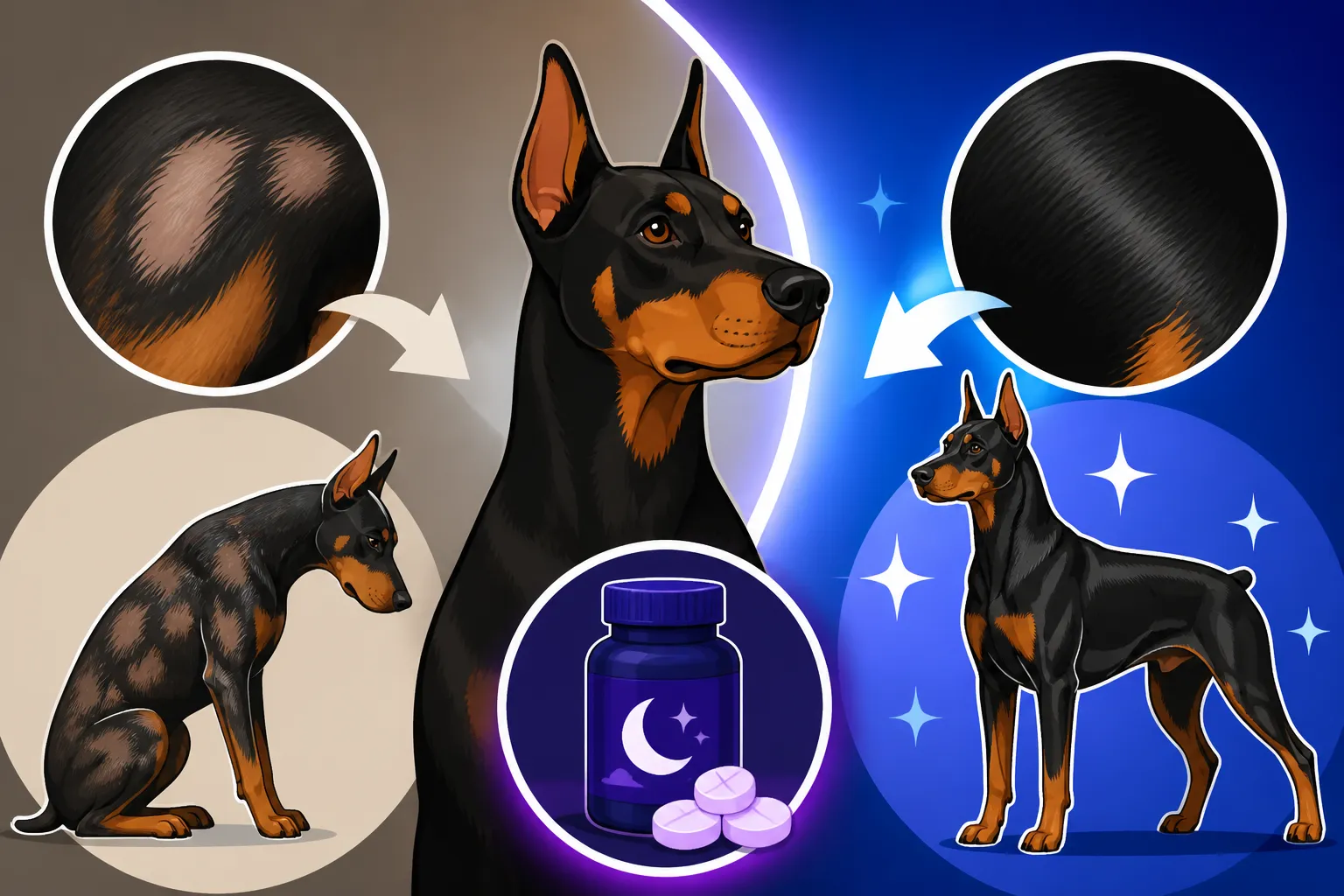
For blue and fawn Dobermans, a common culprit behind coat loss is Color Dilution Alopecia, or CDA. This genetic condition affects how pigment is distributed in the hair shaft, leading to a weaker, more fragile hair structure that breaks easily and falls out. It's not a matter of poor grooming or diet in most cases; it's simply how their dilute coat color manifests. Owners often first notice a thinning coat on their blue Doberman puppy, particularly around the flanks, chest, and neck, sometimes starting even before their first birthday. As the condition progresses, these areas can become completely bald, leaving the skin exposed and vulnerable. You can learn more about this specific condition in Color Dilution Alopecia in Blue and Fawn Dobermans.
What many people don’t realize is that CDA isn't just about the hair falling out; it also predisposes the skin underneath to problems. Because the hair follicles are abnormal, they can easily become clogged or infected. This often leads to secondary bacterial infections, characterized by flaky, itchy, or reddened skin, sometimes with small pustules. This means you're not just dealing with hair loss but also discomfort for your dog, necessitating careful skin management alongside any attempts to address the coat itself. The challenge is often compounded by the fact that it's a progressive condition, meaning it tends to worsen over time.
Other Potential Causes for a Thinning Doberman Coat
While CDA is a big one, it’s crucial not to jump to conclusions about every instance of Doberman coat loss. Other conditions can also manifest as thinning hair, and these require different approaches. For example, hypothyroidism, a common endocrine disorder in Dobermans, can lead to a dull, dry coat, patchy hair loss, and even skin infections. If your Doberman is also showing signs of low energy, weight gain despite no change in diet, or cold intolerance, it’s essential to have their thyroid levels checked. The Thyroid Numbers That Slow a Doberman Down is a great resource if you suspect this might be an issue.
Beyond systemic diseases, external factors like allergies can also contribute. Environmental allergies or food sensitivities might cause your Doberman to scratch excessively, leading to self-inflicted hair loss, redness, and inflammation. Parasites like fleas or mites, though less common with routine preventatives, can also cause severe itching and subsequent coat damage. Even stress, nutritional deficiencies, or certain medications can, in rare cases, play a role in poor coat quality or shedding. This is why a thorough veterinary examination is always the first, most important step when you notice significant changes in your Doberman’s coat.
Melatonin: The Buzz Around a Natural Supplement
It’s completely understandable why Doberman owners, facing the challenges of coat loss, would turn their attention to supplements like melatonin. In a world full of quick fixes and anecdotal successes, it stands out as a "natural" option, often associated with gentle effects. But what exactly is melatonin, and why has it become a topic of discussion in the realm of canine coat health?
What Melatonin Actually Is and Its Primary Role
Melatonin is a hormone produced naturally by the pineal gland in both humans and animals, including our beloved Dobermans. Its primary and most well-understood role is in regulating circadian rhythms – essentially, our sleep-wake cycle. When light decreases, melatonin production increases, signaling to the body that it’s time to rest. Conversely, during daylight hours, melatonin levels drop, promoting wakefulness. This is why you often hear about people taking melatonin supplements to help with jet lag or insomnia; it's helping to reset or support their natural sleep patterns.
Beyond sleep, melatonin also has antioxidant properties and plays a role in various other bodily functions, though these are less clearly defined. Because it's a widely available supplement, often found at your local pharmacy or even on platforms like Amazon, and perceived as relatively safe, it's become a go-to for many pet owners looking for alternative remedies for a variety of conditions, including anxiety or, in our case, hair loss. Its accessibility and generally mild nature make it an appealing option when conventional treatments aren't yielding the desired results or when a condition like CDA feels intractable.
The Theory: How Melatonin Might Influence Coat Growth
So, how did a sleep hormone become linked to doggy hair growth? The theory connecting melatonin to coat growth in dogs largely stems from its observed effects in cases of "seasonal flank alopecia" (SFA) in breeds like Boxers, Bulldogs, and Airedale Terriers. SFA is a condition where dogs develop symmetrical bald patches, often on their flanks, typically during seasons with shorter daylight hours, and the hair often regrows when days lengthen. Because melatonin helps regulate seasonal cycles (like breeding and coat growth in some species), researchers hypothesized it might influence the hair follicle cycle in dogs with SFA.
The idea is that melatonin could help regulate the hair growth cycle, potentially prompting dormant follicles to enter the anagen (growth) phase. For Dobermans specifically, while CDA is a genetic condition affecting hair structure rather than a purely seasonal cycle, some anecdotal reports and theories suggest melatonin might still offer some support. The mechanism isn't fully understood, but some believe it could indirectly improve overall skin health or help mitigate stress, which can impact coat quality. However, it's a significant leap from treating seasonal alopecia in one breed to effectively resolving a genetic structural hair defect in another. This theoretical link, combined with its relatively low cost and availability, makes it a popular topic of discussion among Doberman owners grappling with coat loss.
The Reality of Melatonin and Doberman CDA
When it comes to treating something as persistent and often distressing as Doberman coat loss, especially with Color Dilution Alopecia, it's vital to separate wishful thinking from scientific fact. Melatonin has certainly generated a lot of discussion, but does it truly hold up as an effective treatment for our Dobermans?
The Absence of Strong Scientific Evidence for Dobermans
Here's the honest truth: despite the buzz, there's a distinct lack of robust, peer-reviewed scientific studies specifically demonstrating melatonin's effectiveness for Color Dilution Alopecia in Dobermans. Most of the positive reports you might encounter are anecdotal – stories from individual owners who feel it helped their dog. While these stories offer hope, they aren't the same as controlled clinical trials that measure actual hair regrowth, hair shaft integrity, or skin improvement against a placebo.
The studies where melatonin has shown some promise for coat regrowth are primarily related to seasonal flank alopecia in other breeds, as mentioned earlier. CDA in Dobermans is a different beast; it's a genetic defect in the hair shaft structure itself, making the hair fragile and prone to breaking and falling out, rather than a cyclical dormancy issue. Therefore, extrapolating results from SFA to Doberman CDA isn't scientifically sound. A supplement that might nudge a dormant hair follicle into growth might not be able to fix a follicle that produces inherently flawed hair. This critical distinction is often lost in informal discussions, leading to understandable but potentially misguided hopes among Doberman owners.
Potential Side Effects and the Importance of Veterinary Guidance
Even though melatonin is considered generally safe, it's not without potential side effects, and it should never be given to your Doberman without consulting your veterinarian first. The most common side effect you might notice is drowsiness or lethargy, which, while sometimes the desired effect if you're using it for anxiety, isn't ideal if you're trying to promote coat growth. Some dogs might also experience gastrointestinal upset, such as vomiting or diarrhea. These are generally mild, but every dog reacts differently, and a Doberman with a sensitive stomach might fare worse.
More critically, giving your Doberman any supplement without veterinary oversight means you could be missing a treatable underlying condition. What if the coat loss is due to hypothyroidism, an allergy, or even a serious systemic disease? Relying solely on melatonin could delay proper diagnosis and treatment. Your vet can help rule out other causes, discuss appropriate dosages if they believe it's worth trying (though many vets may suggest other routes first), and monitor for any adverse reactions or drug interactions, especially if your Doberman is on other medications for conditions like The Heart Disease That Reaches Most Dobermans. Always prioritize a comprehensive veterinary assessment before starting any new supplement regimen.
Here's a quick look at some general considerations for melatonin in Dobermans:
| Feature | Melatonin for Doberman Coat Loss (General Considerations) |
|---|---|
| Proposed Benefit | Anecdotal reports of some hair regrowth, especially in seasonal alopecia cases. |
| Scientific Basis | Limited to no scientific evidence specifically for Color Dilution Alopecia (CDA) in Dobermans. |
| Primary Function | Regulates sleep cycles, mild calming effect. |
| Common Side Effects | Drowsiness, lethargy, mild gastrointestinal upset. |
| Availability | Widely available over-the-counter (e.g., Chewy, Amazon, local pharmacies). |
| Veterinary Stance | Most vets will recommend ruling out other causes and may not endorse as a primary treatment for CDA due to lack of evidence. |
| Dosage | Varies widely; must be determined by a veterinarian. |
Finding the Right Dosage (If Your Vet Approves)
If, after a thorough discussion with your vet and ruling out other conditions, you collectively decide to try melatonin as a supplemental approach, understanding dosage is paramount. This is NOT a "one size fits all" situation, and you absolutely should not guess or follow advice from unverified online sources. The appropriate dose for a Doberman will depend on factors like their weight, overall health, and the specific formulation of melatonin being used.
Typical starting dosages for dogs, when advised by a vet, can range anywhere from 1 mg to 6 mg, given one to three times a day, but this is highly variable. Canine melatonin products are available, often through pet supply retailers like Chewy or even general online stores like Amazon, but human-grade melatonin can also be used if it's pure and free of xylitol or other harmful additives. Remember, the goal is not to sedate your Doberman into a stupor, but to potentially provide a hormonal influence. Your veterinarian is the only one who can provide safe and accurate dosing instructions tailored to your individual dog. Without that professional guidance, you risk not only ineffective treatment but also potential harm to your beloved companion.
Moving Beyond Melatonin: Comprehensive Coat Care for Dobermans
Given the limitations of melatonin for Doberman coat loss, especially when dealing with a genetic condition like Color Dilution Alopecia, it's important to focus on strategies that are proven to provide support and comfort for your dog. A holistic approach that addresses skin health, nutrition, and environmental factors is often the most effective.
Partnering with Your Vet for a Proper Diagnosis and Treatment Plan
The very first and most critical step when you notice any significant coat loss on your Doberman is to schedule a comprehensive visit with your veterinarian. They will be able to perform a thorough physical examination and likely recommend diagnostic tests to pinpoint the exact cause of the hair loss. This might include blood tests to check for thyroid function or other hormonal imbalances, skin scrapes to look for parasites, fungal cultures to rule out ringworm, or even skin biopsies to confirm conditions like CDA or other dermatological issues. For example, if your Doberman has Hair Loss on a Blue Doberman, a vet can definitively diagnose CDA.
Once a diagnosis is made, your vet can craft a targeted treatment plan. For CDA, while there's no cure, the focus shifts to managing symptoms, preventing secondary infections, and maximizing comfort. This could involve specialized shampoos, topical treatments, or oral medications if secondary bacterial or yeast infections are present. Addressing these secondary skin issues is crucial, as they can cause significant itching, discomfort, and further damage to already compromised skin, making your Doberman feel miserable. Your vet might even recommend consulting with a veterinary dermatologist if the case is particularly complex or resistant to initial treatments.
Nutritional Support and Specialized Skin Care
A well-balanced, high-quality diet plays an enormous role in overall skin and coat health, even for Dobermans with genetic conditions. While diet won't "cure" CDA, it can certainly help support the health of the remaining hair and the underlying skin. Many vets recommend diets rich in omega-3 and omega-6 fatty acids, which are crucial for maintaining skin barrier function and reducing inflammation. You might find these supplements as fish oil or flaxseed oil, available from reputable pet suppliers on platforms like Chewy or Amazon.
Beyond diet, targeted skin care is paramount. Regular bathing with medicated shampoos can help control bacterial and yeast overgrowth, reduce flakiness, and soothe irritated skin. Your vet can recommend specific shampoos designed for sensitive or compromised skin. These aren't your average dog shampoos; they often contain ingredients like chlorhexidine for antiseptic properties, or ceramides to help repair the skin barrier. For a dog experiencing significant hair loss, it’s also important to use lukewarm water and avoid harsh scrubbing during baths to prevent further irritation. For more information on dealing with skin issues, check out Skin Infections in a Bald Doberman and Medicated Baths for a Doberman With Coat Loss.
Environmental Management and Protection
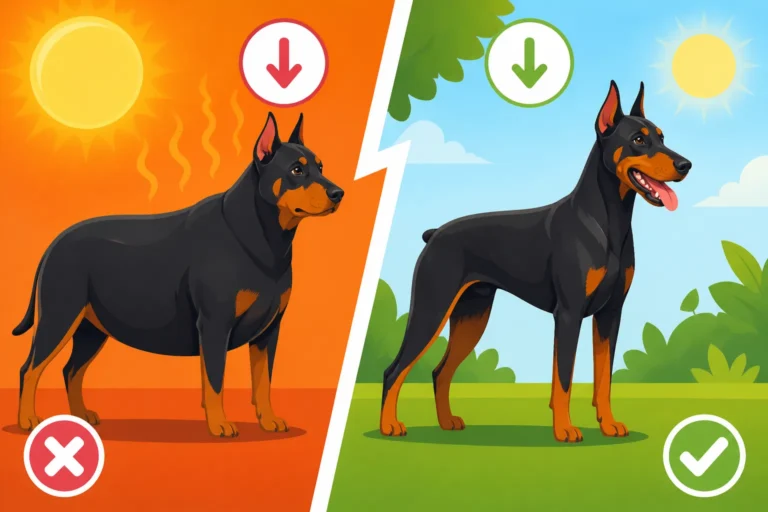
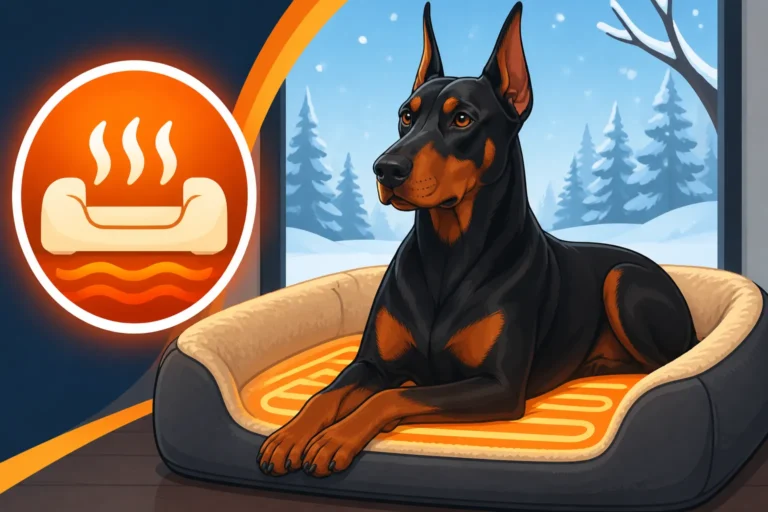
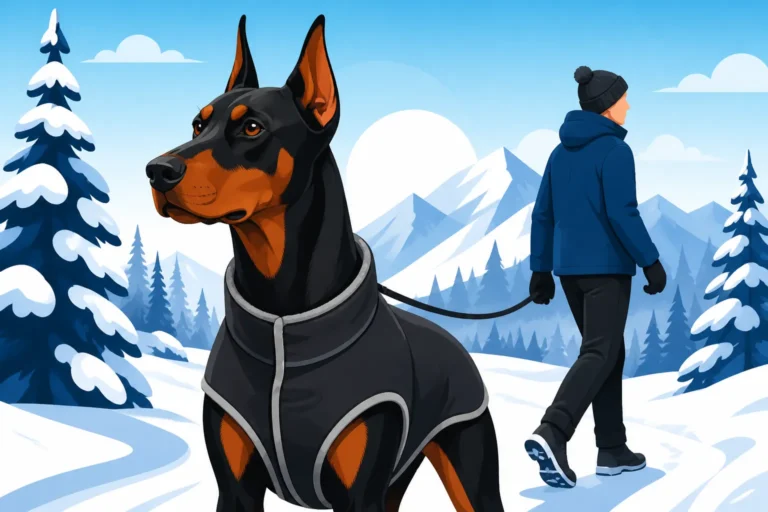
Dobermans, with their short, single-layer coats and minimal body fat, are already prone to feeling the cold. When they experience coat loss, this sensitivity is amplified, and their bare skin becomes even more vulnerable. In colder climates or during winter months, a well-fitting dog coat is not a luxury but a necessity to keep your Doberman warm and comfortable. Look for coats specifically designed for deep-chested breeds on sites like Amazon to ensure a snug fit.
Similarly, areas of bare skin are highly susceptible to sunburn. Just like humans, dogs can get sunburned, which can lead to pain, further skin damage, and even increase the risk of skin cancer over time. If your Doberman has thinning or bald patches, especially on their back or flanks, apply a pet-safe sunscreen before they spend time outdoors, particularly during peak sun hours. Sun-protective clothing can also be an option for longer exposures. Think about their comfort: soft, supportive bedding is also important, as thin skin over bony prominences can be prone to pressure sores. While not a specific solution for coat loss, ensuring their environment is supportive of their condition contributes greatly to their overall well-being.
Managing Expectations and Accepting the Reality of a Genetic Condition
Ultimately, for Dobermans diagnosed with Color Dilution Alopecia, it's essential to manage expectations. This is a genetic condition, and currently, there is no known cure that will completely restore a full, lush coat. Efforts are focused on managing the symptoms, preventing secondary issues, and ensuring your dog's comfort and quality of life. It’s a marathon, not a sprint, and requires ongoing dedication to care.
Embracing your Doberman for who they are, thinning coat and all, is part of the journey. While you strive to provide the best possible care, remember that their value and your bond with them are not diminished by their physical appearance. Many Doberman owners find solace and community in sharing experiences and tips with others facing similar challenges. Focus on their overall health, happiness, and ensuring their comfort. Whether their coat fully recovers or not, a loved Doberman is a happy Doberman. You can find more practical tips in Whether Coat Loss in a Doberman Can Be Treated.
Disclaimer
This article is for general informational purposes only and does not constitute professional advice. Laws, prices and regulations vary by location and change over time. Consult a qualified professional for guidance on your specific situation.