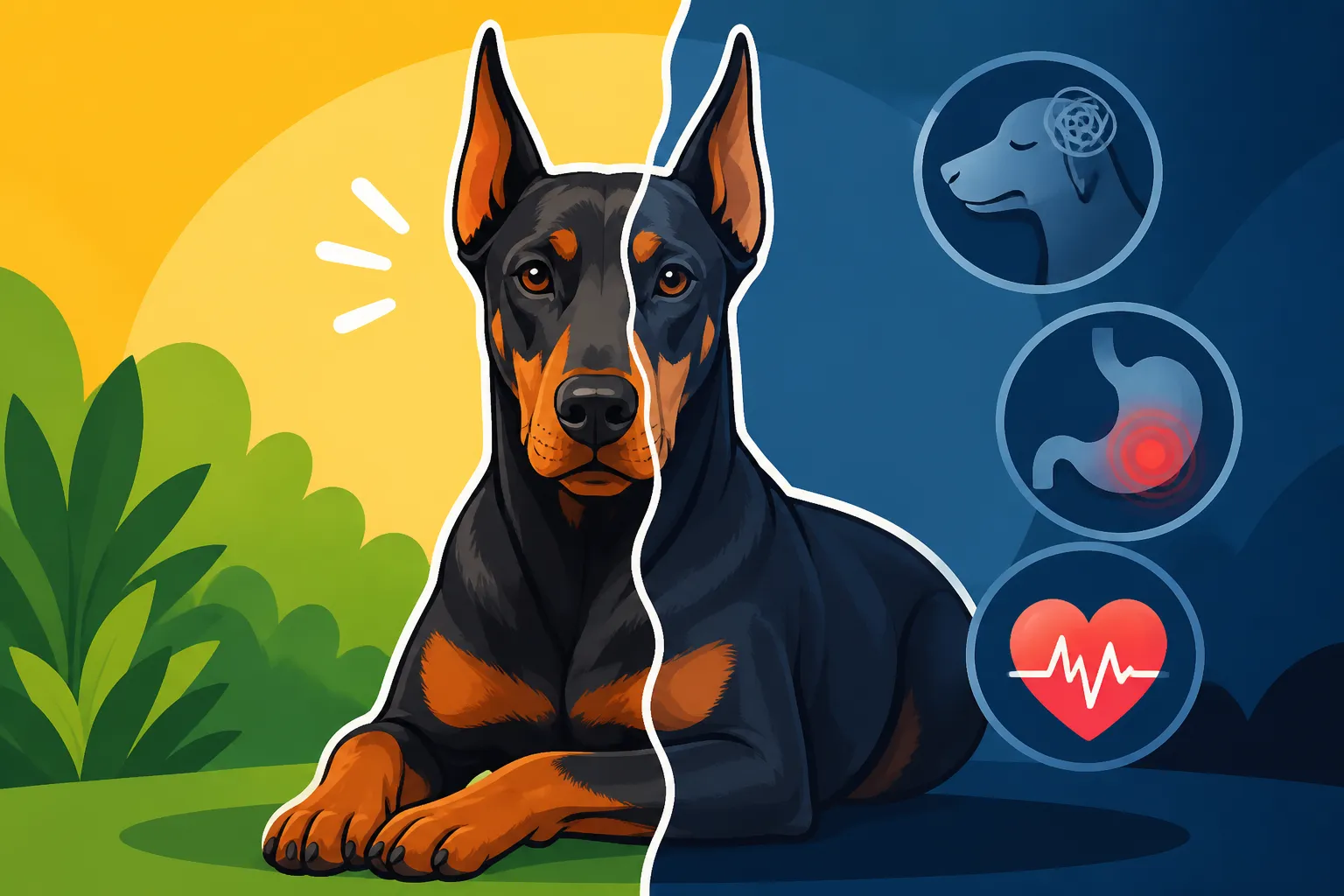
Why a Doberman Can Look Fine and Be Ill
It’s a heartbreaking reality for many Doberman owners: one day your magnificent dog is bounding around, full of life, seemingly the picture of health, and the next, you’re faced with a devastating diagnosis. Dobermans are famously stoic, incredibly adept at masking discomfort or illness until a condition has progressed significantly. This guide will delve into the specific reasons why these incredible dogs can appear perfectly fine while battling serious health issues, and, crucially, what you can do to catch these hidden problems before they become critical.
The Doberman's Stoic Nature and Hidden Health Challenges
Dobermans are a breed forged for protection and work, and part of that heritage is a strong resilience and a tendency to hide weakness. This trait, while admirable in a working dog, can be incredibly challenging for pet owners trying to ensure their beloved companion's well-being. They aren't the type to whine or limp overtly at the first sign of pain, which means we often have to become detectives to uncover what's truly going on beneath their shiny, confident exterior.
Why Dobermans Are So Good at Hiding Pain
Think about it from a Doberman's perspective, rooted deep in their ancestral instincts. In the wild, showing pain or weakness makes an animal vulnerable. While our Dobermans are cherished family members, that instinct to appear strong and capable remains. They possess a remarkably high pain tolerance, often shrugging off injuries that would have another breed crying out. This stoicism, combined with their intense focus and drive, means they can easily push through discomfort, masking symptoms that might be obvious in other dogs. You might notice a slight reluctance to jump as high, a tiny hesitation before running, or a momentary stiffness that quickly disappears, and then they're back to their usual enthusiastic selves. It’s these incredibly subtle shifts that often get overlooked, mistaken for a bit of soreness from a hard play session or just an off day.
The Importance of Knowing Your Doberman's Baseline
Because Dobermans are so skilled at concealing illness, your keen observation skills become your most powerful tool. You need to become intimately familiar with your Doberman's normal. This goes beyond just knowing their weight or favorite treat. It means truly understanding their daily routine, their typical energy levels, their quirks, and even the subtle nuances of their posture. Does your Doberman usually leap off the couch with gusto, or have they started to slide off more gently? Is their appetite always ravenous, or have they left a few kibbles in the bowl more often lately? Even the smallest changes in how they interact, how they move, or how quickly they tire can be significant. Keep a mental, or even better, a physical log of these baselines. What's their typical resting heart rate? How long do they usually sleep? How much water do they drink? Any deviation, no matter how minor it seems, should be noted. It's often the cumulative effect of these tiny changes that paints a picture of a brewing problem.
Silent Killers: Heart Disease and Other Insidious Conditions
When we talk about Doberman health, certain conditions immediately spring to mind as being notoriously difficult to detect until advanced. These are the "silent killers" that can steal precious time from our Dobermans without much fanfare, making their hidden nature all the more frustrating for owners.
Dilated Cardiomyopathy (DCM) – The Sneaky Heart Condition
Perhaps the most infamous Doberman health concern is Dilated Cardiomyopathy, or DCM. This progressive disease causes the heart muscle to thin and weaken, making it less efficient at pumping blood. The truly terrifying part about DCM is that it has a long "occult" phase, meaning your Doberman can appear completely normal and healthy for years, all while their heart is silently deteriorating. They might be running, playing, and acting like their usual energetic self, but inside, their heart is struggling. This is why it’s so critical to understand that a Doberman Heart Fails Before Anyone Notices.
During this occult phase, there are often no outward symptoms. You won't hear a cough, see labored breathing, or notice any lethargy. Your Doberman will likely maintain their robust appetite and enthusiasm for walks. However, as the disease progresses, you might start to see incredibly subtle shifts. Perhaps they're just a little less eager to chase the ball for the umpteenth time. Maybe they're taking a slightly longer nap than usual after a walk. These are often dismissed as normal aging or just a tired day, but they can be early whispers of a serious underlying issue. The Age Doberman Heart Disease Usually Starts can vary, but regular screening becomes paramount once they hit those vulnerable years. It’s truly amazing how a Doberman Heart Enlarges Before Symptoms are apparent to the casual observer, making proactive screening the only real defense. This invisible progression makes understanding The Silent Years Before a Doberman's Heart Shows all the more critical for responsible ownership.
Von Willebrand Disease – A Silent Bleeding Risk
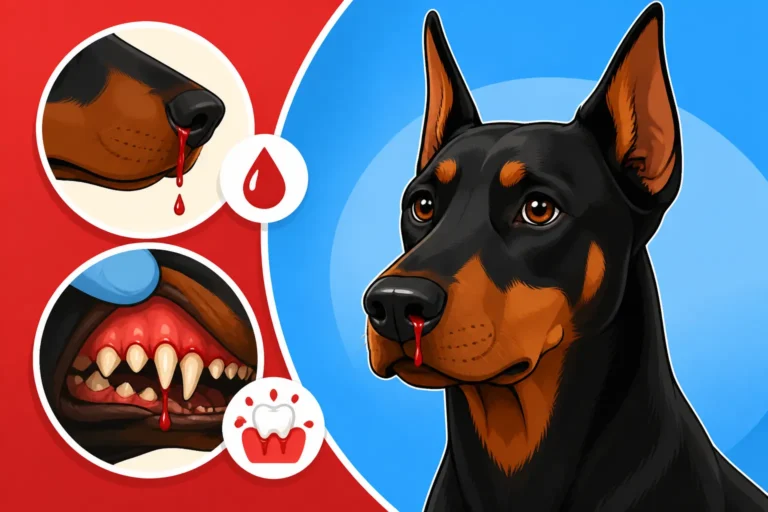
Another condition that can lie dormant and unseen is Von Willebrand Disease (vWD), a genetic bleeding disorder. Many Dobermans carry this trait, and depending on the type and severity, they might live their entire lives without an owner ever realizing they have it. The problem arises when the dog experiences an injury or, more critically, undergoes surgery. A simple cut might bleed longer than expected, or a routine spay/neuter could turn into a life-threatening hemorrhage if the vet isn't aware of the condition.
Imagine your Doberman bounding through the yard, catching a paw on something sharp, and you notice the cut just won't stop oozing blood. Or perhaps they have a minor tooth extraction, and the bleeding is much more significant than typical. These are the moments when vWD makes itself known. Without a specific DNA test, there's no way to know if your Doberman is affected, a carrier, or clear. This is why breeders should always be transparent about The Bleeding Disorder Almost Every Doberman Line Carries and provide test results. Knowing if your Doberman has vWD is vital information, especially when considering any invasive procedure, and Testing a Doberman for Von Willebrand Before Surgery is a crucial step that can prevent emergencies.
Wobbler Syndrome – Subtle Changes in Gait
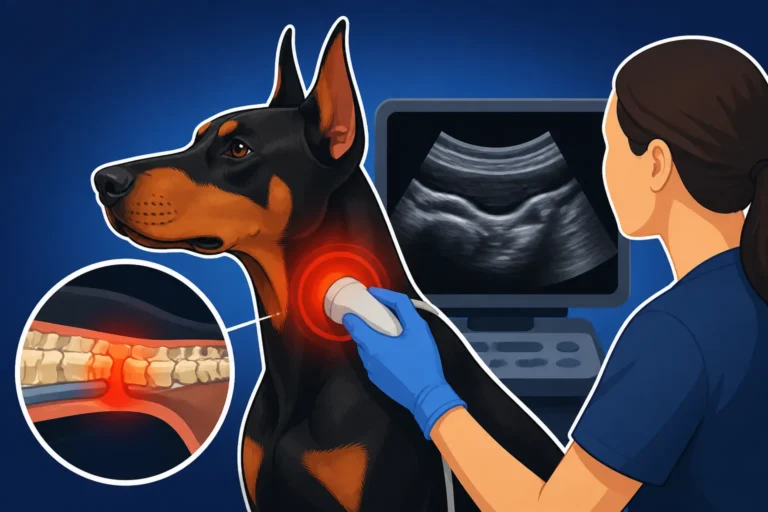
Wobbler Syndrome, also known as Cervical Vertebral Instability, is a neurological condition that affects the spine in the neck, leading to compression of the spinal cord. In Dobermans, this can manifest gradually, making it another tricky condition to spot in its early stages. What starts as something minor can progress to serious mobility issues if not addressed.
Early signs of Wobbler Syndrome can be incredibly subtle. You might notice your Doberman occasionally scuffing their nails on their back paws, especially when turning or walking on uneven surfaces. This might be dismissed as them being clumsy or simply needing a nail trim. Sometimes, there’s a slight lack of coordination, a subtle "wobbly" gait, particularly in the hind limbs, which can be intermittent. A Doberman That Wobbles on Its Back Legs might initially appear to just be having an off day, or perhaps has a minor sprain. They might still be eager for walks and playtime, masking the underlying neurological issue with their typical enthusiasm. You might even notice them walking with their head held slightly lower than usual, or perhaps being reluctant to reach down for a toy. These small, fleeting observations are critical clues for identifying Wobbler Syndrome in the Doberman before it becomes debilitating.
Other Conditions That Masquerade as Minor Issues
Beyond the major 'silent' conditions, Dobermans are prone to other health issues that can also develop insidiously, often mimicking less serious problems or simply being attributed to age or breed quirks. Owners need to be vigilant and look beyond the obvious when observing their Doberman's health.
Hypothyroidism – The Gradual Slowdown
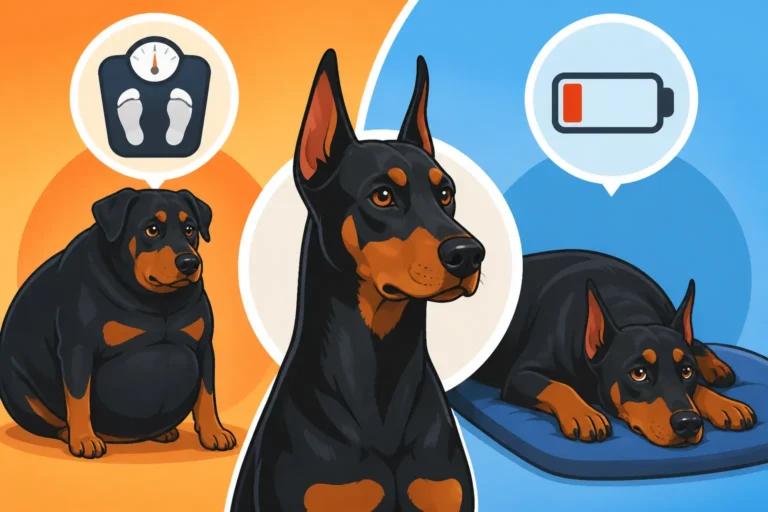
Hypothyroidism, an underactive thyroid gland, is a surprisingly common condition in Dobermans. The thyroid produces hormones that regulate metabolism, so when it's not working correctly, a cascade of subtle symptoms can occur, often so gradually that owners don't notice until the condition is quite advanced. It's not uncommon for owners to attribute these changes to "just getting older" or a shift in temperament.
You might start to notice your Doberman is a little less energetic than usual, perhaps wanting to sleep more or being less enthusiastic about their daily walk. They might start gaining weight despite no change in diet, or their beautiful coat might become dry, dull, or start thinning, sometimes accompanied by flaky skin. These are all signs of The Thyroid Numbers That Slow a Doberman Down, but they can easily be mistaken for normal aging, especially as Dobermans enter their middle and senior years. It's a prime example of a condition where a dog can look perfectly fine, maybe just a little lazier, but is actually experiencing a systemic metabolic slowdown that impacts their quality of life. Without specific blood tests, this condition can easily be missed.
Copper Storage Hepatopathy – The Hidden Liver Problem
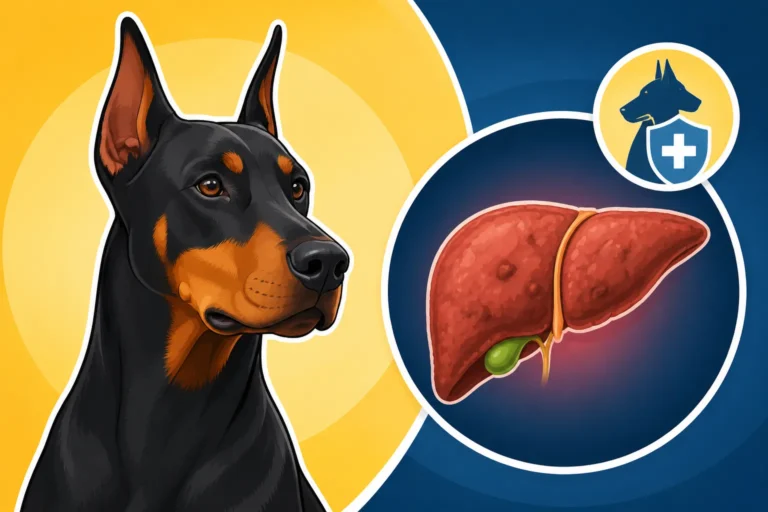
Dobermans, particularly females, have a genetic predisposition to a condition called Copper Storage Hepatopathy, where copper accumulates in the liver. Normally, the liver processes and excretes excess copper, but in affected Dobermans, this mechanism doesn't work efficiently, leading to a build-up that can cause inflammation and severe liver damage over time. Why Doberman Livers Store Copper is a complex genetic question, but the implications for owners are clear.
The scary part? This condition is often asymptomatic until the liver damage is quite extensive. Your Doberman can appear completely healthy, with no changes in appetite, energy, or behavior, even as copper levels in their liver slowly climb to toxic levels. By the time symptoms like lethargy, vomiting, or jaundice appear, the disease has usually progressed significantly. This is a classic example of a "silent" disease where the internal damage isn't reflected by outward appearance for a long time. Early diagnosis often requires a liver biopsy or specialized blood tests, as standard liver enzyme panels might not flag the issue until later stages. Understanding Copper Liver Disease in Doberman Females is particularly important, as they tend to be more affected.
Proactive Steps for Early Detection
Given the Doberman's incredible ability to hide illness, proactive health management isn't just a good idea—it's absolutely essential. Being diligent about screening and advocating for your dog can literally be the difference between catching a problem early and facing a crisis.
The Power of Regular Veterinary Check-ups and Specialized Screening
General annual check-ups are a baseline, but for Dobermans, you need to go beyond the basics. Comprehensive physical exams, including palpation and listening to the heart, are crucial, but specialized screening is non-negotiable, especially as your Doberman approaches middle age. The Health Testing a Doberman Breeder Must Show is a good indicator of responsible breeding, but as an owner, you continue this legacy.
For heart health, regular echocardiograms (heart ultrasounds) and 24-hour Holter monitoring are vital tools. An echo measures the heart's structure and function, while a Holter monitor records its electrical activity over a full day, revealing arrhythmias that might not be present during a brief vet visit. Annual Echo and Holter Screening for a Doberman can detect DCM in its occult phase, giving you a chance to intervene with medication to slow the progression. The Age to Start Screening a Doberman's Heart typically begins around 2-3 years old, and continues yearly. Blood tests, including a full thyroid panel and comprehensive liver panels, are also important, looking for the subtle markers of conditions like hypothyroidism or early indications of copper storage issues. Many owners find that investing in pet insurance, like a plan from Healthy Paws, can make these regular, specialized screenings more manageable financially, as the costs can add up quickly. It's truly a safety net for those unexpected vet bills, which Doberman owners know all too well can be substantial.
Being an Advocate for Your Doberman
Beyond the vet, you are your Doberman's primary advocate. No one knows your dog better than you do. If you have a gut feeling that something isn't quite right, even if the vet doesn't immediately find an obvious problem, push for further investigation. Don't be afraid to ask for specific tests or a referral to a specialist. Keep detailed notes about any subtle changes you observe – a shift in appetite, a slight limp that comes and goes, a change in coat texture, or even just a general "off" feeling. These small pieces of information, when shared with your veterinarian, can help them connect the dots and lead to an earlier diagnosis.
Maintaining open communication with your veterinary team and being proactive in your Doberman's health care is the best strategy. Remember, Dobermans are masters of disguise when it comes to illness. Being prepared for potential health challenges, and having financial support from a company like Healthy Paws for diagnostics and treatments, can provide immense peace of mind. It allows you to focus on getting your Doberman the best care, rather than worrying about the unexpected expenses that often come with these hidden conditions.
Here's a table summarizing some common Doberman health concerns, their subtle signs, and recommended screenings:
| Condition | Early/Subtle Signs (Often Missed) | Recommended Screening/Detection Methods |
|---|---|---|
| Dilated Cardiomyopathy (DCM) | Slight decrease in exercise tolerance, less sustained enthusiasm, longer recovery from activity, very occasional mild cough. | Annual Echocardiogram, 24-hour Holter Monitor, ProBNP blood test, Genetic testing (DCM1, DCM2). |
| Von Willebrand Disease (vWD) | Excessive bleeding from minor cuts, nosebleeds, prolonged bleeding after tooth loss or nail trims. Often silent until surgery/injury. | DNA test for vWD (prior to surgery/breeding). |
| Wobbler Syndrome | Intermittent hind limb ataxia (wobbling), scuffing of hind paws, mild stiffness in neck, reluctance to lower head. | Neurological exam, X-rays, Myelogram, MRI of cervical spine. |
| Hypothyroidism | Gradual lethargy, weight gain, dull coat, dry skin, recurrent skin infections, sometimes behavioral changes (anxiety/aggression). | Full thyroid panel (T4, Free T4, TSH). |
| Copper Storage Hepatopathy | Usually asymptomatic until advanced. Occasionally vague gastrointestinal upset. | Liver enzyme blood tests (ALT, AST), Bile Acid Test, Liver biopsy for definitive diagnosis, Genetic testing (ATP7B, COMMD1). |
Disclaimer
The information provided in this guide is for educational purposes only and is not intended to be a substitute for professional veterinary advice, diagnosis, or treatment. Always seek the advice of your veterinarian or other qualified animal health provider with any questions you may have regarding a medical condition.