Whether an Affected Doberman Lives Normally
It's a heartbreaking moment when you learn your beloved Doberman has tested positive for von Willebrand disease (vWD), a common inherited bleeding disorder in our breed. The immediate fear is often about their future quality of life, wondering if every bump or scrape will turn into a crisis. This guide is here to walk you through what it truly means for an affected Doberman to live with vWD, offering realistic advice and reassurance that many can absolutely lead full, happy lives with proper understanding and management.
Understanding Von Willebrand Disease in Dobermans
When you hear "bleeding disorder," it naturally sends shivers down your spine, especially for a breed as active and prone to bumps as our Dobermans. Von Willebrand disease (vWD) is one of those conditions that lurks in the background for many Doberman lines. In fact, it's considered The Bleeding Disorder Almost Every Doberman Line Carries to some degree, making awareness crucial for any Doberman owner.
What Exactly Is Von Willebrand Disease?
At its core, von Willebrand disease is a hereditary clotting disorder. Think of it this way: when your Doberman gets a cut, a whole orchestra of components needs to work together to stop the bleeding. One of the key players is von Willebrand factor (vWF), a protein that helps platelets (tiny blood cells that form clots) stick to the site of injury and also carries another important clotting factor, Factor VIII. In Dobermans with vWD, there isn't enough functional vWF, or it doesn't work correctly. This means that even a minor injury can lead to prolonged bleeding because the blood can't clot effectively.
There are actually three types of vWD, but Dobermans are overwhelmingly affected by Type 1. This type is generally the mildest, characterized by reduced levels of normal vWF. This is a crucial distinction, because it means that while your Doberman's blood clotting ability is impaired, it's not usually a complete absence of the factor, which offers a much better prognosis than the more severe types seen in other breeds. It’s not just external cuts; internal bleeding can also be a concern, although less commonly spontaneously severe in Type 1 vWD. This might manifest as Bruising and Bleeding in a Doberman that seems to appear without a clear cause, or unusually long bleeding from minor wounds. Understanding this mechanism is the first step in effective management.
How Dobermans Become "Affected"
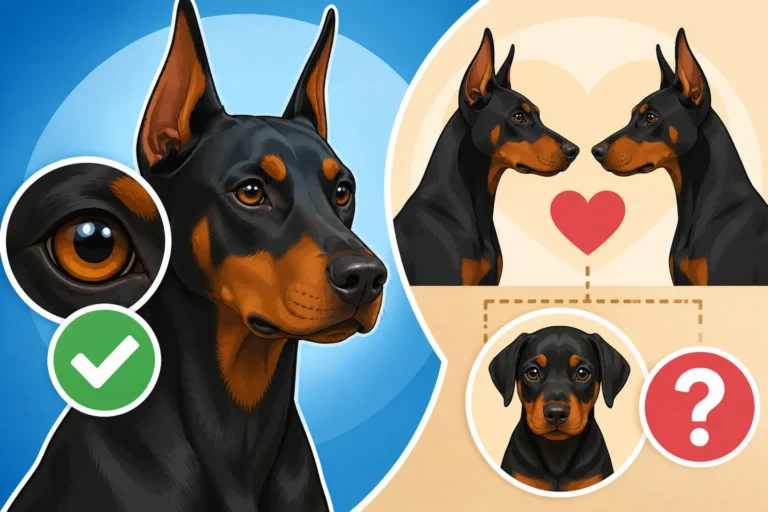
The inheritance pattern of vWD in Dobermans is autosomal recessive. This sounds complicated, but it basically means that a Doberman needs to inherit two copies of the faulty gene—one from each parent—to be "affected" and potentially show symptoms. If they inherit only one copy, they are considered a "carrier" and won't typically show signs of the disease themselves, but they can pass it on to their offspring. A Doberman with two normal copies is "clear."
The good news is that we have reliable DNA testing available. A simple cheek swab or blood sample can determine your Doberman's status: clear, carrier, or affected. This is known as The Von Willebrand DNA Test for Dobermans and it's something responsible breeders will always do. Knowing your dog's status allows you to be proactive. For an affected Doberman, this diagnosis isn't a death sentence; it’s a roadmap for responsible care. Many Dobermans with an affected status go their entire lives without a major bleeding episode, while others may experience occasional issues that are manageable with careful oversight. It’s also worth noting that just because a Doberman tests as "affected" doesn't mean they will bleed profusely from every tiny scratch. The expression of the disease varies greatly, even among affected individuals. This genetic testing provides invaluable information, enabling owners to prepare and mitigate risks.
Living with an Affected Doberman: Daily Life and Management
The initial shock of a vWD diagnosis can make you feel like your Doberman's life will be filled with restrictions and constant worry. However, with the right approach and a good understanding of the condition, most affected Dobermans can lead wonderfully rich and fulfilling lives, just like any other dog.
Everyday Life: More Normal Than You Think
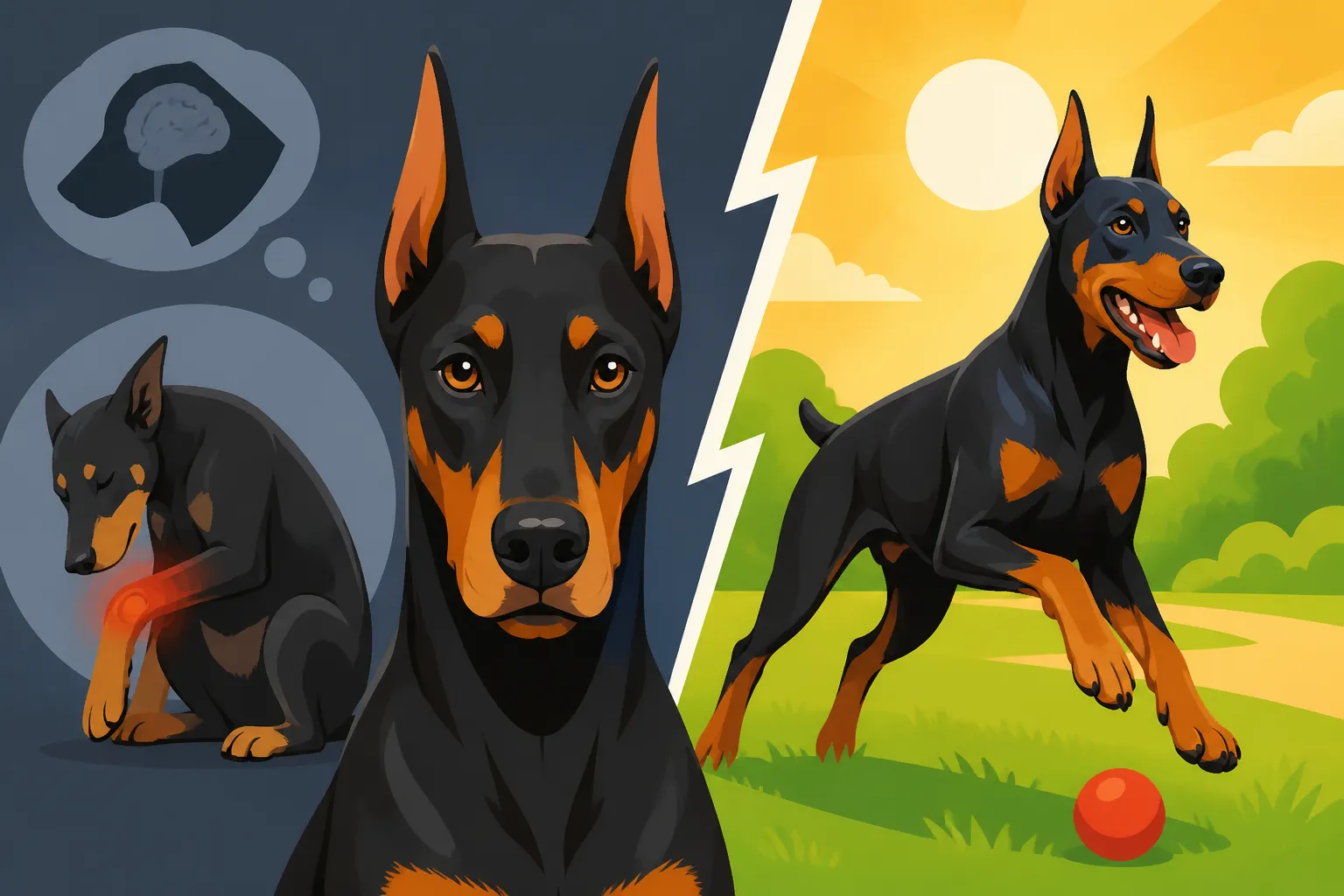
It's easy to fall into the trap of thinking your affected Doberman needs to live in a padded room, avoiding all fun. But that's simply not the case for most Type 1 vWD Dobermans. The reality is, many affected individuals live perfectly normal lives with minimal intervention. The key is awareness, not alarm. You become more attuned to potential issues and take sensible precautions. This doesn't mean your Doberman can't run, play, or explore; it just means you'll approach these activities with a bit more mindfulness.
For example, if your Doberman loves to tear around the backyard with another dog, you might observe their play more closely, ensuring it doesn't get too rough and tumble, which could lead to accidental cuts or impact injuries. If you notice any unusual Nosebleeds and Gum Bleeding in a Doberman, you'll know to pay close attention and perhaps consult your vet. This proactive mindset, rather than a reactive panic, is what truly defines living normally with an affected Doberman. It’s about being informed and prepared, not constantly fearful. Your Doberman's happiness and mental well-being are just as important, and a life of constant restriction would be detrimental.
Identifying and Handling Bleeding Episodes
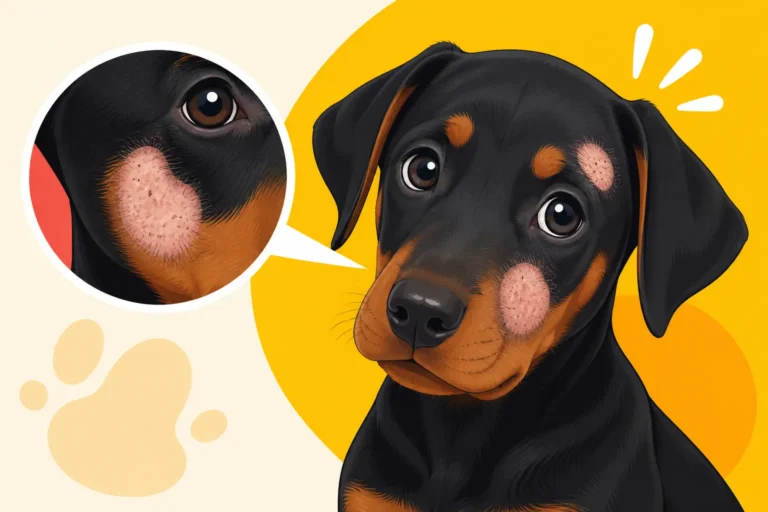
While many affected Dobermans lead symptom-free lives, it's vital to know what to look for and how to react if a bleeding episode occurs. Common signs of bleeding can include prolonged bleeding from minor cuts, punctures, or even nail trims. You might notice excessive bruising, spontaneous nosebleeds, or bleeding from the gums, especially after chewing on something hard. In some cases, internal bleeding could manifest as lethargy, pale gums, or abdominal distention, though this is less common with Type 1 vWD without significant trauma.
If your Doberman experiences a minor cut or scrape, apply direct pressure with a clean cloth for at least 5-10 minutes. Avoid peeking too often, as this can disrupt clot formation. If the bleeding doesn't stop or slow significantly after this time, or if it's a deeper wound, it’s time to call your vet. For nosebleeds, try to keep your Doberman calm and apply a cold compress to the bridge of their nose. Again, prolonged or heavy nosebleeds warrant veterinary attention. Always have your vet's number handy, and consider keeping a basic first-aid kit stocked with sterile gauze, adhesive tape, and an emergency contact list. Being prepared can make all the difference in managing these situations effectively and calmly, minimizing stress for both you and your Doberman.
Safe Play and Exercise
Dobermans are active, intelligent dogs that thrive on physical and mental stimulation. An affected vWD diagnosis doesn't mean your Doberman is confined to a sedentary life; it simply means adjusting how you approach their exercise. While vigorous activities are important for their overall health, you'll want to minimize risks of injury that could lead to bleeding.
For instance, consider swapping out rough-and-tumble games with other dogs for controlled, leash-led walks, or engaging in scent work and obedience training which are mentally tiring but less physically impactful. If your Doberman enjoys fetch, opt for softer toys rather than hard sticks or abrasive toys that could cause gum irritation or mouth injuries. Supervise play with other dogs closely, especially during the puppy and adolescent phases when play can be particularly boisterous. Avoiding dog parks where play can be unpredictable might be a wise decision. You might choose to enroll your Doberman in activities like agility or competitive obedience, which are highly structured and typically have lower risks of uncontrolled impact injuries compared to free play with unknown dogs. Maintaining trimmed nails is also important, as overgrown nails are more prone to tearing and bleeding. The goal is to keep your Doberman active and happy, but with a heightened sense of caution to prevent unnecessary trauma.
Medical Considerations and Emergency Preparedness
While managing day-to-day life with an affected Doberman is largely about awareness and prevention, there will be times when veterinary intervention is necessary. Being prepared for these moments is paramount.
Veterinary Care: A Proactive Approach
The most important aspect of medical care for an affected Doberman is ensuring all veterinary professionals are aware of their vWD status. This includes your regular vet, any emergency vets you might visit, and even specialists. Make sure this crucial information is prominently displayed in their medical records. Before any procedure, no matter how minor, always discuss the vWD status with your vet. This is especially critical for surgeries, even routine ones like spaying or neutering. Your vet will likely want to perform Testing a Doberman for Von Willebrand Before Surgery to gauge the current clotting function, even if you have a genetic test result.
Certain medications can interfere with blood clotting and should be avoided in Dobermans with vWD. These often include non-steroidal anti-inflammatory drugs (NSAIDs) like aspirin, ibuprofen, and sometimes even specific pain relievers. Your vet will have a comprehensive list of Drugs a Doberman With Von Willebrand Should Avoid. Always remind your vet about the vWD status when they prescribe any new medication, ensuring they choose alternatives that won't exacerbate the bleeding tendency. For spaying, for example, your vet might take extra precautions or even use specialized surgical techniques to minimize bleeding risks, especially for a Doberman that carries the bleeding gene, as discussed in detail when considering Spaying a Doberman That Carries the Bleeding Gene. Planning ahead with your veterinary team is the best way to ensure smooth and safe care for your Doberman.
Emergency Situations and Transfusions
Despite your best efforts, emergencies can happen. A severe injury, internal bleeding, or prolonged external bleeding that doesn't stop can quickly become life-threatening for an affected Doberman. It’s crucial to have an emergency plan in place. Know the location and contact information for the nearest 24-hour emergency veterinary clinic, and call ahead to inform them you're bringing in a Doberman with vWD. This gives them time to prepare.
In acute bleeding crises, the primary treatment for vWD is often a transfusion of fresh frozen plasma or cryoprecipitate. These blood products contain concentrated amounts of von Willebrand factor, which can temporarily restore clotting ability and stop the bleeding. This process, often involving Transfusions for a Doberman With a Clotting Disorder, can be life-saving. Your vet may also administer desmopressin (DDAVP), a synthetic hormone that can stimulate the release of stored vWF from the body's endothelial cells, though its effectiveness varies and is often short-lived. Having a calm, informed approach during an emergency can literally save your Doberman's life.
The Role of Pet Insurance
Considering the potential for emergencies or the need for specialized care, pet insurance can be an absolute lifesaver for Doberman owners, especially those with an affected vWD dog. While many Dobermans with vWD live without major issues, the possibility of a costly emergency or the need for blood transfusions means that having financial protection is incredibly valuable. Many owners wonder Whether Any Doberman Owner Should Skip Insurance, and for Dobermans with known predispositions like vWD, the answer is a resounding "no."
However, there's a critical caveat: pet insurance typically considers genetic conditions like vWD as pre-existing if diagnosed before enrollment or during the waiting period. This means it's usually best to get insurance before any diagnosis. Companies like Healthy Paws are highly regarded, but even they, and all other reputable insurers, have policies regarding pre-existing conditions. If your Doberman is already diagnosed as affected, getting coverage for vWD-related issues will likely be difficult, if not impossible. In such cases, insurance might still cover unrelated illnesses or accidents, which is still beneficial. Always read policy details carefully and confirm what is covered and what is excluded. If you are fortunate enough to have a Doberman puppy from a responsible breeder who has tested their lines, getting pet insurance like Healthy Paws in place early, before any health issues arise, is a smart decision that can bring immense peace of mind.
Breeding Ethics and the Future of Dobermans
Understanding vWD not only helps you manage your current Doberman but also plays a crucial role in safeguarding the future of the breed.
The Ethical Dilemma of Breeding Affected Dogs
Because von Willebrand disease is an inherited condition, breeding decisions carry significant weight. Reputable Doberman breeders strive to minimize the incidence of genetic diseases in their lines. This is why thorough health testing, including the vWD DNA test, is a hallmark of ethical breeding practices. An "affected" Doberman should absolutely not be bred, as they would pass on two copies of the faulty gene to all their offspring, guaranteeing every puppy would at least be a carrier.
The conversation also extends to "carriers." While carriers typically don't show symptoms themselves, they carry one copy of the faulty gene. Breeding two carriers together, or a carrier with an affected dog, significantly increases the likelihood of producing affected puppies. This is why discussions around Whether a Carrier Doberman Should Be Bred are so important in the Doberman community. The goal is to make informed choices that reduce the prevalence of this disease in future generations, preserving the health and longevity of our beloved breed. It's a complex issue, but the availability of genetic testing provides breeders with the tools to make responsible choices. Given How Many Dobermans Carry the Bleeding Gene, it's a constant consideration for anyone involved in Doberman breeding.
Understanding your Doberman's vWD status – Clear, Carrier, or Affected – through genetic testing is crucial for both their individual care and for making informed breeding decisions that contribute to the overall health of the breed.
| Status Category | Genetic Makeup | Clinical Symptoms | Breeding Implications |
|---|---|---|---|
| Clear | Two normal genes | No symptoms of vWD | Can be bred with any vWD status without producing affected puppies. |
| Carrier | One normal gene, one faulty gene | Typically no symptoms, but carries the gene | Should only be bred with a "Clear" Doberman to avoid producing "Affected" puppies. |
| Affected | Two faulty genes | Potential for bleeding episodes, severity varies | Should never be bred, as all offspring would inherit at least one faulty gene. |
This table provides a clear overview of the different classifications, making it easier to understand Clear, Carrier and Affected Doberman Results from a genetic test.
Ultimately, an "affected" Doberman can absolutely live a normal life. It requires knowledge, a proactive mindset, and a strong partnership with your veterinarian. While challenges might arise, they are often manageable, and the joy and companionship your Doberman brings will far outweigh any extra steps you need to take.
Disclaimer
The information provided in this article is for general informational purposes only and is not a substitute for professional veterinary advice. Always consult with a qualified veterinarian for any health concerns or before making any decisions related to your Doberman's health or treatment.