Sudden Death in a Young Doberman
It's one of the most heartbreaking scenarios a Doberman owner can face: your vibrant, seemingly healthy young dog suddenly collapses, and within moments, they're gone. This isn't just a shock; it's a devastating event that leaves owners reeling, questioning everything, and often feeling like they missed something crucial. This guide aims to shed light on the primary causes behind sudden death in young Dobermans, arming you with knowledge to potentially identify risks and take proactive steps for your beloved companion.
Understanding the Doberman's Unique Health Landscape
The Doberman Pinscher is a magnificent breed, known for its intelligence, loyalty, and striking athleticism. However, with these incredible traits come specific genetic predispositions that, unfortunately, make them vulnerable to certain health conditions that can lead to sudden, unexpected fatalities, even in their prime.
The Genetic Predisposition to Cardiac Issues
When we talk about sudden death in Dobermans, the conversation almost always turns to the heart, specifically a condition called Dilated Cardiomyopathy (DCM). This insidious disease causes the heart muscle to thin and weaken, making it less efficient at pumping blood. Over time, the heart chambers enlarge, leading to fluid buildup and electrical abnormalities.
What's truly frustrating for Doberman owners is that DCM is often a silent killer. A dog can appear perfectly healthy, full of life, and then suddenly collapse due to a catastrophic arrhythmia or heart failure. It feels unfair, a cruel twist of fate, especially when you've done everything right in terms of care and nutrition. It’s hard to reconcile the image of your powerful, athletic dog with the reality of a heart that's failing without a whisper. This is the heart disease that reaches most Dobermans, and understanding its nature is crucial for any owner.
Beyond the Heart: Other Hidden Dangers
While DCM is undeniably the most prevalent cause of sudden death in young Dobermans, it’s important to acknowledge that other, less common, but equally serious issues can also lead to a rapid decline. These might include certain aggressive forms of cancer, like hemangiosarcoma (though more common in older dogs, it can strike young Dobermans), or acute metabolic crises from conditions like Addison's disease. Even severe gastric dilatation-volvulus (GDV), commonly known as bloat, can progress so rapidly that it appears as a sudden collapse and death if not addressed immediately. While we focus heavily on DCM due to its prevalence, the possibility of other emergent conditions means that any sudden, unexplained collapse warrants immediate emergency veterinary attention.
The Silent Killer: Dilated Cardiomyopathy (DCM)
The sheer prevalence and cunning nature of DCM in Dobermans make it the primary concern when discussing sudden death in young dogs of the breed. It’s a disease that often plays hide-and-seek, revealing itself only when it's too late.
How DCM Develops Unnoticed
DCM typically progresses through what's known as an "occult" or "pre-clinical" phase. During this stage, your Doberman's heart is undergoing pathological changes – thinning walls, enlarging chambers – but there are absolutely no outward signs that anything is wrong. You won't see coughing, lethargy, or exercise intolerance. Your dog will eat, play, and interact normally. This makes it incredibly frustrating and frightening for owners, as there’s no immediate behavioral cue to suggest an underlying problem.
It's during this occult phase that the heart, compromised as it is, becomes prone to severe electrical disturbances, known as ventricular arrhythmias. These are irregular heartbeats that can be so chaotic and rapid that they prevent the heart from effectively pumping blood. When this happens, blood flow to the brain is suddenly cut off, leading to collapse, unconsciousness, and often, immediate death. It's a brutal reality that the silent years before a Doberman's heart shows any visible signs are often the very years when the risk of sudden fatal arrhythmia is highest. Many owners feel a profound sense of guilt, wondering if they missed something, but the truth is, without specific screening, these changes are virtually impossible to detect at home.
Recognizing Subtle Warning Signs Often Missed
While DCM is notorious for its "silent" progression, sometimes, in hindsight, owners can recall incredibly subtle changes that, at the time, seemed insignificant. These aren't the dramatic coughs or fainting spells associated with later-stage heart failure, but rather fleeting, almost imperceptible shifts in behavior. Perhaps your Doberman was slightly less enthusiastic about their usual long walk, or took a moment longer to recover after a vigorous play session. Maybe they had a brief, soft cough dismissed as a tickle or a reaction to drinking water too fast. They might have seemed a tiny bit more tired than usual for just an hour or two, only to bounce back to their normal, energetic selves.
These subtle signs are often attributed to a "bad day," a minor muscle strain, or just normal variation in a dog's activity level. In a breed as robust and stoic as the Doberman, they are masters at masking discomfort until a condition is far advanced. This makes it incredibly difficult for even the most vigilant owner to realize something serious is amiss. It’s a harsh truth that a Doberman can look fine and be ill, especially when it comes to the heart. This is why regular, specialized screening is so critical – it looks for what you cannot see.
The Role of Genetics in Early-Onset DCM
The genetic component of DCM in Dobermans is undeniable and deeply studied. Research has identified specific genetic markers, most notably the DCM1 (PDK4 gene deletion) and DCM2 (Titin gene variant) mutations, that are associated with an increased risk of developing the disease. A Doberman testing positive for one or both of these genes might have a higher predisposition to developing DCM, and sometimes, at an earlier age.
It's important to understand, however, that these are risk factors, not guarantees. A dog can carry both the DCM1 and DCM2 gene tests and never develop clinical DCM, while a dog that tests clear for both can still develop the disease. This is where the frustration lies for many breeders and owners – the genetics are complex, and while they offer valuable insights for breeding decisions and monitoring, they don't provide a complete picture of an individual dog's future health. However, knowing your dog's genetic status can inform screening frequency and help you be more vigilant. Responsible breeders will often screen their breeding dogs for these genetic markers to make informed decisions and try to reduce the incidence of the disease in future generations.
Other Potential Causes of Sudden Collapse
While DCM rightfully takes the spotlight concerning sudden death in Dobermans, it’s essential to be aware of other acute conditions that can lead to rapid collapse and, without immediate intervention, prove fatal. Knowing about these can sometimes make the difference in a critical emergency.
Gastrointestinal Emergencies: Bloat (GDV)
Gastric Dilatation-Volvulus, or "bloat," is a terrifying and rapidly progressing condition common in deep-chested breeds like the Doberman. It occurs when the stomach fills with gas and often twists, cutting off blood supply and trapping the contents. The onset can be incredibly sudden, and if not treated within hours, it is almost always fatal.
Symptoms typically include unproductive retching (trying to vomit but nothing comes up), restlessness, pacing, excessive drooling, and a visibly distended abdomen that feels hard to the touch. The dog may also exhibit signs of pain or discomfort. The challenge is that these signs can escalate from mild to severe in a very short time, and a dog can go from seemingly normal to critical within an hour or two. Recognizing a Doberman stomach twist in time and rushing to an emergency veterinary clinic is paramount. Even with prompt care, the mortality rate is significant, making bloat a constant worry for Doberman owners.
Bleeding Disorders and Internal Hemorrhage
Dobermans are genetically predisposed to Von Willebrand Disease (vWD), a common inherited bleeding disorder. While typically not a cause of sudden death on its own, it significantly complicates any situation involving injury, surgery, or spontaneous bleeding, making these events far more dangerous. A Doberman with severe vWD could suffer fatal blood loss from an otherwise minor cut, or from spontaneous internal bleeding in the gastrointestinal tract or elsewhere.
More acutely, internal hemorrhage can be caused by other factors. Aggressive, fast-growing cancers like hemangiosarcoma can sometimes rupture, leading to massive internal bleeding and rapid collapse. While hemangiosarcoma is often seen in older dogs, it can occasionally present in younger Dobermans with alarming speed. Trauma, even seemingly minor, could lead to significant internal bleeding in a dog with a clotting disorder, or if it ruptures an organ. It’s important to understand the bleeding disorder almost every Doberman line carries, as this knowledge can prompt specific precautions for routine procedures or unexpected injuries.
Neurological and Metabolic Crashes
While less frequent causes of outright sudden death, certain neurological or metabolic conditions can lead to sudden collapse and rapidly deteriorate. An acute Addisonian crisis, for example, results from the adrenal glands failing to produce enough hormones. Symptoms can include severe lethargy, vomiting, diarrhea, and sudden collapse dueishing to electrolyte imbalances and low blood pressure. If left untreated, this can quickly become life-threatening.
Similarly, severe, acute flare-ups of conditions like Wobbler Syndrome, which affects the spinal cord in the neck, can lead to sudden loss of coordination or paralysis, causing a dramatic collapse. While usually not immediately fatal, the inability to move can lead to secondary complications if not managed promptly. Even acute toxic ingestions, from accidental poisoning to a severe allergic reaction, can result in rapid system shutdown and collapse. These conditions, while varied in their presentation, share the common thread of rapidly overwhelming a young Doberman's system, demanding immediate and often specialized veterinary intervention.
Proactive Measures and Early Detection
Given the Doberman's unique health challenges, particularly the silent nature of DCM, proactive measures and a commitment to early detection are the most powerful tools an owner has. It's about being informed, diligent, and partnering with your veterinary team.
The Importance of Regular Cardiac Screening
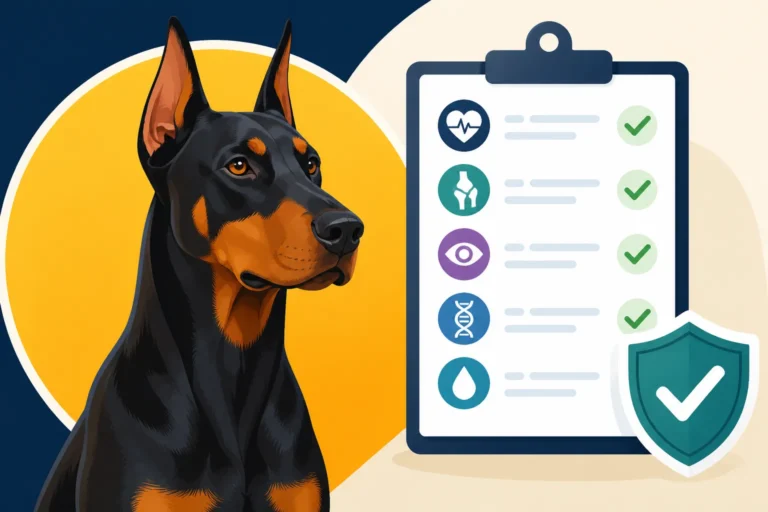
For Doberman owners, regular cardiac screening isn't just a recommendation; it's a vital necessity. The standard protocol involves annual echocardiograms (an ultrasound of the heart) and 24-hour Holter monitoring. An echocardiogram allows a veterinary cardiologist to visualize the heart's structure, measure chamber sizes, assess wall thickness, and evaluate blood flow and valve function. This is how early signs of DCM, like subtle chamber enlargement or decreased contractility, can be detected before your dog shows any symptoms.
The 24-hour Holter monitor is a small, wearable ECG device that records every heartbeat over a full day. This is crucial because it can detect arrhythmias (irregular heartbeats) that might be intermittent and therefore missed during a brief vet visit or even a standard echocardiogram. It's often these arrhythmias that precede sudden cardiac death in Dobermans. Starting annual echo and Holter screening for a Doberman typically around 2-3 years of age, and continuing throughout their life, gives the best chance of catching DCM in its occult phase. Early diagnosis, even without symptoms, can sometimes allow for medication to be started, which may significantly delay the onset of clinical signs and potentially extend quality of life. The recurring costs of these screenings can add up, which is where pet insurance providers like Healthy Paws can offer crucial support, helping owners manage the financial burden of proactive health management.
Genetic Testing and Breeder Responsibility
Understanding the genetic underpinnings of Doberman health issues begins with responsible breeding. Reputable breeders are committed to health testing their breeding stock not just once, but often annually, for conditions like DCM and Von Willebrand Disease. This includes not only physical examinations and cardiac screenings but also genetic testing for the known DCM1 and DCM2 genes, as well as the Von Willebrand DNA test.
When looking for a Doberman puppy, it’s crucial to ask breeders about the health testing a Doberman breeder must show. They should be transparent about the results for both parents, including their most recent Holter and echo reports, and genetic test results. While a positive genetic test doesn't guarantee disease, it provides valuable information for both the breeder and prospective owners. For instance, a breeder might choose not to breed two carriers together to avoid producing affected offspring, or they might monitor a positive-testing dog more closely. This proactive approach by breeders, combined with genetic testing, forms a vital part of minimizing the risk of inherited diseases like DCM and vWD in future generations.
Recognizing and Responding to Acute Symptoms
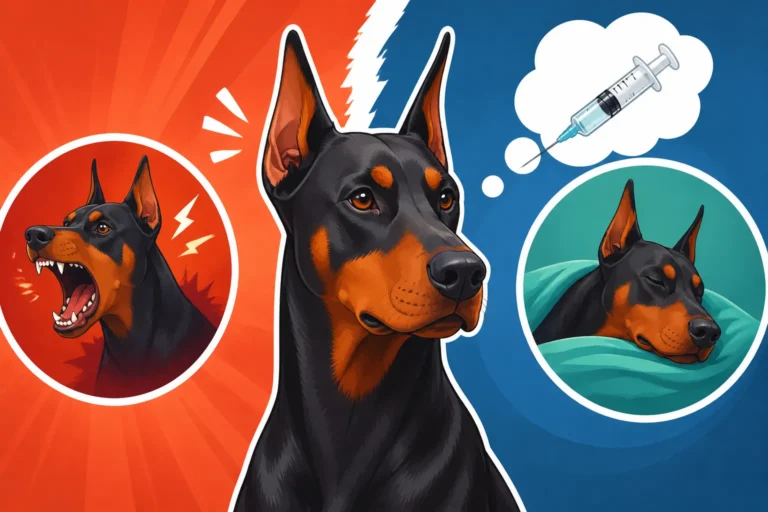
Despite all preventative measures, emergencies can still arise. Knowing how to react in the critical moments of a sudden collapse can sometimes make a difference. If your Doberman suddenly collapses, becomes unresponsive, or shows severe distress like difficulty breathing, extreme disorientation, or seizures, immediate action is paramount.
Here’s what to do:
- Stay Calm (as much as possible): Panic makes it harder to act effectively.
- Assess the situation quickly: Is your dog breathing? Is there a pulse? Are their gums pale or blue?
- Call your emergency veterinarian immediately: Inform them you are on the way and describe your dog's symptoms. This allows them to prepare for your arrival.
- Transport Safely: If possible, have someone else drive while you monitor your dog. Use a blanket or stretcher to move them if they are too large or heavy.
Time is of the essence in these situations. Conditions like severe arrhythmias, bloat, or massive internal bleeding require immediate veterinary intervention. The emergency vet fees for a collapsing Doberman can be substantial, often running into thousands of dollars for diagnostics, stabilization, and potential surgery. This is another area where a comprehensive pet insurance plan, such as those offered by Healthy Paws, can provide immense relief, allowing you to focus on your dog's care without immediate financial strain. Early treatment, even for a Doberman in the occult phase of DCM, can sometimes buy significant time and improve their quality of life, underscoring the importance of swift action.
Living with the Risk and Finding Peace of Mind
Owning a Doberman means accepting that there are certain health risks inherent to the breed, particularly the specter of DCM. It's a heavy burden for many owners, but understanding this reality doesn't mean living in constant fear. Instead, it empowers you to be the best advocate for your dog's health and well-being.
Managing Anxiety and Maximizing Quality of Life
The knowledge that your Doberman could be susceptible to a silent killer like DCM can create a background hum of anxiety. Every cough, every moment of rest, every slight change in behavior can become a source of worry. It's a natural reaction to a truly devastating potential outcome. However, it's crucial to balance vigilance with enjoying the precious time you have with your dog.
Focus on providing the highest quality of life:
- Excellent Nutrition: A balanced diet appropriate for their age and activity level is fundamental.
- Appropriate Exercise: While Dobermans need plenty of exercise, ensure it's suitable for their age and any known health conditions. Don't push them excessively, especially in heat.
- Mental Stimulation: Keep their intelligent minds engaged with training, puzzle toys, and new experiences.
- Love and Connection: These "velcro dogs" thrive on companionship. Cherish every snuggle, every walk, every moment of play.
- Regular Vet Care: Beyond specialized screenings, routine check-ups are vital for overall health.
By focusing on these elements, you are doing everything within your power to support their health and happiness. Acknowledging that Doberman lifespan and why it is short for many is a difficult pill to swallow, but it makes every moment together even more precious.
The Role of Veterinary Specialists
When dealing with complex conditions like DCM or other specialized health concerns, working with veterinary specialists is invaluable. For heart issues, a board-certified veterinary cardiologist has advanced training and equipment to accurately diagnose and manage canine cardiac diseases. They are experts in interpreting echocardiograms and Holter reports, and in developing individualized treatment plans. If your general veterinarian detects anything abnormal during a routine check-up or if you have concerns, they may recommend a referral to a specialist.
Similarly, if other complex issues arise – a suspected neurological problem, an autoimmune disease, or complicated internal medicine cases – a specialist in those fields can provide a deeper level of expertise and more advanced diagnostic and treatment options. Knowing whether a Doberman needs a specialist for its echo or other screenings can save crucial time and ensure the most accurate assessment of your dog's health. While specialist consultations and treatments can be more expensive, the peace of mind and improved outcomes they offer are often worth the investment. Again, pet insurance plans, like those offered by Healthy Paws, are designed to help cover these specialist fees, making advanced care more accessible when your Doberman needs it most.
Common Causes of Sudden Death in Young Dobermans
To help visualize the primary concerns, here's a table summarizing the common causes of sudden death or collapse in young Dobermans:
| Condition | Primary Issue | Typical Age Range (Young Dobermans) | Common Symptoms (often subtle or acute) | Immediate Action |
|---|---|---|---|---|
| Dilated Cardiomyopathy (DCM) | Weakening and enlargement of heart muscle, leading to electrical instability. | 2-6 years (can be earlier or later) | Often none (occult phase), or very subtle lethargy, minor cough, decreased stamina. Acute: sudden collapse, fainting, loss of consciousness, death. | Emergency Vet Immediately for acute collapse. Regular annual cardiac screening is preventative. |
| Bloat (GDV) | Stomach fills with gas and twists (volvulus). | Any age, common in 2-7 years | Unproductive retching, distended/hard abdomen, restlessness, pain, excessive drooling, rapid decline. | Emergency Vet Immediately. Life-threatening emergency. |
| Hemangiosarcoma (Acute Rupture) | Aggressive cancer of blood vessel lining, often on spleen or heart. | Can occur in young, though more common in older (6+ years). | Sudden weakness, pale gums, distended abdomen (due to internal bleeding), collapse, rapid death. | Emergency Vet Immediately. Often fatal due to massive internal bleeding. |
| Addison's Disease (Acute Crisis) | Adrenal glands fail to produce sufficient hormones. | Typically 1-7 years | Severe lethargy, vomiting, diarrhea, tremors, collapse, dehydration, low blood pressure. | Emergency Vet Immediately. Requires immediate IV fluids and hormone replacement. |
| Severe Arrhythmias (Non-DCM related) | Electrical malfunction of the heart, without DCM. | Any age | Sudden collapse, fainting, weakness, seizure-like activity. | Emergency Vet Immediately. Requires cardiac stabilization. |
Disclaimer
The information provided in this article is for educational purposes only and is not intended to be a substitute for professional veterinary advice, diagnosis, or treatment. Always seek the advice of your veterinarian or other qualified animal health provider with any questions you may have regarding a medical condition. Never disregard professional veterinary advice or delay in seeking it because of something you have read here.