Doberman Lifespan and Why It Is Short
It’s a cruel twist of fate that the very dogs we fall so deeply in love with, our magnificent Dobermans, are often taken from us far too soon. Many Doberman owners experience the unique heartache of watching their beloved companion decline at an age when other breeds are still in their prime. This guide delves into the tough realities of the Doberman lifespan, exploring the primary health challenges that often shorten their years and offering insights into how we can proactively give them the best chance at a longer, healthier life.
The Heartbreaking Reality of Doberman Lifespan
Bringing a Doberman into your life means accepting an immense amount of love, loyalty, and companionship. It also often means grappling with the knowledge that their time with you might be shorter than you hoped. It’s a bitter pill to swallow, and for many owners, it's a constant, underlying worry.
What the Statistics Say About Doberman Years
When you look at breed-specific statistics, the numbers can be quite stark. While many larger breeds have a generally shorter lifespan than smaller dogs, Dobermans often fall on the lower end even within that spectrum. The average Doberman lifespan is typically cited as around 9 to 12 years, but for many, it can be much less, sometimes tragically cut short in their middle years. This isn't just a number; it represents years of potential joy, snuggles, and adventures that are lost. It’s a fact that hits hard, especially when you compare it to some other breeds that routinely live into their mid-teens. This reality is a significant factor in the discussion around Doberman Lifespan and Why It Is Short.
The Emotional Toll of a Shorter Life
Every dog owner understands the pain of losing a cherished pet. But with Dobermans, there's an added layer of grief stemming from the feeling that they were just hitting their stride, or that you barely had enough time to truly experience their full personality before health issues began to surface. It’s not uncommon to hear Doberman owners describe their dogs as being "old" by age six or seven, a time when many other breeds are still considered youthful and vibrant. This expectation of an early decline can cast a shadow over the joy of ownership, leading to anticipatory grief and a profound sense of injustice when a diagnosis confirms your fears. The bond with a Doberman is incredibly deep, often described as a "Velcro dog" attachment, making their premature departure particularly devastating.
Why Dobermans Feel Like They're "Old" So Soon
It's not just a feeling; there's often a physiological basis for why Dobermans seem to age so quickly. Many of the prevalent health conditions that affect the breed tend to manifest in middle age, typically between four and eight years old. Instead of a gradual slowing down, you might notice a sudden decline in energy, an unexplained cough, or changes in gait. These symptoms can be the first whispers of serious underlying issues like heart disease or neurological problems. For a breed so full of vigor and athleticism in their youth, this rapid transition can be jarring and incredibly disheartening for their human companions.
Dilated Cardiomyopathy DCM: The Silent Killer
Without a doubt, the single biggest factor contributing to the shorter Doberman lifespan is Dilated Cardiomyopathy, or DCM. This isn't just a common heart condition; it's an epidemic within the breed, often striking without warning and progressing silently until it's too late. It's the reason many Doberman owners live with a knot of anxiety in their stomachs, constantly listening for a cough or a skipped beat.
Understanding Doberman DCM: More Than Just a "Bad Heart"
DCM in Dobermans is a primary disease of the heart muscle itself. Essentially, the heart muscle becomes thin and weak, and the chambers of the heart, particularly the left ventricle, enlarge or "dilate." This dilation means the heart can't pump blood effectively to the rest of the body. Think of it like a stretched-out rubber band that has lost its snap. Initially, the body tries to compensate, but eventually, this leads to a buildup of fluid, often in the lungs (congestive heart failure), and life-threatening arrhythmias (irregular heartbeats). It's a progressive disease, and it's ruthless. Many owners are shocked to learn that their seemingly healthy Doberman could be harboring such a severe condition, often silently, for years. This is why understanding The Heart Disease That Reaches Most Dobermans is crucial for any owner.
The Two Doberman DCM Gene Tests and What They Mean
The scientific community has made strides in identifying genetic markers associated with DCM in Dobermans. Currently, there are two primary gene tests available: the DCM1 gene (PDK4 mutation) and the DCM2 gene (Titin mutation).
- DCM1 (PDK4): This mutation is associated with an increased risk of developing DCM, often with a more aggressive form of the disease. A Doberman testing positive for this gene may develop DCM, but it's not a guarantee.
- DCM2 (Titin): This variant is also linked to a higher risk of DCM. Research suggests that Dobermans with both the DCM1 and DCM2 variants may face an even higher risk and potentially earlier onset of the disease.
It’s important to understand that these tests are risk assessments, not definitive diagnoses. A Doberman could test positive for one or both genes and never develop DCM, or conversely, test clear and still develop the disease. This is why a Doberman That Tests Clear and Still Gets DCM is a very real possibility, adding to the complexity and frustration for owners and breeders alike. These genetic tests are powerful tools for breeders to make informed decisions and for owners to be aware of their dog's potential predispositions, but they don't replace physical screening.
Why a Doberman Heart Fails Before Anyone Notices
This is perhaps the most insidious aspect of Doberman DCM: the occult (hidden) phase. For months, even years, a Doberman can have significant heart changes happening internally without showing a single outward symptom. No cough, no lethargy, no fainting spells – nothing to alert you that something is terribly wrong. During this phase, the heart is already remodeling and struggling, but the dog's compensatory mechanisms are so effective that they mask the disease.
Imagine your Doberman still tearing around the yard, chasing squirrels, and enjoying long walks, all while their heart is silently degrading. This makes it incredibly difficult for owners to detect the problem until it has progressed to a symptomatic stage, which often means the disease is already quite advanced. It's truly a devastating realization for many owners, reinforcing the urgent need for regular, proactive screening. The article, Why a Doberman Heart Fails Before Anyone Notices, provides further crucial details on this topic.
Annual Echo and Holter Screening for a Doberman: Catching It Early
Given the silent nature of DCM, proactive screening is the only way to catch the disease in its occult phase, before clinical signs appear. This is where echocardiograms and Holter monitors become indispensable tools.
- Echocardiogram (Echo): An echo is an ultrasound of the heart that allows a veterinary cardiologist to visualize the heart's structure, measure chamber sizes, assess wall thickness, and evaluate blood flow. They can detect the subtle changes in heart size and function that indicate early DCM.
- Holter Monitor: This is a portable ECG device that your Doberman wears for 24 hours. It records every heartbeat during that period, allowing the cardiologist to detect arrhythmias, particularly ventricular premature contractions (VPCs), which are often an early indicator of DCM in Dobermans, even before structural changes are visible on an echo.
Experts recommend annual screening with both an echo and a Holter monitor starting as early as two years of age, especially for Dobermans used for breeding or those from lines with a known history of DCM. While the cost can feel daunting, particularly the Yearly Heart Bill for a Doberman, these screenings offer the best chance of early detection. Early diagnosis allows for interventions that can potentially delay the onset of clinical signs and improve the quality of life, extending their precious years with you. For instance, medications like pimobendan can be initiated in the occult phase, which research suggests can delay the onset of symptomatic heart failure.
Wobbler Syndrome in the Doberman: A Spinal Challenge
Beyond the heart, neurological issues can also significantly impact a Doberman's quality of life and longevity. Cervical Vertebral Instability, commonly known as Wobbler Syndrome, is another distressing condition that disproportionately affects Dobermans and can severely compromise their mobility.
Recognizing the Signs of a Doberman That Wobbles on Its Back Legs
The name "Wobbler" is quite descriptive of the primary symptom. Dobermans affected by Wobbler Syndrome often exhibit an unsteady, uncoordinated gait, particularly in their hind limbs. It might start subtly – a slight stumble, a tendency to scuff their back paws, or a hesitant, stiff walk. Owners might initially dismiss it as age, arthritis, or a minor injury.
However, as the condition progresses, the wobbling becomes more pronounced, often described as a "drunken sailor" gait. They might struggle with stairs, appear weak in their hindquarters, or even collapse. Sometimes, you’ll notice them carrying their head low, or they might cry out in pain when their neck is moved. In more severe cases, it can affect all four limbs, making standing and walking incredibly difficult and painful. It's a heart-wrenching sight to see such a graceful, powerful dog struggle to simply move. The article, A Doberman That Wobbles on Its Back Legs, delves deeper into these symptoms.
Why Doberman Neck Vertebrae Compress the Cord
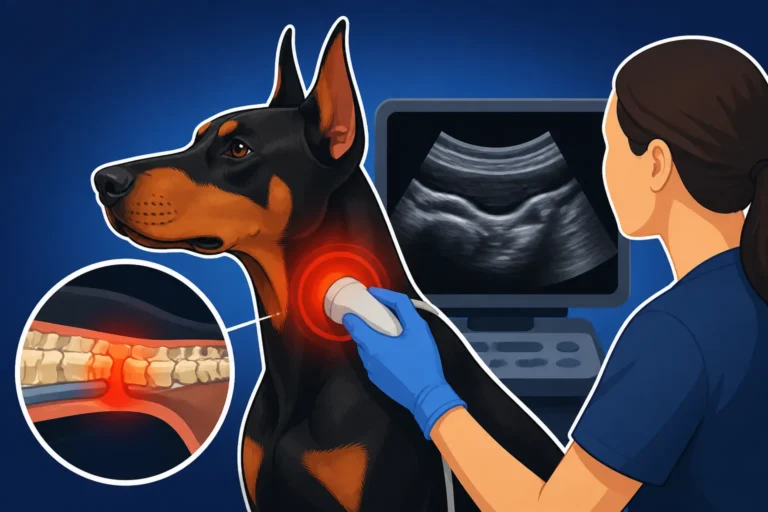
Wobbler Syndrome occurs when there is compression of the spinal cord and/or nerve roots in the neck region (cervical spine). In Dobermans, this compression is often due to a combination of factors:
- Malformation or Instability of Vertebrae: Some Dobermans have abnormally shaped vertebrae or issues with the ligaments that stabilize the spine, leading to instability.
- Disc Herniation: The intervertebral discs between the vertebrae can bulge or rupture, putting pressure on the spinal cord.
- Bone Proliferation: In some cases, bone can grow abnormally into the spinal canal, narrowing the space for the spinal cord.
This genetic predisposition, coupled with the Doberman's deep neck and powerful musculature, makes them particularly susceptible. The continuous stress and movement in the neck can exacerbate these underlying anatomical issues, leading to nerve damage and the characteristic "wobble." It's a complex condition with varying degrees of severity, but the underlying cause is always that critical compression.
Surgery Against Management for Doberman Wobblers
Once Wobbler Syndrome is diagnosed, typically through advanced imaging like MRI, owners face difficult decisions regarding treatment. The two primary approaches are medical management and surgical intervention.
- Medical Management: This involves pain medication, anti-inflammatory drugs (like corticosteroids or NSAIDs), muscle relaxants, and strict rest. Physiotherapy, acupuncture, and chiropractic care can also be part of a comprehensive management plan. The goal is to reduce pain and inflammation and support remaining neurological function. This approach is often chosen for mild cases, or when surgery isn't an option due to cost or other health concerns. However, it rarely resolves the underlying compression and may only slow progression.
- Surgical Intervention: Surgery aims to relieve the compression on the spinal cord. There are various surgical techniques, including ventral decompression (removing disc material or bone from underneath the spinal cord) or stabilization procedures (using implants to fuse vertebrae). While surgery offers the best chance for significant improvement and can often halt progression, it is not without risks. It's expensive, requires a lengthy recovery period, and success rates can vary depending on the severity and duration of the compression. Post-operative rehabilitation is crucial for the best outcome.
The decision between surgery and management is a highly personal one, dependent on the dog's condition, the owner's financial situation, and the advice of a veterinary neurologist. For some, the potential for a return to a more comfortable, mobile life makes the significant investment in Wobbler Surgery worth it, while others opt for palliative care.
Von Willebrand Disease: The Bleeding Disorder
While not directly shortening lifespan in the same dramatic way as DCM, Von Willebrand Disease (vWD) can be a life-threatening condition for Dobermans, especially if undiagnosed. It’s a common inherited bleeding disorder that can turn routine procedures or minor injuries into serious medical emergencies.
The Bleeding Disorder Almost Every Doberman Line Carries
Von Willebrand Disease is the most common inherited bleeding disorder in dogs, and Doberman Pinschers are notoriously over-represented among affected breeds. It’s caused by a deficiency or abnormality of von Willebrand factor (vWF), a protein crucial for normal blood clotting. Without enough functional vWF, platelets cannot properly stick together and form a plug at the site of injury, leading to prolonged bleeding.
There are three types of vWD, with Dobermans primarily affected by Type I, which is characterized by a quantitative deficiency (reduced amount) of vWF. The prevalence in Dobermans is staggering; it's estimated that a very high percentage, possibly as many as 70% or more, of Dobermans are carriers or affected. This means it's a concern in almost every Doberman line, making it imperative for owners and breeders to be aware. This is truly The Bleeding Disorder Almost Every Doberman Line Carries.
Testing a Doberman for Von Willebrand Before Surgery
Given its high prevalence and the potential for severe complications, testing for vWD is absolutely essential, especially before any surgical procedure, including routine spays or neuters. Imagine the terror of a Doberman bleeding excessively during or after a seemingly simple operation because of an undiagnosed clotting disorder.
There are two main ways to test for vWD:
- DNA Test: This is a genetic test that can identify if a dog is Clear, a Carrier, or Affected. This test can be done at any age, even on young puppies, and only needs to be performed once in a dog's lifetime. It's the most reliable way to screen breeding stock and ensures you know your Doberman's status.
- vWF Antigen Test: This blood test measures the amount of von Willebrand factor in the blood. While useful, levels can fluctuate based on stress, age, and other factors, so it's often used in conjunction with or as a follow-up to DNA testing, especially if DNA results are ambiguous or if a dog is exhibiting signs of bleeding.
Responsible breeders will always screen their breeding dogs for vWD and provide you with documentation. If you're considering surgery for your Doberman and don't know their vWD status, it's vital to have them tested. Knowing in advance allows your veterinarian to take necessary precautions, such as administering a prophylactic transfusion of vWF-rich plasma, to prevent excessive bleeding. The Von Willebrand DNA Test for Dobermans is a small investment for peace of mind and safety.
Managing Bleeding and Surgery Risks
For Dobermans diagnosed with vWD, managing their condition involves a proactive approach to prevent and treat bleeding episodes, particularly around surgery.
- Pre-Surgical Precautions: If an affected Doberman requires surgery, veterinarians will often administer Desmopressin Acetate (DDAVP) prior to the procedure. DDAVP helps to release stored vWF from endothelial cells, temporarily increasing circulating vWF levels. In more severe cases, or if DDAVP is ineffective, a plasma transfusion (fresh frozen plasma or cryoprecipitate) may be necessary to provide the missing clotting factors.
- Daily Life Management: While spontaneous bleeding isn't as common with Type I vWD as with more severe forms, owners should still be vigilant. They might notice easy bruising, nosebleeds, or prolonged bleeding from minor cuts. Avoid medications that can interfere with clotting, such as NSAIDs (unless absolutely necessary and under veterinary supervision). Keeping your Doberman in a safe environment to prevent injuries is also crucial.
- Emergency Preparedness: For Dobermans with vWD, having an emergency plan and communicating their condition to any veterinarian, even an emergency vet you haven't seen before, is paramount. This ensures they receive appropriate care quickly if an unexpected bleeding event occurs.
With proper knowledge and veterinary care, Dobermans with vWD can often live full, healthy lives, but awareness and preparedness are key to navigating potential risks.
Hypothyroidism: The Often-Overlooked Energy Drain
While not as immediately life-threatening as DCM or Wobblers, hypothyroidism is a common endocrine disorder in Dobermans that can significantly impact their quality of life, leading to a range of symptoms that are often mistaken for normal aging or behavioral issues. If left untreated, it can definitely contribute to an overall decline in health and vitality.
Weight Gain and Low Energy in a Doberman
Hypothyroidism occurs when the thyroid gland doesn't produce enough thyroid hormones, which are essential for regulating metabolism. In Dobermans, who are often naturally lean and energetic, the signs can be particularly noticeable. You might observe your previously lively Doberman becoming unusually lethargic or easily tired. Their boundless energy might wane, and they might seem uninterested in activities they once loved.
Beyond low energy, unexplained weight gain is a classic symptom, despite no changes in diet or exercise. This isn't just a cosmetic issue; it can put extra strain on their joints and overall health. Other signs can include a dull, dry, or thinning coat, sometimes with bald patches, especially on the flanks or tail. They might also seem more sensitive to cold, develop chronic skin infections, or even show subtle behavioral changes like increased irritability or anxiety. These symptoms often prompt owners to wonder if their dog is just getting old, when in reality, it's a treatable condition. This is why Weight Gain and Low Energy in a Doberman should always prompt a vet visit.
Thyroid Testing a Doberman Properly
Diagnosing hypothyroidism in Dobermans isn't always straightforward. A simple T4 (thyroxine) test can be a good starting point, but it's often not enough on its own because T4 levels can be affected by other illnesses (euthyroid sick syndrome) or certain medications.
For an accurate diagnosis in Dobermans, a comprehensive thyroid panel is usually recommended. This panel typically includes:
- Total T4 (TT4): Measures the total amount of thyroxine in the blood.
- Free T4 (fT4): Measures the unbound, active form of thyroxine, which is often a more reliable indicator than TT4.
- TSH (Thyroid Stimulating Hormone): In hypothyroid dogs, TSH levels are usually elevated as the pituitary gland tries to stimulate the underperforming thyroid.
- Thyroid Autoantibodies (TgAA): These antibodies indicate autoimmune thyroiditis, a common cause of hypothyroidism in Dobermans, where the body attacks its own thyroid gland.
Interpreting these results requires veterinary expertise, as breed-specific reference ranges and potential interfering factors must be considered. Some Dobermans can have low-normal thyroid values without actually being hypothyroid, a phenomenon sometimes referred to as "euthyroid sick syndrome" or simply a breed variation in healthy dogs. Repeating tests and looking at the whole clinical picture is often necessary to avoid misdiagnosis. This is part of the nuance of Thyroid Testing a Doberman Properly.
Managing Hypothyroidism for Improved Quality of Life
The good news is that hypothyroidism is typically very treatable with daily medication. Once diagnosed, Dobermans are usually prescribed a synthetic thyroid hormone replacement, most commonly levothyroxine.
- Medication and Monitoring: The dosage is carefully tailored to the individual dog, and follow-up blood tests are essential to ensure the hormone levels are within the therapeutic range. Typically, blood work will be done a few weeks after starting medication, and then periodically thereafter, to adjust the dosage as needed.
- Expected Improvements: Owners often report a dramatic improvement in their Doberman's energy levels, weight management, and coat quality within a few weeks to months of starting treatment. They regain their zest for life, and their coat becomes shinier and healthier.
- Lifelong Treatment: Hypothyroidism requires lifelong medication. It's not a cure, but rather a management of the condition. Consistent administration of the medication is vital for your Doberman's well-being.
By effectively managing hypothyroidism, you can significantly improve your Doberman's overall health, comfort, and vitality, allowing them to enjoy their years more fully and potentially mitigating other health risks associated with a sluggish metabolism.
Cancer Types That Reach Dobermans: A Frightening Risk
Cancer is a devastating diagnosis for any pet owner, and unfortunately, Dobermans are susceptible to several forms of the disease, which can significantly shorten their lives. It's another major health concern that Doberman owners must be aware of and vigilant about.
Common Cancers Affecting Dobermans
While Dobermans can develop various types of cancer, some are more commonly seen in the breed. Understanding these can help with early detection.
- Osteosarcoma: This is an aggressive bone cancer, often affecting the long bones of the limbs. Dobermans, as large and deep-chested dogs, are predisposed. Symptoms often include lameness, swelling, or pain in a limb.
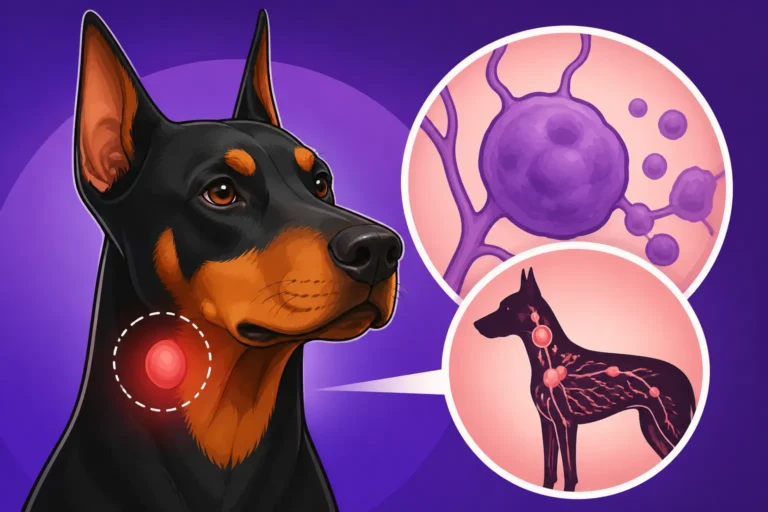
- Lymphoma: A cancer of the lymphatic system, which is part of the immune system. It can manifest in various ways, but often presents as enlarged lymph nodes (which feel like firm lumps under the skin, particularly around the neck, armpits, and groin). Lethargy, weight loss, and decreased appetite are also common signs. Swollen Nodes That Turn Out to Be Doberman Lymphoma is a common and frightening scenario.
- Hemangiosarcoma: This highly aggressive cancer originates from the cells lining blood vessels and can occur anywhere in the body, but most commonly affects the spleen, heart, or liver. It often progresses silently until an internal rupture causes sudden collapse, weakness, or bleeding.
- Mammary Gland Tumors: While common in all unspayed female dogs, Dobermans can be affected. Many are benign, but some are malignant and can spread aggressively. Early spaying significantly reduces this risk.
- Mast Cell Tumors: These skin tumors can vary greatly in appearance and aggressiveness. They can be found anywhere on or under the skin. Regular checks of your Doberman's skin for new lumps or bumps are important.
The incidence of cancer generally increases with age, but some of these aggressive forms can strike Dobermans in their middle years, making them a significant factor in Doberman Lifespan and Why It Is Short.
Early Detection and Treatment Options
Early detection is paramount in fighting cancer in Dobermans. Regular veterinary check-ups are crucial, but owners also play a vital role in being observant.
- Routine Checks: Perform weekly "lump checks" on your Doberman, feeling for any new bumps, swellings, or changes in existing skin lesions. Pay attention to any lameness, persistent coughs, changes in appetite or energy, or unexplained weight loss.
- Veterinary Diagnostics: If you notice anything concerning, your vet will likely start with a physical exam and may recommend diagnostics such as blood work, radiographs (X-rays), ultrasound, or biopsies/aspirates of any suspicious masses. For conditions like osteosarcoma, a bone biopsy is typically required for definitive diagnosis.
- Treatment Modalities: Treatment options vary widely depending on the type, location, and stage of the cancer. They can include:
- Surgery: To remove tumors, often the primary treatment for solid tumors.
- Chemotherapy: Used for systemic cancers like lymphoma, or as an adjunctive therapy after surgery for aggressive tumors.
- Radiation Therapy: Can be used to shrink tumors, alleviate pain, or achieve local control after incomplete surgical removal.
- Palliative Care: For advanced cases where a cure is not possible, palliative care focuses on managing pain and improving quality of life.
The financial burden of cancer treatment can be immense, reinforcing the value of pet insurance from providers like Healthy Paws. Comprehensive insurance plans can help mitigate these costs, allowing owners to pursue the best possible care without being solely limited by finances.
Supporting Your Doberman Through Cancer Care
A cancer diagnosis is overwhelming, but supporting your Doberman through treatment and recovery is crucial.
- Nutritional Support: Many Dobermans undergoing cancer treatment experience changes in appetite or weight loss. Your vet or a veterinary nutritionist can help you devise a diet that provides adequate nutrition and supports their immune system.
- Pain Management: Ensuring your Doberman is comfortable is a top priority. A multi-modal approach to pain management, involving various medications and potentially complementary therapies, may be necessary.
- Emotional Support: Your Doberman will pick up on your emotions. While it's natural to be upset, try to maintain a sense of normalcy and routine for them. Continue to offer affection, gentle exercise (as tolerated), and mental stimulation.
- Quality of Life: Regularly assess your Doberman's quality of life. This can be a tough conversation with your vet and family, but it's essential to ensure your Doberman is not suffering. Tools like quality of life scales can help guide these difficult decisions.
Cancer is a brutal reality for many Doberman owners, but with vigilance, early detection, and dedicated care, you can strive to give your beloved companion the best possible outcome and comfortable remaining time.
Other Significant Health Concerns Impacting Doberman Longevity
While DCM and Wobbler Syndrome often steal the spotlight due to their prevalence and severity, Dobermans are predisposed to several other significant health issues that can affect their lifespan and well-being. Being aware of these additional challenges is part of responsible Doberman ownership.
Bloat (Gastric Dilatation-Volvulus): The Acute Emergency
Gastric Dilatation-Volvulus (GDV), more commonly known as bloat, is a life-threatening condition that can affect any deep-chested breed, and Dobermans are certainly on the list of at-risk dogs. It occurs when the stomach fills with gas and twists on itself, trapping the gas and cutting off blood supply to the stomach and other organs. This is an acute emergency that requires immediate veterinary intervention.
- Symptoms: Bloat often comes on suddenly. Symptoms include a distended abdomen (which may or may not be visible depending on the dog's build), unproductive retching or gagging (trying to vomit but nothing comes up), restlessness, excessive drooling, pain, and weakness. As it progresses, the dog may collapse.
- Risk Factors: Rapid eating, eating one large meal a day, excessive exercise before or after eating, and stress are considered risk factors.
- Prevention and Treatment: The best prevention is a procedure called a gastropexy, where the stomach is surgically tacked to the abdominal wall to prevent it from twisting. This can be done as a standalone procedure or often at the same time as a spay or neuter. If bloat occurs, emergency surgery is required to untwist the stomach and perform a gastropexy. The survival rate significantly decreases the longer treatment is delayed. Recognizing a Doberman Stomach Twist in Time is crucial, as every minute counts.
Copper Storage Hepatopathy: A Hidden Liver Threat
Copper Storage Hepatopathy, also known as copper toxicosis or chronic active hepatitis, is another genetic predisposition in Dobermans. In this condition, the liver accumulates excessive amounts of copper, leading to inflammation, liver damage, and eventually liver failure.
- Silent Progression: Like DCM, this disease often progresses silently for years before clinical signs appear. Symptoms, when they do emerge, can be vague and non-specific, including lethargy, loss of appetite, vomiting, weight loss, increased thirst, and sometimes jaundice (yellowing of the skin or eyes).
- Diagnosis: Diagnosis typically involves blood tests (elevated liver enzymes), imaging (ultrasound), and a liver biopsy to measure copper levels and assess tissue damage.
- Treatment: Management usually involves a low-copper diet, copper-chelating agents (medications that bind to copper and help excrete it from the body), and anti-inflammatory drugs. Early diagnosis and consistent treatment can help slow the progression of the disease. The article, Why Doberman Livers Store Copper, provides important context for this condition.
Color Dilution Alopecia: More Than Just Hair Loss
While often considered a cosmetic issue, Color Dilution Alopecia (CDA) can lead to significant skin problems that affect a Doberman's comfort and health. CDA primarily affects blue and fawn Dobermans, who carry a dilute gene that impacts coat color.
- Symptoms: Dobermans with CDA typically develop thinning hair or bald patches, often starting in puppyhood or early adulthood, giving their coat a "moth-eaten" appearance. The skin in affected areas can become dry, flaky, and prone to secondary bacterial infections or folliculitis (inflammation of hair follicles). This isn't just aesthetic; the recurring skin infections can be painful, itchy, and difficult to manage. Hair Loss on a Blue Doberman is a classic symptom of this condition.
- Management: There is no cure for CDA. Management focuses on preventing and treating secondary skin infections, using medicated shampoos, emollients, and sometimes antibiotics. Special attention to skin care and sun protection is vital, as their thin skin is more vulnerable to sunburn. Owners of blue or fawn Dobermans often incur higher veterinary bills due to managing these chronic skin issues.
These additional health challenges underscore the importance of comprehensive veterinary care and an informed approach to Doberman ownership.
Proactive Steps for Extending Your Doberman's Healthy Years
While Dobermans face some tough health challenges, being a proactive, informed owner can make a significant difference in their quality of life and potentially extend their healthy years. You have more control than you might think.
Choosing a Reputable Breeder and Understanding Health Testing
This is arguably the single most important step you can take to influence your Doberman's health trajectory. A reputable breeder is committed to the health and longevity of their lines, not just their appearance.
- Comprehensive Health Testing: Look for breeders who perform extensive health testing on their breeding stock before breeding. This isn't just a basic vet check-up. For Dobermans, this must include:
- Annual Cardiac Screening: Regular echocardiograms and 24-hour Holter monitoring for DCM. Ask to see current results for both parents.
- Genetic Testing for DCM: Both DCM1 (PDK4) and DCM2 (Titin) gene tests. Understand that "clear" on these doesn't guarantee a DCM-free dog, but it's a piece of the puzzle.
- Von Willebrand Disease (vWD) DNA Test: To ensure puppies are not affected.
- Thyroid Testing: Regular evaluations of thyroid function.
- Hip and Elbow Dysplasia X-rays: Though less common in Dobermans than some other large breeds, it's still good practice.
- Ophthalmic Exam: For eye health.
- Transparency and Openness: A good breeder will be transparent about their dogs' health history, including any health issues in previous generations. They should happily provide proof of all health clearances and discuss the pros and cons of their breeding choices.
- References and Visits: Ask for references from other puppy buyers and their vet. Ideally, visit the breeder's facility to see the parents and the environment the puppies are raised in.
Choosing a Doberman breeder who rigorously tests hearts and other conditions is an investment in your puppy's future health. Don't fall for "cheap" Doberman puppies without verifiable health clearances, as these often come with a much higher hidden cost down the road.
The Importance of Regular Veterinary Care and Screening
Even with a well-bred Doberman, ongoing veterinary care and proactive screening are non-negotiable.
- Annual Wellness Exams: Regular check-ups allow your vet to catch subtle changes, monitor weight, and discuss any concerns you might have.
- Proactive DCM Screening: As discussed, annual echocardiograms and Holter monitors, starting around two years of age, are critical for early detection of DCM. This allows for early intervention with medications that can improve prognosis and delay symptoms.
- Blood Work: Routine blood panels, especially as your Doberman ages, can help monitor organ function, detect thyroid issues, and screen for other underlying conditions.
- Dental Care: Good oral hygiene prevents painful dental disease and potential systemic infections.
- Vaccinations and Parasite Prevention: Keep your Doberman up-to-date on necessary vaccinations and year-round parasite control.
- Trust Your Gut: If something feels "off" with your Doberman, don't hesitate to contact your vet, even if you can't pinpoint a specific symptom. You know your dog best.
The Doberman Years When Everything Shows Up are typically in their middle age, making consistent screening during this period particularly vital.
Nutrition, Exercise, and Mental Stimulation
A healthy lifestyle is foundational to a Doberman's longevity, just as it is for humans.
- High-Quality Nutrition: Feed a balanced, high-quality dog food appropriate for their life stage and activity level. Pay attention to protein sources, fat content, and ensure appropriate caloric intake to maintain a lean body condition. Avoid overfeeding, as obesity puts extra strain on joints and organs. Discuss specific dietary needs with your vet, especially if your Doberman has conditions like copper storage hepatopathy. Feeding an Eighty-Pound Doberman Well involves careful consideration.
- Appropriate Exercise: Dobermans are athletic and need regular, vigorous exercise to stay physically and mentally fit. Daily walks, runs, fetch, and playtime are essential. However, be mindful of their joints, especially during puppyhood, and avoid extreme activities that could lead to injury. Also, monitor them closely during exercise if they have been diagnosed with DCM, adjusting activity levels based on their cardiologist's recommendations.
- Mental Stimulation: Dobermans are highly intelligent dogs and thrive on mental challenges. Puzzle toys, training sessions, nose work, and engaging activities keep their minds sharp and prevent boredom and destructive behaviors. A mentally stimulated Doberman is generally a happier and healthier Doberman.
- Weight Management: Monitor your Doberman’s weight closely. A lean body condition reduces stress on joints and organs and can positively impact overall health and longevity. It's often debated Whether a Doberman Is Meant to Look Thin, but generally, you should be able to easily feel their ribs but not see them prominently.
Considering Pet Insurance for Doberman Health Challenges
Given the breed's predispositions to significant and often costly health issues, investing in pet insurance is a wise decision for many Doberman owners.
- Financial Safety Net: Pet insurance can provide a crucial financial safety net, helping to cover the high costs associated with diagnosing and treating conditions like DCM, Wobbler Syndrome, or cancer. Without it, owners may face difficult choices due to exorbitant vet bills.
- Early Enrollment is Key: Enroll your Doberman when they are young and healthy, ideally before any pre-existing conditions are noted in their medical records. Insurers like Healthy Paws, for example, typically do not cover pre-existing conditions, so getting coverage early ensures the widest possible scope for future claims. Getting a Doberman Covered Before the First Echo is a smart move.
- Types of Coverage: Understand what different policies cover – accidents, illnesses, or comprehensive plans that might include wellness. For a Doberman, comprehensive illness coverage is particularly important given the prevalence of genetic health issues.
- Peace of Mind: Knowing you have financial support for unexpected medical emergencies or chronic disease management can reduce stress and allow you to focus on getting your Doberman the best possible care throughout their life.
While we can't fully control genetics or fate, by taking these proactive steps – from careful breeder selection to consistent veterinary care and a healthy lifestyle – you can significantly influence your Doberman's chances for a longer, happier, and healthier life.
| Doberman Health Concern | Typical Age of Onset | Primary Impact on Lifespan | Key Prevention/Management |
|---|---|---|---|
| Dilated Cardiomyopathy (DCM) | 4-8 years (occult phase much earlier) | Significantly shortened | Annual echo/Holter, genetic testing, early meds |
| Wobbler Syndrome | 3-8 years (can be earlier or later) | Quality of life, can shorten | Careful breeding, sometimes surgery |
| Von Willebrand Disease (vWD) | Present from birth (symptoms variable) | Risk of fatal bleeding, can shorten | Genetic testing, pre-surgical precautions |
| Hypothyroidism | 2-6 years (often subtle at first) | Quality of life, long-term health | Proper thyroid testing, daily medication |
| Cancer (various types) | 6+ years (some earlier) | Often significantly shortened | Regular vet checks, lump checks, early diagnosis |
| Gastric Dilatation-Volvulus (Bloat) | Any age, but more common in adults | Acute fatal risk | Gastropexy, managed feeding, avoid post-meal exercise |
| Copper Storage Hepatopathy | 2-8 years (silent progression) | Can lead to liver failure, shorten | Genetic testing, low-copper diet, chelation therapy |
| Color Dilution Alopecia (CDA) | Puppyhood/Early adulthood (chronic skin issues) | Quality of life (secondary infections) | Symptomatic care, diligent skin management |
Disclaimer
The information provided in this article is for general informational purposes only and is not a substitute for professional veterinary medical advice. Always consult with a qualified veterinarian regarding your Doberman's health, diagnosis, and treatment options. Medical information can change, and individual circumstances vary.