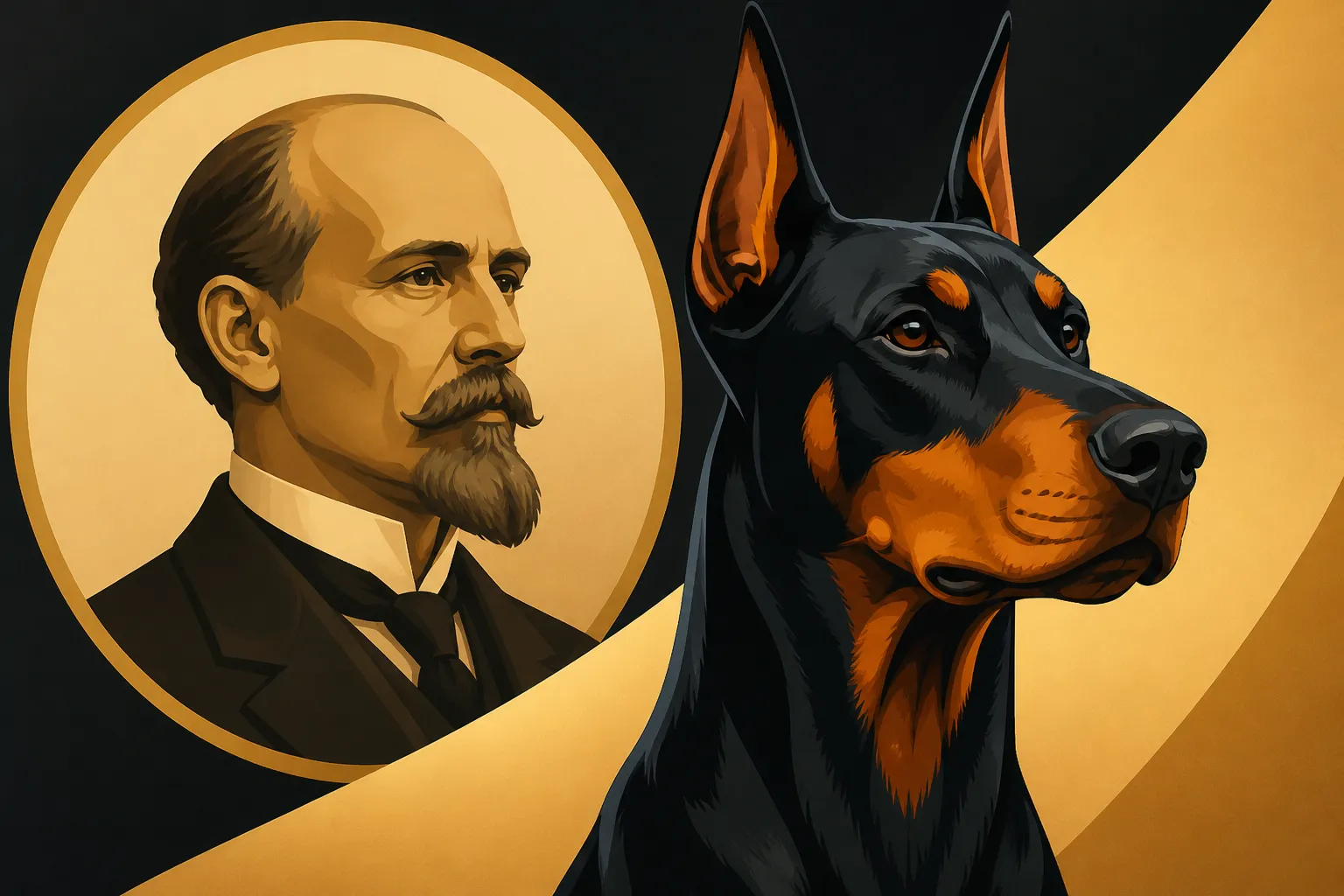
Who Karl Friedrich Louis Dobermann Was
It’s truly fascinating how a specific set of circumstances in one man’s life could lead to the creation of an entire dog breed, isn't it? Many Doberman owners, myself included, often wonder about the origins of these incredible dogs, and it all starts with one man: Karl Friedrich Louis Dobermann. This guide will dive deep into the life of the person credited with inventing our beloved Doberman, exploring his motivations and the lasting impact of his unique vision.
Karl Friedrich Louis Dobermann: The Man Behind the Breed
The story of the Doberman Pinscher begins not in some grand kennel, but with a humble tax collector and dog catcher in Apolda, Thuringia, Germany, in the late 19th century. Karl Friedrich Louis Dobermann, born in 1834, was a man of many hats, each requiring a particular kind of courage and keen awareness. His varied professions painted a vivid picture of a life that was both public-facing and, at times, fraught with risk. It wasn't just a casual hobby that led him to create a new breed; it was a deeply practical need born from his daily life.
He wasn't a professional dog breeder in the way we understand it today, with meticulously kept pedigrees and scientific understanding of genetics. Instead, Dobermann was a pragmatic individual who saw a problem and sought to solve it with the resources he had. He managed a local glue factory and also worked as the town dog catcher and night watchman. Think about that for a moment: collecting taxes, often involving carrying significant sums of money, then patrolling the streets at night, and also being responsible for the stray and unwanted dogs in the community. These weren't exactly cushy jobs, especially in that era. This blend of roles gave him unique insights into both the dangers of the world and the characteristics of various local dogs. It's a testament to his drive that he took on so many demanding positions, each contributing to his vision for the ultimate companion.
What emerges is a portrait of a resourceful and determined man, someone who understood the value of a loyal, protective companion. He wasn't aiming for a show dog or a pet for leisurely strolls; he was looking for a partner in protection, an extension of his own vigilance. This foundational purpose would indelibly stamp the Doberman breed with its core characteristics, something we still see and appreciate in our dogs today. This blend of occupations is truly the key to understanding why the Doberman came to be the way it is.
Life's Demands: Why Dobermann Needed a Guardian Dog
Imagine being Karl Dobermann in 19th-century Apolda. As a tax collector, he traveled, often alone, carrying large sums of money. This wasn't a job for the faint of heart; personal safety was a serious concern, and there were no security guards or armored cars to accompany him. He was literally a walking target. This vulnerability underscored his need for a steadfast protector, a dog that could deter potential threats simply by its presence and, if necessary, defend him without hesitation. It's a primal need for security that many of us can empathize with, even if our daily lives don't involve the same level of risk.
Beyond his daytime duties, Dobermann also served as the town's night watchman. The streets of a town like Apolda after dark would have been a very different place than they are today. Poor lighting, limited law enforcement, and a general lack of infrastructure meant that patrolling at night was inherently dangerous. A good dog could be a second set of eyes, ears, and, most importantly, a formidable deterrent against crime. He needed a dog that was alert, intelligent enough to understand nuances, and fearless in the face of danger. This wasn't just about having a companion; it was about having a guardian whose reliability could literally mean the difference between safety and peril.
As if these roles weren't enough, he was also the municipal dog catcher, granting him unparalleled access to a wide array of dogs in the area. This unique position allowed him to observe various breeds and mixes, noticing which dogs possessed the traits he desired: courage, strength, intelligence, and a loyal temperament. He saw the raw materials available to him, the canine building blocks that, with careful selection, could be molded into his ideal companion. It’s a remarkable example of someone leveraging their practical circumstances to achieve a very specific, ambitious goal. He wasn't just picking dogs at random; he was making informed choices based on real-world observations. He understood dogs, and he understood risk, a powerful combination for a breed originator.
The Elusive Ancestry of the Early Doberman
One of the most frustrating aspects for modern Doberman enthusiasts, and frankly for anyone delving into breed history, is the lack of precise written records from Karl Dobermann himself. Unlike later, more formal breeders, Dobermann didn't keep meticulous breeding logs or DNA testing results (which, of course, didn't exist then!). This means that the exact genetic cocktail that formed the early Doberman Pinscher is a matter of educated speculation and historical consensus, rather than documented fact. It can be a little disheartening when you want to know every detail about your dog's heritage, but it's important to remember the context of the time. This absence of clear documentation is a challenge that every Doberman historian faces. Whether Dobermann Kept Records of His Crosses is a question that forever remains open, leaving us to piece together the puzzle.
However, based on the physical characteristics and temperamental traits of the early Dobermans, and comparing them to common breeds in the region at the time, historians have put forward several strong contenders for the Doberman's ancestors. The most commonly cited breeds include the old German Shepherd (a regional variation, not necessarily today's breed), the Rottweiler, and the German Pinscher. The Rottweiler, with its formidable guarding instincts and powerful build, would have contributed immensely to the Doberman's protective nature and physical strength. The German Pinscher likely brought the elegance, keen intelligence, and alertness that are hallmarks of the Doberman. There's also speculation about the presence of Black and Tan Terriers (like the Manchester Terrier), adding to the sleek coat and tenacious spirit, and even Greyhounds for their speed and refined frame. Which Breeds Historians Credit in the Doberman paints a picture of a diverse genetic foundation.
It’s crucial to understand that Dobermann was likely breeding for function above all else. He wasn't necessarily aiming for a specific "look" as much as he was for a dog that could perform a critical job. His selection would have been based on the dogs available to him through his dog catching activities and local breeding. This trial-and-error approach, combined with his keen eye for desired traits, allowed him to stabilize a type of dog that consistently met his needs. The earliest Dobermans were probably a bit rougher around the edges than the refined animals we see today, but they certainly had the heart and drive that Dobermann sought. When we consider how carefully we might pick out specialized food or toys for our dogs from a vendor like Chewy, Dobermann was picking dogs with that same level of scrutiny, but for a much more intense purpose.
A Lasting Legacy: Karl Dobermann's Impact on the Breed
Karl Dobermann passed away in 1894, just as his creation was beginning to gain wider recognition. Though he may not have lived to see the Doberman Pinscher become a globally recognized and admired breed, his vision profoundly shaped its initial development and established its core characteristics. He laid the groundwork for a dog that was more than just a pet; it was a partner, a protector, and a loyal member of the family, qualities that still resonate with owners today. His dedication ensured that the breed carried forward a spirit of unwavering loyalty and protective instinct.
After Dobermann's death, others in Apolda and beyond took up the mantle, refining and standardizing the breed. Otto Goeller, for example, is often credited with further developing the Doberman and establishing the first Doberman club in 1899. Otto Goeller and the First Doberman Club was a critical step in moving the breed from a personal project to a recognized standard. These early fanciers worked to solidify the Doberman's appearance, temperament, and working abilities, making it the distinctive breed we know. They built upon Dobermann’s functional foundation, adding a layer of refinement that made the Doberman not only a capable working dog but also an elegant and striking animal. This transition from a purely utilitarian dog to one also appreciated for its aesthetics marked a new era.
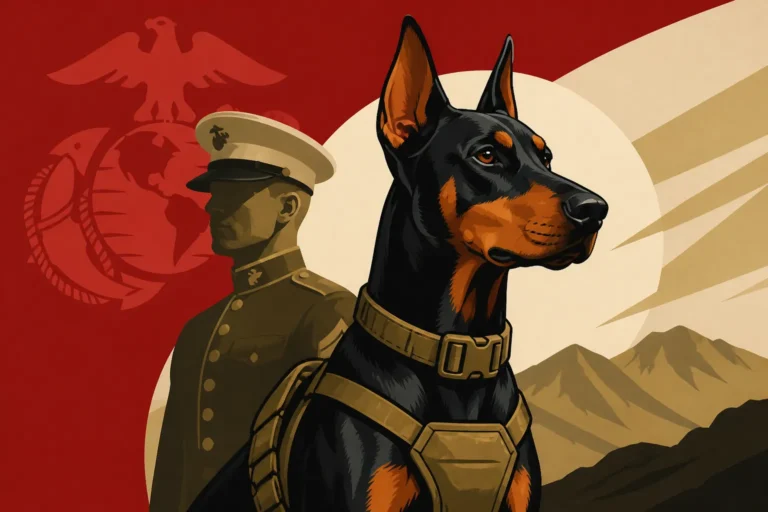
The Doberman's intelligence, courage, and protective nature have ensured its enduring popularity, not just as a family companion, but also in police work, military roles, and various dog sports. The breed's ability to learn quickly, combined with its inherent loyalty, makes it incredibly versatile. From The Doberman's War Record to being a cherished family member, these dogs exemplify the purpose Dobermann intended. It's truly remarkable how one man's need for personal security blossomed into a breed that continues to serve and protect in countless ways across the world. When you're looking for gear for your Doberman, whether it's a sturdy harness or a comfy bed, modern retailers like Chewy offer a fantastic array of options, a far cry from the limited choices Dobermann would have had.
Here’s a quick overview of Karl Dobermann's known roles and the traits they likely inspired in his ideal dog:
| Occupation | Description | Inspired Doberman Trait |
|---|---|---|
| Tax Collector | Traveled alone, carrying money, faced potential threats. | Courage, loyalty, protective instinct, deterrent presence. |
| Night Watchman | Patrolled dark streets, required vigilance against crime. | Alertness, keen senses, fearlessness, reliability in dangerous situations. |
| Dog Catcher / Kennel Manager | Handled stray and potentially difficult dogs, managed a glue factory. | Discrimination, intelligence (to distinguish friend from foe), physical prowess, strong bite. |
Karl Friedrich Louis Dobermann’s legacy is undeniably etched into the very being of every Doberman. He created a dog that embodies vigilance, loyalty, and powerful presence, a true testament to his vision and the pressing needs of his life in 19th-century Germany. Understanding his story helps us appreciate the depth and character of these magnificent animals even more. If you're considering bringing one of these incredible dogs into your life, researching its history, perhaps even looking into The Doberman the AKC Standard Describes, can deepen your connection to the breed's origins.
Disclaimer
This article is for general informational purposes only and does not constitute professional advice. Laws, prices and regulations vary by location and change over time. Consult a qualified professional for guidance on your specific situation.