Otto Goeller and the First Doberman Club
It’s easy to get lost in the legendary tales of Karl Dobermann, the tax collector credited with creating our beloved Doberman Pinscher. His story is compelling, but it often overshadows the crucial contributions of others who took his fledgling concept and molded it into a true breed. Many Doberman owners don't realize that without Otto Goeller and the establishment of the very first Doberman Club, the Doberman as we know it today might never have achieved its distinct identity and enduring legacy. This guide will take you on a journey through Goeller's pivotal role and the club's foundational impact on the Doberman breed.
Beyond Karl Dobermann: The Evolution to a Defined Breed
When we talk about the origins of the Doberman, Karl Dobermann's name is always the first to come up, and rightly so. He sparked the initial idea. But the journey from a tax collector's personal need for a fierce protector to a recognized, standardized breed was a long and winding one, requiring the dedication of many, none more so than Otto Goeller.
Karl Dobermann's Vision and the Early 'Doberman Dog'
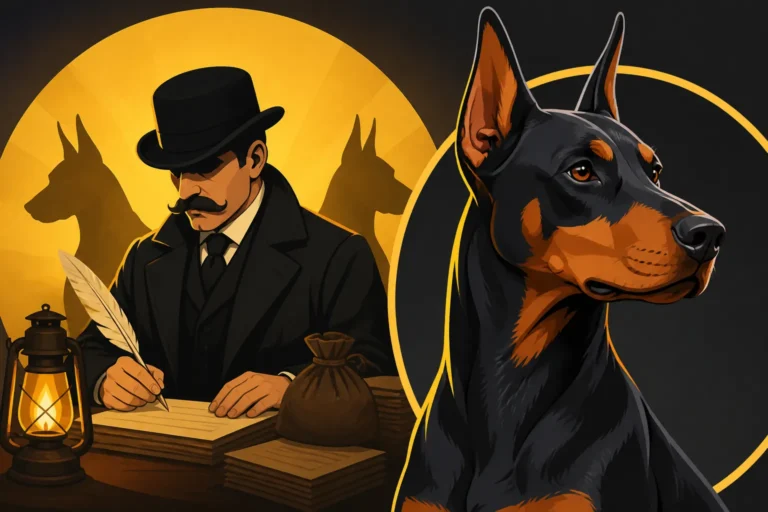
Imagine the late 19th century in Apolda, Germany. Karl Dobermann, a local tax collector, night watchman, and dog catcher, needed a dog that was fearless, intelligent, and fiercely loyal. He wasn't aiming to create a show dog or a pet for the family; he needed a working companion to guard him and his takings from potentially dangerous individuals. His breeding efforts were pragmatic, focused purely on utility. He crossed various local dogs, including what are believed to be early Rottweilers, German Pinschers, and even some Greyhounds for speed. The result was a formidable animal, but one that lacked uniformity.
These early "Doberman dogs" were probably a diverse bunch in appearance and even temperament, with some being more fiery than others. They served their purpose admirably, but they weren't what we would call a "breed" in the modern sense, with consistent characteristics passed down reliably. It was a collection of tough, protective mutts with a common purpose, rather than a refined lineage. If you want to dive deeper into the man himself, read about The Tax Collector Who Invented the Doberman.
The Transitional Period and the Need for Standardization
After Karl Dobermann's death in 1894, the dogs he created continued to be popular locally, valued for their courage and protective instincts. However, without his guiding hand, the "Doberman dog" was at a crossroads. Breeders were continuing to cross dogs, often without clear goals beyond producing another tough protector. This meant that while the basic protective temperament was often present, the physical characteristics—size, coat, head shape, and even overall health—could vary wildly from one litter to the next.
This period was marked by a lack of central direction. There was no agreed-upon "ideal" Doberman, no official registry to track parentage, and no formal method for evaluating breeding stock. For enthusiasts who truly admired these dogs and saw their potential beyond mere utility, this lack of standardization was a significant concern. It made it difficult to predict the traits of offspring, and without proper records, desirable lines could be lost or diluted. This growing desire for consistency and predictability laid the fertile ground for someone like Otto Goeller to step in and provide much-needed leadership.
Otto Goeller: The Architect of the Modern Doberman Standard
It's one thing to create a dog; it's another entirely to formalize it into a recognized breed with a consistent appearance and temperament. That monumental task largely fell to Otto Goeller, a man whose dedication transformed the "Doberman dog" into the Doberman Pinscher we know and love.
Who Was Otto Goeller and His Passion for the Doberman
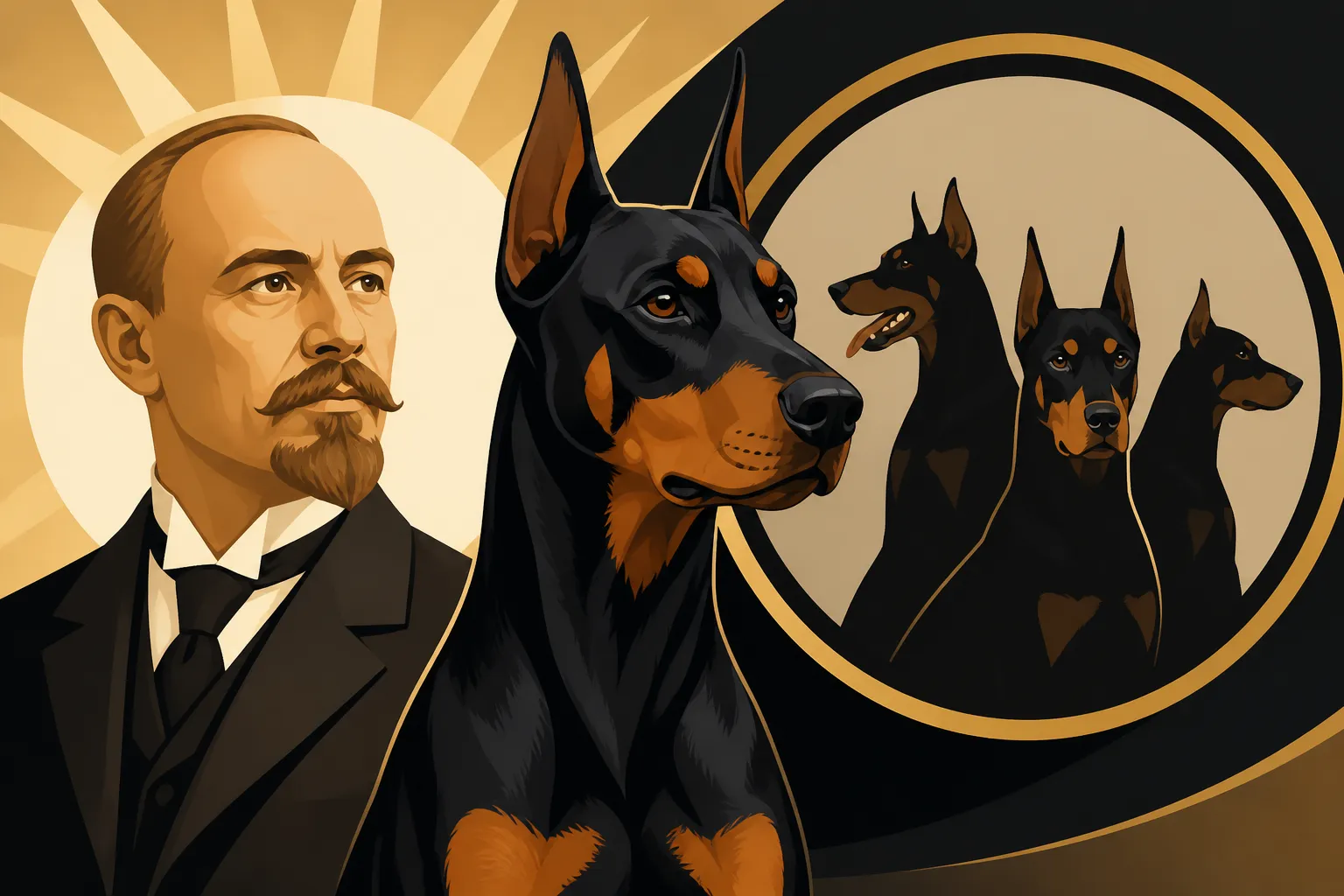
Otto Goeller wasn't just another dog owner; he was a passionate and influential breeder from Apolda, just like Karl Dobermann. He ran the famous "von Thüringen" kennel, a name that still resonates in Doberman pedigrees today. Unlike Dobermann, who was driven by practical necessity, Goeller was motivated by a vision of what the Doberman could be—a dog of elegance, power, and unwavering loyalty, consistently produced and recognized.
He saw the raw potential in the varied "Doberman dogs" of his time. He recognized their intelligence, their protective instincts, and their undeniable presence. But he also saw the inconsistencies and the lack of a clear direction. Goeller had a deep understanding of canine genetics and conformation, and he believed that to secure the Doberman's future, the breed needed a clear definition, a standard to which all breeders could aspire. His passion wasn't just for owning Dobermans, but for perfecting them and ensuring their longevity as a distinct and respected breed. He poured his heart and soul into selecting breeding stock that embodied his ideal, gradually refining the lines that would form the bedrock of the Doberman Pinscher.
Establishing the First Doberman Pinscher Club in Apolda
It was this driving passion that led Otto Goeller to take the bold step of establishing the first Doberman club. In 1899, just five years after Karl Dobermann's passing, Goeller founded the "National Dobermann Pinscher Club" in Apolda, Germany. This wasn't just a casual gathering of dog enthusiasts; it was a formal organization with a clear mission: to protect, promote, and standardize the Doberman breed.
The need for such a club was paramount. Without it, breeding efforts would remain fragmented and individualistic. A central club provided a forum for breeders to discuss ideals, share knowledge, and collectively agree on the direction of the breed. It was about creating a collective identity and a shared commitment to quality. The club’s formation marked a critical turning point, shifting the Doberman from a loosely defined type of dog to a meticulously managed breed with an official body overseeing its development. This was the moment the Doberman truly began its journey towards global recognition. You can learn more about this foundational event by reading The Doberman Club Goeller Founded in 1899.
Shaping the Breed: The Club's Early Influence
The founding of the Doberman Pinscher Club wasn't just a symbolic gesture; it was the engine that drove the breed's formal development. Under Otto Goeller's influence, the club immediately set about the crucial work of defining what a Doberman should be, both in appearance and in spirit.
The Genesis of the First Doberman Standard
One of the most significant and immediate tasks of the newly formed club was to create a breed standard. This was a monumental undertaking, involving meticulous observation, discussion, and compromise among the most dedicated breeders of the era. They had to decide what constituted the "ideal" Doberman – everything from head shape and eye color to body proportions, coat texture, and gait. It wasn't about imposing arbitrary rules, but about capturing the best qualities of the existing dogs and setting a blueprint for future generations.
The standard wasn't just about looks, though. It also addressed temperament, emphasizing the Doberman's alertness, courage, and intelligence, while aiming to temper any excessive sharpness that might have been present in the earlier, less-refined dogs. This document became the bible for breeders, judges, and owners, providing a clear vision. It aimed to solidify the breed’s identity and ensure that Dobermans consistently met a certain level of quality, moving away from the "anything goes" approach of the past. If you're curious about the specifics of those early definitions, take a look at The 1900 German Doberman Standard.
Early Registration and Pedigree System
Alongside the creation of the breed standard, the Doberman Pinscher Club implemented a formal registration and pedigree system. This was revolutionary for a relatively new breed. Before the club, tracking a dog's lineage was informal at best, relying on memory or private notes. With the club, every Doberman puppy from registered parents could be officially recorded. This meant that for the first time, breeders could verify the ancestry of their dogs, trace bloodlines, and make informed decisions about breeding pairs.
This system was vital for several reasons:
- Preservation: It helped preserve desirable traits by identifying successful breeding lines.
- Health Tracking: Though rudimentary at first, it provided a framework for eventually tracking health issues across generations.
- Breed Integrity: It prevented misrepresentation and ensured that dogs being called "Dobermans" truly were Dobermans, reinforcing the breed's authenticity.
The pedigree system laid the essential groundwork for Doberman clubs worldwide, including the American Kennel Club (AKC), which would later recognize the breed. It ensured that breeders had the tools to maintain the genetic integrity and quality of the Doberman, transforming it from a regional working dog into a globally recognized and admired breed. This careful record-keeping was a cornerstone of responsible breeding, much like today where discerning owners look for certified pedigrees and health clearances. For instance, when outfitting a new Doberman puppy, knowing its background helps you select appropriate, durable items from trusted sources like Chewy, ensuring your investment matches the quality of your dog's lineage.
The Impact of Early Doberman Enthusiasts and Challenges
The Doberman Pinscher Club wasn't just about rules and paperwork; it was about fostering a community of passionate individuals who believed in the breed. This collective enthusiasm was crucial in overcoming early challenges and solidifying the Doberman's place in the canine world.
Building a Community: Breeders, Owners, and Judges
The club quickly became the central hub for all things Doberman. It brought together dedicated breeders, often rival kennels, under a common banner. This facilitated knowledge sharing, discussions on breeding practices, and the collective effort to refine the standard. Beyond breeders, the club attracted eager owners who were proud of their Dobermans and wanted to learn more. It also began training and certifying judges who could impartially evaluate Dobermans against the newly established standard.
This burgeoning community organized shows, trials, and meetings, creating a vibrant network. Imagine the excitement of these early gatherings: Doberman enthusiasts debating subtle points of conformation, comparing their dogs, and celebrating victories. This collaborative spirit was instrumental in promoting the breed beyond Apolda, slowly spreading its fame and fostering a sense of shared responsibility for its future. It was a time of immense growth and passionate advocacy, laying the social framework for the breed's expansion.
The Role of the Club in Promoting Responsible Practices
In those early days, the Doberman still carried a reputation for being exceptionally sharp or even aggressive, largely due to its original purpose as a personal protector and its intense demeanor. The Doberman Pinscher Club, under Goeller's guidance, took on the vital role of promoting responsible breeding and ownership practices. They understood that for the breed to thrive and gain acceptance, its temperament needed to be as reliable and predictable as its physical form.
This meant actively discouraging the breeding of overly aggressive or excessively fearful dogs, emphasizing balance and stability in temperament as crucial components of the standard. The club advocated for early socialization of puppies, proper training, and responsible handling by owners to ensure Dobermans developed into confident, well-adjusted companions rather than unstable guard dogs. These efforts were key in shifting public perception and ensuring the breed's longevity. It's a journey that continued for decades, leading to the more stable temperament we generally see today, as detailed in discussions around Why the Doberman Softened After the 1950s. These principles of responsible care and breeding are just as critical today, whether you're sourcing high-quality training treats or durable toys from retailers like Chewy for your Doberman.
Legacy and Lasting Influence on the Doberman Worldwide
The efforts of Otto Goeller and the first Doberman Club in Apolda were not just for their time; they created a lasting blueprint that continues to shape the Doberman breed across the globe. Their work laid the foundation for every Doberman Pinscher registered today.
Goeller's Lasting Blueprint for the Breed
Otto Goeller's vision for the Doberman and the comprehensive breed standard he championed became the enduring blueprint for the breed. The characteristics outlined in those early club meetings in Apolda are still remarkably similar to the standards used by national Doberman clubs around the world, including the American Kennel Club. From the elegant, muscular physique to the intelligent, determined expression, Goeller’s ideal has transcended generations and geographical boundaries.
This continuity is a testament to the foresight and meticulousness of those early breed pioneers. They didn't just document a dog; they articulated an archetype. Every Doberman breeder today, whether conscious of it or not, is working within the framework established by Goeller and his contemporaries. Their legacy ensures that despite minor regional variations, a Doberman Pinscher, whether found in Europe or America, remains recognizably true to its core identity. You can see how these foundational ideas translated into modern standards when you read about The Doberman the AKC Standard Describes.
The Doberman Club's Enduring Importance in Health and Standards
The original Doberman Pinscher Club set the precedent for breed clubs to play a vital role in safeguarding the future of the Doberman. Today, Doberman clubs worldwide continue this mission. They are instrumental in:
- Maintaining and updating breed standards: While the core remains, standards evolve to reflect new understandings or to address specific challenges within the breed.
- Promoting health testing: As veterinary science advances, breed clubs champion essential health screenings, such as for Dilated Cardiomyopathy (DCM), Von Willebrand Disease, and Wobbler Syndrome. These efforts are crucial to combat prevalent breed-specific health issues. For insights into current recommendations, consult resources like The Health Testing a Doberman Breeder Must Show.
- Educating owners and breeders: Clubs provide resources, host seminars, and publish materials to educate enthusiasts on responsible breeding, training, and care.
- Supporting rescue efforts: Many clubs also have rescue networks dedicated to rehoming Dobermans in need.
Essentially, the spirit of the first Doberman Club continues in these organizations, working tirelessly to preserve the health, temperament, and integrity of the Doberman Pinscher. They are the guardians of the breed, ensuring that the legacy of Karl Dobermann and Otto Goeller lives on in healthy, well-adjusted Dobermans for generations to come.
Practical Lessons from Early Doberman History for Modern Owners
Understanding the history of the Doberman isn't just an interesting anecdote; it offers profound insights that can directly benefit modern Doberman owners. It helps us appreciate the breed's unique characteristics and reinforces the importance of responsible ownership.
Understanding the Breed's Foundation for Better Ownership
Knowing that the Doberman was conceived out of a need for a highly intelligent, protective, and discerning companion helps us understand why our Dobermans are the way they are today. That intense bond, the "Velcro" tendency, the inherent wariness of strangers, and their incredible drive were not accidental traits; they were purposefully bred into the dog.
This historical context helps owners:
- Appreciate their Doberman's intelligence: These dogs were bred to think and act independently, which makes them incredibly smart but also prone to outsmarting their owners if not given consistent, engaging training. If you feel like your Doberman is always one step ahead, you might want to check out Training a Doberman That Is Smarter Than You Expect.
- Understand their protective instincts: Dobermans aren't just pets; they retain a strong guarding instinct. This means they need careful socialization and boundaries from a young age to ensure their protective nature is channeled appropriately and doesn't become problematic.
- Recognize their energy and mental stimulation needs: A Doberman isn't content to be a couch potato. Their active minds and bodies require regular exercise and mental challenges to prevent boredom and destructive behaviors. This might include anything from obedience training to engaging puzzle toys, easily found on platforms like Chewy.
By understanding this foundation, owners can approach their Dobermans with greater empathy and provide the structured environment, consistent training, and mental engagement that these complex and magnificent dogs truly thrive on. It moves beyond simply owning a dog to truly understanding and partnering with a breed forged by specific intentions.
Supporting Today's Breed Clubs and Responsible Breeders
The dedicated efforts of Otto Goeller and the early Doberman Club laid the groundwork for today's breed clubs, which are still vital to the Doberman's future. As modern Doberman owners, supporting these organizations and seeking out responsible breeders who adhere to their standards is one of the most impactful things we can do.
Here’s why it matters:
- Preserving Health: Reputable breeders, often members of breed clubs, prioritize health testing to screen for common Doberman ailments like DCM, Von Willebrand's, and Wobbler Syndrome. This is a far cry from the haphazard breeding of Dobermann's initial dogs, and it costs money. Look for breeders who are transparent about their health testing results, which should include documents like Reading a Doberman Puppy's Test Certificates.
- Maintaining Temperament: Responsible breeders focus on stable, confident temperaments, ensuring that Dobermans are good ambassadors for the breed rather than perpetuating the old stereotypes of aggression.
- Ensuring the Breed's Future: Breed clubs fund research, support rescue efforts, and advocate for the breed's best interests. Your participation, even as a supportive owner, contributes to this ongoing work.
When looking for a puppy, always ask breeders about their club affiliations and their health testing protocols. A breeder who is truly invested in the Doberman will be eager to share this information. This vigilance helps sustain the careful work started by Otto Goeller and ensures that the Doberman Pinscher continues to be a magnificent, healthy, and well-tempered companion for generations to come. Even small choices, like purchasing quality grooming supplies or training aids from a trusted retailer like Chewy, support the foundation of good Doberman care that breed clubs advocate for.
Goeller's Impact: A Historical Snapshot
To truly appreciate the transformation Otto Goeller brought to the Doberman breed, it's helpful to compare his systematic approach with Karl Dobermann's more informal beginnings. This table illustrates the shift from practical necessity to breed standardization.
| Aspect of Breed Development | Karl Dobermann's Initial Efforts (Late 1800s) | Otto Goeller's Standardization (1899 Onwards) |
|---|---|---|
| Primary Goal | Personal protection, utility | Breed refinement, consistency, recognition |
| Breeding Approach | Pragmatic crosses of local dogs | Selective breeding for specific traits |
| Focus | Temperament for guarding | Balanced temperament and physical conformation |
| Documentation | Informal notes, personal records | Formal breed club, pedigree registration |
| Consistency | Highly varied appearance and temperament | Aim for uniform characteristics |
| Public Perception | Fierce, tough working dog | Noble, intelligent, loyal companion |
| Legacy | Originator of the "Doberman dog" | Architect of the Doberman Pinscher breed standard |
Disclaimer
This article is for general informational purposes only and does not constitute professional advice. Laws, prices and regulations vary by location and change over time. Consult a qualified professional for guidance on your specific situation.