Buying a White Doberman and What It Means
Many people are utterly captivated by the striking, almost ethereal appearance of a "white" Doberman, seeing them as unique and beautiful. However, behind that captivating exterior lies a complex reality, often accompanied by significant health challenges and ethical debates within the Doberman community. This guide is here to shed light on what a white Doberman truly is, the specific health concerns you need to be aware of, the controversy surrounding their breeding, and the dedicated care required to ensure these special dogs live their best lives.
The Genetic Truth Behind the "White" Doberman
When you see a Doberman that appears entirely white or creamy, it’s not just another color variant like black, red, blue, or fawn. It’s a completely different genetic phenomenon with profound implications for the dog's health and well-being.
It's Not a Color, It's Albinism
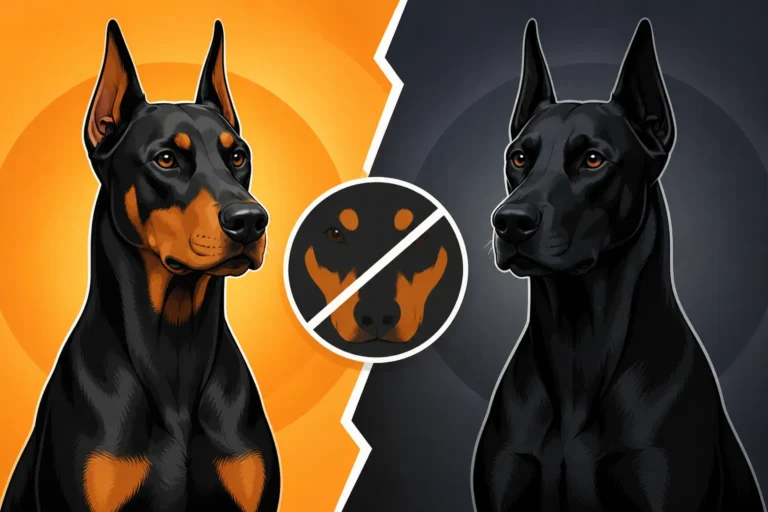
The most crucial thing to understand is that a "white" Doberman is, in fact, an albino Doberman. This isn't just a dilution of color, like what you see in What the Dilution Gene Does to a Doberman, but a complete or near-complete absence of melanin, the pigment responsible for skin, hair, and eye color. This condition is caused by a single, recessive genetic mutation in the tyrosinase (TYR) gene. This gene is vital for producing tyrosine, an enzyme essential for melanin synthesis. When this gene is mutated, the body simply cannot produce enough, or any, melanin.
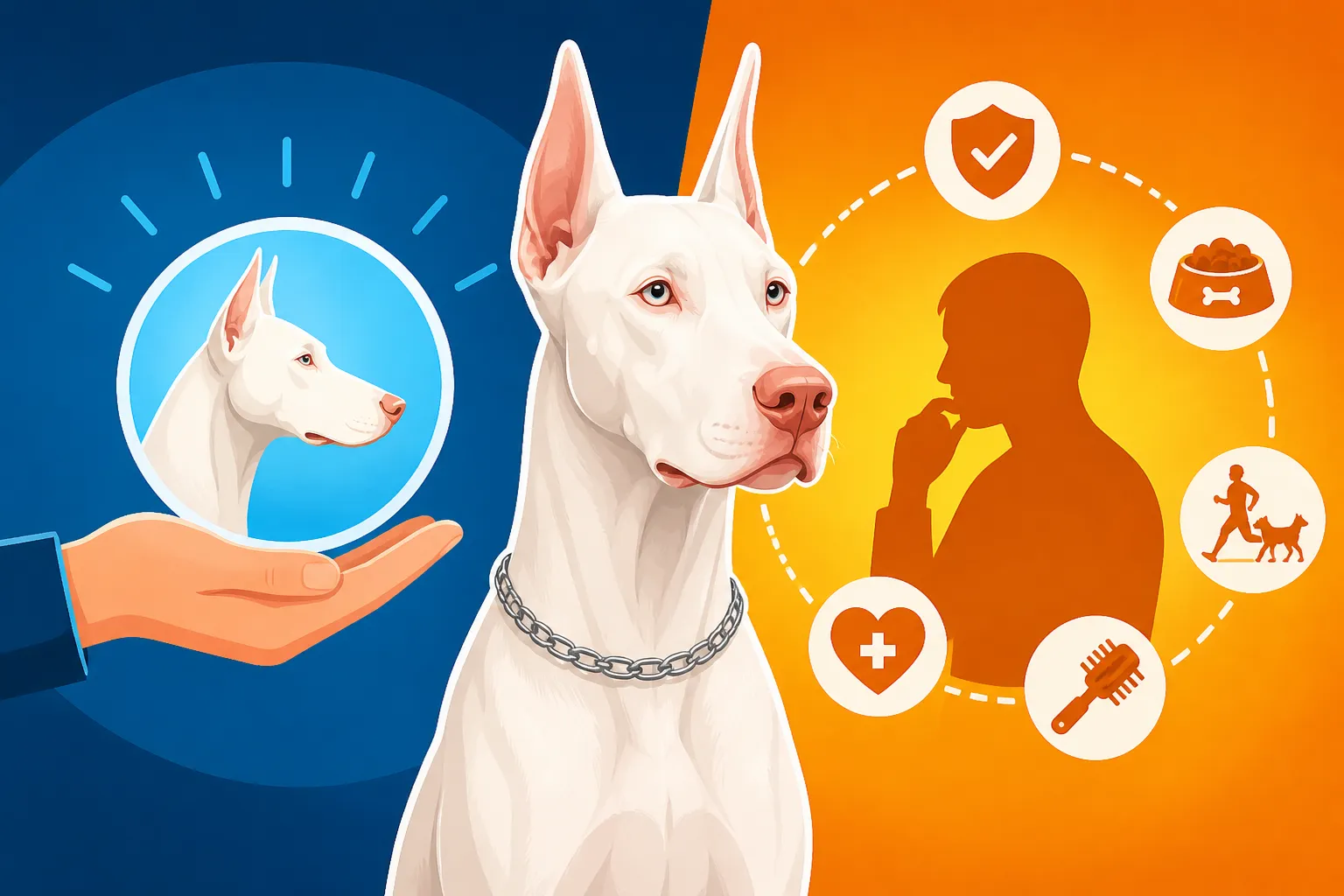
Think about it this way: blue and fawn Dobermans have diluted pigments, meaning the pigments are there, but they’re clumped or spread out differently, giving a lighter appearance. An albino Doberman, on the other hand, lacks the fundamental building blocks of pigment. This means their coat isn't just lighter; it's white. Their nose is pink, their paw pads are pink, and most strikingly, their eyes are typically blue or even appear pinkish-red due to the visible blood vessels in the unpigmented iris.
The history of these dogs can be traced back to a specific female Doberman named Padula’s Queen Cleopatra in the late 1970s. She carried the genetic mutation for albinism, and when bred, her lineage began producing these distinctive white puppies. This single dog, tragically, is The Female That Started the White Doberman Line that led to all the white Dobermans we see today. It’s a powerful reminder of how a single genetic anomaly can spread through a population if not carefully managed.
Understanding the "Z-Factor" in Registration
Because albinism is considered a severe genetic defect with associated health problems, major kennel clubs, like the American Kennel Club (AKC), have taken specific steps to acknowledge and flag these dogs without endorsing their breeding. This is where the "Z-factor" comes in. If a Doberman is identified as albino, its registration number will include a "Z," which stands for "Z-list" or "Z-factor." This designation is intended to make it clear that the dog carries the gene for albinism.
The purpose of the Z-factor is not to discriminate against the individual dog, but to track the lineage and discourage breeders from intentionally breeding for this trait, especially when they might market them as "rare" or "designer" Dobermans. The AKC will still register these dogs, allowing them to participate in performance events, but breeding them is heavily discouraged due to the inherent health risks passed down. Understanding What the Doberman Z Registry Flags is crucial for anyone considering adding a white Doberman to their family, as it speaks volumes about the breed club's official stance on this particular genetic expression. The presence of the Z-factor is a warning flag, indicating a dog from a line known to carry the albino gene, and a responsible breeder will be transparent about this, even if the dog itself isn't fully albino but carries the gene.
The Health Realities for Albino Dobermans
The lack of melanin isn't just cosmetic; it impacts vital biological functions, making albino Dobermans particularly vulnerable to a range of health issues. These aren't just minor inconveniences; they can significantly affect a dog's quality of life and lifespan.
Ocular Issues: Light Sensitivity and Vision Problems
One of the most immediate and impactful health concerns for an albino Doberman is their eyes. Without melanin in the irises, retina, and other ocular structures, their eyes cannot properly filter light. This results in extreme photophobia, or Light Sensitivity in an Albino Doberman. Imagine living your life with perpetual sunglasses on, only to have even moderate light feel like a searing flash. These dogs will often squint in even indirect sunlight, prefer shaded areas, and can become quite uncomfortable or anxious in bright environments.
Beyond sensitivity, the absence of melanin can also lead to more direct vision impairments. Many albino Dobermans suffer from conditions such as nystagmus (involuntary rapid eye movements), strabismus (crossed eyes), and generally reduced visual acuity. Their vision can be blurry, especially in varying light conditions, making it difficult for them to track objects or navigate unfamiliar spaces with confidence. You might notice them bumping into furniture in a brightly lit room or being hesitant to go outside on a sunny day. This isn't a behavioral quirk; it's a physiological reality that dictates how they perceive and interact with their world.
Severe Skin Vulnerabilities
Perhaps even more concerning than their eye issues are the severe skin vulnerabilities faced by albino Dobermans. Melanin serves as a natural sunscreen, protecting the skin from harmful ultraviolet (UV) radiation. Without it, their pink skin is left completely exposed and defenseless. This means that a white Doberman can get a severe sunburn in a very short amount of time, even on a cloudy day. Why an Albino Doberman Burns and Blisters is directly tied to this lack of protection.
Chronic sun exposure inevitably leads to a significantly increased risk of various skin cancers, including squamous cell carcinoma and melanoma. These cancers can be aggressive and difficult to treat. Beyond cancer, their delicate skin is prone to chronic irritation, dryness, flaking, and secondary infections. You’ll often find owners needing to apply specialized dog-safe sunscreen daily, dress their dogs in UV-protective clothing, and strictly limit their outdoor exposure, especially during peak sunlight hours. This isn't just an occasional treatment; it's a daily, lifelong management commitment. You can often find a good selection of dog-specific sun protection and soothing balms on Chewy, which can be a lifesaver for managing their delicate skin.
Speculation on Other Health Concerns
While ocular and dermatological issues are the most scientifically well-documented health problems associated with albinism in Dobermans, there's also anecdotal evidence and ongoing speculation within the Doberman community about other potential health concerns. Some suggest a general frailty or a compromised immune system in albino Dobermans, leading to them being more susceptible to illnesses or having slower recovery times.
Additionally, there have been discussions regarding potential links between albinism and other neurological or behavioral issues. Some owners report that their albino Dobermans are more prone to shyness, fear, or anxiety, which could be related to their impaired vision and constant physical discomfort. While these connections aren't as definitively proven as the eye and skin issues, they highlight a pattern of general vulnerability. It underscores the point that albinism is a systemic condition, not just a cosmetic one, and can potentially impact a dog's overall vitality and mental well-being in subtle yet significant ways.
The Ethical Quandary of Breeding and Owning White Dobermans
The existence and breeding of white Dobermans stir considerable debate among responsible breeders, veterinarians, and Doberman enthusiasts. It’s not just about aesthetics; it’s about welfare and the integrity of the breed.
Why Breed Clubs Oppose Their Existence
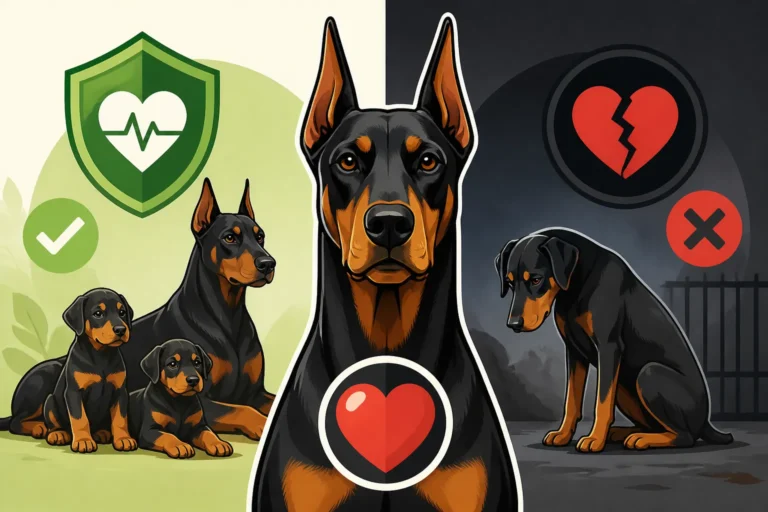
Reputable Doberman breed clubs worldwide, including the Doberman Pinscher Club of America, vehemently oppose the intentional breeding of albino Dobermans. Their stance is rooted in the health and welfare of the dogs. As we've discussed, these dogs are prone to serious, chronic health issues that severely impact their quality of life. For a breed club committed to promoting the health and longevity of the Doberman, knowingly breeding dogs with such significant predispositions to suffering is seen as irresponsible and unethical. This is Why the Doberman Club Opposes White Dogs, pure and simple.
Breed standards are developed not just for appearance but also to define traits that contribute to a dog's overall health and functional soundness. Albinism directly compromises these aspects. Therefore, marketing these dogs as "rare" or "special" is often seen as a deceptive practice that capitalizes on a genetic defect for profit, at the expense of the animals themselves. Responsible breeding prioritizes genetic health, temperament, and adherence to a standard that ensures the dog can live a full, robust life. Intentionally breeding albinos flies in the face of these principles, leading many to believe that Whether a White Doberman Is Rare or Just Wrong is a critical question every prospective owner should ask themselves. They are rare only because responsible breeders actively work to eliminate the gene from their lines, not because they are a prized variation.
The Impact on Temperament and Training
Living with chronic discomfort and impaired senses can profoundly affect a dog's temperament and behavior, and albino Dobermans are no exception. Their light sensitivity and reduced vision can make them more prone to anxiety, fear, or even reactivity, particularly in unfamiliar or brightly lit environments. A dog that cannot see clearly or is constantly uncomfortable in daylight might be more easily startled, leading to defensive behaviors. They might become shy or withdrawn, preferring the safety of indoor, shaded spaces to the unpredictable outside world.
Training an albino Doberman also requires extra patience and understanding. Visual cues that are easy for other dogs to follow might be missed or misinterpreted. Harsh corrections or an overly demanding training style can be particularly damaging, as these dogs may already be struggling with sensory overload or discomfort. Instead, a gentle, consistent, and reward-based approach that builds confidence is crucial. You might find resources on Rebuilding Trust With a Harshly Handled Doberman useful, even if your dog hasn't been harshly handled, as the principles of building confidence and positive reinforcement are paramount for sensitive dogs. Their unique needs might limit their participation in high-stimulus activities like crowded dog parks or advanced dog sports that rely heavily on visual cues and fast reactions.
Providing a Fulfilling Life for a White Doberman
If, despite the known challenges, you find yourself with an albino Doberman, either through rescue or an unfortunate accident of breeding, providing them with a fulfilling life becomes a deeply rewarding, albeit demanding, commitment. It's about proactive care and understanding their unique needs.
Essential Daily Care and Management
The cornerstone of caring for an albino Doberman is diligent protection from the sun. This means establishing a strict routine that minimizes their exposure to direct sunlight. During peak UV hours (typically 10 AM to 4 PM), they should be kept indoors in a shaded, cool environment. When they do go outside, even for short periods, comprehensive Sun Protection for a Thin-Coated Doberman is non-negotiable. This includes:
- Dog-Safe Sunscreen: Applying sunscreen specifically formulated for dogs to their pink nose, ear tips, and any areas of thin fur. Always consult your vet for recommendations, but products from trusted brands found on Chewy often offer excellent choices.
- UV-Protective Clothing: Lightweight, breathable shirts or bodysuits with UV protection can provide a crucial physical barrier for their body.
- Shade: Always ensure access to ample shade in your yard, perhaps with an umbrella or a covered patio.
- Indoor Environment: Keep blinds closed in rooms where they spend time during the day to prevent glare and bright light from causing discomfort.
Regular veterinary check-ups are also paramount, with a strong focus on their eye and skin health. Your vet may recommend specific eye drops or supplements to support ocular health, and they'll need to closely monitor any skin lesions or changes that could indicate cancer. Because their skin is so delicate and they lack an undercoat, special attention to Doberman Grooming on a Coat With No Undercoat is also important, ensuring products are gentle and don't exacerbate dryness or irritation. You might also want to look into specialized bedding that offers extra cushioning, as mentioned in resources like Heated Beds for a Doberman in Winter, though here the focus would be on comfort and protection rather than warmth.
Finding the Right Support and Resources
Living with an albino Doberman means becoming their staunchest advocate and a meticulous planner. It's not a journey you have to take alone. Seeking out a veterinarian who has experience with albino animals or who is willing to educate themselves on their specific needs is invaluable. A general vet might be unfamiliar with the nuances of managing chronic photophobia or the elevated risk of skin cancer.
Connecting with online communities or rescue groups that specialize in Dobermans, or even specifically in special-needs Dobermans, can provide a wealth of shared experience and practical advice. These groups often have members who have navigated similar challenges and can recommend effective products, specialized diets, or coping strategies for dealing with anxiety related to light. Resources like Chewy can be excellent for finding those specialized diets, sunscreens, and even dog goggles to help protect their eyes outdoors.
While the commitment is substantial, the bond you can form with an albino Doberman is incredibly deep. They often rely heavily on their human companions for their comfort and safety, leading to an intense connection. With patience, understanding, and unwavering dedication, these dogs can absolutely lead happy, comfortable lives, thriving under the care of an owner who truly understands and meets their unique needs. It speaks to the core of what The Owner a Doberman Actually Needs: someone devoted and willing to put in the work.
| Characteristic | Standard Doberman (Black/Red/Blue/Fawn) | Albino (White) Doberman |
|---|---|---|
| Coat Color | Rich, solid color with rust markings | Pure white or creamy white |
| Nose/Pads | Black, self-colored (e.g., blue, brown) | Pink |
| Eye Color | Dark brown, amber (in dilutes) | Blue, light gray, or pinkish-red |
| Melanin | Present in skin, hair, eyes | Absent or severely reduced in skin, hair, eyes |
| Sun Sensitivity | Low to moderate | Extremely high (severe photophobia) |
| Skin Vulnerability | Standard | High risk of sunburn, irritation, skin cancer |
| Vision Issues | Generally good vision | Common (nystagmus, strabismus, poor acuity in bright light) |
| Breed Club Stance | Recognized & promoted | Opposed to breeding; Z-list registration (AKC) |
| Care Needs | Standard | Specialized: constant sun protection, eye care, vigilant vet checks |
Disclaimer
This article is for general informational purposes only and does not constitute professional advice. Laws, prices and regulations vary by location and change over time. Consult a qualified professional for guidance on your specific situation.