Whether the Rottweiler Is in the Doberman
It's quite common for new Doberman owners, or even seasoned dog enthusiasts, to look at a Doberman and wonder about its heritage, particularly its connection to other powerful, protective breeds like the Rottweiler. Given their similar working temperaments and impressive builds, it's a perfectly natural assumption to make. This guide will delve into the historical records and breed development to clarify whether the Rottweiler played a role in shaping the Doberman as we know it today.
The Genesis of the Doberman: Karl Dobermann's Quest
To understand the Doberman's origins, we have to travel back to late 19th-century Germany, specifically to the town of Apolda, Thuringia. This is where Karl Friedrich Louis Dobermann, a local tax collector, night watchman, and dog catcher, embarked on a deliberate breeding program. He wasn't a professional breeder in the modern sense, but a man with a very specific need: a loyal, courageous, and intelligent dog to protect him during his dangerous rounds. Imagine collecting taxes in a bustling, often unruly environment, or walking alone at night with money on your person; you'd want a formidable companion by your side. Who Karl Friedrich Louis Dobermann Was gives a great insight into his motivations.
Dobermann's breeding approach was less about meticulous record-keeping and more about combining traits he admired in the dogs he encountered. He had access to a variety of dogs through his work as a dog catcher, which meant he wasn't limited to a single breed. He was looking for specific characteristics – fearlessness, intelligence, sharp senses, and a powerful physique – rather than adherence to an existing breed standard. This improvisational yet purposeful method is key to understanding why tracing the Doberman's exact lineage can be a bit like piecing together a puzzle with some missing edges. His goal was purely functional: create the ultimate protector.
Many of the dogs Dobermann used were local types, often called "butcher's dogs" or "shepherd's dogs," which were prevalent in the region. These were general-purpose working dogs, sometimes crosses themselves, known for their strength and protective instincts. His efforts laid the groundwork for a breed that would quickly gain renown for its guardianship abilities, embodying the very qualities he sought. Why a Tax Collector Bred the First Dobermans sheds more light on the practical reasons behind his ambitious project.
Dobermann's Drive for the Ultimate Protector
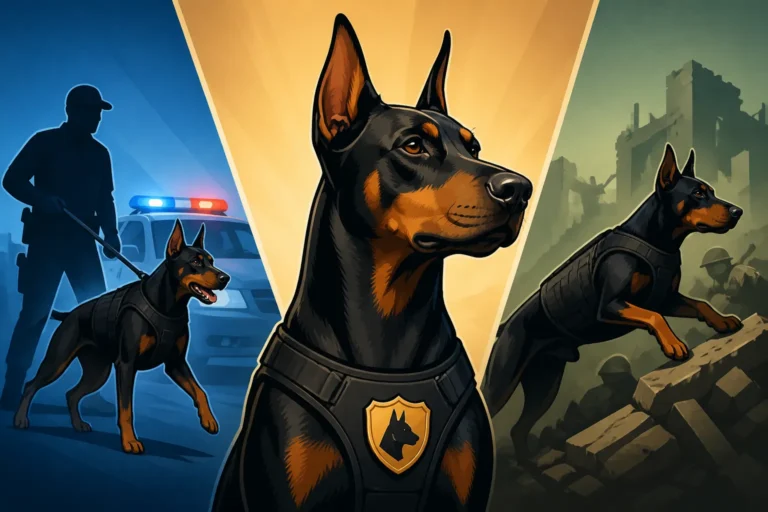
Karl Dobermann wasn't just creating a pet; he was crafting a tool for his survival and livelihood. His experience with the rougher elements of society as a tax collector and night watchman meant he constantly faced potential threats. He needed a dog that wasn't just a deterrent but a capable defender, swift enough to catch an intruder and brave enough to stand its ground. This intense focus on utility meant that aesthetics or adherence to established breed types were secondary to performance.
He selected dogs based on their individual merits in terms of temperament and physical prowess. This meant he likely picked the boldest, most alert, and most robust dogs available to him, regardless of their specific "breed." This hands-on, results-driven approach explains why the Doberman rapidly developed a reputation for being a formidable personal guard dog, capable of both intelligence and unwavering loyalty. He essentially created a new breed out of necessity and a clear vision.
This pragmatic selection process also meant that some of the earliest Dobermans would have varied quite a bit in appearance. It took subsequent breeders, like Otto Goeller, to refine the Doberman's looks and standardize its type, leading to The 1900 German Doberman Standard that began to define the breed we recognize today.
Known Ancestors: Terriers, Shepherds, and Pointers
So, if not the Rottweiler, then what breeds are actually credited with shaping the Doberman? While Karl Dobermann didn't keep detailed pedigrees, historical accounts and expert consensus point to several breeds that likely contributed to the Doberman's unique blend of traits. These include German Pinschers, Rottweilers (though perhaps not directly in the founding stock, more on that later), Black and Tan Terriers, and even some types of Greyhounds and Weimaraners.
The Influence of German Pinschers and Old German Shepherd Dogs
One of the most widely accepted contributions comes from the German Pinscher. These dogs were known for their intelligence, alertness, and keen hunting drive, traits that are certainly evident in the modern Doberman. They provided the "pinscher" (terrier-like) sharpness and intensity that Dobermann so valued. Imagine a smaller, energetic dog with a formidable presence, and you get a sense of the Pinscher's role.
Another significant influence came from various old German Shepherd dogs, though not necessarily the German Shepherd Dog breed as we know it today, which was still in its formative stages itself. These were general-purpose herding and protective dogs, robust and intelligent, contributing to the Doberman's size, strength, and trainability. These dogs added substance and the protective instinct required for guarding livestock and property. Which Breeds Historians Credit in the Doberman offers a broader look at the mosaic of breeds believed to be in the Doberman's genetic background.
It's this combination of alert, agile terriers and substantial, protective shepherd types that started to form the Doberman's distinctive character and build. They were dogs of courage and sharp senses, exactly what Dobermann required. When looking for high-quality, protein-rich foods suitable for a working breed like the Doberman, which benefits from these ancestral traits, online platforms like Chewy often provide excellent choices with detailed nutritional information.
Other Likely Contributors: Greyhounds and Weimaraners
To achieve the Doberman's signature elegance, speed, and sleek coat, breeders likely incorporated dogs like the Greyhound and the Weimaraner. The Greyhound would have contributed to the Doberman's incredible speed, agile movement, and refined body lines, moving away from a heavier, more lumbering build. This infusion of speed would have been critical for a dog intended to catch and deter quickly.
The Weimaraner, known for its distinctive silver-grey coat and excellent scenting abilities, also lent its traits, contributing to the Doberman's smooth coat and possibly refining its hunting and tracking instincts. While the Doberman's primary role shifted to guarding, these subtle additions from hunting breeds enhanced its overall capabilities and athletic prowess. The combination resulted in a dog that was not only powerful but also remarkably agile and elegant. What Went Into the First Dobermans provides further context on the diverse genetic soup that made the breed.
These contributions, rather than a direct, documented input from the Rottweiler, are what most breed historians and geneticists agree upon. The careful selection, even if informal, of dogs with desired traits ultimately led to the powerful and intelligent Doberman Pinscher.
The Rottweiler Connection: Separating Fact from Common Assumption
Now, let's tackle the burning question: Is the Rottweiler truly in the Doberman's lineage? The short answer, based on the most widely accepted historical accounts, is no, not as a direct, primary foundational breed in Karl Dobermann's initial crosses. However, the misconception is understandable, and there are good reasons why people often connect the two.
Why the Misconception Persists
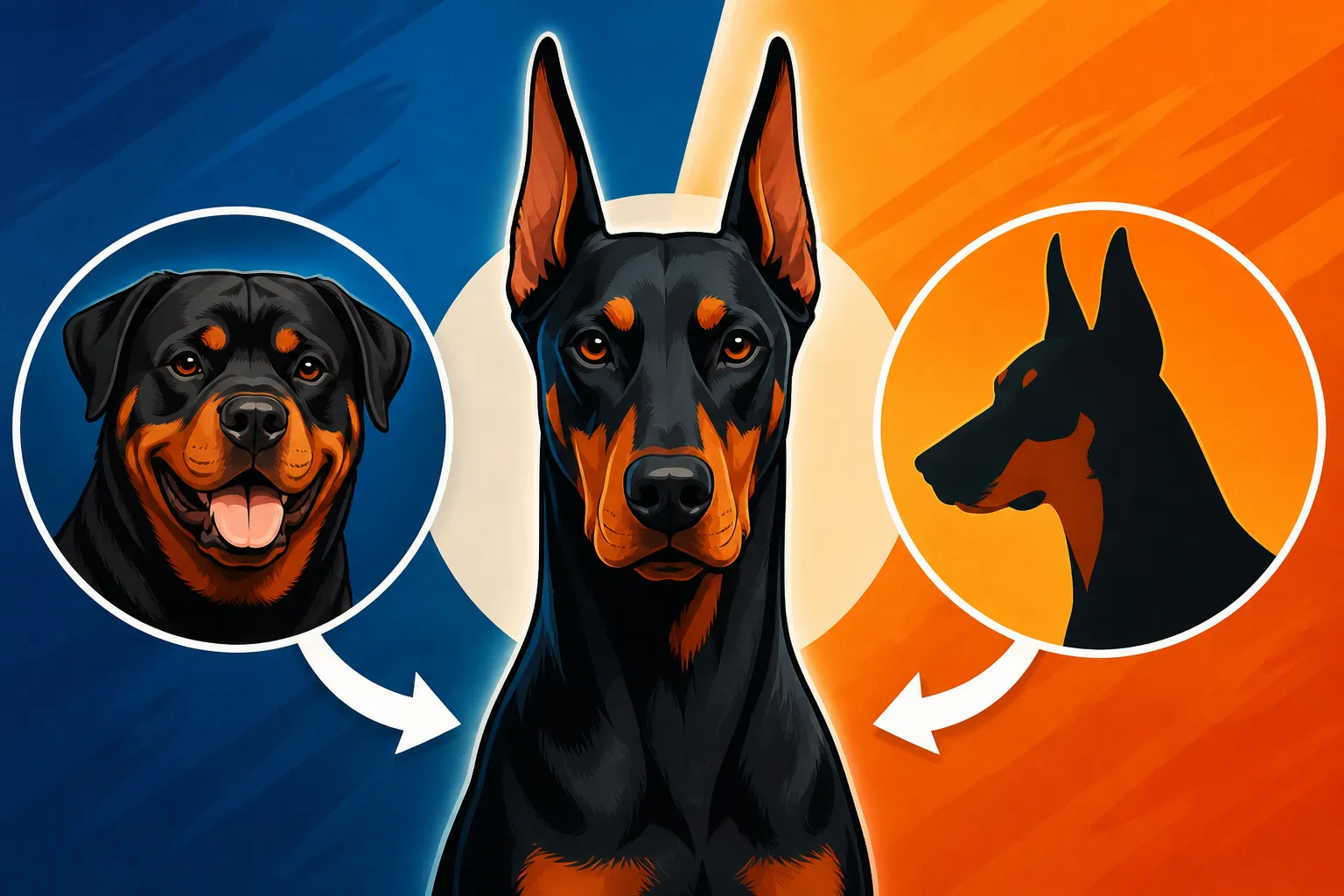
The main reason for the perceived connection between Dobermans and Rottweilers stems from their shared history as powerful working dogs from Germany, their similar roles as guardians, and some overlapping physical characteristics. Both breeds are strong, alert, and possess a serious demeanor. They both have a reputation for being formidable protectors, which leads people to assume a common ancestry. The Doberman Against the Rottweiler delves deeper into the distinctions and similarities between these two impressive breeds.
Consider their appearances: both breeds are robust, muscular, and often seen in black and tan markings (though the Doberman has other recognized colors like red, blue, and fawn, while the Rottweiler typically only has black with rust). They are both known for their confident, sometimes aloof, nature towards strangers and their deep loyalty to their families. These superficial similarities, coupled with their shared geographic origin and working dog status, naturally lead many to link them genealogically.
Furthermore, both breeds have experienced periods where they were unfairly stereotyped as aggressive, largely due to their strength and protective instincts being misunderstood or improperly channeled. This shared public perception, however inaccurate, can also contribute to the idea of a shared heritage.
Historical Roles and Physical Distinctions
While both are working breeds, their original purposes had distinct nuances. The Rottweiler, a much older breed, was primarily a cattle driving dog, protecting herds and drovers' money. They were known for their immense strength and endurance, built to push cattle and defend against predators or thieves. Their build is typically more substantial, broader, and heavier-boned than a Doberman's.
The Doberman, as we've established, was specifically bred for personal protection, requiring a dog that was faster, more agile, and perhaps quicker to react than the average drover's dog. While powerful, the Doberman's build is sleeker, more refined, and built for speed and endurance over brute force. What the Doberman the AKC Standard Describes emphasizes this elegant yet athletic build.
| Feature | Doberman Pinscher | Rottweiler |
|---|---|---|
| Origin | Apolda, Germany (late 19th Century) | Rottweil, Germany (Roman times, refined 19th) |
| Primary Purpose | Personal protection, guard dog | Cattle driving, guard dog, cart pulling |
| Build | Athletic, elegant, sleek, deep narrow chest | Robust, muscular, blockier, broad chest |
| Typical Weight | Males: 75-100 lbs; Females: 60-90 lbs | Males: 95-135 lbs; Females: 80-100 lbs |
| Coat Color | Black, Red, Blue, Fawn (all with rust markings) | Black with rust/mahogany markings only |
| Temperament | Alert, loyal, fearless, intelligent, "Velcro" | Confident, aloof, steadfast, natural guardian |
It's important to note that while Rottweilers are not generally considered direct ancestors, it's not impossible that some local "butcher's dogs" (which were often foundational to the Rottweiler breed themselves) might have been part of Dobermann's initial, less documented crosses. However, there's no strong historical evidence to suggest a deliberate or significant infusion of purebred Rottweiler blood into the nascent Doberman lines. Their paths diverge more than they intertwine at the foundational level, even if their purposes overlap in the grand tapestry of working breeds.
The Doberman's Unique Temperament and Characteristics
Beyond the historical lineage, understanding the Doberman's unique temperament further helps to differentiate it from other breeds, including the Rottweiler. The Doberman is often called a "Velcro dog" because of its intense bond with its family and its desire to always be close. This isn't just a quirky trait; it's a fundamental aspect of their protective nature. They want to be aware of your every move, assessing situations and being ready to act. Doberman Temperament as the Standard Describes It highlights these crucial traits.
Intelligence and Trainability
Dobermans are renowned for their exceptional intelligence and trainability. They are quick learners, often picking up new commands in just a few repetitions. This sharp mind is a double-edged sword: it makes them incredibly capable partners for training in obedience, protection sports, or even service work, but it also means they require consistent mental stimulation. A bored Doberman can quickly become a destructive Doberman. They thrive on challenges and being given a "job" to do, whether that's advanced obedience or daily puzzle toys.
Their keen intellect also means they are highly observant of their environment and the people within it. They often seem to anticipate your next move or read your emotions, which strengthens the bond and makes them feel like truly intuitive companions. This is a breed that genuinely enjoys learning and working alongside its human, making them a joy for experienced owners who embrace positive reinforcement training. For durable training toys and mental enrichment puzzles that stand up to a Doberman's intelligence and strong jaws, retailers like Chewy offer a wide array of options that can keep them engaged.
Sensitivity and Energy
Despite their imposing appearance, Dobermans are often surprisingly sensitive dogs. They respond best to fair, consistent, and positive training methods. Harsh corrections can easily break their spirit or lead to fear-based reactions, which is counterproductive for a breed meant to be confident and reliable. Building trust and a strong relationship is paramount with a Doberman. The Owner a Doberman Actually Needs underscores the importance of this relationship.
They are also a high-energy breed that requires a significant amount of exercise and mental engagement daily. This isn't a dog content with a quick stroll around the block. They need vigorous activity, whether it's running, playing fetch, hiking, or participating in dog sports. Without adequate outlets for their energy, they can become restless, anxious, or destructive. Their athletic build and keen minds mean they are always ready for action.
Many Doberman owners find joy in engaging their dogs in activities like competitive obedience, agility, or scent work, which tap into both their physical prowess and their intelligence. It’s an ongoing commitment to nurture both their bodies and their minds. Making sure they have access to good nutrition and appropriate gear for these activities is also key, and again, places like Chewy are excellent resources for everything from performance diets to sturdy harnesses and leashes.
Nurturing the Doberman: Beyond the Myth
Understanding the Doberman’s true origins helps us appreciate the breed for what it is: a distinct creation of Karl Dobermann, carefully bred for personal protection, combining speed, intelligence, and unwavering loyalty. While their powerful presence and guarding instincts might remind some of the Rottweiler, their foundational bloodlines are generally understood to be separate, each breed having evolved to fulfill slightly different but equally important working roles.
The Doberman's legacy is one of a purposeful guardian, a canine partner that thrives on a strong bond with its human family. They are not merely "tough dogs"; they are complex, intelligent creatures requiring dedicated training, ample exercise, and consistent companionship. If you're considering welcoming a Doberman into your life, remember that you're not just getting a dog with a striking appearance, but a highly engaged and devoted member of your family who will challenge and enrich your life in equal measure. Appreciating their unique history is the first step in truly understanding and celebrating this magnificent breed.
Disclaimer
This article is for general informational purposes only and does not constitute professional advice. Laws, prices and regulations vary by location and change over time. Consult a qualified professional for guidance on your specific situation.