Where Dobermans Still Work in Uniform
It's a common misconception that the Doberman's glory days as a working dog are long past, relegated to old war movies and historical anecdotes. Many people assume that their sharp appearance and reputation for being formidable guardians are just echoes of a bygone era, with other breeds now dominating the fields of police and military work. However, that couldn't be further from the truth. This guide is here to shed light on the vital, often unseen, roles Dobermans continue to play in uniform, serving our communities and nations with unwavering loyalty and impressive skill.
The Doberman's Enduring Legacy as a Working Dog
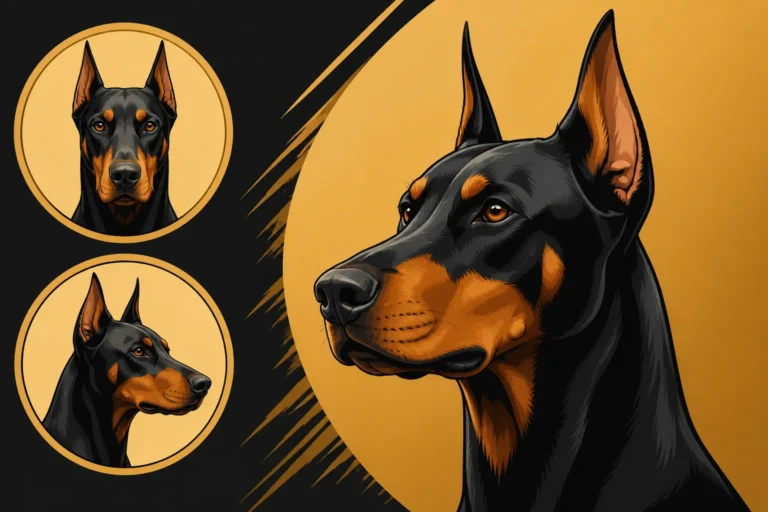
When you think of a Doberman, you probably picture that sleek, powerful silhouette, perhaps with cropped ears standing sentinel. This isn't just a coincidence of aesthetics; it's a testament to their very origins. The breed was literally created to be a working dog, born from the need for a protective companion that could face down any threat without hesitation. Their history isn't just a tale, it's a blueprint for the tasks they excel at today.
From Tax Collector's Protector to Military Hero
Back in the late 19th century, Karl Dobermann, a tax collector in Germany, needed a dog that could be both a personal bodyguard and a loyal companion. He specifically bred for courage, intelligence, and an intimidating presence. The result was a dog that not only protected him during his dangerous rounds but also quickly proved its worth in a variety of public service roles. Their initial impact was so significant that it wasn't long before military and police forces took notice. These early Dobermans were brave, adaptable, and incredibly focused, traits that are still highly prized. If you're curious about their initial genetic makeup, it's fascinating to delve into What Went Into the First Dobermans.
They served with distinction in both World Wars, earning a reputation for bravery and reliability that cemented their place in history. Whether it was as sentry dogs, messengers, or even search and rescue animals on the battlefield, the Doberman consistently rose to the occasion. Their ability to remain calm under pressure, coupled with their sheer physical capability, made them invaluable assets in some of the most challenging environments imaginable. Their contribution to these efforts is a powerful part of The Doberman's War Record.
The Traits That Make a Doberman Ideal for Service
So, what exactly is it about the Doberman that makes them so suitable for roles where precision, bravery, and intelligence are paramount? It comes down to a unique blend of physical and mental attributes that few other breeds possess in such a potent combination. They are, quite simply, built for the job, from their keen senses to their innate desire to please a trusted handler.
Firstly, their intelligence is truly remarkable. Dobermans consistently rank among the most intelligent dog breeds, capable of learning complex commands and problem-solving with impressive speed. This isn't just about knowing a few tricks; it's about understanding intricate tasks and adapting to new situations, which is crucial in dynamic working environments. This innate cleverness, while sometimes challenging for an inexperienced owner, makes them exceptional students in formal training. In fact, Why a Clever Doberman Is Harder to Train is a topic many Doberman owners can relate to, but it's precisely this trait that makes them valuable in service.
Secondly, their physical prowess is undeniable. Dobermans are muscular, agile, and possess incredible stamina. They have a powerful bite and an intimidating presence that can de-escalate many situations simply by being there. Combine this with their natural protective instinct, and you have a dog perfectly suited for roles requiring both defense and detection. They are not merely aggressive dogs; they are inherently discerning, capable of assessing threats and acting decisively when commanded, a nuanced aspect of their temperament described in The Doberman the AKC Standard Describes.
Dobermans in Law Enforcement: Still Pounding the Beat
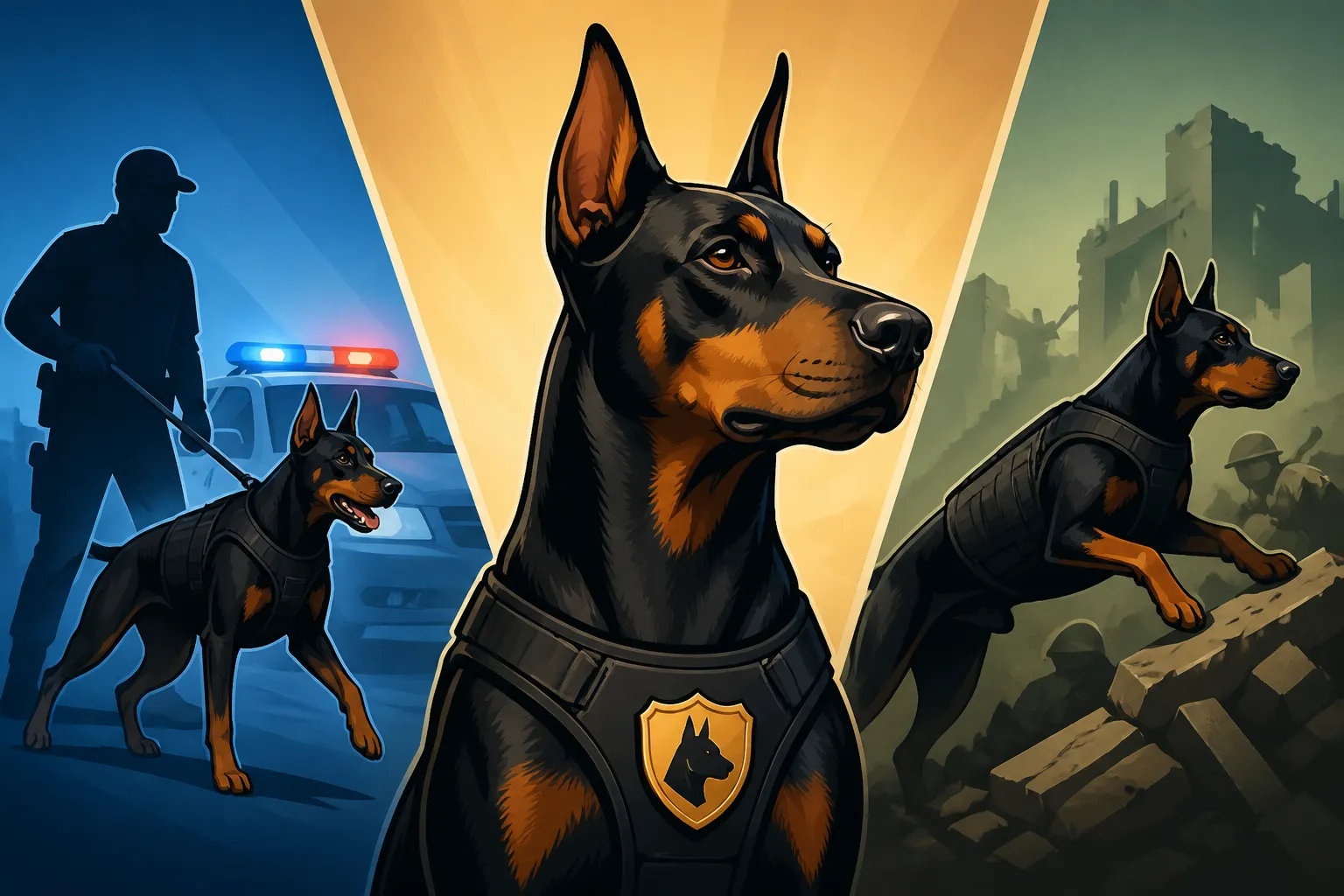
While German Shepherds and Belgian Malinois often steal the spotlight in modern police K9 units, the Doberman still holds a respected place, particularly in certain specialized areas. Their distinct appearance and specific working drives make them a powerful presence in law enforcement, where their intelligence and courage are put to the ultimate test.
Patrol and Protection Work
For many police departments, the sight of a Doberman in the back of a K9 unit cruiser is enough to make a potential suspect think twice. These dogs are natural deterrents. Their sleek, powerful build and intense gaze command respect, and they are trained to protect their human partners without hesitation. This role isn't just about looking tough; it's about having the composure and training to engage only when necessary, and to cease engagement the moment the threat is neutralized. This selective application of force requires immense control and a deep bond with the handler.
When it comes to apprehension, a properly trained Doberman is a formidable force. They are taught to use their speed and strength to pursue and hold suspects, minimizing harm while ensuring compliance. This isn't "guard training" in the common sense, which can be detrimental for a pet Doberman; it's highly specialized work that channels their natural instincts into a controlled, professional application. If you’ve ever wondered about the nuances, Why Guard Training Ruins Most Pet Dobermans explains why this distinction is so crucial. They're also excellent at perimeter searches and building clearances, using their keen senses to locate hidden individuals and signal their presence to officers.
Scent Detection and Tracking
While often overshadowed by breeds traditionally associated with scent work, Dobermans possess an excellent sense of smell and the focus required for detection and tracking. Their high drive and intense concentration make them surprisingly adept at these tasks. From narcotics detection to explosives, Dobermans can be trained to pinpoint specific odors in complex environments, becoming vital tools in the fight against crime and terrorism.
Their lean build and agility also make them effective trackers. They can navigate various terrains, following scent trails over long distances, which is invaluable in locating missing persons, particularly in wilderness or rural settings, or tracking suspects who have fled a crime scene. The dedication involved in this kind of training is immense, requiring both the dog and handler to invest countless hours in honing these critical skills. It’s a testament to the Doberman's versatility that they can excel in roles that demand both physical power and nuanced mental acuity.
Beyond Police K9: Specialized Military Roles
The military sphere often presents the most demanding challenges for working dogs, requiring adaptability, resilience, and an unflappable temperament. Dobermans have a storied past in military service, and while their roles may have evolved, their fundamental contributions remain significant in specific operational contexts.
Guard and Sentry Duties
In military installations, Dobermans continue to serve as highly effective guard and sentry dogs. Their alertness and suspicion of strangers, combined with their imposing appearance, make them perfect for protecting critical infrastructure, equipment, and personnel. Imagine a Doberman patrolling a perimeter in the dead of night; their acute hearing and sight mean very little escapes their notice. This isn't just about a dog barking; it's about a highly trained animal that can detect, alert, and, if necessary, deter or apprehend an intruder.
These roles often require Dobermans to work in diverse and sometimes harsh environments, from extreme temperatures to high-stress situations. Their natural hardiness, combined with diligent care and conditioning, allows them to perform reliably day in and day out. They provide an extra layer of security that technology simply cannot replicate, offering an unpredictable and organic defense mechanism that human patrols alone cannot match.
Search and Rescue Operations
While Dobermans might not be the first breed you think of for search and rescue (SAR), their intelligence, agility, and strong work ethic make them valuable members of SAR teams, particularly in situations requiring speed and endurance. They can cover large areas quickly, often in challenging conditions like collapsed buildings, dense forests, or disaster zones. Their focused nature means they can ignore distractions and concentrate solely on the task of locating survivors or victims.
The emotional demands on a SAR dog are also immense. They must remain motivated through long hours, often with little reward or immediate success, yet push through to find what they're looking for. This mental fortitude, coupled with their physical stamina, allows Dobermans to contribute significantly to efforts to save lives and bring closure to families. It’s a job that requires not just a strong body, but an even stronger spirit, something many Dobermans possess in spades.
Training and Maintaining a Doberman in Uniform
The commitment to training and care for a Doberman in uniform goes far beyond what a typical pet owner might imagine. These aren't just dogs; they are highly specialized, finely tuned athletes and partners who require constant attention to their physical and mental well-being to perform their demanding duties.
The Rigorous Training Regimen
A Doberman destined for service begins its training early, often as a puppy, laying down a foundation of rock-solid obedience and extensive socialization. This early exposure to various sights, sounds, and people is crucial to developing a confident, stable dog that won't be rattled by the unexpected pressures of uniform work. Puppy classes and early obedience are vital stepping stones, but for a working Doberman, this is just the beginning. It's often debated whether puppy class is truly enough, and for these roles, it certainly isn't. Whether Puppy Class Is Enough for a Doberman delves into why basic training is just the tip of the iceberg.
Advanced specialty training then kicks in, which can include intricate scent discrimination drills, bite work for apprehension, and complex tracking exercises. This training is highly disciplined and often involves simulated real-world scenarios to prepare the dog for any eventuality. The bond between handler and Doberman is forged through countless hours of this intensive work, creating an unbreakable partnership built on trust, clear communication, and mutual respect. This kind of dedication is similar to what's seen in protection sports, where handlers learn Getting Started in Protection Sport With a Doberman.
Essential Care for a Working Doberman
Beyond the intensive training, the physical and mental well-being of a working Doberman is paramount. Their demanding roles mean they need top-tier nutrition, regular veterinary care, and carefully structured rest and recovery. Think of them as elite athletes; their bodies need to be in peak condition to perform consistently.
Nutrition for an eighty-pound Doberman in a working role is critical. They require a high-quality, protein-rich diet to support their muscle mass, energy levels, and overall health. Owners must be vigilant about calorie intake to ensure they maintain an optimal working weight. Brands like Chewy often carry a range of performance-focused dog foods that cater to the specific needs of active working dogs, making it easier for handlers to find appropriate nutrition. Beyond general health, specific supplements might also be recommended by veterinarians or canine nutritionists to support joint health or aid recovery from strenuous activity. Feeding an Eighty-Pound Doberman Well is a comprehensive guide to understanding their dietary needs.
Regular veterinary check-ups are also non-negotiable. This includes routine screenings, vaccinations, and proactive measures to prevent common Doberman health issues. For example, Dobermans are prone to heart conditions, so regular cardiac screenings, including echocardiograms and Holter monitoring, are essential. This contributes significantly to The Yearly Heart Bill for a Doberman, but it's a necessary investment to keep these invaluable partners healthy and able to perform. Physical conditioning, including controlled exercise and proper warm-ups and cool-downs, also helps prevent injuries and maintains their peak physical state.
The Public Perception vs. Reality of Working Dobermans
The public's view of Dobermans is often a mixed bag, swinging between admiration for their beauty and loyalty, and apprehension due to their formidable appearance and historical reputation. When these dogs are working in uniform, these perceptions can become even more pronounced.
Debunking Aggression Myths
One of the biggest hurdles Dobermans face is the persistent myth of indiscriminate aggression. It's true that they possess a strong protective instinct and are capable of defensive actions, but a well-bred and properly trained Doberman, especially one in uniform, is far from "vicious." Their aggression is controlled, purposeful, and handler-directed, not random or unprovoked. What a Doberman Does When Someone Knocks at your door as a pet is very different from a K9 engaging a threat.
Working Dobermans undergo extensive temperament testing to ensure they have the right mental stability for their roles. They need to be courageous but also discerning, able to differentiate between a real threat and an innocent bystander. Their training emphasizes bite inhibition and recall, ensuring they can be called off immediately. It’s a delicate balance that showcases the incredible capabilities of both the dog and its handler. The stereotype of a "mean Doberman" largely ignores the profound dedication to training and socialization that goes into every working dog.
The Doberman as a Public Servant and Partner
For those who work alongside them, or witness them in action, the Doberman in uniform is seen for what they truly are: dedicated public servants and loyal partners. Their presence often inspires confidence in those they protect and instills respect in those they encounter. The bond between a Doberman and its handler is a remarkable thing, built on trust, discipline, and shared experiences, often in high-stakes situations.
These dogs are more than just tools; they are living, breathing extensions of their handlers, relying on each other implicitly. They embody courage, devotion, and an unwavering work ethic. Seeing a Doberman confidently performing its duty, whether it's tracking a suspect or standing guard, helps to chip away at negative stereotypes and showcase the breed's true potential as a valuable member of our protective services.
Future of Dobermans in Service
The world of law enforcement and military operations is constantly changing, with new challenges and technologies emerging all the time. For Dobermans to continue their vital work in uniform, their roles must evolve, and support for these incredible animals remains crucial.
Evolving Roles and Challenges
As crime and security threats become more sophisticated, so too must the capabilities of working dogs. Dobermans in uniform are continually adapting to new methods of detection, new scenarios for protection, and increasingly complex tracking environments. This means ongoing training and development, pushing the boundaries of what these dogs can achieve. Their intelligence and eagerness to learn position them well for these evolving roles.
However, challenges remain. The Doberman breed, unfortunately, faces several significant health issues, particularly Dilated Cardiomyopathy (DCM), which can shorten their working lives and impact their ability to perform at peak capacity. Doberman Lifespan and Why It Is Short is a sobering read for any Doberman owner, but for working dogs, it's a critical factor. Dedicated breeding programs focused on health testing and genetic diversity are vital to ensure future generations of working Dobermans are as robust and healthy as they are intelligent and driven.
Supporting Working Doberman Programs
Maintaining a robust program of working Dobermans requires significant resources, from specialized training equipment to top-tier veterinary care. Many non-profit organizations and government agencies rely on public support to fund these essential programs. This can include donations for training costs, equipment, and even care for retired K9s, who often need ongoing medical attention after years of demanding service.
Responsible breeding is also at the heart of ensuring the Doberman's future in uniform. Breeders who prioritize health, temperament, and working aptitude are invaluable. They conduct extensive health testing on their breeding stock, including genetic panels, echocardiograms, and Holter tests, to produce puppies with the best possible chance of a long, healthy, and successful working life. Whether a Breeder Should Pay for Doberman Testing highlights the importance of such comprehensive screening in maintaining breed health and working integrity. Supporting these breeders directly contributes to the legacy of the working Doberman.
Here's a quick look at some of the key roles Dobermans take on in uniform:
| Role Category | Specific Duties | Key Doberman Traits Utilized |
|---|---|---|
| Law Enforcement K9 | Patrol, apprehension, officer protection, building searches, drug detection | Courage, intelligence, physical strength, scenting ability, handler loyalty |
| Military Service | Sentry, guard, perimeter security, search and rescue, messenger | Alertness, territoriality, endurance, trainability, ability to work under pressure |
| Specialized Teams | Explosives detection, tracking missing persons, cadaver location, riot control | Focus, perseverance, keen senses, discipline, intimidating presence |
It's clear that the Doberman's journey as a working dog is far from over. They continue to prove their worth, day in and day out, in high-stakes environments where their unique blend of intelligence, athleticism, and loyalty makes them indispensable partners. While public perception might sometimes lag behind, the reality is that Dobermans in uniform are true heroes, serving with distinction and dedication.
Disclaimer
This article is for general informational purposes only and does not constitute professional advice. Laws, prices and regulations vary by location and change over time. Consult a qualified professional for guidance on your specific situation.