How Doberman Registrations Have Changed
It's an interesting exercise to look at breed registrations because, let's face it, they tell a story about more than just numbers. They reflect societal shifts, changing perceptions of a breed, and the evolving responsibilities of dog ownership. For us Doberman lovers, understanding how Doberman registrations have changed over the decades gives us a crucial glimpse into the breed's journey, from its humble beginnings as a tax collector's companion to the noble, if sometimes misunderstood, dog we know today.
The Doberman's Journey: From Guard Dog to Family Companion
The Doberman Pinscher has always held a special place in the canine world, instantly recognizable by its sleek coat, elegant build, and alert expression. But its popularity, as reflected in registration numbers, has ebbed and flowed, influenced by everything from cinematic portrayals to evolving ideas about what makes a good family dog. These numbers aren't just statistics; they're a pulse check on the breed's standing in the hearts and homes of people across the country.
Early Popularity and the Breed's Foundation
When the Doberman Pinscher first arrived on the scene in the late 19th and early 20th centuries, it quickly gained a reputation as a formidable guardian. Karl Dobermann, the breed's originator, sought to create a loyal, intelligent, and protective companion. The breed quickly found favor with police, military, and families seeking a deterrent. This initial surge in interest was driven by the Doberman's undeniable working prowess and impressive presence. It was a dog that commanded respect, and for many, its sleek, powerful form was the embodiment of canine excellence.
Early registrations reflected this demand for a capable protection dog. People admired its fearlessness and intelligence, leading to a steady increase in its presence in homes and working environments. Breeders focused on preserving its inherent guarding instincts, and the breed began to establish its footing in the American Kennel Club (AKC) rankings. Owning a Doberman was a statement; it spoke of discernment and a need for a truly dedicated companion.
Shifting Public Perception and Media Influence
As the Doberman gained wider recognition, its image began to evolve, heavily influenced by popular culture. Throughout the mid-20th century, particularly after its heroic role in World War II (think the Marine Corps Dobermans of the Pacific), the breed's popularity soared. It became a symbol of loyalty, bravery, and intelligence, often seen in movies and television shows. This positive media exposure undoubtedly fueled a significant boom in registrations, as families across the nation sought to bring this magnificent dog into their lives. The allure of a strong, intelligent protector was powerful, and Dobermans became a status symbol for many.
However, this period of heightened popularity wasn't without its downsides. Increased demand sometimes led to less scrupulous breeding practices, where temperament and health might have taken a backseat to sheer volume. As the breed became more common, some unfortunate incidents, often sensationalized, began to contribute to a shift in public perception. The Doberman, once solely seen as a hero, sometimes faced unfair stereotypes as aggressive or overly dominant, even though a well-bred and properly trained Doberman is far from this caricature. This duality of public opinion, oscillating between admiration and apprehension, started to subtly impact registration trends, sometimes causing fluctuations as people reacted to the prevailing narrative.
Factors Influencing Doberman Registration Trends
The journey of Doberman registration numbers is rarely a straight line. Various societal and intrinsic factors have played a significant role in how many of these incredible dogs are officially recorded each year. Understanding these influences helps us appreciate the complexities of managing a breed's future.
The Impact of Health Concerns on Breeding and Ownership
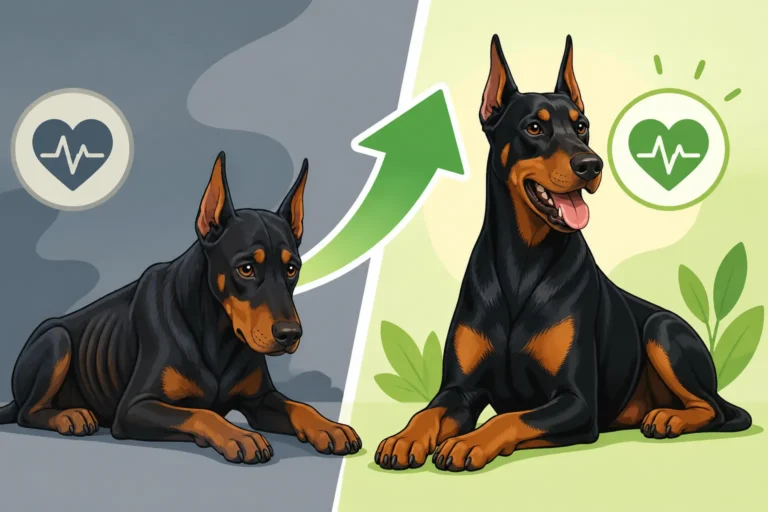
One of the most profound factors affecting Doberman registrations in recent decades has been the growing awareness of specific health issues prevalent in the breed. Conditions like Dilated Cardiomyopathy (DCM), Wobbler Syndrome, and Von Willebrand Disease have cast a long shadow, leading many responsible breeders and prospective owners to approach Doberman ownership with greater caution. When breeders invest heavily in The Health Testing a Doberman Breeder Must Show, it naturally means fewer puppies from thoroughly screened lines, which can impact overall numbers. This commitment to health, while absolutely vital for the breed's long-term well-being, means that Dobermans are not always bred in the same quantities as they might have been in the past.
Prospective owners are now savvier, asking more questions and demanding proof of health testing before committing to a puppy. This increased scrutiny means that backyard breeders, who often contribute to inflated registration numbers without proper health considerations, might find less demand for their puppies. This shift towards health-conscious breeding is a positive development for the breed's future, but it also naturally means a more controlled and potentially lower number of registered Dobermans annually compared to periods of less awareness. The conversation around Doberman Lifespan and Why It Is Short and conditions like The Heart Disease That Reaches Most Dobermans has become central to responsible ownership.
Economic and Lifestyle Shifts Affecting Doberman Popularity
Beyond health, broader economic and lifestyle changes have also played a significant role in Doberman registration trends. Owning a Doberman is a substantial commitment, both in terms of time and finances. A Doberman's Whole-Life Total can be significant, encompassing everything from high-quality food to regular veterinary care and specialized training. In economic downturns, or even during periods of general financial uncertainty, the decision to bring a large, demanding breed like a Doberman into the home can be delayed or foregone.
Furthermore, modern lifestyles often involve smaller living spaces and longer working hours, making it challenging for potential owners to provide the extensive exercise and mental stimulation a Doberman truly needs. A Doberman isn't content to be a couch potato; it thrives on activity and engagement. Owners are increasingly aware of the commitment involved in raising The Owner a Doberman Actually Needs, leading to more thoughtful decisions about ownership. This can lead to a dip in impulsive purchases, which while healthy for the breed, might manifest as lower registration figures. The availability of diverse pet supplies and specialized foods at places like Chewy makes ownership easier, but the fundamental commitment of time and space remains.
The Modern Doberman Owner: Navigating a Changing Landscape
Today's Doberman enthusiast operates in a very different world than those of previous generations. Information is abundant, and the focus has shifted dramatically towards responsible practices and informed decision-making. These changes have a direct bearing on how Dobermans are bred, acquired, and, ultimately, registered.
The Rise of Responsible Breeding and Health Testing
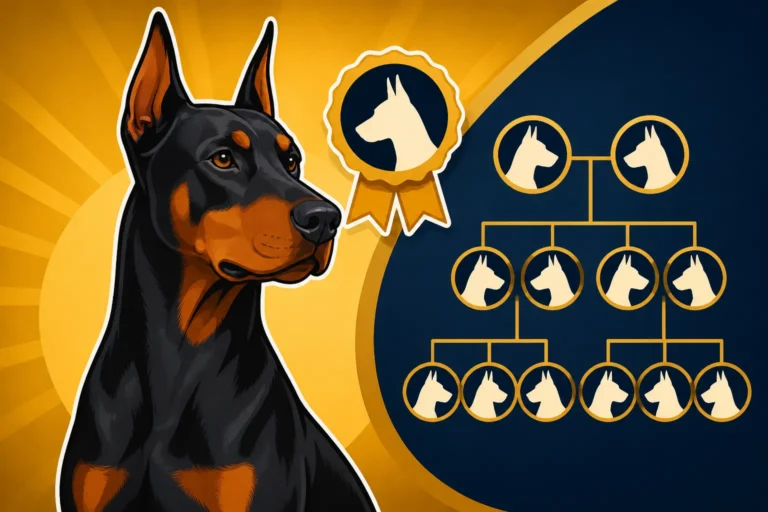
The modern Doberman landscape is increasingly dominated by a strong emphasis on responsible breeding. Gone are the days when a beautiful dog was enough; today, breeders are expected to go above and beyond in health testing their breeding stock. This includes cardiac evaluations like echocardiograms and Holter monitoring for DCM, DNA tests for Von Willebrand Disease, and screenings for hip and elbow dysplasia. These extensive health protocols are costly and time-consuming, but they are absolutely essential for producing healthy puppies.
This commitment means that fewer litters might be bred, and breeders often have long waiting lists for their puppies. It's a stark contrast to the mass-breeding operations that sometimes characterized periods of peak popularity. As a result, the total number of registered Dobermans might appear lower than in previous decades, but the quality and health of these dogs are, arguably, significantly higher. This trend also means that when you're looking for a Doberman, you're looking for a breeder who can show you verifiable health certifications, reflecting a commitment to the breed's future over quick profits.
Dobermans in the Digital Age: Community and Resources
The internet and social media have profoundly changed how Doberman owners connect and learn. Online communities, breed-specific forums, and social media groups allow prospective and current owners to share experiences, ask questions, and gain insights like never before. This access to information empowers people to make more informed decisions about bringing a Doberman into their lives. For instance, discussions around Why a Clever Doberman Is Harder to Train or Living With a Doberman That Follows You Everywhere are commonplace, offering a realistic view of ownership.
This digital connectivity also facilitates easier access to resources, whether it's finding a reputable trainer experienced with Dobermans, sourcing specialized diets from retailers like Chewy, or locating a Doberman-savvy veterinarian. The collective knowledge and support available help new owners prepare for the realities of the breed, contributing to more successful placements and fewer dogs ending up in shelters. While registration numbers might not surge due to this, the retention rates and overall well-being of Dobermans likely improve, as owners are better equipped and supported.
Beyond the Numbers: What Registration Changes Mean for the Breed's Future
Looking at how Doberman registrations have changed is more than just a historical exercise; it offers valuable insights into the breed's trajectory and what its future might hold. It's about understanding the health of the breed, not just in a literal sense, but in its standing within the broader canine community.
The Focus on Quality Over Quantity
The current trends in Doberman registration suggest a shift from sheer volume to a greater emphasis on quality. While the breed might not top the popularity charts as it once did, the dogs being produced today are often the result of more careful, health-conscious breeding programs. This is a crucial distinction. Fewer registrations, in this context, might actually signify a healthier, more stable breed population in the long run. When breeders prioritize genetic health, temperament, and adherence to the breed standard, the Doberman's future looks more secure.
This means that today, finding a Doberman often involves more research and patience, but the reward is a dog with a better chance at a long, healthy life. It encourages a more thoughtful approach to ownership, where individuals are truly prepared for the commitment. This isn't just about individual dogs; it's about safeguarding the integrity and future of the entire Doberman Pinscher breed.
The Enduring Appeal of the Doberman
Despite the fluctuations in registration numbers, one thing remains constant: the enduring appeal of the Doberman. Its intelligence, loyalty, athleticism, and striking appearance continue to captivate dog lovers worldwide. While the days of soaring popularity might have given way to more measured growth, the breed still holds a firm place in the hearts of those who appreciate its unique qualities. The Doberman's temperament, often described as courageous and alert, yet sensitive and devoted to its family, remains its greatest asset. Doberman Temperament as the Standard Describes It truly defines its core essence.
The lower, more stable registration numbers seen in recent years might indicate a dedicated core of enthusiasts and responsible breeders who are committed to the breed's long-term health and reputation. This focus ensures that the Doberman Pinscher will continue to thrive, not as a fleeting trend, but as a cherished companion for generations to come.
Here's a quick look at how Doberman popularity, as reflected in AKC registrations, has broadly shifted over time:
| Era | General Trend in Registrations | Driving Factors | Common Perceptions |
|---|---|---|---|
| Early 20th Century (pre-WWII) | Steady Increase | Working prowess, guardian ability | Intelligent, fearless, loyal |
| Mid-20th Century (post-WWII) | Peak Popularity | Media portrayal, war hero status, family protector | Heroic, noble, formidable |
| Late 20th Century (1970s-1990s) | Gradual Decline / Stabilization | Stereotypes, increasing health awareness | Potentially aggressive, demanding |
| Early 21st Century (2000s-Today) | More Stable / Moderate Ranks | Focus on health, responsible breeding, informed ownership | Devoted, athletic, intelligent, sensitive |
As Doberman lovers, we know that these dogs are more than just numbers on a registry. They are family members, loyal companions, and incredible athletes. By understanding the historical trends and current shifts in registration, we can better support responsible breeding and ensure that the Doberman Pinscher continues to thrive for many years to come.
Disclaimer
This article is for general informational purposes only and does not constitute professional advice. Laws, prices and regulations vary by location and change over time. Consult a qualified professional for guidance on your specific situation.