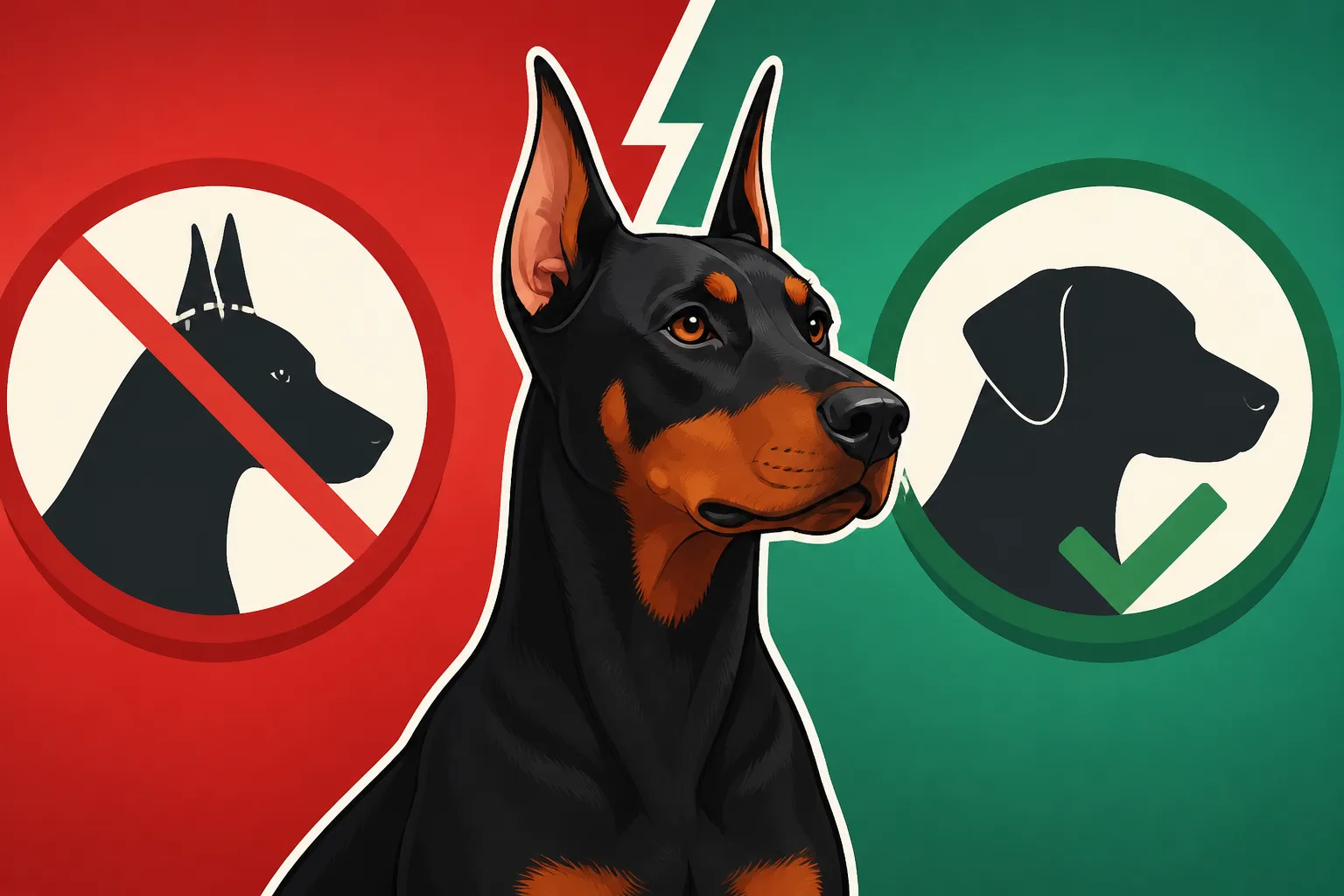
Whether the AVMA Opposes Doberman Cropping
For Doberman owners, the decision around ear cropping often feels like walking a tightrope between breed tradition and modern animal welfare concerns. Many folks wonder about the official stance of major veterinary bodies, particularly the American Veterinary Medical Association (AVMA), and whether their personal veterinarian is even allowed to perform such a procedure. This guide aims to thoroughly explore the AVMA's position, the reasons behind it, and what it means for you as a Doberman parent.
The AVMA's Official Stance on Cosmetic Procedures
It can be really confusing to sift through all the information out there, especially when you’re trying to make responsible choices for your beloved Doberman. The American Veterinary Medical Association, or AVMA, is one of the most prominent and respected veterinary organizations in the United States, and their stance on various practices carries significant weight within the profession. When it comes to procedures like ear cropping and tail docking, the AVMA's position is quite clear and has been consistent for a considerable time. They generally oppose these procedures when performed purely for cosmetic reasons.
Understanding the AVMA's Position Statement
The AVMA's official policy statement, which you can usually find on their website, explicitly discourages ear cropping and tail docking of dogs. They classify these procedures as "cosmetic" surgeries, meaning they are performed primarily to alter a dog's appearance to conform to a breed standard, rather than for the dog's medical benefit. Their position emphasizes that these are surgical procedures that involve pain and potential complications for the animal, without providing any verifiable health advantage. It’s not just a casual opinion; it’s a formal statement rooted in their commitment to animal welfare and ethical veterinary practice. They acknowledge the historical context for these practices, but their focus remains firmly on the well-being of the individual animal.
This stance isn't unique to the AVMA; many other national and international veterinary associations, like the Canadian Veterinary Medical Association and the British Veterinary Association, hold similar positions. It reflects a growing consensus within the veterinary community that elective surgeries carrying risks should only be performed when there's a clear medical justification. For someone new to Dobermans, or even seasoned owners, understanding this professional backdrop is crucial when considering the choices available for their dog.
The Difference Between Therapeutic and Cosmetic Procedures
To truly grasp the AVMA’s viewpoint, it’s important to distinguish between a therapeutic procedure and a cosmetic one. A therapeutic procedure is performed out of medical necessity. Think about a dog with a ruptured cruciate ligament needing surgery, or a growth that needs to be removed because it's cancerous or causing discomfort. In these cases, the surgery directly addresses a health problem, alleviates pain, or prevents further suffering. The benefits to the animal's health and quality of life clearly outweigh the risks associated with anesthesia and surgery.
On the other hand, cosmetic procedures, such as ear cropping or Doberman Tail Docking Is Still Standard, are done purely for aesthetic reasons. The dog is healthy, there's no underlying medical issue, and the procedure is intended solely to change its appearance to meet a human-defined ideal. The AVMA argues that subjecting a healthy animal to surgery, pain, and recovery for non-medical reasons goes against the core principles of veterinary ethics, which prioritize the animal's welfare above all else. This distinction is at the heart of their opposition and explains why they advocate for veterinarians to educate clients on the ethical implications of these choices.
Why Veterinarian Organizations Oppose Ear Cropping and Tail Docking
When you bring your Doberman puppy home, you're not just getting a pet; you're taking on a deep responsibility for its health and happiness. Veterinary organizations, like the AVMA, base their opposition to cosmetic procedures on several key principles centered around animal welfare. They aren't trying to judge individual owners, but rather to advocate for what they believe is best for the animals under their care.
Focus on Animal Welfare and Unnecessary Surgery
The primary reason for the AVMA's opposition is the belief that ear cropping and tail docking are unnecessary surgeries that inflict pain and risk upon an animal without providing any direct benefit to its health or welfare. A Doberman puppy, typically between 7 to 12 weeks old, undergoes ear cropping. This involves general anesthesia, surgical cutting of cartilage, and a recovery period that often includes weeks or months of taping and posting to achieve the desired upright shape. Similarly, tail docking happens even earlier, usually within the first few days of life, often without anesthesia, though that practice is increasingly frowned upon by vets even if legally allowed in some areas.
From an animal welfare perspective, any procedure that causes pain, even if managed with medication, and carries risks like infection, scarring, or an adverse reaction to anesthesia, should only be undertaken if there is a compelling medical reason. When a procedure is purely cosmetic, these risks are deemed unacceptable by organizations committed to protecting animals. They view these as interventions that disrupt the natural integrity of the animal's body for human aesthetic preferences, rather than the animal's intrinsic needs. This is why you'll find strong statements from professional bodies encouraging a shift away from these traditional practices.
Potential Complications and Risks
Like any surgical procedure, ear cropping and tail docking are not without potential complications. While many procedures go smoothly, there's always a risk, and when those risks are taken for non-medical reasons, they become harder to justify. For ear cropping, potential issues can include:
- Infection: Any open wound is susceptible to bacterial infection, which can lead to pain, swelling, discharge, and require antibiotic treatment.
- Anesthesia risks: General anesthesia always carries a small but present risk, ranging from mild reactions to, in rare cases, life-threatening complications. Dobermans, as a breed prone to cardiac issues, might have heightened concerns depending on their individual health status, although comprehensive pre-surgical screening helps mitigate this.
- Poor healing/scarring: Sometimes the ears don't heal cleanly, leading to unsightly scars, asymmetry, or a "flop" if the cartilage doesn't stand correctly. This can necessitate further surgical intervention or result in a less-than-ideal aesthetic outcome despite the initial procedure.
- Chronic pain or discomfort: While rare, some dogs may experience ongoing sensitivity or pain in the cropped ear tissue.
- Prolonged posting: Achieving the desired ear set can take months, sometimes even over a year, involving frequent taping, cleaning, and vet visits, which can be stressful for both the dog and the owner. This long process is a significant part of Doberman Ear Cropping From Surgery to Last Posting.
For tail docking, though performed at a very young age, there are also risks, including infection, neuromas (nerve growths) at the amputation site that can cause chronic pain, or even phantom limb sensations. These complications underscore the AVMA's argument that subjecting animals to these risks for cosmetic reasons is ethically questionable.
Impact on Communication and Behavior
Another significant point of contention for animal welfare advocates is the impact these procedures have on a dog's ability to communicate. Ears and tails are crucial tools for canine communication, both with other dogs and with humans. A Doberman's ears, when natural, can convey a wide range of emotions and intentions – from relaxed and alert to fearful or aggressive. Similarly, the tail's position and movement are key indicators of a dog's mood and social cues.
When a Doberman's ears are cropped to stand erect, or its tail is docked to a nub, these natural communication signals are significantly altered or removed entirely. This can lead to misunderstandings with other dogs, potentially causing friction or even conflict, as subtle cues might be missed. For owners, it can also make it harder to read their dog's emotional state, leading to misinterpretations of discomfort, anxiety, or happiness. What Cropped Ears Hide About a Doberman's Mood goes into more detail about this. The AVMA believes that preserving these natural forms of communication is vital for a dog's social well-being and overall quality of life.
| Feature | Cropped Ears | Natural Ears |
|---|---|---|
| Appearance | Erect, pointed, "alert" look, conforms to traditional breed standard | Soft, folded, expressive, natural breed appearance |
| Communication | Reduced range of subtle ear movements for signaling | Full range of movement to express mood, intent, and social cues |
| Surgical Risk | Involves general anesthesia, infection, complications, pain, prolonged aftercare | No surgical risk related to ear shape |
| Aftercare | Weeks to months of posting, taping, cleaning, vet visits (Posting Fees After a Doberman Crop) | Routine cleaning as needed |
| Ethical Stance | Opposed by AVMA for cosmetic reasons | Aligns with animal welfare principles against unnecessary surgery |
The Ethical Debate Surrounding Doberman Ear Cropping
The conversation around Doberman ear cropping is rarely black and white; it's a deeply emotional and often polarizing topic that brings together tradition, aesthetics, and modern ethics. As a Doberman owner, you might feel caught in the middle of this debate, wanting to do what's best for your dog while also appreciating the historical look of the breed.
Breed Standard vs. Welfare Concerns
One of the strongest arguments for continuing ear cropping comes from the breed standard itself. For many years, and still today in the American Kennel Club (AKC) standard, the Doberman is described with cropped ears and a docked tail. This look has become synonymous with the breed's iconic image: sleek, powerful, and alert. Breeders and owners who adhere strictly to the standard believe that cropping is an integral part of preserving the Doberman's historical appearance and character. They might argue that a naturally eared Doberman doesn't "look" like a Doberman to them, or that it doesn't convey the same sense of nobility and presence. Furthermore, some show rings may implicitly or explicitly favor the traditional cropped look, influencing breeders who aim to excel in conformation events. You can read more about what the breed standard truly defines in The Doberman the AKC Standard Describes.
However, the AVMA, alongside many welfare organizations, views this as a conflict where aesthetic tradition clashes directly with animal well-being. They contend that a breed standard, while important for maintaining consistent physical traits, should not dictate procedures that cause pain and risk to an animal without medical benefit. The focus here shifts from what a dog should look like to what a dog deserves in terms of care and protection from unnecessary discomfort. This is the core of the ethical dilemma: do we prioritize a human-defined aesthetic ideal, or the intrinsic welfare of the animal?
The Owner's Perspective and Traditional Appearance
For many Doberman enthusiasts, the cropped and docked look isn't just about showing; it's deeply ingrained in their perception of the breed. They might have grown up seeing Dobermans this way, or they might feel that the cropped ears enhance the dog's protective and alert demeanor, which is a key part of the Doberman Temperament as the Standard Describes It. It's a matter of personal preference and a connection to tradition. Some owners genuinely believe that cropping gives the Doberman a more "fierce" or "regal" appearance, which aligns with their image of what a Doberman should be. They often feel that they are honoring the breed's history and the intentions of its creators by maintaining these cosmetic alterations.
These owners often go to great lengths to ensure the procedure is done by a skilled veterinarian and that their dog receives excellent aftercare, understanding that proper The Six Hundred Dollar Doberman Crop and dedicated posting are crucial. They might see it as a relatively minor, temporary discomfort for a lifetime of the desired look, especially if they have experienced successful outcomes with previous Dobermans. It's a deeply held cultural and personal choice for them, and they might feel misunderstood or judged by those who don't share their perspective.
Societal Shifts and Changing Perceptions
Public opinion and societal norms around animal welfare have been steadily shifting. What was once considered a routine practice, like ear cropping, is now increasingly viewed with scrutiny and often outright condemnation by the general public. In many parts of Europe and other countries, cosmetic ear cropping and tail docking are now illegal, either entirely or with very strict exemptions for documented medical necessity. This legal landscape reflects a broader societal movement towards protecting animals from non-therapeutic procedures.
This shift means that Doberman owners in regions where cropping is still legal might face public backlash or judgment. An uncropped Doberman, once a rarity, is becoming more common and accepted, perhaps even admired for its natural look. This change in perception can make it difficult for owners who choose to crop, as they may encounter disapproval from strangers in dog parks, veterinary clinics, or even online communities. The debate is no longer just within breed clubs but has entered the wider public consciousness, making it a complex issue for Doberman owners to navigate.
Navigating the Choice: What Doberman Owners Need to Know
Making decisions about your Doberman's care, especially when they involve such an emotive topic as ear cropping, can feel overwhelming. It's not just about what you want, but what's available, what's ethical, and what's best for your individual dog.
Legal and Professional Landscape for Vets
The legality of ear cropping varies significantly, even within the United States. While it's still legal in most states, some states have specific regulations or outright bans on the procedure. Furthermore, while the AVMA discourages the practice, it doesn't forbid individual veterinarians from performing it if it's legal in their jurisdiction. However, many veterinary schools are no longer teaching the procedure, and a growing number of veterinarians, aligned with the AVMA's ethical stance, choose not to perform cosmetic ear crops. They might feel ethically bound to avoid unnecessary surgery or may worry about potential legal challenges or professional repercussions from animal welfare groups.
This means that even if ear cropping is legal where you live, finding a veterinarian willing and skilled to perform it can be a challenge. You might need to travel to another area, or seek out a vet who specializes in specific breeds or traditional practices. This changing professional landscape is something every prospective or current Doberman owner needs to be aware of.
Finding a Vet Who Performs Cropping (or Won't)
If you decide to pursue ear cropping for your Doberman, expect to do some serious research and possibly face some hurdles. Many general practice veterinarians will refer you elsewhere or simply state they do not perform the procedure due to their ethical convictions. You might need to look for a veterinarian with extensive experience in Doberman ear cropping, often one who has a long-standing relationship with Doberman breeders or show communities. These veterinarians are sometimes referred to as "cosmetic surgeons" within the dog world, or simply experienced practitioners. When you find one, they should be able to show you examples of their work, discuss the different styles of crops (The Length of Doberman Crop Owners Choose), and thoroughly explain the surgical process, aftercare, and potential risks. It's vital to ensure they are licensed, use sterile equipment, and provide appropriate pain management both during and after the surgery.
On the flip side, if you decide against cropping, you'll find that the vast majority of veterinarians will support your decision. Many will be relieved you've chosen the natural path, as it aligns with their professional ethics. They will be able to advise you on the care of How a Natural Doberman Ear Sits, including hygiene and addressing any potential issues like infections. It's important to have an open conversation with your chosen vet about your preferences and ensure they are on board with your overall care plan for your Doberman. Vets Who Will and Will Not Crop a Doberman provides more insight into this professional divide.
Considering an Uncropped Doberman
Embracing the natural look for your Doberman is becoming an increasingly common and respected choice. An uncropped Doberman still embodies all the intelligence, loyalty, and protective instincts that make the breed so unique, just with soft, natural ears that frame their expressive face. Many people find the natural ears endearing and believe they allow the dog to communicate more effectively. Furthermore, avoiding surgery means your Doberman skips the associated pain, risks, and the often arduous aftercare process of posting. You'll save money on the procedure itself, which can run into many hundreds of dollars, plus the cost of aftercare supplies and follow-up vet visits. You might put that money towards high-quality food (you can find plenty of options on Chewy), advanced training, or comprehensive health screenings, which are far more impactful on your Doberman's overall well-being.
An uncropped Doberman can still participate in many dog sports and activities, and their natural ears do not preclude them from being wonderful companions or successful working dogs. In fact, in many international show rings, uncropped Dobermans compete successfully, and in some countries, they are the only Dobermans allowed to compete. So, if you're worried about showing, know that Whether an Uncropped Doberman Can Win is increasingly yes, depending on location and organization. Choosing natural ears is a clear statement that you prioritize your dog's welfare and comfort above traditional aesthetic norms, a choice that is increasingly celebrated by the wider dog-loving community. You can still buy amazing training treats and toys for your naturally-eared Doberman from places like Chewy, ensuring they are happy and healthy without unnecessary surgery.
Disclaimer
This article is for general informational purposes only and does not constitute professional advice. Laws, prices and regulations vary by location and change over time. Consult a qualified professional for guidance on your specific situation.