Whether a White Doberman Can Be Bred From
There’s a common fascination with "white Dobermans" – their striking appearance can capture attention, often leading prospective owners to believe they’ve found something uniquely beautiful and rare. However, the reality behind these dogs is far more complex and comes with significant ethical considerations regarding their health and welfare, especially when it comes to the question of breeding them. This guide aims to shed light on why breeding a white Doberman is overwhelmingly discouraged by responsible breeders and kennel clubs, focusing on the genetic and health truths you need to understand.
The Genetic Reality of the White Doberman
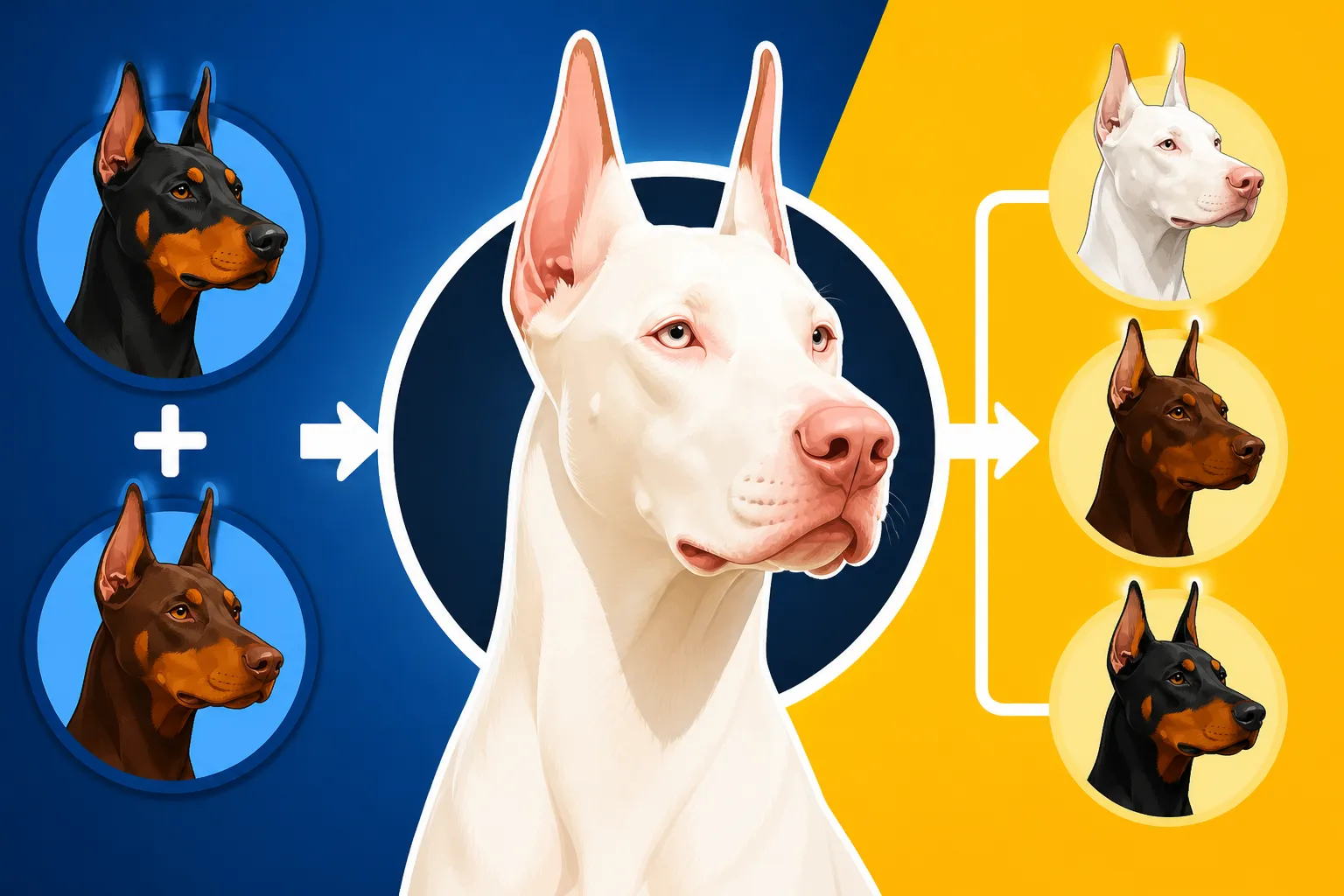
The term "white Doberman" isn't just about coat color; it points to a specific genetic condition that has profound implications for the dog's well-being. Unlike true white breeds, the white Doberman is not merely a different shade, but rather an albino. This isn't a desirable trait or a rare color mutation in the healthy sense, but a genetic defect with serious consequences.
Understanding Albinism in Dobermans
At its core, a white Doberman is an albino Doberman. This condition stems from a genetic mutation that affects the production of melanin, the pigment responsible for color in skin, hair, and eyes. Specifically, in Dobermans, this mutation is linked to the tyrosinase (TYR) gene, which plays a crucial role in the pathway for melanin synthesis. A dog carrying two copies of this recessive mutated gene will be unable to produce pigment, resulting in their characteristic pale, unpigmented appearance.
This isn't just about the coat. True albinism means a complete or near-complete lack of pigment. You'll notice pink noses, pale paw pads, and distinctively light blue or even pinkish eyes. These aren't just cosmetic differences; they are indicators of a profound genetic issue that impacts their ability to cope with the world around them. It's a fundamental difference from, say, a white German Shepherd, which is genetically a white-coated dog, but not an albino. The genetic distinction is key: albinism impacts health, while a truly white coat often does not.
Health Implications Beyond Appearance
The lack of melanin is not just about aesthetics; melanin provides protection against ultraviolet (UV) radiation and plays a role in eye development. Without it, albino Dobermans face a range of serious health challenges:
- Severe Photophobia and Vision Problems: Their pale eyes, lacking pigment in the iris and retina, are extremely sensitive to light. This condition, known as photophobia, causes discomfort and squinting in even moderate daylight. Beyond sensitivity, many albino Dobermans have underdeveloped retinas or optic nerves, leading to significant vision impairment or even blindness. Imagine living your life constantly feeling like you're staring into a bright light – that's often the daily reality for these dogs. This can greatly impact their quality of life, their ability to navigate their environment safely, and their potential for training or work.
- Extreme Skin Sensitivity and Cancer Risk: Melanin acts as a natural sunscreen. Without it, the skin of an albino Doberman is highly vulnerable to sunburn, leading to chronic irritation, peeling, and blistering. This isn't just a minor discomfort; prolonged sun exposure dramatically increases their risk of developing various forms of skin cancer, including squamous cell carcinoma and melanoma, often at a much younger age than typically seen in other dogs. Owners often find themselves needing to apply pet-safe sunscreens and protective clothing, or strictly limit outdoor time, which is a huge challenge for an active breed like the Doberman. For instance, Why an Albino Doberman Burns and Blisters explains the severity of this issue.
- Immune System and Other Potential Issues: While not as universally documented as the skin and eye problems, some anecdotal evidence and theories suggest that albinism may be linked to a compromised immune system in some affected animals, potentially making them more susceptible to infections or other health ailments. These are ongoing areas of concern and reinforce the idea that albinism is not just a pretty color but a health liability.
Understanding these profound health challenges helps illustrate why responsible breeders and Doberman enthusiasts alike strongly advise against perpetuating this genetic trait. You can learn more about these specific health problems by reading Light Sensitivity in an Albino Doberman.
Ethical Considerations in Breeding White Dobermans
Given the significant health challenges faced by albino Dobermans, the ethical responsibilities of breeders come sharply into focus. Breeding decisions should always prioritize the health, welfare, and overall integrity of the breed, which directly contradicts the practice of breeding for or from albino individuals.
Breed Standards and Registration Restrictions
Major kennel clubs around the world, including the American Kennel Club (AKC), do not recognize the white Doberman as a standard or acceptable color. Instead, they identify it as a disqualifying fault due to the underlying albinism and its associated health defects. This means that white Dobermans cannot compete in conformation shows, nor should they be bred.
The AKC specifically uses a "Z" preceding the registration number for albino Dobermans (e.g., ZM, ZF for male/female) to flag them as affected individuals. This "Z-listing" is a mechanism to track and identify these dogs and, importantly, to restrict their breeding. An individual with a Z-registration is not allowed to be bred, and any offspring produced from them would also carry this designation and the inherent health risks. This measure is in place precisely because Why the Doberman Club Opposes White Dogs and actively discourages their production. The system helps enforce the ethical boundaries necessary to protect the breed from harmful genetic conditions.
The Responsibility of a Breeder
A truly responsible Doberman breeder has a paramount obligation to produce healthy, stable, and conformationally sound puppies. Their goal is to improve the breed, not to introduce or perpetuate known genetic defects. Breeding an albino Doberman, or breeding two carriers of the albinism gene together (even if they appear normal, they can still produce albino offspring), goes against this fundamental principle.
Responsible breeders meticulously health test their breeding stock for a wide range of conditions common in Dobermans, such as Dilated Cardiomyopathy (DCM), Von Willebrand Disease (vWD), and Wobbler Syndrome. The albinism gene is another critical factor they consider. They would never intentionally breed dogs that carry the gene if there's a risk of producing albino puppies, or they would certainly avoid breeding an albino Doberman itself. The allure of a "rare" color often overshadows the immense responsibility that comes with bringing new lives into the world, and sadly, some unscrupulous breeders might market white Dobermans for profit, exploiting the novelty without regard for the dogs' future suffering. This is why it's so important for prospective owners to ask for The Health Testing a Doberman Breeder Must Show for all genetic conditions.
The Impact on the Breed and Responsible Ownership
The consequences of breeding white Dobermans extend beyond the individual dog, potentially impacting the genetic health and reputation of the entire breed. For anyone considering a Doberman, understanding these broader implications is crucial for making responsible choices.
Why Breeding White Dobermans is Discouraged
The primary reason against breeding white Dobermans is, without a doubt, the severe health and welfare concerns associated with albinism. Perpetuating a genetic condition that causes chronic discomfort, vision impairment, and increased cancer risk is simply unethical. It prioritizes a superficial aesthetic over the dog's intrinsic right to a healthy life.
Beyond the immediate welfare of the puppies, breeding white Dobermans also risks diluting the genetic health of the wider Doberman population. While the albinism gene is recessive, irresponsible breeding can increase its prevalence in the gene pool, making it harder for future generations of breeders to avoid producing affected puppies. This highlights why understanding The White Doberman and Where It Came From and Why a White Doberman Is Really an Albino is so vital for breed preservationists.
It also speaks to the broader issue of what constitutes a "breed standard." The Doberman Pinscher is a magnificent breed known for its distinctive appearance, intelligence, and athleticism, traditionally found in black and rust, red and rust, blue and rust, and fawn and rust. The white Doberman falls outside these standards because its unique coloring is a symptom of a health issue, not a variation of healthy coat pigment.
Here’s a quick overview of why white Dobermans are not considered breedable:
| Aspect | Standard Doberman (Black/Red/Blue/Fawn) | White Doberman (Albino) |
|---|---|---|
| Coat Color Source | Melanin pigments (eumelanin, phaeomelanin) | Absence/Deficiency of melanin (albinism) |
| Nose/Pad Color | Dark (black, brown, grey, fawn) | Pink |
| Eye Color | Dark (brown, amber) | Pale blue, pink, or light amber |
| Health Risks | Breed-specific (DCM, vWD, Wobblers) | High risk of photophobia, skin cancer, vision issues, general sensitivity |
| Breed Standard | Recognized and encouraged | Disqualifying fault |
| Breeding Status | Encouraged for healthy, tested dogs | Restricted (Z-listing), highly unethical |
| Registration | Standard AKC registration | Z-listed (e.g., ZM, ZF) by AKC |
Finding a Reputable Doberman Breeder
For those truly committed to bringing a Doberman into their home, the most critical step is finding a reputable breeder who prioritizes health, temperament, and adherence to the breed standard. Avoid any breeder who advertises "rare white Doberman puppies" or charges a premium for them. This is a massive red flag.
A responsible breeder will:
- Show Proof of Health Testing: They will have verifiable results for health screenings, not just for parents but often for several generations back. This includes testing for heart conditions like DCM (echo and Holter results), Von Willebrand's disease, thyroid, and hip/elbow evaluations.
- Adhere to Breed Standards: They breed Dobermans that fit the established breed standard for color, conformation, and temperament.
- Be Knowledgeable and Transparent: They can explain their breeding philosophy, discuss the health concerns of the breed, and openly share information about their dogs. They will also be transparent about pedigrees and registration details.
- Carefully Vet Prospective Owners: They will ask you many questions to ensure their puppies go to suitable homes, showing they care about the lifetime welfare of their dogs.
- Offer a Contract and Support: A good breeder provides a clear contract outlining health guarantees and a commitment to take the dog back if circumstances change. They will also be a lifelong resource for advice and support.
If you are looking for specific Doberman supplies or even information on specialized diets that might be helpful for any Doberman with sensitivities, reputable online pet suppliers like Chewy can be a great resource for comparing products and reading reviews, but always consult with your vet regarding specific health needs.
Choosing a Doberman is a significant commitment. By understanding the ethical issues surrounding the breeding of white Dobermans and seeking out breeders who are dedicated to the health and longevity of the breed, you contribute to a better future for these incredible dogs. Don't be swayed by novelty; choose health and integrity every time.
Disclaimer
This article is for general informational purposes only and does not constitute professional advice. Laws, prices and regulations vary by location and change over time. Consult a qualified professional for guidance on your specific situation.