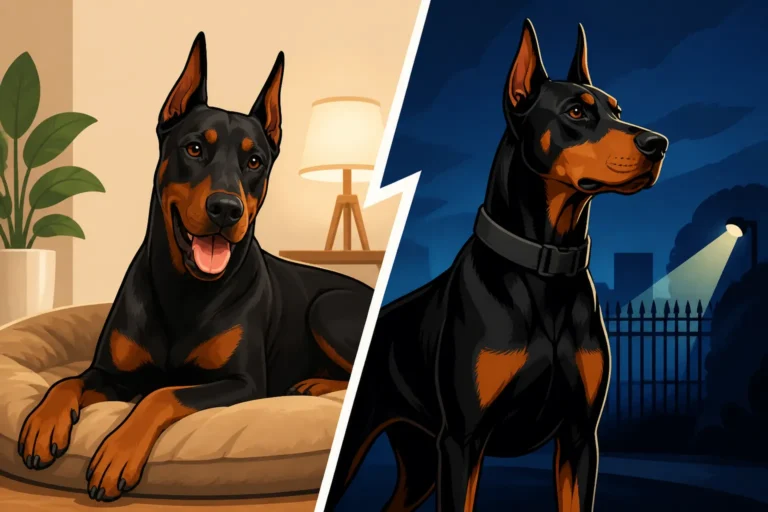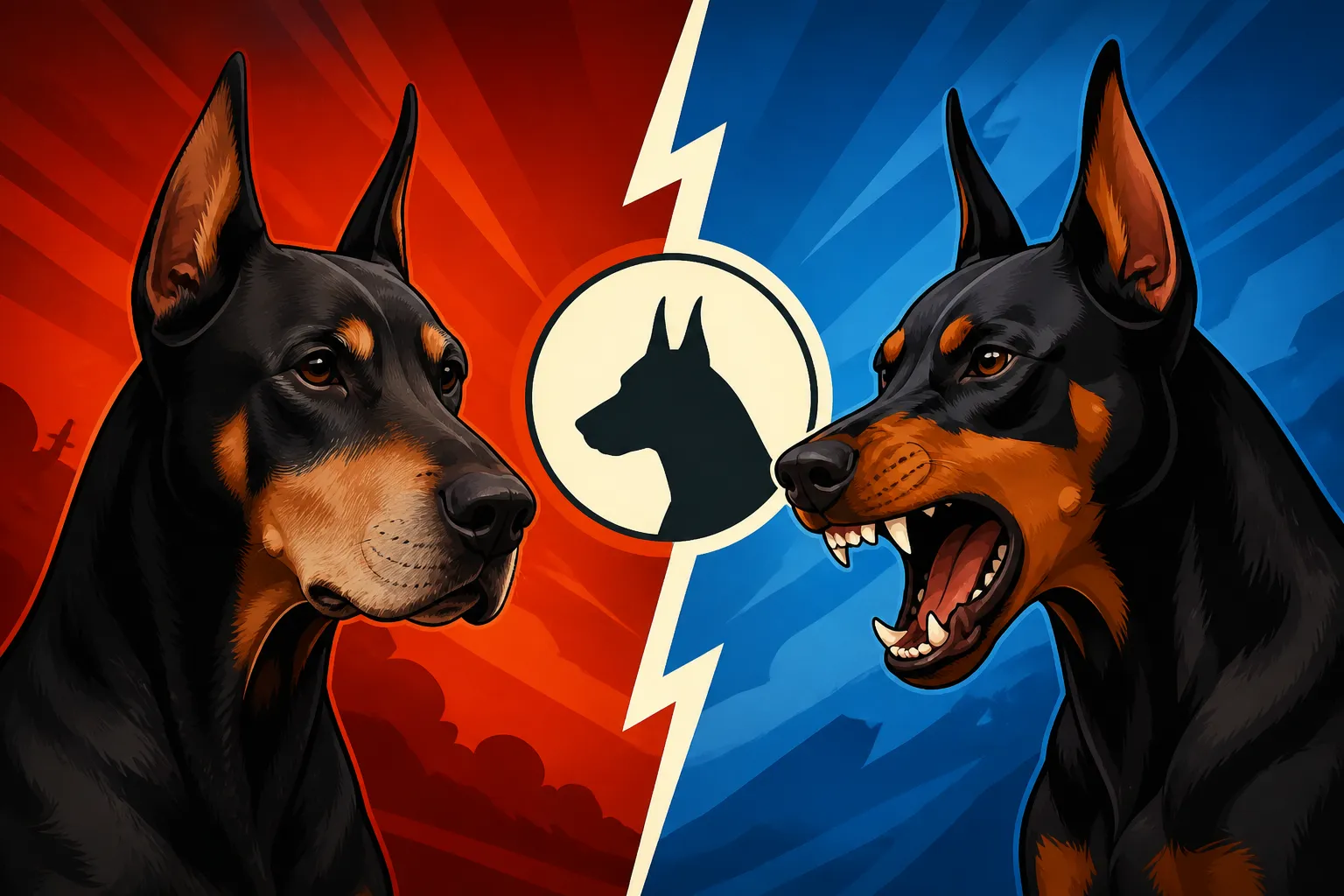
Whether Old Dobermans Were More Aggressive
It's a common misconception that Dobermans of yesteryear were universally aggressive, wild, and unpredictable dogs, a stark contrast to the loving, intelligent companions many of us share our lives with today. This perception often causes new owners to worry if they're signing up for a constant battle with a beast, or if they'll somehow "fail" to tame a naturally vicious dog. This guide will dive deep into the history and evolution of the Doberman's temperament, separating fact from fiction and shedding light on how the breed has changed and why its reputation persists.
The Early Doberman: Guard Dog by Necessity, Not Just Choice
When we talk about Dobermans of old, it's crucial to understand the context in which they were created. This wasn't a breed initially developed for cuddles on the couch or winning obedience ribbons, but for very practical, often dangerous, purposes. The foundation of the Doberman Pinscher was laid by a man with very specific needs, living in a particular time and place.
Karl Dobermann's Vision and His Environment
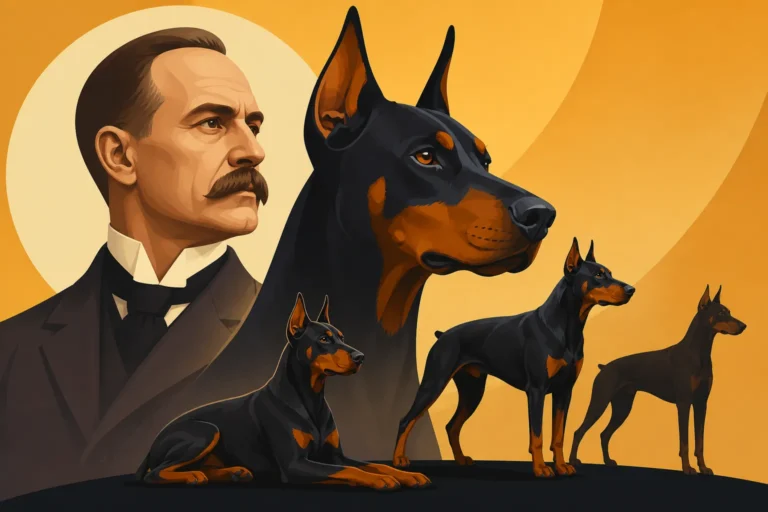
Imagine living in a town like Apolda, Germany, in the late 19th century, working as a tax collector, dog catcher, and even a night watchman. This wasn't exactly a peaceful, crime-free environment. For Karl Friedrich Louis Dobermann, the creator of our beloved breed, personal safety wasn't a luxury; it was a necessity. He regularly carried large sums of money and valuables, putting him at significant risk. He needed a dog that wasn't just big or loud, but truly fearless, intelligent, and fiercely loyal to protect him from bandits and other dangers lurking in the streets. This was the driving force behind his breeding program.
Dobermann began selectively breeding dogs he encountered through his various roles, looking for specific traits. He wasn't focused on aesthetics or conformation shows at this point; his primary goal was utility and effectiveness. He wanted a dog with unwavering courage, an innate ability to guard, and the physical prowess to back it up. The breed he envisioned had to be quick to assess threats, brave enough to confront them, and possess an indomitable spirit. This background is key to understanding the initial temperament of the Doberman – it was a dog bred for serious protection, forged in a demanding world. You can learn more about the man himself in Who Karl Friedrich Louis Dobermann Was.
The Breeds That Contributed to the Doberman's Foundation
While exact records from Dobermann's initial breeding efforts are scarce, historical accounts and educated guesses point to a fascinating mix of breeds that contributed to the Doberman's genetic makeup. It's believed that early Dobermans likely had bloodlines from old German Shepherds, German Pinschers, Rottweilers, and even Greyhounds or Weimaraners. Each of these breeds brought something unique to the table, shaping the Doberman into the formidable guardian it became.
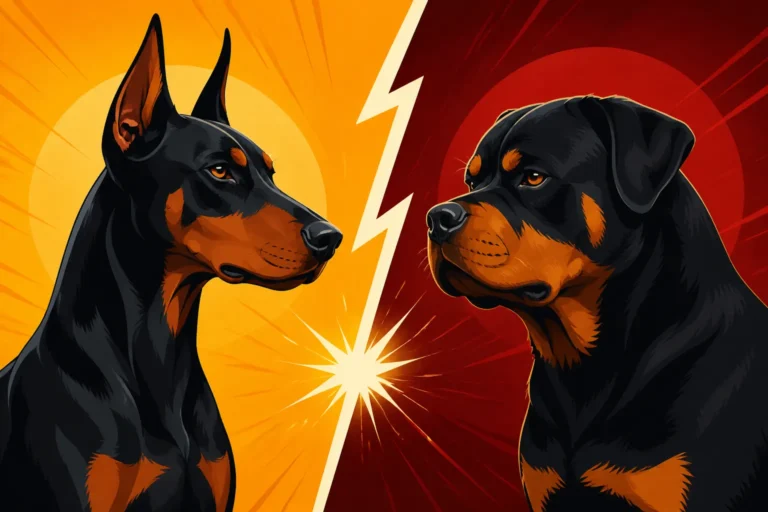
For instance, the Rottweiler likely contributed to the Doberman's powerful build, courage, and natural guarding instinct, while the German Pinscher would have added its sharp intelligence, quick reflexes, and alert nature. The sleek elegance and incredible speed often attributed to the Doberman might have come from breeds like the Greyhound, giving it an athletic edge. These foundation breeds weren't chosen for their docile nature; they were selected for their working capabilities, particularly those related to protection, hunting, and herding. This potent combination resulted in a dog that was undoubtedly brave, intelligent, and highly protective – traits that, in the wrong hands or without proper understanding, could easily be mislabeled as "aggressive." Understanding Which Breeds Went Into the Doberman helps us grasp the complex blend of traits that defined the early Doberman.
Understanding "Aggression" in Historical Context
The word "aggression" itself can be loaded, and its meaning has certainly shifted over time, especially when applied to dogs. What one era might have considered a necessary trait for a working dog, another might view as a dangerous flaw. To truly understand the historical Doberman, we need to distinguish between genuine, unprovoked aggression and the powerful protective instinct that was bred into them.
Defining Aggression Versus Protective Instinct
It's crucial to differentiate between a dog that is truly aggressive—meaning it displays unprovoked hostility, fear-based reactivity, or an unstable temperament—and one that possesses a strong, well-directed protective instinct. Early Dobermans were absolutely bred to be protectors. This meant they were expected to be watchful, to assess situations, and to act decisively when a threat was perceived. This isn't the same as indiscriminately attacking everything that moves. A truly protective dog guards its territory and its people; it doesn't typically seek out conflict without cause.
Societal expectations for dogs have changed dramatically since the Doberman's inception. In Dobermann's time, a dog that would bravely confront a mugger or deter an intruder was seen as highly valuable and effective. This "aggression" was desirable, as it meant the dog was doing its job. Today, with most Dobermans living as family pets, that same level of instinctive intensity, if not properly managed and channeled through training, could be misinterpreted or become problematic. For example, an early Doberman might have been praised for holding a stranger at bay; today, we teach our dogs to calmly accept visitors. The underlying drive to protect remains, but how we direct and control it has evolved.
The Early Working Doberman's Role
The roles that early Dobermans filled were far from the pampered pet lives many enjoy today. Beyond personal protection, Dobermans quickly gained recognition for their suitability in police work, military service, and as guardians of property. These were dogs expected to patrol, track, apprehend, and often face dangerous situations head-on. Such duties demanded a dog with immense courage, nerve, and a formidable presence.
Consider their deployment during wartime, such as the Dobermans serving with the US Marine Corps in the Pacific during World War II, famously known as the "Devil Dogs." These dogs were indispensable scouts, sentries, and messengers, often working in perilous conditions. Their bravery, intelligence, and willingness to engage with perceived threats were not just desirable but life-saving attributes. This era of the Doberman's history, explored in The Doberman's War Record, paints a picture of a dog that was tough, resilient, and utterly dedicated to its handler and mission. It's easy to see how a dog bred for such intense work could be seen as "aggressive" by someone unfamiliar with its purpose, when in reality, it was simply fulfilling its designed role with unwavering commitment.
The Evolution of Doberman Temperament Over Time
While the Doberman began as a formidable working dog, the breed's journey didn't stop there. As societies changed and the role of dogs diversified, so too did the focus of Doberman breeders, leading to a gradual shift in desired temperament. This evolution has been critical in shaping the Doberman we know and love today.
Post-War Shifts and the Desire for a Pet Doberman
The period following the two World Wars saw a significant rise in the Doberman's popularity, not just as a working dog but as a family companion. People were increasingly seeking intelligent, loyal, and protective dogs that could integrate into their homes. This growing demand for Dobermans as pets, rather than solely as guardians for dangerous occupations, naturally began to influence breeding goals. Breeders recognized that while the core protective instinct was still valued, an overly sharp or unpredictable temperament would not be suitable for a home environment with children, other pets, and frequent visitors.
Consequently, there was a conscious effort among responsible breeders to select for dogs with more stable, biddable temperaments. The goal wasn't to eliminate the Doberman's protective nature entirely, but to refine it—to produce dogs that were still courageous and alert, but also calm, adaptable, and affectionate within their family unit. This shift led to a "softening" of the breed's overall temperament, a deliberate move towards a more balanced dog that could excel in both protection work and as a beloved member of the family. The story of this transition is quite fascinating, as explored in Why the Doberman Softened After the 1950s.
The Role of Breed Standards and Responsible Breeding
Breed clubs, such as the Doberman Pinscher Club of America, have played an immense role in guiding the breed's development. Official breed standards meticulously describe not only the ideal physical characteristics but also the desired temperament. These standards typically emphasize a Doberman that is intelligent, alert, fearless, loyal, and tractable—meaning easily managed or taught. Crucially, they also often include language condemning shyness, viciousness, or hyperactivity, indicating a clear preference for a balanced and stable dog.
Responsible breeders today adhere strictly to these standards, making temperament a paramount consideration in their breeding programs. They conduct extensive health testing to mitigate genetic diseases like those discussed in The Health Testing a Doberman Breeder Must Show, but they also carefully evaluate the temperaments of their breeding stock. They look for dogs that are confident without being aggressive, keen without being nervous, and affectionate without being overly clingy. Through careful selection, early socialization of puppies, and guidance to new owners, these breeders strive to produce Dobermans that are well-adjusted, confident, and a joy to live with. This commitment ensures that the Doberman of today, while still a natural protector, is far more likely to be a stable and trustworthy companion, embodying the ideal described in The Doberman the AKC Standard Describes.
Common Misconceptions and Modern Realities
Despite the breed's evolution and the dedicated efforts of responsible breeders, the shadow of the "aggressive Doberman" still looms large in the public imagination. It's a stereotype perpetuated by various factors, often painting an inaccurate picture of the modern Doberman.
The Impact of Media Portrayal and Anecdotal Evidence
Let's face it, Hollywood loves a scary dog. For decades, the Doberman Pinscher has been typecast as the villain's menacing guard dog, the snarling beast in horror films, or the aggressive force in action movies. These dramatic portrayals, while great for cinematic tension, have deeply ingrained a powerful, often negative, image of the breed in the public consciousness. People see these fictionalized versions and assume they reflect reality, contributing to Why Dobermans Have a Frightening Reputation.
Beyond the silver screen, anecdotal evidence can also fuel misconceptions. A single story about a Doberman that was poorly bred, inadequately socialized, or improperly trained can quickly spread and reinforce the stereotype. Unfortunately, any dog, regardless of breed, can develop behavioral issues if not given the right environment, training, and care. When this happens with a Doberman, given its imposing appearance and historical reputation, it often gets amplified and generalized to the entire breed, unfairly overshadowing the vast majority of well-behaved Dobermans. It's important for prospective owners to recognize that these instances are exceptions, not the rule, and reflect poor ownership or genetics, not an inherent flaw in the breed itself.
Temperament in Today's Doberman
So, what is the modern Doberman truly like? The vast majority of Dobermans today are intelligent, highly trainable, and devoted family members. They are often described as "Velcro dogs" due to their strong bond with their owners and their desire to always be close. They possess an innate alertness and protective instinct, which means they'll certainly let you know if a stranger is at the door, but this rarely translates into unprovoked aggression. With proper socialization from a young age, such as described in Exposing a Doberman Puppy to Strangers and The Sixteen Weeks That Set a Doberman Up, they can be well-adjusted to a variety of people, places, and situations.
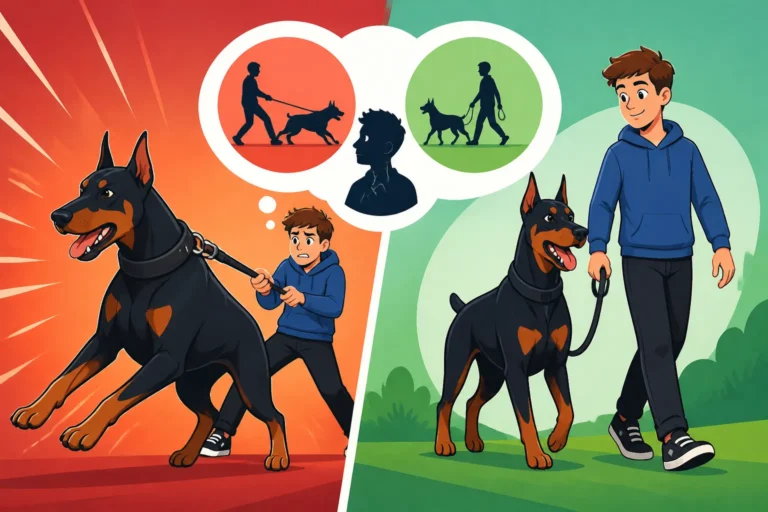
They thrive on companionship, mental stimulation, and consistent training. A well-bred Doberman, raised in a loving home, is typically confident, curious, and stable. They are excellent problem-solvers and enjoy having a "job," whether that's advanced obedience, agility, or simply being their family's watchful companion. While their guarding instinct is a core part of their being, it should always be channeled responsibly. This means teaching them appropriate boundaries and responses, rather than encouraging unchecked "aggression." The goal is always a dog that is confident, not sharp, a concept detailed further in Building a Doberman Puppy That Is Confident, Not Sharp.
Selecting a Doberman from a reputable breeder who prioritizes temperament and health is paramount. Such a breeder will be transparent about the parents' health and temperament, and actively work to produce stable, outgoing puppies. They'll also ensure you understand the commitment involved in raising such an intelligent and active breed, helping you become The Owner a Doberman Actually Needs. When choosing a breeder, look for those who socialize their puppies extensively, starting from day one, exposing them to various sights, sounds, and gentle human interactions.
For new owners, consistent training and socialization are non-negotiable. Enrolling in puppy classes and continuing with advanced obedience helps shape their natural intelligence and athleticism into a well-mannered companion. Providing ample mental and physical exercise is also key; a bored Doberman can develop unwanted behaviors. High-quality food and enrichment toys, easily found at places like Chewy, can help keep their minds and bodies healthy and engaged. The Doberman's protective nature, when correctly understood and managed, is a beautiful extension of their loyalty, offering peace of mind rather than a cause for concern. You can read more about Doberman Guarding Instinct and Where It Tips Over to further understand this critical aspect of their temperament.
| Trait Aspect | Historical Perception (Late 19th – Mid 20th Century) | Modern Reality (Late 20th Century – Present) |
|---|---|---|
| Primary Role | Personal protection, police/military work, property guardian | Family companion, loyal protector, performance dog |
| "Aggression" | Often seen as a desirable trait (courage, ferocity in defense) | Undesirable; focus on stability, controlled protective instinct |
| Temperament | "Sharp," intense, fearless, potentially less biddable | Intelligent, tractable, affectionate, confident, stable |
| Socialization | Less emphasis on broad socialization; focused on handler bond | Extensive early socialization for adaptability and confidence |
| Public Image | Fearsome, intimidating, dangerous working dog | Majestic, intelligent, sometimes misunderstood, loving family pet |
| Breeding Focus | Utility, courage, protective drive | Health, stable temperament, biddability, conformation |
Disclaimer
This article is for general informational purposes only and does not constitute professional advice. Laws, prices and regulations vary by location and change over time. Consult a qualified professional for guidance on your specific situation.