The Age Doberman Heart Disease Usually Starts
It’s a heartbreaking reality that many Doberman owners face: your beloved, seemingly healthy companion suddenly collapses or shows signs of extreme fatigue, only for you to discover they’ve been living with severe heart disease. This silent progression of Dilated Cardiomyopathy, or DCM, is a heavy burden on the breed, and understanding when it typically begins is crucial for early intervention and giving your Doberman the best possible chance. This guide aims to shed light on the common age ranges when Doberman heart disease usually starts to develop and how you can be proactive.
The Silent Threat: Understanding Doberman DCM Onset
One of the cruelest aspects of Dilated Cardiomyopathy in Dobermans is its insidious nature. It doesn't typically announce itself with obvious symptoms in its early stages. Instead, it slowly, quietly, begins to transform your Doberman's healthy heart into one that struggles to pump blood effectively. This "occult" or hidden phase can last for years, making it incredibly challenging for even the most vigilant owner to detect without specialized testing.
When the Heart Starts to Change
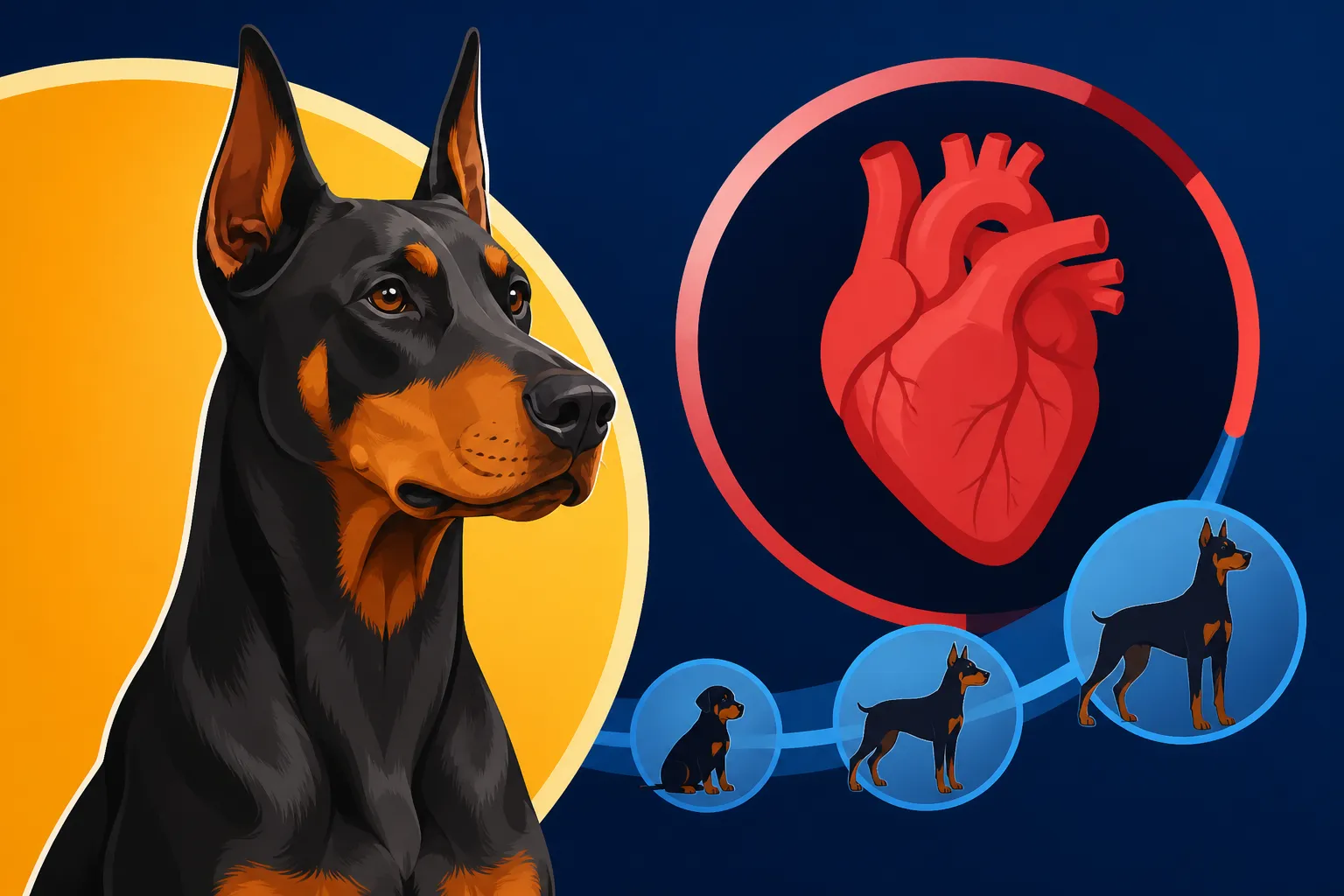
For many Dobermans, the subtle structural and electrical changes associated with DCM can begin surprisingly early, often between the ages of two and four years old. This is a tough pill to swallow because at this stage, your Doberman is usually bursting with energy, full of life, and showing absolutely no outward signs of illness. They're still zooming around the yard, eager for walks, and demanding all the cuddles, making it incredibly difficult to imagine something so serious brewing beneath the surface.
During these initial years, the heart muscle might start to thin and weaken, or irregular heartbeats (arrhythmias) might begin to occur. These aren't yet causing clinical symptoms because the heart is still able to compensate. It's like a small crack forming in a foundation – you don't notice it until the wall starts to lean. Many owners report that their Dobermans are in their prime during these years, running, playing, and acting like perfectly healthy dogs. This is why knowing that heart disease can be quietly starting at this age is so vital. It directly addresses the frustration of owners who feel blindsided when a diagnosis finally comes.
Why Early Detection is So Critical
The silent nature of early Doberman DCM is precisely why early detection is so critical. If we wait for visible symptoms like coughing, lethargy, or fainting spells, the disease is often already advanced, and treatment options become more limited. Catching DCM in its occult phase, before it progresses to overt heart failure, significantly improves the prognosis and allows for therapies that can genuinely extend your Doberman's quality of life.
Think of it this way: if a tiny leak in your roof is caught early, it’s a simple patch job. If you wait until the ceiling collapses, you’re looking at a much more extensive and costly repair. The same principle applies here. Early detection through regular screening means veterinarians can initiate medications like pimobendan, which has been shown to delay the onset of clinical signs and improve survival times. This proactive approach can buy your Doberman precious extra years of comfortable life, free from the distress of heart failure. It helps owners navigate the agonizing question of why a Doberman heart fails before anyone notices.
The "Prime Years" for DCM Development in Dobermans
While the initial changes in a Doberman's heart can start quite young, the period when DCM typically progresses to a stage where clinical symptoms become apparent is often a few years later. This is what many owners think of as the "onset" of heart disease because it's when the disease manifests in a way that truly impacts their dog's daily life.
The Typical Age Window for Clinical Signs
The consensus among veterinary cardiologists is that Dobermans commonly start showing clinical signs of DCM between four and seven years of age, though some may develop it earlier or later. This is often referred to as the "mid-life" range for Dobermans, which, given their relatively short lifespan, means it impacts them when they are still very much considered active, adult dogs. It’s a devastating age to receive such a diagnosis, as many owners expect many more years with their energetic companions.
During this window, the heart's ability to pump blood declines further, leading to symptoms like a persistent cough, increased respiratory rate, exercise intolerance (they tire faster than they used to), or even sudden fainting on a walk. Sadly, for some Dobermans, the first sign can be sudden death in a young Doberman, which is incredibly traumatic for families. While both male and female Dobermans are susceptible, some studies suggest that male Dobermans might have a slightly higher incidence and sometimes a more aggressive progression. This is a generalized observation, and every Doberman is an individual. The specific timing can vary widely, making consistent monitoring vital.
The Role of Genetics in Onset Age
The genetic predisposition of Dobermans to DCM is well-documented, and understanding it can offer some insight into why heart disease usually starts when it does. There are two primary gene variants currently identified: the DCM1 gene test explained for Doberman owners (PDK4 deletion) and the DCM2 titin variant in Dobermans. While these tests aren't definitive predictors of whether a Doberman will get DCM, they do indicate an increased risk.
A Doberman positive for one or both of these genes might be more likely to develop DCM, and potentially at an earlier age, compared to a Doberman testing clear. However, it's crucial to remember that genetics are just one piece of the puzzle. Not every Doberman with a positive gene test will develop DCM, and conversely, some Dobermans testing clear for both known variants still develop the disease. This is why a Doberman that tests clear and still gets DCM is a real concern and why genetic testing never replaces regular cardiac screening. The interplay of multiple genes, environmental factors, and lifestyle choices likely influences the exact age of onset and progression. Still, knowing the genetic background can help owners and vets be even more vigilant during those critical "prime years."
Screening Protocols: Catching DCM Before Symptoms
Given the silent nature and the typical age range for Doberman heart disease onset, proactive screening is the single most important step an owner can take. Waiting for symptoms is simply not an option if you want to give your Doberman the best chance at a longer, healthier life.
Recommended Starting Age for Cardiac Screening
Veterinary cardiologists widely recommend that Dobermans begin annual cardiac screening between the ages of two and three years old. This early start allows for a baseline assessment and helps to catch those subtle, early changes discussed previously. The two primary screening tools are the echocardiogram (echo) and the 24-hour Holter monitor.
An echocardiogram is an ultrasound of the heart that allows a cardiologist to visually assess the heart's structure, size, and function. They can see if the chambers are starting to enlarge or if the walls are thinning – crucial indicators of early DCM. The Holter monitor, on the other hand, is a wearable device that records your Doberman's heart rhythm for a full 24 hours. This test is invaluable for detecting arrhythmias, particularly premature ventricular contractions (PVCs), which are often the earliest electrical abnormalities seen in Dobermans with DCM. These PVCs can be intermittent and might not be detected during a brief in-clinic examination.
The age to start screening a Doberman's heart is not something to delay. Because Doberman heart disease usually starts silently, annual echo and Holter screening for a Doberman are paramount. Consistency is key; a single clear echo is not enough for a Doberman, as the disease can develop rapidly between screenings.
What to Do If Your Doberman is in the "Danger Zone"
If your Doberman is within that critical two-to-seven-year age range, or even approaching it, it's time to be proactive. Schedule those annual cardiac screenings with a board-certified veterinary cardiologist. Don't wait. If you don't have a cardiologist nearby, discuss getting a referral from your regular veterinarian. Many Doberman owners feel a constant knot of anxiety, wondering when their dog's heart will turn. Proactive screening is the only way to get some peace of mind or, if necessary, to begin early treatment.
Beyond screening, maintaining a healthy lifestyle for your Doberman is important, though it won't prevent genetically predisposed DCM. Ensure they have a balanced diet, maintain a healthy weight, and get regular, appropriate exercise. If a diagnosis of occult DCM is made, your cardiologist will likely discuss medication for a Doberman in the occult phase, such as pimobendan. This drug doesn't cure DCM, but it can significantly extend the symptom-free period and improve quality of life.
Financially, the cost of ongoing screening and potential long-term medication can be substantial. This is where pet insurance can be a lifesaver. Companies like Healthy Paws offer coverage for unexpected illnesses, and enrolling your Doberman before any signs of DCM appear is crucial. Once a heart condition is diagnosed, it becomes a pre-existing condition and may not be covered by new policies. Planning ahead with robust pet insurance like Healthy Paws can alleviate a huge financial burden should your Doberman need extensive cardiac care.
Beyond the "Average": Variations and Exceptions
While we talk about "average" ages for DCM onset, it's important to remember that every Doberman is an individual. There can be significant variations, and understanding these exceptions helps to maintain a comprehensive view of this complex disease.
Dobermans That Develop DCM Earlier or Later
While the mid-life years are most common, some Dobermans can indeed develop DCM much earlier, even as young as 18 months to two years, though this is less frequent. These cases of "juvenile DCM" are often particularly aggressive and heartbreaking. On the flip side, some Dobermans might not show any signs until well into their senior years, perhaps eight, nine, or even ten years old. This later onset is generally less common but can occur, highlighting that vigilance should ideally continue throughout a Doberman's life. Factors like individual genetic mutations (some yet undiscovered), environmental stressors, nutrition, and even other concurrent health issues could potentially influence these variations in onset age. For instance, a Doberman dealing with chronic inflammation from another condition might experience earlier or accelerated heart changes.
It’s a stark reminder that even if your Doberman has passed the "typical" age range for onset, ongoing monitoring, especially as they enter their senior years, remains a prudent course of action. Just because they haven't shown symptoms by age seven doesn't mean they are completely out of the woods.
The Importance of a Proactive Veterinary Relationship
Navigating the complexities of Doberman heart disease requires a strong, proactive partnership with your veterinary team. This isn't just about annual shots; it's about open communication, regular health checks, and a willingness to follow specialist recommendations. Your general veterinarian is your first line of defense, but don't hesitate to seek the expertise of a board-certified veterinary cardiologist, especially for specialized screenings and treatment plans.
They are the ones who can interpret how a Doberman heart enlarges before symptoms and understand the nuances of the breed's particular challenges. Discuss any subtle changes you notice, even if they seem minor – a slight decrease in stamina, a cough after excitement, or even just a general "slowing down." These could be the first whispers of a developing issue. Establishing this relationship early allows for consistent medical history tracking and builds trust, which is invaluable if your Doberman eventually requires long-term care. A comprehensive pet insurance plan from a provider like Healthy Paws can support this ongoing care, making sure you can afford the best possible treatment options without financial strain. It truly allows you to focus on your Doberman's health rather than the mounting bills.
The reality of Doberman heart disease is challenging, but with knowledge and proactive care, you can make a significant difference in your beloved companion's life.
Doberman DCM Onset & Screening At A Glance
| Age Range (Years) | Typical Disease Stage | Recommended Action | Key Screening Tests |
|---|---|---|---|
| 0-2 Years | Generally healthy, pre-onset | Establish baseline health, genetic testing if breeding | General Vet Check, Genetic DNA Panel |
| 2-4 Years | Early occult phase (silent changes begin) | Annual cardiac screening begins | Echocardiogram, Holter Monitor |
| 4-7 Years | Late occult phase / Clinical onset | Annual cardiac screening continues (critical) | Echocardiogram, Holter Monitor, ProBNP Blood Test |
| 7+ Years | Clinical phase or late onset | Continued regular screening, symptom management | Echocardiogram, Holter Monitor, ProBNP Blood Test |
Disclaimer
The information provided in this article is for educational purposes only and is not a substitute for professional veterinary advice. Always consult with a qualified veterinarian or veterinary cardiologist for any health concerns or before making any decisions about your Doberman's medical care.