The Doberman Years When Everything Shows Up
It’s a heartbreaking reality for many Doberman owners: you bring home this magnificent, loyal companion, full of life and boundless energy, only to know in the back of your mind that their journey might be shorter than you hope, and often punctuated by challenging health concerns. It’s not just an abstract fear; it’s a specific anxiety about when these issues might appear, leaving you constantly wondering what symptoms to watch for. This guide will walk you through the typical age ranges where common Doberman health problems tend to emerge, helping you understand what to expect and how to prepare.
The Unsettled Puppy and Adolescent Years 0-2 Years
The first couple of years with your Doberman are usually a whirlwind of growth, training, and bonding. You’re likely focused on puppy classes, socialization, and managing those gangly adolescent phases. But even in these early, seemingly carefree years, there are subtle signs and predispositions that can set the stage for later health challenges, or even manifest outright. It’s crucial not to mistake a puppy’s resilience for invincibility.
Growth Plate Issues and Joint Concerns
Dobermans grow at an astonishing rate, sometimes seemingly overnight. This rapid growth can put immense stress on their developing bones and joints, making them susceptible to conditions that might not be obvious to the casual observer. While Dobermans are not as notoriously prone to hip or elbow dysplasia as some other large breeds, it can still occur, especially if growth is unmanaged or genetics are predisposed. You might notice a slight stiffness after heavy play, a reluctance to jump, or an uneven gait. These aren't always definitive signs of serious problems, but they warrant attention from your veterinarian. Ensuring your Doberman puppy receives proper nutrition, avoiding excessive forced exercise on hard surfaces, and preventing them from becoming overweight are all crucial steps in protecting those fast-growing joints. Early detection of any discomfort can lead to better management and a more comfortable life for your athletic companion.
Early Onset Genetic Conditions
Even before your Doberman sheds their puppy fluff, certain genetic conditions can already be a factor. For instance, some Dobermans might carry a bleeding disorder called Von Willebrand Disease. While often diagnosed later, a severe case could present with excessive bleeding from a minor cut, a lost puppy tooth, or even during a routine spay or neuter surgery. If you’re seeing unusual bruising and bleeding in a Doberman, it's certainly worth investigating. Knowing your puppy’s genetic status for this condition from the breeder can alleviate immense stress. Another less common, but equally serious issue that can sometimes show up in these early years, particularly in European lines, is narcolepsy. You might observe your puppy suddenly collapsing into a deep sleep during play or excitement, only to wake up quickly once the stimulation stops. While not life-threatening, it's certainly disconcerting and requires careful management. These early years are also when conditions like Color Dilution Alopecia in Blue and Fawn Dobermans typically begin to manifest, with hair thinning and breakage starting around 6-12 months of age.
The Silent Threats of Early Adulthood 2-4 Years
As your Doberman matures into a striking, elegant adult, their energy levels might still be soaring, but beneath that sleek coat, some of the breed's most concerning health issues can begin their silent progression. These are the years where many owners feel a false sense of security, assuming a healthy, energetic dog is free from problems. Unfortunately, for Dobermans, this can be a period of critical, often invisible, changes.
The Initial Whisper of DCM
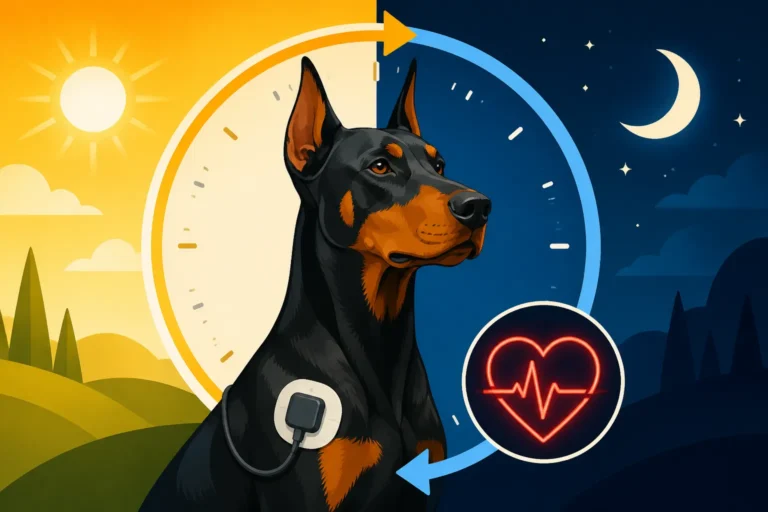
This age range is when many Dobermans begin to develop Dilated Cardiomyopathy (DCM), the heart disease that reaches most Dobermans. It's often referred to as the "occult phase" because there are typically no outward signs. Your dog might seem perfectly healthy, running, playing, and acting completely normal. However, changes are already happening within their heart muscle. This is precisely why annual echo and Holter screening for a Doberman becomes so incredibly important starting around this age. A Holter monitor, a wearable ECG device, can detect irregular heartbeats (arrhythmias), while an echocardiogram provides a detailed ultrasound image of the heart's structure and function. These tests can catch the earliest indications of heart disease before symptoms appear, offering the best chance for early intervention. You need to be proactive and advocate for these screenings, as your regular vet might not always suggest them unless they are very familiar with the breed's specific needs.
Wobbler Syndrome's Subtle Beginnings
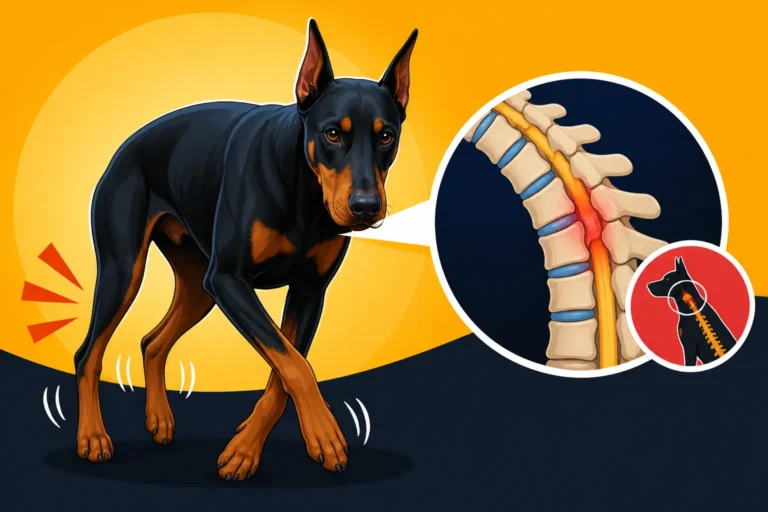
Wobbler Syndrome in the Doberman, a neurological condition affecting the neck, can also start to show its first, often subtle, signs in these early adult years. It's not always a dramatic collapse; sometimes it begins with minor changes that are easily dismissed. You might notice your Doberman walking with its head down more often, a slight scuffing of their nails on the pavement, or a subtle lack of coordination in their hind legs, almost as if they're a bit clumsy. They might struggle more with stairs or hesitate before jumping onto furniture. These initial symptoms are often intermittent and can be mistaken for minor sprains or just an awkward phase. However, as the cervical vertebrae compress the spinal cord, these signs will typically progress, becoming more pronounced and debilitating. Understanding what a Doberman MRI shows for Wobblers is crucial for diagnosis if you suspect this condition.
Von Willebrand and Other Bleeding Concerns
While severe cases of Von Willebrand Disease might appear in puppyhood, many Dobermans with milder forms might go undiagnosed until an unexpected bleeding event occurs in early adulthood. Perhaps your Doberman needs a dental procedure, or suffers a deeper cut than usual, and the bleeding seems excessive or prolonged. This can be a terrifying experience for owners and a serious complication for veterinary procedures. Ensuring you know whether your Doberman carries the bleeding gene is vital, especially before any surgery on a Doberman with a clotting problem. A simple DNA test can confirm if your Doberman is clear, a carrier, or affected, allowing you and your vet to take appropriate precautions. This knowledge can literally be life-saving.
The Peak Years of Concern: Middle Age 4-7 Years
These middle years are often when the true health challenges for Dobermans come to the forefront. The insidious nature of many Doberman-specific conditions means they often reach a symptomatic stage during what should still be their prime. It's a tough time for owners, as you've invested so much love and effort, and now you face the potential of serious illness.
The Heart Disease Escalates
This is the age range when Dilated Cardiomyopathy (DCM) often progresses from the occult phase to the symptomatic phase, making it the heart disease that takes most Dobermans. You might start noticing signs that are hard to ignore: a persistent cough that sounds like they have something stuck in their throat, a lack of stamina during walks or playtime, or even episodes where your Doberman faints on a walk. This often leads to emergency vet visits and a definitive diagnosis of heart failure. It’s a devastating diagnosis, and the question of how many Dobermans develop DCM weighs heavily on owners. While medications like Pimobendan before a Doberman shows signs can delay the onset of clinical symptoms, the progression is often relentless. The financial burden can also be significant, so having pet insurance like Healthy Paws can be a lifesaver, covering a substantial portion of these ongoing medical costs.
Liver Disease Emerges
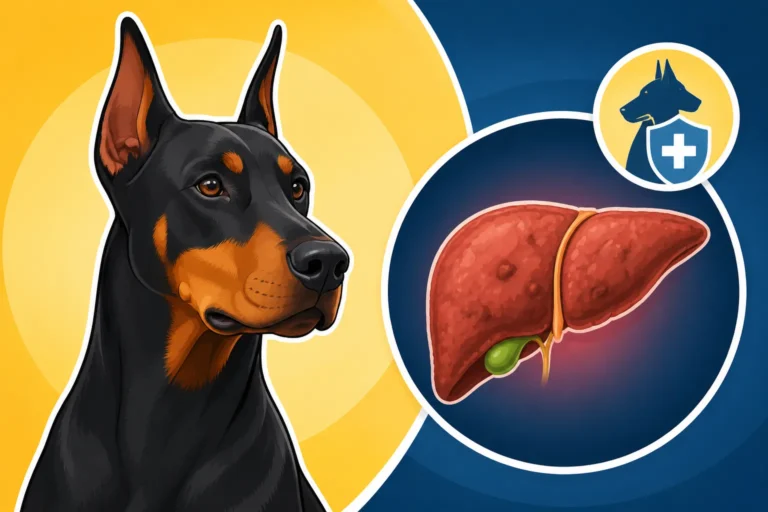
Another silent threat that can manifest in these middle years is Copper Liver Disease in Doberman Females, though it can affect males too. Dobermans have a genetic predisposition to accumulate copper in their liver, which, over time, leads to inflammation, scarring, and ultimately, liver failure. This condition often goes unnoticed for years because the liver is incredibly resilient and symptoms only appear when significant damage has occurred. You might see subtle signs like lethargy, loss of appetite, vomiting, increased thirst, or a dull coat. More severe signs, such as jaundice (yellowing of the skin and eyes) or neurological symptoms, indicate advanced disease. Regular blood panels, specifically looking at liver enzyme results in a Doberman, can sometimes flag an issue, but a liver biopsy is often needed for a definitive diagnosis. Early detection through regular screening and subsequent dietary management, like low-copper diets for a Doberman, can significantly slow the progression of this serious condition.
Hypothyroidism and Other Metabolic Shifts
Hypothyroidism, an underactive thyroid gland, is another common condition that often surfaces during these middle-aged years in Dobermans. While not as life-threatening as DCM or liver disease, it can significantly impact your dog's quality of life. Owners might notice weight gain despite no change in diet, lethargy, a dull or thinning coat, and sometimes even changes in temperament like increased anxiety or aggression. The thyroid numbers that slow a Doberman down are specific, and getting a proper diagnosis often requires a full thyroid panel, not just a basic T4 test. Thankfully, hypothyroidism is typically well-managed with daily oral medication, and you'll often see a remarkable improvement in your Doberman's energy levels and coat quality once treatment begins.
| Age Range (Years) | Common Health Concerns | Key Symptoms to Watch For | Recommended Screenings |
|---|---|---|---|
| 0-2 (Puppy/Adolescent) | Growth plate issues, Von Willebrand Disease, Color Dilution Alopecia, Narcolepsy | Stiffness, limping, excessive bleeding, hair thinning, sudden collapses | Genetic testing (vWD), routine vet checks, specialized vet consult for unusual collapses |
| 2-4 (Early Adulthood) | Occult DCM, early Wobbler Syndrome, Von Willebrand (milder cases) | No obvious signs for DCM, subtle hind leg weakness, head down posture, scuffing nails, prolonged bleeding | Annual echocardiogram, annual 24-hour Holter monitor, physical exams, vWD testing prior to surgery |
| 4-7 (Middle Age) | Symptomatic DCM, progressing Wobbler Syndrome, Copper Liver Disease, Hypothyroidism | Coughing, breathlessness, fainting, increased weakness in hind legs, lethargy, appetite changes, weight gain, dull coat | Annual echo/Holter, liver enzyme bloodwork, full thyroid panel, neurological exams |
| 7+ (Senior Years) | Advanced DCM, cancer, arthritis, cognitive dysfunction | Severe coughing, breathing difficulty, lumps/bumps, stiffness, disorientation, reduced interaction | More frequent vet checks, comprehensive bloodwork, cancer screenings, pain management assessments |
Navigating the Golden Years: Senior Dobermans 7+ Years
Watching your Doberman transition into their senior years is a bittersweet experience. They might not have the boundless energy of their youth, but their loyalty and affection deepen, becoming even more profound. However, this is also a time when many of the chronic health issues can become more pronounced, and new ones, such as various types of cancer that reach Dobermans, may emerge. This stage demands even more vigilance and a commitment to maintaining their comfort and quality of life.
Advanced Cardiac and Neurological Conditions
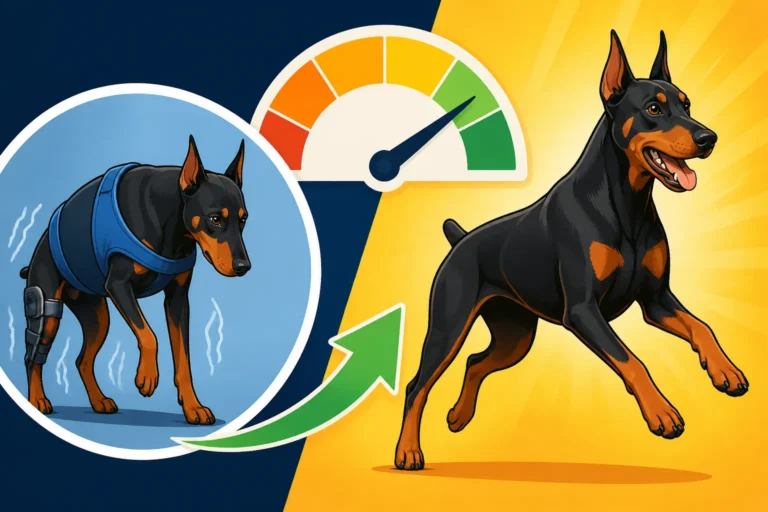
For Dobermans with DCM, the senior years often bring advanced stages of the disease, requiring more intensive management. You might be dealing with persistent fluid on a Doberman's lungs and how it is cleared, frequent trips to the vet, and adjusting medication dosages. Understanding how long a Doberman lives after a DCM diagnosis can be a difficult conversation, but focusing on comfort and managing symptoms is paramount. Similarly, Wobbler Syndrome, if present, can significantly impact mobility, leading to severe gait abnormalities and even paralysis. Managing a Doberman that cannot walk straight requires immense dedication, often involving mobility aids, physical therapy, and pain management. These conditions don't just affect the dog; they demand significant emotional and practical resources from their owners.
The Rise of Cancer and Degenerative Conditions
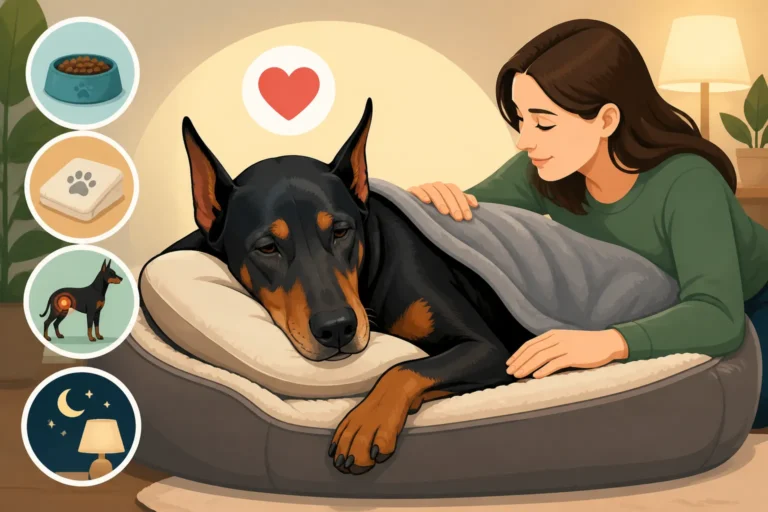
Sadly, like many large breeds, Dobermans are prone to various forms of cancer, and the risk increases significantly in their senior years. You might start noticing new lumps and bumps on their body, changes in appetite, unexplained weight loss, or lethargy. It’s crucial to have any suspicious skin lumps worth aspirating on a Doberman investigated promptly. Lymphoma, osteosarcoma, and mammary tumors are among the more common types seen in Dobermans. Beyond cancer, degenerative conditions like arthritis become more prevalent, leading to stiffness in a Doberman that used to sprint. Maintaining a healthy weight and providing supportive bedding can help, but often pain management strategies, including NSAIDs or other veterinary-prescribed medications, become necessary to keep them comfortable. It’s a time when you truly learn the value of screening an older Doberman more often.
Cognitive Decline and Quality of Life
Just like humans, Dobermans can experience cognitive decline as they age. This might manifest as disorientation, altered sleep-wake cycles, reduced interaction with family members, or house-soiling accidents in an otherwise perfectly trained dog. It's heartbreaking to see your sharp, intelligent Doberman seem lost or confused. While there's no cure, certain dietary supplements and medications can sometimes help manage the symptoms and improve their cognitive function. Ultimately, the senior years are about maximizing their comfort and dignity. Deciding when a Doberman with DCM has had enough, or when any chronic condition has robbed them of their joy, is one of the hardest decisions an owner will ever face. It's a testament to the bond you share, ensuring their final days are as peaceful and comfortable as possible.
Understanding Doberman Genetic Predispositions
The reason so many health challenges seem to "show up" at various points in a Doberman's life often boils down to genetics. While environment, diet, and lifestyle play a role, the Doberman breed has certain predispositions that are deeply ingrained in their genetic code. This isn't to say every Doberman will get every disease, but the probability is significantly higher for certain conditions compared to other breeds. Acknowledging this reality is the first step towards responsible ownership and proactive health management.
The Legacy of Selective Breeding
The Doberman breed was developed for a very specific purpose: to be a capable, intelligent, and protective companion. In the early days of breed development, the focus was heavily on temperament, working ability, and physical traits. Health screening as we know it today was non-existent. Over generations, certain genetic traits, both desirable and undesirable, became concentrated within the gene pool. For instance, the very characteristic deep, narrow chest that gives the Doberman its elegant silhouette is also a factor in why a Doberman's narrow deep chest twists, making them prone to Gastric Dilatation-Volvulus (bloat). Understanding this historical context helps us grasp why modern Dobermans carry the genetic baggage they do. It's a complex interplay of ancestry and inherited traits that shapes their unique health profile.
The Role of Genetic Testing
Thankfully, modern veterinary science has given us tools to peer into a Doberman's genetic makeup. Genetic testing for Dobermans has become an invaluable resource for both breeders and owners. For example, we have tests for the two Doberman DCM gene tests (DCM1 and DCM2), as well as a test for Von Willebrand Disease. While these tests aren't perfect predictors of disease and a Doberman that tests clear can still get DCM, they provide crucial information. For owners, knowing their dog's genetic status can inform screening schedules and help them prepare. For breeders, responsible use of genetic testing is essential for making informed breeding decisions, aiming to reduce the incidence of these devastating diseases in future generations. This is a vital part of the health testing a Doberman breeder must show. A comprehensive DNA panel can identify carriers or affected individuals for several conditions, empowering proactive choices.
When Breed Standards Impact Health
Sometimes, even aesthetic preferences in breed standards can inadvertently contribute to health issues. The desire for a certain look or structure, when taken to an extreme or combined with genetic predispositions, can create vulnerabilities. For example, the very features that define the Doberman's athletic build and striking appearance might also contribute to how susceptible they are to conditions like Wobbler Syndrome or DCM. It's a delicate balance that breeders and enthusiasts constantly navigate: preserving the essence of the breed while striving for optimal health. This constant evaluation and refinement are critical for the long-term well-being of the Doberman, pushing for healthier generations without compromising their defining characteristics.
The Non-Negotiable Role of Proactive Screening
Given the genetic predispositions and the silent nature of many Doberman health issues, a proactive approach to health screening isn't just a good idea – it's absolutely essential. Waiting for symptoms to appear often means the disease is already advanced, limiting treatment options and prognosis. Early detection, on the other hand, can significantly improve outcomes, extend quality of life, and in some cases, even prevent the worst outcomes.
Establishing a Regular Screening Schedule
For Dobermans, health screening needs to be comprehensive and consistent, especially as they enter their prime years. As discussed, annual echo and Holter screening for a Doberman starting around 2-3 years of age is critical for catching DCM in its occult phase. These tests allow cardiologists to monitor the heart's function and rhythm, identifying abnormalities before they become life-threatening. Beyond cardiac health, regular veterinary check-ups should include comprehensive bloodwork to monitor organ function, including liver enzymes and thyroid levels. For owners of blue or fawn Dobermans, regular skin checks are important to manage Color Dilution Alopecia and prevent secondary skin infections. Your veterinarian, especially one familiar with the Doberman breed, should be your partner in developing a tailored screening schedule that evolves as your dog ages. Don't be afraid to ask about specialist referrals; a board-certified veterinary cardiologist or neurologist can provide expertise that a general practitioner might not.
The Value of Early Intervention
The difference early intervention can make in a Doberman's life is profound. Take DCM, for instance. Catching it in the occult phase with annual screenings means a cardiologist can potentially prescribe medication like Pimobendan before a Doberman shows signs. Studies have shown that this can delay the onset of clinical heart failure by a significant amount, giving your Doberman more healthy, symptom-free months or even years. Similarly, catching elevated liver enzymes related to copper accumulation early might allow for dietary changes and chelation therapy before irreversible liver damage occurs. For Wobbler Syndrome, identifying the early, subtle signs can lead to management strategies like rest, anti-inflammatory medications, or even early surgical consultation, potentially preventing severe neurological deficits. Proactive screening isn't just about finding problems; it's about finding them when something meaningful can still be done.
The Importance of a Detailed Health History
Maintaining detailed records of your Doberman's health, including all screening results, genetic test outcomes, and any minor ailments, is incredibly important. This comprehensive health history becomes a vital tool for your veterinarian as your Doberman ages, allowing them to track trends, identify patterns, and make informed decisions about future care. If you ever have to switch veterinarians, or seek a specialist opinion, having all this information readily available saves time and ensures continuity of care. It's also an important part of why Doberman rescues ask about heart history when rehoming dogs – they understand the breed's specific needs and want to ensure a new owner is prepared. This diligence throughout their life journey directly impacts their chances of a longer, healthier existence.
Preparing for the Financial Realities of Doberman Health
Let's be honest: owning a Doberman is an emotional investment, but it's also a significant financial one. The breed's predispositions to serious health conditions mean that vet bills can quickly accumulate, especially during those middle and senior years when everything shows up. Ignoring this aspect is simply not realistic, and preparing for the financial realities is just as important as understanding the medical ones.
The Cost of Proactive Care
While preventive care might seem expensive upfront, it pales in comparison to the cost of emergency treatments for advanced diseases. For instance, the yearly heart bill for a Doberman, including annual echocardiograms and Holter monitors, can range from a few hundred to over a thousand dollars depending on your location and veterinary practice. However, this is usually far less than the thousands of dollars you could face for emergency care, overnight stays, and advanced medications once your Doberman is in active heart failure. Similarly, genetic testing, while an initial outlay, can save you from unexpected and costly complications down the line, such as surgery on a Doberman with a clotting problem. Think of these proactive costs as an investment in your Doberman's longer, healthier life, rather than just an expense.
The Lifeline of Pet Insurance
For Doberman owners, pet insurance isn't just a luxury; it's often a necessity. With conditions like DCM, Wobbler Syndrome, and cancer being so prevalent, the potential for high-cost treatments is very real. Companies like Healthy Paws offer comprehensive plans that can cover a significant portion of unexpected veterinary bills, from diagnostics to surgeries and medications. The key is to enroll your Doberman as early as possible, ideally before any pre-existing conditions are diagnosed. For example, insuring a Doberman before the heart turns, meaning before their first abnormal echo or Holter reading, is crucial. If you wait until a diagnosis, that condition will likely be excluded from coverage. Having a robust pet insurance policy in place provides immense peace of mind, allowing you to make medical decisions based on what's best for your Doberman, rather than being solely dictated by financial constraints.
Budgeting for the Long Haul
Even with pet insurance, there will be deductibles, co-pays, and potential out-of-pocket expenses for treatments that might not be fully covered. It's a wise practice for Doberman owners to set money aside for a Doberman's heart, or for any other potential health crisis. Creating a dedicated savings fund for veterinary care can buffer unexpected costs and ensure you're always prepared. Beyond medical bills, consider the ongoing costs of prescription diets for a Doberman, specialized supplements, or even mobility aids if your Doberman develops conditions like Wobbler Syndrome or severe arthritis. Being realistic about a Doberman's whole-life total, including routine care, screenings, and potential illness management, is an important part of responsible ownership. Financial preparedness ensures that when those challenging years arrive, you can focus entirely on providing the best possible care for your cherished companion.
Disclaimer
The information provided in this article is for general informational purposes only and is not a substitute for professional veterinary advice. Always consult with a qualified veterinarian regarding your Doberman's specific health concerns, diagnosis, and treatment options. Breed-specific health information should be discussed with your vet to create a personalized health plan for your dog.