Bald Patches on a Doberman Puppy’s Face
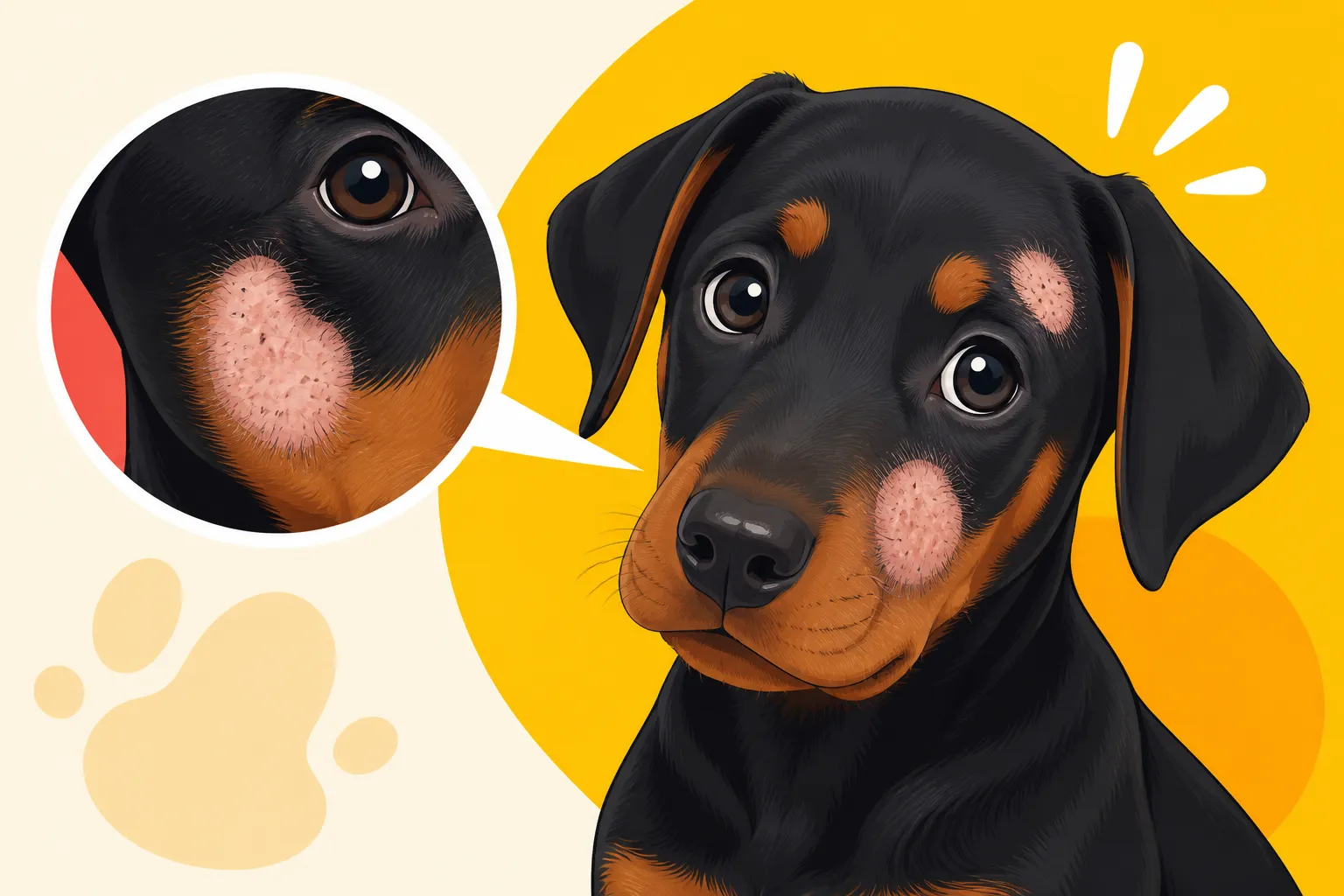
Spotting bald patches on your precious Doberman puppy's face can send any owner into a panic. It's truly unnerving to see their sleek, dark coat marred by areas of hair loss, especially when they're so young and you expect them to be in peak puppy health. This guide is here to walk you through the common reasons behind these unsettling patches, what they might mean, and how you can work with your veterinarian to get your puppy looking and feeling their best again.
Understanding Common Doberman Puppy Skin Issues
Bringing home a Doberman puppy is a joyous occasion, filled with visions of their sleek, powerful physique and intelligent gaze. So, when you start noticing something amiss with their coat, particularly bald patches on their sweet little face, it’s completely understandable to feel a wave of worry. Dobermans, with their short, single coat, don't hide skin issues well, which can make even minor problems seem more dramatic than they might be on a longer-haired breed.
The Delicate Nature of Puppy Skin
Think about human babies – their skin is incredibly sensitive, prone to rashes, irritation, and breakouts. Puppy skin, especially for a rapidly growing Doberman, is no different. Their immune systems are still developing, they're encountering a whole new world of environmental allergens and irritants, and their hormones are starting to fluctuate. This cocktail of factors means that puppy skin is often a battleground for various minor woes. A Doberman puppy's skin is also quite thin compared to some other breeds, making it more susceptible to superficial trauma or easily showing underlying issues. You might notice little scrapes or tears more easily, and any inflammation becomes very apparent.
Why Bald Patches are Alarming for Doberman Owners
For a Doberman owner, the sight of bald patches, especially on the face, is particularly alarming. Their defining features include that strong, elegant head and a short, lustrous coat. Any disruption to this can feel like a sign of something seriously wrong. We often associate hair loss with chronic illness or severe conditions, and with Dobermans being prone to various health concerns, it's easy for our minds to jump to the worst-case scenario. However, many facial bald spots in puppies are actually due to relatively common and treatable issues. The concern is real, though, because early intervention is always best, and you want to ensure your puppy's comfort and long-term health. Knowing what to look for and when to seek professional help is key to navigating these initial worries.
Common Causes of Bald Patches on a Doberman Puppy's Face
When you see those distinct bald spots, it's natural to immediately wonder, "What on earth is causing this?" While the specific culprit requires a vet's keen eye and diagnostic tools, several common issues frequently lead to hair loss on a Doberman puppy's face.
Puppy Acne and Folliculitis
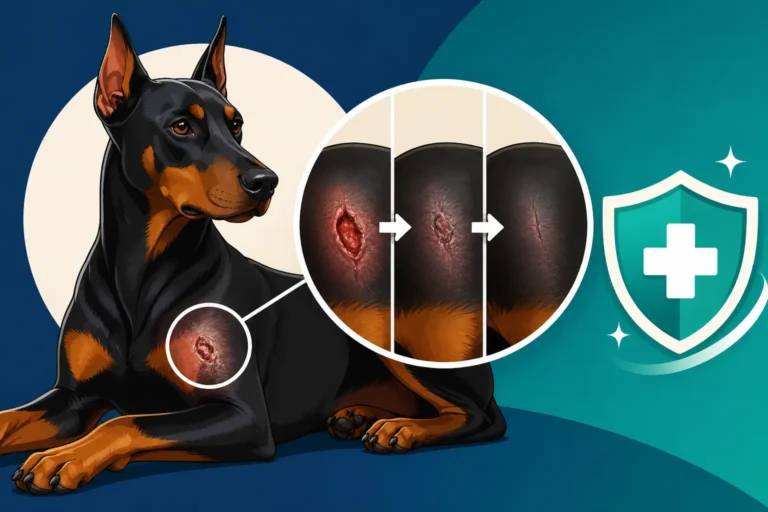
Just like human teenagers, Doberman puppies can get acne! This condition, known as puppy folliculitis, occurs when hair follicles become inflamed and infected, often with bacteria. You'll typically see it on the chin, around the muzzle, and sometimes on the lips. It might manifest as small red bumps, pustules (like pimples), or blackheads, and if severe or itchy, your puppy might scratch at it, leading to hair loss in those areas. The friction from eating out of bowls, rubbing their face on things, and general puppy clumsiness can exacerbate it. Dobermans, with their short, stiff facial hair, can be particularly prone to these blocked and inflamed follicles. It’s not usually serious, but it can be uncomfortable for your pup and definitely an eyesore.
Demodectic Mange Demodex
This one often sounds scarier than it is! Demodectic mange is caused by Demodex canis mites, which are microscopic cigar-shaped critters that actually live on the skin of all dogs, and usually don't cause any problems. However, in puppies with underdeveloped or compromised immune systems, these mites can multiply excessively, leading to hair loss. The good news is, it's generally not contagious to other animals or humans.
On a Doberman puppy, focal (localized) demodectic mange often first appears as bald patches around the eyes, on the forehead, or around the mouth. The skin might look a bit red or scaly, but usually isn't very itchy unless a secondary bacterial infection sets in. Generalized demodex, which affects larger areas, is less common in young puppies but can occur. A veterinarian diagnoses demodectic mange by taking a skin scrape – gently scraping the skin surface to collect mites, which are then viewed under a microscope. Treatment is typically very effective for localized cases, often involving topical medications, or oral medications for more widespread issues. For a Doberman that develops a skin infection as a result, a veterinarian might also prescribe antibiotics. This is a common diagnosis for Skin Infections in a Bald Doberman.
Allergic Reactions and Irritations
Our Doberman puppies are exposed to so many new things, and sometimes their bodies just don't agree with them. Allergic reactions can absolutely lead to bald patches on the face, usually accompanied by redness, itching, and inflammation.
- Contact Allergies: This is a big one for the face. Think about what your puppy's face touches regularly: their food bowl (especially plastic bowls that can harbor bacteria), bedding, cleaning products on the floor, certain plants in the yard, or even harsh chemicals used for grooming. If your puppy has a reaction, they'll often rub or scratch their face incessantly, leading to hair loss.
- Food Allergies: While less common for facial-only baldness, food allergies can sometimes manifest with skin issues, including itching and subsequent hair loss. If the bald patches are accompanied by ear infections, paw licking, or digestive upset, food could be a factor.
- Environmental Allergies: Pollen, dust mites, or mold can also trigger allergic reactions. While these often cause generalized itching, they can certainly affect the face, leading to rubbing and baldness. Identifying and removing the allergen is key, which might involve switching food bowls from plastic to stainless steel, using hypoallergenic bedding, or changing cleaning products.
Fungal Infections Ringworm
Despite its name, ringworm isn't actually a worm, but a common fungal infection of the skin, hair, and nails. It's highly contagious to other pets and humans, making it something you want to diagnose and treat quickly. On a Doberman puppy, ringworm typically appears as circular patches of hair loss, often with a reddish, scaly, or crusty border. The center of the lesion might look bald and flaky. These lesions can be itchy, leading to more scratching and further hair loss.
Ringworm can be diagnosed by your vet using a special UV light (a Wood's lamp), though not all types of ringworm fluoresce. The most definitive test is a fungal culture, where hair and skin samples are cultured in a lab for several days. Treatment usually involves a combination of topical antifungal creams or shampoos and, in more severe cases, oral antifungal medications. If your Doberman's coat loss is widespread, a vet might recommend Medicated Baths for a Doberman With Coat Loss.
Trauma or Friction
Sometimes, the simplest explanation is the right one. Doberman puppies are active, curious, and sometimes a little clumsy. Bald patches on their face can simply be the result of physical trauma or constant friction.
- Rubbing: Does your puppy frequently rub their face on the carpet, furniture, or the bars of their crate? This constant abrasion can wear away hair, leading to bald spots.
- Play: Rough play with littermates or other pets can result in minor scrapes or nips that temporarily cause hair loss.
- Collars and Leashes: An ill-fitting collar or a harness that rubs against their face during walks can also cause irritation and hair thinning. Even simply wearing a muzzle too often or one that doesn't fit correctly can lead to hair loss around the muzzle area.
Observing your puppy's daily habits can often provide clues for these types of bald spots.
Less Common, More Serious Causes to Consider
While the majority of facial bald patches in Doberman puppies are due to common, easily treatable conditions, it's important to be aware that there are other, more serious causes, though they are much rarer. Your vet will rule these out if initial treatments aren't effective or if your puppy presents with unusual symptoms.
Zinc-Responsive Dermatosis
This condition is exactly what it sounds like: a dog's skin not responding normally to zinc, either due to a dietary deficiency or, more commonly, an inability to properly absorb or metabolize zinc. Certain breeds, including Dobermans, can be predisposed to this. When it occurs, it often manifests as crusting, scaling, and hair loss, particularly around the eyes, muzzle, ears, and pressure points. It can be quite uncomfortable and even painful for the puppy.
While relatively rare in Doberman puppies, especially if they are on a high-quality, balanced diet like Feeding an Eighty-Pound Doberman Well, it's something a vet might consider if other, more common causes are ruled out. Diagnosis often involves a skin biopsy and a good dietary history, and treatment typically involves zinc supplementation, which can dramatically improve the condition.
Autoimmune Skin Conditions
In very rare and persistent cases of facial baldness, particularly if accompanied by other systemic signs of illness, an autoimmune skin condition might be at play. These conditions occur when the body's immune system mistakenly attacks its own healthy skin cells, leading to inflammation, hair loss, and various other skin lesions.
Examples include pemphigus foliaceus or discoid lupus erythematosus. These are complex conditions that usually require specialized diagnostic tests, such as skin biopsies sent to a veterinary dermatopathologist. Treatment often involves immunosuppressive medications. The good news is these are generally seen in older dogs, but it's not impossible for a puppy to develop one. If your vet is struggling to find a diagnosis, they may refer you to a veterinary dermatologist. This is where having pet insurance like Healthy Paws can truly alleviate the stress of unexpected specialist costs.
Early Onset Color Dilution Alopecia CDA
This one is specific to Dobermans with "dilute" coat colors, namely blue and fawn. Color Dilution Alopecia (CDA) is a genetic condition where the hair follicles in dilute-colored dogs don't develop properly, leading to brittle hair that breaks easily or simply doesn't grow. While CDA most commonly becomes noticeable as patchy hair loss and thinning across the body when a Doberman is a bit older (typically six months to three years), some puppies can show very early signs, including some localized thinning on the face.
If your Doberman puppy is blue or fawn and you're seeing hair loss, especially if it's not itchy or red, your vet might consider CDA as a possibility. It's a diagnosis made by examining the hair shafts under a microscope or, more definitively, through a skin biopsy. Unfortunately, there's no cure for CDA, but management focuses on preventing secondary skin infections and keeping the skin healthy. For a more in-depth look, you might want to read about Thinning Coat on a Blue Doberman Puppy or The Age a Blue Doberman Starts Losing Hair.
Diagnosing and Treating Facial Bald Patches
Dealing with bald patches on your Doberman puppy's face can feel overwhelming, but a systematic approach with your veterinarian will lead to answers and appropriate treatment.
The Importance of a Vet Visit
I cannot stress this enough: please do not try to self-diagnose or treat your Doberman puppy's bald spots with home remedies. While it's tempting to try and fix it yourself, misdiagnosis can delay proper treatment, allowing a minor issue to become more severe or contagious. A veterinarian is equipped with the knowledge and tools to accurately identify the underlying cause. They'll start with a thorough physical examination, ask detailed questions about your puppy's history, diet, environment, and any other symptoms you've observed. This initial consultation is crucial for narrowing down the possibilities.
Diagnostic Tests Your Vet Might Recommend
Based on their initial assessment, your vet will likely recommend one or more diagnostic tests to pinpoint the problem. These tests are usually quick and minimally invasive.
| Test Type | What It Involves | What It Diagnoses |
|---|---|---|
| Skin Scrape | Gently scraping the skin surface to collect cells. | Mites (like Demodex). |
| Fungal Culture | Collecting hair/skin samples and growing them in lab. | Ringworm (fungal infections). |
| Cytology | Swabbing the skin to examine cells under microscope. | Bacterial or yeast infections, inflammatory cells. |
| Wood's Lamp Exam | Using a special UV light on the affected skin. | Some types of ringworm will fluoresce. |
| Allergy Testing | Blood tests or intradermal skin tests. | Environmental or food allergies (less common for acute bald patches). |
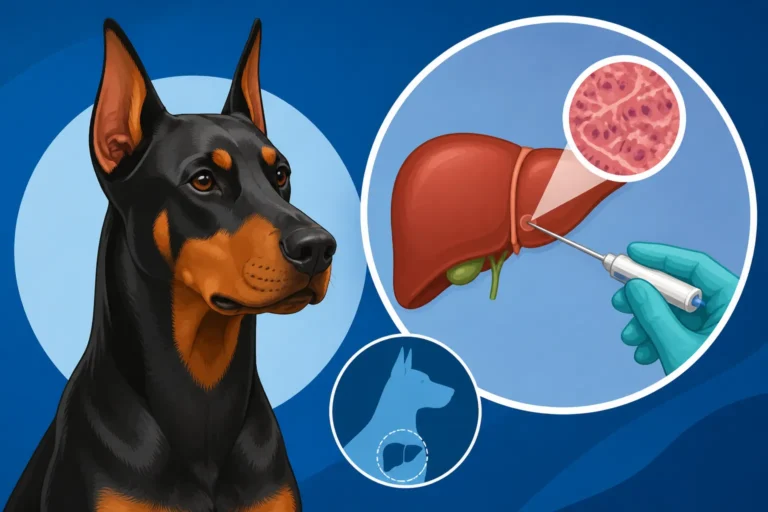
| Skin Biopsy | Taking a small tissue sample for lab analysis. | Autoimmune conditions, persistent or unusual cases. |
These tests help your vet move from a list of possibilities to a definitive diagnosis, allowing for targeted and effective treatment.
Treatment Options Based on Diagnosis
Once the diagnosis is clear, your vet will prescribe a tailored treatment plan. This could involve a variety of approaches:
- Topical Treatments: For issues like puppy acne or mild fungal infections, medicated shampoos, wipes, or ointments are often prescribed. These might contain antibacterial, antifungal, or anti-inflammatory ingredients. It's crucial to follow the instructions precisely to ensure effectiveness and avoid further irritation.
- Oral Medications: For more widespread infections (bacterial or fungal), or for conditions like demodectic mange, oral antibiotics, antifungals, or anti-parasitic medications may be necessary. Zinc supplementation would be used for zinc-responsive dermatosis.
- Dietary Adjustments: If a food allergy is suspected, your vet might recommend a prescription hypoallergenic diet or a novel protein diet for a trial period. This can be a game-changer for Dobermans with sensitivities.
- Environmental Changes: Simply changing plastic food bowls to stainless steel, washing bedding more frequently, or using a gentler laundry detergent can make a huge difference if contact allergies are the cause.
It's important to remember that treatment takes time, and consistency on your part is vital. Don't stop medication just because the patches start to look better; complete the full course as directed by your vet. While these unexpected vet bills can be a bit of a shock, having pet insurance like Healthy Paws can really help take the edge off, ensuring you can provide your puppy with the best care without financial strain.
Preventing Future Bald Patches and Promoting Healthy Skin
Once you've tackled the immediate issue of bald patches on your Doberman puppy's face, your focus will naturally shift to prevention and maintaining their beautiful, healthy coat. Proactive care is truly the best defense when it comes to skin health.
Maintaining Good Hygiene and Environment
A clean environment and good hygiene practices are fundamental for healthy skin. For Doberman puppies, this means:
- Clean Bowls: Always use stainless steel or ceramic food and water bowls. Plastic bowls can harbor bacteria and microscopic scratches that can irritate your puppy's chin, exacerbating or even causing conditions like puppy acne. Wash them daily with hot, soapy water.
- Clean Bedding: Regularly wash your puppy's bedding using a mild, unscented detergent. This helps reduce allergens, mites, and bacteria that can irritate their delicate skin.
- Gentle Grooming: Dobermans have a short, low-maintenance coat, but occasional bathing with a gentle, vet-approved shampoo is beneficial, especially if they get particularly dirty or have skin sensitivities. Avoid harsh chemical cleaners or grooming products. If you notice Flaky Skin Along a Doberman's Back, your shampoo choice might be a factor.
- Hazard-Free Environment: Check your home and yard for potential irritants or sharp objects your puppy might rub against or injure themselves on. Secure crate bars if your puppy is rubbing their face on them.
Optimal Nutrition and Supplements
What goes into your Doberman puppy's body directly impacts their skin and coat health.
- High-Quality Diet: Ensure your puppy is eating a high-quality, nutritionally complete and balanced puppy food appropriate for large breeds. Good nutrition provides the building blocks for healthy skin and hair. For adult Dobermans, ensuring they are Feeding an Eighty-Pound Doberman Well is key for long-term health.
- Omega Fatty Acids: Many vets recommend supplementing with omega-3 and omega-6 fatty acids (found in fish oil) for dogs with sensitive skin or to promote a healthy coat. These can reduce inflammation and improve skin barrier function. Discuss appropriate dosages with your vet.
Regular Health Checks and Early Intervention
Regular veterinary check-ups are not just for vaccinations; they're vital for monitoring your Doberman puppy's overall health, including their skin. Your vet can spot subtle changes you might miss and address potential issues before they become severe.
- Consistent Vet Visits: Stick to your vet's recommended schedule for check-ups. These visits are opportunities to discuss any concerns, even minor ones.
- Be Observant: Get into the habit of routinely checking your Doberman's skin and coat, paying close attention to areas like the face, ears, and belly. Look for any redness, bumps, flaking, or hair loss. The sooner you notice something, the sooner it can be addressed.
- Breeder Responsibility: A responsible breeder will have performed extensive The Health Testing a Doberman Breeder Must Show and should provide you with Reading a Doberman Puppy's Test Certificates. This background knowledge can help you and your vet understand any genetic predispositions your Doberman might have to certain health issues, including some skin conditions.
Having pet insurance like Healthy Paws can also provide immense peace of mind. Knowing that unexpected vet visits, diagnostic tests, or specialist consultations are largely covered allows you to seek early intervention without hesitation, which is critical for preventing minor skin issues from escalating.
Choosing a Reputable Breeder
The foundation of your Doberman puppy's health often starts with responsible breeding practices. A reputable breeder is deeply invested in the health and temperament of their lines. They will:
- Health Screen Parents: Good breeders will screen their breeding stock for genetic conditions common in Dobermans, some of which can predispose puppies to skin issues or immune system weaknesses. While not all skin conditions are genetic, a healthy genetic background contributes to overall robustness.
- Provide a Healthy Environment: Puppies from reputable breeders are raised in clean, stimulating environments, which contributes to their developing immune systems and reduces early exposure to disease-causing pathogens or allergens.
- Offer Support: A responsible breeder will be a valuable resource for advice and support throughout your Doberman's life, especially during the puppy stages. They can often provide insights into common issues seen in their lines or offer guidance on early care.
Living with a Doberman Puppy with Sensitive Skin
It can be really frustrating when your Doberman puppy seems to have one skin issue after another. You want them to be healthy and comfortable, and it's tough when you're constantly monitoring for new patches or dealing with lingering irritations. It's important to remember that you're not alone in this journey.
Patience and Persistence
When you're dealing with bald patches, it's easy to want a quick fix. However, many skin conditions, especially those related to allergies or underlying sensitivities, require patience and persistence. It might take several weeks for hair to regrow even after the underlying issue is resolved. You might also go through a process of trial and error with your vet to find the most effective treatment or management plan. Don't get discouraged if the first treatment doesn't work perfectly; it's a marathon, not a sprint. Consistency with medication, environmental changes, and follow-up vet appointments is key to seeing lasting improvement.
When to Seek Specialist Advice
While your general practice veterinarian is an excellent first line of defense, there are times when a specialist's expertise becomes invaluable. If your Doberman puppy's bald patches are persistent, recurrent, or don't respond to standard treatments, your vet might recommend a referral to a veterinary dermatologist. These specialists have advanced training in diagnosing and treating complex skin conditions, and they have access to more specialized diagnostic tools and treatment options.
Don't hesitate to discuss a referral with your vet if you feel stuck. Specialists can offer a fresh perspective and often uncover underlying issues that are difficult to identify in a general practice setting. This is another area where having comprehensive pet insurance like Healthy Paws can make a significant difference, as specialist consultations and advanced diagnostics can incur substantial costs. You want to ensure your pup gets the best possible care without worrying about the bill.
Emotional Support for Owners
Seeing your Doberman puppy struggle with health issues, even seemingly minor skin problems, can take an emotional toll on you as an owner. You might feel guilty, worried, or even a bit overwhelmed by the constant care and vet visits. Please know that these feelings are completely normal.
Connect with other Doberman owners through breed clubs, online forums, or local meet-ups. Sharing experiences and advice can be incredibly supportive. Remember that Dobermans, while magnificent, do have their predispositions to certain health challenges, and skin issues are among them. Focus on what you can control: providing the best possible care, a healthy environment, and a loving home. Your Doberman puppy relies on you, and your dedication will make all the difference in their quality of life. Understanding topics like The Doberman Years When Everything Shows Up can also help contextualize why certain issues might appear at different life stages.
Disclaimer
This article is for general informational purposes only and does not constitute professional advice. Laws, prices and regulations vary by location and change over time. Consult a qualified professional for guidance on your specific situation.