Thinning Coat on a Blue Doberman Puppy
Watching your beautiful blue Doberman puppy start developing a thinning coat can be an incredibly worrying experience, often accompanied by frustration and a search for answers. It's disheartening to see their sleek, distinctive fur lose its luster and thickness, leaving patches of sparse hair or even bare skin. This comprehensive guide aims to shed light on why blue Doberman puppies are particularly susceptible to coat thinning, primarily due to a genetic condition known as Color Dilution Alopecia (CDA), and how you can best care for your beloved companion.
Understanding Color Dilution Alopecia in Blue Dobermans
The stunning, unique blue coat of a Doberman is undeniably eye-catching, but it comes with a heightened risk for specific dermatological challenges, most notably Color Dilution Alopecia. This isn't just a cosmetic issue; it's a genetic condition that impacts the health and integrity of their hair and skin.
What is Color Dilution Alopecia?
Color Dilution Alopecia, often referred to simply as CDA, is a hereditary skin condition primarily affecting dogs with "dilute" coat colors, such as blue (diluted black) and fawn (diluted red). It's a genetic fault that causes abnormal melanin distribution in the hair shaft. Instead of the pigment being evenly distributed, it clumps together, making the hair shafts brittle and prone to breakage. Imagine the hair shaft as a tiny pipe: in a dog with CDA, the pipes are weak and easily snap, leading to hair loss. This issue is rooted deep within their genetic makeup, specifically related to the gene that causes pigment dilution.
This isn't an infectious disease or something caused by poor diet alone, although nutrition can certainly impact overall coat health. It's an inherent fragility in the hair structure itself, making the hair follicles more susceptible to damage and preventing new hair from growing properly. Over time, this leads to the characteristic thinning and eventual baldness that many owners observe. It's crucial for owners of blue or fawn Dobermans to understand this underlying genetic component, as it informs the entire approach to managing the condition.
Why Blue Dobermans are Prone to CDA
Blue Dobermans inherit a specific recessive gene, often denoted as 'dd', which dilutes their black pigment to a slate blue or grey. While aesthetically pleasing, this same gene is intricately linked to the development of CDA. The dilution process, which changes the appearance of the coat, also unfortunately interferes with the normal formation of the hair shaft and its pigment granules. These pigment granules, or melanosomes, become irregularly clumped within the hair, rather than being smoothly dispersed.
This clumping creates structural weaknesses along the entire length of the hair, making it extremely fragile. Think of it like a chain with weak links; any stress can cause it to break. Even normal grooming or everyday friction can cause these delicate hairs to fracture and fall out. The hair follicles themselves can also become dysfunctional, leading to abnormal hair growth cycles where new hair either doesn't grow in as robustly or stops growing altogether. It’s a systemic issue tied directly to the very gene that gives them their distinctive color, making blue Dobermans inherently predisposed to this coat challenge. Owners should also be aware of the implications of "Color Dilution Alopecia in Blue and Fawn Dobermans" as this condition is not exclusive to blue coats.
When Does Thinning Usually Begin in Blue Doberman Puppies?
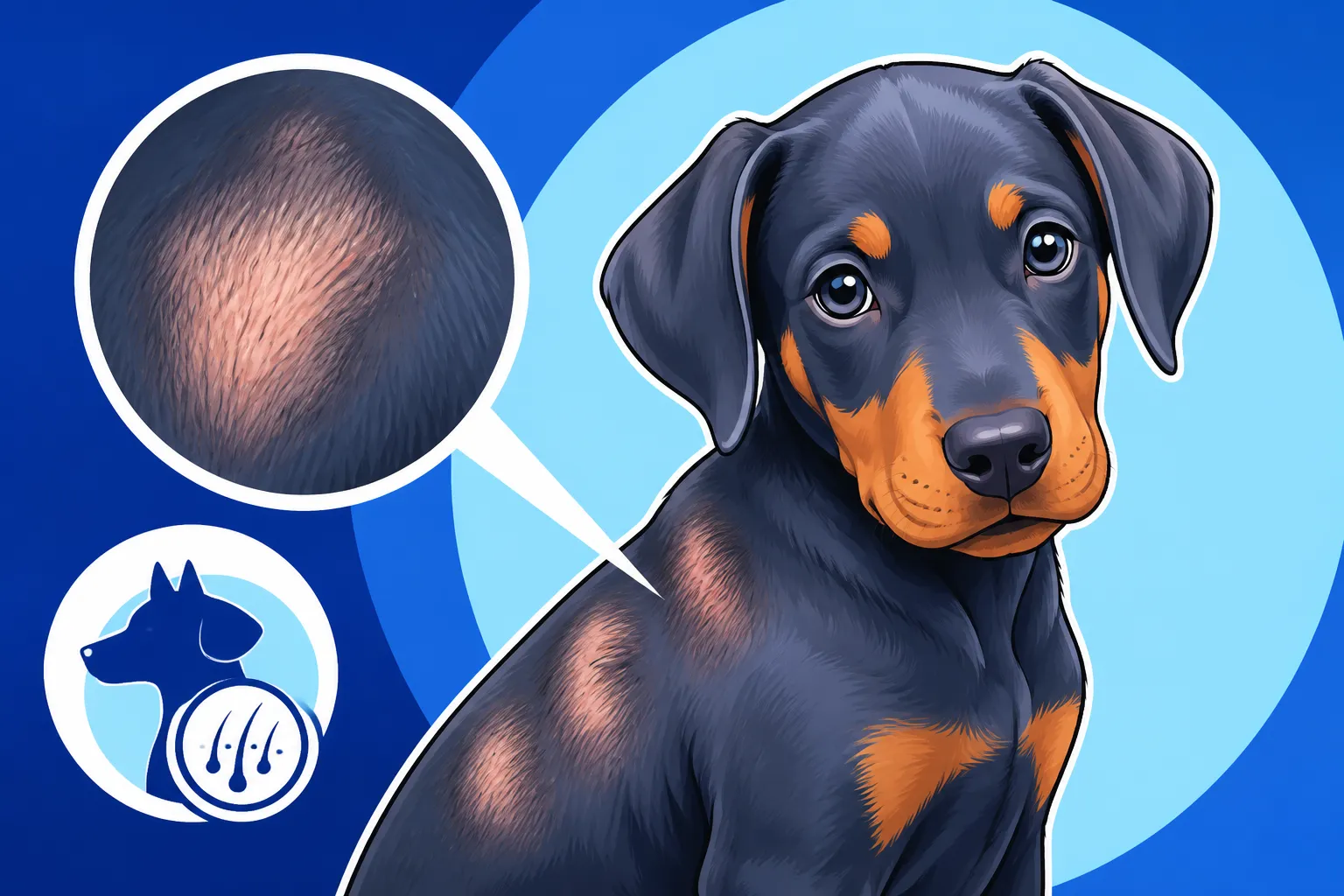
One of the most distressing aspects for owners is often seeing the thinning coat on a blue Doberman puppy at such a young age. While CDA can manifest at any point, it often starts to become noticeable as early as four to six months of age, or sometimes a bit later, around the one to two-year mark. It doesn't typically appear right when they're born; rather, it emerges as their permanent coat starts to come in.
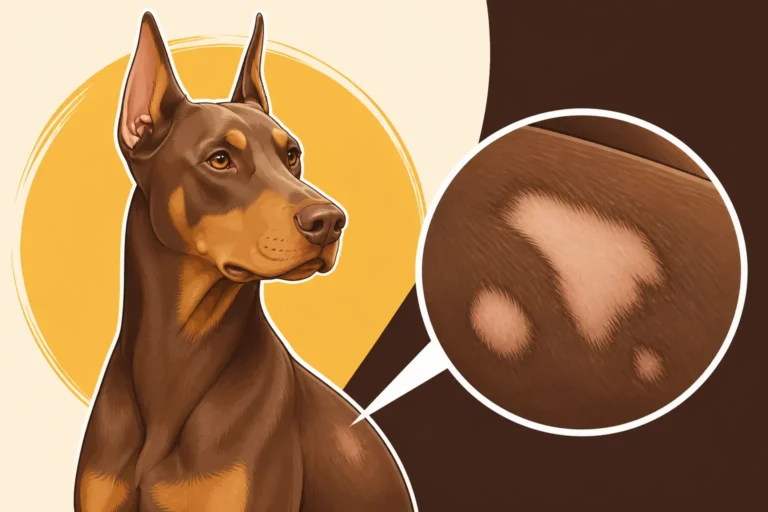
Initially, you might notice a dullness to the coat, a lack of the usual Doberman shine. Then, the first signs of thinning usually appear along the back, flanks, and chest, sometimes starting as small, localized patches before becoming more widespread. The hair may feel coarse or brittle to the touch, and you might see an increase in shedding, though the hairs that fall out are often short and broken. Over time, these areas can progress from merely thin to significantly bald, often leaving the skin exposed and vulnerable. This progressive nature is what makes early recognition and management so important for your growing Doberman. Understanding "The Age a Blue Doberman Starts Losing Hair" is key for proactive care.
Recognizing the Signs of CDA Beyond Just Hair Loss
It’s easy to focus solely on the visible hair loss, but CDA presents a range of symptoms that extend beyond just a thinning coat. Being observant of these other indicators can help you seek a diagnosis and start managing the condition sooner, potentially preventing more severe complications.
Early Indicators to Watch For
Beyond the obvious thinning, there are several subtle early indicators that a blue Doberman puppy might be developing CDA. Often, the very first sign isn't outright baldness, but a change in the quality of the existing coat. You might notice that your puppy's beautiful blue coat seems duller than it should, lacking the characteristic Doberman sheen. The hair might feel unusually dry, brittle, or coarse to the touch, rather than soft and sleek.
Another common early warning sign is the development of dry, flaky skin underneath the thinning coat. This dryness can lead to itching, causing your puppy to scratch or rub more frequently, which in turn exacerbates hair breakage and loss. Pay close attention to any small bumps or pustules on the skin, particularly in areas where the hair is sparse. These can be the beginning of secondary bacterial skin infections, which are a very common complication of CDA. These tiny indicators, often overlooked, are crucial cues that something deeper is affecting your Doberman's skin health.
Differentiating CDA from Other Skin Conditions
Diagnosing CDA can be tricky because many other common skin conditions in puppies can mimic its symptoms. Allergies, whether environmental or food-related, can cause itching, redness, and hair loss. Parasites like demodectic mange mites are another frequent culprit for patchy hair loss, particularly around the face and legs. Fungal infections, such as ringworm, can also lead to circular patches of hair loss and flaky skin. Nutritional deficiencies, though less common as a primary cause in well-fed puppies, can impact coat quality.
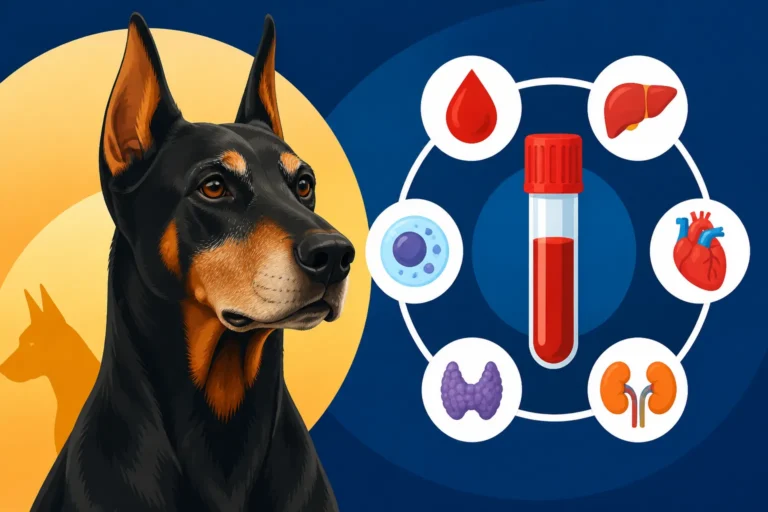
To differentiate CDA, a veterinary diagnosis is essential. Your vet will likely perform a thorough physical exam, skin scrapings to rule out mites, fungal cultures, and possibly allergy tests. For a definitive diagnosis of CDA, a skin biopsy is often recommended. This involves taking a small tissue sample from an affected area, which is then examined under a microscope. The characteristic clumping of melanin granules within the hair shafts and follicles, along with other specific cellular changes, confirms the presence of CDA. Without this careful diagnostic process, you might be treating the wrong issue, leading to continued frustration and discomfort for your puppy.
The Progression of Coat Thinning
The progression of coat thinning in a Doberman with CDA is typically gradual but relentless. It rarely happens overnight. Initially, as mentioned, you might observe a dulling of the coat and some increased breakage, especially in areas subjected to friction, such as the collar area or where they frequently lie down. Over several months, the thinning becomes more pronounced, often starting on the back, flanks, and outer thighs. The hair in these regions will visibly thin, appearing sparse and brittle.
As the condition advances, these thinned areas can progress to almost complete baldness. The skin in these bald patches can become dry, scaly, and sometimes hyperpigmented (darkened). Because the compromised hair follicles can't properly protect the skin, these areas are highly prone to developing recurrent secondary bacterial infections (pyoderma) or even fungal infections. These infections manifest as red bumps, pustules, itching, and sometimes a foul odor, adding another layer of discomfort and health risk for your Doberman. Understanding this typical progression helps owners anticipate and manage the ongoing challenges of "Hair Loss on a Blue Doberman."
Managing and Caring for a Blue Doberman Puppy with CDA
While CDA is a lifelong condition with no cure, it is absolutely manageable. The key is a multi-faceted approach focused on skin health, preventing secondary infections, and ensuring your Doberman remains comfortable and happy. This often involves a close partnership with your veterinarian.
Veterinary Diagnosis and Confirmation
The first and most crucial step in managing a thinning coat on a blue Doberman puppy is obtaining an accurate diagnosis from your veterinarian. As discussed, many other skin conditions can look similar, and misdiagnosis can lead to ineffective treatments and prolonged discomfort for your puppy. Your vet will typically start with a comprehensive physical examination, paying close attention to the affected skin and coat.
To confirm CDA, the gold standard diagnostic tests often include a skin biopsy and a trichogram. A skin biopsy involves taking a small piece of skin tissue, usually under local anesthesia, which is then sent to a veterinary dermatopathologist. The pathologist will examine the tissue microscopically for the characteristic clumping of melanin, abnormal hair follicles, and inflammation indicative of CDA. A trichogram, on the other hand, involves plucking a few hairs and examining them directly under a microscope, looking for fractured hair shafts and melanin clumps. While genetic tests for CDA are not yet widely available or definitive for all forms of dilute alopecia, these dermatological tests provide the clearest picture for diagnosis. Once confirmed, your vet can then help you formulate a targeted management plan.
Supportive Skin and Coat Care Strategies
Managing CDA requires a dedicated and consistent approach to skin and coat care. The goal is to minimize further hair breakage, moisturize the compromised skin, and strengthen the skin barrier against infections. This often starts with using specific shampoos and conditioners designed for sensitive, dry, or medicated skin. Look for products that are sulfate-free, soap-free, and contain ingredients like oatmeal, ceramides, or essential fatty acids. Bathing should be gentle, not harsh scrubbing, to avoid further damage to fragile hair. Your vet might recommend "Medicated Baths for a Doberman With Coat Loss" if secondary infections are present.
Beyond bathing, topical moisturizers, sprays, or leave-in conditioners can be incredibly beneficial for hydrating the skin and reducing dryness and flakiness. Omega-3 and Omega-6 fatty acid supplements, like fish oil, are often recommended orally to improve overall skin and coat health from the inside out. These fatty acids help strengthen the skin barrier, reduce inflammation, and promote healthier hair growth, even if the hairs are still prone to breakage. Dietary changes, such as feeding a high-quality diet rich in these beneficial fats and avoiding artificial ingredients, can also play a supportive role. For unexpected veterinary costs, especially with conditions that require specialized care, having a pet insurance policy from a provider like Healthy Paws can make a significant difference in being able to afford the best treatment options and ongoing care.
Preventing Secondary Skin Infections
One of the most frustrating and painful aspects of CDA is the frequent occurrence of secondary bacterial skin infections, also known as pyoderma. The compromised skin barrier and damaged hair follicles create a perfect breeding ground for bacteria and yeast. Preventing these infections is paramount to your Doberman puppy's comfort and health.
Regular, gentle bathing with an antiseptic shampoo (containing ingredients like chlorhexidine or benzoyl peroxide, as recommended by your vet) can help keep bacterial and yeast populations on the skin in check. Follow up with appropriate conditioners and moisturizers to prevent excessive dryness, which can further irritate the skin. It's crucial to be vigilant for any signs of infection, such as redness, pustules, itching, a foul odor, or excessive licking of certain areas. At the first sign, contact your vet, as timely intervention with oral antibiotics or antifungals is often necessary to clear up infections. Delaying treatment can lead to more widespread and severe skin problems, which are much harder to resolve. This proactive approach is vital for managing "Skin Infections in a Bald Doberman."
Long-Term Outlook and Quality of Life
While CDA is a chronic and lifelong condition for your blue Doberman, it's important to remember that it is not life-threatening. With consistent, proactive management, most Dobermans with CDA can live a full, happy, and comfortable life. The goal isn't to regrow a perfect, dense coat, but rather to manage the symptoms, minimize discomfort, and prevent complications.
The long-term outlook focuses on maintaining healthy skin, preventing infections, and protecting the exposed areas from environmental damage. You'll likely develop a routine of specialized bathing, moisturizing, and possibly dietary supplements. Regular veterinary check-ups are important to monitor the condition and address any flare-ups promptly. While the coat may remain thin or bald in affected areas, this doesn't diminish your Doberman's spirit or ability to be a wonderful companion. Your dedication to their care will ensure their quality of life remains high, despite their unique dermatological needs.
The Broader Implications of Owning a Blue Doberman with CDA
Owning a blue Doberman with Color Dilution Alopecia comes with responsibilities and considerations that extend beyond daily grooming. It touches upon ethical breeding, financial planning, and making certain lifestyle adjustments to ensure your dog thrives.
Ethical Breeding Considerations
The prevalence of CDA in blue and fawn Dobermans underscores the critical importance of ethical and responsible breeding practices. Since CDA is a genetic condition, breeders have a significant role to play in reducing its incidence. Reputable breeders will actively screen their breeding stock for the dilute gene and avoid breeding two dilute-colored Dobermans together, as this combination significantly increases the likelihood of producing puppies with CDA. While it's impossible to guarantee a puppy will never develop CDA, responsible breeders are transparent about the risks associated with dilute colors and are committed to improving the health of the breed.
Potential puppy buyers should always ask about the health history of the parents, specifically regarding skin and coat issues, and inquire about any genetic testing done for color dilution. Unfortunately, some breeders prioritize rare coat colors over health, leading to a higher incidence of conditions like CDA. Choosing a breeder who places health and temperament above all else is crucial, even if it means waiting longer for a puppy or opting for a more traditional black and rust Doberman. This commitment helps to ensure the long-term well-being of the breed as a whole. Consider delving into "Whether a Carrier Doberman Should Be Bred" for more on genetic responsibilities.
Financial Aspects and Insurance
Living with a Doberman puppy that has CDA can incur ongoing costs that are important to factor into your budget. While CDA isn't typically an emergency, the cumulative expenses for specialized shampoos, conditioners, topical treatments, oral supplements (like omega fatty acids), and potentially prescription medications for secondary infections can add up over time. Regular veterinary visits for monitoring and managing flare-ups will also be a recurring expense.
For many owners, pet insurance can be a valuable tool to help manage these costs. Policies from providers like Healthy Paws, for example, can help cover the eligible expenses associated with chronic conditions, though it's crucial to enroll your puppy before any signs of CDA appear, as it would otherwise be considered a pre-existing condition and likely not covered. Researching various plans and understanding their coverage limits and deductibles is vital. While the initial investment in a blue Doberman puppy might be similar to other colors, understanding "Whether a Blue Doberman Costs More to Keep" due to potential health issues like CDA is a realistic consideration.
Lifestyle Adjustments for Your Doberman
Beyond medical management, some lifestyle adjustments can significantly improve your Doberman puppy's comfort and protect their delicate skin. Because their thinning coat offers less natural protection, Dobermans with CDA are more susceptible to sun damage. On sunny days, especially during peak UV hours, consider applying a pet-safe sunscreen to exposed areas or outfitting them with lightweight, UV-protective clothing. For more specific guidance, read about "Sun Protection for a Thin-Coated Doberman."
Similarly, Dobermans are known for their short, thin coats and lack of an insulating undercoat, making them prone to feeling the cold. With CDA, this sensitivity is amplified. In cooler weather, providing a warm sweater or coat is essential to prevent them from getting chilled. Ensure their bedding is soft and warm, especially if they have bald patches, to prevent skin irritation and calluses. Avoiding harsh chemicals, abrasive surfaces, and excessive friction on their skin can also help minimize further hair breakage and discomfort. These thoughtful adjustments contribute significantly to your Doberman's overall well-being and happiness. Using "Coats That Actually Fit a Doberman's Chest" can make a big difference in winter.
Comparison of CDA Symptoms vs. Other Common Puppy Skin Issues
| Symptom / Condition | Color Dilution Alopecia (CDA) | Demodectic Mange (Mites) | Environmental Allergies (Atopy) | Food Allergies | Fungal Infection (Ringworm) |
|---|---|---|---|---|---|
| Primary Cause | Genetic defect (dilute gene) | Demodex mite overgrowth (often immune-related) | Environmental allergens (pollen, dust mites) | Specific food ingredients (protein source) | Fungi (dermatophytes) |
| Age of Onset | Usually 4 months to 2 years | Typically under 1 year | Usually 6 months to 3 years | Any age, often young | Any age, common in puppies |
| Hair Loss Pattern | Progressive thinning, often symmetric, on trunk/flanks | Patchy, often around eyes, mouth, elbows, paws | Generalized or patchy, often due to scratching | Generalized, often accompanied by GI issues | Circular, localized, with broken hairs |
| Skin Appearance | Dull, dry, scaly, darkened skin, prone to infections | Redness, scaling, crusting, pustules | Redness, inflammation, oily/greasy skin | Redness, itching, ear infections | Redness, scaling, crusting, 'target' lesion |
| Itching Level | Mild to moderate (often due to dryness/infections) | Variable, often mild unless secondary infection | Intense itching, especially face, paws, ears | Moderate to intense itching, recurrent ear infections | Moderate, may be absent |
| Common Areas Affected | Back, flanks, chest, outer thighs | Face, elbows, hocks, feet | Paws, ears, armpits, groin, belly | Paws, ears, groin, face, hindquarters | Any area, often head, legs, body |
| Diagnostic Method | Skin biopsy, trichogram | Deep skin scrapings | Exclusion diet, intradermal/blood tests | Elimination diet trial | Fungal culture, Wood's lamp |
| Treatment Approach | Symptomatic care, moisturizers, supplements, infection management | Miticides (topical/oral), antibiotics for secondary | Antihistamines, steroids, immunotherapy, bathing | Novel protein diet, hydrolyzed diet | Antifungals (oral/topical) |
Disclaimer
The information provided in this guide is intended for general informational purposes only and does not constitute veterinary medical advice. Always consult with a qualified veterinarian for any health concerns or before making any decisions about your Doberman's care, diet, or treatment. Your veterinarian is the best resource for diagnosing and treating specific conditions like Color Dilution Alopecia.