How Common Coat Loss Is in Fawn Dobermans
It’s truly disheartening, isn't it, to watch the once sleek, beautiful fawn coat of your Doberman start to thin, become patchy, or even disappear in spots. Many Doberman owners, especially those with these stunning dilute colors, find themselves wrestling with the unique challenges of coat loss, often rooted in a genetic condition called Color Dilution Alopecia. This comprehensive guide will walk you through what causes this frustrating issue in fawn Dobermans, how to recognize its signs, and most importantly, how to manage it so your beloved companion can live comfortably and happily, despite their thinning fur.
Understanding Color Dilution Alopecia (CDA) in Fawn Dobermans
When you choose a fawn Doberman, you’re often drawn to that soft, elegant color, a lovely muted red that’s truly distinctive. But with that unique beauty comes a genetic predisposition to a condition known as Color Dilution Alopecia, or CDA. It’s not just a cosmetic issue; it's a real health concern that impacts their skin and coat, leading to thinning hair and a vulnerability to secondary skin problems. For many owners, it feels like a cruel trick of genetics, where the very thing that makes their dog so striking is also the source of an ongoing struggle.
What is CDA and Why Fawn Dobermans are Susceptible
Color Dilution Alopecia is a hereditary skin condition specifically affecting dogs with dilute coat colors – think blues (diluted black) and fawns (diluted red). It’s not just a Doberman thing, but it’s certainly prevalent in the breed, making it a significant concern for anyone owning or considering a dilute Doberman. Essentially, the pigment granules within the hair shafts are abnormally clustered, leading to fragile hair that breaks easily or doesn't grow properly. This isn't just a surface-level problem; it affects the structure of the hair from the follicle up. Imagine trying to build a strong house with brittle bricks – it’s just not going to hold up. This structural weakness is what makes the hair so prone to damage and subsequent loss, often leaving the dog with very sparse or completely bald patches.
The reason fawn Dobermans are particularly susceptible lies in their genetic makeup. Their beautiful fawn color is a result of two recessive dilution genes (d/d) that affect the way pigment is distributed in their coat. While these genes give them their striking appearance, they also carry the blueprint for these fragile hair shafts. It's a trade-off, unfortunately, that breeders have grappled with for decades. The condition is often present from a young age, even if the signs aren't immediately obvious, and it's something that responsible breeders strive to understand and mitigate through careful breeding practices. If you're looking into buying a fawn Doberman puppy, asking about their parents' coat health and genetic testing for CDA can be incredibly insightful, though a definitive gene test for CDA in Dobermans is not always straightforward like some other genetic conditions.
The Genetics Behind Diluted Coats and Hair Loss
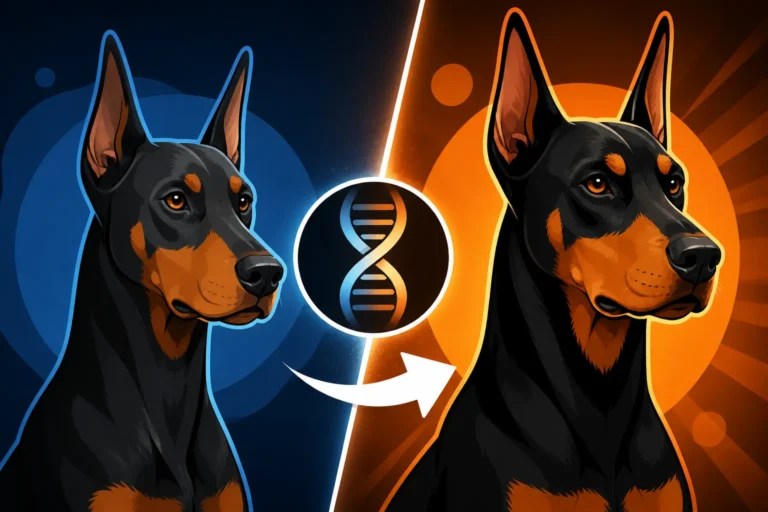
The science behind CDA is fascinating, albeit frustrating for owners. It's all about genetics and how genes control pigment distribution. Dogs inherit two copies of every gene, one from each parent. The dilution gene, when present in two copies (dd), causes a clumping of melanin granules within the hair shaft. These clumps make the hair shaft itself weaker and more prone to breakage. This isn't like a normal shedding cycle; instead, the hair simply doesn't have the integrity to remain anchored in the follicle or withstand normal wear and tear.
For fawn Dobermans, who genetically are "red" Dobermans with the additional dilution gene, their red pigment (phaeomelanin) becomes diluted to a lighter, sandy, or Isabella color. The dilution gene doesn't just affect the color, but the very structure of the hair. It’s often termed a "color-linked" alopecia because it's so intrinsically tied to the dilute colors. While some dogs carrying the dilute gene might have mild thinning, others can develop severe, widespread hair loss that starts early in life. There's still a lot we're learning about modifier genes that might influence the severity, but the underlying mechanism remains the same: fragile hair due to abnormal pigment clumping. This also means that treatments are often aimed at managing symptoms and protecting the fragile skin, rather than outright curing the genetic predisposition.
How CDA Manifests in Fawn Dobermans vs. Blue Dobermans
While both fawn and blue Dobermans carry the dilution gene and are susceptible to CDA, the way the condition manifests can have slight differences. Blue Dobermans, whose coats are diluted black, typically show signs of hair loss earlier and often more severely. You might see thinning around 6 months to a year, progressing rapidly to significant bald patches, especially on the trunk. This often leaves them vulnerable to skin infections, as their protective coat is compromised. We delve deeper into this in our article, Hair Loss on a Blue Doberman.
Fawn Dobermans, on the other hand, can sometimes have a slightly later onset or a more gradual progression of coat loss, though this is not always the case. Their hair may initially just appear dull or brittle before noticeable thinning begins, often around 1 to 3 years of age. The hair loss typically starts on the trunk, flanks, and neck, sometimes sparing the head and legs. The skin underneath the thinned coat can become dry, scaly, and prone to secondary bacterial infections or folliculitis – inflammation of the hair follicles. This is because the delicate skin, no longer protected by a dense coat, is exposed to irritants and bacteria. It's a condition that demands diligent and consistent care, irrespective of whether your Doberman is blue or fawn, because the underlying cause is the same: the genetic predisposition to fragile hair shafts. This is why understanding Color Dilution Alopecia in Blue and Fawn Dobermans is so crucial for any owner of a dilute Doberman.
Recognizing the Early Signs of Coat Loss
Spotting CDA early in your fawn Doberman can help you start a management plan sooner, potentially mitigating some of the discomfort and secondary issues that can arise. It's not always an immediate, dramatic change, which makes observation key. As a Doberman owner, you know your dog's coat texture and density better than anyone, so pay close attention to any subtle shifts. It can feel disheartening to see your gorgeous dog's coat change, but catching these early warnings empowers you to act.
Thinning and Patchy Fur Development
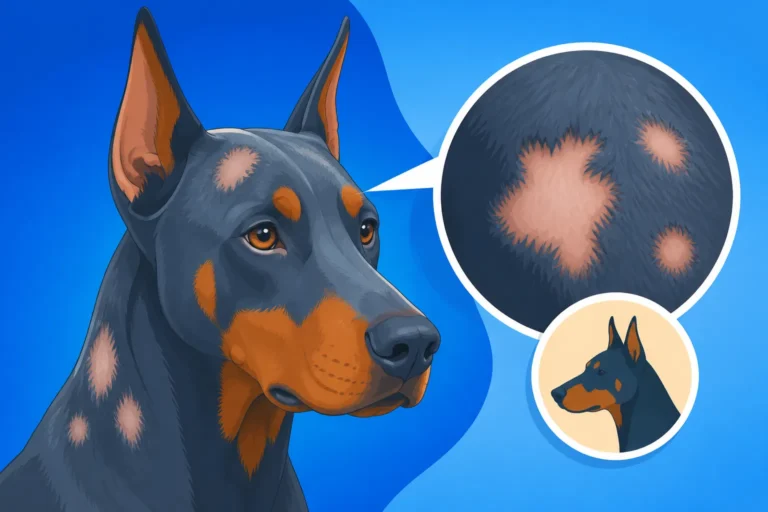
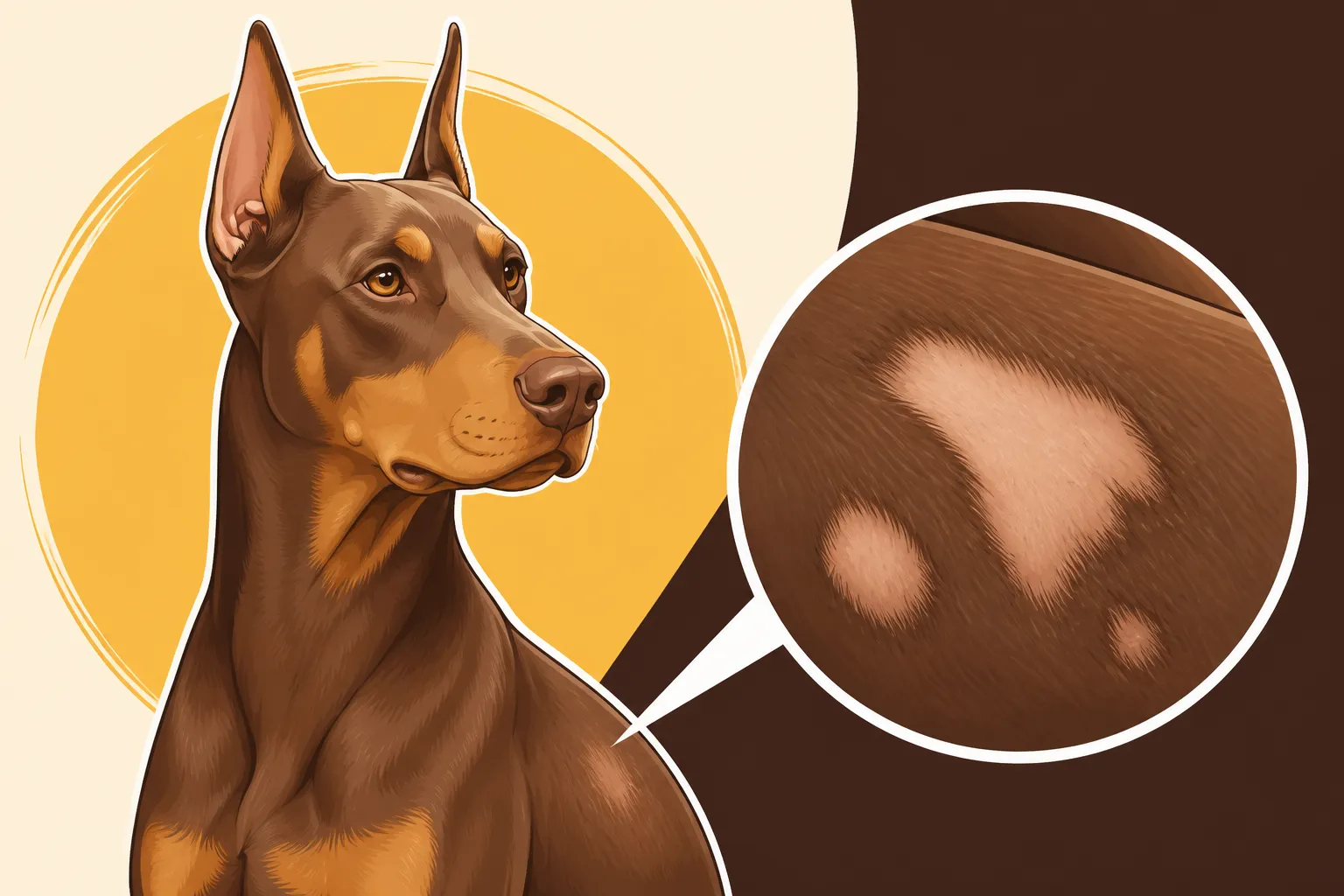
The most obvious early sign of CDA is, unsurprisingly, thinning hair. You might first notice it on your fawn Doberman's back, flanks, or the top of their head. Instead of a uniform, sleek coat, you might see areas where the fur looks sparse, dull, or simply less dense. It's not uncommon for owners to first dismiss it as seasonal shedding or just a slightly "off" coat day, but with CDA, the thinning persists and often progresses. Over time, these areas can become completely bald, creating distinct, symmetrical patches.
Beyond just thinning, the texture of the remaining fur can also change. It might become brittle, coarse, or feel "wire-like," losing that characteristic soft Doberman sheen. The hairs might break off easily when you brush them, or you might find more short, broken hairs around the house than usual. This is a direct result of those abnormally structured hair shafts. When you run your hand over their coat, you might notice the underlying skin appearing more visible than before, a tell-tale sign that the protective barrier of their fur is weakening. It’s important not to confuse this with normal shedding, which typically results in uniform thinning and regrowth, rather than persistent, patchy loss.
Skin Changes and Secondary Infections
The loss of a healthy, protective coat leaves your Doberman's skin exposed and vulnerable. This exposure often leads to a cascade of secondary skin issues that can be more troublesome than the hair loss itself. The skin in affected areas can become dry, flaky, and scaly, often accompanied by increased dandruff. This dryness can lead to itching, causing your Doberman to scratch or rub, which in turn can exacerbate the hair loss and damage the skin further.
More concerning is the increased risk of secondary bacterial skin infections, also known as folliculitis or pyoderma. The damaged hair follicles become entry points for bacteria, leading to red bumps, pustules, or crusty lesions. These infections can be itchy and painful, and if left untreated, can spread and cause deeper skin problems. You might notice a yeasty smell from their skin, which is another common sign of secondary infections. It’s a vicious cycle: the hair loss leads to skin issues, which can then make the hair loss worse. This is why prompt veterinary attention is crucial, not just for diagnosis, but for managing these uncomfortable secondary conditions. Preventing Skin Infections in a Bald Doberman is a key part of long-term care.
When to Seek Veterinary Advice
If you start noticing any of the signs of coat thinning, patchiness, or skin changes in your fawn Doberman, it’s always best to consult your veterinarian sooner rather than later. While CDA is common in dilute Dobermans, it's not the only cause of hair loss, and other conditions can have similar symptoms. Your vet will perform a thorough physical examination and likely recommend some diagnostic tests to rule out other potential issues.
These tests might include skin scrapings to check for parasites like mites, fungal cultures to rule out ringworm, or blood work to check for systemic illnesses like hypothyroidism. Thyroid issues, for instance, can cause symmetrical hair loss, dull coat, and lethargy, so it’s important to check The Thyroid Numbers That Slow a Doberman Down. Once other conditions are ruled out, a definitive diagnosis of CDA often involves a skin biopsy, where a small tissue sample is taken and examined under a microscope. This can confirm the characteristic clumping of melanin granules in the hair follicles. Getting an accurate diagnosis is the first and most crucial step towards developing an effective, lifelong management plan for your Doberman. Without it, you’re just guessing, and your dog could be suffering unnecessarily.
The Lifelong Reality of Managing Fawn Doberman Coat Loss
Living with a fawn Doberman with CDA means accepting that there isn't a cure, but there are many ways to manage the condition and ensure your dog remains comfortable and happy. It's a marathon, not a sprint, and requires consistent effort and a dedicated approach to their care. The good news is that with the right strategies, you can significantly improve their quality of life and minimize the impact of the alopecia. It might feel like a lot to learn at first, but it quickly becomes a natural part of your daily routine.
Specialized Grooming and Bathing Techniques
Regular, gentle grooming is paramount for Dobermans with CDA. The goal is to keep their skin clean, moisturized, and free from irritation without causing further damage to their fragile hair. Brushing should be done very carefully, using soft brushes like rubber curries or soft bristle brushes, avoiding anything that pulls or tugs at the hair. Excessive brushing can actually exacerbate hair breakage and loss.
Bathing is also crucial, but needs to be done with the right products and frequency. Many vets will recommend medicated shampoos designed to treat dry, flaky skin, or secondary bacterial/yeast infections. Look for shampoos containing ingredients like chlorhexidine for bacterial issues, or miconazole for yeast. Moisturizing shampoos and conditioners, especially those with colloidal oatmeal or ceramides, can help soothe and hydrate their delicate skin. When bathing, use lukewarm water and avoid harsh scrubbing. Pat them dry gently with a soft towel, rather than vigorous rubbing. Over-bathing can strip essential oils, so your vet can help you determine the ideal frequency, which might range from weekly to monthly, depending on your dog's specific needs. For more specific recommendations, you might find our article on Shampoo That Helps a Bald Doberman useful.
Environmental Considerations and Protection
Because their coat offers less protection, fawn Dobermans with CDA are more sensitive to environmental factors. Sun exposure is a major concern. Just like fair-skinned humans, their exposed skin can easily get sunburned, leading to pain, redness, and increasing the risk of skin cancer. During warmer months, it's essential to limit direct sun exposure, especially during peak hours. Consider applying dog-safe sunscreen to exposed areas or outfitting them with lightweight UV-protective clothing. Our guide on Sun Protection for a Thin-Coated Doberman offers more practical tips.
Cold weather is another challenge. With their sparse coats, they lose body heat much faster than dogs with denser fur. This means a good quality dog coat or sweater is not just a fashion statement; it's a necessity for comfort and health, even during short potty breaks in chilly weather. Indoor environments should also be comfortable, avoiding overly dry air that can irritate their skin. A humidifier in the home can be beneficial, especially in winter. Think of their skin as being much more delicate than a typical Doberman's, and act accordingly to shield them from extremes.
Nutritional Support and Supplements
Nutrition plays a supportive role in managing CDA, focusing on promoting healthy skin and coat from the inside out. While diet alone won't cure CDA, a high-quality, balanced diet rich in essential fatty acids can make a noticeable difference in skin hydration and coat quality. Look for foods that list omega-3 and omega-6 fatty acids, often derived from fish oils, flaxseed, or borage oil. These fatty acids are crucial for skin barrier function and reducing inflammation.
Many owners and vets also consider specific supplements. Omega-3 fatty acid supplements (like fish oil) are commonly recommended for their anti-inflammatory properties and ability to support skin health. Biotin, vitamin E, and zinc can also be beneficial, as they play roles in skin and hair integrity. However, it's vital to discuss any supplements with your veterinarian before adding them to your Doberman's regimen. They can advise on appropriate dosages and ensure there are no contraindications with other medications or existing health conditions. For a deeper dive into beneficial fats, check out Omega Oils for a Doberman With Coat Loss. Remember, consistency is key – these supplements take time to show their effects, so don't expect immediate overnight changes.
Here's a quick overview of a potential daily/weekly care routine:
| Aspect of Care | Daily Actions | Weekly Actions | Monthly/As Needed Actions |
|---|---|---|---|
| Grooming & Skin | Gentle check for dry patches/irritation | Gentle brushing with soft brush; apply moisturizer | Medicated bath (as vet prescribed, often bi-weekly) |
| Protection | Monitor sun exposure; ensure comfortable temps | Check for any new thinning/lesions | Wash and prepare protective clothing |
| Diet & Supplements | Ensure high-quality diet; administer supplements | (Consistent daily routine) | Re-evaluate diet/supplements with vet if needed |
| Vet Visits | Monitor for changes | (Consistent daily routine) | Routine check-ups, especially if secondary infections |
Differentiating CDA from Other Causes of Hair Loss
While CDA is a common culprit for hair loss in fawn Dobermans, it's incredibly important not to jump to conclusions. Many other conditions can cause similar symptoms, and some of them require entirely different treatment approaches. A thorough diagnostic process is essential to ensure your Doberman receives the correct care. Misdiagnosing can lead to ineffective treatments, prolonged discomfort for your dog, and unnecessary frustration for you.
Ruling Out Hypothyroidism and Other Hormonal Imbalances
One of the most common differential diagnoses for hair loss in Dobermans is hypothyroidism, an underactive thyroid gland. Dobermans are unfortunately predisposed to this condition, and its symptoms can closely mimic CDA: symmetrical hair loss (often sparing the head and legs), a dull or dry coat, flaky skin, and sometimes even a "rat tail" appearance. Beyond skin and coat issues, hypothyroidism can also cause lethargy, weight gain, and intolerance to cold.
Other hormonal imbalances, though less common than hypothyroidism, can also lead to hair loss. Conditions like Cushing's disease (overproduction of cortisol) or sex hormone imbalances can present with thinning hair, fragile skin, and secondary infections. Your veterinarian will typically perform blood tests to check thyroid hormone levels (T3, T4, and TSH) and potentially other hormone panels to rule these out. It's a critical step, as treating hypothyroidism with thyroid medication can often resolve the hair loss, whereas this wouldn't be the case for CDA. Understanding conditions like The Thyroid Numbers That Slow a Doberman Down is vital for Doberman owners.
Addressing Allergies and Parasites
Allergies are another incredibly common cause of skin and coat issues in dogs, including Dobermans, and can sometimes be confused with CDA. Environmental allergies (atopy) to pollens, dust mites, or molds, or food allergies to certain proteins, can cause intense itching, redness, skin inflammation, and secondary infections. The constant scratching, licking, and chewing can lead to self-induced hair loss, which might look patchy and uneven.
Parasites, such as fleas, mites (like Demodex or Sarcoptes), or even certain fungal infections (ringworm), can also cause severe itching, hair loss, and skin irritation. Demodectic mange, for instance, can cause patchy hair loss, especially in younger dogs or those with compromised immune systems. Your vet will perform skin scrapings, tape preps, or fungal cultures to identify these culprits. Treating allergies often involves identifying and avoiding triggers, using antihistamines, steroids, or newer immunomodulating drugs, alongside good topical care. Parasitic infections are typically treated with specific antiparasitic medications. It's crucial to confirm whether these are at play, as their treatments are very different from CDA management.
The Importance of a Definitive Diagnosis
Given the array of potential causes for hair loss, achieving a definitive diagnosis for your fawn Doberman is paramount. Without it, you could be spending time, money, and emotional energy on treatments that simply aren't addressing the root cause. This can lead to worsening symptoms, frustration, and a decline in your dog's overall well-being. A misdiagnosis of CDA could mean missing a treatable condition like hypothyroidism, or conversely, focusing solely on allergies when the underlying issue is genetic.
The diagnostic process, usually guided by a veterinarian, will typically involve:
- Thorough history: Discussing the onset, progression, and any accompanying symptoms.
- Physical examination: A detailed check of their skin, coat, and overall health.
- Basic dermatological tests: Skin scrapings, fungal cultures, cytology (examining cells from skin lesions).
- Blood work: To check for systemic diseases like hypothyroidism or other organ issues.
- Skin biopsy: Often considered the gold standard for confirming CDA, as it allows for microscopic examination of hair follicles to see the characteristic pigment clumping.
While these tests might seem extensive or expensive, they are a vital investment in your Doberman's long-term health and comfort. If you're concerned about the costs, having pet insurance like Healthy Paws can often alleviate the financial burden of diagnostic testing and ongoing treatments for chronic conditions.
Living Comfortably with a Fawn Doberman with CDA
Once you have a confirmed diagnosis of Color Dilution Alopecia for your fawn Doberman, the focus shifts entirely to lifelong management and ensuring their comfort. It's about accepting the condition and becoming their best advocate, providing them with the specialized care they need to thrive. It can be an emotional journey, but with dedication, your Doberman can still live a full and happy life.
Emotional Impact on Owners and Dog Well-being
It's completely normal for owners to feel a range of emotions when their Doberman is diagnosed with CDA. There can be sadness over the loss of that perfect, sleek coat, worry about their dog's health, and sometimes even a sense of guilt, wondering if something could have been prevented. It's important to acknowledge these feelings. Your Doberman is a beloved family member, and their struggles affect you too. However, remember that CDA is a genetic condition; it's not something you caused.
For your Doberman, the physical discomfort from dry, itchy skin or secondary infections can impact their well-being. If they are constantly scratching or bothered, it can reduce their quality of life. This is why proactive management is so important. When their skin is comfortable, and they are protected from environmental irritants, they can still enjoy their lives to the fullest. They don't care about how their coat looks to others; they care about how they feel. Focus on their comfort and happiness, and let go of the aesthetic expectations. Your love and consistent care are what truly matter to them.
Proactive Care for Skin Health
The cornerstone of living comfortably with a fawn Doberman with CDA is a proactive approach to skin health. This means a consistent daily and weekly routine designed to protect, hydrate, and maintain the integrity of their delicate skin. It's a lot like a detailed skincare routine for humans, but for your canine companion.
This includes:
- Regular Moisturizing: Applying dog-specific moisturizers or topical conditioning sprays can help combat dryness and flakiness. Ingredients like ceramides, essential fatty acids, or hyaluronic acid can be very beneficial.
- Hypoallergenic Bedding: Providing soft, breathable bedding can reduce skin irritation and prevent pressure sores on sensitive areas where hair is sparse. Remember, Dobermans don't have much body fat to begin with, and with thinning coats, good cushioning is vital.
- Preventing Secondary Infections: Staying vigilant for any signs of redness, pustules, or increased itching can help you catch infections early. Prompt treatment with prescribed antibiotics or antifungals is crucial to prevent them from becoming more severe. This is where your regular vet check-ups become even more important.
- Protective Clothing: As mentioned earlier, coats and sweaters in cold weather, and UV-protective clothing in sunny weather, are not optional luxuries but necessary garments to shield their vulnerable skin.
Being proactive means anticipating problems and having a plan in place. This not only keeps your Doberman comfortable but also helps in managing the costs associated with frequent vet visits for recurring infections. Pet insurance, such as Healthy Paws, can be incredibly helpful for managing the ongoing care costs of a chronic condition like CDA, ensuring you can always provide the best care without financial stress. While CDA itself might be considered a pre-existing condition if diagnosed before coverage, a good policy can still cover treatments for related secondary issues.
Managing Expectations and Embracing Their Unique Beauty
One of the most important aspects of living with a fawn Doberman with CDA is managing your own expectations and learning to embrace their unique beauty. Their coat may never be as thick or shiny as a black and rust Doberman's, and they will likely have areas of persistent hair thinning or baldness. This is their reality, and it's important to accept it. Focus on their wonderful Doberman personality – their loyalty, intelligence, and playful nature – rather than fixating on their coat.
Many owners find immense joy in their dilute Dobermans, despite the coat challenges. They are still Dobermans, full of love and life. By providing consistent, loving care, you are giving them the best possible life. Consider that while CDA presents challenges, it is typically a cosmetic condition with manageable secondary issues, not usually life-threatening like some other Doberman health concerns such as The Heart Disease That Reaches Most Dobermans or Wobbler Syndrome in the Doberman. With careful management, your fawn Doberman can continue to be a cherished and active member of your family for many years. Embracing their uniqueness, including their beautiful fawn color and any associated coat challenges, strengthens the bond you share. Ultimately, the health testing a responsible breeder must show should include an awareness of genetic predispositions, and while a direct CDA test is still evolving, transparency about coat quality in previous generations of dilute Dobermans is key.
Disclaimer
The information provided in this article is for educational purposes only and is not intended to be a substitute for professional veterinary advice, diagnosis, or treatment. Always seek the advice of your veterinarian or other qualified animal health provider with any questions you may have regarding a medical condition.