Blood Panels Worth Running on an Old Doberman
It’s a tough reality that our majestic Dobermans, who feel like they'll be young and full of boundless energy forever, eventually start to show the subtle signs of aging. As they transition into their senior years, underlying health issues can begin to brew silently, making regular health check-ups and diagnostic tools like comprehensive blood panels absolutely vital. This guide will walk you through exactly which blood tests are most important for your older Doberman, why they matter so much, and what to expect when you get those results back from your veterinarian.
Why Senior Dobermans Need Comprehensive Blood Work
Watching your Doberman age can be bittersweet. One minute they're bounding around, the next they're a little slower to get up, or they sleep a bit more deeply. While some changes are just a normal part of getting older, others can be early warnings of serious health problems. The tricky part with Dobermans, especially in their senior years, is how stoic they can be. They're masters at hiding discomfort or illness, often until a condition is quite advanced. This is where regular, proactive blood testing becomes an invaluable tool, a true lifesaver for our beloved companions.
The Silent Nature of Age-Related Illnesses
You know your Doberman better than anyone. You notice the slightest shift in their demeanor, the way they hold their head, or the sparkle in their eye. But many age-related illnesses, particularly those affecting internal organs like the kidneys, liver, or thyroid, don't show obvious external symptoms until significant damage has occurred. For instance, kidney disease can progress quite far before you see signs like increased thirst or changes in urination. By that point, your dog might be feeling pretty unwell. The same goes for certain types of cancer or metabolic disorders. These conditions can simmer beneath the surface, slowly eroding your Doberman's health without a single bark of protest or visible limp.
Dobermans, unfortunately, are also predisposed to several genetic health conditions, many of which tend to manifest or worsen as they get older. While everyone worries about heart issues like The Heart Disease That Reaches Most Dobermans, which require specific cardiac screening like an echo, other less obvious issues can quietly impact their quality of life. For example, some Dobermans are prone to certain liver conditions, such as copper storage disease, and blood work can provide critical insights into how these organs are functioning long before clinical signs appear. This breed’s unique physiology often means we need to be extra vigilant.
Catching Problems Before They Become Crises
The whole point of regular senior blood panels isn't just to identify problems, but to identify them early. Early detection is absolutely everything when it comes to managing chronic diseases or even treating some cancers effectively. Imagine if a routine blood test flags elevated liver enzymes. While it might not be a definitive diagnosis, it gives your vet a clue to investigate further. They might recommend additional diagnostics like an ultrasound or a biopsy, leading to a diagnosis of, say, Copper Liver Disease in Doberman Females. Catching this early can mean starting treatments or dietary changes that significantly slow the progression of the disease, extending your Doberman's life and improving their comfort.
Without these routine tests, you might only discover an issue when your Doberman is already in crisis – perhaps suddenly lethargic, refusing to eat, or experiencing unexplained Bruising and Bleeding in a Doberman. At that point, treatment can be more intensive, more expensive, and often less effective, because the disease has had a head start. Think of it as preventative maintenance for your Doberman's internal systems. Just like you'd get regular oil changes for your car, routine blood work helps ensure everything is running smoothly and allows for minor adjustments before a major breakdown occurs. This proactive approach is a cornerstone of responsible senior Doberman care and aligns perfectly with the recommendation to begin Screening an Older Doberman More Often as they enter their later years.
Essential Blood Panels for Aging Dobermans
When your Doberman reaches those golden years, typically around seven or eight years old, your vet will likely recommend a standard set of blood tests that go beyond the basic annual check-up. These panels are designed to give a comprehensive snapshot of your dog's internal health, catching potential issues that might otherwise fly under the radar. It's a bit like getting a full body MOT for your furry friend, offering peace of mind or, if needed, a clear path for intervention.
Complete Blood Count (CBC)
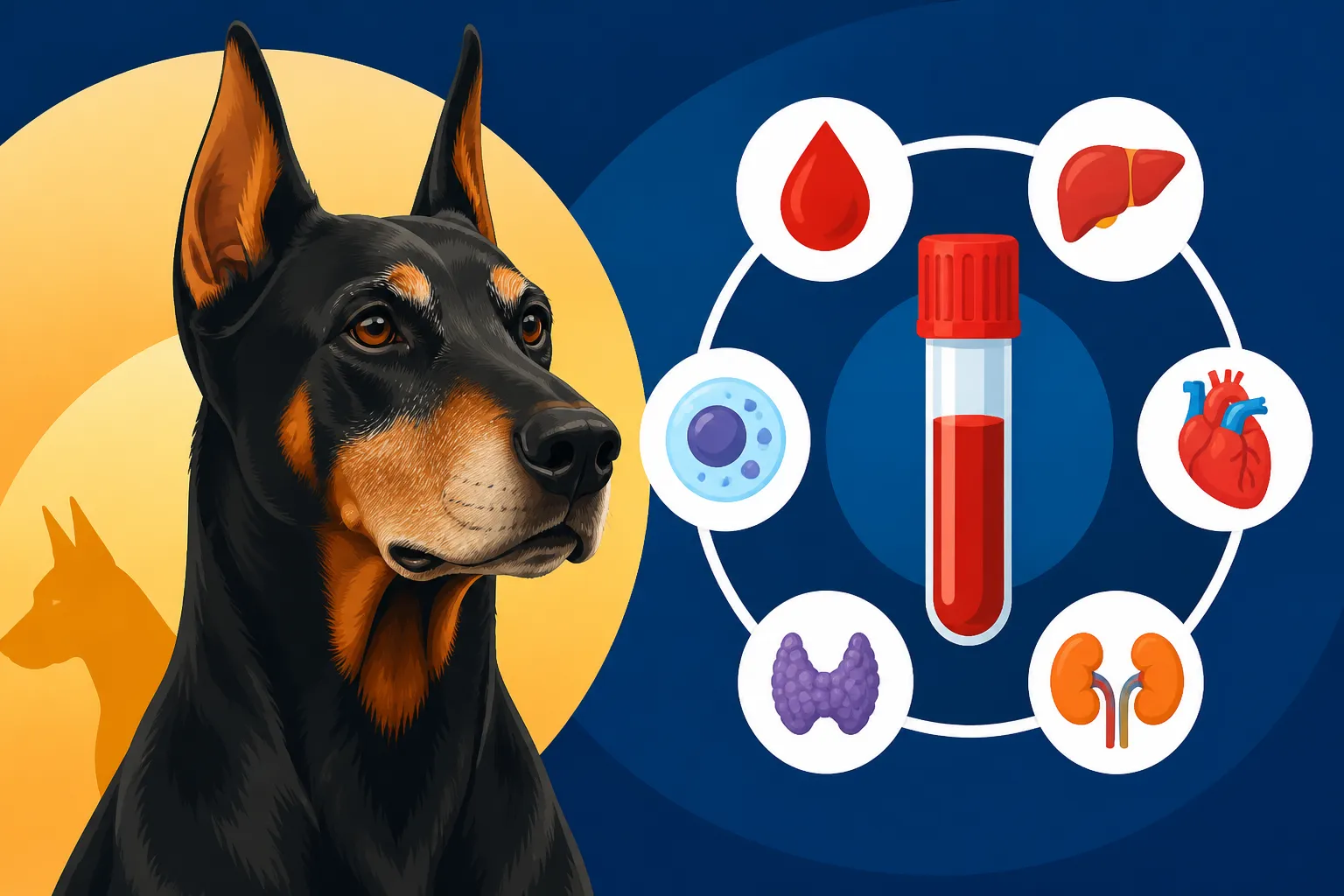
The Complete Blood Count, or CBC, is a foundational test that provides a wealth of information about the cells circulating in your Doberman's blood. It’s incredibly useful because it helps veterinarians detect a wide range of conditions, from infections to anemia, and even certain types of cancer.
Here's what a CBC typically measures and why it matters for your senior Doberman:
- Red Blood Cells (RBCs): These cells are responsible for carrying oxygen throughout the body. Low RBC counts can indicate anemia, which might explain if your Doberman is experiencing Weight Gain and Low Energy in a Doberman, or appears pale. Anemia can be a symptom of chronic disease, internal bleeding, or even bone marrow issues. High RBC counts, on the other hand, can sometimes point to dehydration or certain rare conditions.
- White Blood Cells (WBCs): These are the body's immune defenders. Different types of WBCs (neutrophils, lymphocytes, monocytes, eosinophils) increase or decrease depending on the type of immune response. Elevated WBC counts can signal infection, inflammation, stress, or even some leukemias. Decreased counts can indicate viral infections, bone marrow problems, or certain drug reactions, leaving your Doberman vulnerable to illness.
- Platelets: These tiny cells are crucial for blood clotting. A low platelet count (thrombocytopenia) means your Doberman is at higher risk for bleeding, which is particularly concerning for Dobermans given their predisposition to Von Willebrand disease, a bleeding disorder. The CBC doesn't diagnose Von Willebrand directly, but it can flag potential clotting issues that warrant further investigation, such as The Von Willebrand DNA Test for Dobermans. Conversely, high platelet counts can also occur with certain inflammatory diseases or cancers.
A CBC is often the first line of defense in uncovering systemic problems. If your Doberman seems "off" but there are no obvious symptoms, the CBC can often provide the initial clues your vet needs to start narrowing down possibilities.
Chemistry Panel: Organ Function and Beyond
The chemistry panel, sometimes called a serum chemistry or biochemical profile, is a collection of tests that evaluate organ function, electrolyte balance, and other metabolic processes. This panel is absolutely critical for older Dobermans because it directly assesses how well their vital organs are performing, and can pinpoint issues before clinical signs of illness appear.
Key components of a standard chemistry panel include:
- Kidney Values (BUN, Creatinine, SDMA): These are vital for detecting kidney disease. Elevated levels of Blood Urea Nitrogen (BUN) and creatinine indicate that the kidneys might not be filtering waste products effectively. SDMA (Symmetric Dimethylarginine) is a newer, more sensitive marker that can often detect kidney disease much earlier than BUN or creatinine, sometimes weeks or months before the traditional markers even budge. Catching kidney disease early allows for dietary changes and medications that can significantly slow progression.
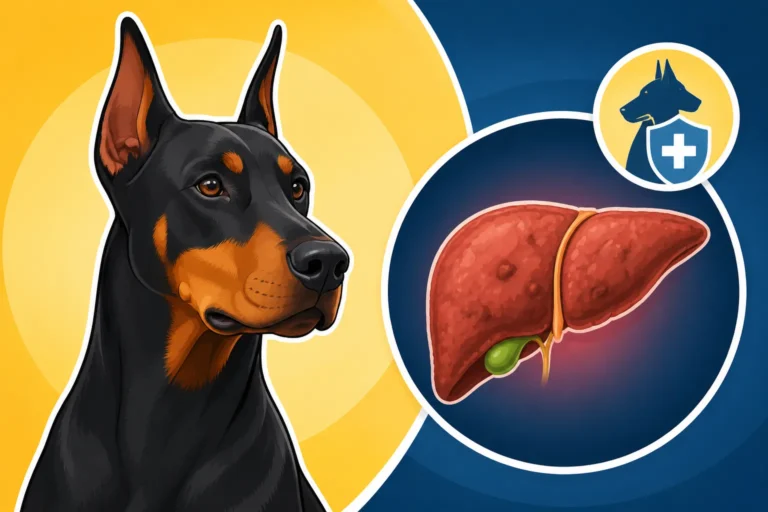
- Liver Enzymes (ALT, ALP, GGT, Bilirubin): These enzymes provide insight into liver health. Elevated Alanine Aminotransferase (ALT), Alkaline Phosphatase (ALP), and Gamma-Glutamyl Transferase (GGT) can signal liver damage, inflammation, or problems with bile flow. Bilirubin is a pigment produced when red blood cells break down, and high levels can indicate liver disease or issues with red blood cell destruction. Given that Dobermans can be prone to certain liver issues, as discussed in Liver Enzyme Results in a Doberman, these values are particularly important to monitor closely.
- Pancreatic Enzymes (Amylase, Lipase): These enzymes are important for digestion. Elevated levels can suggest pancreatitis (inflammation of the pancreas), which can be quite painful and serious, often requiring immediate veterinary attention.
- Blood Glucose: Measures blood sugar levels. High levels can indicate diabetes mellitus, while very low levels can point to other metabolic issues or certain tumors.
- Protein Levels (Total Protein, Albumin, Globulin): These values reflect nutritional status, liver and kidney health, and the presence of inflammation or certain immune system disorders. Low albumin, for example, can be a sign of liver disease, kidney protein loss, or gastrointestinal issues.
- Electrolytes (Sodium, Potassium, Chloride): These minerals are essential for nerve and muscle function, and maintaining fluid balance. Imbalances can indicate dehydration, kidney disease, Addison's disease (an adrenal gland disorder), or other serious metabolic problems.
This panel gives a wide-ranging view, helping your vet understand if various systems are stressed or failing, even subtly.
Thyroid Panel: The Often-Missed Culprit
Hypothyroidism, an underactive thyroid gland, is incredibly common in Dobermans and can mimic many signs of aging. Because of this breed predisposition, a dedicated thyroid panel is an absolute must for any senior Doberman. It’s so often overlooked or attributed to "just getting old," but correcting a thyroid imbalance can dramatically improve your dog’s quality of life.
A typical thyroid panel for a Doberman will include:
- Total T4 (Thyroxine): This is the most common screening test for thyroid function. Low T4 levels suggest hypothyroidism.
- Free T4 (FT4): This measures the unbound, active form of thyroid hormone. It’s often more accurate than Total T4, especially in cases where other illnesses or medications might influence Total T4 results.
- TSH (Thyroid-Stimulating Hormone): TSH is produced by the pituitary gland to stimulate the thyroid. In hypothyroidism, TSH levels often rise as the body tries to prompt the underactive thyroid to produce more hormones.
- Thyroid Antibodies (TgAA): These antibodies indicate autoimmune thyroiditis, which is the most common cause of hypothyroidism in Dobermans. A positive result confirms an autoimmune component to the low thyroid function.
Symptoms of hypothyroidism in Dobermans can be insidious and include Weight Gain and Low Energy in a Doberman, lethargy, hair loss (especially on the flanks or tail), dry or flaky skin, a dull coat, cold intolerance, and sometimes even changes in temperament like increased anxiety or aggression. Because these signs can be easily mistaken for general aging, getting a proper thyroid panel, as discussed in The Thyroid Numbers That Slow a Doberman Down, is critical. If your Doberman is diagnosed with hypothyroidism, it’s usually easily managed with daily oral medication, and you'll often see a remarkable improvement in their energy and overall well-being.
Decoding Your Doberman's Blood Panel Results
Getting a stack of lab results can feel overwhelming, like trying to read a foreign language. But understanding the basics of what abnormal results might signify, and knowing how to effectively communicate with your vet, is key to being an empowered advocate for your senior Doberman’s health. Remember, these numbers are tools for your vet to piece together a larger picture, not standalone diagnoses.
What Abnormal Results Might Indicate
It’s completely normal for a senior Doberman's blood work to have a few values that are slightly outside the "normal" reference range. Often, these minor fluctuations are not significant and don't necessarily indicate a severe problem. However, some abnormal results are red flags that warrant further investigation.
Let’s look at some common abnormal findings and what they could mean:
- Elevated Liver Enzymes (ALT, ALP): As mentioned, these can suggest liver inflammation, damage, or disease. It could be anything from a temporary reaction to a medication, an infection, or even more serious conditions like chronic hepatitis, gall bladder issues, or even certain Cancer Types That Reach Dobermans. For Dobermans, specifically, copper storage disease is a concern. Your vet might recommend a liver ultrasound, bile acid tests, or even a liver biopsy to get a definitive diagnosis.
- Increased Kidney Values (BUN, Creatinine, SDMA): When these are consistently elevated, it’s a strong indicator of kidney disease. This might be chronic kidney disease, which is progressive but manageable, or acute kidney injury caused by toxins, infections, or dehydration. Early intervention with a kidney-friendly diet, fluid therapy, and specific medications can often slow the progression and improve your Doberman’s comfort for a significant time.
- Low Thyroid Hormone (T4, FT4): A low thyroid, especially coupled with high TSH or positive antibodies, almost certainly points to hypothyroidism. This is one of the most treatable conditions in Dobermans, and a course of synthetic thyroid hormone medication can make a world of difference in their energy levels, coat quality, and overall demeanor.
- Anemia (Low Red Blood Cells): Anemia in a senior Doberman can be caused by many things: chronic bleeding (perhaps from an internal tumor or a gastrointestinal ulcer), nutritional deficiencies, chronic kidney disease (as kidneys produce a hormone vital for red blood cell production), or even bone marrow issues. It’s a symptom, not a disease itself, and requires thorough investigation to find the underlying cause.
- High Blood Glucose: Persistently high blood sugar is usually indicative of diabetes mellitus. This requires management with diet and insulin injections. Early diagnosis and consistent management are crucial to prevent serious complications like cataracts and nerve damage.
- Abnormal White Blood Cell Counts: An increase might point to an infection somewhere in the body, such as a urinary tract infection, or an inflammatory process. A significant, unexplained increase can sometimes be a red flag for certain blood cancers like leukemia. Conversely, very low counts could signal viral infections, bone marrow suppression, or an overwhelming infection that has depleted the body's reserves.
It's important not to panic if you see a single abnormal value. Often, your vet will recommend re-testing in a few weeks or suggest a different, more specific test to get clearer answers. The trend of these numbers over time, especially from yearly screenings, often provides more insight than a single snapshot.
Partnering with Your Veterinarian
Your veterinarian is your most important ally in navigating your senior Doberman's health. They have the expertise to interpret the complex interplay of blood results, clinical signs, and your dog’s history. When you receive results, ask for a detailed explanation. Don't be afraid to ask questions like:
- "What do these specific numbers mean for my Doberman?"
- "Are these results significantly abnormal, or just slightly out of range?"
- "What are the most likely causes for these findings?"
- "What are our next steps? Do we re-test, or do we need more diagnostics?"
- "What are the potential treatments, and what can I expect regarding cost and prognosis?"
Your vet should be able to explain the implications of each finding in plain language, outlining the possibilities and the recommended course of action. Sometimes, the best approach is "watch and wait," especially for minor fluctuations. Other times, immediate action is necessary. A good vet will involve you in the decision-making process, ensuring you understand why certain tests or treatments are being recommended. Remember, the goal is to prolong your Doberman's healthy years and maintain their comfort and quality of life as they continue through The Doberman Years When Everything Shows Up. This partnership is vital for navigating the complexities of senior pet care.
Managing the Costs of Senior Doberman Health Screening
Let's be real: owning a Doberman isn't cheap, and those costs tend to climb as they get older. Regular blood panels, specialized screenings, and potential treatments for age-related conditions can add up quickly. It's a financial reality that can catch many owners off guard, and it’s okay to acknowledge that concern. Planning ahead and understanding the financial landscape is part of being a responsible Doberman parent.
Understanding the Costs Involved
The cost of a comprehensive blood panel for a senior Doberman can vary significantly depending on your geographic location, the specific veterinary clinic, and exactly which tests are included in their "senior panel." Generally, you can expect to pay anywhere from $150 to $400 or more for a full CBC, chemistry panel, and thyroid panel. Some clinics might offer a discount for a combined "senior wellness package."
Here’s a breakdown of typical costs:
- Complete Blood Count (CBC): Usually ranges from $40 to $80.
- Chemistry Panel (Basic to Comprehensive): Can range from $80 to $150, depending on the number of parameters included.
- Thyroid Panel (Full T4, FT4, TSH, Antibodies): Often runs $100 to $200, as specialized labs are often used for thorough thyroid testing.
- Urinalysis: Often included in senior panels or added for about $30-$60, providing crucial kidney and urinary tract information.
- SDMA (for early kidney detection): If not included in the chemistry panel, this might be an additional $40-$80.
These costs are usually per year for routine screening. If abnormal results require further diagnostics (like re-testing, specific organ function tests, ultrasounds, or biopsies), the bills can escalate quickly into the hundreds or even thousands of dollars. It's not uncommon for a Doberman in their later years to incur significant veterinary expenses, easily surpassing Monthly Spending on an Adult Doberman with just one serious health event.
| Test Category | What It Screens For | Estimated Cost Range (USD) | Frequency (Senior Doberman) |
|---|---|---|---|
| Complete Blood Count (CBC) | Anemia, infection, inflammation, clotting issues | $40 – $80 | Annually |
| Chemistry Panel | Kidney, liver, pancreas function, blood sugar, electrolytes | $80 – $150 | Annually |
| Thyroid Panel | Hypothyroidism, autoimmune thyroiditis | $100 – $200 | Annually (or every 6 months if symptomatic) |
| Urinalysis | Kidney function, urinary tract infections, diabetes | $30 – $60 | Annually |
| SDMA | Early kidney disease detection | $40 – $80 | Annually |
How Pet Insurance Can Help
This is where pet insurance can truly shine, especially for a breed like the Doberman with its known health predispositions and shorter Doberman Lifespan and Why It Is Short. While routine wellness panels might not always be fully covered (depending on your specific plan's wellness add-ons), the costs of diagnosing and treating conditions discovered by these panels certainly are. Imagine your Doberman's routine blood work flags early kidney disease, leading to subsequent ultrasounds, specialized blood tests, and potentially lifelong prescription diets and medications. These are exactly the kinds of expenses pet insurance can help mitigate.
Companies like Healthy Paws offer comprehensive plans that can cover up to 90% of eligible vet bills for accidents and illnesses, after your deductible is met. This means if a routine blood panel reveals an issue that requires further diagnostics or ongoing treatment, Healthy Paws could significantly reduce your out-of-pocket expenses. It's important to enroll your Doberman when they are young and healthy, ideally before any conditions manifest, as most policies consider existing conditions as pre-existing and won't cover them. Trying to get Insuring a Doberman Before the Heart Turns or other health issues become apparent is critical.
When choosing a plan, pay close attention to the deductible, reimbursement percentage, and annual limits. For a Doberman, considering a higher reimbursement percentage (like 80% or 90%) and a lower deductible can be beneficial, especially since Picking a Deductible When Doberman Claims Repeat for chronic conditions can make a big difference in long-term savings. Think about whether you prefer to pay a bit more monthly for better coverage later. Having pet insurance can truly provide peace of mind, allowing you to make medical decisions based on what’s best for your Doberman, rather than being solely driven by financial constraints. It helps ensure that when those crucial blood panels point to an issue, you have the financial support to pursue the best possible care.
Disclaimer
The information provided in this article is for educational and informational purposes only and does not constitute veterinary medical advice. Always consult with a qualified veterinarian for any health concerns or before making any decisions related to your Doberman's health or treatment.