Living With a Doberman That Cannot Walk Straight
It’s truly heart-wrenching to watch your beloved Doberman struggle with something as fundamental as walking straight. That distinctive, elegant gait is part of their charm, so when you see them stumbling, dragging their paws, or looking like they've had one too many, it’s not just alarming—it’s a deeply unsettling sign that something serious is amiss. This guide is here to walk you through understanding why your Doberman might not be walking straight, what potential issues like Wobbler Syndrome entail, and how you can support them through diagnosis and treatment.
Understanding Why a Doberman Cannot Walk Straight
When your Doberman starts to show an unsteady gait, it's often more than just a clumsy moment. In our breed, one of the most common and concerning reasons for this kind of neurological deficit is a condition known as Cervical Spondylomyelopathy, but we usually just call it Wobbler Syndrome. It’s a term that describes a compression of the spinal cord and/or nerve roots in the neck region. Imagine a highway where traffic is constantly bottlenecked; that’s essentially what’s happening to the vital messages traveling from your Doberman’s brain to their body, particularly their hind legs.
The Doberman's Unique Predisposition
Dobermans, with their magnificent, long necks, are unfortunately genetically predisposed to Wobbler Syndrome. This isn't something they acquire through injury in most cases; it's often a developmental or degenerative issue related to their specific vertebral structure. The spinal cord, which is essentially the body's superhighway for nerve signals, becomes compressed. This compression can be caused by a variety of factors, including malformed vertebrae, bulging discs, or thickened ligaments within the spinal canal. The exact mechanism can vary, but the result is the same: interrupted nerve signals, leading to discoordination and weakness.
It’s not uncommon for these signs to emerge as your Doberman moves into their middle years. While it can sometimes appear earlier, many owners notice the subtle changes in dogs typically between three and eight years old, right around when The Doberman Years When Everything Shows Up for many other health concerns too. This is why vigilance during these prime years is so crucial.
The Role of Spinal Cord Compression
The spine is a delicate column, and any impingement on the spinal cord itself can have profound effects on mobility and proprioception—the dog's sense of where its body parts are in space. In Dobermans, the cervical spine (neck) is particularly vulnerable. When the spinal cord is compressed, it's like a kink in a garden hose; the flow of information is restricted. This can lead to a range of symptoms, from mild unsteadiness to severe paralysis. The pressure can also cause pain, which further contributes to reluctance to move or carry the head in a normal position. The specific location and severity of the compression will dictate which limbs are affected and to what degree. For many Dobermans, the hind limbs are often the first to show obvious signs of incoordination, but forelimb weakness can also be present, sometimes leading to that characteristic "wobbling" walk.
Identifying the Early Indicators of Wobbler Syndrome
The tricky part about Wobbler Syndrome, especially in its early stages, is that the signs can be incredibly subtle. Many owners initially dismiss them as general aging, clumsiness, or even a temporary muscle strain. However, recognizing these early indicators is paramount to getting a timely diagnosis and starting effective management.
Subtle Changes in Gait and Coordination
One of the hallmark signs of Wobbler Syndrome is a progressive change in how your Doberman moves. It’s rarely a sudden collapse; rather, it’s a gradual deterioration that can be easy to miss at first. You might notice them doing things like Scuffed Nails on a Wobbler Doberman, particularly on their hind paws. This happens because they're not lifting their feet high enough, or they're dragging their toes, causing the nails to wear down unevenly or even bleed.
Beyond scuffing, look for:
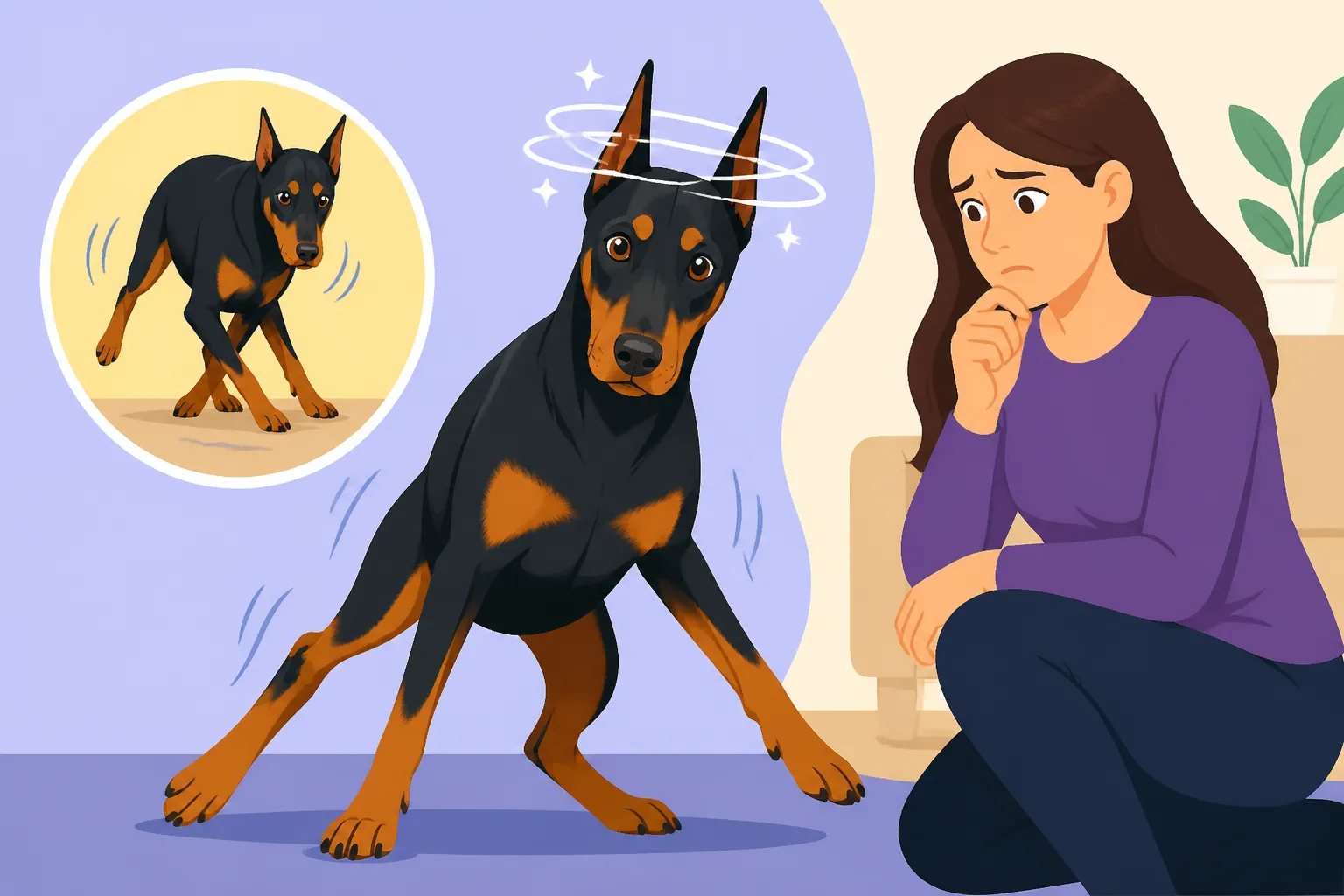
- Hind End Ataxia: This is a fancy term for discoordination in the rear limbs. Your Doberman might walk with an exaggerated sway, like they're walking on a boat. They may take wide, sweeping steps with their back legs, often described as a "drunken sailor" gait, or they might seem to "goose-step" with high, stiff movements.
- Weakness or Dragging: You might notice a general weakness in their hind legs, making them reluctant to jump into the car, climb stairs, or even stand up quickly. In more advanced cases, a Doberman that cannot walk straight might actually drag one or both hind paws, leading to sores on the tops of their feet.
- Difficulty with Turns: Watch how they navigate corners or pivot. A healthy Doberman can turn on a dime, but a dog with Wobbler Syndrome might take a wider, more awkward arc, losing balance easily.
- Front Leg Incoordination: While the hind legs are often affected first and most noticeably, the front legs can also show signs. This might appear as a shorter stride, or a general stiffness when walking.
It’s crucial to pay attention to these changes, even if they seem minor. Jot down notes, take videos, and discuss them with your vet. Catching these signs early, often around The Age Doberman Heart Disease Usually Starts or similar critical periods, can make a significant difference in outcomes.
Postural Shifts and Behavioral Clues
Beyond just how they walk, your Doberman might exhibit other, less obvious signs that point to neck pain or neurological issues. These behavioral changes often stem from discomfort or their body trying to compensate for the underlying problem.
- Head Carriage: Many Dobermans with Wobbler Syndrome will carry their head lower than usual. If you notice A Doberman That Walks With Its Head Down almost constantly, or is reluctant to lift it high to greet you or look up, this can be a big red flag. They might seem stiff or uncomfortable turning their head from side to side.
- Pain Response: Gently touching or massaging their neck might elicit a yelp, growl, or withdrawal. They may become irritable or withdrawn, as chronic pain can certainly affect a dog's demeanor.
- Reluctance to Play or Exercise: A previously active Doberman might suddenly seem less interested in games or shorter walks. They might tire faster than they used to, or simply choose to lie down more often. This can sometimes be mistaken for other conditions, such as early signs of heart disease or even just getting older, so distinguishing it from A Doberman That Tires Faster Than It Used To can be tricky without proper veterinary evaluation.
- Muscle Atrophy: Over time, if the nerve signals to certain muscles are severely interrupted, you might notice muscle wasting (atrophy), especially in the shoulders or hindquarters. This can make them look thinner or less muscular than before.
These subtle indicators, when combined, paint a clearer picture that something is not right. Don't wait for your Doberman to completely lose control of their legs; early intervention is key.
The Diagnostic Process for Wobbler Syndrome
Once you’ve noticed your Doberman isn’t walking straight and have identified some of the tell-tale signs, the next step is a thorough veterinary examination. This isn't a condition that can be diagnosed with a simple blood test; it requires a detailed approach, often involving specialist input.
Initial Veterinary Assessment and Neurological Exam
Your regular veterinarian will be your first point of contact. They'll start by taking a comprehensive history of your Doberman's symptoms, including when they started, how they’ve progressed, and any accompanying changes in behavior or activity level. They’ll then perform a general physical exam, checking for pain, range of motion, and any obvious muscle wasting.
The crucial part of this initial visit will be a neurological exam. This involves a series of tests to assess your Doberman's reflexes, coordination, and proprioception. Your vet will watch them walk, test their paw placement, check for spinal reflexes, and assess their cranial nerves. These tests help to pinpoint where in the nervous system the problem lies – in this case, narrowing it down to the cervical spine. While a general vet can strongly suspect Wobbler Syndrome, definitive diagnosis often requires advanced imaging and potentially a referral to a veterinary neurologist.
Advanced Imaging: The Path to a Clear Diagnosis
To truly understand why your Doberman cannot walk straight and confirm a diagnosis of Wobbler Syndrome, advanced imaging is essential. This is where we get a clear picture of what’s happening inside their neck.
- Radiographs (X-rays): While basic X-rays can show some bony abnormalities or disc space narrowing, they don't give a clear view of the spinal cord itself, which is the most important element when diagnosing Wobbler Syndrome. Think of it like looking at a road from above—you can see the road, but not the traffic jam underneath.
- Myelography: This involves injecting a contrast dye into the spinal canal and then taking X-rays. The dye highlights the spinal cord, allowing vets to see areas of compression. However, it's an invasive procedure and carries some risks, and it’s increasingly being replaced by more advanced options.
- Computed Tomography (CT) Scan: A CT scan provides more detailed images of bone structures and can sometimes show soft tissue compression. It’s faster than an MRI but still doesn't offer the same level of detail for soft tissues like the spinal cord.
- Magnetic Resonance Imaging (MRI): This is considered the gold standard for diagnosing Wobbler Syndrome. What a Doberman MRI Shows for Wobblers is incredibly detailed—it allows the neurologist to see the spinal cord and surrounding soft tissues (discs, ligaments) in high resolution. An MRI can pinpoint the exact location, number, and type of compression, which is critical for determining the best course of treatment.
These advanced diagnostic procedures can be costly, but they are absolutely necessary for an accurate diagnosis and treatment plan. This is where having comprehensive pet insurance, such as a plan from Healthy Paws, can become invaluable. Covering a significant portion of these diagnostic fees and subsequent treatments can alleviate a huge financial burden during an already stressful time.
Navigating Treatment and Ongoing Care
Once a diagnosis of Wobbler Syndrome has been made, your veterinary team will discuss the various treatment options. The approach largely depends on the severity of the compression, the clinical signs, and your Doberman's overall health. There isn't a one-size-fits-all solution, and sometimes, a combination of strategies yields the best results.
Conservative Management Approaches
For Dobermans with mild to moderate symptoms, or those where surgery isn't an option due to age, concurrent health issues, or owner preference, conservative management is often the first line of defense. The goal is to reduce inflammation, manage pain, and prevent further injury.
- Medication: This typically involves anti-inflammatory drugs, such as corticosteroids (like prednisone) to reduce swelling around the spinal cord, and pain relievers (NSAIDs or gabapentin) to keep your Doberman comfortable. Muscle relaxants might also be prescribed. It’s important to understand that Steroids and Rest for a Doberman Wobbler can be very effective in the short term, but long-term use of steroids comes with its own set of potential side effects.
- Strict Rest: Limiting activity is crucial to prevent further irritation or damage to the compressed spinal cord. This means no jumping, running, or strenuous play. Leash walks should be calm and controlled.
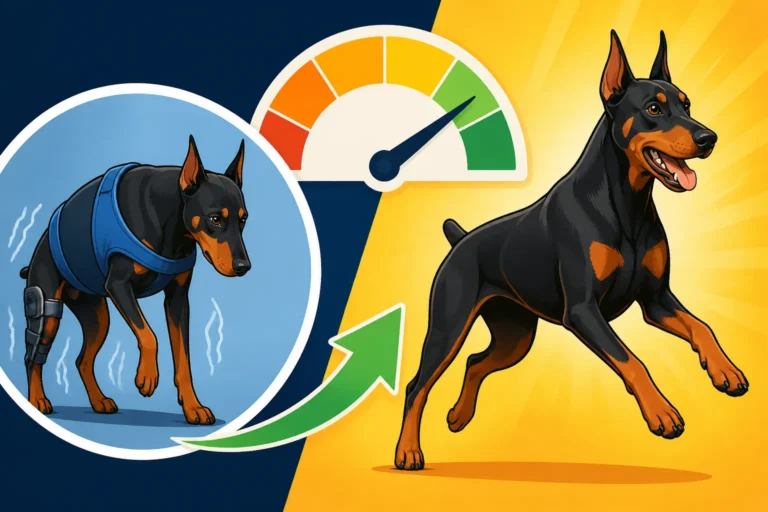
- Harness Use: It's absolutely vital to switch from a neck collar to a well-fitting harness for walks and any kind of restraint. A collar puts direct pressure on the neck, which can exacerbate the compression. We talk more about Whether a Wobbler Doberman Should Wear a Collar in another post, but the short answer here is: absolutely not.
- Physical Therapy and Rehabilitation: This can be incredibly beneficial. A certified canine rehabilitation therapist can develop a program of exercises to strengthen supporting muscles, improve balance, and maintain range of motion. Techniques might include hydrotherapy (swimming or underwater treadmill), therapeutic exercises, and even acupuncture or chiropractic adjustments if performed by a trained professional.
Surgical Intervention and Post-Operative Care
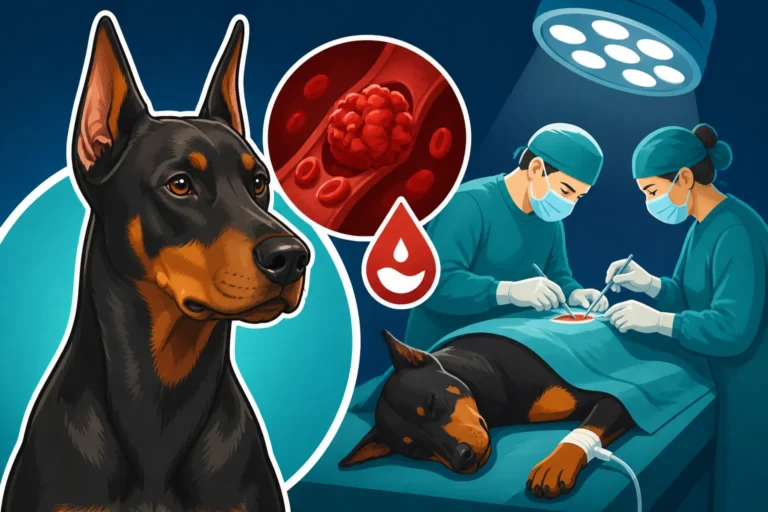
For Dobermans with severe or rapidly progressing symptoms, or those who don't respond to conservative management, surgery may be recommended. The aim of surgery is to decompress the spinal cord and stabilize the cervical vertebrae.
- Types of Surgery: There are several surgical techniques, including ventral slot decompression (removing a small piece of bone and disc material from the underside of the vertebrae), dorsal laminectomy (removing bone from the top), and various stabilization procedures using screws and plates. The choice of procedure depends on the exact nature and location of the compression as seen on the MRI.
- Risks and Benefits: Surgery carries inherent risks, including anesthesia complications, infection, and potential for worsening neurological deficits. However, when successful, it can significantly improve your Doberman's quality of life and mobility. It's a big decision, and discussing Whether Doberman Wobbler Surgery Works with your neurologist is crucial to set realistic expectations.
- Post-Operative Recovery: Recovery from Wobbler surgery is a long and dedicated process. It typically involves several weeks of strict crate rest, followed by a gradual increase in controlled activity and intensive physical rehabilitation. Rehabilitation Costs After Doberman Spinal Surgery can be substantial and ongoing, so this is another area where pet insurance like Healthy Paws truly shines, helping you manage the financial commitment to your Doberman's recovery.
Long-Term Management and Quality of Life
Living with a Doberman who has Wobbler Syndrome, whether managed conservatively or surgically, requires ongoing commitment and adjustment. You'll need to be diligent with medication, monitor their mobility, and adapt your home environment to make it safer and more comfortable.
- Environmental Modifications: Think about non-slip rugs on hard floors, ramps instead of stairs, raised food and water bowls, and orthopedic beds to support their joints.
- Regular Monitoring: Your vet or neurologist will want to see your Doberman for regular check-ups to assess their progress, adjust medications, and ensure no new compressions are developing.
- Prognosis: The prognosis varies widely. Some Dobermans can lead relatively normal lives with good management, while others may continue to have varying degrees of neurological deficits. The goal is always to maximize comfort and mobility, allowing your Doberman to enjoy the best possible quality of life despite their condition. This long-term care means understanding the full What a Doberman Costs Month to Month can entail, and planning for it.
Responsible Doberman ownership often begins even before you bring a puppy home, with discerning breeders who prioritize health testing. While there isn't a single genetic test for Wobblers that covers all forms, breeders committed to The Health Testing a Doberman Breeder Must Show are transparent about their lines' health history, including incidence of Wobbler Syndrome, can offer peace of mind.
Table: Comparison of Conservative vs. Surgical Treatment for Wobbler Syndrome
| Feature | Conservative Management | Surgical Intervention |
|---|---|---|
| Severity | Mild to moderate symptoms | Moderate to severe, progressive, or unresponsive to conservative care |
| Primary Goal | Pain and inflammation reduction, symptom control | Spinal cord decompression, stabilization |
| Methods | Medications (NSAIDs, steroids, muscle relaxants), rest, harness, physical therapy, acupuncture | Ventral slot, laminectomy, stabilization, fusion |
| Invasiveness | Non-invasive | Highly invasive |
| Recovery Time | Variable, ongoing management | Extended (weeks to months) post-op rehabilitation |
| Cost | Moderate (medication, vet visits, therapies) | High (diagnostics, surgery, extended rehabilitation) |
| Potential Benefits | Symptom relief, improved comfort, maintained mobility | Potentially greater long-term improvement, definitive resolution of compression |
| Risks | Progression of disease, side effects from long-term medication | Anesthesia risks, infection, worsening neurological deficits, failed outcome |
| Insurance Impact | Covered by pet insurance (e.g., Healthy Paws) if enrolled before diagnosis | Covered by pet insurance (e.g., Healthy Paws) if enrolled before diagnosis |
Pet insurance, like the plans offered by Healthy Paws, is an absolute game-changer when dealing with conditions like Wobbler Syndrome. The costs associated with diagnostics (MRI alone can be thousands), specialist visits, ongoing medications, and extensive rehabilitation can quickly become overwhelming. Having a robust policy in place before any signs appear means you can focus on making the best medical decisions for your Doberman without the added stress of crushing vet bills. Investing in your Doberman's health, both proactively and reactively, ensures they receive the best care throughout their life.
Disclaimer
The information provided in this article is for general informational purposes only and is not a substitute for professional veterinary advice, diagnosis, or treatment. Always seek the advice of your veterinarian or other qualified animal health provider with any questions you may have regarding a medical condition. Never disregard professional veterinary advice or delay in seeking it because of something you have read in this article.