Whether Doberman Liver Disease Can Be Caught Early
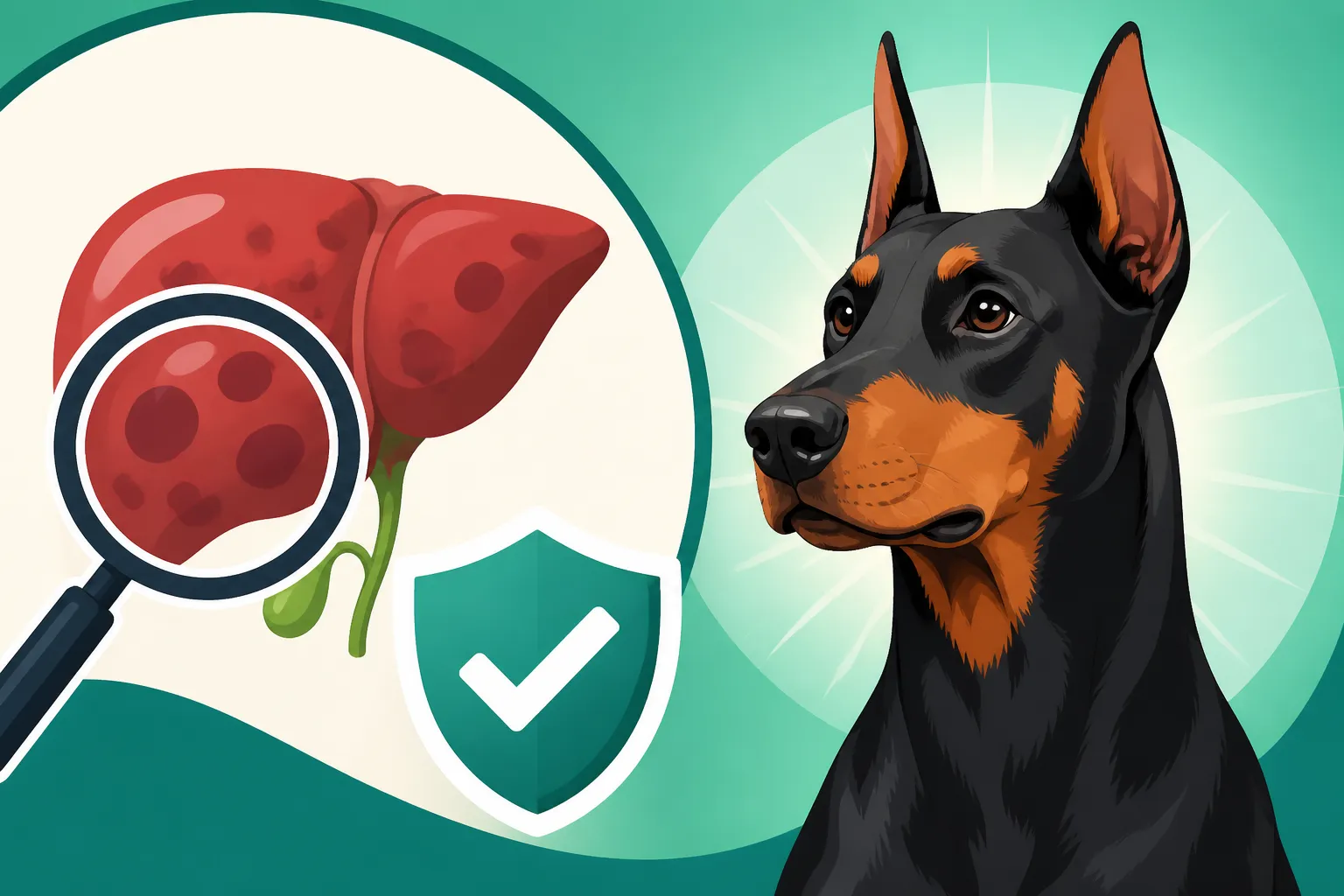
It’s a heartbreaking reality for many Doberman owners: the fear that a serious health issue might be lurking, silently progressing, long before any obvious signs appear. One such insidious problem is liver disease, particularly copper-associated hepatitis, which can be incredibly challenging to catch early. This guide aims to shed light on how Doberman liver disease can indeed be caught in its nascent stages, offering hope and actionable steps for dedicated owners.
The Silent Threat of Copper Storage in Dobermans
For Doberman owners, the words "liver disease" can be particularly unsettling. Unlike some breeds where it's a sporadic issue, Dobermans have a known genetic predisposition to accumulate copper in their livers, leading to a condition called copper-associated hepatitis. What makes this so frightening is how stealthy it can be. You could have a seemingly vibrant, energetic Doberman, and underneath, their liver is slowly becoming a ticking time bomb.
Understanding Copper-Associated Hepatitis
Copper is an essential trace mineral, vital for many bodily functions, but too much of a good thing quickly turns toxic. In Dobermans, there's a genetic glitch, often inherited, that makes their bodies less efficient at excreting excess copper. Instead of being properly processed and eliminated, the copper builds up in the liver cells. Over time, this accumulation leads to inflammation, cell damage, and eventually, scarring (fibrosis) and cirrhosis. Imagine a small leak in your roof; at first, it's barely noticeable, perhaps just a damp spot. But left unchecked, it can lead to extensive structural damage. That's essentially what's happening in your Doberman's liver with copper. The early stages are subtle, often manifesting as minor cellular changes that don't produce any outward symptoms, which is why understanding why Doberman livers store copper is so crucial for proactive care.
Why Early Symptoms Are So Elusive
The liver is an incredibly resilient organ, capable of functioning remarkably well even when a significant portion of it is damaged. This is a double-edged sword for Doberman owners. It means your dog can lose a substantial amount of liver function before you ever see a single sign of illness. By the time symptoms like lethargy, loss of appetite, vomiting, diarrhea, or even the dreaded jaundice (yellowing of gums and eyes) appear, the disease is often advanced. This makes those initial, silent years incredibly perilous. The frustration is real: you want to do everything right for your Doberman, but how do you fight a foe you can't see? The key is knowing what tests to ask for and advocating for your dog long before they show any outward signs of feeling unwell. This silent progression underscores why How Many Dobermans Have Silent Liver Disease is such a pressing concern for the breed.
Essential Diagnostic Tools for Early Detection
Catching Doberman liver disease early hinges entirely on proactive diagnostic testing. You cannot wait for symptoms because, by then, valuable time has been lost. It requires a dedicated partnership with your veterinarian, and sometimes, a specialist.
Routine Bloodwork and What to Look For
Regular veterinary check-ups for your Doberman should always include comprehensive blood panels. While these might not give you a definitive diagnosis of copper storage, they can certainly provide crucial clues that warrant further investigation. Key indicators to watch for in your Doberman's liver enzyme results include:
- ALT (Alanine Aminotransferase): A common indicator of liver cell damage. Elevated levels suggest liver cells are leaking enzymes, signaling injury.
- ALP (Alkaline Phosphatase): Can be elevated with liver disease, but also with other conditions like Cushing's or even steroid use. A very high ALP in conjunction with other liver enzyme changes is more concerning.
- GGT (Gamma-Glutamyltransferase): Often elevated in cases of bile duct obstruction or liver inflammation.
- Bilirubin: Elevated bilirubin can indicate a problem with the liver's ability to process and excrete bile, often leading to jaundice.
- Albumin: Low albumin levels can point to chronic liver disease, as the liver produces this vital protein.
- Bile Acids Test: This is a more specific test of liver function. It measures how well the liver removes bile acids from the bloodstream. Elevated pre- or post-prandial (before or after eating) bile acids are a strong indicator of liver dysfunction.
Remember, a single elevated enzyme might not mean much in isolation, but a trend of increasing numbers or multiple enzymes showing abnormalities should raise a red flag. It’s about vigilance and understanding the nuance of Liver Enzyme Results in a Doberman. If your vet sees anything suspicious, even subtle changes, push for further investigation. It might just be the early warning you need.
Here’s a quick reference for common liver enzyme indicators in Dobermans:
| Liver Enzyme | What it Indicates (General) | Significance in Dobermans with Suspected Liver Disease |
|---|---|---|
| ALT | Liver cell damage/inflammation | Often one of the first enzymes to rise. |
| ALP | Cholestasis (bile flow obstruction), bone growth, steroids | Can be high with liver disease, but needs context. |
| GGT | Bile duct issues, liver inflammation | More specific for cholestasis than ALP. |
| Bilirubin | Impaired bile excretion, red blood cell breakdown | Elevated can indicate advanced liver dysfunction. |
| Albumin | Liver synthetic function, nutritional status | Low levels suggest chronic liver failure. |
| Bile Acids Test | Overall liver function | Crucial early indicator. Elevated means the liver isn't clearing bile acids effectively. |
The Role of Advanced Imaging and Biopsy
If bloodwork raises concerns, the next step often involves more advanced diagnostics.
- Ultrasound: An abdominal ultrasound can provide a non-invasive look at the liver's size, shape, and internal architecture. A veterinary radiologist can assess for changes in liver texture, the presence of nodules, or signs of inflammation that might suggest disease. While it can't diagnose copper storage directly, it can certainly guide the next steps. It might show a liver that looks abnormal, even if your dog is acting perfectly normal.
- Liver Biopsy: This is considered the gold standard for diagnosing copper-associated hepatitis. A small sample of liver tissue is taken (either surgically, laparoscopically, or via ultrasound-guided needle biopsy) and sent to a specialized lab. The pathologist can then not only confirm inflammation and damage but also measure the actual copper concentration in the tissue. This quantitative measurement is critical because it definitively tells you if copper is accumulating to toxic levels. This is usually the point where a diagnosis is confirmed and a precise treatment plan can be formulated. Understandably, a liver biopsy in a Doberman can feel like a big step, but it often provides the answers needed for effective intervention.
Early detection means identifying these issues when they are still subtle. It might be an elevated ALP on routine bloodwork for a Doberman that looks and acts completely healthy, leading to further tests. This proactive approach is where pet insurance, like a comprehensive plan from Healthy Paws, can really make a difference, covering those crucial diagnostic steps before a condition becomes unmanageable.
Proactive Management and Nutritional Strategies
Once copper-associated hepatitis is diagnosed, even in its early stages, aggressive management is necessary to slow its progression and improve your Doberman's quality of life. The cornerstone of treatment involves dietary changes and medication.
Dietary Modifications for Liver Health
Diet plays a pivotal role in managing copper storage disease. The goal is to reduce the copper intake as much as possible to prevent further accumulation.
- Low-Copper Diets: Your veterinarian will likely recommend a prescription therapeutic diet specifically formulated for liver support. These diets are carefully balanced to be low in copper while still providing all essential nutrients. Many standard commercial dog foods, especially those high in organ meats or certain grains, can be surprisingly high in copper. So, simply switching to another "off-the-shelf" brand might not be enough. Talk to your vet about specialized options. Learning about Low-Copper Diets for a Doberman is often the first major step for owners.
- Avoid High-Copper Treats and Supplements: This includes certain treats, chews, and even some vitamin supplements not specifically approved by your vet. Be diligent about checking ingredient lists. Even small amounts of additional copper can contribute to the overall toxic load.
- Consider Home-Cooked Options (with expert guidance): Some owners opt for home-cooked meals under the strict guidance of a veterinary nutritionist to ensure proper balance and low copper levels. This is not a DIY project; precise formulation is crucial to avoid nutrient deficiencies or inadvertently adding too much copper.
Feeding a Doberman on a liver-friendly diet is a long-term commitment. It requires vigilance, but it's one of the most powerful tools you have to protect their liver.
Monitoring and Ongoing Care
Management of copper-associated hepatitis doesn't stop at diet; it's an ongoing process involving medication and regular monitoring.
- Copper Chelation Therapy: Your vet will likely prescribe chelating agents, such as D-penicillamine or Trientine. These medications work by binding to excess copper in the body, allowing it to be excreted in the urine. This literally helps pull the toxic copper out of your Doberman's system. Chelation therapy is typically initiated once the disease is confirmed and often continues for several months or even years, depending on follow-up biopsies and copper levels. It’s a significant commitment, and understanding Copper Chelation for a Doberman Liver is vital for owners.
- Zinc Supplementation: Zinc can also play a role in managing copper levels. It works by inducing a protein in the gut that blocks copper absorption and by increasing the excretion of copper in the feces. However, zinc supplementation must be carefully monitored by a vet, as too much zinc can lead to other problems. It’s not a stand-alone treatment but can be a valuable adjunct.
- Antioxidants and Liver Support: Your vet might also suggest antioxidants like SAMe (S-Adenosylmethionine) or milk thistle, which can help support liver function and protect liver cells from further damage. Always discuss any supplements with your vet, as interactions can occur.
- Regular Re-evaluation: Ongoing bloodwork, including liver enzymes and bile acid tests, will be necessary to monitor your Doberman's response to treatment. In some cases, repeat liver biopsies might be recommended to assess the reduction in copper levels and the progression (or regression) of liver damage. This frequent monitoring, especially for specialized treatments, highlights why having a reliable pet insurance provider like Healthy Paws can ease the financial burden.
The Importance of Breeder Responsibility and Genetic Predisposition
For Doberman owners, the journey often begins long before a diagnosis, starting with the breeder. Understanding the breed's genetic predispositions is crucial for preventing and managing diseases like copper-associated hepatitis.
Inherited Tendencies and Screening
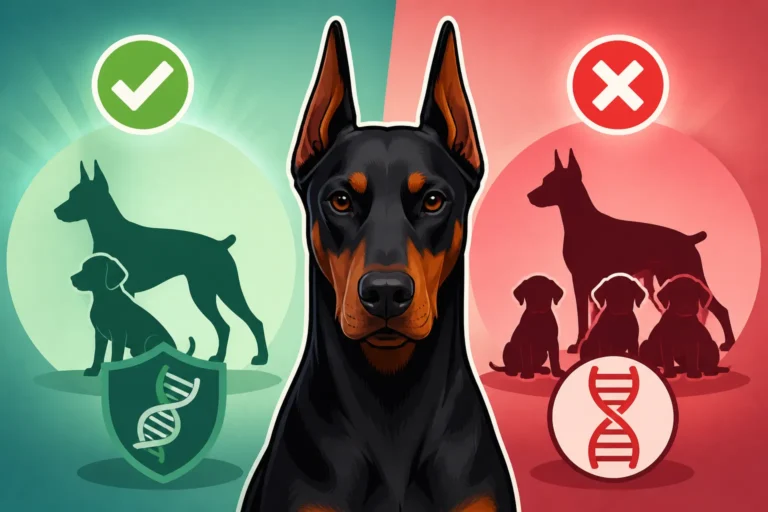
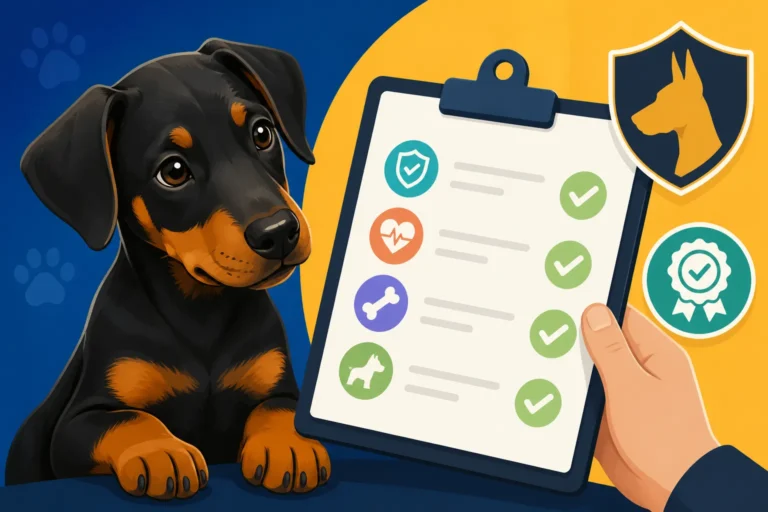
The genetic component of copper storage disease in Dobermans is well-established. This means it can be passed down from parents to offspring. While a definitive genetic test for copper storage disease in Dobermans specifically (as there is for some other breeds) is still under development or not widely available for all Doberman lines, responsible breeders are acutely aware of the risk. They should be actively screening their breeding dogs for liver health through regular bloodwork and bile acid tests. Some breeders may even consider a screening liver biopsy on potential breeding dogs to rule out subclinical copper accumulation. It's about taking proactive steps to ensure that parents are not passing on a predisposition to their puppies. Always ask a potential breeder about their health testing protocols, especially regarding liver health and Reading a Doberman Breeder's Heart Paperwork and other health clearances.
Advocating for Health Testing
As prospective Doberman owners, you have a powerful role to play in advocating for healthier breeding practices. Don't be afraid to ask tough questions:
- "What are the liver health clearances of your breeding pair?"
- "Can I see recent bloodwork and bile acid test results for the sire and dam?"
- "What is your kennel's history with copper storage disease?"
A reputable breeder will not only welcome these questions but will be eager to show you their records and discuss their health philosophy. They understand the heartbreak that comes with such diseases and strive to produce the healthiest puppies possible. Unfortunately, not all breeders are diligent, and purchasing a Doberman puppy without verified health information can mean you're unknowingly taking on a higher risk for conditions like copper liver disease. Insurers like Healthy Paws often recommend getting coverage early in a dog's life, ideally before any pre-existing conditions are identified, which is particularly relevant given the breed's predispositions.
Early detection of Doberman liver disease isn't a guarantee against it, but it's your best defense. It transforms a potentially devastating late-stage diagnosis into a manageable condition with a much better prognosis. By being informed, vigilant, and proactive, you can give your beloved Doberman the longest, healthiest life possible.
Disclaimer
The information provided in this article is for educational purposes only and should not be considered a substitute for professional veterinary advice. Always consult with a qualified veterinarian for any health concerns or before making any decisions related to your Doberman's care, diet, or treatment.