Doberman Ear Cropping From Surgery to Last Posting
Bringing home a Doberman puppy is an absolute joy, but for many, the conversation around ear cropping quickly introduces a mix of excitement, confusion, and sometimes even judgment. It's a deeply personal decision, often rooted in tradition and breed standards, yet fraught with ethical debates and practical challenges. This comprehensive guide is here to walk you through every single step, from making the initial choice to the day those ears stand proudly, offering realistic insights into the surgery, critical aftercare, and the often-lengthy posting process.
The Decision to Crop: More Than Just Aesthetics
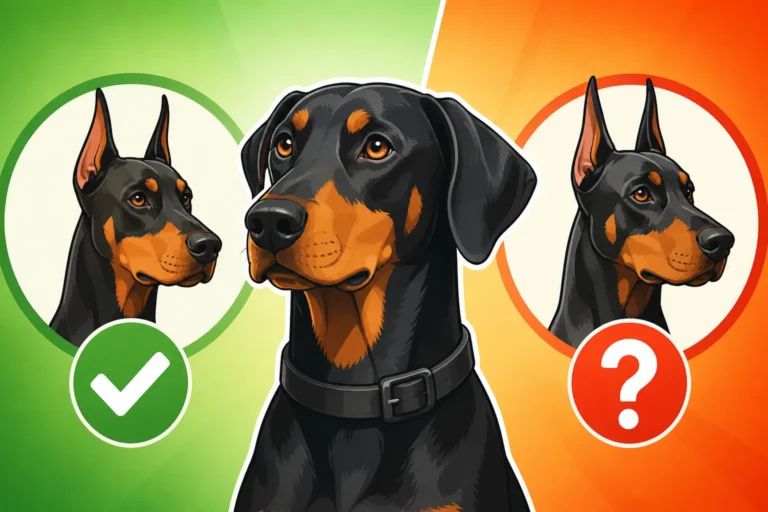
Deciding whether or not to crop your Doberman's ears is a choice that weighs heavily on many new owners. It's not just about how your dog looks; it's a decision with historical roots, health implications, and significant ethical considerations that deserve a thorough understanding before you move forward. There's no single "right" answer, and what works for one family might not align with another's values or circumstances.
Historical Context and Breed Standard
The Doberman Pinscher, as we know it today, was deliberately bred to be a formidable guardian. In the breed's early days, ear cropping and tail docking were standard practices, largely for functional reasons. Shorter ears were thought to reduce the risk of injury during protection work or encounters with wildlife, and to present a more intimidating silhouette. These practices became so ingrained that they were written into the breed standards, defining the "look" of the Doberman for generations. Even today, if you look at the official standard, for example, the one describing the Doberman the AKC Standard Describes, it often includes language that reflects these historical norms.
For many purebred enthusiasts and show breeders, maintaining this traditional appearance is paramount. They see cropping as an integral part of the breed's identity, preserving the lines and aesthetics established by Karl Dobermann himself. This isn't merely vanity; it's a commitment to a historical vision and a particular understanding of what defines the Doberman. The challenge, of course, is balancing tradition with modern animal welfare considerations.
Arguments for Cropping: Health and Function
Beyond tradition, some proponents of ear cropping suggest there are practical benefits. One common argument revolves around ear health, specifically the belief that cropped ears are less prone to ear infections. The idea is that an upright ear allows for better airflow, reducing moisture and wax buildup in the ear canal, which can otherwise create a warm, moist environment ripe for bacteria and yeast. While this sounds logical on the surface, veterinary opinion is divided, and there isn't definitive scientific evidence conclusively proving that cropped ears prevent infections more effectively than natural ears in all Dobermans.
Another perspective often raised, particularly by those involved in working dog sports or protection training, is that cropped ears can improve a Doberman's communication and hearing capabilities. The upright ears are thought to allow the dog to pinpoint sound sources more accurately and project a more alert and attentive demeanor. Additionally, some argue that the process can reduce the chances of ear injuries from fights or rough play, as there's less floppy ear tissue to grab onto. However, this is largely anecdotal and depends heavily on the individual dog and its environment. It's also worth considering what Cropped Ears Hide About a Doberman's Mood, as natural ears offer a wider range of subtle body language cues.
Arguments Against Cropping: Ethics and Welfare
On the other side of the debate are strong ethical and welfare concerns. Opponents view ear cropping as a purely cosmetic procedure that inflicts unnecessary pain and discomfort on a puppy. They highlight the surgery itself, which involves general anesthesia and the removal of ear tissue, followed by weeks or months of an uncomfortable, restrictive posting process. The risk of complications from surgery, such as infection, adverse reactions to anesthesia, or poor healing, is also a serious consideration. Many argue that the dog derives no benefit from the procedure, and therefore, the potential pain and risk are unjustified.
Increasingly, veterinary associations and animal welfare organizations worldwide have condemned cosmetic ear cropping, advocating for it to be banned or phased out. They emphasize that a Doberman's natural ears are perfectly healthy and functional, and that any perceived aesthetic or health benefits are outweighed by the ethical imperative to avoid non-therapeutic surgical procedures. Many European countries, for example, have already banned the practice, and within the United States, there's a growing movement to end it. Choosing not to crop means embracing your Doberman's natural look, which is becoming more widely accepted and even preferred by many modern Doberman owners.
Finding a Reputable Veterinary Surgeon
Once you’ve decided to proceed with ear cropping, the absolute most critical step is finding a highly skilled and experienced veterinary surgeon. This isn't a procedure every vet performs, nor is every vet equally proficient. The success of the crop, both aesthetically and for your Doberman's comfort, hinges almost entirely on the surgeon's expertise and artistic eye. Don't rush this decision; it's worth traveling to find the right professional.
What to Look For in a Doberman Cropping Vet
When searching for a vet, experience is paramount. You need someone who has not only performed many ear crops but specifically many Doberman ear crops. Different breeds have different ear cartilages and head shapes, and a good Doberman cropper understands the nuances required to achieve the correct look for the breed. Ask potential vets for photos of their previous work on Dobermans, ideally showing healed ears that are standing nicely. This allows you to visually assess their skill and see if their aesthetic matches your preferences for your dog. A vet who specializes in cosmetic procedures or has a strong referral network from Doberman breeders is a good sign.
Beyond skill, consider their approach to pain management and aftercare. A reputable vet will prioritize your puppy's comfort before, during, and after the surgery, providing appropriate pain medication and clear instructions for at-home care. They should also be transparent about the entire process, from consultation to the final posting, and have a dedicated team for follow-up appointments. It's often helpful to speak with other Doberman owners in your area or through breed clubs to get recommendations for Vets Who Will and Will Not Crop a Doberman. Be wary of any vet who seems to rush the consultation, downplays the risks, or offers a suspiciously low price without clear explanations of what's included.
The Consultation Process and What to Ask
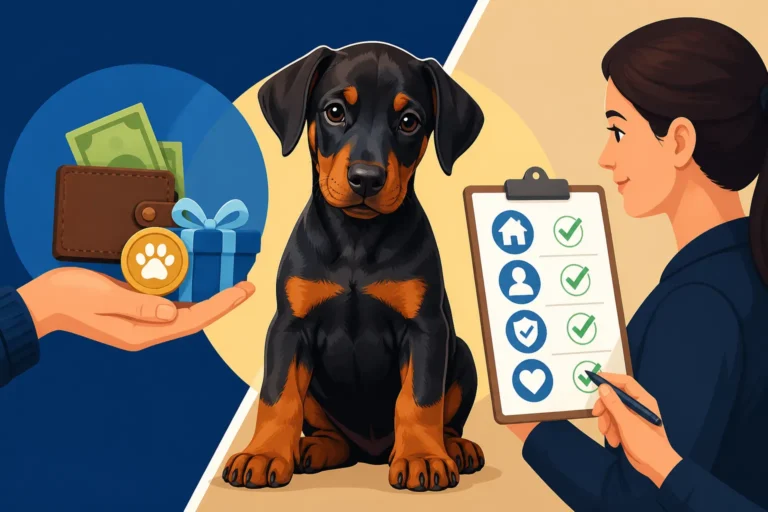
Before committing to surgery, you must schedule a thorough consultation. This is your opportunity to interview the vet and their staff, ask all your questions, and get a clear understanding of what to expect. During this visit, the vet should examine your puppy's ears and head structure to determine the most suitable crop style. Dobermans typically receive a "show crop," "medium crop," or "military crop," each with slightly different lengths and styles, and a good vet will explain the differences and what will best complement your puppy's head.
Don't be shy about asking detailed questions. Inquire about the type of anesthesia used, the monitoring protocols during surgery, and the specific pain management plan for after the procedure. Ask about the post-operative care schedule, including how soon the first bandage will be changed, when the stitches will be removed, and who will be responsible for the initial postings. You should also clarify the total cost, including follow-up visits and any necessary supplies. A transparent clinic will provide a detailed estimate. Understanding these details upfront can alleviate a lot of anxiety and ensure you're prepared for the commitment ahead.
Understanding the Surgical Procedure
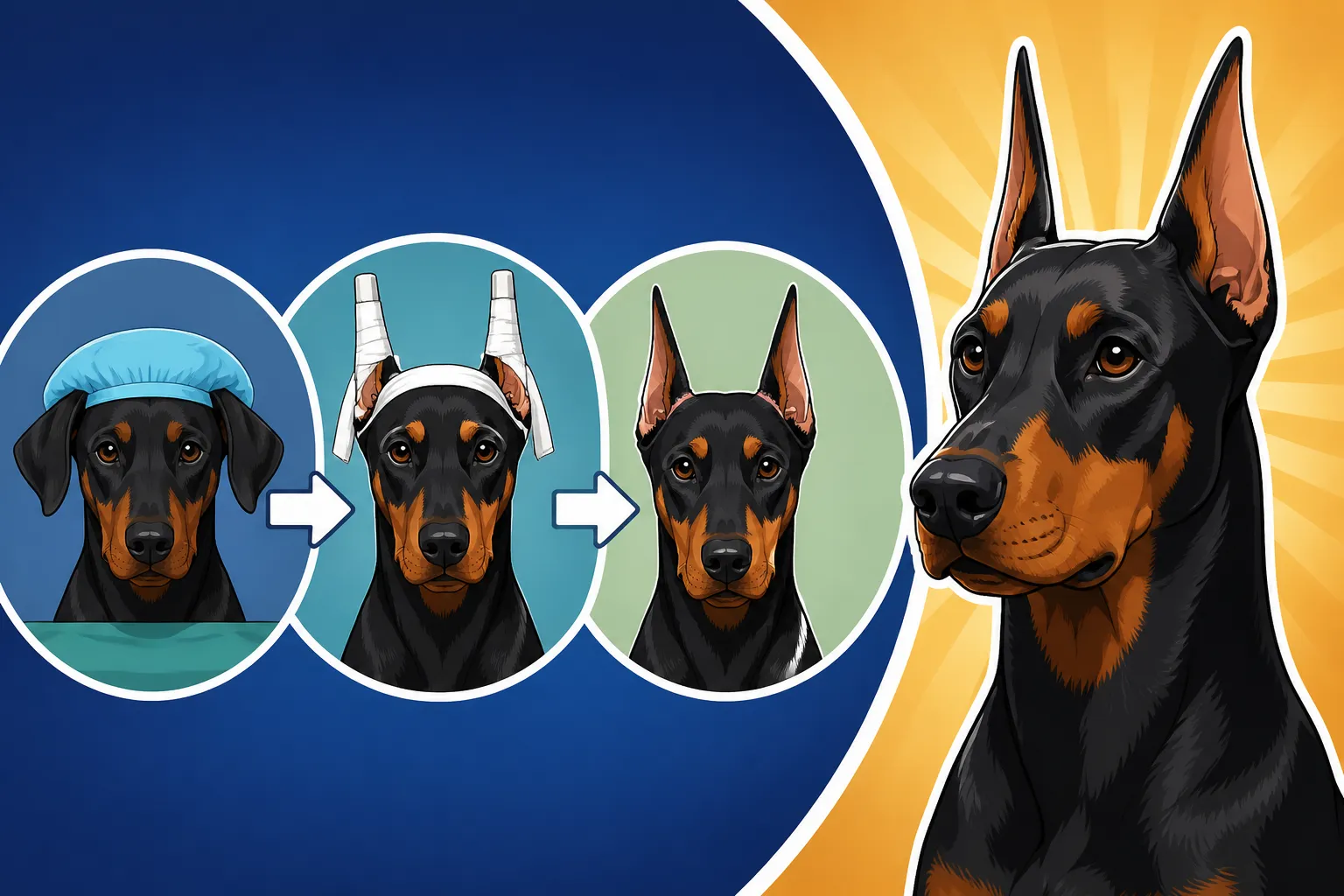
The actual surgical procedure, while relatively quick, is a precise operation. The vet will use specialized instruments to carefully remove a portion of the ear flap, leaving the cartilage intact to form the desired shape. The margins are then meticulously sutured. A skilled surgeon aims for symmetry, clean lines, and a crop that will stand well once healed and posted. It's a delicate balance of art and surgical precision.
Most reputable vets will perform the cropping between 7 and 12 weeks of age. Waiting too long means the ear cartilage hardens, making the procedure more difficult and the chances of successful standing lower. Your puppy will be under general anesthesia for the duration of the surgery, which is typically quite short, often less than an hour. The surgical team will monitor their vital signs closely throughout the procedure. Understanding this allows you to feel more comfortable knowing your puppy is in professional hands and that their safety is a priority.
The Surgical Procedure: What to Expect on D-Day
The day of the ear crop surgery can be a nerve-wracking experience for any Doberman owner. You're entrusting your young puppy to medical professionals for a procedure that, while common in the breed, still carries inherent risks and requires careful execution. Knowing what to expect every step of the way can help ease your mind and ensure you're fully prepared.
Pre-Surgical Preparations and Anesthesia
When you drop your Doberman puppy off for surgery, the veterinary staff will typically review the pre-surgical instructions. This usually involves withholding food for a certain number of hours (often 8-12) before the procedure to prevent vomiting during anesthesia, which can lead to aspiration. Water might be allowed up until a few hours before. They'll perform a thorough physical examination to ensure your puppy is healthy enough for anesthesia. Blood work is also a common recommendation, especially for Dobermans, to screen for any underlying health issues that could complicate the anesthesia or recovery. This can include checking for conditions like Von Willebrand's disease, a bleeding disorder common in the breed.
The anesthesia itself will be administered by a qualified veterinary professional, who will monitor your puppy's heart rate, respiration, oxygen levels, and blood pressure throughout the surgery. They'll use modern anesthetic agents that are generally very safe for young, healthy puppies. The goal is to keep your puppy completely comfortable and pain-free during the procedure. Don't hesitate to ask about their anesthetic protocols and monitoring equipment; a good clinic will be happy to explain their safety measures.
The Cropping Technique: Different Styles and Considerations
During the surgery, the veterinarian carefully excises a portion of the ear flap to create the desired shape. The specific "style" of the crop – often referred to as a show crop, medium crop, or military (short) crop – dictates the amount of ear tissue removed and the final length and contour. A show crop is typically the longest and most elegant, requiring the most precise artistic touch and often the longest posting period, but it's designed to complement the Doberman's head and neck according to breed standards. A medium crop is slightly shorter and can be easier to stand, while a military crop is the shortest and requires the least amount of posting, though it's less common for show-ring Dobermans.
The surgeon will also consider the individual puppy's ear cartilage and head proportions. A well-executed crop doesn't just cut a shape; it takes into account how the ear will look when fully healed and standing upright. After the desired shape is cut, the edges of the remaining ear leather are meticulously sutured. These sutures are crucial for proper healing and forming a clean, smooth edge. The entire procedure is performed with sterile instruments to minimize the risk of infection.
Immediate Post-Operative Care at the Clinic
Immediately after surgery, your Doberman puppy will be recovering from anesthesia in a warm, quiet environment. The veterinary team will continue to monitor their vital signs and manage any post-operative pain. Often, the ears will be taped or bandaged over the head in a protective cup or loosely braced to prevent the puppy from scratching or damaging the surgical sites. This initial bandage also helps protect the stitches.
Before your puppy is discharged, the vet or a veterinary technician will give you detailed instructions for at-home care. This will include information on pain medication, antibiotics if prescribed, how to monitor the surgical site for complications, and when to return for follow-up appointments. They should also explain how to keep the ears clean and dry, and what to do if the initial bandage comes loose or gets wet. Don't be afraid to ask them to demonstrate any care techniques you're unsure about. They want your puppy's recovery to be as smooth as you do.
Initial Post-Op Recovery and Wound Care
The period immediately following surgery is crucial for proper healing and setting the stage for successful ear standing. It's a time when your Doberman puppy needs extra care, attention, and vigilant monitoring to ensure there are no complications. This phase typically lasts for the first 10-14 days until the stitches are removed and the initial raw edges have closed.
Bringing Your Doberman Home: The First 24-48 Hours
When you bring your Doberman puppy home after surgery, they might still be a little groggy from the anesthesia. Find a quiet, comfortable, and safe space for them to rest, away from other pets or boisterous children. It's best to confine them to a crate or a small, easily cleaned area with soft bedding. Ensure they have access to fresh water. Your vet will advise you on when to offer a small meal; often, this is a few hours after they are fully awake, starting with something bland like boiled chicken and rice, or a specific recovery diet. While not directly related to ear care, a high-quality diet, perhaps even a fresh food option like Ollie, can support overall healing and boost their immune system during this critical time.
Monitor them closely for any signs of discomfort, excessive whining, or adverse reactions to medication. Keep the ears protected as instructed by your vet – often they'll be in a "cup" bandage or a loose brace taped over the head. The goal is to prevent the puppy from scratching, rubbing, or shaking their head excessively, which could disrupt the healing sutures or cause bleeding. Supervise them during potty breaks to ensure the ears don't get wet or dirty.
Managing Pain and Medications
Your vet will likely send your Doberman puppy home with pain medication, usually an anti-inflammatory and possibly a mild sedative to help keep them calm. Administer these exactly as prescribed. Do not assume your puppy isn't in pain just because they're not crying; dogs are very good at hiding discomfort. Consistent pain management is essential for their comfort and can prevent them from interfering with the surgical site. Never give human pain medication without veterinary guidance, as many are toxic to dogs.
You might also receive a course of antibiotics to prevent infection, especially if the surgical site is exposed or if there's any concern for contamination. Finish the full course of antibiotics, even if the ears look perfectly fine, to ensure complete eradication of any potential bacteria. Keep a close eye on the surgical incisions for any signs of swelling, redness, discharge, or foul odor beyond what's normal for healing. Any unusual symptoms should be reported to your vet immediately.
Keeping the Crop Site Clean and Dry
Maintaining cleanliness and dryness of the surgical site is paramount to prevent infection and promote optimal healing. For the first week or two, your Doberman's ears will likely be bandaged or taped. It's crucial that this initial dressing stays dry. Avoid baths, swimming, or letting your puppy play in wet grass. If the bandage gets wet or soiled, contact your vet immediately for instructions on how to re-dress it or if it requires an emergency visit. Some vets use a strong adhesive that lasts until suture removal, while others may opt for a lighter wrap that you might need to monitor more closely.
Once the stitches are removed (typically around 10-14 days post-op) and the initial bandages are off, you'll need to keep the raw edges clean. Your vet will usually recommend a gentle antiseptic solution or wipes. Gently clean any scabs or crusts that form, making sure not to rub too hard or pull at the healing skin. The edges should look pink and healthy, gradually forming a clean, smooth line. Consistency in this cleaning routine will prevent bacterial buildup and ensure a smooth transition to the posting phase.
Recognizing and Addressing Complications
Even with the best surgical care, complications can sometimes arise. It's vital for you to be vigilant and know what to look for. Signs of infection include excessive redness, swelling, warmth to the touch around the surgical site, purulent (pus-like) discharge, or a foul odor. If you notice any of these, contact your vet immediately. Another potential issue is a dehiscence, where the incision opens up, often due to the puppy scratching or bumping their ears. Minor separations might heal on their own, but larger ones will require veterinary intervention.
Adverse reactions to anesthesia, though rare, can also occur, presenting as prolonged lethargy, vomiting, or difficulty breathing. If your puppy exhibits any severe symptoms, seek emergency veterinary care. Additionally, some Dobermans may develop seromas (fluid pockets) or hematomas (blood clots) under the skin, which might need to be drained by the vet. While worrying, most complications are manageable if caught early. Early detection and communication with your veterinary team are your best tools in ensuring a smooth recovery for your Doberman. And while we're talking about budgeting, it's wise to consider pet insurance, especially for a breed like the Doberman with its known health predispositions. Companies like Healthy Paws can help cushion the financial blow of unexpected complications, though make sure to check their policies regarding elective procedures like cropping.
The Posting Process: A Marathon, Not a Sprint
After the initial healing and suture removal, the true test of patience begins: the ear posting process. This is often the most time-consuming and sometimes frustrating part of ear cropping, but it's absolutely essential for achieving those iconic, perfectly upright Doberman ears. Expect to dedicate several months to this, as successful ear standing is a marathon, not a sprint.
First Postings: Taping Techniques and Materials
Once your Doberman's ears are fully healed and the stitches are out (typically 10-14 days post-op), your vet or an experienced mentor will perform the first posting. There are various taping techniques, but the general principle involves supporting the ear cartilage in an upright position. Common methods use backer rod, tampons, or even pipe insulation as the support, wrapped in medical tape. The key is to create a sturdy, yet comfortable, support column for the ear without restricting blood flow. Often, a "bridge" of tape is created across the top of the head to connect the two posted ears and provide additional stability, especially for young puppies.
Gathering your supplies beforehand will make the posting process much smoother. You'll need medical tape (often Zonas Porous Tape or similar brands known for good adhesion and breathability), cotton balls, ear cleaner, and perhaps some adhesive remover, all readily available from retailers like Chewy. Some owners also use a skin adhesive or ear powder for better adherence. The first few times can be tricky, so don't be discouraged if it doesn't look perfect. Practice makes perfect, and watching experienced individuals demonstrate the technique multiple times is invaluable. The goal is for the ears to sit comfortably and securely without being pulled too tight or causing irritation.
Frequency of Changing Posts and Hygiene
The frequency of changing posts depends on several factors, including your Doberman's individual ear health, how well the posts are staying in, and the specific taping method used. Generally, posts are changed every 4-7 days. Leaving them on too long can lead to moisture buildup, skin irritation, and even infection within the ear canal. Conversely, changing them too often can be stressful for your puppy and prevent the ears from getting consistent support. Your vet will give you specific recommendations based on your dog's progress. It's important to remember that How Many Posting Changes a Doberman Needs can vary greatly from one dog to another.
Each time you change the posts, it's a critical opportunity to clean the ears thoroughly. Gently remove the old tape and posts, then use an ear cleaner (veterinary-approved) to clean the entire ear, both inside the canal and around the cropped edges. Look for any redness, swelling, discharge, or signs of irritation. Let the ears air out completely for 15-30 minutes before re-taping. This airing-out period is essential for skin health and prevents moisture-related problems. Pay close attention to the base of the ear, as this area is prone to irritation if not kept clean and dry.
Troubleshooting Common Posting Problems
You will likely encounter a few challenges during the posting process. One common issue is irritation or "tape burn" where the tape contacts the skin. This can often be mitigated by ensuring the tape isn't too tight, using hypoallergenic tape, or applying a thin layer of skin adhesive or protective powder before taping. If irritation occurs, leave the ears unposted for 12-24 hours to let the skin heal, continuing with cleaning, and then re-post gently.
Another frequent frustration is posts coming loose or falling out prematurely, especially with active puppies. This often means the tape wasn't applied securely enough, or your puppy is shaking their head more than usual. Re-evaluate your taping technique, ensuring the tape adheres well to clean, dry skin. Sometimes, a different type of tape or an added adhesive might be needed. "Pocketing," where a part of the ear doesn't stand straight and creates a crease or pocket, is also common. This usually requires adjusting the posting technique to provide more pressure or support to that specific area. Patience and persistence are key, as is working closely with your vet or an experienced mentor to refine your technique.
When to Know Your Doberman's Ears Are Standing
The timeline for ear standing can range anywhere from three to twelve months, or even longer in some cases. It's a gradual process as the ear cartilage strengthens and holds its shape independently. You'll know your Doberman's ears are ready when they consistently stand strong and erect for several days, or even a week, without any posting. When you remove the posts, watch how they hold their shape. Do they droop, lean inward or outward, or does one tip over? If so, they still need more posting.
Many experienced Doberman owners recommend a "test period" where you leave the ears unposted for progressively longer durations (e.g., 12 hours, then 24, then 48, etc.). If they start to sag or weaken, it's time to re-post for another week or two. It's always better to over-post slightly than to under-post and have the ears collapse permanently. Once they are consistently standing for a full week, you can likely stop. However, some owners keep a set of posts on hand for occasional "tune-ups" if they notice a slight droop, especially during teething or growth spurts when calcium is diverted elsewhere in the body.
Long-Term Care and the Uncropped Doberman
Whether your Doberman's ears are cropped or left natural, long-term care is essential to maintain their health and comfort. Each type of ear has its own specific needs and considerations that owners should be aware of to prevent common issues and ensure their Doberman lives a happy, healthy life.
Ongoing Ear Health and Cleaning for Cropped Ears
Once your Doberman's cropped ears are fully standing, the daily posting routine comes to an end, but ear care doesn't stop there. While theoretically, cropped ears with their open structure might seem less prone to infection due to better air circulation, regular cleaning is still important. Dust, debris, and wax can still accumulate in the ear canal, and some Dobermans are simply more prone to wax buildup than others. Regularly check the inside of the ear for any redness, odor, or discharge, which could indicate an infection.
For routine cleaning, use a veterinarian-approved ear cleaner. You can moisten a cotton ball and gently wipe the visible parts of the ear canal and around the ear opening. Avoid using cotton swabs deep inside the ear, as this can push debris further in or damage the eardrum. If you notice signs of infection, such as an increase in scratching, head shaking, or a foul smell, consult your vet promptly. Prevention is key, and regular, gentle cleaning as part of your grooming routine will help keep those proud ears healthy. This is especially relevant to topics like Cleaning Wax From a Cropped Doberman Ear.
Caring for Natural, Uncropped Doberman Ears
For Doberman owners who choose not to crop, caring for natural, floppy ears is a straightforward, yet crucial, part of their routine. These ears, with their pendulous structure, can trap more moisture and reduce airflow, making them slightly more susceptible to yeast and bacterial infections than their cropped counterparts. This is a common characteristic in breeds with drop ears, and it's why regular checks are so important. Understanding How a Natural Doberman Ear Sits will help you appreciate the specific care they need.
Inspect your Doberman's natural ears weekly, or even more frequently if they're prone to swimming or playing in dirty environments. Gently lift the ear flap and look for redness, swelling, unusual odors, or excessive wax. Use an ear cleaner designed for dogs to gently wipe the visible folds and crevices of the ear flap and the outer ear canal. Again, avoid inserting anything deep into the ear. If your Doberman swims regularly, consider using an ear-drying solution after water exposure to prevent moisture from lingering and creating a breeding ground for pathogens.
Dealing with a "Failed" Crop
Sometimes, despite all the effort, expense, and careful posting, a Doberman's ears simply refuse to stand completely upright. This can be incredibly frustrating for owners who have invested months into the process. A "failed" crop might manifest as one ear standing perfectly while the other droops, or both ears remaining a little soft at the tips, or even a complete collapse. This isn't usually due to owner negligence, but rather factors like individual cartilage strength, a particularly challenging crop cut, or complications during the initial healing. For many, the concern is whether a Doberman Crop Can Fail and Cost More.
If you find yourself with ears that aren't standing, first re-evaluate your posting technique with your vet or mentor. Sometimes a slight adjustment or a few more weeks of posting can make a difference. However, if months have passed and the ears are still not standing, it's important to accept that they may never achieve the desired upright posture. While this can be disappointing, remember that your Doberman is still a wonderful companion, regardless of their ear shape. Some owners may explore options for re-surgery, but this is often costly, carries additional risks, and doesn't guarantee success. Many choose to embrace the natural or partially-standing look, focusing on the dog's health and happiness rather than external aesthetics.
Financial Considerations of Doberman Ear Cropping
Understanding the full financial commitment involved in Doberman ear cropping is essential before proceeding. It's not just the initial surgical fee; there are significant costs associated with aftercare, supplies, and potential complications that can add up quickly. Being prepared financially can reduce stress during what is already an intensive process.
Average Cost of the Surgery Itself
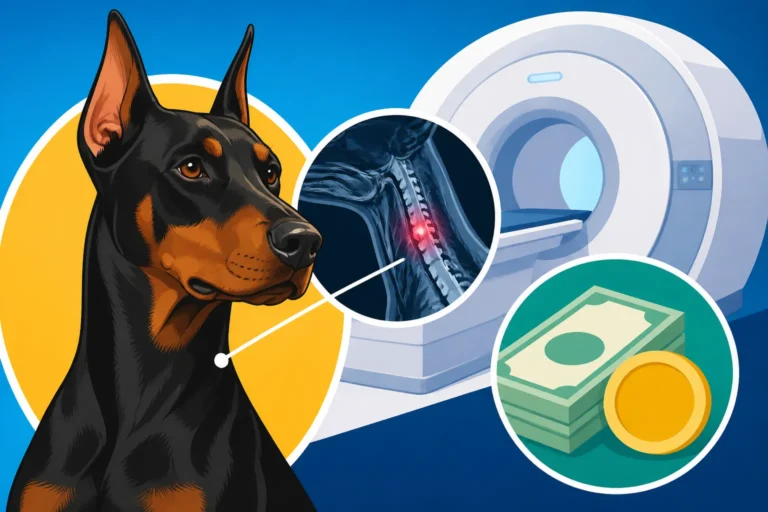
The cost of Doberman ear cropping surgery can vary widely based on your geographic location, the veterinarian's experience and reputation, and the specific style of crop chosen. Generally, you can expect to pay anywhere from $400 to $800, but in some areas, especially for highly sought-after specialist vets, it could be $1,000 or more. This fee usually covers the surgery itself, anesthesia, and initial post-operative care, including the first bandage change and stitch removal. However, it’s crucial to clarify what precisely is included in the quoted price. Factors like the age of the puppy and the complexity of the desired cut can also influence the final bill. This wide range explains Why Doberman Cropping Prices Vary So Widely.
It's common to see significant differences in pricing, with some clinics offering what appears to be a bargain. However, remember that "The Six Hundred Dollar Doberman Crop" might be a basic cut without extensive follow-up care, or it might be performed by a less experienced vet. When it comes to ear cropping, opting for the cheapest option can often lead to aesthetically poor results, complications, and ultimately, more expense in corrective procedures or prolonged aftercare. Always prioritize experience and a proven track record over a lower price point.
Expenses for Aftercare Supplies and Vet Visits
The surgical fee is just the beginning. The aftercare and posting process incurs its own set of ongoing costs. You'll need a steady supply of posting materials, which include medical tape (e.g., Zonas Porous Tape, athletic tape), backer rod or similar support material, cotton balls, ear cleaner, and potentially skin adhesive or protective powders. While individual items might not seem expensive, these are consumables that you'll be repurchasing for several months. A rough estimate for these supplies could range from $50 to $150 in total, depending on how long your Doberman's ears need posting and how frequently you change them.
Beyond supplies, expect a series of follow-up vet visits. These typically include stitch removal, the first ear posting demonstration, and then periodic checks by the vet to ensure the ears are healing properly and standing correctly. Each of these appointments will incur a fee. While some vets might include a limited number of follow-up postings in the initial surgical cost, many will charge for each subsequent visit or for additional supplies provided at the clinic. These follow-up fees can easily add another $200-$500 to your total expenses over the posting period. Don't forget to factor in Posting Fees After a Doberman Crop when planning your budget.
The Value of Insurance and Budgeting for Unexpected Issues
Even with careful planning, unexpected issues can arise. Complications like infection, severe irritation, allergic reactions to tape, or even damage to the ears from your puppy scratching can necessitate additional vet visits, medications, or even corrective procedures. These unforeseen costs can quickly escalate and significantly impact your budget. This is where pet insurance can be a valuable asset.
While most pet insurance policies will not cover elective cosmetic procedures like ear cropping itself, they may cover complications arising from the surgery if the policy was in place before the procedure was scheduled. For example, if your Doberman develops a post-operative infection, the cost of treating that infection might be covered. It's crucial to thoroughly review policy details and speak directly with insurance providers like Healthy Paws to understand what is and isn't covered regarding elective surgeries and potential complications. Budgeting an extra "contingency fund" of a few hundred dollars specifically for unexpected ear-related issues is also a wise decision, even if you have insurance. This proactive approach ensures you're prepared for the full scope of financial demands associated with ear cropping.
Disclaimer
This article is intended for informational purposes only and does not constitute professional veterinary advice. Always consult with a qualified and experienced veterinarian regarding any health concerns, medical conditions, or surgical procedures for your Doberman. The decision to crop ears is a significant one, and should always be made in consultation with a professional who can provide tailored advice based on your dog's individual needs and local regulations.