What a Doberman Neck MRI Costs
Few things are more unsettling than watching your beloved Doberman exhibit strange neurological symptoms, perhaps a sudden clumsiness, an unusual gait, or a persistent head-down posture. Your mind races, fearing the worst, and the practical concern of "what will this cost?" often follows closely behind the worry for your dog's health. This guide is here to walk you through what to expect financially when your Doberman needs a neck MRI, demystifying the process and helping you prepare for the potential expenses involved in diagnosing these complex issues.
Why Your Doberman Might Need a Neck MRI
When your Doberman starts acting a little "off" – maybe they're stumbling, dragging their feet, or showing weakness in their limbs – it’s a terrifying experience. These symptoms often point to an issue with their spine or central nervous system, and for a breed like the Doberman, a common culprit is a condition known as Wobbler Syndrome. However, it’s not the only possibility, and getting to the bottom of it quickly is paramount for your dog's well-being and potential treatment success.
Understanding Neurological Symptoms in Dobermans
The Doberman breed is predisposed to certain neurological conditions that manifest in various ways. You might notice your dog struggling to get up, walking with a drunken sway, or even scuffing their nails because they're not lifting their feet properly. Sometimes, the signs are more subtle, like a reluctance to turn their head, a stiff neck, or simply appearing less energetic on walks. These aren't just signs of aging; they can be critical indicators of underlying spinal cord compression or other neurological problems.
It's natural to hope it's just a sprain or something minor, but a Doberman's deep chest and long neck make them particularly susceptible to issues in the cervical spine. If you've ever seen A Doberman That Wobbles on Its Back Legs, you know how concerning these gait changes can be. An MRI provides an incredibly detailed view of these delicate structures, allowing veterinarians to see soft tissues, nerves, and spinal cord compressions that X-rays simply can't reveal.
Common Conditions Requiring a Neck MRI
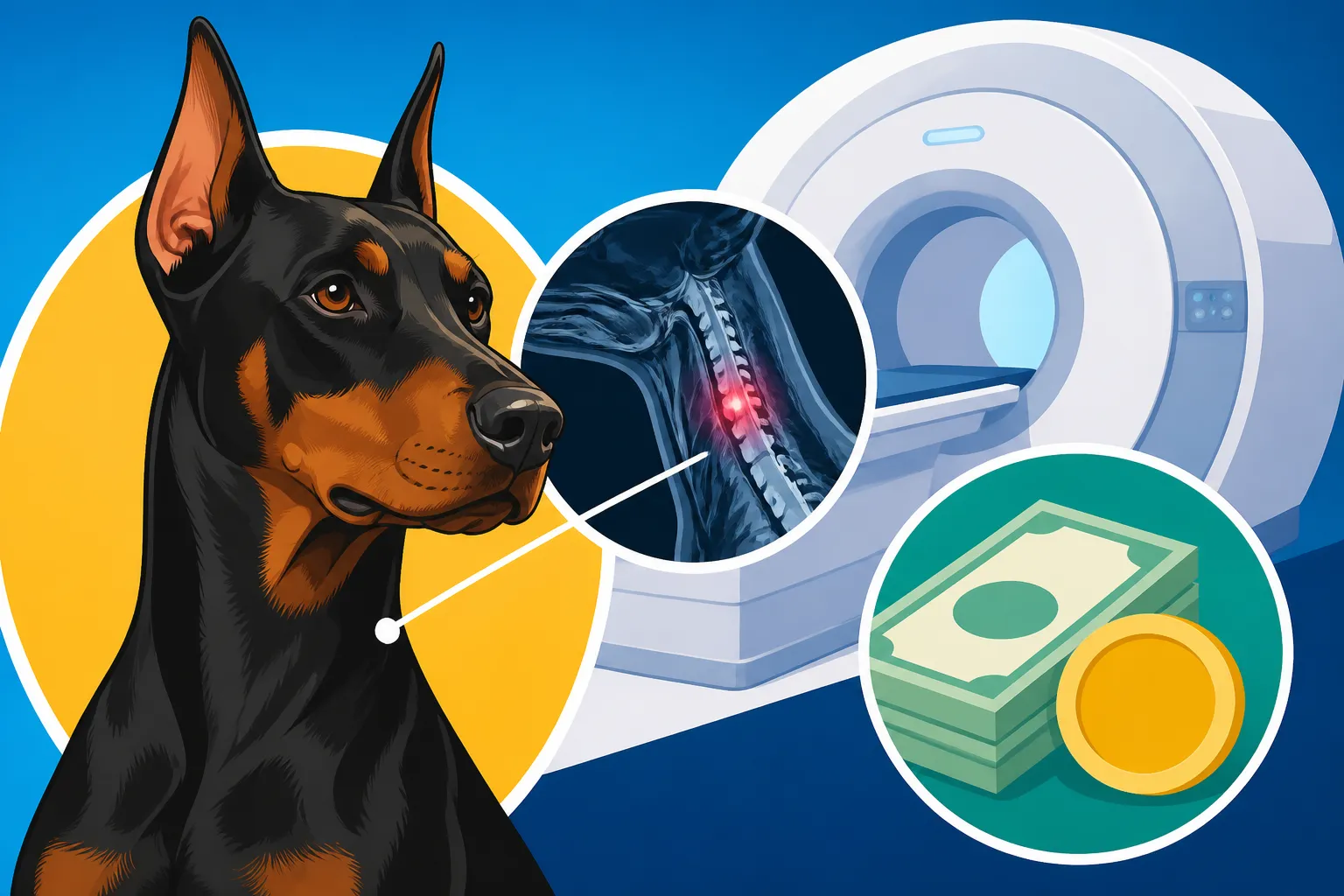
The primary reason a Doberman often needs a neck MRI is to diagnose or rule out Wobbler Syndrome, medically known as Cervical Spondylomyelopathy (CSM). This condition involves compression of the spinal cord and/or nerve roots in the neck region. But an MRI isn't only for Wobblers. It can also help diagnose:
- Herniated Discs: Similar to humans, Dobermans can suffer from slipped or bulging discs that press on the spinal cord.
- Spinal Tumors: While less common, growths on or around the spinal cord can cause neurological deficits.
- Inflammatory Conditions: Meningitis or other inflammatory diseases affecting the brain and spinal cord can sometimes be identified through MRI findings, especially if accompanied by other diagnostic tests.
- Trauma: If your Doberman suffered an injury, an MRI can assess the extent of soft tissue damage, bleeding, or subtle fractures that might be missed on standard radiographs.
Essentially, any persistent neurological symptom that can't be explained by initial physical exams and basic imaging (like X-rays) will likely lead your vet to recommend an MRI. It's the gold standard for visualizing the delicate structures of the spine and brain.
Deconstructing the Cost of a Doberman Neck MRI
When your vet first suggests an MRI, the sheer cost can feel overwhelming, almost paralyzing. It's not a simple X-ray, and the price tag reflects the specialized equipment, expertise, and time involved. Understanding the different components that make up the total bill can help you mentally prepare and discuss options more effectively with your veterinary team.
Initial Consultation and Diagnostics
Before your Doberman even gets near an MRI machine, there are preliminary steps that incur costs. This isn't just about padding the bill; it's about ensuring an MRI is the right diagnostic tool and that your dog is healthy enough for anesthesia.
- General Vet Visit: Your journey starts with your regular veterinarian. They'll perform a thorough physical and neurological exam. This initial visit will have its own fee, plus any basic tests they run, like blood work to check organ function or basic X-rays of the neck to look for obvious bone issues. This might involve looking for signs like A Doberman That Walks With Its Head Down.
- Referral to a Specialist: For something as intricate as a neck MRI and potential spinal surgery, your primary vet will almost certainly refer you to a veterinary neurologist or a specialty hospital. The initial consultation with this specialist will be a separate, often higher, fee. They will review all previous records, perform their own extensive neurological exam, and discuss the necessity and implications of an MRI.
- Pre-Anesthetic Blood Work: An MRI requires general anesthesia, which carries risks, especially for Dobermans who might have underlying heart conditions. Comprehensive blood tests are crucial to ensure your Doberman's liver and kidneys can process the anesthetic drugs safely. This blood panel also helps detect any hidden issues that might complicate the procedure.
The MRI Procedure Itself
This is where the bulk of the cost lies, encompassing the specialized equipment, the trained personnel, and the time required for the scan.
- Anesthesia and Monitoring: Administering and monitoring anesthesia is a significant part of the cost. A dedicated veterinary anesthesiologist or a highly trained veterinary technician will be with your Doberman throughout the entire procedure, monitoring vital signs, adjusting anesthetic levels, and ensuring their comfort and safety. Dobermans can be sensitive to sedation, so careful monitoring is especially important. Whether Dobermans React Badly to Sedation is a valid concern, making this a critical component.
- The MRI Scan: The actual acquisition of the images involves the use of a powerful magnetic field and radio waves. It’s a sophisticated piece of machinery that needs regular maintenance and specialized technicians to operate it. The cost will factor in the time the machine is used, which can vary depending on the complexity of the area being scanned and the number of sequences required. For example, What a Doberman MRI Shows for Wobblers can involve multiple angles and types of images.
- Radiologist Interpretation: Once the images are acquired, a board-certified veterinary radiologist must interpret them. They are specialists trained to identify subtle abnormalities that might be missed by a general practitioner. Their expertise is invaluable, and their fee for reading and reporting on the images is a distinct part of the overall cost.
Potential Additional Costs
Beyond the core MRI procedure, there are other expenses that can quickly add up, turning an already large bill into an even larger one.
- Contrast Dye: Sometimes, a contrast agent is injected intravenously to enhance the visibility of certain structures or abnormalities on the MRI. This is an additional cost.
- Overnight Stay/Recovery: Depending on how your Doberman recovers from anesthesia, they might need to stay overnight for observation. This includes nursing care, medications, and monitoring.
- Post-MRI Consultation: You'll have a follow-up consultation with the neurologist to discuss the MRI findings, diagnosis, and treatment plan. This might be a separate fee or included in a broader diagnostic package.
- Medication: Once a diagnosis is made, your Doberman will likely be prescribed medication, whether it's for pain management, anti-inflammatory purposes, or to address specific neurological symptoms.
- Biopsy (if needed): If the MRI reveals a mass or other anomaly, a biopsy might be recommended to get a definitive diagnosis, which is a separate, invasive procedure with its own costs.
Here’s a simplified breakdown of the potential cost components for a Doberman neck MRI:
| Cost Component | Description | Typical Timing |
|---|---|---|
| Initial Vet Consultation | Examination, basic tests (bloodwork, X-rays) with your primary vet. | Pre-referral |
| Specialist Consultation | Neurological exam, record review, MRI recommendation by a veterinary neurologist. | Pre-MRI |
| Pre-Anesthetic Work-up | Comprehensive blood tests to assess organ function and anesthetic risk. | Day of or days before MRI |
| Anesthesia & Monitoring | Drugs, specialized equipment, and dedicated personnel for anesthetic safety. | During MRI |
| MRI Scan Acquisition | Use of MRI machine, technical staff time to capture images. | During MRI |
| Radiologist Interpretation | Expert analysis of MRI images by a board-certified veterinary radiologist. | Post-MRI |
| Contrast Agent (optional) | Specialized dye for enhanced imaging of certain tissues. | During MRI |
| Post-Procedure Care | Recovery monitoring, pain management, potential overnight stay. | Post-MRI |
| Follow-up Consultation | Discussion of results, diagnosis, and treatment plan with specialist. | Post-MRI |
Keep in mind that these are just the diagnostic costs. Should surgery be recommended (for conditions like Wobblers), the Wobbler Surgery Prices for a Doberman will be an entirely separate and substantial expense.
Managing the Financial Burden of a Doberman Neck MRI
Looking at the potential costs, it’s easy to feel a knot of anxiety tighten in your stomach. These procedures are undeniably expensive, but there are proactive steps you can take and resources available to help ease the financial strain. The key is to explore your options well before an emergency strikes, but even if you're in the thick of it, there are still avenues to pursue.
The Role of Pet Insurance
Pet insurance can be an absolute lifesaver when facing unexpected, high-cost diagnostics like an MRI. However, it's crucial to understand how it works, especially with pre-existing conditions.
- Early Enrollment is Key: The golden rule of pet insurance is to enroll your Doberman before any symptoms or diagnoses arise. If your dog already has a history of neurological issues or has shown signs that lead to an MRI, it will likely be considered a pre-existing condition and may not be covered. This is why many experienced Doberman owners secure policies early, sometimes even as puppies. Think about Insuring a Doberman Before the Heart Turns – the same logic applies to spinal issues.
- Coverage and Deductibles: Policies vary widely. Some cover a high percentage of specialist fees and diagnostics, while others have lower reimbursement rates or higher deductibles. Always review your policy's terms regarding specialist care, diagnostics, and orthopedic/neurological conditions.
- Submitting Claims: Typically, you pay the veterinary bill upfront, and then submit a claim to your insurance provider for reimbursement. Companies like Healthy Paws are well-regarded for their comprehensive coverage and straightforward claims process, which can make a huge difference when you're dealing with a stressful health crisis. Don't be afraid to call your provider and ask specific questions about MRI coverage and how a potential diagnosis might affect future claims.
Exploring Payment Plans and Financial Aid
Even with insurance, or if you don't have it, there are other ways to manage the bill. Veterinary practices understand that these costs are significant and often have options or can point you to resources.
- Veterinary Payment Plans: Many specialty veterinary hospitals offer their own in-house payment plans, allowing you to pay the bill in installments. These often require a down payment.
- Third-Party Medical Credit: Services like CareCredit are widely accepted in veterinary practices. They function like a credit card specifically for healthcare expenses, often offering deferred interest periods if the balance is paid within a certain timeframe. Be sure to understand the terms before committing.
- Financial Aid Organizations: Several non-profit organizations exist to help pet owners with veterinary expenses. These often have specific eligibility requirements, which might include income limits or focus on particular types of conditions. Searching for national and local pet aid charities can yield results. For Dobermans specifically, some breed-specific rescues or welfare groups might have funds set aside for emergencies for Dobermans in need, though this is less common for owned pets and more for rescue animals.
- Crowdfunding: Platforms like GoFundMe have become a common way for pet owners to raise funds from their communities. Sharing your Doberman's story and the need for diagnostic help can rally support.
Proactive Saving and Budgeting
While it's hard to predict when a major health issue will strike, Doberman ownership comes with known predispositions, including issues like Wobbler Syndrome. Being proactive financially can save immense stress later on.
- Emergency Fund: Setting aside a dedicated emergency fund for your Doberman's health is highly advisable. Many Doberman owners try to have several thousand dollars earmarked for unexpected vet bills, knowing the breed's propensity for conditions requiring specialized care. You might even consider having a separate fund from Setting Money Aside for a Doberman's Heart, as neurological issues can be just as costly.
- Open Communication with Your Vet: Don't hesitate to have an open and honest conversation with your veterinarian or the specialist about costs. Ask for estimates, inquire about all-inclusive packages (sometimes clinics offer a bundle price for diagnostics), and discuss priority tests. They may be able to suggest a staged diagnostic approach if funds are very tight, though for neurological issues, prompt diagnosis is often best.
Remember, the goal is to get your Doberman the best possible care without completely devastating your finances. Exploring all these avenues can help you navigate what is undoubtedly a challenging situation.
The MRI Process and Post-Diagnosis Care
Getting an MRI done is just one step in a potentially long journey. Knowing what to expect during the procedure and understanding the follow-up care can help you feel more prepared and less anxious. The diagnosis itself can bring a mix of relief and new concerns, but having a clear plan is paramount for your Doberman's recovery and quality of life.
What to Expect on MRI Day
The day of the MRI can be nerve-wracking for you, but the veterinary team will do their utmost to ensure your Doberman is comfortable and safe.
- Preparation: You'll typically be asked to withhold food for several hours before the procedure, as is standard for any anesthesia. Your Doberman will have pre-anesthetic blood work reviewed, and possibly receive a sedative to help them relax before the general anesthesia.
- The Procedure: Your Doberman will be fully anesthetized and positioned carefully within the MRI machine. The scan itself is painless, but the machine is quite loud, which is why anesthesia is necessary to keep them perfectly still. The team will be constantly monitoring their vital signs throughout. The duration of the scan can vary, but generally, expect a few hours from drop-off to pickup.
- Recovery: After the scan, your Doberman will be moved to a recovery area where they'll be closely monitored as they wake up from anesthesia. They might be a bit groggy or disoriented initially, which is completely normal. Most Dobermans can go home the same day, though some, especially older dogs or those with other health concerns, might require an overnight stay. When it's time for pickup, the staff will provide detailed instructions on post-anesthetic care at home.
Life After a Neck MRI Diagnosis
The MRI provides critical information, allowing your veterinary neurologist to make a precise diagnosis and recommend a tailored treatment plan. This plan can range from conservative management to surgical intervention.
- Conservative Management: For some conditions or less severe compressions, a non-surgical approach might be recommended. This often involves a combination of rest, anti-inflammatory medications, pain relief, and possibly physical therapy. For example, Steroids and Rest for a Doberman Wobbler can be a primary line of treatment. Your vet might also discuss supportive care options, including specific diets. While not directly related to the MRI cost, sourcing specialized foods for managing inflammation or joint health might lead you to explore options from retailers like Chewy or custom fresh food services like Ollie. These can be crucial for long-term management.
- Surgical Intervention: If the compression is severe, progressive, or not responding to conservative treatment, surgery might be the best option. This is a major decision with significant financial implications, as discussed in Doberman Wobbler Surgery and the Bills That Follow. The MRI results will guide the surgeon in planning the procedure.
- Rehabilitation: Post-surgery or even for conservative management, physical rehabilitation is often vital for optimal recovery. This can include hydrotherapy, massage, therapeutic exercises, and laser therapy. Rehabilitation Costs After Doberman Spinal Surgery are an important consideration and can add up over time.
- Long-Term Monitoring: Depending on the diagnosis, your Doberman might require regular follow-up visits, medication adjustments, and potentially repeat imaging to monitor their condition over time. Managing chronic pain or neurological deficits can be a lifelong commitment.
Coping with a Doberman's neurological condition is an emotional and financial challenge. However, with accurate diagnosis through tools like MRI, and a dedicated team, you can provide your Doberman with the best possible chance for comfort and improved quality of life.
Disclaimer
This article is for general informational purposes only and does not constitute professional advice. Laws, prices and regulations vary by location and change over time. Consult a qualified professional for guidance on your specific situation.