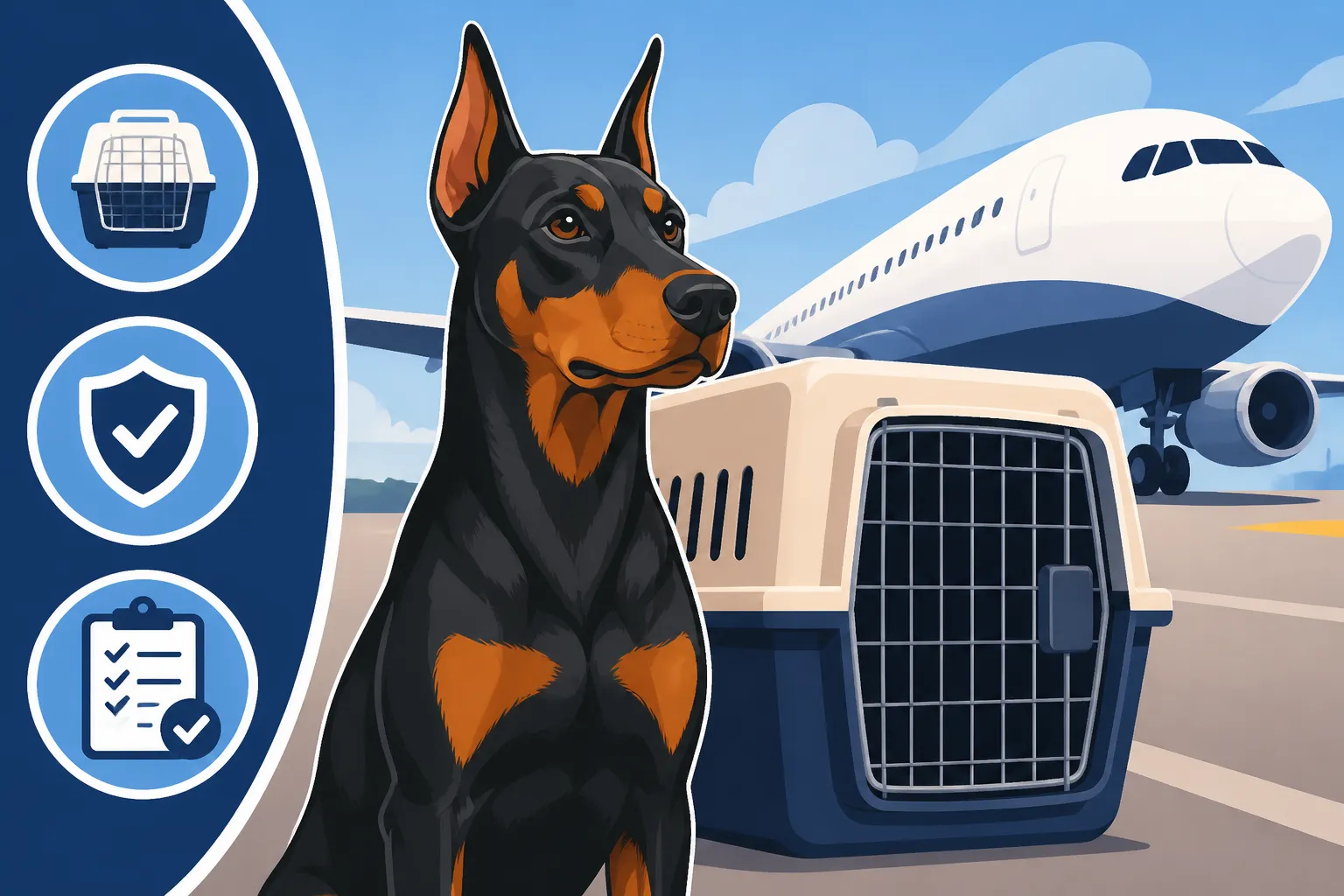
Airline Rules for Shipping a Doberman
Trying to coordinate travel plans when you have a magnificent Doberman by your side can feel like navigating a maze blindfolded, especially when it comes to flying. The rules are often confusing, incredibly strict, and sometimes seem to change with the wind, leaving you worried sick about your beloved companion's safety and comfort. This guide is here to untangle the complexities of airline regulations for shipping your Doberman, offering clear, actionable steps to ensure a smooth journey for both of you.
Why Shipping a Doberman Presents Unique Challenges
Shipping any large breed dog via air cargo or as checked baggage comes with a specific set of hurdles, but Dobermans, with their particular build, temperament, and unfortunately, a sometimes undeserved reputation, face even more scrutiny. It’s not just about fitting them in a crate; it's about meeting stringent health, safety, and breed-specific requirements that airlines impose.
Understanding Breed-Specific Restrictions and General Concerns
While Dobermans are not brachycephalic (short-nosed) breeds, which are often outright banned from flying due to respiratory risks, their powerful build and lean body type mean they can sometimes be viewed differently by airline staff. Some airlines might have weight or size restrictions for the cargo hold that, while not explicitly Doberman-specific, can still make finding an appropriate flight difficult. Their short, single coat means they are more susceptible to temperature extremes, making climate control in transit a huge consideration.
Beyond the physical, there's the perception. Dobermans, despite being incredibly loyal and often gentle family dogs, sometimes carry a stigma that can lead to extra caution or even refusal by certain airlines or individual airline employees. This isn't fair, but it's a reality many Doberman owners have to contend with. The stress of travel itself can also be a significant concern for our sensitive companions. A Doberman is often called a "Velcro dog" for a reason; they thrive on companionship and routine. Being separated in an unfamiliar, noisy cargo environment can be incredibly distressing. It's crucial to consider A Doberman That Cannot Cope When You Go Out and how that might translate to the high-stress environment of air travel.
The Role of Temperature and Weather Embargoes
One of the most frequent and impactful challenges when shipping a Doberman is navigating temperature restrictions. Airlines have strict guidelines, often tied to USDA regulations, about the maximum and minimum temperatures allowed at both the departure and arrival airports, as well as any layover cities. Dobermans, with their minimal body fat and short coats, are particularly vulnerable to both extreme cold and heat.
If the temperature is too high (typically above 85°F) or too low (often below 20°F or 45°F, depending on the airline and specific regulations for animal welfare), your Doberman's flight will likely be delayed or even canceled. These embargos are put in place for your dog's safety, preventing heatstroke or hypothermia, but they can wreak havoc on travel plans. This means that planning travel during moderate weather seasons (spring and fall) is often your best bet, or choosing flights during cooler parts of the day in summer or warmer parts of the day in winter. Always check the forecasted temperatures for all points in your itinerary several days in advance and on the day of travel. You might be surprised at how quickly conditions can change. Whether a Doberman Overheats in Summer Too or gets too cold can be a serious life-or-death consideration when flying.
Navigating Airline Pet Policies for Your Doberman
Each airline has its own specific pet travel policies, and these are often updated. It is absolutely essential to contact the airline directly, well in advance of your travel date, to get the most current and comprehensive information. Do not rely solely on website information, as it can sometimes be generic or outdated.
Essential Documentation and Health Requirements
Before your Doberman can even think about boarding a plane, they'll need a clean bill of health and a stack of paperwork. This usually includes a health certificate issued by a licensed veterinarian, often within 10 days of travel, stating your Doberman is fit to fly. This certificate typically needs to be endorsed by the USDA if you're traveling internationally or across certain state lines, which adds another layer of time and complexity.
Vaccination records, especially for rabies, are non-negotiable. Some destinations may require additional vaccinations or parasite treatments. Always check the specific entry requirements for your destination country or state, as these can vary wildly. Some countries have quarantine periods or require import permits that must be obtained months in advance. Your vet will be your best friend through this process, helping you gather all necessary documentation and performing any required tests. It's also wise to discuss any pre-flight anxiety medication with your vet, although many airlines restrict or advise against sedation for pets flying in cargo due to potential respiratory or cardiovascular issues at altitude. Ensuring your Doberman has all necessary vet checks will contribute to The Vet Bills a Doberman Runs Up Outside Screening.
Choosing the Right Travel Crate for Your Doberman
This isn't just about comfort; it's about meeting stringent International Air Transport Association (IATA) guidelines, which most airlines follow. For a Doberman, a proper travel crate must be:
- Size-Appropriate: Your Doberman must be able to stand up without their head touching the top of the crate, turn around normally, and lie down in a natural position. For an adult Doberman, this usually means a very large crate. Think about Crate Sizing for a Doberman at Full Height – they're tall dogs!
- Sturdy and Secure: Made of rigid plastic or wood, with proper ventilation on at least three sides (four for international travel). Metal or wire crates are generally not allowed.
- Leak-Proof: The bottom must be solid and leak-proof, often with absorbent bedding.
- Identifiable: Clearly labeled with "Live Animal," arrows indicating "This Way Up," your contact information, and your Doberman's name.
- Equipped: Include two dishes (one for food, one for water) accessible from the outside without opening the crate, along with instructions for feeding/watering.
Many Doberman owners turn to online retailers like Chewy to find IATA-compliant crates, as local pet stores may not stock sizes large enough for a fully grown Doberman. Getting the crate well in advance is critical. Your Doberman needs time to acclimate to it, making it a safe, familiar den rather than a scary box. Feed them meals in it, offer treats, and praise them for spending time inside.
The Day of Travel: What to Expect and How to Prepare
Even with meticulous planning, the day of travel can be stressful. Being prepared for every eventuality can make a world of difference for you and your Doberman.
Feeding, Hydration, and Exercise Before the Flight
On the day of travel, it's generally recommended to give your Doberman a light meal no less than 4-6 hours before the flight. A full stomach can cause discomfort or even bloat, a life-threatening condition for Dobermans. Ensure they have access to water right up until check-in. You'll attach water and food bowls to the crate door, but they should be empty or contain only a small amount of ice cubes at check-in to prevent spills.
Before heading to the airport, give your Doberman a good, long walk to allow them to relieve themselves thoroughly and burn off some energy. This isn't the time for a quick trot around the block; it's about making sure they are as empty and relaxed as possible. This also helps with their mental state, as a tired Doberman is often a calmer Doberman. Avoid over-exercising to the point of exhaustion, which can cause dehydration.
Airport Procedures and Check-in for Your Doberman
When you arrive at the airport, head directly to the cargo facility, which is usually separate from the passenger terminal. Allow ample time, as checking in a pet for cargo can be a lengthy process. You'll present all your documentation, and airline staff will inspect the crate to ensure it meets all requirements. They'll confirm temperatures are within limits and address any specific concerns.
Be prepared for questions about your Doberman's temperament. While they shouldn't show aggression, a confident and calm demeanor is always best. Avoid any last-minute drama or anxiety on your part, as dogs are incredibly attuned to their owners' emotions. Once checked in, your Doberman will be transported to a temperature-controlled holding area until it's time to load them onto the plane. Airlines generally prioritize live animals, loading them last and unloading them first, but unexpected delays can occur.
After Arrival: Reclaiming and Settling Your Doberman
Upon arrival, you'll typically pick up your Doberman at the cargo facility again, not baggage claim. The airline will provide instructions on where to go. Once you've retrieved your Doberman, inspect the crate for any damage and check your dog immediately for signs of distress or injury. Offer them water, and find a safe, quiet area for them to relieve themselves.
The first few hours or even days after arrival can be disorienting for your Doberman. They might be tired, stressed, or a little off their food. Try to re-establish a routine as quickly as possible. Provide a comfortable, secure space, like their crate if they're used to it. Familiar items, like a favorite blanket or toy, can offer comfort. It’s important to give them time to decompress and reassure them with your presence and calm demeanor. Just like us, dogs need time to adjust to new environments after travel, and for a Doberman, that bond with you is paramount.
Alternatives to Flying and Important Considerations
Sometimes, despite all your efforts, flying your Doberman simply isn't feasible or advisable. Weather embargos, breed restrictions, or your Doberman's individual temperament might make air travel too risky or stressful. It's wise to have backup plans.
Ground Transport Options
If flying isn't an option, professional pet ground transport services can be an excellent alternative. These services range from private, door-to-door transport, where your Doberman is the only animal, to consolidated transport, where they travel with other pets.
Pros of Ground Transport:
- Less Stressful: No separation anxiety from being in cargo. Your Doberman often rides in the cabin of a climate-controlled vehicle, with regular potty breaks and interaction.
- Fewer Restrictions: Generally, fewer breed or temperature restrictions.
- Personalized Care: Many services offer real-time updates and personalized attention.
Cons of Ground Transport:
- Cost: Often more expensive than flying, especially for private services over long distances.
- Time: Takes significantly longer than flying, sometimes several days for cross-country trips.
When choosing a ground transport service, do your homework. Look for companies with excellent reviews, proper licensing, and insurance. Ask about their vehicle types, temperature control, and what their handlers do during stops. Many Doberman owners find these services invaluable for their peace of mind, especially when considering How Many Abnormal Beats Worry a Doberman Cardiologist and how stress might impact an underlying health condition.
Pet Insurance and Emergency Preparedness
Regardless of how your Doberman travels, having comprehensive pet insurance is crucial. Policies from providers like Healthy Paws can help cover unexpected veterinary emergencies that might arise from travel stress or exposure to new environments. Even with the best planning, accidents or illnesses can happen, and the last thing you want to worry about is the financial burden during an already anxious time. Make sure your policy covers conditions that might be exacerbated by travel.
Prepare an emergency kit for your Doberman that travels with them (or you, if they're in cargo). This should include:
- Copies of all health records and permits
- Current photos of your Doberman
- Any necessary medications (consider Medication for a Doberman in the Occult Phase or for anxiety)
- A small bag of their regular food (you can even get pre-portioned options from services like Ollie for convenience)
- A familiar toy or blanket
- Basic first-aid supplies
- Contact information for your vet and an emergency vet at your destination.
Understanding the Risks: Is Flying Right for Your Doberman?
Ultimately, the decision to ship your Doberman by air is a personal one, weighing convenience against potential risks. While airlines take precautions, any time a pet travels in cargo, there's an inherent level of stress and risk. For Dobermans, their sensitivity and propensity for certain health conditions (like DCM, where stress could theoretically be a factor, although not directly proven to induce it) warrant careful consideration.
Ask yourself if the journey is absolutely necessary. Can you drive instead? Can someone else care for your Doberman while you travel? If you must fly, commit fully to the preparation, ensuring every detail is covered. It's a significant undertaking, but with thorough planning and a focus on your Doberman's welfare, you can navigate the complexities of air travel as smoothly as possible. Remember that The Doberman Years When Everything Shows Up are typically later in life, so a younger, healthier Doberman might handle travel better than an older one.
| Requirement | Description | Doberman Specific Considerations |
|---|---|---|
| Health Certificate | Issued by a licensed vet, usually within 10 days of travel, stating fitness to fly. USDA endorsement often required. | Crucial for large, sometimes misjudged breeds. Ensure vet highlights good health and temperament. |
| Vaccinations | Up-to-date rabies and other required vaccines. | All standard, but confirm all country/state-specific requirements. |
| Crate Size & Specs | Must meet IATA standards: dog can stand, turn around, lie naturally. Rigid plastic/wood, secure, ample ventilation (3-4 sides), leak-proof bottom. | Dobermans are tall; often require largest available crates. Practice crate training early. |
| Crate Labeling | "Live Animal," "This Way Up" arrows, owner contact info, dog's name, feeding instructions. | Clear labeling helps staff identify and handle your Doberman appropriately. |
| Food & Water Access | Two dishes accessible from outside without opening crate. Usually, water bottle attached, empty at check-in (ice cubes recommended). | Ensure access for long flights/layovers. Use durable, spill-proof dishes. |
| Temperature Embargoes | Airlines have strict max/min temperature limits at departure, arrival, and layover cities (e.g., typically 20-85°F). | High risk for Dobermans due to lean build/short coat. Plan travel for mild weather or cooler parts of the day. |
| Breed Restrictions | While Dobermans aren't brachycephalic, some airlines have general large breed restrictions or discretion. | Always confirm with the specific airline; call to discuss your Doberman's size and breed. |
| Pre-Flight Sedation | Generally discouraged or prohibited by airlines due to health risks at altitude. | Discuss anxiety management with your vet; avoid unapproved sedatives. |
Disclaimer
This article is for general informational purposes only and does not constitute professional advice. Laws, prices and regulations vary by location and change over time. Consult a qualified professional for guidance on your specific situation.