What a Doberman Adds to a Liability Premium
Bringing a Doberman into your home is an incredible experience, but it often comes with a frustrating hidden cost that many new owners don't anticipate: a potential hike in your liability insurance premiums. The reality is, due to their undeserved reputation and certain historical factors, Dobermans are often flagged by insurance companies, making it harder and more expensive to secure coverage. This guide will walk you through why this happens and what practical steps you can take to navigate the insurance landscape with your beloved Doberman.
Understanding the "Breed Specific" Hurdle for Doberman Owners
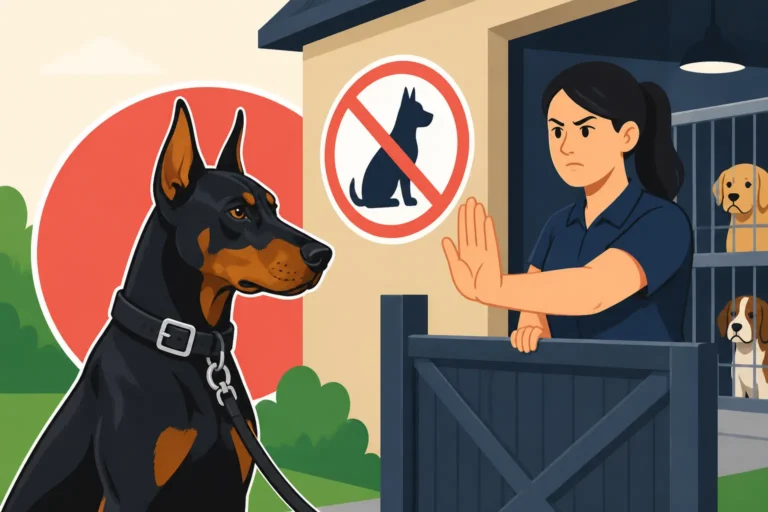
It's a bitter pill to swallow for any Doberman parent, but many insurance companies, particularly those offering homeowners and renters policies, categorize Dobermans as a "restricted breed" or a "high-risk breed." This isn't a judgment on your specific dog, or on Dobermans in general, but rather a reflection of actuarial tables and past incidents. The problem isn't your individual Doberman's sweet nature; it's the breed's inclusion on lists that dictate risk assessments.
Why Dobermans Face Insurance Scrutiny
The Doberman's history as a guard dog, combined with sensationalized media portrayals, has unfortunately created a public perception that often doesn't align with the reality of a well-bred, well-trained companion. Insurers, at their core, are in the business of calculating risk. When a breed is perceived, rightly or wrongly, to have a higher potential for bites or aggressive behavior, it automatically translates to a higher liability risk in their models. This isn't unique to Dobermans; breeds like Rottweilers, German Shepherds, and Pit Bull-type dogs often face similar scrutiny. It's a blanket policy, not a personal slight, but it certainly feels personal when you're facing denial of coverage or exorbitant premiums. You might hear people talk about Why Dobermans Have a Frightening Reputation, and sadly, that reputation has a real-world financial impact.
Many companies have internal lists of breeds they consider high-risk. These lists are often based on general statistics about bite incidents, rather than individual temperament or training. So, even if your Doberman is a certified therapy dog, the breed label alone can trigger a flag in their system. It's a frustrating loop for responsible owners who know their dogs are gentle giants.
The Difference Between Pet Insurance and Liability Coverage
It's important to clarify something right away: the liability premium we're discussing is typically part of your homeowners or renters insurance, not your pet insurance. Pet insurance, from providers like Healthy Paws, is designed to cover your Doberman's veterinary bills, accidents, and illnesses. It's an invaluable tool for managing the often-significant costs of Doberman health care, especially as they get older and face conditions like heart disease or cancer. However, your pet insurance policy won't cover the legal costs, medical bills, or property damage claims if your Doberman accidentally injures someone or damages property outside your household. That's where your personal liability coverage, usually embedded in your home or renters policy, comes in.
This distinction is crucial because many owners mistakenly think their pet insurance will protect them from liability lawsuits. While essential for your dog's well-being and your peace of mind regarding vet bills, a pet insurance policy doesn't shield you from the financial fallout of a liability claim. You still need to address the homeowner or renters insurance aspect separately.
Navigating Homeowners and Renters Insurance with a Doberman
Finding appropriate insurance can feel like an uphill battle once you decide to bring a Doberman home. It's not always a straightforward process, and you might encounter different responses from various providers. Don't get discouraged; persistence and preparation are key.
Insurers That Restrict or Deny Coverage
Many of the big-name insurance carriers have strict policies regarding "dangerous" or "restricted" breeds. What one company considers acceptable, another might flat-out deny. This means you could be switching carriers or looking for specialized policies. Some companies might offer coverage but with specific exclusions for dog-related incidents, effectively leaving you unprotected in the very scenario you're trying to guard against. It's essential to ask direct questions about breed restrictions and dog-bite liability coverage when you're getting quotes. Don't assume anything. You'll quickly discover that Insurers That Name the Doberman on a Refusal List are not uncommon.
It's not just about denial; some insurers might offer you coverage but at a significantly higher premium, or they might require you to sign an affidavit stating your dog has no history of aggression, or even demand proof of specific training. These restrictions can vary not only by company but sometimes even by state or region, so what applied to your friend in one city might not apply to you.
What to Disclose to Your Insurance Provider
Transparency is absolutely critical when it comes to insurance. While it might be tempting to "forget" to mention your Doberman to avoid a higher premium, this is a dangerous gamble. If an incident were to occur and your insurance company discovered you intentionally withheld information about your Doberman, they could deny your claim entirely. This would leave you personally responsible for potentially massive medical bills, legal fees, and damages. The financial fallout could be catastrophic.
Always disclose that you own a Doberman when applying for or renewing your homeowners or renters insurance. Provide all requested information about your dog, including their age, training, and any certifications (like Canine Good Citizen, if applicable). Even if it means a higher premium initially, it ensures you have the coverage you need if the worst happens. It’s far better to pay a bit more for peace of mind than to face financial ruin trying to cut corners.
Dealing with Landlords and Property Management
If you're renting, the challenge might be twofold: dealing with your landlord and your insurance company. Many landlords or property management companies have their own breed restrictions, often mirroring those of their insurance providers. Even if your insurance covers your Doberman, your landlord's policy might not. This can lead to difficulties in finding suitable housing.
When approaching a landlord, having a well-trained Doberman is paramount. Emphasize their good manners and provide references from previous landlords or trainers. Convincing a Landlord a Doberman Is Trained can be a huge selling point. You might also offer to get additional liability coverage specifically for dog-related incidents, or to have your Doberman certified as an Emotional Support Animal (ESA) or Service Dog if they meet the criteria, which can sometimes bypass breed restrictions under fair housing laws. Be prepared for What a Landlord Charges Up Front for a Doberman as a pet deposit or monthly pet rent, which is a separate cost from your liability premium but part of the overall financial commitment.
Practical Steps to Manage Your Doberman's Liability Impact
While you can't erase a breed restriction from an insurer's playbook, there are several proactive steps you can take to mitigate the financial impact and make yourself a more appealing client. These strategies are all about demonstrating responsible ownership.
Shop Around for Doberman-Friendly Insurance
Don't settle for the first quote you get, especially if it's restrictive or excessively high. Insurance markets are competitive, and policies can vary significantly. Some regional or smaller insurance companies might be more flexible than national giants. Independent insurance agents can be invaluable here, as they often work with multiple carriers and can help you find a policy that accommodates your Doberman without breaking the bank. They know the nuances of different companies and can guide you to those less likely to have blanket breed exclusions.
When you call for quotes, be explicit about owning a Doberman. Ask specific questions about dog bite liability coverage, breed restrictions, and any requirements for additional endorsements or waivers. Keep notes on who you spoke with and what they offered. Here's a quick comparison of what to look for:
| Feature | What to Look For | What to Avoid |
|---|---|---|
| Breed Restriction | No Doberman exclusion, or a clear path to coverage. | Absolute denial or Doberman explicitly listed as banned. |
| Liability Coverage | Comprehensive dog bite liability included in the policy. | Dog-related incidents explicitly excluded. |
| Premium Cost | A reasonable increase reflecting broader risk, not punitive. | Exorbitant premiums without clear justification. |
| Requirements | May ask for training certificates, vet records. | No questions asked (could be a red flag for future denial). |
| Customer Service | Knowledgeable and empathetic about Doberman ownership. | Indifferent or misinformed about breed specifics. |
Invest in Professional Training and Socialization
A well-trained and properly socialized Doberman is a less risky Doberman. While this might not immediately change an insurer's breed-specific policy, it can certainly help in negotiations, especially with landlords or if you ever need to appeal a decision. Enroll your Doberman in obedience classes early on. Puppy socialization classes are crucial for Building a Doberman Puppy That Is Confident, Not Sharp and helping them navigate the world calmly. Advanced obedience and even Canine Good Citizen (CGC) certification can be powerful tools to demonstrate your Doberman's excellent temperament and your commitment to responsible ownership.
A Doberman that reliably responds to commands like "sit," "stay," "come," and "leave it" is far less likely to get into trouble than one that is unruly. Consistent training reinforces good behavior and helps prevent situations that could lead to liability claims. This is a breed that thrives on mental stimulation, so engaging them with puzzle toys and consistent training, perhaps even with high-quality treats from a provider like Chewy, contributes to a calm, focused dog.
Consider an Umbrella Liability Policy
If you have significant assets, or if you simply want an extra layer of protection, an umbrella liability policy is worth exploring. This type of policy kicks in after your homeowners or renters insurance liability limits have been exhausted. It provides broad coverage for personal liability, including dog-related incidents, and often extends beyond the specific limitations of your primary policy.
An umbrella policy can offer millions of dollars in additional liability coverage, protecting your future earnings and assets from potential lawsuits. While it's an added cost, it can provide immense peace of mind, especially when owning a breed that some insurers view as high-risk. It’s an option that seriously addresses Whether a Doberman Owner Needs Extra Liability Cover. Many Doberman owners find this to be a prudent investment, given the breed's reputation and potential for high-dollar claims.
The Broader Picture: Responsible Ownership and Community Perception
Ultimately, managing the impact of Doberman ownership on your liability premium isn't just about paperwork; it's about being an exemplary Doberman owner in every aspect. Your actions, and your Doberman's behavior, contribute to the broader perception of the breed in your community.
Ensuring Proper Confinement and Supervision
This goes without saying for any dog owner, but it's especially critical for Dobermans. Always ensure your Doberman is securely confined when unsupervised, whether in a sturdy crate or a safely fenced yard. A Doberman is a strong, athletic dog, so Fence Height for a Doberman That Can Clear It is a serious consideration. Never allow your Doberman to roam freely. When out in public, always keep them on a leash, even in areas where dogs are allowed off-leash, unless you are in a designated, secure dog park and have absolute confidence in their recall and behavior around other dogs and people. This helps prevent situations where your Doberman might accidentally approach someone who is fearful of dogs or encounter an unleashed, aggressive dog.
Supervision isn't just about preventing incidents; it's about being a visible, responsible owner. When people see you actively managing and supervising your Doberman, it changes their perception. This breed thrives on having a job, and training them to walk nicely on a lead and engage with you, perhaps using nutritious meal toppers from Ollie for motivation, means they are less likely to pull or react inappropriately.
Socializing Your Doberman Carefully and Continuously
Early and ongoing socialization is key for a well-adjusted Doberman. This means exposing your puppy to a wide variety of sights, sounds, people, and other calm, vaccinated dogs in a positive and controlled manner. Think about The Sixteen Weeks That Set a Doberman Up for a lifetime of confidence. However, socialization should always be done carefully. Not every dog interaction needs to be a playdate; sometimes it's simply about teaching your Doberman to calmly observe other dogs and people from a distance.
Avoid dog parks if your Doberman shows any signs of fear or reactivity. While many Dobermans are social, their guarding instincts can sometimes kick in if they perceive a threat to you or themselves. A reactive incident, even if minor, can create a negative impression and potentially lead to a report that impacts your insurance. Instead, opt for structured walks, training classes, or controlled playdates with known, friendly dogs. Consistent positive experiences help build a confident, rather than sharp, Doberman.
Advocacy and Education
As a Doberman owner, you have an opportunity to be an ambassador for the breed. When people ask about your Doberman, take the time to share positive information about their temperament, intelligence, and trainability. Challenge stereotypes politely and offer factual insights. For instance, explaining that The Doberman Temperament as the Standard Describes It values courage and loyalty, not aggression, can go a long way.
Support responsible Doberman breeders who prioritize health and temperament, and who are transparent about their health testing, as detailed in The Health Testing a Doberman Breeder Must Show. By doing so, you contribute to a future where Dobermans are bred for sound minds and bodies, reducing the likelihood of behavioral issues that could exacerbate insurance challenges. The more positive interactions and informed discussions there are, the more likely public perception, and eventually insurance policies, might begin to shift.
Disclaimer
This article is for general informational purposes only and does not constitute professional advice. Laws, prices and regulations vary by location and change over time. Consult a qualified professional for guidance on your specific situation.