The Six Hundred Dollar Doberman Crop
Bringing a Doberman puppy home is an exciting time, but the path to those iconic upright ears often comes with a hefty price tag and a confusing array of information. Many new owners are surprised to learn that the "six hundred dollar Doberman crop" is often just the beginning of the financial journey. This guide will meticulously break down what's typically included in that initial surgical fee, explore the often-overlooked aftercare costs, and help you navigate the full financial commitment involved in properly cropping your Doberman's ears.
Understanding the "Six Hundred Dollar Doberman Crop" Baseline
When you first start looking into Doberman ear cropping, you'll often hear the figure of around $600 mentioned. For many, this sounds like a flat fee that covers everything. In reality, it’s generally the starting point for the surgical procedure itself, and it can vary wildly. This initial cost is a significant investment, reflecting the specialized skill and equipment required.
What the Initial Surgical Fee Typically Covers
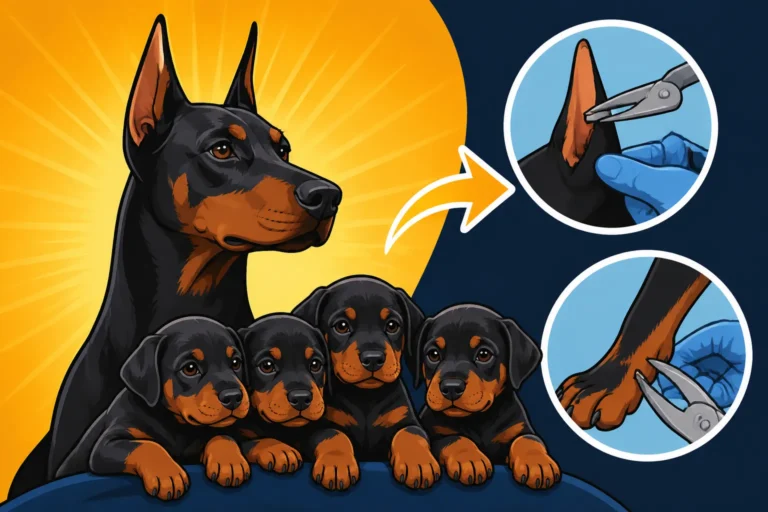
The core "six hundred dollar Doberman crop" usually encompasses the surgical procedure performed by a licensed veterinarian. This includes the anesthesia required to keep your puppy safe and comfortable throughout the operation, the actual surgical trimming of the ear leather to achieve the desired shape, and the immediate post-operative care while your puppy is recovering from anesthesia. Often, it will also cover basic pain medication to send home for the first few days and perhaps the first bandage change.
However, it's crucial to clarify exactly what your chosen vet's quoted price includes. Some clinics might bundle a single post-operative check-up or suture removal into this fee, while others treat every follow-up visit as a separate charge. Don't be shy about asking for a detailed breakdown, because unexpected costs can quickly add up, turning that initial quote into a much larger sum. This transparency upfront can prevent a lot of stress down the line.
Why This Price Point Is So Common
The $600 price point, or a figure very close to it, has become a widely accepted average for several reasons. Firstly, ear cropping is a specialized cosmetic surgery. It requires a veterinarian with not only surgical expertise but also an artistic eye to create a symmetrical and breed-appropriate crop. This isn't a procedure every vet performs; many general practitioners either lack the specific training or choose not to offer it. Finding a practitioner with a good reputation and significant experience naturally drives up the cost.
Secondly, the procedure requires a sterile surgical environment, dedicated veterinary staff for monitoring anesthesia, and quality surgical instruments. These are overheads that contribute significantly to the overall fee. Considering the complexity of general anesthesia for a young puppy and the delicate nature of shaping ear cartilage, this price reflects the value of skilled veterinary care. It’s a specialized service, and as such, it comes with a specialized cost, differentiating it from routine veterinary procedures.
Geographic Variations and Their Impact on Cost
Just like real estate or a gallon of milk, the cost of a Doberman ear crop can fluctuate significantly based on your geographic location. In major metropolitan areas or regions with a higher cost of living, you can expect the price to be at the higher end of the spectrum, possibly even exceeding the $600 baseline. Conversely, in more rural areas or states with a lower cost of living, you might find prices that are slightly less, though rarely dramatically so.
The availability of experienced cropping veterinarians also plays a role. In areas where only a few vets offer the service, demand can drive prices up. For instance, in some parts of California or the Northeast, it’s not uncommon to see prices ranging from $750 to over $1,000 for the surgery alone. It might even be worth considering if The Average Price of a Doberman Ear Crop in your area is significantly different and what that might imply about local expertise. Always call around to several clinics within a reasonable travel distance to compare quotes, but remember that the cheapest option isn't always the best for such a critical and permanent procedure.
Beyond the Surgery: Hidden Costs and Aftercare Necessities
The initial surgery is just one piece of the ear cropping puzzle. What many new Doberman owners don't fully anticipate are the recurring costs associated with aftercare, a process that is absolutely crucial for achieving those perfectly upright ears. Without diligent aftercare, even the best surgical job can result in floppy or uneven ears, rendering the initial investment moot.
The Critical Role of Aftercare and Initial Rechecks
Aftercare is where the real commitment begins. Once the initial surgical bandages come off, usually within 7-14 days, the ears will need to be regularly cleaned, inspected, and then "posted." Posting involves taping the ears to a support structure to encourage the cartilage to stand erect as it heals and strengthens. This isn't a one-time event; it's a process that typically lasts for several weeks or even months, depending on the individual puppy and the crop style.
During this period, frequent recheck appointments with your veterinarian or a technician experienced in Doberman ear posting are essential. These appointments ensure the ears are healing properly, there are no infections, and the posts are applied correctly to prevent irritation or damage. Each of these visits will incur a fee, sometimes a flat rate for a recheck, other times a charge for materials and the technician's time. These Posting Fees After a Doberman Crop can quickly accumulate, adding hundreds of dollars to your overall expense before you know it.
Supplies You'll Need for Home Posting
Many owners choose to learn how to post their Doberman's ears at home to save on recurring vet visit costs. While this is a viable option, it still requires an investment in supplies. You'll need medical-grade tape, cotton, backer rod or similar lightweight supports, adhesive remover, and sometimes specialized ear cleansers or powders. Brands like 3M Vetrap, Zonas porous tape, and specific types of cotton often come highly recommended by experienced Doberman owners and vets.
Buying these supplies can feel like a small cost individually, but they are consumed regularly throughout the posting process. A roll of tape here, a bag of cotton there – it all adds up over months. It's not uncommon for an owner to spend $50-$100 or more on supplies during the entire aftercare period. While this might seem like a manageable sum, it’s an important part of the overall financial picture that extends well beyond the initial surgery. Some online pet supply retailers, like Chewy, offer a wide selection of medical tapes and supplies that Doberman owners frequently use for ear posting, often at competitive prices that can help manage these ongoing costs.
Unexpected Complications and Their Financial Strain
Unfortunately, not every ear cropping journey is smooth sailing. Complications, while rare with a skilled surgeon and diligent aftercare, can occur and significantly drive up costs. These might include infections at the surgical site, irritation or skin breakdown from improper posting, or allergic reactions to the tape. These issues require immediate veterinary attention, which means more appointments, antibiotics, anti-inflammatory medications, or specialized ointments.
In some cases, if the ears don't stand correctly after months of posting, a revision surgery might be recommended. This is a much less common scenario but can happen if the initial cut wasn't quite right or if the cartilage simply didn't strengthen as expected. A revision surgery means another round of anesthesia, another surgical fee, and starting the aftercare process all over again. It's a daunting prospect both emotionally and financially, highlighting why choosing a highly skilled and experienced surgeon from the outset is paramount. Exploring Whether a Doberman Crop Can Fail and Cost More can truly fail underscores the importance of thorough preparation.
The Importance of Choosing a Reputable Veterinarian
Selecting the right veterinarian for your Doberman's ear crop is arguably the most critical decision you'll make, impacting not just the aesthetic outcome but also your puppy's health and your wallet. This isn't a procedure to be entrusted to just any vet; it requires a specific skillset and a deep understanding of the Doberman breed standard.
Why Expertise Commands a Higher Price
A veterinarian renowned for their ear cropping work will typically charge more, and for good reason. Their higher fee reflects years of experience, specialized training, and a proven track record of successful outcomes. These vets often have a portfolio of their work, allowing you to see the quality and consistency of their crops on previous Dobermans. They understand the nuances of different ear lengths and styles – from a shorter "pet crop" to a longer, elegant "show crop" – and can advise you on what will best suit your Doberman's head structure.
Furthermore, an expert surgeon is more likely to use the latest techniques, maintain a pristine surgical environment, and have highly trained support staff who are adept at monitoring anesthesia and assisting with post-operative care. This level of professionalism and care significantly reduces the risk of complications, which, as we've discussed, can lead to even greater financial strain down the road. Investing in a top-tier surgeon is an investment in your Doberman's well-being and the long-term success of the crop.
The Risks of Seeking Cheaper Alternatives
The temptation to opt for a cheaper ear crop can be strong, especially when you're looking at the total costs associated with Doberman ownership. However, this is one area where cutting corners can have dire consequences. Vets who offer significantly lower prices might do so because they are less experienced, use older equipment, or cut down on crucial elements like anesthesia monitoring or pain management.
The risks associated with a subpar crop include uneven ears, ears that never stand properly (often referred to as "floppy" or "airplane" ears), excessive scarring, or, worse, serious post-operative infections due to improper technique or unsanitary conditions. These outcomes not only cause suffering for your puppy but can also lead to more expensive corrective surgeries or a lifetime of regret. In some cases, a poorly performed crop can even cause chronic pain or discomfort. When considering a procedure that is permanent and impacts your dog's appearance and comfort, the cheapest option often proves to be the most expensive in the long run.
Finding a Vet Who Will and Will Not Crop a Doberman
Finding a veterinarian who performs ear cropping can be a challenge, as it's becoming a more controversial procedure and many general practices no longer offer it. Your best bet is to start by asking reputable Doberman breeders for recommendations. They often have established relationships with vets who specialize in cropping and can point you toward someone with a proven track record. Breed-specific clubs and online Doberman communities are also excellent resources for recommendations.
It's also important to be aware that not all veterinarians support ear cropping, and some states have regulations or even bans on the procedure. Therefore, researching Vets Who Will and Will Not Crop a Doberman in your area, or even in a neighboring state, might be necessary. When you find a potential vet, schedule a consultation. Discuss their experience, look at photos of their previous work, and get a clear, itemized quote for all associated costs, including follow-up care and potential complications. This proactive approach will help you make an informed decision and ensure your Doberman receives the best possible care.
Ear Cropping Philosophies: Styles and Their Implications
The style of ear crop you choose for your Doberman isn't just about aesthetics; it has practical implications for the surgery itself, the aftercare commitment, and even how your dog's ears will feel in the long run. Understanding the different philosophies behind cropping can help you make an informed decision alongside your chosen veterinarian.
Different Crop Styles and Their Aesthetic Goals
Doberman ear crops typically fall into a few general categories, each with distinct aesthetic goals:
- Pet Crop (or Short Crop): This is the shortest style, often leaving only about 1/3 to 1/2 of the natural ear length. It requires less posting and generally stands up faster. While less dramatic, it still gives the Doberman a more alert appearance than natural ears.
- Medium Crop: As the name suggests, this is a compromise between the short and long styles. It aims for a balanced look, not too short but not excessively long, and is a popular choice for many Doberman owners who want a classic look without the extended posting commitment of a show crop.
- Show Crop (or Long Crop): This is the longest and most elegant style, designed to be proportionate to the Doberman's head and neck. It can be quite narrow or have a slight bell at the base. The goal is a sleek, refined look that complements the breed's conformation in the show ring.
Each style presents different challenges for the surgeon and requires varying levels of artistic precision. Your vet should be able to show you examples of these different styles and discuss which might be most appropriate for your puppy's individual ear leather and head shape.
How Crop Length Influences Aftercare Duration
The length of the crop directly impacts the duration and intensity of the aftercare process. Generally, the longer the crop, the longer and more diligent the posting period will be.
- Short Crop: A shorter crop typically has less cartilage to support, so the ears tend to stand up more quickly. You might be looking at 6-10 weeks of consistent posting, though this can vary. This can be appealing to owners who are less keen on a prolonged aftercare routine.
- Medium Crop: This style requires a moderate commitment to posting, usually in the range of 3-5 months. The cartilage needs more time to strengthen and hold the ear erect.
- Show Crop: This elegant, long crop demands the most dedication. It's not uncommon for a show crop to require 6-12 months of posting, and sometimes even longer in individual cases. The longer ear leather means more weight, and thus more time is needed for the cartilage to become rigid enough to stand perfectly. This extended period also means more expenses related to How Many Posting Changes a Doberman Needs and associated supplies.
It's important to have an honest conversation with your vet about the time commitment involved with your desired style. If you're not prepared for months of consistent posting, a shorter crop might be a more realistic and responsible choice.
The Connection Between Crop and Breed Standard
For those interested in showing their Doberman in conformation events, the ear crop is an integral part of the breed standard as recognized by organizations like the American Kennel Club (AKC). The AKC Doberman Pinscher standard describes the ears as "customarily cropped and carried erect." While natural ears are permitted, they are often considered a disadvantage in the show ring in the US, as judges are looking for the overall silhouette and presence that includes properly cropped ears.
A show crop is specifically designed to enhance the Doberman's alert expression and elegant profile, contributing to the breed's hallmark appearance. The length, shape, and set of the ears are all carefully considered to match the overall head and body structure. This is why many breeders emphasize selecting a vet who is not only skilled but also knowledgeable about the specific requirements of the Doberman breed standard. For a comprehensive understanding of the entire process, including the aesthetics, refer to the Doberman Ear Cropping From Surgery to Last Posting guide.
Long-Term Financial Considerations for Cropped Ears
While the initial surgery and aftercare dominate the discussion about ear cropping costs, it’s important to remember that having cropped ears also entails some long-term financial and time commitments. These aren't usually major expenses but are good to be aware of when you consider the whole picture of Doberman ownership.
Ongoing Maintenance and Hygiene for Cropped Ears
Once your Doberman's ears are standing perfectly, the daily posting routine ends, but general ear hygiene remains important. Cropped ears, by their nature, are more open to the environment than natural drop ears, which can be both a blessing and a curse. They generally have better air circulation, which can reduce the risk of yeast and bacterial infections that often plague dogs with floppy ears.
However, their openness also means they can accumulate dust, dirt, and debris more easily. Regular inspection and gentle cleaning with a vet-approved ear cleanser will be necessary to keep them healthy. While this typically only requires a cotton ball or soft cloth and a bottle of ear wash (perhaps $10-$20 every few months), it's an ongoing routine. Neglecting this could lead to issues that require veterinary intervention, adding to your Ear Hygiene Once a Doberman's Crop Has Healed and overall vet bills.
Potential for Revision Surgery or Scarring Issues
Even with the best surgeon and diligent aftercare, sometimes things don't go exactly as planned. We've touched on revision surgery if ears don't stand, but there's also the potential for scarring. While a good crop leaves minimal, clean scars along the edge of the ear, sometimes keloid scarring or excessive scar tissue can develop, especially if there were complications during healing. This can impact the ear's appearance and, in rare cases, even cause discomfort.
Addressing significant scarring might involve cosmetic laser treatments or minor surgical revisions, which, again, incur additional veterinary costs. It's not common, but it's a possibility to be aware of when committing to a permanent cosmetic procedure. These types of follow-up treatments would certainly not be covered by standard pet insurance policies.
Insurance Coverage and Elective Procedures
This is a critical point: standard pet insurance policies almost universally do not cover elective cosmetic procedures like ear cropping or tail docking. Since these are not medically necessary, they are excluded from coverage. This means the entire cost of the surgery, aftercare, and any complications directly related to the cropping procedure will come out of your pocket. It's vital to budget for these expenses separately.
Furthermore, it's worth noting that if you get pet insurance for your Doberman, you want to do it before any potential health issues arise. While the crop won't be covered, other Doberman-specific health concerns, such as the predisposition to Dilated Cardiomyopathy (DCM), can be incredibly expensive to treat. Look into Insuring a Doberman Before the Heart Turns to ensure you're covered for unexpected illnesses or accidents. Knowing that your Doberman's breed-specific health issues, like the potential for a The Yearly Heart Bill for a Doberman, can be covered by insurance can help you financially plan for the breed's common concerns, while still budgeting separately for the elective crop. Healthy Paws and other reputable pet insurance providers generally exclude elective procedures, so plan accordingly.
Making an Informed Decision: Is the Cost Justified for You?
Deciding whether to crop your Doberman's ears is a deeply personal choice, intertwined with significant financial considerations. It's not just about the money, but also about the time, effort, and potential emotional investment. Understanding the full scope of costs and ethical considerations is key to making a decision you'll feel good about in the long run.
Weighing the Financial Commitment Against Desired Aesthetics
For many Doberman owners, the aesthetic appeal of cropped ears is undeniable. The proud, alert stance of a Doberman with a well-done crop is part of the breed's iconic image and can truly enhance their majestic presence. However, this aesthetic comes at a considerable financial cost, often exceeding $1,000 when you factor in the surgery, initial rechecks, posting supplies, and potentially months of follow-up visits.
It's crucial to sit down and realistically assess if this financial commitment fits within your overall budget for your Doberman. Beyond the crop, Dobermans have other significant expenses, from high-quality food (consider brands like Ollie for fresh, tailored nutrition) to preventative care, training, and potential medical bills later in life. Weigh the desired aesthetic outcome against the practicality of the financial outlay. If the cost means sacrificing other crucial aspects of your Doberman's care, it might not be the right choice for your family. A general overview of What a Doberman Costs Month to Month can put these cropping costs into broader perspective.
Ethical Considerations and Personal Choices
Beyond the financial aspect, there's a growing ethical debate surrounding ear cropping. Many veterinary organizations, including the American Veterinary Medical Association (AVMA), oppose cosmetic ear cropping, considering it an unnecessary surgical procedure that can cause pain and distress to the animal. Proponents argue that when performed correctly by a skilled surgeon under anesthesia, with proper pain management, the discomfort is minimal and temporary, and the procedure is part of preserving breed type.
Ultimately, the decision rests with individual owners. It's important to research both sides of the argument, speak with breeders, veterinarians, and other Doberman owners, and arrive at a decision that aligns with your personal values and beliefs about animal welfare. Some owners opt for the natural ear look, choosing to forego the procedure entirely, and their Dobermans are no less loved or beautiful. Your choice should be made without external pressure, based on what you feel is best for your specific dog.
Preparing Your Budget for the Full Cropping Journey
If you decide to proceed with ear cropping, meticulous budget planning is essential. Don't just save for the initial surgery fee. Create a spreadsheet that accounts for:
- Surgical Fee: The quoted price from your chosen vet.
- Initial Rechecks: Estimate 2-3 visits in the first few weeks.
- Posting Appointments: Plan for weekly or bi-weekly appointments for several months. These Posting Fees After a Doberman Crop can really add up.
- Posting Supplies: Budget for tape, cotton, supports, and adhesive remover over the full posting period.
- Contingency Fund: Set aside an extra 10-20% for unexpected complications like infections, tape reactions, or the need for additional pain medication.
By planning for the entire journey, you can mitigate financial stress and ensure your Doberman receives the best possible care throughout the cropping and aftercare process. Starting with a Doberman puppy can be a significant initial cost, so understanding what a Doberman puppy costs in its entirety, including elective procedures, is crucial.
| Cost Category | Typical Range (USD) | What It Covers |
|---|---|---|
| Initial Surgery | $400 – $1,000+ | Anesthesia, surgical procedure, basic pain meds, initial bandage |
| Post-Op Rechecks | $50 – $150 per visit | Suture removal, initial bandage changes, ear inspection |
| Posting Appointments | $30 – $75 per visit | Professional ear cleaning, re-taping, troubleshooting (weekly/bi-weekly for months) |
| Home Posting Supplies | $50 – $150 total | Medical tape, cotton, backer rod, adhesive remover |
| Complications Fund | $200 – $500+ | Unexpected infections, reactions, additional meds, vet visits |
| Total Estimated Cost | $730 – $1,875+ | Comprehensive estimate for a successful crop and aftercare |
Note: These are estimates and can vary greatly by geographic location, veterinarian experience, and individual puppy's healing process.
Disclaimer
The information provided in this article is for general informational purposes only and does not constitute veterinary advice. Always consult with a qualified veterinarian regarding any medical concerns or before making any decisions about your Doberman's health and care, including ear cropping procedures.