What a Doberman DCM Gene Test Costs
As Doberman owners, we live with a love that runs as deep as their noble chests, but also with the ever-present shadow of health concerns, especially Dilated Cardiomyopathy (DCM). This devastating heart condition can strike without warning, making proactive health management an agonizing necessity. When you're trying to do everything right for your beloved Doberman, the financial aspect of genetic testing for DCM can feel like another heavy weight on your shoulders, leaving you wondering what you're truly signing up for. This guide is here to shed light on the costs associated with Doberman DCM gene testing, breaking down the figures and helping you understand what to expect.
Understanding the Doberman DCM Gene Test and Its Purpose
It's a tough truth that Dobermans are predisposed to certain health conditions, and DCM sits at the top of that list for many owners. The sheer emotional toll of knowing your dog might carry a silent killer is immense, and it drives many of us to seek out every possible tool to protect them. Genetic testing is one of those crucial tools, offering a glimpse into their inherited risk factors.
Why Genetic Testing for DCM is Crucial for Dobermans
For many Doberman owners, it feels less like "if" their dog might develop DCM and more like "when." This breed carries a significant genetic predisposition to Dilated Cardiomyopathy, a condition where the heart muscle weakens and becomes enlarged, losing its ability to pump blood effectively. It’s not just a minor ailment; it's a leading cause of death in the breed, often striking down otherwise healthy-looking dogs in their prime. The heartbreak of a sudden collapse or a rapid decline in health is something no Doberman parent wants to experience.
Genetic testing gives us a way to be proactive, to understand our dog’s inherent risks even before any physical symptoms emerge. It's about empowering ourselves with knowledge, allowing us to make informed decisions about their lifestyle, diet, and importantly, their regular veterinary care. While a genetic test isn't a crystal ball that predicts the exact future, it provides a vital piece of the puzzle in a breed so uniquely vulnerable to this particular disease. It’s about being as prepared as possible for whatever challenges may come.
The Difference Between Gene Tests and Clinical Screening
It’s easy to get these two confused, especially when you're wading through a sea of information about Doberman heart health. A gene test, like those that look for the DCM1 or DCM2 variants, is designed to identify specific genetic markers that are associated with an increased risk of developing DCM. Think of it like a detective looking at your dog's DNA blueprint to see if the "code" for potential heart weakness is present. It tells you about the potential for the disease based on their genetics. Many Doberman owners, when discussing the future health of their puppies, will delve into topics like The Two Doberman DCM Gene Tests to understand the specific genetic markers available for screening.
On the other hand, clinical screening involves veterinary procedures like echocardiograms (e.g., an "echo") and Holter monitoring. These tests assess the current structural and electrical function of your Doberman's heart. An echo visualizes the heart's size and pumping ability, while a Holter monitor records its electrical activity over 24 hours to detect abnormal rhythms. These screenings tell you if the disease is currently manifesting or if there are early signs of it. Both types of testing are incredibly important for Dobermans. A genetic test helps you understand the predisposition, while regular clinical screenings, which often include Annual Echo and Holter Screening for a Doberman, help catch the disease in its earliest, often asymptomatic, stages, allowing for earlier intervention. They complement each other, providing a full picture of your Doberman's heart health journey.
Deconstructing the Cost of a Doberman DCM Gene Test
When you’re considering genetic testing for your Doberman, one of the first questions that pops into your head, after all the emotional weight, is inevitably, "How much is this going to cost me?" It’s a completely valid concern, as quality veterinary care is never inexpensive, and we all want to budget responsibly for our pets. The price isn’t always a straightforward, one-size-fits-all number; it can fluctuate based on several factors.
What's Included in the Base Price of a Genetic Test Kit
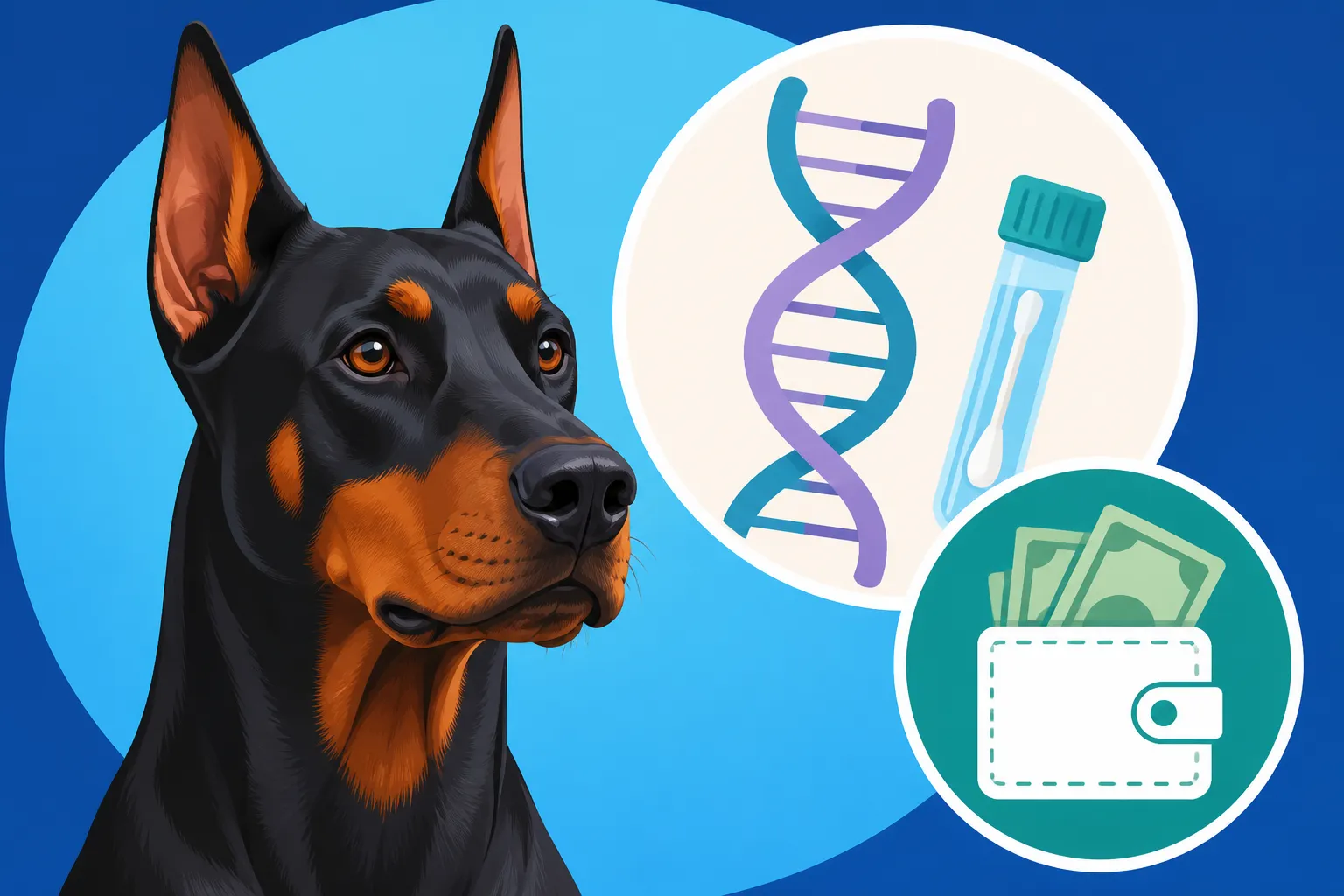
The base price for a Doberman DCM gene test typically covers the essentials to get your dog's DNA analyzed. This usually includes the physical collection kit itself – a simple package containing sterile buccal swabs (which look like giant cotton swabs) that you rub on the inside of your dog's cheek to collect saliva and epithelial cells. You'll also find clear instructions and submission forms that need to be filled out accurately with your Doberman's information.
Once you've collected the sample, the cost generally includes the laboratory analysis. This is where the magic happens, as skilled technicians extract your Doberman's DNA and run the necessary tests to identify the specific genetic markers associated with DCM, such as the DCM1 deletion or the DCM2 titin variant. Finally, the base price covers the generation and delivery of the report, which will clearly state your dog's genetic status for the tested markers. Many owners find it convenient to acquire these kits online, with retailers like Chewy offering a range of at-home DNA tests that can be a good starting point for exploring options.
Factors That Influence the Overall Cost
The initial sticker price on a genetic test kit might seem straightforward, but several elements can contribute to the overall expenditure, making the true cost a bit more complex. First, think about who collects the sample. While many kits allow for owner collection, some owners prefer their veterinarian to do it for accuracy or if their dog is particularly difficult to handle. If your vet collects the sample, you'll incur an office visit fee, which can add a significant amount to your bill.
Secondly, the type of test you choose plays a huge role. Are you only testing for one specific gene variant, such as just The DCM1 Gene Test Explained for Doberman Owners, or are you opting for a more comprehensive panel that might include The DCM2 Titin Variant in Dobermans and other breed-specific genetic health tests? Comprehensive panels naturally cost more than single-gene tests because they involve more extensive lab work. Lastly, the choice of laboratory itself can impact the price. Different labs have different pricing structures based on their technology, reputation, and the comprehensiveness of their reports. It’s always worth investigating Which Labs Run Doberman Heart Gene Tests and comparing their services and pricing before making a decision. All these variables mean that What a Doberman DCM Gene Test Costs can vary considerably from one owner to another.
Potential Hidden Costs and What to Budget For
Beyond the direct cost of the test kit and lab analysis, there can be a few "hidden" or less obvious expenses that Doberman owners should factor into their budget. One common additional cost is shipping. While some labs include return shipping in their kit price, others require you to cover the shipping fees to send the samples back to their facility. If you're using an international lab (which some Doberman breeders do for specific European panels), these shipping costs can be higher and might even involve customs paperwork, adding both complexity and expense.
Another potential cost arises if the initial sample is insufficient or contaminated. Sometimes, despite your best efforts, a buccal swab might not collect enough viable DNA, or the sample could be compromised during transit. In such cases, the lab might request a new sample, which could mean purchasing another kit or incurring additional collection and shipping fees. Furthermore, while the report provides the raw data, many owners feel more comfortable reviewing the results with their veterinarian or a veterinary cardiologist. These follow-up consultations, while incredibly valuable for interpreting complex genetic information and discussing future care, will add to your overall vet bill. It’s a good idea to set aside a small contingency fund specifically for these potential extra costs when planning for your Doberman's genetic testing.
Navigating Genetic Test Results and Future Financial Implications
Receiving the results of your Doberman’s DCM gene test can be a moment of immense relief, or it can be a source of new anxieties. Regardless of the outcome, understanding what those results mean is crucial, as they can significantly influence the trajectory of your Doberman’s ongoing health management and, by extension, your future financial commitments.
Understanding Your Doberman's DCM Gene Status
When your Doberman's genetic test results come back, they typically indicate whether your dog is "clear," a "carrier," or "affected" for the specific gene variants tested. For DCM, this usually means identifying the presence or absence of the known genetic markers (like DCM1 or DCM2). A "clear" result means the tested variants were not found. This is wonderful news, offering a sigh of relief, but it’s critical to remember that "clear" for known variants doesn't mean "immune." DCM is a complex, multifactorial disease, and some Dobermans can still develop it even if they test clear for the currently known genetic markers. This is why A Doberman That Tests Clear and Still Gets DCM is a reality that owners must understand.
If your Doberman tests positive for one or both variants, they are considered "affected" or "at risk." This means they have a significantly increased genetic predisposition to developing DCM. This doesn't mean a guaranteed diagnosis of active heart disease, but rather a red flag for future monitoring. Understanding How Likely a DCM1 Positive Doberman Is to Fall Ill involves discussions with veterinary cardiologists, as the penetrance of these genes can vary. These results provide invaluable information, allowing you to partner with your vet to create a proactive health strategy that can literally add years to your Doberman's life.
How Genetic Results Impact Ongoing Health Management Costs
The outcome of your Doberman's DCM gene test can have a substantial impact on the ongoing costs of their health management. If your Doberman tests positive for one or more DCM gene variants, it typically means they will require more frequent and vigilant clinical screening. Instead of starting annual cardiac screenings at a later age, your vet might recommend beginning The Age to Start Screening a Doberman's Heart much earlier, sometimes even before they turn two or three. This often translates to annual or even semi-annual echocardiograms and Holter monitors. These procedures, while life-saving, are not inexpensive and will become a regular part of your veterinary budget.
Beyond screening, if your Doberman does develop DCM, medication costs can be considerable and lifelong. Drugs used to manage DCM, such as pimobendan and antiarrhythmics, can be quite costly, especially for a large breed dog over many years. This is where pet insurance can become a critical financial buffer. However, it's crucial to understand that if your Doberman already has a positive genetic test result before you enroll them in an insurance plan, any future DCM diagnosis will likely be considered a pre-existing condition. This means your insurance might not cover the costs associated with its treatment. Planning ahead and enrolling in a policy, possibly with a provider like Healthy Paws, before any genetic testing or clinical signs appear, is a strategy many owners employ, always verifying Insuring a Doberman Before the Heart Turns and asking detailed questions about Whether Any Insurer Excludes Doberman Heart Disease. The goal is to ensure you have coverage for potential future treatments, should the genetic predisposition sadly turn into active disease.
Maximizing Value and Preparing for Your Doberman's Health Journey
Taking a proactive approach to your Doberman's heart health is one of the most loving things you can do. While the costs associated with genetic testing and ongoing care can be daunting, there are ways to approach it smartly, ensuring you get the most value for your investment and are adequately prepared for their entire health journey.
Comparing Different Genetic Testing Providers
Just like shopping for anything important, it pays to do your homework when it comes to Doberman genetic testing. Not all labs are created equal, and comparing providers can help you find the best fit for your needs and budget. When evaluating options, consider the lab's reputation within the Doberman community and among veterinary cardiologists. Some labs are known for their scientific rigor and comprehensive panels, while others might offer more basic, single-gene tests.
Look at the comprehensiveness of their panels. Does the test only cover DCM1 and DCM2, or does it include other important breed-specific genetic health tests like Von Willebrand disease or Narcolepsy? Many breeders will seek out comprehensive panels to ensure they have a full picture of their dog's genetic health. Examine their customer service – how easy is it to reach them with questions, and how quickly do they process samples and deliver results? Some labs might offer discounted rates for breeders testing multiple dogs or for bundled tests. A quick call or email to a few different labs can provide invaluable insights into their services and pricing.
| Test Type | Description | Typical Cost Factors | What It Offers |
|---|---|---|---|
| Single Gene Test | Targets one specific DCM gene variant (e.g., DCM1 or DCM2). | Lower base price, may incur separate shipping. | Specific risk assessment for one known marker. |
| DCM Panel Test | Tests for both known DCM gene variants (DCM1 and DCM2). | Mid-range price, often includes shipping. | More comprehensive DCM risk assessment. |
| Full Health Panel | Includes DCM variants plus other breed-specific genetic diseases. | Higher price, usually best value for multiple tests. | Broad overview of genetic health risks, useful for breeding. |
| Vet-Collected | Sample collected by veterinarian, processed by external lab. | Test price + vet exam fee + potential shipping. | Ensures proper sample collection, vet consultation on results. |
| At-Home Kit | Owner collects sample, mails to lab. | Test price + owner's shipping costs (sometimes included). | Convenience, lower overall cost if no vet visit. |
Budgeting for Comprehensive Doberman Health Screening
Genetic testing for DCM, while a crucial first step, is just one component of a holistic health screening plan for your Doberman. It gives you a roadmap, but regular clinical check-ups are how you navigate that road. This means budgeting for annual or biannual echocardiograms and Holter monitors, especially if your Doberman tests positive for DCM gene variants or enters the age range where DCM typically manifests. These screenings become particularly important when you consider The Doberman Years When Everything Shows Up. You'll want to review the full spectrum of The Health Testing a Doberman Breeder Must Show to understand all the recommended screenings beyond genetics.
Many experienced Doberman owners advocate for creating a dedicated "Doberman health fund" – a savings account where you regularly set aside money specifically for their veterinary care. This proactive financial planning helps alleviate the stress when those inevitable specialist appointments or emergency visits arise. It’s comforting to know you have funds earmarked for their health, rather than scrambling when a big bill lands. Discussions around Setting Money Aside for a Doberman's Heart are common in owner communities, highlighting the importance of this kind of foresight. Whether it's the cost of a routine blood panel, a dental cleaning, or a potentially life-saving cardiac medication, having a financial cushion allows you to prioritize your Doberman's well-being without undue financial strain. Being prepared is not just about understanding the diseases; it's about being ready to provide the best possible care when it's needed most.
Disclaimer
This article is for general informational purposes only and does not constitute professional advice. Laws, prices and regulations vary by location and change over time. Consult a qualified professional for guidance on your specific situation.