Registering an Imported Doberman in America
Bringing a beautiful Doberman into your family from another country is an incredibly exciting prospect, but the flurry of joy can quickly be overshadowed by the daunting task of making them officially recognized on American soil. It’s more than just getting them through customs; it’s about navigating paperwork, understanding different kennel club standards, and ensuring your new companion is fully integrated. This comprehensive guide will walk you through every step of registering your imported Doberman with the American Kennel Club (AKC) and cover other essential considerations for a truly smooth transition.
Understanding the Role of Official Registration
When you bring a Doberman into the United States from overseas, particularly from Europe, you're not just importing a dog; you're often importing a lineage that has been carefully documented by a different set of rules and a different kennel club. The journey from a foreign registry to the American Kennel Club (AKC) can feel like a labyrinth, but understanding why registration matters is your first step to navigating it successfully. It’s not simply about having a piece of paper; it’s about preserving records, participating in canine sports, and ensuring the continued integrity of the breed.
The American Kennel Club's Significance
For Doberman owners in the United States, the American Kennel Club (AKC) is the primary registry. An AKC registration provides numerous benefits, making it an essential goal for most imported Dobermans. It’s the gateway to participation in AKC-sanctioned events, whether you dream of strutting your Doberman in the conformation ring, competing in obedience trials, or engaging in agility courses. Beyond competition, AKC registration allows for official tracking of your dog's lineage, which is incredibly important for responsible breeding programs and for monitoring the health trends within specific lines. It connects your dog to a vast database of Dobermans, offering insights into their pedigree and potential genetic predispositions. Many health testing databases, for instance, cross-reference AKC registration numbers. While other registries like the United Kennel Club (UKC) or International Canine Federation (IKC) exist, the AKC holds the most prominence for purebred Dobermans in the U.S. and is often seen as the gold standard for official recognition.
International Registries and Their Crucial Connection
The European Doberman you're importing will undoubtedly come with papers from an international registry. The most common overarching body for these registries is the Fédération Cynologique Internationale (FCI), which acts as a global umbrella organization for many national kennel clubs. This means your Doberman's initial registration will be with an FCI-affiliated club, such as the VDH (Verband für das Deutsche Hundewesen) in Germany, the AIAD (Associazione Italiana Amatori Dobermann) in Italy, or a similar organization in their country of origin. These foreign pedigrees are not just random documents; they are the bedrock upon which your AKC registration will be built. The AKC has a specific process for recognizing these international papers, confirming the dog's purebred status and pedigree before issuing an AKC number. Without proper documentation from an FCI-affiliated registry, the AKC simply cannot process your dog's foreign registration. Understanding the specific kennel club your Doberman hails from and the legitimacy of its papers is paramount to a successful application.
Essential Documentation from Your European Breeder
This is often where the rubber meets the road, and sometimes, where even the most excited Doberman owners can hit snags. The paperwork provided by your European breeder is not just a formality; it's the lifeline for your Doberman's official recognition in America. Without the correct, complete, and properly authenticated documents, your AKC registration will be stalled, if not outright rejected. It’s absolutely critical to ensure you have these documents before your Doberman even sets paw on American soil, or at least that you have a clear plan for obtaining them.
The Export Pedigree and Certified Three-Generation Pedigree
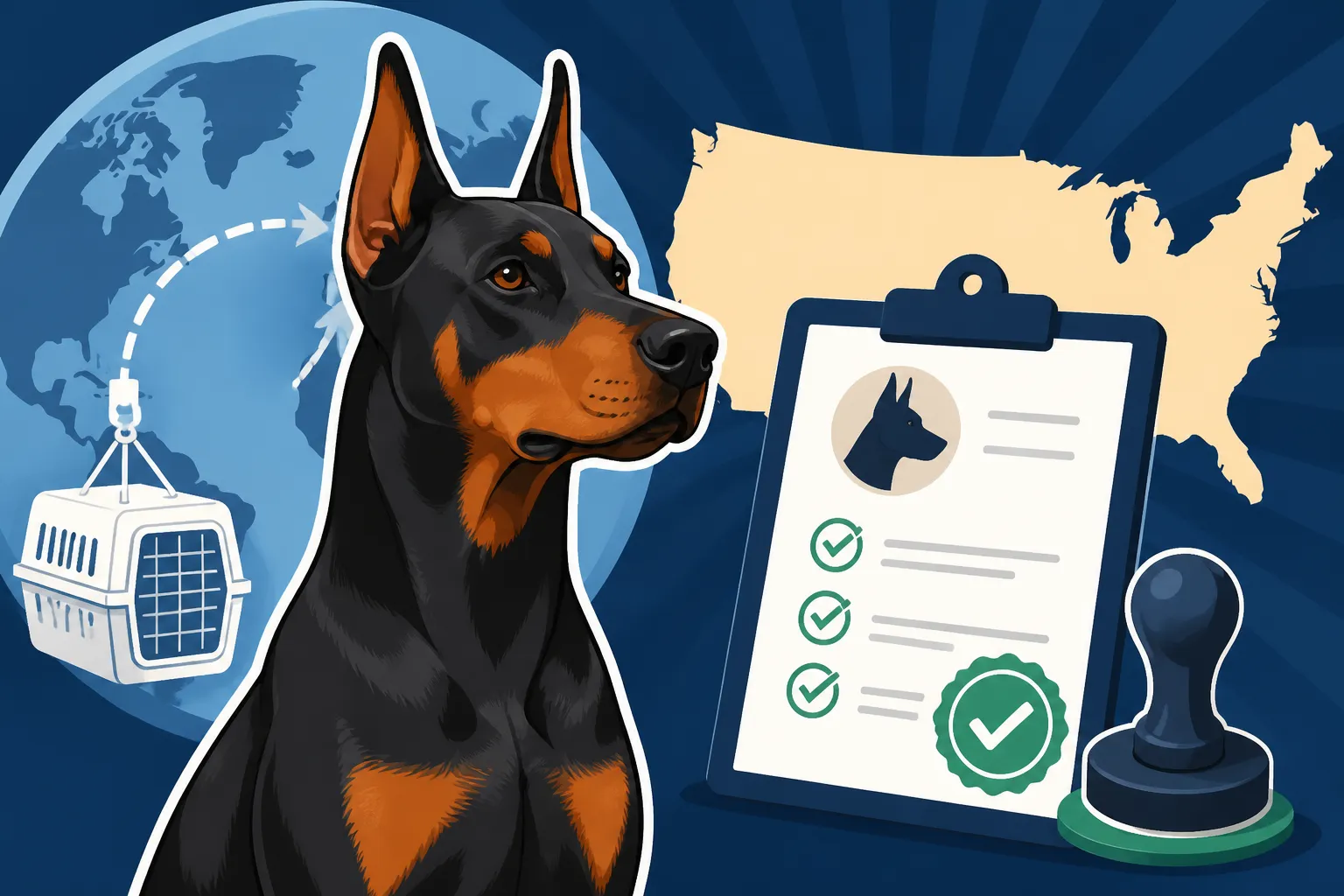
The most critical document you'll need is an export pedigree. This isn't just any regular pedigree; it's specifically issued by the dog's originating kennel club to facilitate registration in another country. A standard pedigree shows the dog's lineage, but an export pedigree explicitly states that the dog is being sold or transferred for registration abroad. This document usually includes the names and registration numbers of at least three generations of ancestors, along with their titles, colors, and often a stamp or seal from the issuing kennel club. It will also clearly identify your Doberman by its full registered name, birth date, and microchip number.
It’s incredibly important that this export pedigree is the original document and that it’s properly certified by the foreign registry. Photocopies or uncertified versions typically won't be accepted by the AKC. Sometimes, these pedigrees are bilingual (e.g., German and English), which can simplify the process, but if yours isn't, you might need a certified translation. Always double-check with your breeder that they are providing a proper export pedigree, not just a standard "copy of pedigree." This document is the cornerstone of proving your Doberman’s purebred status and ancestry to the AKC.
Proof of Ownership and Bill of Sale
Beyond the pedigree, the AKC needs to confirm that you are the legal owner of the Doberman you're trying to register. This typically comes in two forms: proof of ownership on the export pedigree itself, and a separate bill of sale. Many European export pedigrees will have a section where the previous owner (the breeder) officially transfers ownership to you, the new owner, with signatures and dates. Ensure your full legal name and address are correctly listed.
A bill of sale is also highly recommended, and sometimes required, especially for customs purposes when importing. This document should detail the transaction, including the dog's full name, breed, date of birth, microchip number, the sale price, and the names and signatures of both the seller (breeder) and the buyer (you). This acts as undeniable proof of your purchase and ownership. It’s not just for the AKC; it's a legal document that protects both parties and can be crucial for any future inquiries about the dog’s history or value, especially if you ever consider purchasing pet insurance from a provider like Healthy Paws. Make sure these documents are clear, legible, and match the information on the export pedigree exactly. Discrepancies here can lead to frustrating delays.
Health Records and DNA Test Results
While not strictly required for the initial AKC foreign registration, comprehensive health records and DNA test results from the breeder are absolutely vital for your Doberman's long-term health and your peace of mind. A reputable European Doberman breeder will provide you with a dossier of health screenings for your puppy’s parents, and often for the puppy itself. This includes official certifications for hips, elbows, eyes, and critically for Dobermans, cardiac health. Many breeders will also provide results for specific genetic tests.
For Dobermans, knowing the status of The Two Doberman DCM Gene Tests (DCM1 and DCM2) is paramount, as is knowing if they are affected by The Bleeding Disorder Almost Every Doberman Line Carries, which is Von Willebrand Disease (vWD). You'll want to review The Health Testing a Doberman Breeder Must Show to ensure you're getting a complete picture. Even if these aren't part of the direct AKC registration process, they inform decisions about your Doberman’s care, potential future breeding, and even your choice of pet insurance coverage. Keep these documents meticulously organized, as they will be essential for your conversations with your American veterinarian and for establishing a baseline for your Doberman's health throughout their life.
Navigating the AKC Foreign Dog Registration Process
Once you have all your ducks—or rather, your documents—in a row, it's time to tackle the actual AKC foreign dog registration process. This is where you formally submit everything you’ve gathered to the American Kennel Club. It requires attention to detail and a bit of patience, but by following the steps carefully, you can ensure a smooth submission.
The AKC Foreign Dog Registration Application
The first step is to obtain and meticulously fill out the AKC Foreign Dog Registration Application. You can usually find this form directly on the AKC’s official website, often in the "Forms" or "Registration" sections. It's designed to capture all the necessary information about your imported Doberman and their foreign registration.
The form will ask for:
- Your Doberman's full registered name as it appears on the foreign pedigree.
- The breed (Doberman Pinscher).
- Their sex.
- Their date of birth.
- Their foreign registration number and the name of the foreign kennel club that issued it (e.g., VDH, AIAD).
- The full names and registration numbers of your Doberman’s sire and dam, along with their breeds and colors.
- Your complete contact information as the new owner.
- Details about the breeder, if known.
Take your time filling this out. Any errors or omissions can lead to delays. It’s a good practice to double-check every piece of information against your original foreign pedigree to ensure absolute accuracy. The AKC staff are diligent in verifying this information, and inconsistencies will flag your application for further review.
Submission Requirements and Fees
Once the application is completed, you'll need to gather all your supporting documents for submission. The AKC almost always requires original documents for foreign registrations, particularly the export pedigree. This means you will likely need to mail in the actual physical papers you received from your breeder. It's highly recommended to make clear copies of everything for your own records before sending them off.
If your foreign pedigree is not in English or is not bilingual, you will need to provide a certified translation. While many European pedigrees are indeed bilingual, always verify this. The AKC website or their foreign registration department can provide guidance on acceptable translation services.
There are fees associated with foreign registration. These fees can change, so it’s essential to check the current schedule on the AKC website or by calling their customer service. The fee typically covers the processing of the application and the issuance of your Doberman’s AKC registration certificate. Send your application and original documents via a trackable, insured mail service to ensure they arrive safely.
After submission, expect a waiting period. The AKC’s foreign registration department takes time to review and verify all information, often corresponding with the foreign kennel club to confirm details. This process can sometimes take several weeks to a few months, so patience is key. During this time, you might receive communication from the AKC if they need clarification or additional information.
Here’s a quick checklist to help you organize your submission:
| Document Required | Status | Notes |
|---|---|---|
| AKC Foreign Dog Registration Form | Original | Fully completed and signed. |
| Export Pedigree | Original | Certified by the foreign kennel club. Must be in English or translated. |
| Proof of Ownership / Bill of Sale | Original/Copy | Confirming your legal ownership. |
| Payment for AKC Fees | Included | Check AKC website for current fee schedule. |
| Copies for Your Records | Keep for yourself | Make copies of EVERYTHING before mailing originals. |
Post-Registration Considerations and Ongoing Care
Congratulations, your imported Doberman is officially registered with the AKC! This is a significant milestone, but it's just one part of ensuring a healthy, happy, and fulfilling life for your companion in their new home. Now that the paperwork is sorted, it’s time to focus on their well-being, integration, and future.
Understanding Your Doberman's New AKC Pedigree
Once approved, the AKC will issue your Doberman an official AKC registration certificate. This certificate will contain their AKC registration number, your name as the owner, and usually, their full registered name. Imported Dobermans will often have a "foreign" designation on their AKC pedigree, indicating their country of origin. This is completely normal and simply reflects their heritage. Your Doberman's AKC registration number is a unique identifier that will be used for all future AKC activities, including entering shows or registering litters if you choose to breed responsibly.
It’s paramount to keep this AKC registration certificate safe and secure. It’s an official document, much like a title for a car, and it verifies your Doberman’s identity and pedigree within the American system. When looking at the pedigree, you can also cross-reference it with the AKC's breed standards to see how your Doberman stacks up to The Doberman the AKC Standard Describes, which can be interesting even if you don't plan to show them. This is also the time when you might notice unique naming conventions. Many European Dobermans have kennel names and official names that differ slightly from American practices, all of which will now be formally recognized by the AKC.
Health Insurance and Continued Screening
With your Doberman now settled and registered, one of the most proactive steps you can take is to secure pet health insurance. Dobermans, unfortunately, are predisposed to several significant health issues, particularly Dilated Cardiomyopathy (DCM). Having insurance can provide invaluable financial protection against unexpected veterinary bills. Reputable providers like Healthy Paws are popular among Doberman owners for their comprehensive coverage. It’s often best to get coverage early, before any pre-existing conditions are identified, to ensure maximum benefit.
Beyond insurance, a lifelong commitment to health screening is crucial. Annual Echo and Holter Screening for a Doberman is highly recommended, especially as they approach The Age Doberman Heart Disease Usually Starts. These regular check-ups with a veterinary cardiologist can help detect issues like DCM in its early, occult phase, allowing for earlier intervention that can significantly improve their quality of life and potentially extend their lifespan.
Your Doberman’s diet also plays a critical role in their overall health. Ensuring they receive proper nutrition is key. While many owners opt for high-quality kibble available from retailers like Chewy, some prefer fresh food options like Ollie, which provides customized meal plans. Discuss dietary needs with your vet, especially considering the Doberman’s lean build and active nature, to ensure they get the right balance of nutrients.
Common Challenges and Troubleshooting
Even with meticulous planning, the foreign dog registration process can sometimes throw a curveball. It’s important to be prepared for potential issues and know how to troubleshoot them effectively to avoid prolonged frustration and delays.
Issues with Incomplete or Incorrect Documentation
One of the most frequent stumbling blocks is incomplete or incorrect documentation from the breeder. This can manifest as:
- Missing Export Pedigree: The breeder may have mistakenly sent a regular pedigree copy instead of an official export one.
- Missing Signatures or Stamps: The export pedigree or bill of sale might lack necessary official stamps or signatures from the breeder or foreign kennel club.
- Discrepancies: A typo in the dog’s name, date of birth, or microchip number on one document compared to another.
- Untranslated Documents: If your foreign pedigree isn't bilingual, you'll need a certified translation.
If you encounter any of these issues, your first point of contact should always be your breeder. Politely explain the problem and request the correct or missing documents. Be persistent but patient, as international communication and mail can take time. If the breeder is unresponsive, you'll then need to contact the AKC's foreign registration department directly. They often have experience with these types of situations and can advise you on alternative solutions or what further steps you might need to take to verify the information. Sometimes, a sworn affidavit might be an option, but this is usually a last resort. Prevention is always better here, so a thorough check of all paperwork before your Doberman leaves their country of origin is advisable.
"Z" Registrations and Limited Privileges
Occasionally, an imported Doberman might not receive full AKC registration. In certain circumstances, the AKC might issue a "Z" registration number, which typically denotes a limited registration. This can happen if the dog carries certain disqualifying traits or if there's an issue with the pedigree that doesn't meet AKC standards, even if it was accepted by a foreign registry.
One notable instance where this might occur, though less common for direct imports unless specifically problematic, is with albino Dobermans. The AKC does not recognize albino Dobermans for full registration due to significant health concerns and breed standards that dictate specific coat colors. If you encounter a situation where your Doberman is flagged for a "Z" registration, it usually means they cannot be bred, nor can their offspring be registered with the AKC. They may also be ineligible for certain conformation events.
It’s crucial to understand what limited registration entails. It means your Doberman is recognized as a purebred Doberman, but their privileges within the AKC system are restricted. If you suspect your Doberman might fall into this category, or if the AKC communicates this to you, ask for a clear explanation of why the limitation is being imposed. For those interested in the genetics of such variations, exploring topics like The White Doberman and Where It Came From can provide valuable context, although most properly bred European Dobermans should qualify for full registration.
Planning for Your Doberman's Future in the US
Successfully registering your imported Doberman is a significant achievement, but it's just the beginning of their new life with you. Integrating them into American culture, continuing their training, and providing them with lifelong care are ongoing responsibilities that require commitment and foresight.
Integrating Your Doberman into American Life
Your Doberman has just experienced a major life change—a new home, new people, new sounds, and potentially a new language. This transition requires patience and a structured approach to integration. Socialization is paramount, even for an adult dog. Introduce them gradually to new environments, people, and other dogs to help them adjust. Enroll in obedience classes, as this not only reinforces good manners but also strengthens your bond and helps them understand your expectations in a new setting. Dobermans are highly intelligent and thrive on mental stimulation. They can often be Training a Doberman That Is Smarter Than You Expect, so consistent, engaging training is key to preventing boredom and channeling their energy positively.
Be mindful of their protective instincts. Dobermans are natural guardians, and while this is a cherished trait, it needs careful management, especially when encountering new people or dogs. For instance, addressing issues like A Doberman That Reacts to Every Dog It Sees early on through positive reinforcement and professional guidance is essential for their safety and the public's comfort. Finding a veterinarian who understands the Doberman breed's unique health profile and temperament is also crucial. Consider joining a local Doberman club; these communities offer invaluable support, advice, and opportunities for your dog to socialize with their own kind.
The Lifelong Commitment
Owning a Doberman is a lifelong commitment, both emotionally and financially. These dogs bond deeply with their families and often earn the nickname "Velcro Doberman" because they tend to be Living With a Doberman That Follows You Everywhere. Be prepared for a constant companion who craves your attention and involvement.
Financially, Dobermans can be a significant investment. Beyond the initial purchase price and import costs, you'll have ongoing expenses like food, training, toys, and routine veterinary care. Furthermore, due to their genetic predispositions, Dobermans often incur higher veterinary bills as they age. Understanding What a Doberman Costs Month to Month and anticipating expenses like The Yearly Heart Bill for a Doberman for screening and potential medication is crucial for responsible ownership. Setting aside a dedicated emergency fund or maintaining robust pet insurance can alleviate some of this financial stress.
Ultimately, providing a Doberman with a rich, healthy, and engaging life means committing to their physical, mental, and emotional needs for their entire lifespan. It’s a demanding but incredibly rewarding journey that will bring immense joy and companionship to your home.
Disclaimer
This article is for general informational purposes only and does not constitute professional advice. Laws, prices and regulations vary by location and change over time. Consult a qualified professional for guidance on your specific situation.