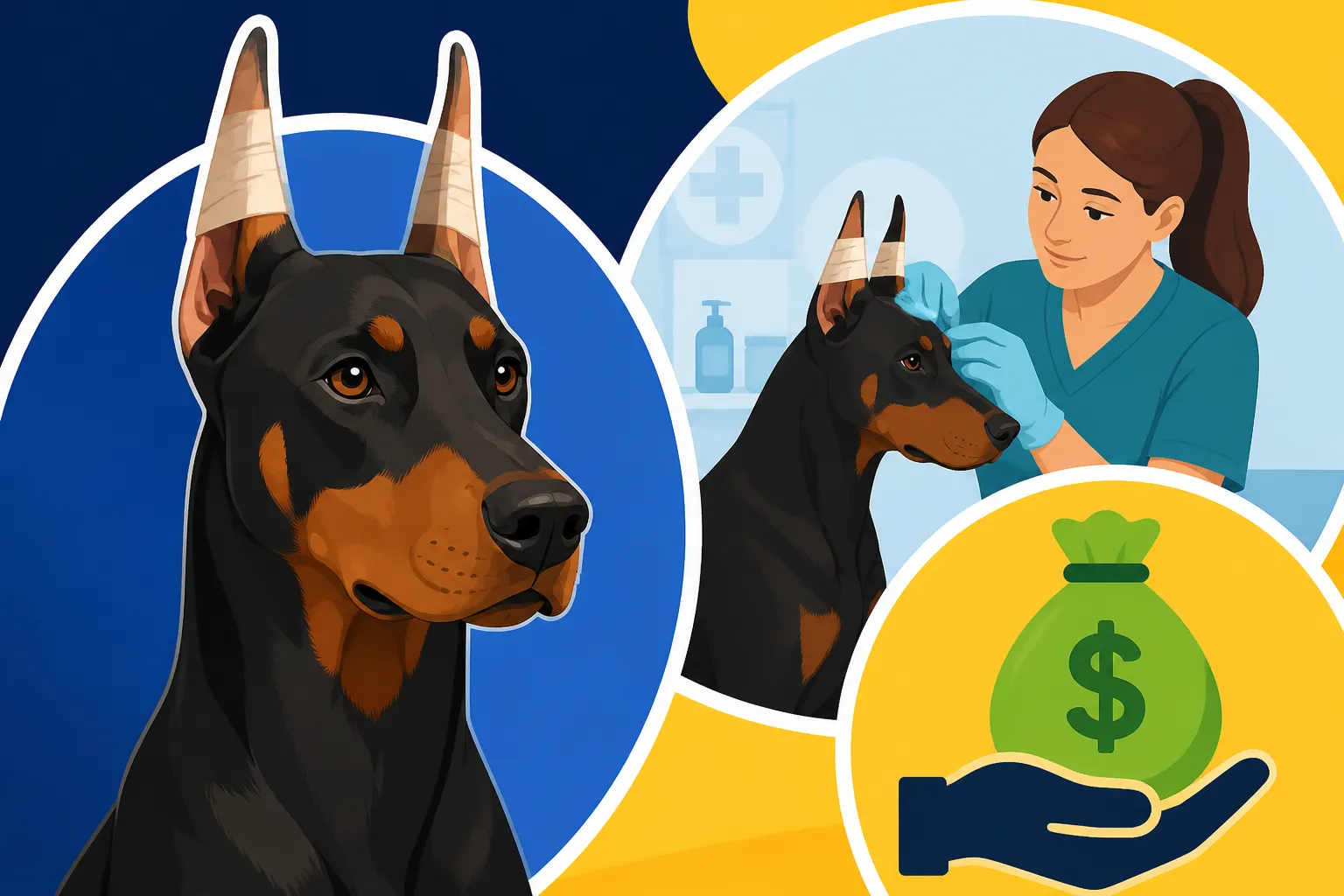
What a Doberman Cropping Aftercare Visit Costs
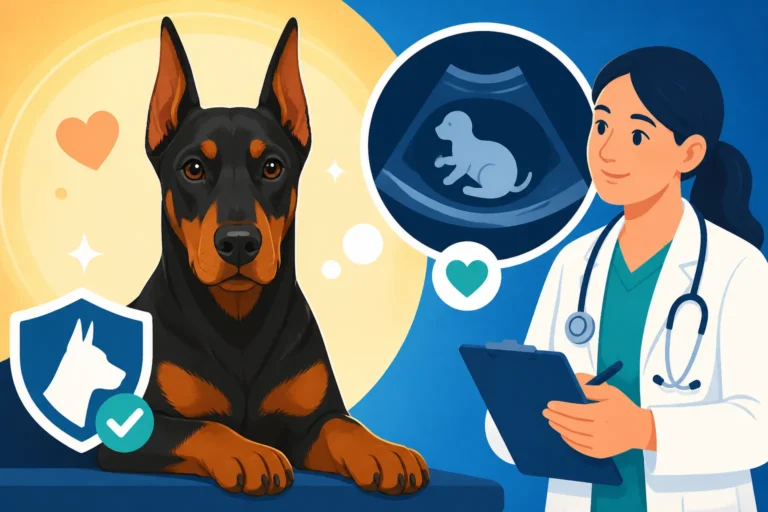
Bringing a Doberman puppy home is a huge joy, but for those who choose to have their ears cropped, the initial surgery cost is often just the beginning of a longer financial and time commitment. Many new owners find themselves surprised by the ongoing expenses and effort required for proper ear cropping aftercare, leading to frustration and sometimes, less than ideal results. This guide will walk you through what to expect regarding the costs associated with Doberman ear cropping aftercare visits, helping you budget and prepare for this crucial phase of your Doberman's development.
Understanding the Necessity of Doberman Ear Cropping Aftercare
When you invest in ear cropping for your Doberman, you’re not just paying for a single surgical procedure. That surgery is merely the first step in a process that determines the final aesthetic and, importantly, the comfort and health of your puppy's ears. Neglecting aftercare can lead to serious complications and a poor outcome, making those initial expenses feel wasted.
Why Aftercare Is Non-Negotiable for a Successful Crop
Think of ear cropping surgery as laying the foundation for a house; aftercare is the ongoing construction and finishing touches that make it a home. The goal of cropping is to shape the ears into the erect, elegant form characteristic of the Doberman breed standard. This shape isn't naturally maintained post-surgery. Instead, the ear cartilage needs to be supported and encouraged to stand upright as it heals and strengthens. Without meticulous aftercare, the ears are highly likely to flop, bend, or scar poorly.
More critically, aftercare isn't just about aesthetics; it's about preventing infection and ensuring proper healing. The surgical sites are open wounds initially, susceptible to bacteria and trauma. Regular cleaning, bandage changes, and monitoring by a professional are vital to catch any signs of infection early. Imagine leaving an open wound on yourself untreated for weeks – it’s simply unthinkable for your puppy. Proper aftercare minimizes pain, reduces swelling, and promotes healthy tissue regeneration. Skipping it, even for a short period, can lead to painful infections, dehiscence (where the wound reopens), or permanent damage to the ear cartilage, necessitating further, more expensive veterinary intervention. This commitment is part of understanding the full scope of Doberman Ear Cropping From Surgery to Last Posting.
The Typical Timeline and Stages of Aftercare
The aftercare process for Doberman ear cropping is a marathon, not a sprint. It typically begins immediately after surgery and can last anywhere from three to eight months, sometimes even longer, depending on the individual puppy's ear set, healing rate, and cartilage strength.
The first stage involves keeping the initial protective bandage clean and dry for about 7-10 days until the stitches are removed. This is often the period of most intensive vet oversight. Once stitches are out and initial healing has occurred, the ears enter the "posting" phase. This is where the ears are taped to rigid supports (posts) to train the cartilage. These posts typically stay in for 5-7 days at a time, followed by a brief "airing out" period (usually an hour or two), before new posts are applied. This cycle repeats for months. The frequency of professional aftercare visits often starts high, with weekly or bi-weekly changes, gradually spacing out as you become more confident in doing it yourself, or as the ears begin to stand reliably. However, many owners still prefer a vet or experienced breeder to handle the posting, especially in the early stages, because improper technique can be detrimental. You'll soon realize that the "The Six Hundred Dollar Doberman Crop" is just the down payment on the full experience.
Deconstructing the Costs of a Doberman Ear Cropping Aftercare Visit
The financial aspect of aftercare can be a significant hidden cost for new Doberman owners. Beyond the initial cropping fee, you'll need to account for veterinary check-ups, ongoing supplies, and the potential for unforeseen complications.
Veterinary Fees for Initial Check-ups and Bandage Changes
After the initial surgery, your Doberman puppy will need several follow-up visits to ensure the ears are healing correctly. The very first visit, typically 7-10 days post-op, is crucial for stitch removal and the first detailed assessment of the healing surgical sites. During this visit, your vet or a skilled veterinary technician will carefully remove the sutures, thoroughly clean the ears, check for any signs of infection or swelling, and often apply the first set of ear posts.
The cost for these early aftercare visits can vary widely based on your geographic location, the specific veterinary clinic, and the experience level of the staff performing the procedure. Some clinics may include the first one or two aftercare visits in the initial cropping package, but this is not always the case. Be sure to clarify this with your chosen vet. Generally, you can expect a fee for an examination, the time spent cleaning and preparing the ears, and the materials used for the initial posting. These individual visits might range from tens to hundreds of dollars each. If your puppy requires antibiotics for a developing infection or pain medication, these will be additional expenses on top of the visit fee. Remember that finding Vets Who Will and Will Not Crop a Doberman is one thing, but finding one skilled in aftercare is just as important.
Ongoing Posting Supplies and Their Recurring Expense
Once your puppy is past the initial healing phase, the continuous posting of the ears becomes the primary focus. While some dedicated owners learn to do this themselves, many still rely on professional help, especially when troubleshooting tricky ear sets. Even if you master the technique, the supplies themselves represent a recurring cost.
Essential supplies include:
- Medical tape: Hypoallergenic, breathable tape is critical to avoid skin irritation. You'll go through a lot of this!
- Backer rod or specialized posts: These are the actual supports placed inside the ear. Backer rod, a foam insulation material, is a common choice, cut to size. Some clinics or breeders may use custom-made plastic posts.
- Cotton or gauze: Used to pad the posts and protect the ear canal.
- Antiseptic wipes or cleaning solution: To clean the ears thoroughly between postings, preventing bacterial buildup.
- Adhesive remover: Gentle products to safely remove sticky residue from the tape without irritating the delicate ear skin.
These supplies are not one-time purchases. You'll be replenishing them regularly for months. A roll of tape might last for only a few postings, and you'll need new posts and cleaning supplies for each change. While the individual items aren't prohibitively expensive, the cumulative cost over several months can add up significantly. Stores like Chewy often carry a wide range of veterinary-grade tapes and cleaning solutions that Doberman owners use, making it convenient to stock up. Anticipating these regular purchases is key to managing your budget, as these fall under what we might call Posting Fees After a Doberman Crop.
Addressing Complications: Unexpected Aftercare Costs
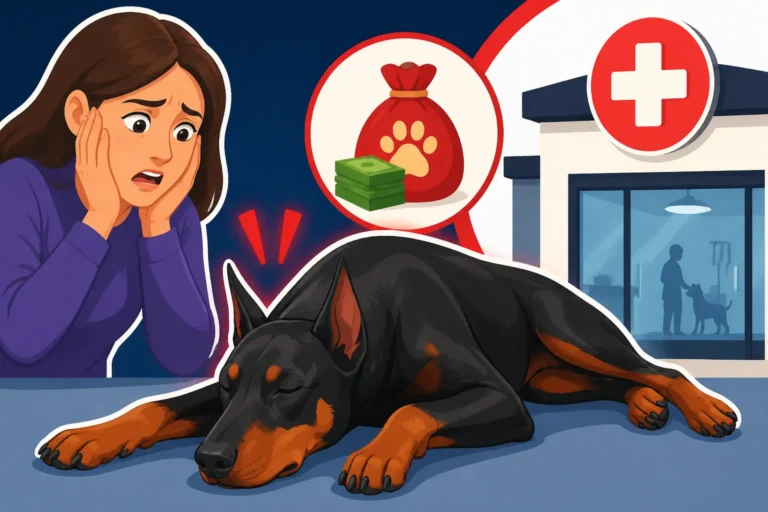
This is where planning truly becomes essential. Despite the best care, complications can arise, leading to unexpected and potentially substantial veterinary bills.
Common complications include:
- Infections: Even with diligent cleaning, bacteria can take hold, especially if the puppy scratches or the bandages get wet. This requires immediate veterinary attention, antibiotics (oral or topical), and potentially more frequent bandage changes.
- Skin irritation or allergic reactions: Some puppies react to the adhesive in the tape, causing redness, itching, or even sores. This necessitates switching tape types, using barrier creams, and potentially prescribing anti-inflammatory medications.
- Dehiscence or trauma: The surgical incision can reopen if the puppy plays too roughly, shakes its head excessively, or if the tape pulls too tightly. This can require sedation for re-suturing, extended healing time, and more frequent vet checks.
- Poor ear set: Despite proper posting, some ears are simply more challenging to get to stand correctly, requiring longer posting periods, different techniques, or even, in rare cases, a corrective surgery.
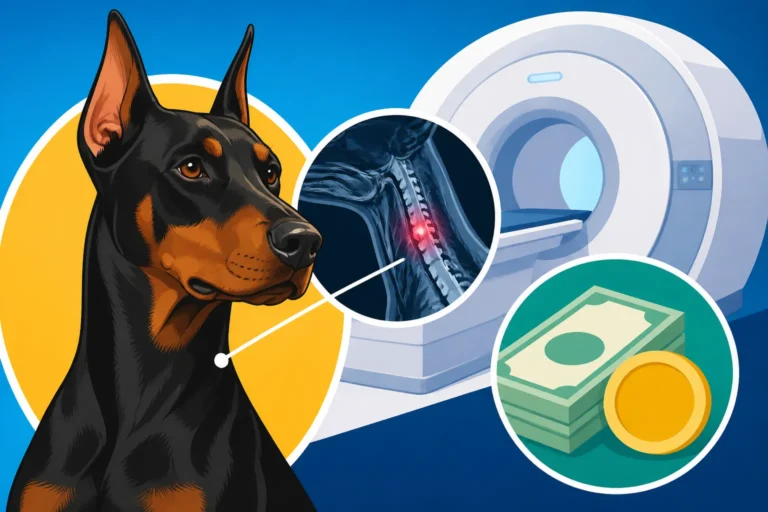
Each of these complications adds layers of cost: additional vet visits, diagnostic tests, medications, and potentially specialized treatments. This is where pet insurance can sometimes help, but it's crucial to understand their policies. Most pet insurance companies, such as Healthy Paws, consider ear cropping a cosmetic procedure and will not cover the initial surgery or any complications arising directly from it. However, if an infection occurs that is unrelated to the cosmetic nature of the crop (e.g., a bacterial infection that could happen to any ear wound), some policies might cover the treatment of the infection itself, but typically not the revision of the crop. It’s a nuanced area, so always check with your insurer beforehand. These unforeseen costs can quickly add up, falling into the category of The Vet Bills a Doberman Runs Up Outside Screening.
Strategies for Managing Doberman Ear Cropping Aftercare Expenses
Navigating the costs of Doberman ear cropping aftercare requires a proactive approach and a clear understanding of your options. It's about making informed decisions that balance financial prudence with the best care for your puppy.
DIY vs. Professional Aftercare: Balancing Cost and Expertise
One of the biggest decisions you'll face is whether to handle the ear posting yourself or rely on your veterinarian or an experienced breeder for every change. There are distinct pros and cons to each approach.
DIY Aftercare:
- Pros: Significant cost savings on vet visit fees. Allows you to bond closely with your puppy and become very familiar with its ears. Offers flexibility in scheduling changes.
- Cons: Steep learning curve. Incorrect technique can damage ears, cause discomfort, or lead to infections. Requires patience, a steady hand, and the ability to recognize problems early. If you're unsure, you might end up needing an emergency vet visit, which could wipe out any savings. Many experienced Doberman owners purchase their supplies from trusted pet retailers like Chewy and learn through breeder guidance or online tutorials, but it's not for everyone.
Professional Aftercare (Vet or Breeder):
- Pros: Expert application ensures proper technique and minimizes risk of damage or infection. Vet can quickly spot and address any complications. Less stress for the owner.
- Cons: Each visit incurs a fee, which can accumulate to a substantial sum over months. Less flexibility in scheduling. Might reduce your own learning curve, making you entirely dependent on professionals.
A hybrid approach often works best: have the vet or breeder handle the first few changes, observe closely, and then transition to DIY with their guidance. Schedule occasional "check-up" visits with the professional even if you're doing the majority of the posting, just to ensure everything is on track. This balances cost savings with expert oversight.
Asking the Right Questions to Your Vet and Breeder
Before committing to ear cropping, it is absolutely vital to have a detailed discussion with both your breeder and the veterinary surgeon who will perform the crop. Don't be shy about asking about every single potential cost related to aftercare.
Here's a checklist of questions:
- "What exactly is included in the initial ear cropping fee? Does it cover stitch removal, the first re-bandage, or any initial postings?"
- "What is the cost for each subsequent aftercare visit for bandage changes and posting?"
- "What is your recommended schedule for aftercare visits?"
- "What specific supplies will I need if I decide to do some of the posting myself, and where can I purchase them?"
- "Can you provide a rough estimate of the total aftercare costs I should expect, assuming no complications?"
- "What are the signs of infection or other complications I should look out for, and what is the protocol if they occur?"
- "Do you offer instruction for owners who want to learn how to post the ears themselves?"
Your breeder should also be a valuable resource. A reputable Doberman breeder will be able to provide guidance, demonstrate posting techniques, and often share their own experiences and tips. Their knowledge is part of the comprehensive support you should expect when Reading a Doberman Puppy's Test Certificates and discussing its future health. Many breeders even include some initial aftercare as part of their support for new puppy owners.
Budgeting for the Long Haul
The most important takeaway regarding Doberman ear cropping aftercare costs is that they are not a one-time expense. This is a commitment that can last for many months, and budgeting accordingly is crucial.
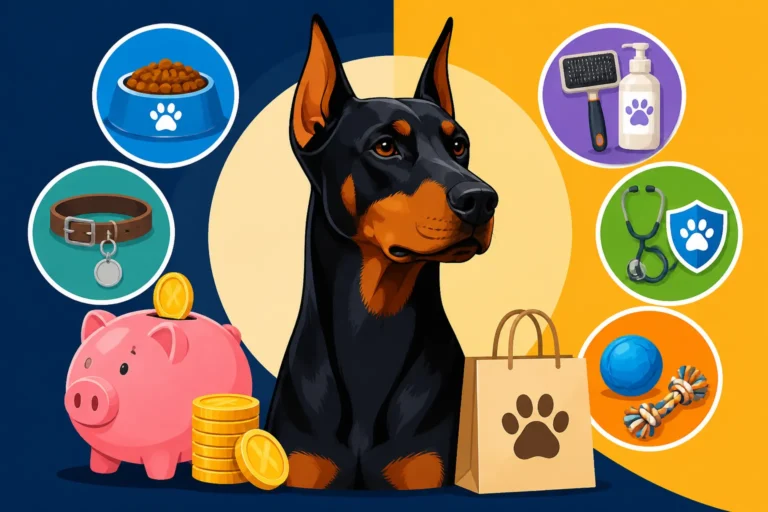
Consider creating a dedicated savings fund specifically for your Doberman's ear aftercare. Just as you might budget for Kitting Out for a Doberman Puppy That Will Hit Eighty or account for Year One With a Doberman Puppy Priced Out, ear care needs its own line item. A simple table can help you visualize these recurring costs:
| Item/Service | Estimated Cost Per Instance | Frequency | Estimated Total (3-6 Months) | Notes |
|---|---|---|---|---|
| Vet Visit (Stitch removal/1st post) | Moderate | 1-2 times | $XX – $XXX | Often higher for initial expert involvement |
| Vet Visit (Subsequent postings) | Low to Moderate | Weekly/Bi-weekly | $XXX – $XXXX | Varies greatly by clinic and number of visits |
| Medical Tape | Low | Every 1-2 weeks | $XX – $XXX | High usage, quality matters |
| Backer Rod/Posts | Low | Every 2-4 weeks | $X – $XX | Can buy in bulk |
| Cleaning Solution/Wipes | Low | Every 1-2 weeks | $XX – $XXX | Essential for hygiene |
| Adhesive Remover | Low | Every 1-2 weeks | $X – $XX | Prevents skin damage |
| Contingency Fund (Complications) | Variable | As needed | $XXX – $XXXX+ | Crucial for unexpected infections, irritation, re-taping, etc. |
| Estimated Total Range | $XXX – $XXXXX+ | This is a broad estimate; always consult your vet for specifics. |
This table only provides a general idea, and exact figures will fluctuate based on your choices and location. It's a reminder that this process demands both financial and temporal investment. Taking on a Doberman is a significant responsibility, and understanding all potential costs, including those for specialized care like ear cropping aftercare, helps ensure you can provide the best possible environment for your companion. Don't let these costs surprise you; plan ahead to give your Doberman the best start.
Disclaimer
This article is for general informational purposes only and does not constitute professional advice. Laws, prices and regulations vary by location and change over time. Consult a qualified professional for guidance on your specific situation.