A Doberman That Walks With Its Head Down
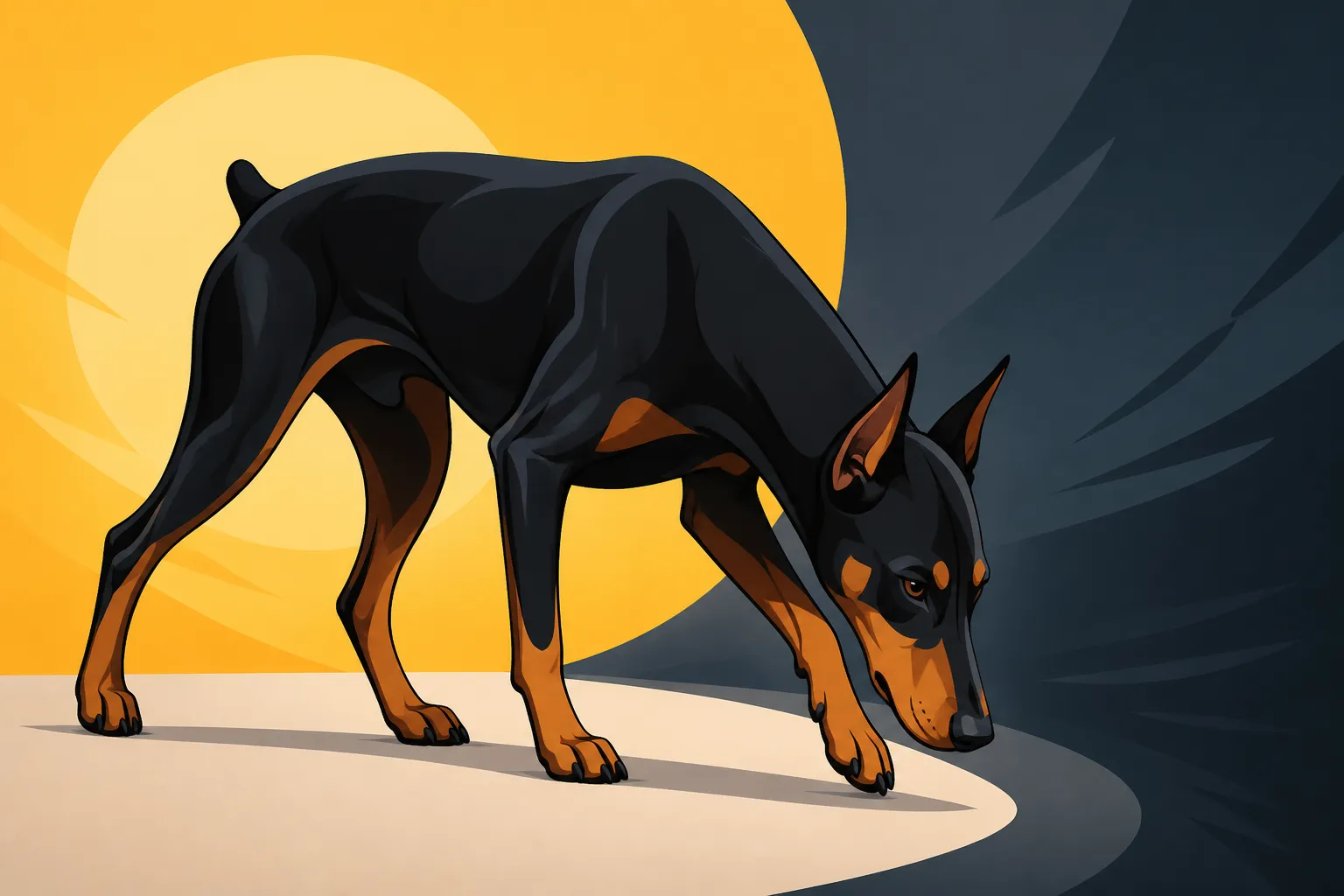
It's incredibly unsettling to see your Doberman, usually so proud and alert, walking around with its head held low. This isn't just a casual posture for a Doberman; it’s often a clear signal that something isn't right, and it can send a wave of worry through any devoted owner. This guide will walk you through the various reasons why your Doberman might adopt this concerning stance, from serious medical conditions to behavioral cues, and what steps you need to take to help your beloved companion.
Understanding the "Head Down" Posture in Dobermans
When you observe your Doberman, a breed known for its regal bearing and confident stride, carrying its head significantly lower than usual, it’s only natural for alarm bells to start ringing. This isn't the typical picture of a Doberman, and it often points to discomfort, pain, or even a serious underlying health issue that demands attention. As owners, we're attuned to their subtle shifts, and a drooping head is anything but subtle. It’s a physical manifestation of distress, and understanding its nuances is the first step toward getting your Doberman the help it needs.
Distinguishing Normal Behavior from Concern
Sometimes, a Doberman might momentarily lower its head. Perhaps they’re intently sniffing a fascinating scent trail in the grass, completely engrossed in the world of smells, or maybe they’re just feeling a bit sleepy during a quiet evening at home. These are usually fleeting moments, easily explained by context. A dog focused on a scent or taking a leisurely stroll will typically lift their head back to their usual posture within a short period. You might notice their tail still has a gentle wag, their ears are still somewhat alert, or their overall body language remains relaxed and engaged with their surroundings. This kind of head-down behavior is usually accompanied by other signs of contentment or curiosity.
However, a persistent head-down posture, especially one accompanied by a stiff gait, reluctance to move, or an overall demeanor of malaise, is a different story entirely. If your Doberman is constantly walking with its head tucked, refusing to raise it even when called, or seems to be avoiding eye contact, this is when you should be concerned. Look at their entire body: are their ears pinned back, their tail tucked, are they shivering, or do they seem particularly withdrawn? Are they struggling to look up at you when you offer a treat or call their name? These additional cues are crucial in determining whether it's merely a moment of canine concentration or a more serious indicator of pain or discomfort.
Why Dobermans Are Prone to Neck and Spinal Issues
Dobermans, with their elegant, elongated necks and athletic builds, are unfortunately predisposed to certain structural vulnerabilities, particularly in their cervical (neck) spine. This breed's specific conformation—the way they are built—can make them more susceptible to conditions that affect the neck and spinal cord. Think of their powerful musculature combined with a relatively long, flexible neck; while it contributes to their graceful movement, it also places considerable stress on the vertebral column. This inherent susceptibility means that a "head down" posture should always be thoroughly investigated, as it could be an early warning sign of a progressive condition.
One of the most concerning and common conditions linked to this posture in Dobermans is Cervical Spondylomyelopathy, more commonly known as Wobbler Syndrome. This condition involves compression of the spinal cord and/or nerve roots in the neck, leading to neurological deficits. Because of their unique anatomy, Dobermans are overrepresented among breeds diagnosed with Wobbler Syndrome. The way their cervical vertebrae can shift or develop abnormally can pinch crucial nerve pathways, leading to pain and impaired movement. This breed-specific predisposition means that a head-down posture is never something to casually dismiss in a Doberman; it warrants immediate professional assessment.
Medical Reasons Your Doberman Might Walk With Its Head Down
A Doberman persistently walking with its head down is a red flag, and often, the underlying cause is medical. It’s their way of telling us, in no uncertain terms, that they are in pain or feeling unwell. Because Dobermans are stoic by nature, they might not vocalize their discomfort, making these subtle postural changes even more critical to recognize.
Cervical Spondylomyelopathy (Wobbler Syndrome)
This is arguably one of the most significant and well-known reasons a Doberman might walk with its head down. Wobbler Syndrome, or Cervical Spondylomyelopathy, is a neurological condition resulting from compression of the spinal cord and/or nerve roots in the cervical (neck) region. Imagine a garden hose being stepped on; the flow of water is restricted. Similarly, nerve signals from the brain to the rest of the body are disrupted.
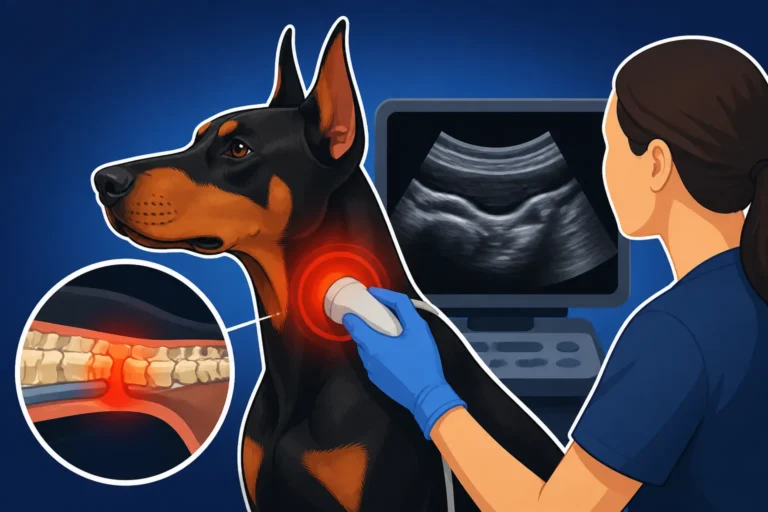
In Dobermans, Wobbler Syndrome most frequently manifests as an instability in the cervical vertebrae, often C5-C7, leading to a dynamic compression of the spinal cord. This compression can be caused by various factors, including malformed vertebrae, bulging intervertebral discs, or ligament thickening. The pain and neurological deficits directly lead to the characteristic head-down posture, as the dog tries to relieve pressure or tension in its neck. They might not just walk with their head down, but also seem reluctant to turn their head, raise it for attention, or even bend down to eat or drink from a bowl on the floor.
Beyond the head posture, other symptoms of Wobbler Syndrome can include a wobbly, uncoordinated gait, particularly in the hind limbs, which is where the name "Wobbler" comes from. They might scuff their nails on a Wobbler Doberman when they walk due to proprioceptive deficits, meaning they don't know exactly where their feet are in space. They might show weakness in their legs, struggle to get up from a lying position, or even collapse. The age Doberman Wobbler signs appear can vary, but it's most commonly seen in middle-aged to older Dobermans, typically between 3 to 8 years old. If you suspect Wobbler Syndrome, getting a definitive diagnosis, possibly by scanning a Doberman for a compressed neck, is paramount for proper management.
Pain Beyond the Neck
While Wobbler Syndrome is a common culprit, pain originating from other areas can also cause a Doberman to carry its head low. When a dog is experiencing significant discomfort elsewhere in its body, altering its posture can be an attempt to find relief or to protect the painful area.
- Back Pain: Conditions affecting the thoracic or lumbar spine, such as intervertebral disc disease (IVDD) or spondylosis deformans, can lead to generalized stiffness and a reluctance to move naturally. A Doberman with severe back pain might hunch its back and lower its head to minimize movement and perceived discomfort. They might also exhibit reluctance to jump, climb stairs, or even lie down comfortably.
- Forelimb Pain: Arthritis in the shoulders or elbows, or other orthopedic issues in the front legs, can cause a Doberman to shift its weight and lower its head. They might be trying to alleviate pressure on a sore limb, leading to an overall slouched or depressed posture. Imagine how you might hunch your shoulders if you had a bad arm; dogs do similar things with their whole body.
- Abdominal Pain: Severe abdominal pain from conditions like pancreatitis, gastrointestinal upset, or even bloat can cause a dog to curl up or stand with a hunched back and lowered head. They're trying to guard their abdomen and minimize movement that might exacerbate the pain. This is often accompanied by other signs like vomiting, diarrhea, loss of appetite, or restlessness.
Systemic Illness and Lethargy
Sometimes, the head-down posture isn't about localized pain but a generalized feeling of unwellness or profound lethargy. If your Doberman is battling a systemic illness, they might simply not have the energy or inclination to hold their head high.
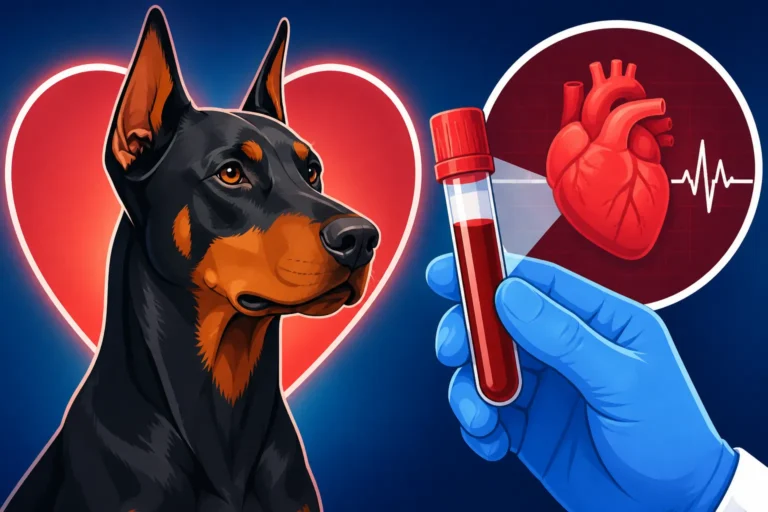
One of the most common and concerning systemic illnesses in Dobermans is Dilated Cardiomyopathy (DCM), which is the heart disease that reaches most Dobermans. In its early, "occult" stages, a Doberman might not show overt heart symptoms like coughing or fainting. However, as the heart's function declines, even subtly, they can experience fatigue and a general malaise. A Doberman that tires faster than it used to, shows reduced stamina, or seems less enthusiastic about walks might begin to carry its head low due to sheer exhaustion or a feeling of being unwell. This is not specific neck pain, but rather a reflection of their overall diminished energy levels and comfort.
Other systemic issues that can cause a Doberman to feel generally ill include:
- Hypothyroidism: An underactive thyroid can lead to a host of symptoms, including lethargy, weight gain and low energy in a Doberman, and a dull mentation, all of which can contribute to a lowered head posture.
- Kidney or Liver Disease: As these organs fail, toxins can build up in the body, making the dog feel sick, nauseous, and incredibly tired.
- Infections or Fever: Any significant infection can cause a dog to feel rundown, achy, and low on energy, often leading to a subdued posture.
- Cancer: As cancer progresses, dogs can experience pain, nausea, and extreme fatigue, all of which might be expressed through a consistently lowered head.
If your Doberman's head-down posture is accompanied by other signs like reduced appetite, vomiting, diarrhea, fever, panting, or significant changes in energy levels, it's crucial to seek veterinary attention promptly.
Behavioral and Environmental Factors
It’s easy to jump to the worst conclusions when our Dobermans exhibit unusual behavior, but sometimes a head-down posture isn't purely medical. Behavioral and environmental factors can also play a significant role, reflecting their emotional state rather than just physical pain.
Stress, Anxiety, and Fear
Dobermans are intelligent and sensitive dogs, often forming deep bonds with their families. This sensitivity means they can be highly susceptible to stress, anxiety, and fear, which can manifest physically. A Doberman’s head-down posture might be a sign of submission, a way to appear less threatening, or an indication that they are feeling overwhelmed and vulnerable.
For instance, if you've recently moved to a new home, introduced a new pet, or even had a significant change in household routine, your Doberman might display signs of stress. Loud noises, unfamiliar visitors, or an intimidating environment can trigger fear. In these situations, a Doberman might walk with its head low, its tail tucked, ears back, and avoid eye contact. This is their way of signaling discomfort and attempting to de-escalate potential threats. They might appear hesitant, sticky close to you, or try to hide. If a Doberman is feeling nervous, it's important to understand these subtle cues before they escalate. For example, some Dobermans, if not properly socialized and if a nervous Doberman becomes aggressive, can turn fear into defensive aggression. Early and positive exposure, like focusing on building a Doberman puppy that is confident, not sharp, is crucial in preventing these fear-based behaviors in the future.
Fatigue and Over-Exertion
Despite their athletic build, Dobermans are not machines, and like any athlete, they can experience fatigue or over-exertion. Pushing them too hard during exercise, especially in hot weather, or failing to provide adequate rest between strenuous activities, can lead to a dog that's simply too tired to hold its head high.
Think of a Doberman who has just completed an intense training session, gone on an exceptionally long hike, or spent hours playing vigorously at a dog park. While they might have enjoyed the activity, their body will eventually tell them it's time to slow down. A tired Doberman might walk with its head low, appear sluggish, and be less responsive to commands. This is often accompanied by heavy panting, seeking out a cool place to lie down, and a general lack of enthusiasm. It's important to recognize these signs of fatigue and ensure your Doberman gets sufficient rest and recovery time. Over-exertion, especially consistently, can also exacerbate underlying orthopedic issues, making preventative measures and recognizing limits crucial.
What to Do When Your Doberman Shows This Posture
Discovering your Doberman consistently walking with its head down is worrying, and your response needs to be prompt and thoughtful. It’s a clear signal that something needs attention.
Immediate Observation and Home Care
The moment you notice your Doberman’s head-down posture, don’t panic, but do start a careful observation period. Your immediate actions can provide crucial information for your vet.
First, gently try to engage your Doberman. Call their name, offer a favorite toy or treat, and observe their reaction. Do they try to lift their head to acknowledge you, or do they struggle or ignore you? If they lift their head, is it painful, or does it seem more apathetic? Pay close attention to their overall demeanor: are they bright, or do they seem dull, withdrawn, or unwilling to move?
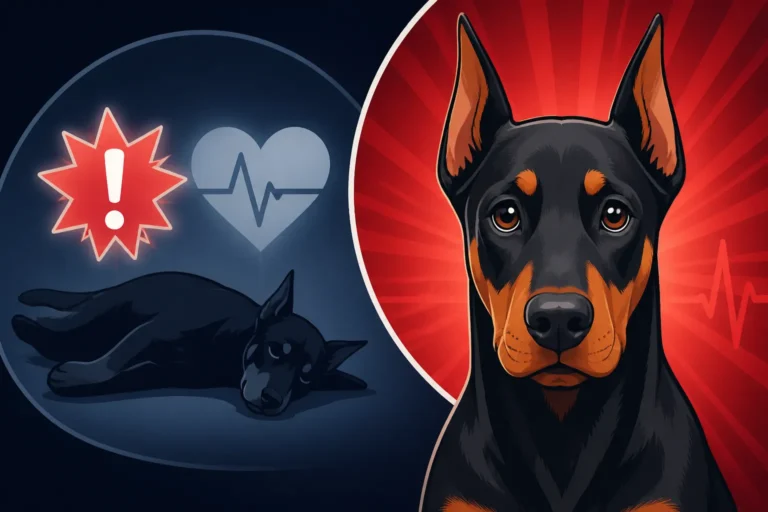
Next, conduct a gentle physical check if your dog allows. Carefully palpate their neck and spine, moving slowly and watching for any signs of pain or discomfort, such as flinching, yelping, or trying to bite. Feel along their front legs, shoulders, and even their abdomen. Look for any visible injuries, swelling, or heat. Try to encourage them to take a few steps. Do they stumble, drag their paws, or seem uncoordinated? A Doberman that wobbles on its back legs and struggles with coordination needs immediate attention. Note any changes in appetite, water intake, urination, or defecation. Providing a quiet, comfortable space with soft bedding, easy access to food and water (perhaps raised bowls to avoid neck strain), and minimizing loud noises or excessive activity can offer temporary relief. If the head-down posture is accompanied by signs of severe pain, weakness, collapse, or any acute distress, don’t wait; consider it an emergency.
Seeking Veterinary Attention
If the head-down posture persists for more than a few hours, if you observe any other concerning symptoms, or if your Doberman seems to be in obvious pain, a trip to the veterinarian is non-negotiable. Self-diagnosis and waiting it out can lead to delayed treatment for potentially serious conditions.
Your veterinarian will start with a comprehensive physical examination, including a thorough neurological assessment. They'll test reflexes, observe gait, and meticulously palpate your Doberman’s entire body, paying special attention to the neck and spine. Be prepared to provide a detailed history: when did you first notice the head-down posture? Has anything else changed? What other symptoms have you observed?
Based on their initial findings, your vet might recommend diagnostic imaging. X-rays can reveal bone abnormalities or severe arthritis, but often, more advanced imaging is needed, especially for conditions like Wobbler Syndrome. A what a Doberman MRI shows for Wobblers provides a detailed view of the soft tissues, including the spinal cord, nerves, and intervertebral discs, making it the gold standard for diagnosing Wobbler Syndrome and other spinal cord compressions. Blood tests might also be recommended to rule out systemic illnesses, infections, or metabolic imbalances.
Early and accurate diagnosis is critical, particularly for progressive neurological conditions. For instance, timely intervention for Wobbler Syndrome can significantly impact the prognosis and management options, which can range from conservative medical therapy to complex surgical procedures like those involved in Wobbler surgery prices for a Doberman. The cost of these diagnostics and treatments can be substantial, which is where having robust pet insurance, such as a policy from Healthy Paws, can make a world of difference, allowing you to focus on your Doberman’s recovery without the added stress of overwhelming bills. They often cover unexpected illnesses and accidents, which is crucial for a breed like the Doberman with known predispositions.
Comparing Potential Causes of Head-Down Posture
To help differentiate between the various reasons your Doberman might be walking with its head down, here's a quick comparison of common symptoms associated with each potential cause. Remember, this table is for informational purposes only and is not a substitute for veterinary diagnosis.
| Symptom / Condition | Wobbler Syndrome (Neck Pain/Nerve Compression) | General Pain (Back, Limb, Abdominal) | Systemic Illness (Lethargy, Malaise) | Stress/Anxiety/Fear |
|---|---|---|---|---|
| Head Posture | Consistently low, reluctant to lift/turn | Low, often with hunched back | Low, dull, apathetic | Low, tucked, avoiding eye contact |
| Gait | Ataxia (wobbly), scuffing paws, weakness | Stiff, limping, reluctant to move | Slow, sluggish, reduced stamina | Hesitant, slow, stiff |
| Vocalization | Pain yelp when neck touched, occasional growl | Yelping, whimpering, growling | Generally quiet, no pain vocalization | Whimpering, whining, panting |
| Appetite | Can be normal or reduced | Reduced | Reduced or absent | Can be reduced, sometimes normal |
| Energy Level | Reduced due to pain/difficulty moving | Reduced | Severely reduced, lethargic | Restless, pacing, trembling, or withdrawn |
| Response to Touch | Pain/flinching at neck/shoulder area | Pain at specific affected area | Generally sensitive to touch, irritable | Tense, shrinks away, may snap |
| Other Signs | Muscle atrophy, difficulty standing/rising | Lameness, reluctance to jump/climb | Vomiting, diarrhea, fever, cough, panting | Tucked tail, pinned ears, drooling |
Prevention and Long-Term Management
Once you’ve identified the cause of your Doberman’s head-down posture, whether it’s medical or behavioral, the focus shifts to prevention and long-term management to ensure their comfort and quality of life. Proactive measures can make a significant difference, especially for a breed with specific predispositions like the Doberman.
Supportive Care and Lifestyle Adjustments
For Dobermans prone to neck and spinal issues, or those recovering from an injury, certain lifestyle adjustments are crucial.
- Harness Over Collar: If your Doberman is exhibiting any signs of neck discomfort or has been diagnosed with a spinal issue, immediately switch from a neck collar to a well-fitting harness. A harness distributes pressure across the chest and shoulders, removing any direct strain from the delicate cervical spine. This is particularly important for Dobermans, as whether a Doberman should wear a collar is a valid concern given their predisposition to Wobbler Syndrome. Even for healthy Dobermans, a harness can be a safer option for walks and training, preventing accidental neck strain during sudden pulls.
- Orthopedic Bedding: Provide high-quality orthopedic dog beds that offer excellent support for their joints and spine. Dobermans have lean bodies with little natural padding, so soft, supportive surfaces are essential to prevent pressure sores and provide comfortable rest, especially as they age or if they have existing orthopedic issues.
- Raised Bowls: For dogs with neck or back pain, bending down to eat and drink can be uncomfortable. Elevated food and water bowls can reduce strain on the neck, allowing them to eat in a more natural and comfortable posture.
- Appropriate Exercise: While Dobermans are athletic, exercise needs to be managed carefully. Avoid rough play, sudden twists, or high-impact activities that could exacerbate spinal issues. Short, frequent walks on a leash are often better than long, strenuous outings, especially if they are already showing signs of discomfort.
- Maintain a Healthy Weight: Keeping your Doberman at a lean, healthy weight is paramount. Excess weight puts additional strain on joints and the spine, worsening conditions like arthritis and potentially accelerating the progression of Wobbler Syndrome. Regularly assess their body condition; you should be able to feel their ribs without seeing them prominently, and they should have a discernible waist.
The Role of Regular Health Screening
Proactive health screening is one of the most powerful tools in preventing and managing breed-specific health issues. For Dobermans, with their known genetic predispositions to conditions like DCM and Wobbler Syndrome, regular veterinary check-ups and specialized screenings are non-negotiable.
- Routine Veterinary Visits: Even if your Doberman seems perfectly healthy, annual (and for older Dobermans, biannual) vet visits are essential. These check-ups allow your vet to perform a thorough physical examination, catch subtle changes, and discuss any emerging concerns. This is also when you can address questions about their diet, exercise, and overall well-being.
- Breed-Specific Screenings: Beyond general check-ups, Dobermans benefit greatly from specific health screenings. For example, regular cardiac screening, including annual echo and Holter screening for a Doberman, is critical for early detection of Dilated Cardiomyopathy. Similarly, neurological evaluations can help identify early signs of Wobbler Syndrome. A responsible breeder should be able to show you the health testing a Doberman breeder must show for their breeding stock, including evaluations for heart and orthopedic health, which can provide insights into your dog's genetic predispositions.
- Nutritional Considerations: A balanced, high-quality diet plays a vital role in supporting overall health, including joint and spinal health. Discuss with your vet if any supplements, such as omega-3 fatty acids or joint support formulas, would be beneficial for your Doberman, especially as they age or if they have specific health concerns.
- Early Intervention: Regular screening allows for early detection, which means you can intervene sooner, potentially slowing the progression of diseases and improving your Doberman’s quality of life. For instance, catching weight gain and low energy in a Doberman early could lead to a diagnosis of hypothyroidism, which is easily managed with medication. These preventative and early intervention measures are not just good practice; they are investments in your Doberman’s future health and comfort. And again, having a solid pet insurance plan like Healthy Paws can help alleviate the financial burden of these ongoing screenings and any treatments that arise from them. It offers peace of mind knowing you can pursue the best care for your Doberman, covering eligible expenses for accidents and illnesses that often include diagnostic tests and specialist consultations.
Disclaimer
Please note that the information provided in this article is for educational purposes only and should not be considered a substitute for professional veterinary advice. If your Doberman is exhibiting concerning symptoms or behavior, always consult with a qualified veterinarian for an accurate diagnosis and personalized treatment plan.