The Bleeding Disorder Almost Every Doberman Line Carries
It's absolutely heartbreaking to discover that your beloved Doberman, a dog you've poured your heart and soul into, might carry a hidden vulnerability. Many Doberman owners face the unsettling reality that their otherwise robust companions could be silently carrying a genetic bleeding disorder, putting them at risk during routine procedures or even minor accidents. This guide is here to shed light on Von Willebrand Disease (vWD), a common inherited condition in our breed, and equip you with the knowledge to understand, manage, and hopefully prevent its impact.
Understanding Von Willebrand Disease in Dobermans: A Silent Threat
Finding out your Doberman might have a genetic condition can feel like a punch to the gut. We get these magnificent dogs for their strength and loyalty, and then we learn about these hidden vulnerabilities. Von Willebrand Disease (vWD) is one such condition, and it's particularly prevalent in Doberman Pinschers, often lingering unnoticed until a critical moment. It's not something you can see on the surface, which makes it all the more insidious for unsuspecting owners.
What Exactly is Von Willebrand Disease?
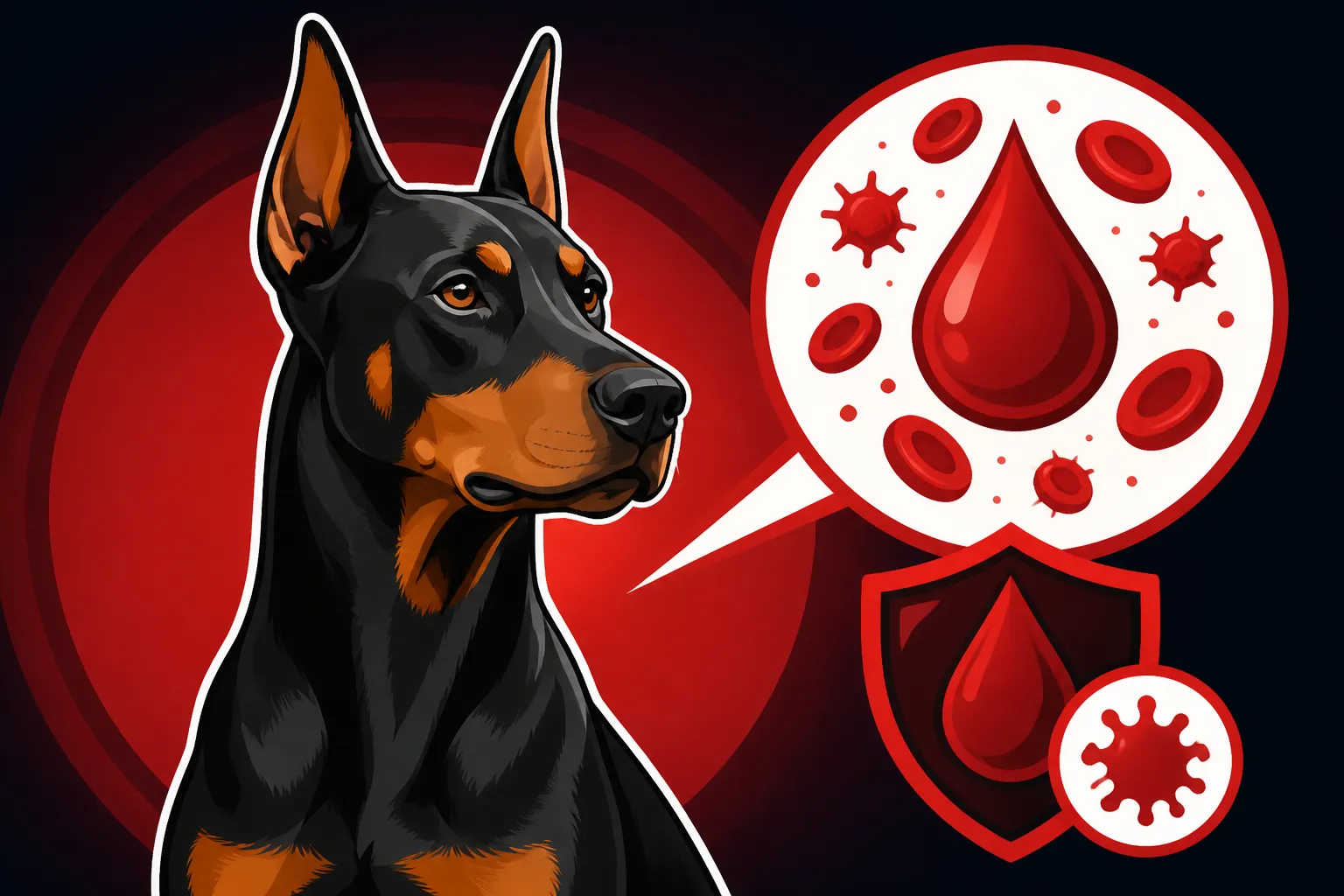
At its core, Von Willebrand Disease is a hereditary bleeding disorder that affects the blood's ability to clot properly. Think of it like this: when you get a cut, your blood needs certain components to clump together and form a plug to stop the bleeding. One of the most important players in this process is a protein called von Willebrand factor (vWF). This protein acts like a glue, helping platelets (tiny cells that form clots) stick to the injured blood vessel wall and to each other, forming the initial plug. It also protects another clotting factor, Factor VIII, from breaking down too quickly.
In Dobermans, the primary form of vWD is Type I. This means their bodies produce a reduced amount of normally structured vWF. It’s not that the factor is completely absent or malformed (which are characteristics of the more severe Type II and Type III vWD, rarely seen in Dobermans), but rather that there just isn't enough of it circulating to do its job effectively. This reduction means that when an injury occurs, the initial clotting process is compromised, leading to prolonged or excessive bleeding. It’s a subtle but significant deficiency that can turn a simple scrape into a serious concern.
Why is it So Prevalent in Dobermans?
The prevalence of vWD Type I in Dobermans is a tough pill to swallow, and it largely comes down to something called the "founder effect" and decades of breeding practices. When a breed is established or undergoes periods where certain desirable traits are heavily selected for, the genetic pool can become quite narrow. If one of those foundational or popular dogs happened to carry the vWD gene, it could easily spread through the breed as their offspring were used extensively for breeding.
Imagine a small, tightly-knit group of early Dobermans that were considered excellent examples of the breed, perhaps excelling in conformation or working ability. If one or more of these influential dogs carried the gene for vWD, and their offspring were widely bred, the gene would quickly become widespread within the Doberman gene pool. Over generations, even if breeders weren't intentionally breeding for or against it, the sheer frequency of these dogs being used meant the gene just kept getting passed on. It’s not a reflection of poor breeding in individual cases necessarily, but a historical consequence of how the breed was developed and managed over time. This widespread prevalence is exactly why it's so frustrating and difficult to eradicate, and why so many otherwise healthy Doberman lines carry this genetic predisposition. It's a testament to how complex genetic health can be in purebred dogs.
Recognizing the Subtle Signs of a Bleeding Doberman
One of the most insidious aspects of Von Willebrand Disease is that it often flies under the radar. Your Doberman might look and act perfectly healthy, yet a minor incident could reveal a serious underlying issue. This makes owners feel incredibly blindsided when bleeding problems arise. Knowing what to look for, even the subtle cues, can make all the difference in catching this condition early and preventing a crisis.
Minor Bleeds That Raise a Red Flag
Many owners first become aware of a potential vWD issue during seemingly routine events. It’s not usually a dramatic hemorrhage, but rather a persistent annoyance that slowly builds into concern. Think about those everyday occurrences that suddenly don’t seem quite right.
For instance, a simple nail trim can turn into a protracted ordeal. You might clip a little too close, as many of us accidentally do, and expect the bleeding to stop in a minute or two with a bit of styptic powder or pressure. But for a Doberman with vWD, that trickle might just keep going, or restart hours later. What should be a quick fix becomes a lengthy session of holding pressure and trying to stem the flow, leaving you feeling frustrated and worried. The same goes for minor scrapes or cuts your Doberman might get while playing. A small wound that would normally scab over quickly might ooze for an unusually long time. If you find your Doberman is experiencing A Doberman That Bleeds Too Long From a Cut, it's definitely a sign to investigate further.
Then there are spontaneous bleeds. Perhaps you notice a sudden trickle of blood from their nose, known as epistaxis. While an occasional nosebleed can happen from dryness or excitement, if it's recurrent, heavy, or difficult to stop, it's a significant red flag. You might also observe blood in their mouth after they’ve been chewing on a toy, or notice their gums bleeding more than seems normal during brushing or even just eating kibble. These aren't necessarily gushing wounds, but rather persistent seeps that indicate an issue with their blood’s ability to clot. Persistent or unexplained Nosebleeds and Gum Bleeding in a Doberman are particularly worrying and warrant immediate veterinary attention. It’s these seemingly small, but persistent, signs that often lead to the initial suspicion of vWD.
More Serious Indications and Emergency Situations
While minor bleeds are often the first hint, vWD can manifest in much more serious, even life-threatening, ways. These are the situations that often catch owners completely off guard, turning a planned procedure or an unexpected accident into a terrifying emergency.
One of the most common scenarios for discovering severe vWD is during or after surgery. A routine spay or neuter, which should have a predictable recovery, might lead to excessive bleeding during the operation or persistent oozing from the incision site afterwards. Even a simple dental cleaning can become complicated if the dog has significant vWD, as extractions or even routine scaling can cause prolonged bleeding. Your veterinarian might be completely caught off guard, and you’ll find yourself in a stressful situation that could have potentially been mitigated with prior knowledge.
Beyond surgical complications, affected Dobermans can experience internal bleeding. This can be harder to spot, as there might not be obvious external signs. Blood in the urine (hematuria) or stool (melena, which looks like black, tarry stool) are serious indicators. Sometimes, without any obvious trauma, your Doberman might develop large, deep bruises or hematomas under the skin, especially on their flanks or belly. These occur when blood vessels spontaneously rupture or leak and the blood doesn't clot, leading to an accumulation of blood under the skin.
In the most severe cases, an affected Doberman might collapse due to significant blood loss from internal bleeding, or develop life-threatening hemorrhages from even minor trauma. This can be absolutely terrifying for an owner, as your dog might appear perfectly fine one moment and be in a critical state the next. These emergency situations underscore why knowing your Doberman's vWD status is not just helpful, but potentially life-saving.
Genetic Testing for Von Willebrand Disease: Knowing Your Doberman's Status
When you're dealing with a genetic condition like vWD, knowledge truly is power. It empowers you to make informed decisions about your Doberman's health, particularly if they ever need surgery or if you're considering breeding. The good news is that for vWD Type I, we have a reliable DNA test available, taking some of the guesswork out of an otherwise invisible problem.
The Importance of DNA Testing Before Breeding or Surgery
One of the most proactive steps you can take as a Doberman owner is to have your dog DNA tested for Von Willebrand Disease Type I. This isn't just a suggestion; it's a critical piece of information for responsible ownership and breeding. The DNA test specifically looks for the genetic mutation responsible for Type I vWD, allowing you to know your dog's status long before any potential bleeding incident occurs.
For breeders, this testing is absolutely non-negotiable. Knowing the vWD status of prospective breeding dogs is paramount to making responsible breeding decisions and reducing the incidence of this disorder in future generations. It's about preserving the health of the breed and ensuring puppies have the best possible start in life. Ethical breeders will always provide these results transparently.
But even for pet owners, this knowledge is invaluable, especially if your Doberman will ever undergo surgery. Whether it's a routine spay or neuter, an emergency procedure for an injury, or even just a dental cleaning, knowing their vWD status allows your veterinarian to take crucial preventative measures. If your dog is affected, your vet can plan ahead, perhaps administering a drug called desmopressin (DDAVP) before the procedure or having fresh frozen plasma readily available. This simple test can literally be the difference between a smooth recovery and a life-threatening complication. It's a fundamental part of responsible Doberman care, making sure you are fully prepared for any medical intervention. Taking the step of Testing a Doberman for Von Willebrand Before Surgery can provide immense peace of mind.
Interpreting Test Results: Clear, Carrier, and Affected
Once you've submitted your Doberman's DNA sample, usually via a simple cheek swab or blood sample, you'll receive results that categorize your dog into one of three distinct statuses: Clear, Carrier, or Affected. Understanding what each of these means is crucial for managing your dog's health and making informed breeding choices. This isn't like a pass/fail test; it’s a genetic blueprint that tells a specific story.
- Clear (or Homozygous Normal): This is the best-case scenario. A Doberman testing "clear" has two normal copies of the von Willebrand factor gene. This means they do not have the genetic mutation for vWD Type I, will not develop the disease, and cannot pass the gene on to any offspring. These dogs have normal vWF levels and should not experience bleeding issues due to this specific disorder. If you're looking for a puppy, seeing "Clear" results for both parents is ideal.
- Carrier (or Heterozygous): A Doberman who is a "carrier" has one normal copy of the gene and one copy of the mutated gene. Carriers typically have enough functional vWF to prevent clinical signs of the disease, meaning they usually won't experience abnormal bleeding themselves. However, they carry the mutated gene and can pass it on to 50% of their offspring if bred. This status is vital for breeders to understand, as breeding two carriers together would produce some affected puppies. Clear, Carrier and Affected Doberman Results are a testament to the transparency and responsibility of good breeders.
- Affected (or Homozygous Affected): An "affected" Doberman has two copies of the mutated gene, inherited from both parents. These dogs produce significantly reduced levels of vWF and are at high risk for clinical bleeding episodes. They are the ones who will experience the prolonged bleeding from cuts, spontaneous nosebleeds, and severe complications during surgery. Affected dogs will pass one copy of the mutated gene to all of their offspring. While an affected Doberman can live a full and happy life with careful management and veterinary awareness, they require extra precautions throughout their lives.
Understanding these distinctions is paramount. It allows you, in consultation with your vet, to tailor your Doberman's care plan, especially around any medical procedures. It also guides responsible breeders in making decisions that will ultimately improve the health of the Doberman breed.
Labs Offering Doberman VWD Testing
When it comes to genetic testing, you want to ensure you're using a reputable lab that provides accurate and reliable results. Thankfully, several well-regarded veterinary genetic testing laboratories offer the specific DNA test for Von Willebrand Disease Type I in Dobermans. You shouldn't just grab the cheapest option online; accuracy here matters for your dog's future.
Some of the most commonly used and trusted labs in North America include:
- Paw Print Genetics: They are highly respected for their comprehensive genetic testing panels for various breeds, including Dobermans. They provide clear, easy-to-understand reports for vWD and often offer breed-specific panels that include other important Doberman health tests, such as those for Dilated Cardiomyopathy (DCM).
- VetGen: Another well-established laboratory that offers genetic disease testing, including vWD, for a wide array of breeds. They have a long history in the field and are known for their scientific rigor.
- OFA (Orthopedic Foundation for Animals): While primarily known for orthopedic clearances, OFA also maintains a vast database of canine health information and offers DNA testing for various genetic conditions, often through partnerships with other labs or by accepting results from approved labs for their public registry. This allows you to publicly list your dog's vWD status, which is incredibly helpful for transparent breeding programs.
The process of submitting a sample is usually quite straightforward. Most labs will send you a kit containing sterile cheek swabs. You simply follow the instructions to gently swab the inside of your dog's cheek to collect cells, then mail the swabs back to the lab. Some vets prefer to draw a blood sample, which can also be used for DNA testing and may offer slightly quicker processing in some cases.
When choosing a lab, consider their turnaround time, the clarity of their reports, and whether they offer bundled panels if you're also interested in testing for other Doberman-specific genetic conditions. While the What Doberman DNA Panels Cost can vary slightly between providers, it's a small investment for such crucial information that can impact your Doberman's entire life and inform responsible breeding practices. Always consult with your veterinarian if you have questions about which lab to use or how to interpret complex results.
Living with a VWD Affected or Carrier Doberman
Discovering your Doberman is a carrier or, more critically, affected by Von Willebrand Disease can feel daunting. It’s natural to worry about every scrape and bump. However, it's important to remember that this knowledge allows you to be proactive and implement specific management strategies that can ensure a long, healthy, and safe life for your companion. It's not about living in fear, but about being informed and prepared.
Daily Management and Precautions for Affected Dogs
For Dobermans confirmed as "affected" with vWD, daily life needs a bit more mindfulness. The goal is to minimize situations that could lead to injury and bleeding, and to be prepared should an incident occur. It might sound restrictive, but it's really about sensible precautions.
Firstly, think about their environment and play. While Dobermans are active and love to run, avoiding overly rough play, especially with other dogs, is a good idea. That doesn't mean no fun, but perhaps supervising closely during dog park visits or ensuring playmates are gentle. If you have a yard, doing a sweep for sharp objects, thorns, or anything that could cause a cut is a smart routine. For indoor dogs, ensuring they have soft bedding and avoiding slippery surfaces that could lead to falls and bumps can also help.
Grooming routines also need careful consideration. Nail trims are a prime example where bleeding can occur. Investing in good quality nail clippers and learning how to trim just the tip, or using a Dremel to slowly grind the nails, can reduce the risk of cutting into the quick. Always have styptic powder or a styptic pencil readily available for immediate use. Dental hygiene is crucial for all dogs, but for a vWD-affected Doberman, maintaining good oral health can prevent gum inflammation and bleeding. Regular brushing is preferred over frequent dental cleanings under anesthesia, which carry their own risks for affected dogs.
Perhaps one of the most vital precautions is understanding which medications to avoid. Certain drugs can interfere with blood clotting and worsen the effects of vWD. These often include non-steroidal anti-inflammatory drugs (NSAIDs) like aspirin, ibuprofen (never give human pain relievers without vet guidance), and even some antibiotics. Always inform any veterinarian or emergency clinic personnel that your Doberman is vWD affected before they prescribe any medication. It's helpful to have this information clearly noted in your dog's medical file and even on their collar tag or a "pet passport" if you travel. Knowing Drugs a Doberman With Von Willebrand Should Avoid is a critical piece of information that can prevent serious complications.
Preparing for Surgeries and Medical Procedures
This is where the knowledge of your Doberman's vWD status truly becomes a game-changer. Any medical procedure, no matter how minor, carries a risk of bleeding. With a vWD-affected Doberman, this risk is significantly elevated, so meticulous preparation with your veterinary team is essential. You want to walk into that vet's office feeling as prepared as possible, and so does your vet.
Even if your Doberman has been DNA tested as "affected," your vet may recommend additional pre-surgical screening to measure their actual von Willebrand factor levels. While DNA tests tell you if the gene is present, vWF levels can fluctuate, and knowing the current level helps the vet gauge the immediate risk. This extra step ensures a comprehensive understanding of your dog's clotting ability on the day of the procedure.
A common preventative measure before surgery is the administration of desmopressin (DDAVP). This synthetic hormone doesn't supply vWF directly but helps stimulate the body's own release of stored vWF, effectively boosting clotting ability for a short period. It's often given intravenously about 30 minutes before an incision is made, providing a temporary safety net. This is particularly important for procedures like spays, which involve significant vascular tissue. Spaying a Doberman That Carries the Bleeding Gene involves a different risk profile than an affected dog, but even carriers may benefit from careful planning.
For more extensive surgeries or in cases of severe deficiency, your vet might recommend having fresh frozen plasma (FFP) or cryoprecipitate (a concentrated source of clotting factors, including vWF) available. These blood products contain the necessary clotting factors and can be administered via transfusion before, during, or after surgery to directly replace the missing vWF. While these are not without their own costs and considerations, they can be life-saving. Discussing a detailed pre-surgical plan with your veterinarian, including post-operative monitoring for bleeding, is absolutely critical. This is precisely why having pet insurance, like a policy from Healthy Paws, can be incredibly beneficial. Knowing that procedures like transfusions or extended post-surgical care for bleeding complications might be covered can alleviate immense financial stress during an already difficult time. Remember, transparent communication with your vet about your Doberman's vWD status allows them to create the safest possible surgical plan. Being prepared for Surgery on a Doberman With a Clotting Problem requires this level of detail.
Breeding Responsibly to Reduce VWD Incidence
For Doberman enthusiasts, the commitment to the breed extends beyond individual ownership; it involves a dedication to improving the breed's health for future generations. When it comes to Von Willebrand Disease, responsible breeding practices are the most powerful tool we have to reduce its prevalence and impact. It's a long game, but a crucial one.
Ethical Breeding Practices for Dobermans
Ethical breeding is the cornerstone of addressing genetic health issues like vWD. It’s not just about producing beautiful puppies; it’s about producing healthy ones. For Dobermans, this means a rigorous approach to genetic testing for all breeding stock. Every Doberman considered for breeding, whether male or female, should be DNA tested for vWD Type I before they ever set paw in a breeding program.
The goal, ideally, is to breed "clear" Dobermans to "clear" Dobermans. This strategy ensures that all puppies produced will also be clear of the vWD Type I gene and therefore will not be affected by the disease and cannot pass it on. This is the surest way to progressively reduce the gene's presence in the Doberman population over time.
However, completely eliminating carriers from the breeding pool immediately isn't always feasible or desirable, especially given how widespread the vWD Type I gene is in Dobermans and considering other important health and temperament traits. Sometimes, an exceptional Doberman that is a carrier might possess other genetic health clearances, outstanding temperament, or vital structural qualities that make them valuable to the breed's overall genetic diversity. In such cases, a responsible breeder might opt to breed a "clear" dog to a "carrier" dog. This pairing will statistically produce 50% clear puppies and 50% carrier puppies, but crucially, no affected puppies. Any carrier puppies from such a litter would then need to be responsibly placed in pet homes with full disclosure, or if considered for breeding themselves, only be bred to "clear" mates.
What is absolutely unethical is breeding two "carrier" Dobermans together, as this pairing will statistically produce 25% "affected" puppies, 50% "carrier" puppies, and 25% "clear" puppies. Breeding an "affected" Doberman is also irresponsible, as all offspring would be either carriers or affected. The priority should always be to avoid producing affected puppies. Reputable breeders understand this and make decisions based on the health and welfare of the breed, not just convenience or profit. They acknowledge that Whether a Carrier Doberman Should Be Bred is a complex question with an ethical answer, focused on careful pairing and genetic health.
The Breeder's Responsibility to Puppy Buyers
For those looking to welcome a Doberman puppy into their home, the breeder's responsibility regarding vWD is paramount. A truly ethical breeder doesn't just sell you a puppy; they provide a foundation of health and transparent information. This transparency is key to building trust and ensuring you, as the new owner, are fully prepared.
First and foremost, a responsible Doberman breeder will always provide you with full disclosure of the vWD test results for both the dam (mother) and the sire (father) of your puppy. These aren't just verbal assurances; they should be official certificates from the testing laboratory, such as Paw Print Genetics or VetGen, that you can review. These certificates should clearly state whether each parent is "Clear," "Carrier," or "Affected." This allows you to understand the genetic heritage of your puppy and any potential risks, even if your puppy itself hasn't been tested yet.
Beyond just providing the paperwork, a good breeder will take the time to educate new owners about vWD. They will explain what the different statuses mean, particularly if your puppy comes from a clear x carrier breeding, meaning your puppy could potentially be a carrier. They’ll discuss what precautions, if any, you should take, and emphasize the importance of informing your veterinarian about your Doberman's genetic background, especially prior to any surgeries. This proactive education is invaluable, as it sets you up for responsible ownership from day one.
In some cases, breeders might even test individual puppies for vWD before they go to their new homes, particularly if they are from a "clear x carrier" pairing, allowing you to know your specific puppy's status. If individual puppy testing isn't done, a responsible breeder will still provide all necessary information for you to arrange this testing yourself, and often provide the pedigree information required for registration and health databases.
Ultimately, the breeder's responsibility is to provide a healthy puppy and the information necessary for you to continue that legacy of health. Seeing Reading a Doberman Puppy's Test Certificates for both parents should be a standard expectation when acquiring a Doberman puppy. This commitment ensures that fewer Dobermans will face unexpected bleeding complications, contributing to the overall well-being of the breed.
Emergency Management for a Bleeding Crisis
Despite all the precautions and genetic testing, life happens. Dobermans are active dogs, and sometimes accidents occur, or a silent issue can suddenly manifest. Knowing how to react in a bleeding crisis, even a minor one, can significantly impact the outcome for your Doberman. Panic is often the first reaction, but a calm, informed response is what your dog needs.
First Aid at Home for Minor Bleeds
When your Doberman experiences a minor bleed, whether it’s a quicked nail, a small cut from playing, or a mild nosebleed, a swift and calm response from you is critical. This isn't just about stopping the blood; it's about minimizing stress for your dog and knowing when a "minor" bleed needs professional attention.
For nail trims, the immediate go-to should be styptic powder. Products like Kwik Stop or even cornstarch can help. Apply firm pressure directly to the bleeding nail for a minute or two. Don't peek too soon; sustained pressure is key. If the bleeding persists, reapply the powder and pressure. It's frustrating when it doesn't stop, but remain patient and calm.
For small cuts or scrapes, direct pressure is your best friend. Use a clean cloth or gauze and apply firm, steady pressure to the wound for at least five to ten minutes without lifting to check. The goal is to allow the natural clotting process, however compromised by vWD, to begin. Elevating the injured area if possible (e.g., holding a bleeding paw above the heart) can also help. After the bleeding has stopped, keep the wound clean and monitor it closely for any signs of re-bleeding or infection.
Nosebleeds, while often alarming, can sometimes be managed at home if mild. Keep your Doberman calm and quiet, which is easier said than done, but crucial. Apply a cold pack to the bridge of their nose, which can help constrict blood vessels. Do not tilt their head back, as this can cause them to swallow blood, leading to stomach upset. If the nosebleed is heavy, lasts longer than 10-15 minutes despite these efforts, or occurs frequently, it’s no longer a "minor" bleed. It’s an immediate trip to the vet. Learning how to best handle a situation like Managing a Doberman Bleed at Home can provide a huge sense of relief.
The key takeaway for any home first aid is to remain calm, apply direct pressure, and know your limits. A Doberman with vWD, even with seemingly minor bleeds, can quickly lose more blood than you realize, or a small wound can become problematic if it simply won't clot. If you’re ever in doubt, or if bleeding is persistent, heavy, or accompanied by signs of weakness or collapse, it’s time to head to the emergency vet.
Veterinary Intervention for Severe Bleeding
When a Doberman with vWD experiences severe bleeding, or a minor bleed that just won't stop, immediate veterinary intervention is not just recommended—it's imperative. This is an emergency, and every minute counts. Don’t hesitate or try to "wait and see."
Upon arrival at the veterinary clinic, the first priority for your vet will be to assess the extent of blood loss and stabilize your Doberman. This might involve placing an IV catheter to administer fluids to combat shock and maintain blood pressure. The location and source of bleeding will be identified, if possible.
To directly address the clotting deficiency, the primary treatment for severe bleeding in vWD-affected Dobermans is often a blood transfusion. This can come in several forms:
- Fresh Whole Blood (FWB): Contains all the components of blood, including red blood cells for oxygen carrying capacity, platelets, and most importantly for vWD, von Willebrand factor and other clotting factors.
- Fresh Frozen Plasma (FFP): Plasma that has been separated from red blood cells and frozen. It is rich in clotting factors, including vWF, and is often preferred when red blood cells aren't critically low but clotting is the main issue.
- Cryoprecipitate: This is a more concentrated form of clotting factors, specifically rich in vWF, Factor VIII, and fibrinogen. It's often the most targeted and effective treatment for vWD bleeding crises.
Administering these products can rapidly replenish the missing vWF, allowing the blood to clot more effectively. Your vet will carefully monitor your dog for transfusion reactions during this process.
In some emergency situations, if blood products aren't immediately available or as an adjunct therapy, your vet might also administer desmopressin (DDAVP) intravenously, similar to how it's used pre-surgically. While not a direct replacement for vWF, it can help mobilize any stored vWF your dog might have, offering a temporary boost to clotting ability.
The costs associated with emergency veterinary care, especially blood transfusions and overnight stays, can be substantial. This is another area where having comprehensive pet insurance, like a policy from Healthy Paws, can be an absolute lifesaver. Knowing you have support for these unexpected, critical expenses can allow you to focus entirely on your Doberman's care without the added burden of financial stress. Remember, in a severe bleeding crisis, your Doberman's life may depend on swift and aggressive veterinary care, including Transfusions for a Doberman With a Clotting Disorder.
The Broader Impact of Genetic Health on Doberman Lifespan
When we talk about Von Willebrand Disease, it’s easy to get tunnel vision, focusing solely on the bleeding aspects. But for Doberman owners, vWD is just one piece of a much larger, often complex, genetic health puzzle. Understanding this broader context is vital for giving our beloved companions the best chance at a long, healthy life. The Doberman is a magnificent breed, but we can't ignore the genetic predispositions they carry.
Beyond VWD: A Holistic View of Doberman Health
While vWD is a significant concern, it's crucial to remember that Dobermans are unfortunately predisposed to several other serious genetic health conditions. It's not just one thing; it's often a constellation of potential issues that responsible owners need to be aware of and proactively manage.
Perhaps the most devastating is Dilated Cardiomyopathy (DCM), a progressive heart disease that leads to an enlarged heart and can result in sudden death. Many Doberman owners live with the fear of DCM, diligently scheduling annual echocardiograms and Holter monitoring. Then there's Wobbler Syndrome (cervical vertebral instability), a neurological condition affecting the neck and spinal cord, causing an unsteady gait and sometimes severe pain. And let’s not forget Hypothyroidism, a common endocrine disorder that can lead to weight gain, lethargy, and coat issues. Even though it's easily managed with medication, it's still a genetic predisposition. These are just a few examples, but they paint a picture of a breed with significant health challenges.
A holistic view means understanding that these conditions aren't isolated. A Doberman with vWD might also be at risk for DCM or Wobbler's. This layered risk makes proactive health management incredibly important. When your vet recommends annual screenings for heart health, thyroid function, or encourages specific types of exercise to support spinal health, they're not being overly cautious; they're responding to the known genetic susceptibilities of the breed. Each piece of health information contributes to a complete picture, helping us appreciate Doberman Lifespan and Why It Is Short is often impacted by these complex genetic factors.
The Role of Owner Vigilance and Proactive Care
Given the genetic predispositions Dobermans carry, owner vigilance and proactive care are not merely good practices; they are absolutely essential for ensuring your Doberman lives the longest, healthiest, and happiest life possible. This means stepping up to be your Doberman's best advocate.
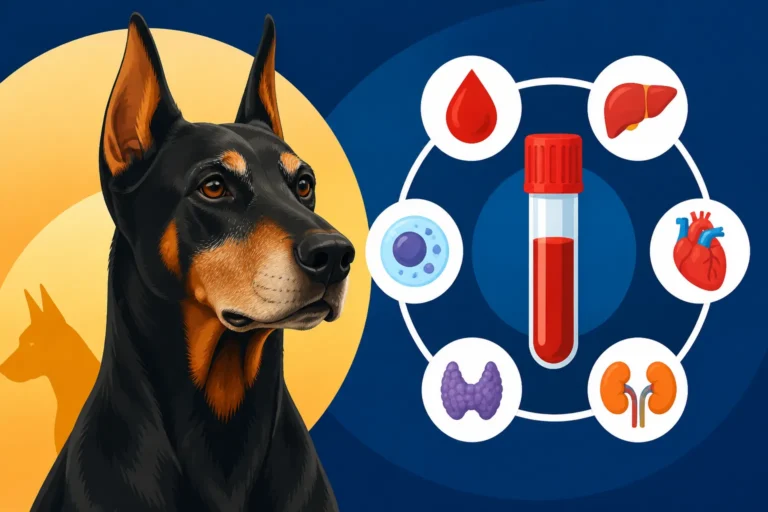
First, establishing a strong relationship with a veterinarian who understands the Doberman breed's unique health profile is invaluable. Regular vet check-ups are non-negotiable, even if your Doberman appears perfectly healthy. These annual visits are opportunities for early detection of conditions that can otherwise progress silently. Your vet might recommend specific annual screenings, like blood panels to check thyroid function, or discussions about heart health, often starting even before symptoms appear.
Prompt attention to unusual symptoms is also critical. Dobermans are stoic and often hide pain or discomfort. If you notice any subtle changes in behavior, appetite, energy levels, or any new lumps, limps, or coughs, don't dismiss them. A quick call to your vet could catch something serious in its early, more treatable stages. For a dog with vWD, any unexplained bruising or prolonged bleeding, no matter how minor, needs immediate attention.
Good nutrition and appropriate exercise form the bedrock of overall health. Feeding a high-quality, balanced diet supports their immune system and overall vitality. Tailoring exercise to their age and physical condition helps maintain muscle mass, supports joint health, and keeps them mentally stimulated without overstressing their bodies. For a vWD-affected dog, ensuring their diet supports good clotting (though it won't replace vWF) and that their exercise minimizes injury risk is part of this proactive approach.
Ultimately, your role as a Doberman owner is to be an active participant in their health journey. With genetic conditions like vWD, DCM, and Wobbler's potentially looming, a proactive and vigilant approach isn't just about managing problems; it's about maximizing their quality of life and ensuring you catch any issues as early as possible. This commitment, alongside the support of a good vet and perhaps pet insurance from a provider like Healthy Paws, is how we best honor these incredible dogs.
| VWD Status | Likelihood of Bleeding | Breeding Implications | Surgical Precautions |
|---|---|---|---|
| Clear | Very low; normal clotting | Can be bred to any dog; all offspring will be clear if bred to another clear dog. | Standard surgical protocols. |
| Carrier | Generally low; sufficient vWF for normal clotting. | Should only be bred to "Clear" dogs to avoid producing "Affected" offspring. | Inform vet; monitor closely, consider DDAVP. |
| Affected | High; significantly reduced vWF, increased risk of abnormal bleeding. | Should not be bred. All offspring would inherit at least one affected gene. | Critical: inform vet; pre-surgical DDAVP, blood products (FFP/cryo) often required. |
Disclaimer
The information provided in this article is for educational purposes only and is not intended to be a substitute for professional veterinary advice, diagnosis, or treatment. Always seek the advice of your veterinarian or other qualified animal health provider with any questions you may have regarding a medical condition or treatment for your Doberman. Never disregard professional veterinary advice or delay in seeking it because of something you have read here.