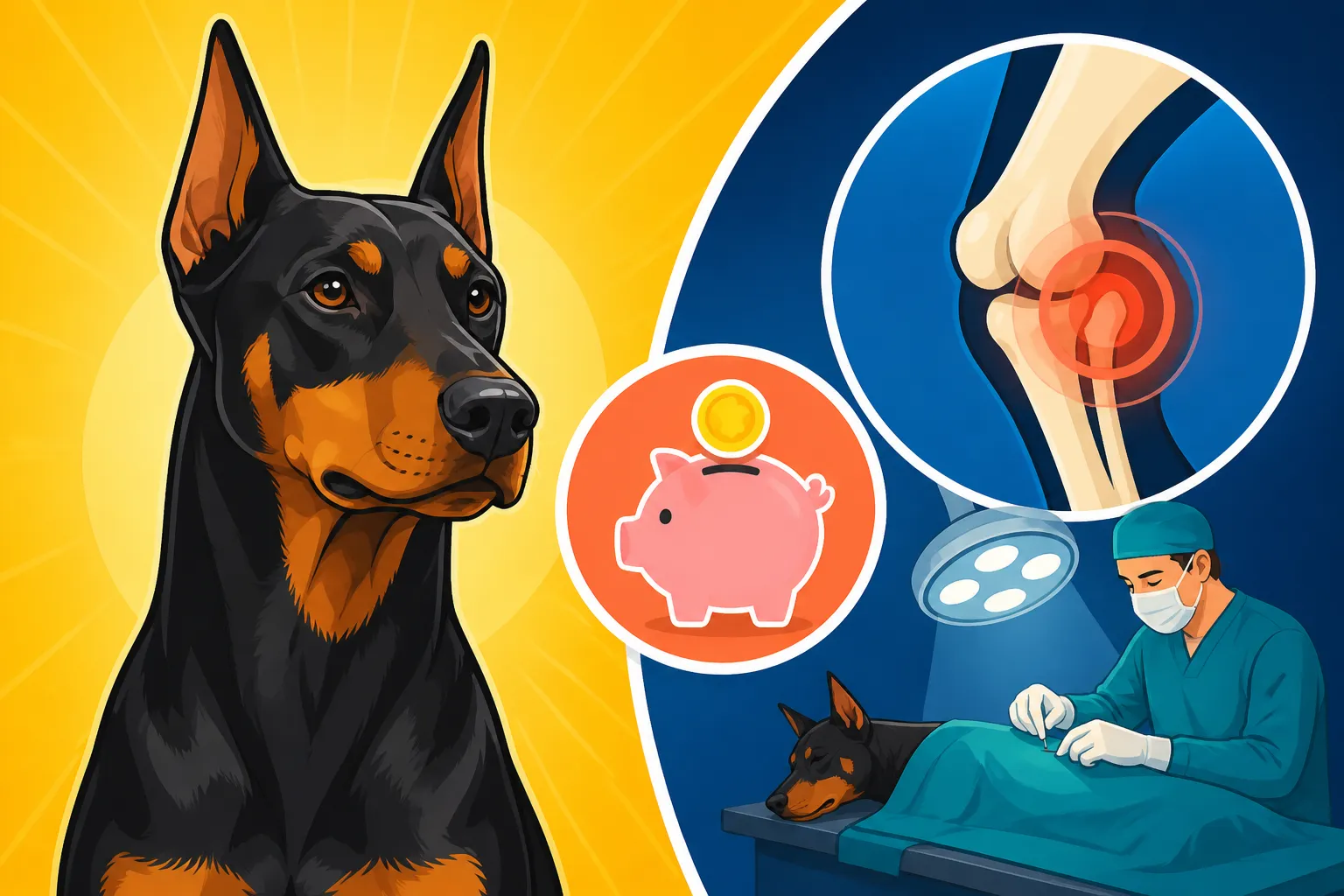
Wobbler Surgery Prices for a Doberman
There's nothing quite like the panic that sets in when you notice your beloved Doberman starting to stumble, drag their paws, or exhibit an unsteady gait. It's a heartbreaking sight, and often, the immediate fear of what might be wrong is quickly followed by the overwhelming worry about what it will cost to fix. If your Doberman has been diagnosed with Wobbler Syndrome, or cervical spondylomyelopathy as it's known in the veterinary world, the thought of spinal surgery can be daunting, both emotionally and financially. This guide aims to shed light on the various factors that influence the price of Wobbler surgery for Dobermans, helping you understand the financial landscape and what to expect.
Understanding Wobbler Syndrome and Why Surgery is Considered
Wobbler Syndrome is a complex neurological condition that primarily affects large and giant breed dogs, and our Dobermans are, unfortunately, particularly susceptible. It's characterized by compression of the spinal cord and/or nerve roots in the neck (cervical spine), leading to a wobbly or uncoordinated gait. Imagine trying to walk normally when the signals from your brain to your legs are constantly interrupted – that's what your Doberman is experiencing.
The Mechanism Behind the Wobble
For Dobermans, Wobbler Syndrome often manifests due to two main reasons: disc-associated Wobbler Syndrome (DAWS) or bony compression (vertebral canal stenosis). In DAWS, a disc in the neck protrudes or herniates, pressing on the spinal cord. With bony compression, the vertebrae themselves can become misshapen or develop bony growths that narrow the spinal canal. Both scenarios lead to nerve damage, which impacts your dog's ability to walk properly. You might first notice A Doberman That Wobbles on Its Back Legs or A Doberman That Walks With Its Head Down, which are early warning signs.
The progression of Wobbler Syndrome can be slow and insidious, or it can come on quite suddenly after an acute injury. It typically presents in middle-aged Dobermans, though signs can appear earlier. Watching your active Doberman struggle with what should be simple movements is distressing, and it’s a constant reminder of the pain and discomfort they may be in.
When Surgery Becomes a Necessary Option
While some Dobermans with mild Wobbler Syndrome might be managed with conservative treatments like rest, anti-inflammatory medications, and physical therapy, surgery is often recommended for dogs with moderate to severe neurological deficits, or when conservative management fails. The goal of surgery is to decompress the spinal cord, stabilizing the affected vertebrae and alleviating the pressure that causes the symptoms. This can halt the progression of the disease, reduce pain, and significantly improve your Doberman's quality of life.
The decision to pursue surgery is a deeply personal one, made in consultation with your veterinary neurologist. It considers your Doberman's age, overall health, the severity and progression of their symptoms, and, of course, the financial implications. It's a heavy choice to make, knowing the risks and the investment involved, but for many owners, seeing their Doberman regain stability and comfort makes it worthwhile.
Factors Influencing the Cost of Doberman Wobbler Surgery
When you're staring down a diagnosis like Wobbler Syndrome, the first question, after "Can we fix it?", is often "How much will this cost?". There's no single price tag for Wobbler surgery because so many variables come into play. It’s not like buying a new appliance; it’s a highly individualized medical procedure.
Geographic Location and Veterinary Expertise
Just like human healthcare, the cost of veterinary care, especially specialized surgery, varies significantly depending on where you live. Veterinary hospitals in major metropolitan areas with a higher cost of living generally have higher prices than those in more rural or less expensive regions. This covers everything from the clinic's overhead to staff salaries.
Furthermore, the expertise of the veterinary team plays a huge role. Wobbler surgery is a complex procedure that requires a board-certified veterinary neurologist and surgeon. These specialists have undergone extensive additional training and certification beyond veterinary school, and their specialized skills command a higher fee. You wouldn't trust just any doctor to perform brain surgery, and the same principle applies to delicate spinal procedures for your Doberman. Their experience significantly improves the chances of a successful outcome, but it also comes at a premium.
Diagnostic Testing and Surgical Approach
Before any surgery can take place, your Doberman will need thorough diagnostic imaging to pinpoint the exact location and nature of the spinal cord compression. This isn't just a simple X-ray. It typically involves advanced imaging techniques like MRI (Magnetic Resonance Imaging) or CT (Computed Tomography), often performed under general anesthesia. These scans are crucial for mapping out the surgical plan and are a significant part of the pre-surgical cost. Scanning a Doberman for a Compressed Neck will provide the surgeon with a detailed roadmap.
There are several surgical techniques used to treat Wobbler Syndrome, and the specific approach chosen will depend on the type and location of the compression. Common procedures include ventral slot decompression, dorsal laminectomy, or various stabilization techniques using screws and plates. Each technique has its own complexities, risks, and associated costs, often reflecting the time required in the operating room and the specialized implants used. The more intricate the procedure, the higher the surgical fee.
Post-Operative Care and Rehabilitation Needs
The surgery itself is only part of the journey. The recovery period is critical and can also incur substantial costs. Your Doberman will require close monitoring in the veterinary hospital for several days post-surgery, including pain management, intravenous fluids, and assistance with mobility. This inpatient care ensures they are stable and comfortable as they begin to heal.
Once they come home, many Dobermans benefit immensely from a structured rehabilitation program, often involving physical therapy, hydrotherapy, and therapeutic exercises. This helps them regain strength, coordination, and proprioception (awareness of body position). While some initial rehab might be done at home, professional rehabilitation is highly recommended for the best long-term outcome. These sessions, usually weekly or bi-weekly, add to the overall expense but are often vital for a full recovery. Rehabilitation Costs After Doberman Spinal Surgery can vary widely depending on the duration and intensity of the program.
Breakdown of Surgery-Related Expenses for Wobbler Syndrome
Breaking down the potential costs can help prepare you for the financial commitment involved with Wobbler surgery for your Doberman. Remember, these are general categories, and actual figures will fluctuate based on the factors we've already discussed.
Pre-Surgical Diagnostics and Consultations
This initial phase is all about getting a clear picture of what's going on inside your Doberman's neck. It’s where the neurologist confirms the diagnosis and plans the intervention.
- Initial Consultations: You'll likely have several appointments with a veterinary neurologist. These consultations involve a thorough physical and neurological exam, review of your Doberman's history, and discussion of diagnostic options. Each specialist visit will have its own fee.
- Blood Work and Urinalysis: Standard pre-anesthetic blood tests are essential to ensure your Doberman is healthy enough for surgery and anesthesia. This includes a complete blood count (CBC) and a chemistry panel to check organ function.
- Advanced Imaging (MRI/CT): This is often the most significant portion of the diagnostic cost. An MRI, which provides detailed images of soft tissues like the spinal cord and discs, is typically preferred for Wobbler Syndrome. A CT scan offers excellent bony detail. These procedures require general anesthesia and skilled interpretation by a radiologist or neurologist.
- Cerebrospinal Fluid (CSF) Analysis: In some cases, your neurologist may recommend collecting and analyzing CSF to rule out other neurological conditions, although this is not always necessary for Wobbler Syndrome.
Surgical Procedure and Hospitalization
This is where the actual intervention takes place, followed by immediate recovery in the hospital.
- Anesthesia and Monitoring: The cost includes the anesthesiologist's time, the anesthetic drugs used, and continuous monitoring of your Doberman's vital signs throughout the surgery. Dobermans, like many deep-chested breeds, have particular considerations when under anesthesia.
- Surgeon's Fees: This covers the veterinary neurologist/surgeon's time and expertise during the operation. This can vary widely based on the complexity of the specific surgical technique chosen.
- Operating Room and Facility Fees: These are overhead costs associated with using the specialized surgical facilities, equipment, and support staff.
- Implants and Supplies: If stabilization techniques are used, the cost of specialized surgical implants like screws, plates, or fusion devices will be included. Other surgical supplies, sterile drapes, and medications administered during surgery are also factored in.
- Hospitalization (Post-Operative): Your Doberman will typically stay in the hospital for several days after surgery for intensive monitoring, pain management, and initial mobility support. This includes nursing care, medications, and any necessary bandage changes or wound checks.
Post-Surgical Care and Long-Term Management
The journey doesn't end when your Doberman comes home. Ongoing care is crucial.
- Medications: You'll go home with a regimen of pain medication, anti-inflammatory drugs, and possibly muscle relaxants for your Doberman. These prescriptions can last for weeks or months.
- Follow-up Examinations: Several post-operative check-ups with your neurologist will be necessary to monitor healing and assess neurological progress.
- Physical Rehabilitation: As mentioned, this is highly recommended and can involve multiple sessions per week initially, gradually reducing in frequency. The cost per session can add up, but it's an investment in your Doberman's recovery.
- Supportive Care Items: You might need to invest in supportive equipment like slings, ramps, orthopedic beds (brands like Chewy offer a wide variety of these), or non-slip rugs to help your Doberman navigate their home environment during recovery. High-quality food options for recovery, like those from Ollie, might also be considered for optimal nutrition.
Here's a generalized table illustrating potential cost categories:
| Cost Category | Description | Estimated Financial Impact (General) |
|---|---|---|
| Pre-Surgical Diagnostics | Consultations, blood work, MRI/CT scans, possibly CSF analysis | Several hundreds to several thousands |
| Surgical Procedure | Anesthesia, surgeon's fees, operating room, implants, medical supplies | Many thousands to tens of thousands |
| Post-Surgical Hospitalization | Intensive nursing care, pain management, intravenous fluids, initial recovery | Hundreds to a few thousands |
| Post-Surgical Medications | Take-home pain relievers, anti-inflammatories, other prescriptions | Hundreds |
| Rehabilitation Therapy | Physical therapy sessions, hydrotherapy, acupuncture over several weeks/months | Hundreds to several thousands |
| Supportive Care Items | Slings, orthopedic beds, ramps, non-slip flooring | Hundreds |
| Follow-up Appointments | Regular check-ups with neurologist post-surgery | Hundreds |
These ranges reflect the wide variability, and it's essential to get a detailed estimate from your veterinary neurologist. Remember that the entire process, from diagnosis to full recovery, is a significant financial undertaking.
Managing the Financial Impact and Alternatives to Surgery
The sticker shock from Wobbler surgery estimates can be enough to make any Doberman owner's head spin. It’s a lot of money, and it’s perfectly normal to feel overwhelmed. However, there are ways to approach this challenge, both financially and in terms of considering all available options.
Exploring Pet Insurance and Financial Aid
This is where pet insurance can truly be a lifesaver, assuming you enrolled your Doberman before the onset of symptoms. Most pet insurance policies consider Wobbler Syndrome a pre-existing condition if symptoms were present before enrollment or during the waiting period, meaning they likely won't cover treatment. However, if your Doberman has been insured for years, a good policy, like those offered by Healthy Paws, can significantly reduce your out-of-pocket expenses for such a major surgery. It’s crucial to understand your policy’s deductible, reimbursement percentage, and annual limits. Insuring a Doberman Before the Heart Turns is a smart move for any Doberman owner, given the breed's propensity for various health issues.
If you don't have insurance or it won't cover the condition, don't despair. Many veterinary hospitals offer payment plans or work with third-party financing options like CareCredit. There are also several non-profit organizations and breed-specific rescues that may offer financial assistance for Dobermans in need of critical care. Always ask your veterinary clinic about available options. They often have resources or suggestions for financial aid.
Weighing Conservative Management Against Surgery
For some Dobermans, especially those with very mild symptoms, or if surgery isn't an option due to other health concerns or financial constraints, conservative management might be considered. This typically involves:
- Strict Rest: Limiting activity to prevent further injury and allow inflammation to subside. This can be challenging for an active Doberman.
- Medication: Non-steroidal anti-inflammatory drugs (NSAIDs) to reduce pain and inflammation, muscle relaxants, and sometimes gabapentin for neuropathic pain. Steroids and Rest for a Doberman Wobbler can be effective in some cases, but they also carry their own risks with long-term use.
- Physical Therapy: Gentle exercises, massage, and hydrotherapy can help maintain muscle mass, improve proprioception, and support recovery, even without surgery.
- Harness Use: Using a supportive harness instead of a neck collar can prevent pressure on the cervical spine. Whether a Wobbler Doberman Should Wear a Collar is a common question, and generally, a harness is preferred.
It's important to understand that conservative management rarely cures Wobbler Syndrome. Its aim is to manage symptoms and improve comfort. While it might be a viable option for some, it might not prevent the progression of the disease or provide the same level of neurological improvement that surgery can. The long-term prognosis for Dobermans with Wobbler Syndrome can be variable, and How Fast Doberman Wobbler Signs Progress can be unpredictable. Your veterinary neurologist will help you understand the pros and cons of each approach for your specific Doberman.
Ultimately, navigating a Wobbler Syndrome diagnosis and the associated costs is incredibly tough. It requires careful consideration, open communication with your veterinary team, and a deep understanding of your Doberman's needs. The goal is always to provide the best possible outcome for your cherished companion.
Disclaimer
This article is for general informational purposes only and does not constitute professional advice. Laws, prices and regulations vary by location and change over time. Consult a qualified professional for guidance on your specific situation.