Getting a Brush Along a Doberman’s Long Jaw
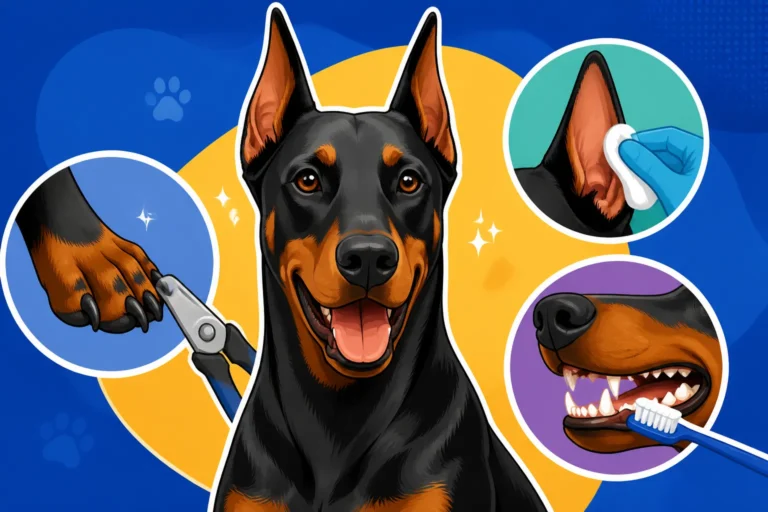
It's a familiar scene for so many Doberman owners: you're trying to give your beloved companion the best care, but when it comes to brushing their teeth, that elegant, long jawline suddenly becomes a formidable obstacle. Reaching those back molars and along the gum line in such a deep, narrow mouth can feel like a wrestling match, leaving both you and your Doberman frustrated. This comprehensive guide is here to walk you through the practical steps, the right tools, and the patient techniques to make brushing your Doberman's teeth a manageable and even positive experience for both of you.
Understanding the Doberman's Unique Jawline and Dental Needs
Anyone who has spent time around Dobermans knows their majestic profile—that sleek head, intelligent eyes, and powerful, athletic build. Part of that distinctive look includes a long, strong muzzle and a deep, narrow jaw. While these features are certainly impressive, they present some very real challenges when it comes to maintaining optimal oral hygiene.
Why the Doberman's Anatomy Makes Brushing Tricky
Think about the sheer length of their muzzle. It's not just about getting a brush into their mouth, but about navigating the confined space to effectively clean all tooth surfaces, especially those tricky ones towards the back. Many dog toothbrushes, designed for a more generic canine mouth, simply don't have the reach or angle needed for a Doberman. Owners often tell me they feel like they're just scrubbing the front teeth, while the crucial areas where plaque loves to hide remain untouched. Their powerful jaws, while excellent for working and playing, also mean a quick clamp-down can make a brushing session feel daunting or even a little risky if your dog isn't fully cooperative. It’s not a reflection on you or your training; it’s simply a structural reality of the breed.
The Importance of Consistent Oral Hygiene for Dobermans
Neglecting your Doberman's dental health isn't just about bad breath, though that's certainly a common and unpleasant symptom. Much like humans, dogs can suffer from significant dental disease, which starts with plaque buildup that hardens into tartar. This tartar then irritates the gums, leading to gingivitis, and if left untreated, progresses to periodontal disease. Periodontal disease is much more than just a sore mouth; the bacteria from infected gums can enter the bloodstream and travel to vital organs like the heart, kidneys, and liver, potentially contributing to more serious health issues down the line. Given that Dobermans are already predisposed to certain heart conditions, maintaining excellent oral health becomes even more critical for their overall well-being and Doberman Lifespan and Why It Is Short. Regular brushing is your primary defense against these problems, acting as a preventative measure to keep their teeth and gums healthy and catch any issues early. It truly makes a difference in their quality of life.
Essential Tools and Techniques for Doberman Jawline Brushing
Okay, so we know why it's important and why it's difficult. Now, let's talk about how to actually get it done without turning it into a battle. Having the right tools makes a world of difference, and a systematic approach will set you up for success.
Choosing the Right Brushes and Pastes
When you're dealing with a Doberman's long jaw, a standard flat toothbrush often won't cut it. You need brushes that can reach deep and tackle those side and back teeth effectively.
- Finger Brushes: These slip over your finger and are great for starting out, allowing your Doberman to get used to the sensation of something in their mouth. They offer excellent tactile feedback for you, so you can feel exactly where you're brushing. However, their reach is limited, so they're best for the front and easily accessible side teeth.
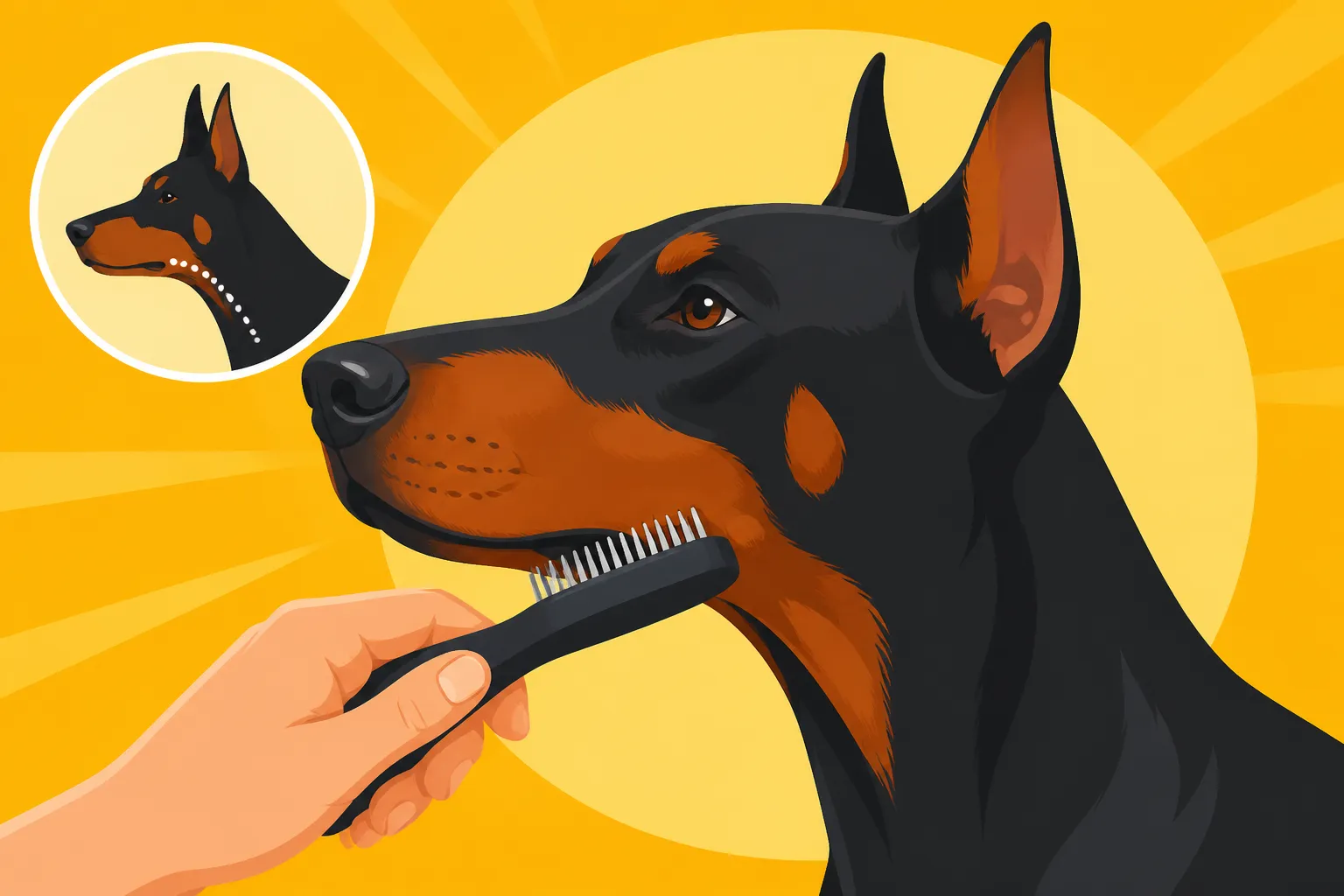
- Long-Handled Angled Brushes: Some pet toothbrushes are specifically designed with longer, angled handles and smaller brush heads, which can be much more effective for reaching into the back of a Doberman's mouth. Look for bristles that are soft but firm enough to clean.
- Dual-Headed Brushes: These often have a smaller head on one end and a larger one on the other, sometimes angled differently. The smaller head can be particularly useful for those tight spots along the jawline and reaching behind the canines.
- Electric Toothbrushes (for dogs!): Yes, they exist! While a bigger investment and requiring a patient Doberman, these can be incredibly effective at removing plaque with minimal effort from you. The vibrations do most of the work, but ensure your Doberman is comfortable with the sensation first.
As for toothpaste, always use enzymatic dog toothpaste. Human toothpaste contains fluoride and other ingredients that are toxic to dogs if swallowed, which they will inevitably do. Dog toothpastes are formulated to be safe to swallow and often come in flavors appealing to dogs, like poultry or beef. These enzymatic pastes also help break down plaque even after brushing. You can find a good selection of all these tools, from finger brushes to enzymatic toothpastes, on sites like Chewy or Amazon.
Step-by-Step Approach to Brushing the Long Jaw
Patience and positive reinforcement are your best friends here. Don't expect to conquer the entire mouth in one go on your first attempt.
- Start Slow and Positive: Begin by simply letting your Doberman lick a small amount of dog toothpaste off your finger. Make it a tasty treat. Do this for a few days. Then, introduce the finger brush with toothpaste, letting them lick it. The goal is to associate the toothpaste and the brush with a positive experience.
- Familiarize with Touch: Gently lift your Doberman's lips and touch their teeth and gums with your finger. Reward them for calm acceptance. Gradually increase the duration and area you touch.
- Introduce the Brush: Once they're comfortable with your finger, introduce the brush. Apply a pea-sized amount of dog toothpaste. Start by brushing only the front teeth, which are usually the easiest to access. Use small, circular motions. Praise and reward heavily. Keep sessions very short initially, maybe 30 seconds.
- Target the Long Jaw: This is where the angled brush or smaller head of a dual-headed brush comes in handy.
- Side Teeth: Gently lift the upper lip with one hand. With the brush in your other hand, angle the bristles towards the gum line at about a 45-degree angle. Brush the outer surfaces of the teeth, working from front to back. For the lower jaw, lift the lower lip and repeat.
- Back Molars: This is the trickiest part. You'll need to gently pull back the corner of your Doberman's mouth to get better access. Often, they won't open their mouth wide, and that's okay. You're aiming to slide the brush between their cheek and their teeth to reach those molars. Again, small circular motions, focusing on the gum line. Don't forget the inside surfaces of the teeth too, though these tend to get naturally cleaned by their tongue and saliva more than the outer surfaces.
- Praise and Reward: Throughout the entire process, keep your tone cheerful and offer constant praise. Immediately after the session, no matter how short or incomplete, give a high-value treat or engage in a favorite game. This reinforces that brushing is a good thing. Remember, consistency over perfection, especially at first.
Overcoming Common Challenges and Maintaining Dental Health
It's completely normal to face some resistance, especially when you're trying to reach those far-back teeth. Dobermans are intelligent and can be opinionated, so you'll need strategy and patience.
Dealing with a Reluctant or Resistant Doberman
A Doberman that doesn't want its teeth brushed isn't being stubborn just to spite you; it might be uncomfortable, confused, or simply hasn't learned to tolerate it yet.
- Short, Frequent Sessions: Instead of trying for one long, thorough session, aim for very short bursts a few times a day. Maybe just the front teeth in the morning, one side of the jaw at noon, and the other side in the evening. This builds tolerance without overwhelming them.
- The "Toothpaste Treat" Method: Some owners find success by putting a tiny dollop of enzymatic toothpaste directly on a preferred dental chew, encouraging them to see it as a treat. Or even letting them just lick the brush clean with toothpaste on it for a few seconds before trying to brush.
- Change Your Approach: If your Doberman is really fighting the brush, revert to finger brushing for a while. Sometimes the softer touch and direct contact can be less intimidating.
- Distraction and Positioning: Try brushing when your Doberman is tired, like after a long walk. Sitting on the floor with them, with their head in your lap, can sometimes be less confrontational than standing over them. Some Dobermans tolerate it better if they're lying down.
- Professional Help: If you're truly struggling and making no progress, consider consulting a professional dog trainer or your vet. They might have specific techniques or tools to suggest, or even help desensitize your Doberman to mouth handling. A well-socialized Doberman should eventually tolerate routine handling, and this is a skill that can be built over time, especially if started early in puppyhood, as discussed in Exposing a Doberman Puppy to Strangers.
Beyond Brushing: Other Avenues for Doberman Dental Care
While daily brushing is the gold standard, it's not the only piece of the puzzle. Other methods can support your Doberman's dental health, though they generally don't replace brushing entirely.
- Dental Chews and Treats: There are many dental chews on the market designed to reduce plaque and tartar. Look for those with the Veterinary Oral Health Council (VOHC) seal, which indicates they meet specific standards for effectiveness. Brands like Greenies or OraVet chews are popular and widely available at pet stores or online retailers like Chewy. Remember, these are supplements to brushing, not replacements. Be mindful of your Doberman's chewing habits; some strong chewers might destroy a dental chew too quickly for it to be effective, while others might choke if not appropriately sized. You can read more about Dental Chews Sized for a Doberman.
- Water Additives: These are liquid solutions you add to your Doberman's drinking water daily. They contain ingredients that help reduce bacteria in the mouth and freshen breath. They are generally safe and easy to use but offer a milder effect compared to brushing.
- Dental Diets: Some prescription dog foods are formulated with kibble designed to scrub teeth as the dog chews, or with ingredients that prevent plaque from adhering to tooth surfaces. Your vet can recommend specific dental diets if your Doberman has significant plaque issues or is prone to dental disease.
- Professional Dental Cleanings: Just like us, dogs benefit from professional cleanings. Your vet can perform a comprehensive oral exam and, if necessary, a dental cleaning under anesthesia. This allows them to thoroughly scale off tartar, polish teeth, and address any hidden problems below the gum line. For breeds like Dobermans, who are often stoic and can hide discomfort, these annual check-ups are invaluable. Your vet might even suggest checking their thyroid numbers if you notice a general slowing down or other subtle health changes, as discussed in The Thyroid Numbers That Slow a Doberman Down.
| Dental Care Method | Primary Benefit | Effort Level (Owner) | Effectiveness | Considerations |
|---|---|---|---|---|
| Daily Brushing | Prevents plaque/tartar, freshens breath | High | High | Requires consistent effort, patience, right tools |
| VOHC Dental Chews | Reduces plaque/tartar | Low | Moderate | Must be appropriately sized, not a brushing replacement |
| Water Additives | Reduces bacteria, freshens breath | Very Low | Low-Moderate | Easiest, but least comprehensive |
| Dental Diets | Tartar reduction, gum health | Low (once chosen) | Moderate | Prescription-only, may not suit all dogs/health needs |
| Professional Cleaning | Thorough cleaning, addresses underlying issues | Low (vet performs) | Very High | Requires anesthesia, periodic (not daily) |
Long-Term Strategies for a Healthy Doberman Smile
Maintaining your Doberman's dental health isn't a one-and-done task; it's an ongoing commitment. By building good habits and staying vigilant, you can ensure their teeth and gums stay healthy for years to come.
Incorporating Dental Care into Your Doberman's Routine
Consistency really is key. Imagine if you only brushed your teeth once a week—the results wouldn't be pretty! It's the same for your Doberman. Aim for daily brushing, even if it's just a quick sweep of the most accessible teeth on some days. By making it a predictable part of their routine, your Doberman is more likely to accept it. Perhaps it's right after their morning walk, or just before their evening meal when they're a bit calmer. Many owners find success by pairing it with another established routine, like after their last potty break before bed.
Think of it as an essential piece of their daily care, just like Feeding an Eighty-Pound Doberman Well or regular exercise. The more routine it becomes, the less of a "fight" it will be. Keep their toothbrush and toothpaste in an easily accessible spot, like next to their food or leash, so you're less likely to skip a day. This proactive approach will save you stress and money down the road, preventing the need for costly and uncomfortable procedures.
Recognizing Signs of Dental Problems and When to Seek Vet Help
Even with the best at-home care, it's crucial to be aware of the signs that something might be amiss with your Doberman's teeth or gums. They can be very good at hiding pain, so you need to be observant.
Look out for any of these indicators:
- Persistent Bad Breath: While some "dog breath" is normal, a sudden or unusually foul odor can signal bacterial buildup and infection.
- Red, Swollen, or Bleeding Gums: Healthy gums should be a pale pink. Bright red, puffy, or gums that bleed when lightly touched are a sign of inflammation or gingivitis.
- Tartar Buildup: Yellow or brown crusty deposits on the teeth, especially near the gum line, indicate hardened plaque.
- Loose or Missing Teeth: This is a clear sign of advanced periodontal disease and requires immediate veterinary attention.
- Difficulty Eating or Chewing: If your Doberman suddenly seems hesitant to eat hard kibble, drops food, chews on only one side of their mouth, or shows a decreased appetite, dental pain could be the culprit.
- Paw at the Mouth or Rub Face: These are common signs of oral discomfort.
- Excessive Drooling: More drooling than usual, sometimes with blood, can indicate a problem.
- Swelling: Any swelling around the jaw, under the eye, or on the face could point to an abscessed tooth.
If you notice any of these signs, don't delay in scheduling an appointment with your veterinarian. They can conduct a thorough oral examination and recommend the best course of action, whether it's a professional cleaning, antibiotics, or even extractions. Early intervention for dental issues can prevent them from becoming more severe, painful, and expensive to treat. Regular vet check-ups should always include a peek in your Doberman's mouth, but you are their first line of defense in spotting subtle changes between visits. It’s all part of making sure your Doberman lives the healthiest, happiest life possible, preventing problems that might otherwise impact their overall health, including their heart, which you can learn more about in The Heart Disease That Reaches Most Dobermans.
Disclaimer
This article is for general informational purposes only and does not constitute professional advice. Laws, prices and regulations vary by location and change over time. Consult a qualified professional for guidance on your specific situation.