Feeding an Eighty-Pound Doberman Well
One of the biggest worries for any Doberman owner is ensuring their magnificent, athletic companion receives the best possible nutrition. It’s not just about filling a bowl; it’s about understanding the unique needs of a powerful, often eighty-pound dog prone to certain breed-specific health challenges. This comprehensive guide will walk you through everything you need to know to feed your Doberman well, from deciphering food labels to managing health concerns and navigating the different food types available.
Understanding Your Doberman's Unique Nutritional Needs
Dobermans aren't just big dogs; they are finely tuned athletes with distinct nutritional requirements that differ significantly from many other large breeds. Getting this right is foundational to their overall health and longevity.
Why an Eighty-Pound Doberman Isn't Like Other Large Breeds
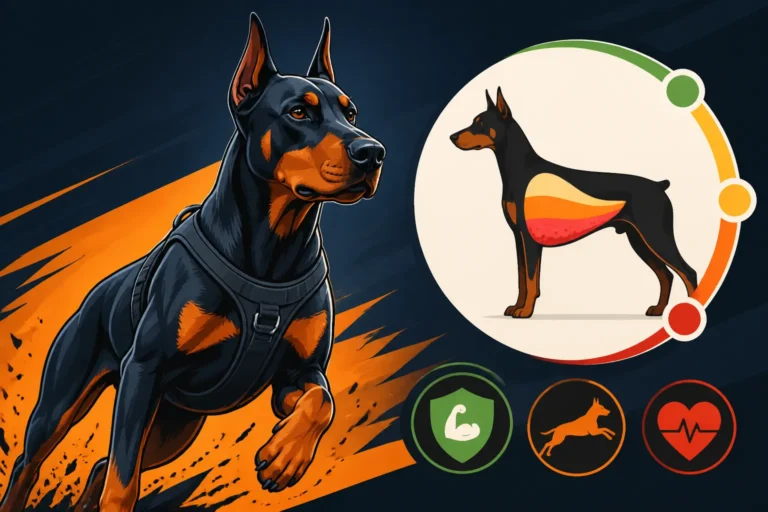
When you look at an eighty-pound Doberman, what you're seeing isn't just weight; it's often lean muscle, a deep chest, and a relatively thin frame. They have a high metabolism, meaning they burn through calories more quickly than a more sedentary breed of similar size. This isn't a dog built for lounging around all day; they are typically active, intelligent, and always on the go, whether it's patrolling the house or enjoying a vigorous run. Because of this, their food needs to be dense in nutrients and high-quality fuel. If you've ever felt like your Doberman is a bottomless pit, it's often because their bodies are constantly working, even when they appear to be resting. They need sustained energy, not just bulk.
The Importance of Body Condition Score, Not Just Weight
Focusing solely on the number on the scale can be misleading for a Doberman. While an eighty-pound Doberman is a good general guideline for an adult male, it doesn't tell the whole story. What truly matters is their body condition score (BCS). A healthy Doberman should be lean, almost sleek. You should be able to easily feel their ribs, but not see them prominently sticking out. There should be a noticeable tuck-up at their waist when viewed from the side, and an hourglass shape when viewed from above.
Many Doberman owners fret when their dog looks "thin" compared to other breeds, but for a Doberman, this lean physique is optimal. Overweight Dobermans are far more susceptible to joint issues, heart strain, and a host of other health problems. Imagine an athlete trying to perform at their peak with an extra ten to fifteen pounds; it's the same for your Doberman. Regularly assess your Doberman's body condition by running your hands along their sides and feeling for those ribs. If they're too bony, you might need to increase their intake slightly. If you can't feel their ribs without pressing firmly, it's time to cut back. This tactile assessment is far more accurate than just weighing them. For a good visual guide, check out resources that explain Reading Ribs and Hip Points on a Doberman to ensure you're keeping your Dobe in prime condition.
Balancing Energy for an Active Lifestyle
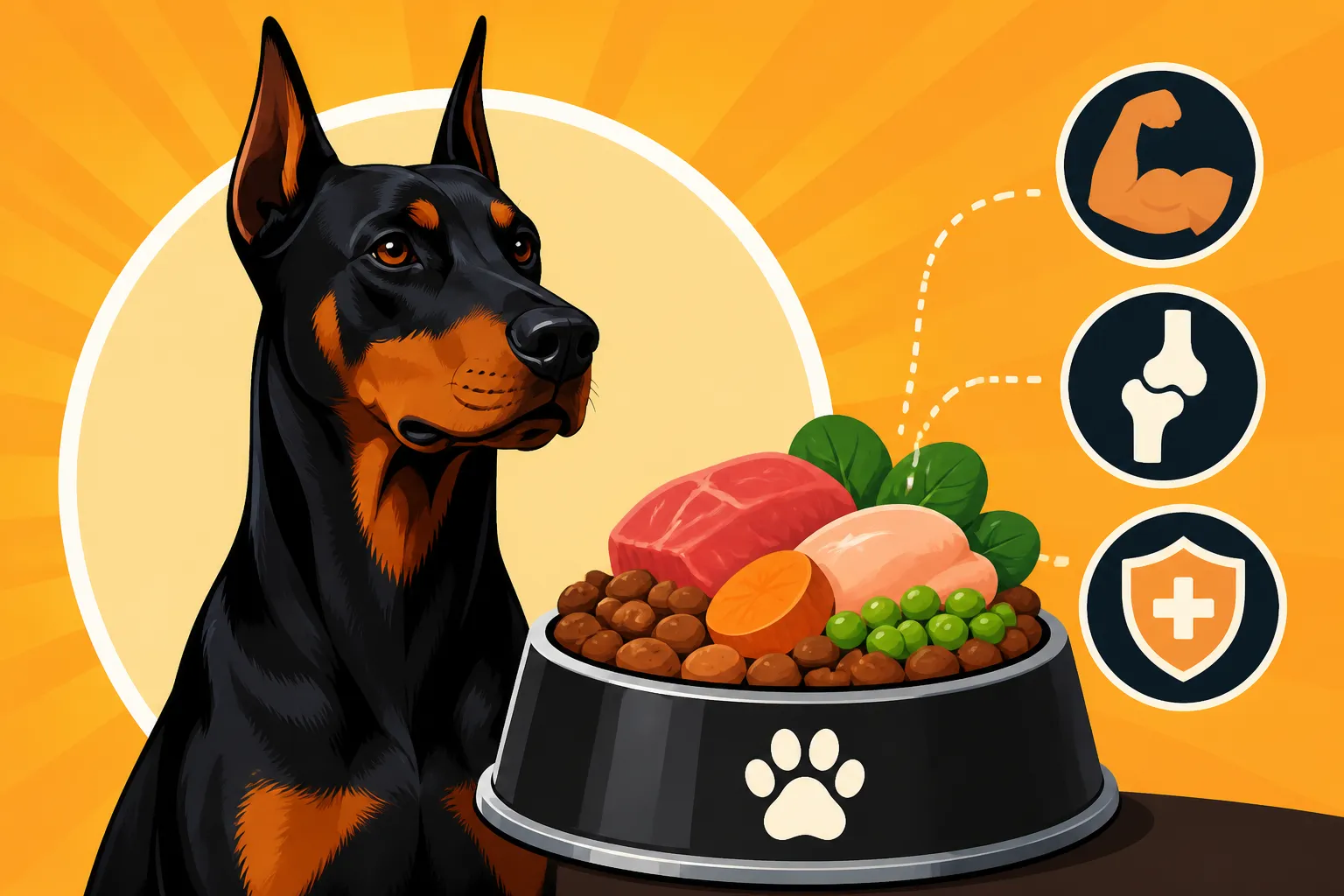
A Doberman's energy balance is a delicate dance between protein, fat, and carbohydrates. Protein is crucial for maintaining that impressive muscle mass. Without enough high-quality protein, your Doberman's muscles can atrophy, impacting their strength and overall vitality. Fats are concentrated energy sources and vital for healthy skin, a shiny coat, and organ function. They provide sustained energy, which is perfect for a Doberman's typically high activity levels. Carbohydrates, when sourced from whole, digestible ingredients, provide quick energy and fiber for digestive health.
The key is balance. Too much fat can lead to weight gain, while too little can leave them listless and with a dull coat. Too much protein without enough fat can be hard on their kidneys, and too little protein means muscle loss. It’s not about loading them up with any calories; it’s about providing calories that come from the right sources to support their athleticism and internal systems. Think of their diet as the premium fuel for a high-performance vehicle.
Deciphering the Dog Food Label for Your Doberman
Walking down the dog food aisle can feel like stepping into a labyrinth of marketing jargon and confusing ingredients. For a Doberman owner, understanding what's truly nutritious in a label is paramount.
High-Quality Protein Sources: What to Look For
The first ingredient on a dog food label should almost always be a specific animal protein source. We're talking about ingredients like "chicken," "beef," "salmon," "lamb," or "turkey." This indicates that the primary protein source is real, identifiable meat. Avoid foods where the first ingredients are vague terms like "meat by-products," "poultry meal" without specifying the animal, or worse, "corn" or "wheat." While "meat meal" (e.g., "chicken meal") sounds less appealing, it can actually be a concentrated source of protein once the water has been removed, often containing more protein by weight than whole meat.
The issue arises with "by-products" which can be a mixed bag of organ meats, bones, and other parts, some nutritious, some less so, and often inconsistent in quality. For a Doberman, a robust source of protein is non-negotiable for their powerful musculature. Aim for foods where at least the first two or three ingredients reflect these high-quality, named animal proteins.
The Role of Fats and Fatty Acids
Fats are not the enemy; they are essential. Look for named fat sources like "chicken fat," "salmon oil," or "flaxseed oil." These provide critical energy, help with the absorption of fat-soluble vitamins, and contribute significantly to skin and coat health. Beyond just the general fat content, pay attention to essential fatty acids, particularly Omega-3s. These often come from fish oils (like salmon oil, anchovy oil, or sardine oil) and flaxseed.
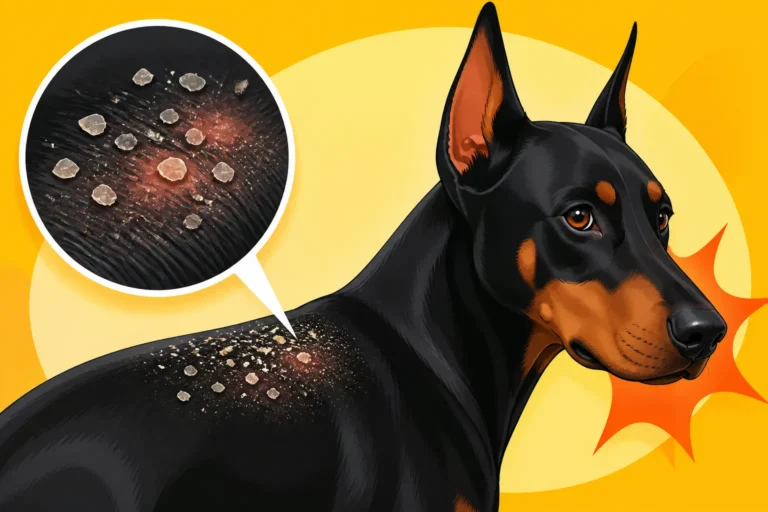
Omega-3s are anti-inflammatory, which can benefit a Doberman's joints, heart, and skin. Many Doberman owners find that a good source of Omega-3s keeps their dog's typically short, sleek coat looking its best and can help manage any dry skin issues. If your chosen food is low in these, you might consider a separate supplement, but always consult with your vet first.
Carbohydrates: Fuel, Fiber, and Avoidance of Fillers
Carbohydrates provide energy and dietary fiber. For a Doberman, the best sources are typically whole grains like brown rice, barley, oats, or nutrient-rich vegetables like sweet potatoes and peas. These complex carbohydrates offer sustained energy release and crucial fiber for digestive regularity.
What you want to steer clear of are excessive "fillers" such as corn gluten meal, wheat middlings, or generic grain fragments. While grains themselves aren't inherently bad unless your dog has a specific allergy, low-quality, highly processed grains offer little nutritional value beyond empty calories. Some Doberman owners also explore foods that are lower in carbohydrates overall, particularly if their dog struggles with maintaining a lean physique, though a balanced approach is usually best. Remember that fiber also plays a role in gut health, and some Dobermans with sensitive stomachs thrive on a diet with appropriate fiber content.
Navigating the Complexities of Doberman-Specific Health Concerns
Dobermans, magnificent as they are, are unfortunately prone to certain breed-specific health issues. Understanding how diet can play a role in managing or mitigating these concerns is critical for responsible ownership.
The Grain-Free Debate and Doberman Heart Health
This is a topic that has caused a lot of understandable anxiety among Doberman owners. For a while, grain-free diets were trendy, marketed as being more "natural" or healthier for dogs. However, research began to show a potential link between certain "boutique" grain-free or exotic ingredient diets and an increased risk of Dilated Cardiomyopathy (DCM) in breeds like Dobermans, even those with no genetic predisposition.
The prevailing theory isn't necessarily about the absence of grain, but rather the inclusion of high levels of legumes (like peas, lentils, chickpeas) or potatoes as primary carbohydrate sources, which may interfere with the uptake of essential amino acids like taurine. While the science is still evolving, the general recommendation from veterinary cardiologists is to stick with established, reputable brands that have undergone extensive feeding trials and include traditional carbohydrate sources like rice, barley, and oats, unless a specific grain allergy is diagnosed. It's a scary thought, knowing your choice of food could potentially impact something as serious as their heart. For a deeper dive into the condition itself, you might want to read The Heart Disease That Reaches Most Dobermans. And if you're still weighing the options, exploring Whether Grain-Free Food Adds to Doberman DCM can offer more perspective. Always discuss your Doberman's diet with your veterinarian or a board-certified veterinary nutritionist.
Taurine and Carnitine: Essential Amino Acids for Dobermans
Taurine and L-carnitine are amino acids that play crucial roles in heart function, particularly in Dobermans. Deficiencies in these have been linked to DCM. While the body can synthesize taurine from other sulfur-containing amino acids, some Dobermans may have an impaired ability to do so, or their diet might not provide sufficient precursors. L-carnitine is also vital for the heart's energy metabolism.
Many Doberman owners, especially those whose dogs are showing early signs of heart changes or have a family history of DCM, will supplement with taurine and L-carnitine as a preventative measure or as part of their treatment plan. It's not a magic bullet, and supplementation should always be guided by a vet who can monitor blood levels if necessary. You can often find reputable supplements on sites like Chewy or Amazon. However, blindly adding supplements without veterinary advice can throw off delicate nutritional balances. If you're wondering more about these vital nutrients, there's a helpful article called Taurine and Carnitine for a Doberman Heart that covers this in more detail.
Managing Copper Storage Liver Disease Through Diet
While less common than DCM, Copper Storage Liver Disease (also known as copper hepatopathy or chronic active hepatitis) is another serious concern for Dobermans, particularly females. In this condition, the liver accumulates excessive amounts of copper, leading to inflammation and damage over time. Diet plays a significant role in managing this.
For Dobermans diagnosed with copper storage disease, a prescription diet specifically formulated to be low in copper is essential. These diets are designed to minimize the copper intake, helping to prevent further accumulation and reduce the burden on the liver. Ingredients that are naturally high in copper, such as organ meats (especially liver), shellfish, and some grains, will be strictly limited or avoided. Zinc supplementation is often prescribed alongside these diets, as zinc can help block copper absorption in the gut. This is a condition that requires careful veterinary oversight, including regular blood tests to monitor liver enzymes and copper levels. It’s a dedicated path, but dietary management is key to giving these Dobermans the best possible quality of life. Understanding this condition is vital, and you can learn more in Copper Liver Disease in Doberman Females.
Practical Feeding Strategies for a Doberman
Beyond what you feed, how you feed your Doberman can have a profound impact on their health, comfort, and safety. These strategies are especially important for a breed with their unique build and predispositions.
Meal Timing and Bloat Prevention
Dobermans have deep, narrow chests, a conformation that unfortunately makes them highly susceptible to Gastric Dilatation-Volvulus (GDV), commonly known as bloat. This life-threatening condition occurs when the stomach fills with gas, twists, and cuts off blood supply. It's an emergency that requires immediate veterinary attention. One of the most critical preventative measures you can take is careful meal timing.
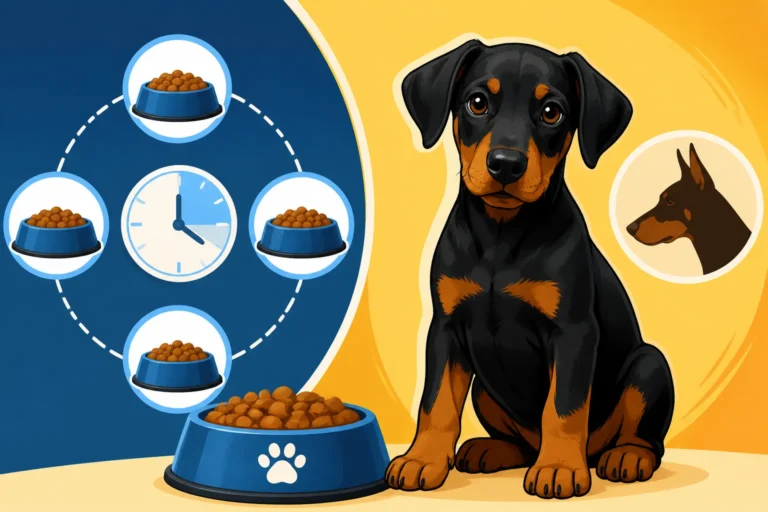
Instead of one large meal, feed your eighty-pound Doberman at least two, preferably three, smaller meals spaced throughout the day. This reduces the amount of food and gas entering the stomach at any one time. Avoid intense exercise, play, or excitement directly before or after meals. Give them at least an hour of quiet time before and after eating. Elevated bowls were once thought to prevent bloat but recent research suggests they may actually increase risk for some deep-chested breeds, so feeding on the floor is generally recommended unless your vet advises otherwise for a specific orthopedic reason. If you ever see your Doberman pacing, retching non-productively, or with a distended abdomen, it’s an absolute emergency – head to the vet immediately. Understanding the signs is crucial; reading Recognizing a Doberman Stomach Twist in Time could literally save your dog's life.
Portion Control and Preventing Overfeeding
It’s easy to inadvertently overfeed a Doberman, especially if they look perpetually hungry or you're used to seeing other breeds carry more weight. Overfeeding leads to obesity, which puts undue strain on their joints, heart, and other organs, shortening their lifespan and predisposing them to further health issues. Precision in portion control is key.
Start by following the feeding guidelines on your dog food bag, but always remember these are just starting points. Your Doberman's ideal portion will depend on their age, activity level, metabolism, and individual body condition. Use a standard measuring cup or, even better, a kitchen scale to accurately weigh their daily food ration. Don't just scoop; actual weight is far more consistent. Then, divide that daily amount into your multiple meals. Regularly assess your Doberman's body condition (feeling their ribs and checking their waist) and adjust their portions up or down by about 10% every few weeks until you find the sweet spot where they maintain a healthy, lean physique. Remember, they should always look like an athlete, not a couch potato. This concept is so important; it's why we emphasize Why a Doberman Is Never Fed One Big Meal.
Incorporating Treats and Supplements Wisely
Treats are wonderful tools for training and bonding, but they are also often hidden sources of calories. For an eighty-pound Doberman, even small treats can add up quickly. Choose low-calorie, healthy treats like small pieces of cooked lean meat (chicken, turkey), plain green beans, carrots, or apples (without seeds). Ensure treats make up no more than 10% of their daily caloric intake. If you're giving a lot of training treats, reduce their meal portions accordingly.
When it comes to supplements, proceed with caution. Many dog foods are formulated to be nutritionally complete and balanced, so adding extra vitamins or minerals unnecessarily can be detrimental, leading to nutrient imbalances. The exceptions, as discussed, might be specific supplements like taurine, L-carnitine, or joint support (glucosamine/chondroitin) if recommended by your vet due to age, health status, or breed predisposition. For example, if you suspect your Doberman could benefit from joint support as they age, discussing it with your vet is the first step. They might suggest a specific brand available on platforms like Amazon or Chewy, but the consultation is key. Never start a supplement regimen without professional veterinary advice.
Choosing the Right Food Type: Kibble, Wet, Raw, or Fresh?
The sheer variety of dog food types available can be overwhelming. Each option comes with its own set of pros, cons, and considerations, especially for a Doberman with specific needs.
High-Quality Kibble: Convenience Meets Nutrition
For many Doberman owners, high-quality kibble remains the most practical and nutritionally sound choice. Modern kibble formulations from reputable brands are designed to be complete and balanced, meaning they contain all the necessary vitamins, minerals, protein, fat, and carbohydrates your Doberman needs in the correct ratios. The convenience factor is undeniable: it's easy to store, measure, and transport.
When selecting kibble, focus on brands that prioritize animal protein as the first ingredient, use named fat sources, and avoid excessive fillers. Look for brands that invest in nutritional research and have board-certified veterinary nutritionists on staff. Some Doberman owners prefer large breed formulas, which often have specific calcium and phosphorus ratios to support healthy bone growth, especially important during puppyhood. You can find a vast array of high-quality kibble options from trusted pet retailers like Chewy, making it easy to compare ingredients and customer reviews. For a Doberman, a large, appropriately sized kibble can also encourage chewing rather than rapid gulping.
Wet Food and Toppers: Adding Moisture and Palatability
Wet food, whether as a standalone diet or a topper, offers several benefits. It's often highly palatable, which can be helpful for picky eaters or Dobermans with reduced appetites due to illness or age. The high moisture content is also a huge plus, contributing to hydration and supporting kidney function.
For an eighty-pound Doberman, feeding wet food exclusively can become quite expensive and bulky, as they would need a significant quantity to meet their caloric needs. However, it makes an excellent topper mixed into kibble, adding flavor and moisture without drastically altering the nutritional balance. If you use wet food as a topper, remember to factor its calories into your Doberman's daily intake to avoid overfeeding. Just like kibble, look for wet foods with high-quality, named meat ingredients and minimal fillers. Always choose brands that state they are "complete and balanced" if you intend to use them as more than just an occasional treat.
Raw and Fresh-Cooked Diets: Pros, Cons, and Considerations
Raw diets (often called BARF, Biologically Appropriate Raw Food, or PMR, Prey Model Raw) and fresh-cooked diets have gained popularity, with proponents claiming numerous health benefits like shinier coats, cleaner teeth, and improved digestion. Many companies, such as Ollie, offer fresh-cooked or gently processed food delivery services that can make these diets more accessible. For a Doberman owner considering these options, there are significant points to weigh.
Pros:
- Highly palatable: Many dogs adore fresh or raw food.
- Control over ingredients: You know exactly what's going into their bowl if you prepare it yourself.
- Hydration: Fresh and raw foods naturally contain higher moisture.
Cons:
- Nutritional imbalance: This is the biggest risk, especially with homemade raw or cooked diets. It is extremely difficult to formulate a nutritionally complete and balanced diet without expert veterinary nutritionist guidance. Imbalances can lead to severe health issues over time, particularly for growing puppies.
- Bacterial contamination: Raw meat carries bacteria like Salmonella and E. coli, posing risks to both your Doberman (though their digestive system is robust) and the humans in the household, especially children, the elderly, or immunocompromised individuals.
- Cost and convenience: Raw and fresh-cooked diets are often significantly more expensive and require more careful handling, storage, and preparation than kibble. Sourcing safe, high-quality ingredients can also be a challenge.
- Bone risks: If feeding raw with bones, there’s a risk of choking, fractured teeth, or internal perforations if bones are too large, too small, or cooked.
If you are committed to a raw or fresh-cooked diet, work closely with a board-certified veterinary nutritionist to ensure it's balanced for your Doberman's specific needs. For commercial raw or fresh-cooked options, choose brands that adhere to AAFCO guidelines and have undergone feeding trials.
Special Dietary Considerations for Different Life Stages
A Doberman's nutritional needs aren't static; they evolve as your dog grows from a clumsy puppy into a stately senior. Tailoring their diet to these life stages is crucial for their long-term health.
Feeding the Doberman Puppy: Slow and Steady Growth
Doberman puppies grow rapidly, and this fast growth curve needs careful management to prevent orthopedic problems down the line. Unlike some other large breeds, Doberman growth formulas don't typically aim to slow growth significantly, but rather to ensure it's steady and controlled, with appropriate mineral balance.
The most critical factor for Doberman puppies is maintaining the correct calcium-to-phosphorus ratio. Too much calcium, in particular, can lead to skeletal deformities. Therefore, choose a high-quality puppy food specifically formulated for large breeds, and avoid supplementing with extra calcium unless directed by your veterinarian. These foods are designed to support their development without promoting excessively rapid bone growth that can stress developing joints. Overfeeding a puppy, even a lean Doberman puppy, can contribute to these issues. Feed multiple small meals a day, and keep a close eye on their body condition score, ensuring they remain lean and don't get chubby. The transition from puppy food to adult food typically happens between 12-18 months of age, depending on the individual. This is a vital period, and we delve deeper into it in Feeding a Doberman Puppy Through a Fast Growth Curve.
Adjusting Diet for the Senior Doberman
As your Doberman approaches their golden years (typically starting around 7-8 years old, although some Dobermans stay active longer), their metabolism slows down, and their activity levels may decrease. This means their caloric needs will likely reduce. Continuing to feed them the same amount of food as their younger, more active selves can quickly lead to unwanted weight gain, exacerbating joint issues and putting stress on their organs.
Senior Doberman diets often contain fewer calories, slightly less protein (to reduce kidney burden if that's a concern, though adequate protein is still important for muscle maintenance), and sometimes higher fiber to aid digestion. Many senior formulas also include joint-supportive ingredients like glucosamine and chondroitin. You might notice a decrease in appetite or dental issues as they age, making softer foods or wet food toppers more appealing. Regular veterinary check-ups are even more important for senior Dobermans, as blood work can reveal early signs of kidney disease, liver issues, or other conditions that might necessitate a prescription diet change. For more on caring for your aging Doberman, consider reading Feeding and Grooming a Doberman Past Eight.
Dietary Needs for Working or Athletic Dobermans
If your Doberman is actively involved in demanding activities like protection sports, agility, or working roles, their caloric and nutrient needs will be significantly higher than a pet Doberman with a more casual exercise routine. These dogs are burning a tremendous amount of energy and need a diet that supports sustained performance and quick recovery.
For working Dobermans, look for performance-oriented dog foods that are higher in protein (typically 28-32% or more) and fat (18-22% or more). The fats should come from high-quality, digestible sources to provide concentrated energy. These diets often contain additional antioxidants to combat oxidative stress from intense exercise and may include joint support. It's crucial to adjust their food intake daily based on their activity level. On days of intense training or competition, they might need more food, while rest days require a slight reduction. Always ensure they have access to plenty of fresh water to prevent dehydration, especially during and after strenuous activity.
Common Feeding Mistakes and How to Avoid Them
Even with the best intentions, it's easy to fall into common feeding traps. Being aware of these pitfalls can help you ensure your Doberman maintains optimal health and avoids unnecessary complications.
Over-Supplementation: More Isn't Always Better
The desire to provide the absolute best for our Dobermans is strong, and it can sometimes lead to the belief that if a little is good, a lot must be better – especially with supplements. This is a dangerous misconception. As mentioned earlier, high-quality, complete and balanced dog foods are meticulously formulated to meet all a Doberman's nutritional requirements. Adding extra vitamins and minerals without a confirmed deficiency or specific veterinary recommendation can throw off delicate nutrient balances.
For example, too much calcium can lead to skeletal problems in growing puppies. Excess fat-soluble vitamins (A, D, E, K) can accumulate in the body and become toxic. Even water-soluble vitamins, if given in excess, can stress the kidneys. Before adding any supplement, no matter how benign it seems, discuss it thoroughly with your veterinarian. They can help you determine if there's a genuine need and recommend appropriate dosages and types of supplements, possibly from reputable providers on platforms like Chewy or Amazon.
Ignoring Water Intake: Hydration is Key
Water is arguably the most critical nutrient, yet it's often overlooked. Adequate hydration is essential for every bodily function, from digestion and nutrient absorption to temperature regulation and waste removal. For an active, eighty-pound Doberman, sufficient water intake is non-negotiable.
Always ensure your Doberman has constant access to fresh, clean water. This means multiple water bowls around the house, especially if you have a large home, and always bringing water on walks, hikes, or car trips. Change the water frequently throughout the day, and clean the bowls regularly to prevent bacterial growth. During hot weather or after intense exercise, their water needs will increase dramatically. A Doberman can easily become dehydrated, and the consequences can range from mild lethargy to severe organ damage. If your Doberman suddenly starts drinking significantly more or less than usual, it warrants a veterinary visit, as it can be a sign of underlying health issues like kidney disease or diabetes. To further understand the importance of water, consult Water Intake for a Doberman After Work.
Sudden Food Changes and Digestive Upset
Dobermans, like many dogs, have sensitive digestive systems that don't appreciate abrupt changes in diet. Switching foods suddenly, even from one high-quality brand to another, can lead to gastrointestinal upset, manifesting as diarrhea, vomiting, gas, or loss of appetite. This is because their gut microbiome needs time to adapt to new ingredients.
When you decide to change your Doberman's food, do so gradually over 7-10 days. Start by mixing a small amount (about 25%) of the new food with 75% of the old food for a few days. If your Doberman tolerates this well, increase the new food to 50% for another few days, then 75%, and finally, transition completely. If at any point they develop digestive upset, slow down the transition and give them more time at the current ratio. This slow and steady approach minimizes stress on their digestive system and helps ensure a smooth transition. Knowing how to do this correctly is a cornerstone of good care, and Changing a Doberman's Food Slowly can give you even more detailed steps.
Food Type Comparison for Dobermans
To help you visualize the different options, here's a table summarizing the pros and cons of various food types for an eighty-pound Doberman.
| Food Type | Pros | Cons |
|---|---|---|
| High-Quality Kibble | Convenient, cost-effective, easy to store, nutritionally complete and balanced (from reputable brands), promotes dental health (some kibbles). | Less moisture, can be less palatable for some dogs, risk of generic fillers in lower-quality brands, can be perceived as less "natural." |
| Wet Food | High moisture content (good for hydration), very palatable, softer texture (good for older dogs or dental issues). | Expensive for an eighty-pound Doberman as a sole diet, quickly perishable once opened, can be higher in calories by volume if not careful. |
| Fresh-Cooked | Highly palatable, excellent moisture content, perceived as "healthier" due to human-grade ingredients. | Very expensive, requires careful formulation for nutritional balance (if homemade), shorter shelf life, increased preparation time, requires refrigeration. |
| Raw (BARF/PMR) | Highly palatable, high moisture, perceived benefits like better coat and digestion (anecdotal). | High risk of nutritional imbalance (if homemade), bacterial contamination risk (to dog and humans), requires meticulous handling and storage, potential for bone injury, very expensive. |
Disclaimer
This article is for general informational purposes only and does not constitute professional advice. Laws, prices and regulations vary by location and change over time. Consult a qualified professional for guidance on your specific situation.