How Much Hair a Doberman Actually Drops
If you’ve ever admired a Doberman’s sleek, shiny coat and thought, "Wow, no shedding there!" you're not alone. It's a common misconception, often fueled by their short, fine hair. But let me tell you, as a veteran Doberman owner and someone who lives with these incredible dogs every single day, Dobermans absolutely shed. And when it comes to keeping your home free of those tiny, prickly hairs, it can sometimes feel like an uphill battle. This guide is here to shed some light (pun intended!) on what to truly expect regarding Doberman hair loss and how to manage it, so you can enjoy your Doberman without being constantly covered in their signature black-and-tan (or red, blue, or fawn) confetti.
The Truth About Doberman Shedding: More Than You Think
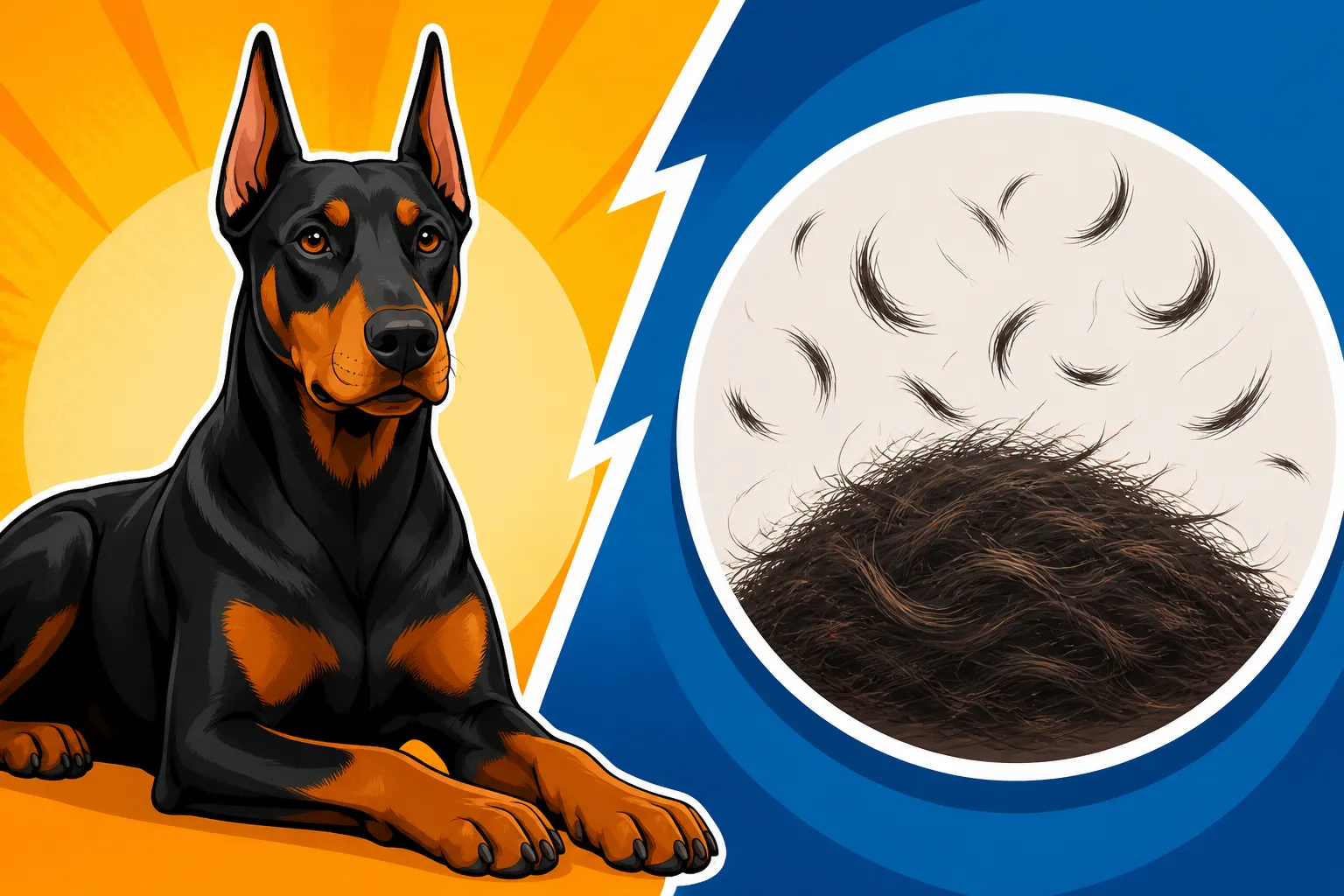
It’s easy to look at a Doberman and assume their shedding is minimal. Their coats are so short, so smooth, and without that fluffy undercoat you see on so many other breeds. But that very shortness can be deceptive. While you won't be finding huge tumbleweeds of fur like you might with a Golden Retriever or a German Shepherd, you'll certainly notice their hair – especially when it's embedded in your favorite dark trousers or spread across your light-colored couch.
Why Short Coats Don't Mean No Shedding
The Doberman possesses a single, sleek coat, which is part of its distinctive appearance. Unlike breeds with thick double coats designed for insulation against extreme temperatures, a Doberman's coat is primarily for protection against minor abrasions and elements, offering little in the way of warmth or a barrier against shedding. Because these hairs are so fine and short, they don't always accumulate into obvious clumps. Instead, they become individually distributed, often sticking to fabrics and surfaces with surprising tenacity, making them frustratingly hard to remove. You might not see large amounts of hair on the floor, but you'll certainly feel them on your clothes!
Think about it like this: if you have long hair, when you shed, those strands are highly visible and often form tangles or noticeable piles. If your hair is very short, you might not see the individual strands as easily, but they're still falling out and clinging to things. The Doberman's shedding is similar to the latter scenario. Their hair continuously cycles through growth, rest, and shedding phases, just like any other mammal, meaning there's always a certain amount of hair being replaced. It's not about if they shed, but how their shedding presents itself.
Seasonal Shedding vs. Year-Round Hair Loss
Most Doberman owners will tell you that while their dogs shed year-round, there are definitely periods when the hair loss becomes more pronounced. This typically occurs during what's known as "seasonal blows" – usually in spring and fall. In the spring, they shed their thicker winter coat to prepare for warmer weather, and in the fall, they shed their lighter summer coat to make way for a denser (though still single) coat for the colder months. These are the times when you might find yourself brushing your Doberman more frequently and still noticing a significant amount of hair everywhere.
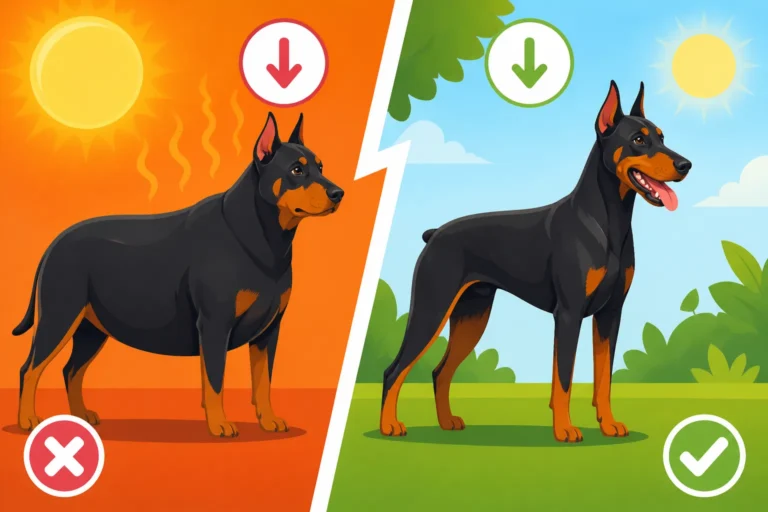
However, living indoors with regulated temperatures can sometimes confuse a Doberman's natural shedding rhythm. With central heating in winter and air conditioning in summer, their bodies don't always get the clear seasonal cues that trigger a massive coat change. This can lead to a more consistent, albeit lighter, year-round shedding pattern, rather than distinct heavy seasons. So, while you might not have one huge shedding event, you'll likely have a steady trickle of hair throughout the year, with slight increases during traditional spring and fall. It becomes a constant, low-level battle rather than an intense, short-term war.
Factors Influencing Doberman Hair Loss
Shedding isn't just a natural process; it can also be a tell-tale sign of your Doberman's overall health and the environment they live in. While some shedding is perfectly normal, a sudden increase or persistent, excessive hair loss can indicate an underlying issue that needs attention. It's always a good idea to pay close attention to your Doberman's coat condition as an indicator of their well-being.
Diet and Nutrition's Role in Coat Health
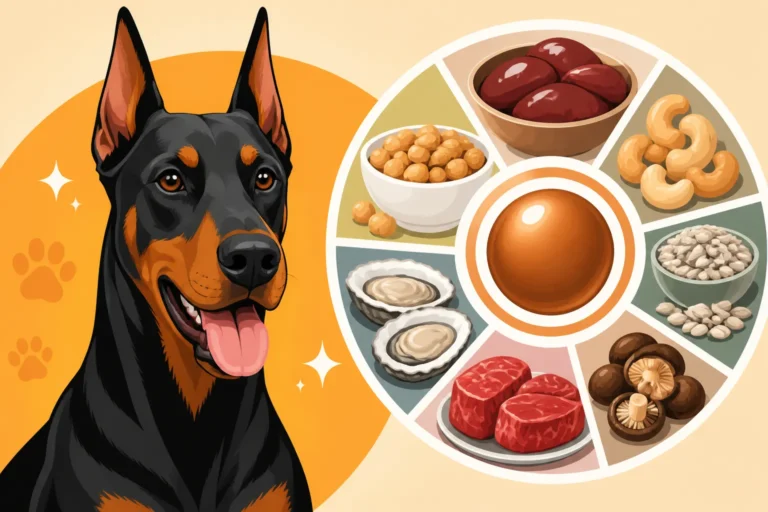
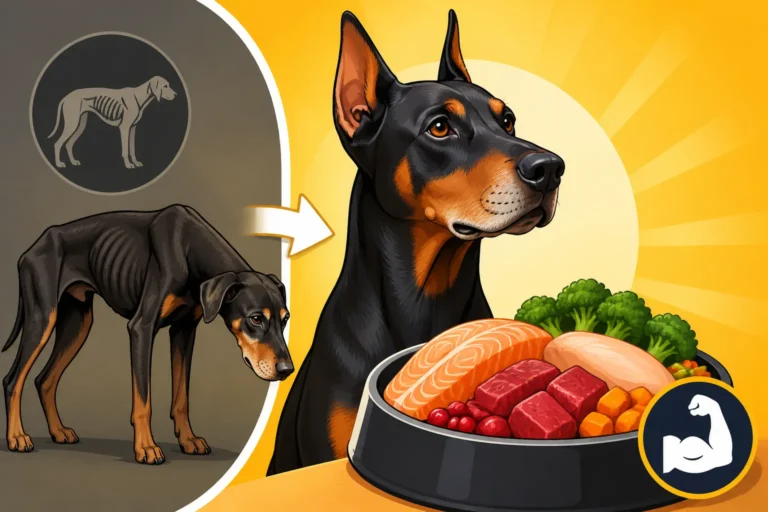
What goes into your Doberman’s bowl directly impacts the health and vitality of their coat. A high-quality, balanced diet rich in essential nutrients is crucial for healthy skin and strong hair follicles. If your Doberman isn't getting adequate protein, healthy fats, and vitamins, their coat can become dull, brittle, and shed excessively. Think of it like your own hair – when you're eating well, your hair often looks healthier, right? It's the same for our dogs.
Specifically, omega fatty acids, particularly Omega-3 and Omega-6, play a vital role in maintaining skin hydration and reducing inflammation, which can minimize dry, flaky skin and excessive shedding. Many premium dog foods incorporate these, but sometimes supplements are beneficial too. Brands like Ollie offer fresh food options designed for optimal nutrition, or you can find high-quality kibble choices with good fat profiles on Chewy. A poor diet, loaded with fillers and lacking in bioavailable nutrients, will almost inevitably lead to a lackluster coat and more hair falling out than necessary. It's a foundational element of their overall health.
Health Conditions That Can Increase Shedding
Sometimes, increased shedding isn't just about the season or diet; it can be a warning sign of an underlying health problem. Dobermans, unfortunately, are predisposed to certain conditions that can manifest through coat changes. Hypothyroidism, for instance, is relatively common in the breed and can lead to a dull, dry coat, increased shedding, and even bald patches, alongside other symptoms like lethargy and weight gain. If you notice your Doberman's coat becoming noticeably thinner or their shedding is suddenly much worse, it's worth getting them checked. The Thyroid Numbers That Slow a Doberman Down can be a great indicator here.
Allergies are another big culprit. Dobermans can suffer from environmental allergies (pollen, dust mites), food allergies, or flea allergies. All of these can cause intense itching, leading your Doberman to scratch, lick, and chew themselves, which inevitably results in more hair loss, skin irritation, and even secondary infections. Parasites like fleas and mites themselves will also cause direct irritation and excessive shedding. While these tiny pests might not cause massive shedding across the entire body, their presence can certainly lead to localized hair loss and poor coat condition. Any persistent or localized hair loss warrants a visit to your veterinarian to rule out these medical issues.
Environmental Triggers and Lifestyle
Beyond diet and health, your Doberman's environment and daily lifestyle can also play a significant role in their shedding patterns. As mentioned earlier, living in climate-controlled homes can sometimes disrupt their natural seasonal shedding cycle, leading to more consistent, low-level hair loss throughout the year. The dry air from heating systems, for example, can dry out their skin and coat, making hair more prone to breakage and shedding.
Furthermore, a lack of regular grooming allows dead and loose hair to remain trapped in the coat, only to fall out more conspicuously later on your furniture and floors. Stress and anxiety can also contribute to excessive shedding in dogs, just as stress can cause hair loss in humans. If your Doberman is undergoing a stressful period – perhaps a move, a new pet, or changes in the household routine – you might notice an uptick in their hair loss. Even certain medications can have side effects that include changes in coat quality or shedding. It's a complex interplay of factors, and observing your Doberman's habits and environment can provide crucial clues.
Managing Doberman Shedding Effectively
Okay, so Dobermans shed. We've established that. But the good news is, you're not helpless against the tide of tiny hairs! There are several effective strategies you can employ to minimize shedding, keep your Doberman's coat healthy, and keep your home a little bit cleaner. It's all about consistency and using the right tools and techniques.
Daily Grooming Routines and Tools
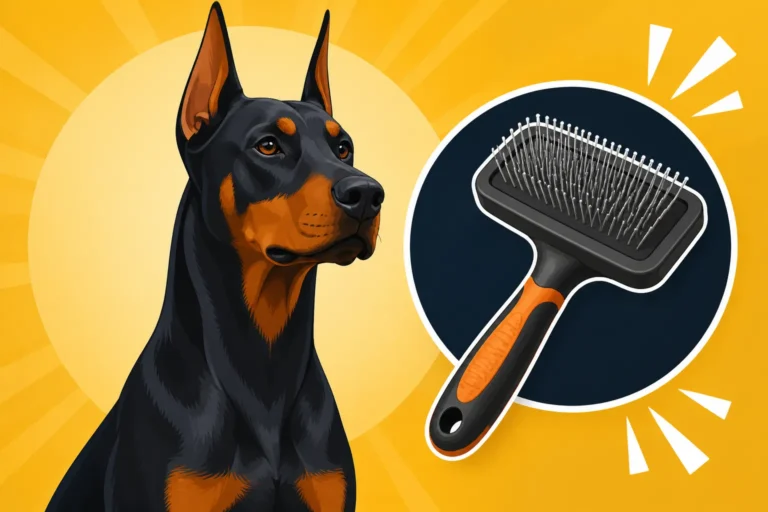
The absolute best defense against Doberman shedding is a consistent and effective grooming routine. Frequent brushing is paramount, even if it feels like you're not getting much off at first. For a Doberman's short coat, you'll want to opt for specific tools designed to remove loose hair without irritating their sensitive skin. Rubber curry brushes, like a ZoomGroom, are fantastic for massaging the skin, stimulating blood flow, and lifting dead hair from the short coat. A shedding blade, used gently, can also be very effective during heavier shedding periods. Grooming gloves are another excellent option, as they allow you to "pet" away loose hair, making it a more pleasant experience for your Doberman.
Brushing daily, or at least every other day, does wonders. It not only removes the shed hair before it ends up on your couch but also helps to distribute natural skin oils throughout their coat, promoting a healthy shine. Plus, it's a great bonding experience for you and your Doberman. Investing in The One Brush a Doberman Coat Needs will pay dividends in reducing the amount of hair you find around your home. The more hair you remove directly from your dog, the less you'll find elsewhere.
Bathing and Coat Care Strategies
While frequent brushing is key, regular bathing also plays a role in managing shedding, though you need to be careful not to overdo it. Too frequent bathing with harsh shampoos can strip your Doberman's skin of its natural oils, leading to dryness, irritation, and potentially more shedding. Aim for bathing every 4-6 weeks, or when your Doberman gets particularly dirty.
When you do bathe your Doberman, choose a high-quality shampoo and conditioner specifically formulated for dogs, ideally one that is moisturizing or designed to promote coat health. Look for ingredients like oatmeal or aloe vera. After shampooing, use a conditioner to help nourish the skin and coat. Rinse thoroughly to ensure no residue is left behind, as this can irritate the skin. Towel drying vigorously will help remove some loose hair and stimulate the skin. For more detailed advice on bathing, refer to Washing a Doberman Without Stripping Its Skin. A well-maintained coat is a healthy coat, and a healthy coat sheds less overall.
Diet Adjustments and Supplements
If your Doberman's shedding seems excessive despite regular grooming, it might be time to look closer at their diet. Ensuring they are on a high-quality, nutritionally complete dog food is the first step. Sometimes, simply switching to a better brand can make a noticeable difference in coat health and shedding. If you're unsure about your current food, consult with your vet or a canine nutritionist.
Beyond a good base diet, incorporating certain supplements can be beneficial. Fish oil, rich in Omega-3 fatty acids, is often recommended by veterinarians for improving skin and coat health. Other supplements like flaxseed oil or coconut oil can also provide healthy fats that nourish the skin. You can find a wide array of reputable supplements on platforms like Amazon or Chewy. Before adding any new supplements to your Doberman's diet, it’s always wise to discuss it with your veterinarian to ensure it's appropriate for their individual needs and won't interact negatively with any existing conditions or medications.
Addressing Underlying Health Issues
As we discussed, sometimes excessive shedding isn't just a cosmetic issue; it's a symptom of something deeper. If you've tried all the grooming and dietary adjustments and your Doberman is still shedding heavily, or if you notice other symptoms like lethargy, changes in appetite, skin redness, or bald patches, it's crucial to consult your veterinarian. They can perform diagnostic tests to rule out underlying medical conditions such as hypothyroidism, allergies, fungal infections, or parasitic infestations.
For example, a simple blood test can often diagnose hypothyroidism, and once treated with medication, you'll often see a significant improvement in coat quality and a reduction in shedding. Addressing allergies might involve dietary changes, medication, or environmental modifications. Don't underestimate the importance of these veterinary check-ups. Regular health screenings, which might include things like Annual Echo and Holter Screening for a Doberman or even The Health Testing a Doberman Breeder Must Show that parents should have undergone, contribute to overall well-being, which in turn impacts coat health. Ignoring persistent or unusually heavy shedding could mean missing an opportunity to treat a health issue early. Even issues like Copper Liver Disease in Doberman Females can sometimes present with subtle signs affecting general vitality, which might include coat changes.
Living with Doberman Hair: Expectations and Practical Tips
Even with the best grooming, diet, and health care, your Doberman will still shed some hair. It's an inevitable part of living with dogs. The key is to manage your expectations and implement practical strategies to keep your home as hair-free as possible. It's about minimizing the impact, not eliminating it entirely.
Protecting Your Home from Doberman Hair
Since those short Doberman hairs love to embed themselves in fabric, investing in good cleaning tools and habits is a game-changer. A high-quality vacuum cleaner designed for pet hair is invaluable. Look for models with strong suction and specialized attachments for upholstery. Regular vacuuming, especially in high-traffic areas and on furniture your Doberman frequents, will significantly reduce hair accumulation. If your Doberman has access to couches or beds, consider using washable throws or slipcovers that can be easily removed and laundered. This creates a barrier and makes cleanup much simpler.
Lint rollers are your best friend for quick touch-ups on clothes before you head out the door. Keep them strategically placed near exits. For harder surfaces, a damp cloth or a static mop can effectively pick up loose hairs. Remember, consistency is more important than intensity when it comes to keeping a Doberman-haired home tidy. Tackling the hair a little bit every day prevents it from becoming an overwhelming task. For more targeted advice on specific issues, such as getting rid of fur from textiles, you might find tips in Doberman Hair Stuck in Upholstery.
Understanding Normal vs. Excessive Shedding
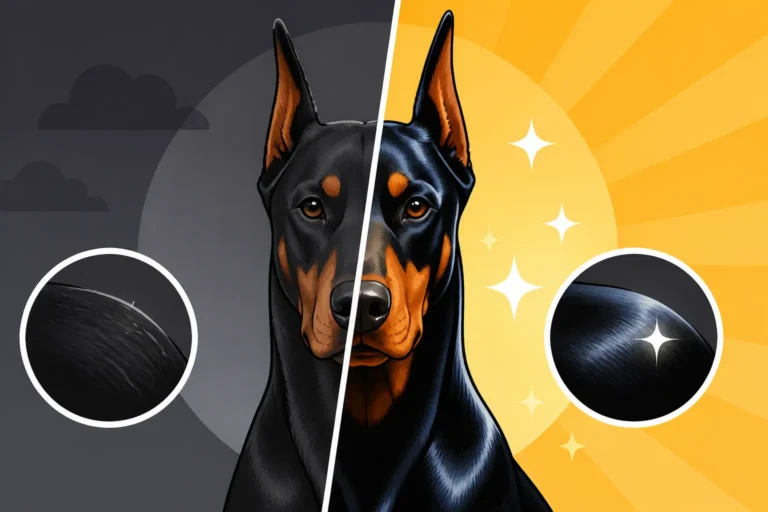
It's important for Doberman owners to distinguish between normal, healthy shedding and excessive hair loss that might signal a problem. Normal shedding will typically be even across the body, and the skin underneath should look healthy – no redness, flaking, bumps, or sores. The hair itself should have a healthy sheen. You'll notice more hair during seasonal changes, but it shouldn't leave bald spots or significantly thin the coat overall.
Excessive shedding, on the other hand, might involve noticeable thinning of the coat, bald patches, a dull or brittle texture to the hair, or accompanying skin issues like redness, itching, or inflammation. If the shedding is accompanied by other symptoms such as lethargy, changes in appetite, weight fluctuations, or behavioral changes, it's definitely time to see the vet. When in doubt, always err on the side of caution and consult a professional.
Here's a quick guide to help you differentiate:
| Feature | Normal Doberman Shedding | Signs of Excessive Shedding/Health Concern |
|---|---|---|
| Quantity | Consistent, low-level year-round; moderate increase seasonally | Sudden, dramatic increase; persistent heavy shedding for weeks |
| Hair Quality | Shiny, smooth, strong hair | Dull, brittle, easily broken hair |
| Skin Appearance | Healthy, clear, no redness, flaking, or bumps | Red, irritated, flaky, scaly, bumps, sores, or greasy skin |
| Coat Density | Uniform coat, no thinning or bald spots | Noticeable thinning of the coat, visible bald patches |
| Accompanying Symptoms | None, dog is otherwise healthy and active | Itching, scratching, licking, lethargy, weight changes, appetite loss |
| Duration | Ongoing, but manageable with grooming | Persistent despite grooming efforts; worsens over time |
Paying close attention to these details can help you provide the best care for your Doberman, ensuring their coat remains a testament to their overall health. Remember, a Doberman's coat isn't just about looks; it's a window into their well-being. Even minor issues, like those discussed in Skin and Coat Care for a Blue or Fawn Doberman or Color Dilution Alopecia in Blue and Fawn Dobermans, can significantly impact shedding and coat health, making early intervention critical.
Disclaimer
This article is for general informational purposes only and does not constitute professional advice. Laws, prices and regulations vary by location and change over time. Consult a qualified professional for guidance on your specific situation.