The Thyroid Numbers That Slow a Doberman Down
It’s a truly disheartening experience to watch your typically energetic and vibrant Doberman begin to slow down, seem less enthusiastic about walks, or inexplicably gain weight. These subtle shifts can be incredibly frustrating and puzzling for any dedicated owner, often leaving you wondering if it’s just age, or something more serious. This comprehensive guide aims to shed light on a common, yet often misunderstood, health issue in Dobermans: hypothyroidism, explaining what thyroid numbers mean and how they can impact your beloved companion.
Understanding Hypothyroidism in Dobermans
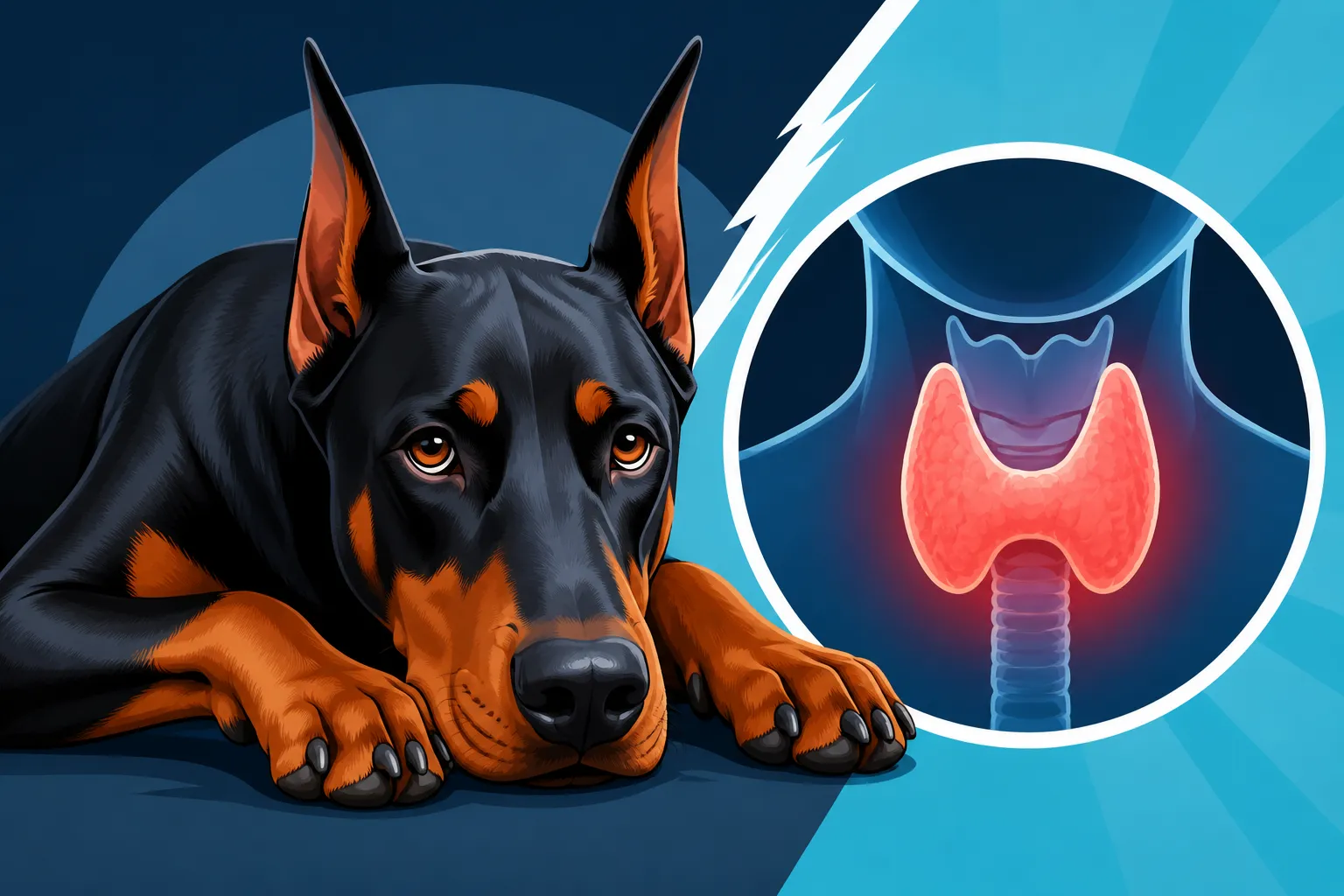
Hypothyroidism, an underactive thyroid gland, is one of the most frequently diagnosed endocrine disorders in dogs, and Dobermans, unfortunately, carry a significant predisposition. It’s a condition where the thyroid gland, located in the neck, doesn't produce enough of the crucial hormones, thyroxine (T4) and triiodothyronine (T3), which regulate metabolism throughout the body. When these hormones are in short supply, virtually every bodily function can be affected, leading to a cascade of often subtle and confusing symptoms that can easily be mistaken for normal aging or other less serious issues.
Why Dobermans Are Prone to Thyroid Issues
The Doberman's genetic makeup sadly places them at a higher risk for developing autoimmune thyroiditis, which is the most common cause of hypothyroidism in dogs. In this condition, the dog's own immune system mistakenly attacks and gradually destroys the thyroid gland. It's a slow, insidious process that can begin years before any clinical signs become apparent. While other breeds are affected, Dobermans seem to have a particular genetic vulnerability, making them a "poster child" for thyroid monitoring. This breed predisposition means that if you own a Doberman, you absolutely need to be vigilant about understanding and screening for this disease. The typical age of onset for noticeable symptoms usually falls between two and six years old, but some Dobermans can show signs earlier or later, making consistent monitoring throughout their life crucial.
Recognizing the Subtle Signs of a Slowing Thyroid
It's not always a dramatic collapse or obvious illness when a Doberman's thyroid starts to underperform. Often, the signs are frustratingly subtle, slowly creeping up on both you and your dog. Beyond the general "slowing down" that might make you think your Doberman is just maturing or getting lazier, you might notice a distinct increase in lethargy. Your dog might be less eager for walks, tire out faster during play, or spend more time napping. Weight gain is another classic sign, and it can be particularly frustrating when you haven't changed their diet or exercise routine. It feels like they're putting on pounds just by looking at food.
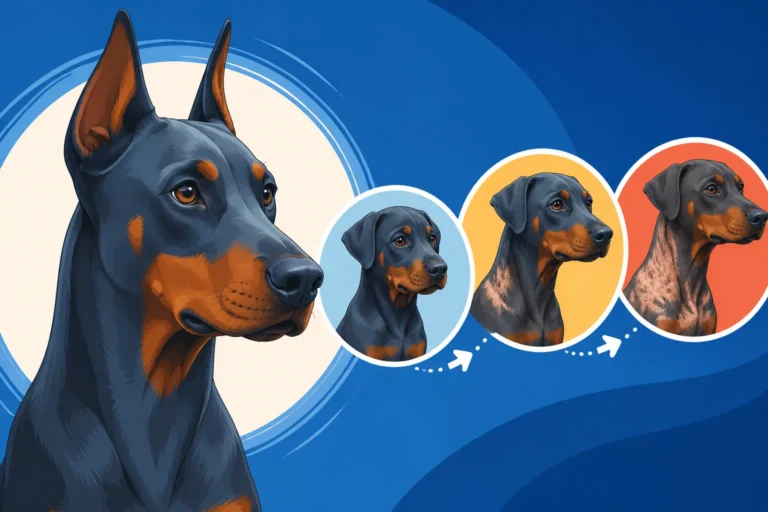
Beyond these more obvious metabolic changes, pay close attention to your Doberman's coat and skin. A healthy Doberman should have a sleek, shiny, almost iridescent coat. With hypothyroidism, you might observe a dull, dry, or brittle coat that sheds excessively, or even symmetrical hair loss, particularly along the flanks, tail, and sometimes the bridge of the nose, without any itching. Their skin might become dry, flaky, or develop recurrent infections, as a compromised thyroid can also weaken the immune system and skin barrier. Finally, behavioral shifts can occur. Some Dobermans might become more irritable, anxious, or even aggressive. Others might seem more withdrawn, less engaged in training, or lose their usual spark for interaction. These changes can be particularly distressing as they alter the very personality you cherish. For more insights on this, you might find information on Whether Doberman Thyroid Explains Aggression helpful, as behavior changes can sometimes be linked to underlying health issues.
Deciphering Doberman Thyroid Test Results
When your veterinarian suspects hypothyroidism, they'll recommend blood tests to measure your Doberman's thyroid hormone levels. However, not all thyroid tests are created equal, especially for a breed like the Doberman. Understanding what each component of a full thyroid panel means is crucial for accurate diagnosis and effective treatment. It’s not just about a single number; it’s about the whole picture.
The Core Thyroid Hormones: T4 and fT4
The two primary thyroid hormones your vet will focus on are thyroxine (T4) and its free fraction, free T4 (fT4). Total T4 (TT4) measures all T4 in the blood, both bound to proteins and unbound. While it's a good initial screening tool, it can be influenced by many factors, including medications (like NSAIDs or certain seizure medications) and other illnesses, making it less reliable on its own. A low TT4 can suggest hypothyroidism, but it's not always definitive.
This is where Free T4 (fT4) comes in. Free T4 is the active, unbound form of the hormone that is actually available to the body's tissues. It's generally considered a more accurate indicator of thyroid function because it's less affected by protein binding or other non-thyroidal factors. If your Doberman has a low fT4, especially in conjunction with other symptoms, it strongly points towards an underactive thyroid. Interpreting reference ranges can be tricky; a Doberman's "normal" might be on the higher end of the range compared to other breeds, so a result that's technically "within normal limits" but on the lower side might still be indicative of a problem for your specific Doberman.
The Importance of TSH Thyroid-Stimulating Hormone
To get a complete picture, a veterinarian will almost always recommend testing Thyroid-Stimulating Hormone (TSH) in addition to T4 and fT4. TSH is produced by the pituitary gland in the brain, and its job is to tell the thyroid gland to produce and release more T4 and T3. In a healthy dog, there’s a delicate balance: if T4 levels drop, TSH levels rise to stimulate the thyroid. If T4 levels are high, TSH levels drop.
Therefore, in cases of primary hypothyroidism (where the thyroid gland itself is failing), the body tries to compensate by producing more TSH. So, a classic diagnostic pattern for hypothyroidism is a low T4 and fT4 combined with a high TSH level. This high TSH is the body screaming for more thyroid hormone that the failing gland just can't produce. It's an essential piece of the puzzle. It's also important to understand "euthyroid sick syndrome," where a dog experiencing another severe illness might have low T4 and fT4, but a normal or even low TSH. This isn't true hypothyroidism but a temporary suppression due to the stress of other disease, and it requires careful differentiation by your vet.
Thyroid Autoantibodies: TgAA and T3AA/T4AA
For Dobermans, specifically, evaluating thyroid autoantibodies can be incredibly insightful, particularly Thyroglobulin Autoantibodies (TgAA). As mentioned earlier, autoimmune thyroiditis is the primary cause of hypothyroidism in dogs. TgAA are antibodies produced by the immune system that target thyroglobulin, a protein within the thyroid gland involved in hormone synthesis. A positive TgAA result indicates that the immune system is actively attacking the thyroid gland.
The presence of TgAA can confirm the autoimmune nature of the disease and is often detected before the thyroid gland is damaged enough to cause a drop in T4/fT4 or a rise in TSH. This means a Doberman could test positive for TgAA, indicating the disease process has begun, even if their T4, fT4, and TSH numbers are still within the normal range. Other autoantibodies, like T3AA and T4AA, target the hormones themselves, but TgAA is the most commonly used and significant marker for autoimmune thyroiditis. For breeders, a positive TgAA in an otherwise healthy Doberman can be a red flag, suggesting that dog should not be bred, as the condition is heritable. For more on the importance of genetic testing and breeder responsibilities, you might want to read The Health Testing a Doberman Breeder Must Show or Whether a Doberman Should Be Screened Before Breeding to understand the broader implications of health testing.
The "Normal" Range vs. Doberman-Specific Concerns
Navigating thyroid results can feel like a maze, especially when your Doberman’s numbers are technically within the "normal" range but they’re still showing symptoms. This common frustration highlights why a breed-specific approach is essential.
Why Breed-Specific Reference Ranges Matter
Many commercial laboratories provide a general reference range for canine thyroid hormones. However, what's considered "normal" for a Chihuahua might not be optimal for a Doberman. Dobermans, along with several other breeds like Greyhounds and Alaskan Malamutes, naturally tend to have lower thyroid hormone levels than the average dog. This means that a Doberman whose T4 or fT4 falls into the lower end of a general "normal" range might actually be functionally hypothyroid for their breed, a phenomenon sometimes referred to as "euthyroid hypothyroid." They aren't in full-blown failure yet, but their metabolism is already slowing down to a problematic degree.
It's critical to work with a veterinarian who is familiar with Doberman health nuances, or better yet, a board-certified veterinary internal medicine specialist or endocrinologist. They will understand these breed-specific tendencies and interpret the results with a Doberman's unique physiology in mind. They might even use slightly different, higher thresholds for what they consider "normal" or "optimal" for your Doberman. This careful, nuanced interpretation is often the key to diagnosing those elusive cases where your dog is clearly not thriving, but the numbers don't scream "sick" to a generic algorithm.
Factors That Can Skew Thyroid Results
Even with a comprehensive thyroid panel, several factors can throw a wrench into accurate diagnosis. It's not always a straightforward read of the numbers. One of the most common culprits is medication. Drugs like corticosteroids (e.g., prednisone), non-steroidal anti-inflammatory drugs (NSAIDs), phenobarbital (for seizures), and even certain heart medications can suppress thyroid hormone production or interfere with its measurement, leading to artificially low T4 readings. Always inform your vet about all medications, supplements, and even flea/tick preventatives your Doberman is currently taking.
Another significant factor is non-thyroidal illness, also known as "euthyroid sick syndrome." If your Doberman is suffering from another illness—be it an infection, kidney disease, cancer, or even severe stress—their body might temporarily decrease thyroid hormone production as a protective mechanism. This can result in low T4 and fT4 levels, even if the thyroid gland itself is perfectly healthy. Diagnosing hypothyroidism in a sick dog requires careful consideration and often follow-up testing once the primary illness is under control. Even simple things like the time of day the blood sample is taken, stress during the vet visit, or improper handling and storage of the blood sample can cause minor fluctuations or inaccuracies in results. Getting an accurate reading sometimes means repeating tests or choosing a specific lab that specializes in canine endocrine diagnostics.
Diagnosis and Treatment Pathways
Once your veterinarian has thoroughly reviewed your Doberman's symptoms, physical exam findings, and carefully interpreted the thyroid panel results, a diagnosis of hypothyroidism can be made. The good news is that unlike some other complex Doberman health issues, hypothyroidism is typically very manageable once diagnosed, and most dogs respond wonderfully to treatment.
Comprehensive Thyroid Panel: What to Ask For
When your Doberman is exhibiting symptoms like weight gain and low energy in a Doberman, or even subtle changes in behavior or coat quality, it's crucial to request a comprehensive thyroid panel, not just a basic T4 screen. A complete panel for a Doberman should ideally include:
- Total T4 (TT4): Provides a general overview but can be influenced by many factors.
- Free T4 (fT4) by equilibrium dialysis: This is considered the gold standard for measuring the active form of the hormone and is less prone to interference.
- Canine TSH (cTSH): Essential for confirming primary hypothyroidism when combined with low T4/fT4.
- Thyroglobulin Autoantibodies (TgAA): Detects the presence of autoimmune thyroiditis, which is the most common cause in Dobermans and can be present even before clinical signs are obvious.
This full suite of tests allows your vet to piece together the entire picture and differentiate true hypothyroidism from other conditions or transient hormonal dips. If the initial results are borderline or confusing, your vet might recommend repeat testing in a few weeks or months, or even a trial course of medication to see if symptoms improve. Never hesitate to ask for copies of your Doberman's test certificates.
Medication and Management
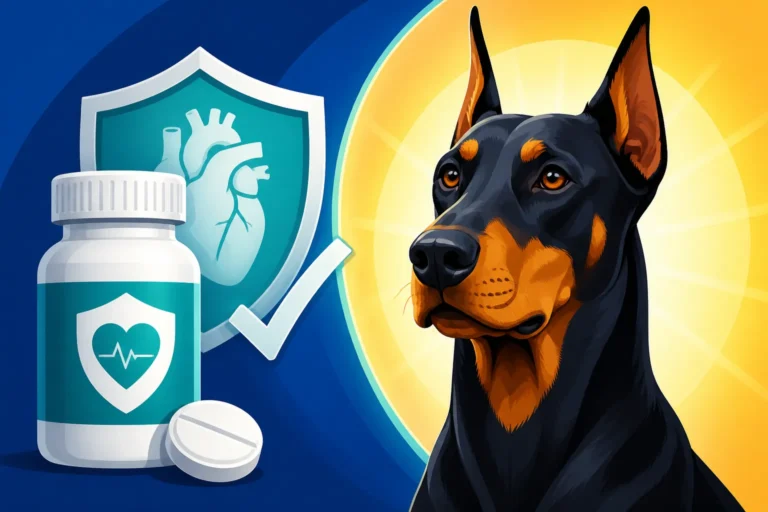
The standard treatment for canine hypothyroidism is straightforward: levothyroxine, a synthetic thyroid hormone that replaces what your Doberman's body isn't producing. It's typically given orally, once or twice a day, for the rest of your Doberman's life. The dosage is carefully calculated based on your dog's weight and the severity of their deficiency.
Once treatment begins, you should start to see improvements fairly quickly, though full recovery can take weeks or months. Within a few weeks, you might notice your Doberman's energy levels picking up, their attitude improving, and they might even start to lose some of that stubborn weight. Coat quality and skin issues take longer, often several months, as new hair needs to grow in. Your vet will schedule follow-up blood tests, usually around 4-8 weeks after starting medication, to ensure the dosage is correct. They'll measure T4 levels again, ideally 4-6 hours after the morning dose, to ensure the medication is being properly absorbed and is reaching therapeutic levels. It's a journey of adjustments, but consistent monitoring and communication with your vet are key. Don't forget that chronic conditions like this often mean lifelong medication, so it's wise to consider costs. Monthly Spending on an Adult Doberman can help you understand the monthly spending on an adult Doberman, including prescription costs.
Lifestyle Adjustments and Prognosis
While medication is the cornerstone of treatment, supporting your Doberman with appropriate lifestyle adjustments can enhance their well-being. This includes maintaining a healthy weight through a balanced diet and consistent exercise. As their energy levels return, you can gradually increase their activity, but avoid overexertion, especially initially. Your veterinarian might also recommend specific diets or supplements, depending on any other concurrent health issues.
The prognosis for Dobermans with hypothyroidism is generally excellent. With proper diagnosis and consistent, lifelong medication, most Dobermans can lead full, active, and happy lives, completely free of symptoms. It's one of the most rewarding conditions to treat as a pet owner because the transformation in your dog can be so profound. Regular vet check-ups, typically every six to twelve months, are crucial to monitor their overall health, adjust medication as needed, and keep an eye on any other potential Doberman-specific health concerns, such as the need for Annual Echo and Holter Screening for a Doberman or The Age Doberman Wobbler Signs Appear as they get older.
Preventing and Screening for Thyroid Issues
While you can't entirely prevent a genetic predisposition, proactive screening and careful breeding practices are your best defenses against the severe impacts of hypothyroidism in Dobermans. Early detection truly makes all the difference.
Breeder Responsibilities and Genetic Screening
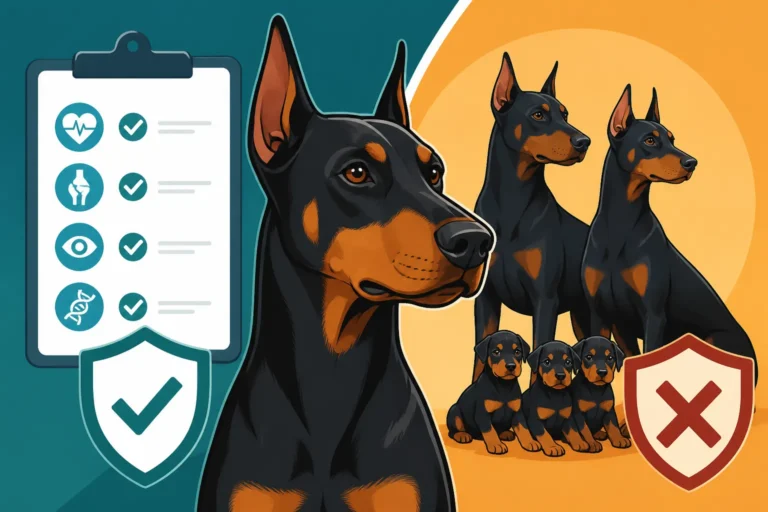
Responsible Doberman breeders play a crucial role in reducing the incidence of inherited diseases like autoimmune thyroiditis. While there isn't a single, definitive "gene test" for autoimmune thyroiditis in Dobermans that mirrors the directness of a DCM gene test (like for the DCM1 or DCM2 variants), breeders should still be diligently screening their breeding stock with regular, comprehensive thyroid panels, including TgAA. The presence of TgAA, even with normal T4/fT4/TSH, indicates an autoimmune process and means the dog carries the genetic predisposition.
Reputable breeders will be transparent about their dogs' thyroid health, providing documentation of these tests, and ideally, will not breed dogs with positive TgAA or those requiring thyroid medication. When looking for a Doberman puppy, always ask about the thyroid history of both parents and their lineage. A breeder should be able to show you results from their breeding dogs, usually from the Orthopedic Foundation for Animals (OFA) thyroid database, which tracks canine thyroid health. This level of transparency is a hallmark of a breeder committed to the health and longevity of the breed. For a comprehensive list of what to expect, refer to The Health Testing a Doberman Breeder Must Show.
Annual Health Checks and Early Detection
For Doberman owners, annual thyroid panels are a non-negotiable part of proactive health management, especially as your dog approaches The Age Doberman Heart Disease Usually Starts, which is often similar to when thyroid issues can emerge. Given the breed's predisposition, many veterinarians recommend starting annual thyroid screening for Dobermans around 2-3 years of age, or even earlier if there's a strong family history. This early and consistent screening allows for the detection of subtle changes in thyroid hormone levels or the appearance of TgAA long before your Doberman shows obvious clinical signs.
Catching hypothyroidism early means you can start treatment before the disease significantly impacts your dog's quality of life. Think about it: preventing months or even years of lethargy, unexplained weight gain, and skin problems is far better than waiting until your Doberman is truly suffering. Early intervention can preserve their energy, maintain a healthy weight, and prevent the coat and skin issues that can be so frustrating. This proactive monitoring is key to ensuring your Doberman lives a long and healthy life, and it's also a great reason to ensure your pet is covered by a comprehensive insurance plan like Healthy Paws, which can help mitigate the costs of lifelong medication and regular blood tests. Enrolling your Doberman with pet insurance before any signs of illness ensures that chronic conditions like hypothyroidism will be covered, which can be a huge relief for budgeting.
Impact of Untreated Hypothyroidism
Ignoring or missing a diagnosis of hypothyroidism in your Doberman isn't just about them feeling a bit sluggish. Untreated, the condition can lead to a significant decline in overall health, impacting multiple body systems and potentially causing severe, irreversible problems. It's a stark reminder that those subtle early signs are whispers of a more profound issue brewing beneath the surface.
Worsening Physical Symptoms
As hypothyroidism progresses without treatment, the physical symptoms your Doberman experiences will only intensify. That mild lethargy will likely turn into profound sluggishness, with your dog showing little interest in activity or play. The weight gain can become severe, making even simple movements a struggle and putting undue strain on their joints and cardiovascular system. The once sleek coat can become incredibly dull, dry, brittle, and experience extensive symmetrical hair loss, leaving large bald patches. Chronic skin infections, often resistant to basic treatments, can become a persistent problem, leading to discomfort, itching, and odor.
In very rare and extreme cases, untreated hypothyroidism can even lead to a condition called myxedema coma, a life-threatening emergency characterized by severe weakness, mental dullness, hypothermia, and a dangerously slow heart rate. While rare, it underscores the critical role the thyroid plays in maintaining fundamental bodily functions. Beyond these, you might see a reduced heart rate, constipation, or other gastrointestinal disturbances, as metabolism slows down across the board. The impact is systemic and can drastically reduce a Doberman's quality of life.
Behavioral and Neurological Consequences
Beyond the physical, untreated hypothyroidism can subtly, and sometimes dramatically, alter your Doberman's personality and cognitive function. The thyroid hormones play a role in brain chemistry, and a deficiency can lead to significant behavioral changes. You might observe an increase in anxiety, fearfulness, or even uncharacteristic aggression, particularly if the Doberman feels unwell or vulnerable. What was once a confident, stable companion might become irritable, suspicious, or prone to snapping. If you've ever wondered Whether Doberman Thyroid Explains Aggression, the answer can sometimes be yes, making diagnosis and treatment crucial for both your dog's well-being and household harmony.
Some Dobermans might exhibit signs of cognitive dysfunction, appearing disoriented, losing house training, or interacting less with their family. In rare cases, more severe neurological signs like facial paralysis, vestibular disease (affecting balance), or even seizures can be linked to long-standing, untreated hypothyroidism. These changes can be incredibly distressing for owners, as the dog they know and love seems to vanish before their eyes. The stress on the human-animal bond can be immense when dealing with a dog whose behavior is changing due to an underlying, undiagnosed illness. Timely diagnosis and appropriate treatment are vital to restoring not just physical health, but also mental well-being and the cherished personality of your Doberman. This is why vigilance and early screening are so paramount throughout The Doberman Years When Everything Shows Up.
Here's a quick reference table to help visualize common thyroid results in Dobermans:
| Thyroid Marker | Healthy Doberman (Optimal Range) | Hypothyroid Doberman (Common Findings) | Notes |
|---|---|---|---|
| Total T4 (TT4) | Mid to Upper Normal Range | Low to Low-Normal | Can be influenced by medications or non-thyroidal illness. Less definitive on its own. |
| Free T4 (fT4) | Mid to Upper Normal Range | Low | Best indicator of active thyroid hormone. Less affected by external factors. |
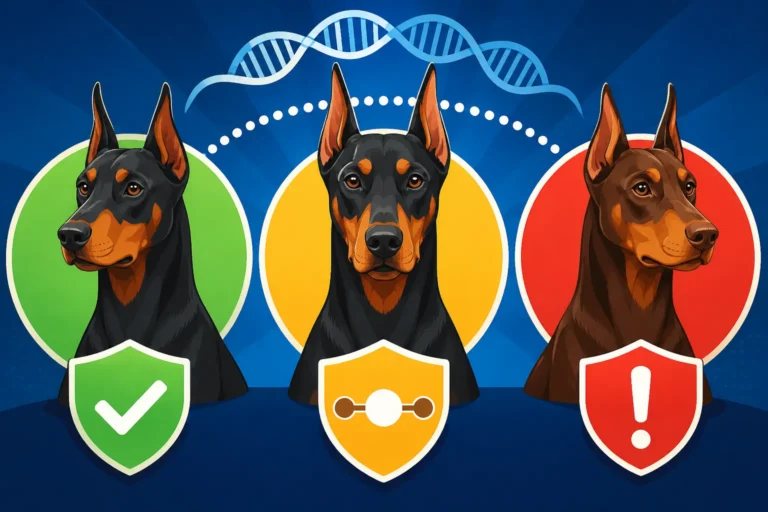
| TSH (cTSH) | Normal to Low-Normal | High | Indicates the pituitary gland is working overtime to stimulate a failing thyroid. |
| TgAA | Negative | Positive (or weakly positive) | Indicates autoimmune attack on the thyroid gland; can be positive before other numbers change. |
Disclaimer
The information provided in this article is for educational purposes only and is not intended to be a substitute for professional veterinary advice, diagnosis, or treatment. Always seek the advice of your veterinarian or other qualified animal health provider with any questions you may have regarding a medical condition. Never disregard professional veterinary advice or delay in seeking it because of something you have read in this article.