Sedating a Doberman for a Dental and What It Costs
It's an uncomfortable truth for any Doberman owner: eventually, your beloved dog will likely need a dental cleaning, and that means sedation. The thought alone can make your stomach drop, especially when you know Dobermans can be predisposed to certain health issues. Beyond the natural worry for their safety, there's the looming question of cost. This guide aims to break down exactly what goes into sedating a Doberman for a dental procedure and the financial realities you can expect, helping you prepare for this essential aspect of their care.
The Essential Need for Sedation in Doberman Dental Care
Many owners wonder why their seemingly calm and cooperative Doberman can't just have their teeth cleaned while awake, perhaps with a mild sedative. The reality is, a proper, thorough dental cleaning is far more involved than a quick brush, and for your Doberman's safety and the effectiveness of the procedure, full sedation is absolutely non-negotiable.
Why Dobermans Need Sedation for Dentals
Imagine trying to get your Doberman to lie perfectly still, mouth wide open, for an hour or more, while a stranger scrapes tartar from every tooth, probes under the gumline, and potentially takes X-rays. It's simply not feasible, no matter how well-behaved they are at home. Their natural instinct is to move, to chew, to object, and a veterinary dental procedure requires absolute stillness and cooperation. Without sedation, the risk of injury to your dog – from sharp instruments slipping – and to the veterinary staff is immense. Beyond that, the stress of being restrained for such an invasive procedure would be incredibly traumatic for an animal, potentially turning future vet visits into a battleground.
Sedation isn't just about keeping them still; it's about making the entire process stress-free and pain-free. When your Doberman is sedated, the veterinary team can perform a much more thorough examination and cleaning. They can access those hard-to-reach molars at the back of the mouth, probe for hidden pockets of infection, and take critical dental radiographs. Trying to do this on an awake dog would be superficial at best, missing the very problems that could be causing pain and leading to systemic health issues down the line. It's a fundamental difference from human dentistry where we consciously tolerate discomfort; our dogs rely on us to ensure they feel nothing.
The Comprehensive Nature of a Doberman Dental Procedure
A "dental cleaning" for a Doberman is far from a simple brush-and-rinse. It's a comprehensive oral health assessment that requires meticulous attention to detail. First, the visible plaque and tartar are scaled away, often using ultrasonic instruments similar to what your own dentist uses. However, much of the damage and disease happens below the gumline, where you can't see it. This is why probing each tooth for periodontal pockets and taking full-mouth dental X-rays are so crucial. Without sedation, these steps are virtually impossible.
Consider a hypothetical scenario: your Doberman has bad breath, and you assume it's just surface tartar. During a sedated dental, the X-rays might reveal a painful abscess at the root of a molar that was completely invisible from the outside, or significant bone loss around several teeth. These are issues that would necessitate extractions, not just a cleaning. If these problems go untreated, they can lead to severe pain, systemic infections, and even impact other organs. The ability to perform these critical diagnostic and treatment steps effectively and safely is entirely dependent on your Doberman being completely still and comfortable under anesthesia. This thoroughness is vital to ensure their long-term oral and overall health.
Deconstructing the Costs of a Sedated Doberman Dental
When you get an estimate for your Doberman's dental, you might be surprised by the line items. It's rarely just one flat fee. The total cost is a sum of many different, equally important, components, all geared towards ensuring the safest and most effective outcome for your dog.
Initial Consultation and Pre-Sedation Workups
Before any anesthetic is administered, your Doberman will undergo a thorough examination. This initial consultation helps the vet assess their general health and identify any red flags. But for Dobermans, with their known predisposition to certain conditions like Dilated Cardiomyopathy (DCM), pre-anesthetic bloodwork isn't just a recommendation; it's an absolute necessity. This blood panel typically includes a complete blood count (CBC) to check for infection or anemia, and a chemistry panel to assess organ function, especially the kidneys and liver, which metabolize anesthetic drugs. A urinalysis might also be recommended to further evaluate kidney function.
These tests are critical for creating a safe anesthetic plan tailored specifically for your Doberman. If the bloodwork reveals any abnormalities, the vet might recommend further diagnostics, such as an electrocardiogram (ECG) to check heart rhythm or chest X-rays to assess lung and heart size. While these additional tests add to the overall bill, they are invaluable for identifying underlying issues that could significantly increase anesthetic risk. For Dobermans, understanding The Heart Disease That Reaches Most Dobermans and taking all precautions is paramount. Skipping these vital pre-screening steps to save a few dollars is never worth the risk to your beloved companion.
The Sedation and Anesthesia Protocol
The actual sedation and anesthesia portion of the procedure is a complex medical process, not just a single injection. Your Doberman will receive a carefully chosen combination of drugs designed to achieve deep sedation and pain relief, and then maintain a stable anesthetic plane. Throughout the entire procedure, a dedicated veterinary technician will be constantly monitoring their vital signs. This includes their heart rate and rhythm (often with an ECG monitor), respiratory rate, blood pressure, oxygen saturation (pulse oximetry), and body temperature.
To support their cardiovascular system and maintain hydration, intravenous (IV) fluids are usually administered through a catheter placed in a leg vein. These fluids help maintain blood pressure during anesthesia and facilitate quicker recovery. The cost of anesthesia includes not only the drugs themselves, which vary based on your Doberman's size and individual needs, but also the specialized monitoring equipment, the IV fluids, and crucially, the skilled labor of the veterinary team ensuring their safety every second they are under. This continuous vigilance is a significant part of the cost but provides peace of mind.
The Dental Procedure Itself and Post-Care
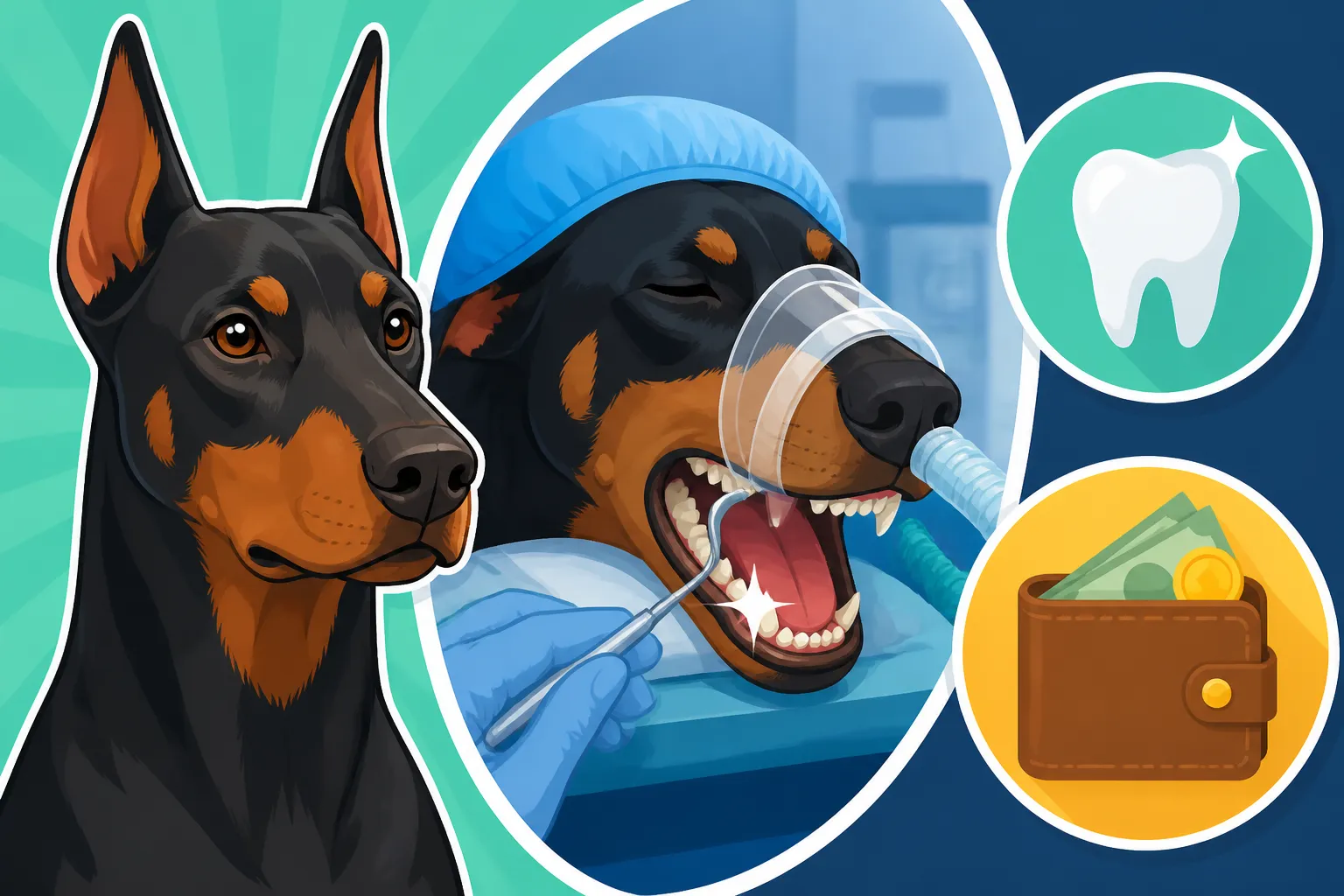
Once your Doberman is safely under anesthesia, the real work begins. The veterinary team will meticulously scale away plaque and tartar from above and below the gumline. This is followed by polishing the tooth surfaces to make them smooth and less prone to future plaque buildup. A crucial step is probing around each tooth to measure pocket depths, indicating periodontal disease. As mentioned, dental X-rays are usually taken to check for issues beneath the gumline, such as bone loss, abscesses, or unerupted teeth. This is especially important as many Dobermans might hide dental pain effectively.
If extractions are necessary, this is where costs can escalate significantly. A simple extraction might be quick, but a complex, multi-rooted tooth or a fractured tooth requiring surgical removal of bone and sutures will take more time, skill, and specialized equipment. Pain management is paramount, with local anesthetic blocks often used in addition to systemic pain medications given during and after the procedure. Your Doberman will typically go home with a course of pain medication and sometimes antibiotics, especially after extractions. A follow-up visit may also be recommended to check healing. All these individual steps contribute to the final bill, but each is essential for ensuring your Doberman's comfort and recovery.
Understanding the Factors Influencing the Final Bill
The cost of a sedated dental for your Doberman isn't static; it's a dynamic figure influenced by several key factors. Understanding these can help you better anticipate and budget for the expense, and sometimes even find ways to manage it.
Geographical Location and Clinic Type
Where you live can have a surprisingly large impact on veterinary costs. Clinics in major metropolitan areas or affluent suburbs typically have higher overheads—rent, staff salaries, equipment maintenance—which are reflected in their service fees. Rural clinics, on the other hand, might offer more competitive pricing due to lower operating costs. It’s not just about urban versus rural either; the type of clinic plays a role. A state-of-the-art veterinary dental specialist clinic will often charge more than your general practice vet, simply because they have more specialized equipment and expertise.
It's always a good idea to get estimates from a couple of different reputable clinics in your area, if possible, but be wary of significantly lower prices that might indicate a lack of thorough pre-anesthetic screening or monitoring, especially given The Doberman Years When Everything Shows Up health-wise. Remember, you're paying for the expertise, the safety protocols, and the quality of care, not just the cleaning itself. Don't compromise on safety for your Doberman just to save a few dollars; their well-being is priceless.
Severity of Dental Disease and Required Interventions
This is arguably the biggest variable in the final cost. A Doberman coming in for a routine preventative cleaning with minimal tartar and healthy gums will naturally incur a lower bill than one suffering from advanced periodontal disease. If your Doberman has multiple infected teeth requiring complex extractions, bone grafts, or even specialized procedures like root canals, the cost will climb significantly. Each extraction adds time under anesthesia, increases the need for pain management, and requires more intricate surgical skill.
Consider a Doberman who hasn't had a dental in several years, showing signs like chronic bad breath and difficulty eating. The vet might discover multiple loose teeth, deep periodontal pockets, and oral infections. Addressing these issues comprehensively takes time, resources, and often a higher level of veterinary expertise. Early intervention is key; addressing minor tartar buildup with regular cleanings is always more affordable and less invasive than waiting until severe disease necessitates major surgical intervention. This is why annual veterinary check-ups are so important to monitor oral health.
Weight and Breed-Specific Considerations for Dobermans
The size of your Doberman directly correlates with the amount of anesthetic drugs needed. A large male Doberman weighing 90 pounds will require a higher dose of medication than a smaller breed dog, and these medications are billed accordingly. Beyond size, Dobermans come with their own unique set of breed-specific considerations that impact dental costs. As a breed prone to cardiac issues, such as DCM, extensive pre-anesthetic screening is even more crucial for Dobermans. This might mean more in-depth blood work, or even an echocardiogram, especially if the vet detects a heart murmur during the initial exam.
These additional diagnostic steps, while adding to the upfront cost, are absolutely vital to ensure the safest possible anesthetic event for your Doberman. If an underlying heart condition is discovered, the anesthesia protocol might need to be adjusted, potentially involving different drugs or specialized cardiac monitoring, which can also influence the total price. Therefore, when budgeting for a Doberman dental, it’s important to factor in these breed-specific health predispositions, understanding that comprehensive care is an investment in their overall health and longevity. Early screening for conditions like The Age Doberman Heart Disease Usually Starts can prevent complications.
Managing and Mitigating Doberman Dental Costs
While dental cleanings with sedation are a necessary expense, there are proactive steps you can take to manage and potentially reduce the overall financial burden over your Doberman's lifetime. A combination of preventative care and financial planning is your best strategy.
The Power of Preventative Home Care
The single most effective way to reduce the frequency and severity of professional dental cleanings (and thus their cost) is consistent home care. Daily tooth brushing with a pet-specific toothpaste and brush is the gold standard. Even if your Doberman isn't thrilled at first, with patience and positive reinforcement, most will learn to tolerate it. Think of it as investing a few minutes each day to save potentially thousands later on. You can find excellent dental supplies at retailers like Chewy, making it easy to keep your Doberman's teeth sparkling.
Beyond brushing, there are other supportive measures. Dental chews approved by the Veterinary Oral Health Council (VOHC) can help reduce plaque and tartar buildup, though they are never a substitute for brushing. Water additives can also offer a small benefit. Regular veterinary check-ups allow your vet to spot early signs of dental disease before it becomes severe, making treatments simpler and less expensive. Even diet can play a small role; while not a magic bullet, some dental-specific kibbles are designed to mechanically scrub teeth. If you're exploring fresh food options, companies like Ollie prioritize whole, healthy ingredients, and while fresh food isn't a dental cure-all, good nutrition supports overall health, including oral health.
Pet Insurance and Wellness Plans
This is where planning ahead truly pays off. Pet insurance, especially if enrolled before any dental issues arise, can be a lifesaver. Most comprehensive pet insurance policies, such as those offered by Healthy Paws, cover dental procedures necessitated by illness or accident, like a fractured tooth or severe periodontal disease requiring extractions. However, it’s crucial to understand that routine cleanings are often excluded or only covered if you have a specific wellness add-on. Be sure to read the policy details carefully. The key is to enroll your Doberman when they are young and healthy, before any dental problems become "pre-existing conditions." Understanding Insuring a Doberman Before the Heart Turns applies not just to cardiac issues but to all aspects of health.
Some pet insurance providers or veterinary clinics offer wellness plans. These are separate from traditional insurance and are designed to cover preventative care, which can include annual dental cleanings. These plans typically involve a monthly fee and can make budgeting for routine health maintenance much more predictable. It's worth comparing the cost of a wellness plan against paying for cleanings out-of-pocket to see if it makes financial sense for your situation.
Discussing Payment Options with Your Vet
Even with the best preventative care and pet insurance, unexpected or extensive dental work can still lead to a significant bill. Don't hesitate to have an open conversation with your veterinary team about the costs involved. Always ask for a detailed estimate before the procedure begins. This allows you to understand what you're paying for and can help avoid surprises.
Many veterinary clinics understand that these costs can be a burden and offer various payment solutions. This might include accepting third-party financing options like CareCredit, which offers deferred interest payment plans. Some clinics might even allow you to set up an internal payment plan, especially for larger, unexpected bills, though this is less common. Being proactive in discussing financial concerns and exploring all available options with your vet can alleviate a lot of stress during what can already be an anxious time for you and your Doberman. Getting a clear breakdown of The Vet Bills a Doberman Runs Up Outside Screening can help you budget better.
It's clear that while the cost of a sedated dental for a Doberman can be substantial, it's an investment in their health, comfort, and longevity. By understanding all the components involved, practicing diligent home care, and exploring financial planning tools, you can ensure your Doberman receives the best possible oral care without unnecessary financial strain.
Cost Components for Doberman Dental Procedures
Here’s a breakdown of the typical components that contribute to the total cost of a sedated dental cleaning for your Doberman, along with a qualitative description of how each affects the price.
| Cost Component | Description | Impact on Total Cost |
|---|---|---|
| Initial Exam/Consultation | Pre-operative physical examination by the veterinarian to assess overall health and identify any immediate concerns. | A baseline fee. Essential. |
| Pre-Anesthetic Bloodwork | Comprehensive blood panel (CBC, chemistry) to evaluate organ function and overall health before anesthesia, crucial for Dobermans. | Significant, non-negotiable for safety. Additional tests (e.g., ECG, X-rays) if concerns arise will increase this. |
| Anesthesia & Monitoring | Anesthetic drugs, IV catheter placement, IV fluids, dedicated technician for continuous monitoring of heart rate, blood pressure, oxygen saturation, temperature, etc. | Varies with Doberman's size (more drugs for larger dogs) and duration of procedure. Continuous professional monitoring is a primary factor. |
| Dental Scaling & Polishing | Manual and ultrasonic removal of plaque and tartar from tooth surfaces, followed by polishing to smooth enamel. | A base fee for the cleaning itself. If there's minimal tartar, this portion of the cost remains relatively stable. |
| Full-Mouth Dental X-rays | Radiographs to assess tooth roots, bone structure, and identify issues below the gumline (abscesses, unerupted teeth, bone loss). | Adds a significant amount, but indispensable for thorough diagnosis and preventing hidden pain. The more X-rays taken, the higher the cost. |
| Extractions (if needed) | Removal of diseased or fractured teeth. Can range from simple to complex surgical extractions. | Highly variable. A few simple extractions add moderate cost; multiple complex surgical extractions can drastically increase the bill due to increased time, skill, and post-operative care needed. This is often the largest variable cost. |
| Pain Management | Pre-emptive pain medication, local nerve blocks during the procedure, and take-home oral pain medication. | Moderate, but essential for comfort. May increase slightly with more invasive procedures (e.g., multiple extractions). |
| Antibiotics (if needed) | Oral antibiotics prescribed for existing infections or as a preventative measure after extractions. | Minor additional cost for medication, if required. |
| Post-Op Check-up | Follow-up appointment to ensure proper healing and address any concerns. | Usually a separate, minor consultation fee. Sometimes included in a global estimate. |
| Histopathology (if needed) | Sending any suspicious masses or tissue samples removed during the procedure to a lab for microscopic analysis. | An additional lab fee, typically only when pathology is found or suspected. |
Disclaimer
This article is for general informational purposes only and does not constitute professional advice. Laws, prices and regulations vary by location and change over time. Consult a qualified professional for guidance on your specific situation.