How Much Longer Early Treatment Buys a Doberman
It’s a heartbreaking reality that many Doberman owners face: the insidious nature of Dilated Cardiomyopathy (DCM). You bring home this vibrant, athletic, incredibly devoted dog, only to learn that a ticking time bomb might be hidden within its chest. The thought of your Doberman’s heart silently failing is terrifying, leaving you wondering if there’s anything you can truly do to change their fate. This guide is here to shed light on that hope, exploring exactly how early treatment can extend your Doberman’s life and preserve their precious quality of living.
Understanding the Silent Threat of Doberman DCM
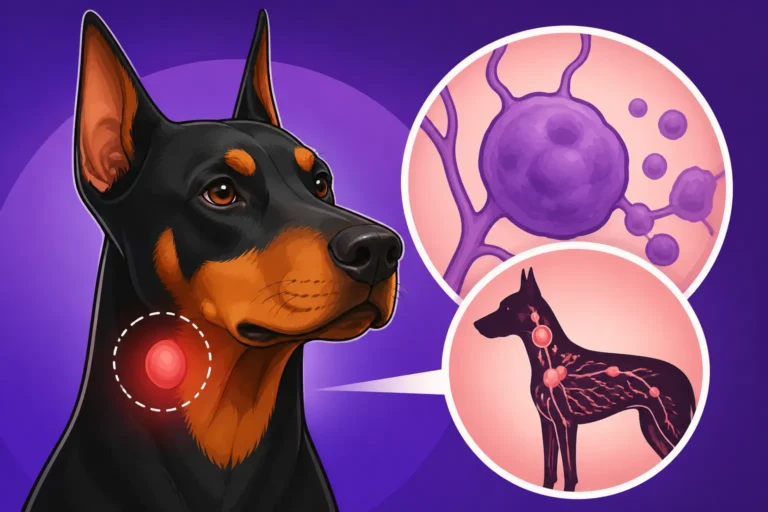
One of the most frustrating and devastating aspects of Doberman DCM is how long it can remain hidden. This isn't a disease that announces itself with a cough or a limp right away. Instead, it often progresses silently, slowly weakening the heart muscle over years before any outward signs become apparent. This "occult" or "pre-clinical" phase is a cruel trick of nature, leaving owners blissfully unaware until the disease is often advanced.
During this silent period, your Doberman might seem perfectly normal, full of energy, and eager for their daily adventures. They might be zooming around the dog park, hiking trails with you, or simply cuddling on the couch, showing no indication that their heart is slowly remodeling and losing its ability to pump blood effectively. This is the crucial window where intervention can make the most significant difference, but it's also the period when the disease is hardest to spot without specialized screening. If you've ever felt that pit in your stomach wondering why a Doberman can look fine and be ill, you're tapping into the core frustration of this condition.
The heart disease that reaches most Dobermans often starts subtly, with electrical abnormalities or slight enlargement that a general vet might not catch during a routine check-up. The heart chambers begin to stretch, becoming thinner and weaker, much like an old, overstretched rubber band losing its snap. Eventually, this leads to a decrease in cardiac output and, if left unchecked, will spiral into congestive heart failure. The frustrating part is that by the time you notice coughing and breathlessness in a Doberman, or if your Doberman faints on a walk, the disease has usually progressed to a point where treatment becomes a management struggle rather than a preventative measure. It's a race against time that you don't even know you're running.
The Power of Proactive Screening and Early Intervention
Given the stealthy nature of Doberman DCM, proactive screening is truly your greatest weapon. It’s the only way to catch the disease in its occult phase, before your Doberman shows any obvious signs of illness. This isn't about waiting for symptoms; it's about actively looking for trouble before it starts knocking on your door.
Annual echo and Holter screening for a Doberman are the gold standards for early detection. An echocardiogram (echo) is an ultrasound of the heart that allows a veterinary cardiologist to visualize the heart's structure and function in real-time. They can measure chamber size, wall thickness, and how efficiently the heart is pumping blood. This can reveal early signs of dilation or impaired function. Alongside the echo, a 24-hour Holter monitor is essential. This portable ECG device records your Doberman's heart rhythm for an entire day, capturing any abnormal heartbeats (premature ventricular contractions, or PVCs) that might indicate the electrical instability common in early DCM. Even a Doberman that tests clear and still gets DCM sometimes shows subtle signs on Holter or echo first.
The age to start screening a Doberman's heart is typically around two years old, and then yearly thereafter. This consistent vigilance is what allows cardiologists to establish a baseline and identify changes over time. When those early, occult signs are detected – perhaps a slight enlargement, a subtle decrease in contractility, or a significant number of PVCs on a Holter – that's when early intervention truly shines.
The primary medication used in the occult phase is Pimobendan. This drug, often known by its brand name Vetmedin, works in two ways: it strengthens the heart's contractions and dilates blood vessels, making it easier for the heart to pump blood. Administering Pimobendan before a Doberman shows signs of heart failure has been a game-changer. Other medications, such as antiarrhythmics, might also be prescribed if the Holter monitor reveals a significant number of abnormal beats. Your cardiologist might also recommend specific supplements like taurine and carnitine for a Doberman heart, though their efficacy can vary and should always be discussed with your vet.
Quantifying the Lifespan Extension: What Early Treatment Truly Buys
This is the million-dollar question for any Doberman owner: how much longer does early treatment actually buy? The answer, while not an exact number, is overwhelmingly positive and represents a significant improvement in both quantity and quality of life for Dobermans diagnosed in the occult phase.
Before the widespread use of early intervention with drugs like Pimobendan, Dobermans diagnosed with DCM often had a grim prognosis once they entered congestive heart failure. Lifespans after diagnosis could be measured in months, sometimes even weeks. It was a rapid, heartbreaking decline.
However, studies and clinical experience have shown that starting medication during the occult phase can significantly delay the onset of clinical signs of heart failure. This delay can translate into a year or even two years of additional, good quality life where your Doberman remains active and asymptomatic. For a breed with an already tragically short lifespan, often the nine to twelve year Doberman lifespan, an extra one to two years is a monumental gift. It means more walks, more cuddles, more zoomies in the yard, and more precious memories with your beloved companion.
Consider a hypothetical scenario: a Doberman named Diesel, who at three years old, had a routine Holter monitor pick up an unusually high number of PVCs, along with an echo showing very subtle changes in his left ventricle. His cardiologist immediately started him on Pimobendan. Diesel continued to live a full, active life, completely asymptomatic until he was nearly seven years old, at which point he began to show very mild signs of coughing. Without that early intervention, his heart failure might have begun much earlier, perhaps at five years old, dramatically cutting short his healthy years.
It’s about more than just adding days; it’s about adding life to those days. Early treatment maintains a better quality of life for a longer period because the heart isn’t working as hard, and the symptoms of heart failure are kept at bay.
| Aspect | Doberman with Early DCM Treatment | Doberman without Early DCM Treatment |
|---|---|---|
| Detection Stage | Occult/Pre-clinical (via screening) | Clinical (symptoms present, e.g., cough, fainting) |
| Onset of Symptoms | Significantly delayed (1-2+ years) | Earlier, often sudden onset |
| Primary Medication | Pimobendan (e.g., Vetmedin), antiarrhythmics | Diuretics, ACE inhibitors, Pimobendan, antiarrhythmics |
| Quality of Life (Early Phase) | High, active, asymptomatic | Deteriorates once symptoms appear |
| Lifespan Post-Diagnosis | Often extended by 1-2+ years of good quality life | Typically shorter, measured in months |
| Treatment Goal | Delay progression, maintain quality | Manage symptoms, slow progression |
This table illustrates the stark difference. While early treatment doesn’t cure DCM, it effectively presses the pause button on its progression, giving your Doberman a significantly longer period of healthy, happy life.
Navigating the Journey: Costs, Support, and Quality of Life
Deciding on early treatment for your Doberman's DCM is a commitment, both emotionally and financially. These medications are not a one-time fix; they are usually for the remainder of your Doberman's life. The monthly Pimobendan costs for a Doberman can add up, easily running into hundreds of dollars, depending on the dosage and your dog's weight. Add in the cost of annual screening (echoes, Holters, blood tests like the one that flags a Doberman heart, which measures NT-proBNP levels), and the yearly heart bill for a Doberman can be substantial.
This is where planning and support become critical. Many Doberman owners find immense value in pet insurance, especially for a breed prone to serious health conditions like DCM. Insuring a Doberman before the heart turns is paramount. Companies like Healthy Paws can provide a financial safety net, covering a significant portion of the ongoing medication costs, veterinary visits, and specialist consultations, preventing you from facing overwhelming bills. It’s a sad reality that why a Doberman heart result ends coverage for some policies if you wait too long to enroll. Therefore, getting your Doberman covered as early as possible is a smart move.
Beyond the financial aspect, it's crucial to maintain your Doberman's quality of life throughout their treatment journey. This means sticking to their medication schedule, ensuring regular check-ups with their cardiologist, and being observant for any subtle changes. Even with early treatment, the disease will eventually progress. It's important to know how long a Doberman lives after a DCM diagnosis when considering treatment options for later stages. However, with early intervention, these later stages are pushed much further down the road.
Continue to engage your Doberman in moderate exercise, feed them a high-quality diet, and most importantly, shower them with love and attention. Their demeanor and spirit are often the best indicators of how well they are coping. Even as they age, with conditions like cognitive change in an old Doberman, maintaining their routine and comfort is key. When the time comes for difficult decisions, understanding how long a Doberman lives after a DCM diagnosis and focusing on their comfort will be your guide.
Early treatment for Doberman DCM offers a tangible extension of their healthy years. It’s not a cure, but it is a powerful tool to provide your beloved companion with a longer, more joyful life free from the debilitating symptoms of heart failure for as long as possible.
Disclaimer
The information provided in this article is for educational purposes only and should not be considered a substitute for professional veterinary advice. Always consult with a qualified veterinarian or veterinary cardiologist regarding any health concerns or before making any decisions about your Doberman's care, diet, or treatment. Individual outcomes can vary.