Why Doberman Rescues Ask About Heart History
If you've ever thought about bringing a Doberman into your family through a rescue, you might have noticed a recurring theme in their adoption applications or conversations: a deep, almost urgent focus on the dog's heart history. It’s not just a casual inquiry; it’s a critical part of their process, and it often feels like they're asking for a medical dissertation. This guide will walk you through exactly why Doberman rescues are so meticulous about heart health and what that means for you as a prospective adopter.
The Devastating Reality of Doberman Heart Disease
Dobermans are, sadly, predisposed to a severe heart condition known as Dilated Cardiomyopathy (DCM). It’s not just a minor issue; it's a leading cause of death in the breed, often striking seemingly healthy dogs in the prime of their lives. For rescue organizations, this isn't just a statistic; it's a heartbreaking reality they face with every Doberman that comes through their doors. They’ve witnessed firsthand the devastation this disease causes, both to the dogs and to the families who love them.
Dilated Cardiomyopathy's Silent Progression
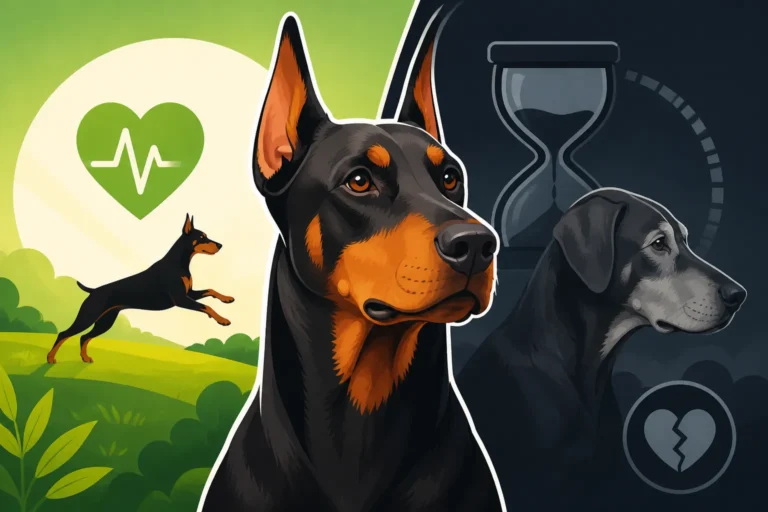
The most insidious thing about Doberman DCM is its silent progression. This isn't a condition that suddenly announces itself with obvious symptoms from day one. Instead, it often lurks in the background for years, quietly weakening the heart muscle. In the early stages, known as the occult or asymptomatic phase, a Doberman can appear completely normal, full of energy, and show no outward signs of illness. This is truly "why a Doberman heart fails before anyone notices."
Imagine adopting a vibrant, playful Doberman, only to have them suddenly collapse during a walk months or even years later. This scenario is tragically common because the heart gradually loses its ability to pump blood efficiently, leading to enlargement and eventual failure. During this silent phase, the heart might start to develop irregular beats (arrhythmias) or subtly enlarge, but these changes are undetectable without specialized diagnostic tools. Owners often report that their dog just seemed to "tire faster than it used to," which could be an early, subtle sign. The heartbreaking truth is that by the time overt symptoms like coughing, lethargy, or fainting spells become apparent, the disease is often advanced, and treatment options become more limited and costly.
Why Dobermans Are So Uniquely Vulnerable
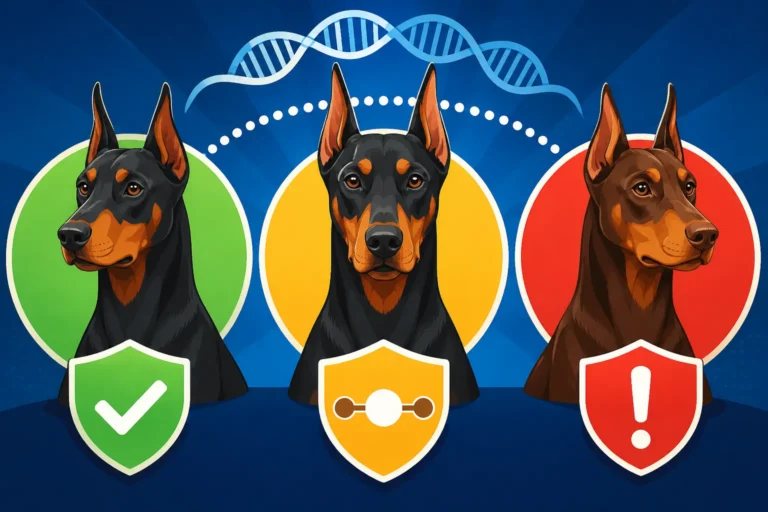
The Doberman's predisposition to DCM isn't just bad luck; it's deeply rooted in their genetics. Unlike some other breeds where DCM might be linked to nutritional deficiencies or other external factors, in Dobermans, it's largely an inherited condition. Scientists have identified specific genetic markers, like the DCM1 gene test and the DCM2 Titin variant, that are strongly associated with an increased risk of developing the disease. It’s estimated that a significant percentage of the Doberman population carries these genetic variants.
This genetic vulnerability means that even Dobermans from seemingly healthy lines can carry and pass on the genes. A rescue organization understands that they can't just look at a dog's current physical condition; they need to consider its entire lineage if possible, and definitely its individual testing status. They know that a young, athletic Doberman could still be carrying the genetic time bomb of DCM, and they have a responsibility to place that dog in a home that is prepared for the potential health challenges ahead. This isn't about fear-mongering; it's about realistic preparation for a breed that carries this heavy genetic burden.
How Rescues Approach Doberman Heart Health
Given the profound impact of DCM, Doberman rescues have developed stringent protocols for evaluating the heart health of every dog in their care. They are not just checking a box; they are trying to gather as much information as possible to make the best decisions for the dog's future and to prepare prospective adopters for what lies ahead. This proactive approach helps them understand "the Doberman years when everything shows up," which for DCM often falls within a specific age range.
Screening Protocols and Their Importance
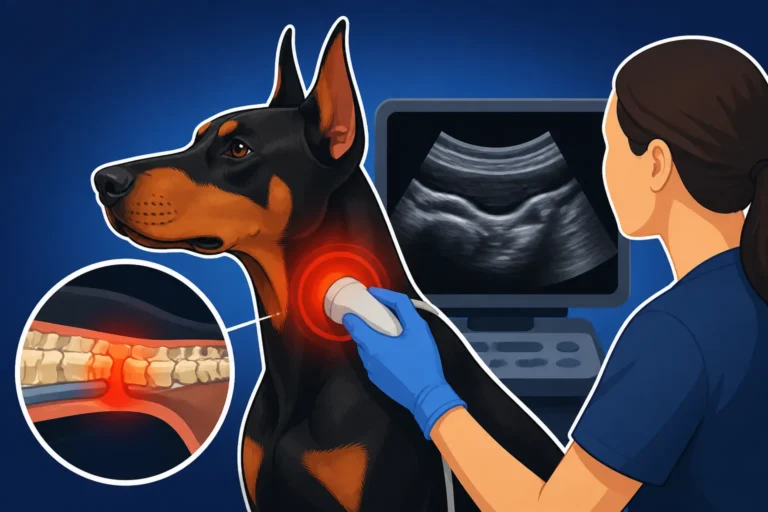
Rescues often invest significant resources in comprehensive cardiac screenings for their Dobermans, especially those without a known history. These screenings typically involve two key diagnostic tools:
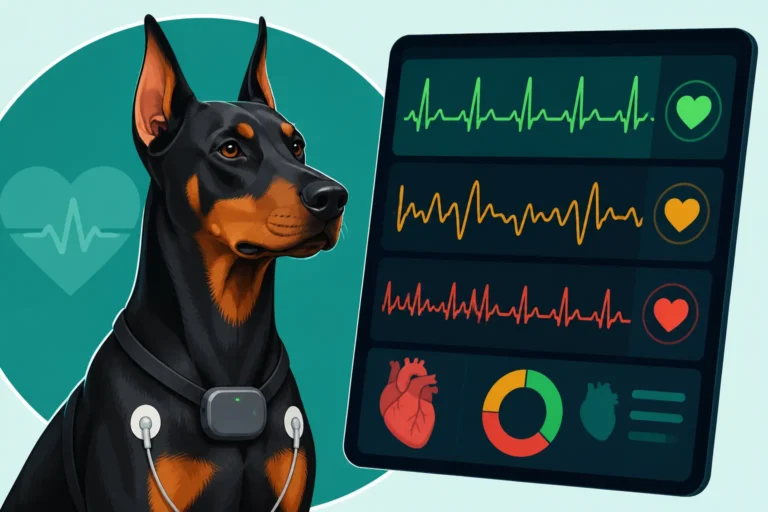
- Echocardiogram (Echo): This is essentially an ultrasound of the heart. A board-certified veterinary cardiologist performs this test, which provides detailed images of the heart's structure, its chambers, valves, and how efficiently it's pumping blood. They can measure the thickness of the heart muscle, the size of the chambers, and the velocity of blood flow. An echo can detect early signs of heart enlargement or weakened contractility long before any outward symptoms appear. Rescues often aim for an "annual echo and Holter screening for a Doberman" to catch any changes promptly.
- 24-Hour Holter Monitor: This is a wearable ECG device that the Doberman wears for a full day. It records every heartbeat over a 24-hour period, allowing the cardiologist to detect and count any abnormal heart rhythms (arrhythmias) that might occur intermittently. Since Doberman DCM often presents with arrhythmias before structural changes are visible on an echo, a Holter monitor is a crucial diagnostic tool. Rescues are keen to see what a "Doberman's Holter result" indicates, especially regarding the number of abnormal beats, as this can be an early red flag.
These screenings are expensive, but rescues consider them non-negotiable for Dobermans, particularly those in the age range where DCM typically begins to manifest. A clear screening gives them confidence in a dog's current heart status, while any abnormalities prompt further investigation and often a more specialized adoption process.
Interpreting Health Records from Previous Owners
When a Doberman enters a rescue, especially from an owner surrender, the health records become an invaluable piece of the puzzle. Rescues meticulously review these documents, looking for specific details related to cardiac health. They're trying to piece together a timeline and understand any previous concerns or interventions.
What they're looking for includes:
- History of Screenings: Were regular echocardiograms or Holter monitors performed? What were the results? A history of consistent, clear screenings is a huge positive.
- Symptom Documentation: Were there any mentions of coughing, lethargy, exercise intolerance, or fainting spells? Even vague descriptions can point to underlying issues.
- Medication History: Has the dog ever been prescribed heart medications like Pimobendan before a Doberman shows signs or other antiarrhythmics? This is a clear indicator of a previous diagnosis.
- Genetic Test Results: If available, results from genetic tests for DCM1 and DCM2 variants are incredibly helpful. While a positive genetic test doesn't guarantee the disease will manifest, it does indicate a higher risk and helps the rescue and future owner understand the dog's genetic predisposition. This is part of "the health testing a Doberman breeder must show" and is equally important for rescues.
Unfortunately, many surrendered Dobermans come with incomplete or non-existent health records. This lack of history often means the rescue has to start from scratch with expensive diagnostic tests, adding to their financial burden but ensuring the dog receives proper care and is transparently represented to potential adopters.
The Ethical and Financial Implications for Rescues
Doberman rescues operate on thin margins, often relying on donations and volunteer efforts. The high prevalence of DCM in the breed introduces significant ethical and financial challenges. They are committed to the welfare of every Doberman, but this commitment comes with substantial costs, particularly when dealing with chronic health conditions.
The High Cost of Diagnosing and Treating DCM
The journey of diagnosing and treating DCM in a Doberman is incredibly expensive. As mentioned, initial screenings with a board-certified cardiologist can run into hundreds or even thousands of dollars. If DCM is diagnosed, the costs escalate dramatically.
Consider the ongoing expenses:
- Medication: Once diagnosed, many Dobermans will need lifelong medication. This can include diuretics to manage fluid buildup, ACE inhibitors to reduce the heart's workload, antiarrhythmics to control irregular heartbeats, and sometimes even a drug called pimobendan, which helps improve heart contractility. The cost of these medications can easily be several hundred dollars per month, for the rest of the dog's life.
- Regular Follow-ups: Dobermans with DCM require frequent recheck appointments with their cardiologist, including repeat echoes and Holter monitors, to monitor the progression of the disease and adjust medication dosages.
- Emergency Care: A Doberman with advanced DCM is at higher risk for sudden cardiac events or decompensation, leading to emergency vet visits, hospitalization, and intensive care, which can quickly rack up bills in the thousands.
It’s a brutal financial blow, and it’s one reason why many Doberman owners turn to pet insurance providers like Healthy Paws early on, hoping to get coverage before any signs emerge. However, for rescues, especially with dogs whose history is unknown or who are already showing signs, getting comprehensive insurance can be difficult. Many rescues, if they are able to get coverage, might opt for a policy from providers such as Healthy Paws to mitigate some of these costs, but often a diagnosis means the condition becomes "pre-existing" and is excluded from new policies. This leaves the rescue to cover the full burden, or find a very special adopter willing and able to do so. The "yearly heart bill for a Doberman" is not just a figure; it's a significant commitment.
Ensuring a Responsible Placement for a Doberman with Heart Disease
Beyond the financial strain, rescues face the profound ethical responsibility of placing Dobermans with heart conditions into appropriate homes. They can't simply send a dog with a ticking time bomb into an unsuspecting family. Their goal is to find forever homes that are not only loving but also fully prepared for the challenges that come with managing a chronic, life-limiting illness. This is why "adopting a Doberman with a known heart condition" is such a detailed process.
This means:
- Transparency: Rescues must be completely transparent with potential adopters about the dog's diagnosis, prognosis, and the ongoing care requirements.
- Education: They spend considerable time educating adopters on what DCM entails, what symptoms to watch for, the importance of medication adherence, and how to communicate effectively with a cardiologist.
- Matching: Rescues try to match dogs with families who have the financial capacity, the emotional resilience, and the willingness to provide the specialized care needed. This might mean finding a home where someone is often present to monitor the dog or a family with a strong relationship with a veterinary specialist.
- Support: Many rescues offer ongoing support and resources to adopters of special needs Dobermans, understanding that it's a marathon, not a sprint.
The concern is always about the Doberman's quality of life and preventing future heartbreak. Rescues have witnessed Dobermans being returned because owners underestimated the financial and emotional toll of DCM, and they work tirelessly to prevent that from happening again.
What Prospective Adopters Should Understand
If you’re considering adopting a Doberman from a rescue, understanding their rigorous approach to heart health is paramount. This isn't just about satisfying their requirements; it's about being a responsible, prepared Doberman owner. Taking the time to ask the right questions and prepare yourself can make all the difference in providing a happy, healthy life for your new companion.
Questions to Ask About a Rescue Doberman's Heart History
When you're speaking with a Doberman rescue, don't be afraid to ask detailed questions about a potential adoptee's heart history. In fact, they'll appreciate your thoroughness because it shows you're taking this seriously. Here are some critical questions to pose:
- "What cardiac screenings have been performed, and when?" Ask specifically about echocardiograms and Holter monitors. Get the dates, and ask if you can review the full reports from the veterinary cardiologist. Don't settle for "he seems fine."
- "What were the results of those screenings?" If the results were normal, great! If there were any findings, no matter how minor, ask for a detailed explanation. For example, some Dobermans might have a few premature ventricular contractions (PVCs) on a Holter that aren't yet concerning, but it's important to know.
- "Has the dog had any genetic testing for DCM1 or DCM2 variants?" While these tests don't predict disease with 100% certainty, they offer valuable insight into a dog's genetic risk. This directly relates to "the two Doberman DCM gene tests" available.
- "Is there any history of symptoms that could indicate heart trouble, such as coughing, tiring easily, or fainting?" Even if the screenings are clear, knowing about subtle symptoms can inform future vigilance.
- "If the dog has a known heart condition, what stage is it, what medication is it on, and what are the associated costs?" If you're considering a Doberman already diagnosed with DCM, it’s crucial to understand the prognosis, daily medication regimen, and the expected "monthly Pimobendan costs for a Doberman," or other medications, so you can budget appropriately.
- "What is the rescue's policy on ongoing heart monitoring post-adoption?" Do they have recommendations for how frequently follow-up screenings should occur? This helps you plan for future vet visits.
Being prepared with these questions shows the rescue you are serious and ready to commit to the specialized care a Doberman might require.
Preparing for a Doberman's Potential Heart Journey
Adopting a Doberman means accepting the breed's inherent vulnerabilities, particularly regarding heart disease. Even if your rescue Doberman has a stellar heart history when you adopt them, it’s wise to prepare for the possibility that DCM could develop later in life. This means thinking ahead and planning for "the age Doberman heart disease usually starts."
Here’s how you can prepare:
- Financial Planning: Start saving money specifically for potential vet bills. Setting aside a dedicated fund for unforeseen medical expenses is a responsible move for any pet owner, but especially for Doberman guardians.
- Pet Insurance: Consider enrolling your Doberman in a comprehensive pet insurance plan as early as possible. Remember, most policies won't cover pre-existing conditions, so getting coverage before any heart issues are diagnosed is key. Companies like Healthy Paws are often popular choices, but research plans carefully to understand their coverage for breed-specific conditions and specialist visits.
- Establish a Relationship with a Cardiologist: Even if your Doberman is currently healthy, knowing a board-certified veterinary cardiologist in your area can be beneficial. They can advise on optimal screening schedules and be readily available should any concerns arise.
- Educate Yourself: Continue to learn about DCM, its symptoms, and the latest treatment advancements. Understanding "how much longer early treatment buys a Doberman" can be incredibly motivating for proactive care. Be vigilant for subtle signs like "coughing and breathlessness in a Doberman" or "a Doberman that faints on a walk."
- Lifestyle Adjustments: Be prepared to make lifestyle adjustments if a diagnosis occurs. This might involve changes to exercise routines (e.g., whether a Doberman with DCM should exercise), dietary modifications, and closely monitoring your dog's energy levels and breathing.
Embracing a Doberman means embracing their unique characteristics, including their predispositions. By understanding why rescues delve so deeply into heart history and preparing yourself for what that might mean, you demonstrate a profound commitment to your Doberman's well-being, ensuring you can provide the best possible care throughout their lifespan.
Doberman Heart Health Screening & Costs Overview
| Aspect | Description | Typical Timing | Estimated Cost (US Dollars) | Notes |
|---|---|---|---|---|
| Genetic Testing (DCM1 & DCM2) | DNA tests to identify known genetic markers associated with DCM risk. | Any age, often done by breeders or at adoption. | $100 – $250 (often bundled) | Does not guarantee disease, indicates risk. |
| Annual Echocardiogram | Ultrasound of the heart by a cardiologist to assess structure and function. | Annually from 2-3 years old, potentially earlier if risk. | $400 – $800+ (Specialist fee) | Crucial for detecting early structural changes. |
| 24-Hour Holter Monitor | Wearable ECG to detect and quantify abnormal heart rhythms over 24 hours. | Annually from 2-3 years old, potentially earlier if risk. | $250 – $600+ (Cardiologist review) | Essential for detecting occult arrhythmias. |
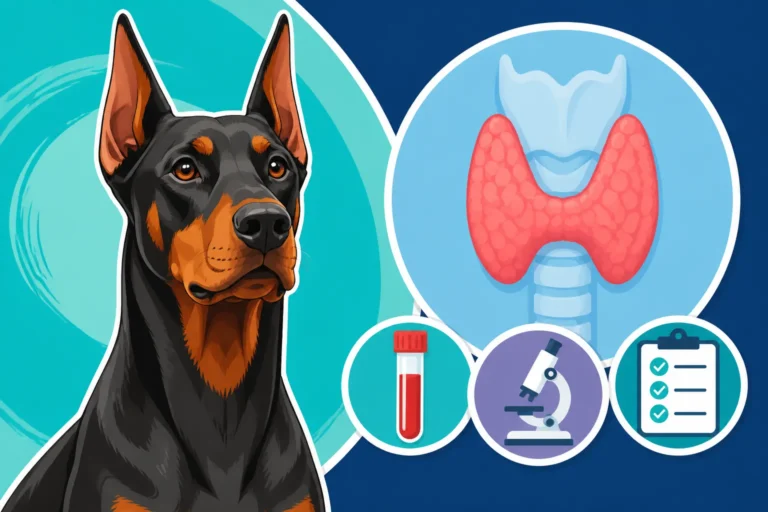
| NT-proBNP Blood Test | Blood test to measure a biomarker elevated in heart disease. | Often used as a screening tool or to monitor progression. | $100 – $200 | Can flag heart issues, but not definitive for DCM. |
Costs are estimates and can vary significantly based on location, veterinary clinic, and specialist fees.
Disclaimer
This guide is intended for informational purposes only and does not constitute professional veterinary advice. Always consult with a qualified veterinary professional, ideally a board-certified veterinary cardiologist, for any health concerns or before making decisions about your Doberman's care.