Pimobendan Before a Doberman Shows Signs
As Doberman owners, we often live with a quiet anxiety, a gnawing concern about the breed's well-known propensity for Dilated Cardiomyopathy, or DCM. This heartbreaking condition can strike without warning, often progressing silently until it's too late. It’s a fear shared by many, a constant worry about the ticking clock within our beloved companions. This guide aims to shed light on a crucial, proactive approach to managing DCM: the use of Pimobendan before a Doberman even shows outward signs, offering a glimmer of hope and a path for earlier intervention.
Understanding Dilated Cardiomyopathy DCM in Dobermans
The Doberman Pinscher is, without a doubt, one of the most majestic and loyal breeds, but they are also tragically predisposed to a silent killer: Dilated Cardiomyopathy (DCM). This is a primary disease of the heart muscle, where the walls of the heart become thin and weak, losing their ability to pump blood effectively. It’s not just a minor issue; it’s a devastating condition that can drastically cut short a Doberman’s lifespan. Many of us have heard the stories, or worse, lived through the agony of losing a cherished family member far too soon because of this genetic predisposition. It’s a heavy burden that comes with loving this incredible breed.
The Silent Threat of DCM
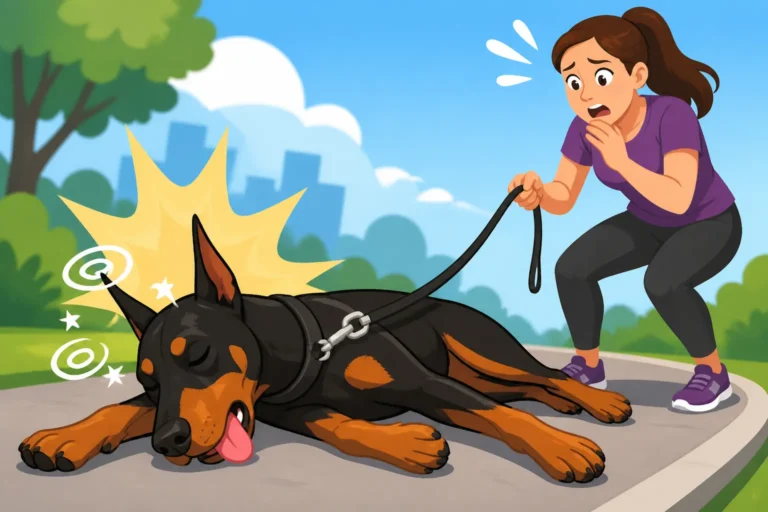
The really insidious part about DCM in Dobermans is its stealthy progression. For a long time, often for years, your Doberman can appear completely normal, full of life, energy, and that characteristic Doberman zest. You’d never suspect anything was amiss. However, inside, the heart is slowly but surely deteriorating. The muscle fibers are weakening, the chambers are dilating, and the electrical system can become erratic. This hidden phase, known as the occult or pre-clinical stage (Stage B1 or B2), is what makes DCM so terrifying. Owners often only realize something is wrong when their dog suddenly collapses, faints, or starts showing clear signs of heart failure like coughing, difficulty breathing, or extreme lethargy. By then, the disease is typically advanced, and options become more limited. It’s a scenario no Doberman parent wants to face, feeling helpless as their vibrant dog succumbs to a disease that gave no obvious warnings. This is truly The Heart Disease That Reaches Most Dobermans, impacting a significant portion of the breed.
The progression of DCM typically involves a period where ventricular arrhythmias (irregular heartbeats) become more frequent, or the left ventricle (the main pumping chamber of the heart) begins to enlarge. These changes can be detected on specialized cardiac tests long before any cough or fainting spell occurs. Imagine seeing your seemingly healthy, active three-year-old Doberman suddenly faint during a game of fetch. It's a shocking, terrifying experience that immediately sends you into a panic. The veterinarian then delivers the news that their heart is already severely compromised, a revelation that leaves you wondering how you could have missed it. This is the reality for many, and it underscores the critical need for proactive strategies.
Why Early Detection Matters So Much
Because DCM is so often a silent killer, early detection is absolutely paramount. The period where the heart is undergoing changes but hasn't yet caused clinical signs is our window of opportunity. During this occult phase, the heart begins to remodel, enlarging its chambers to try and compensate for the weakening muscle. While this compensation helps for a time, it’s ultimately unsustainable and leads to further damage. Once clinical signs of congestive heart failure (CHF) appear – the coughing, labored breathing, or fluid in the lungs – the disease has progressed to Stage C, and the prognosis often becomes much graver. At this stage, management shifts from preventative to palliative, focusing on alleviating symptoms and improving quality of life, rather than delaying the onset of the disease itself.
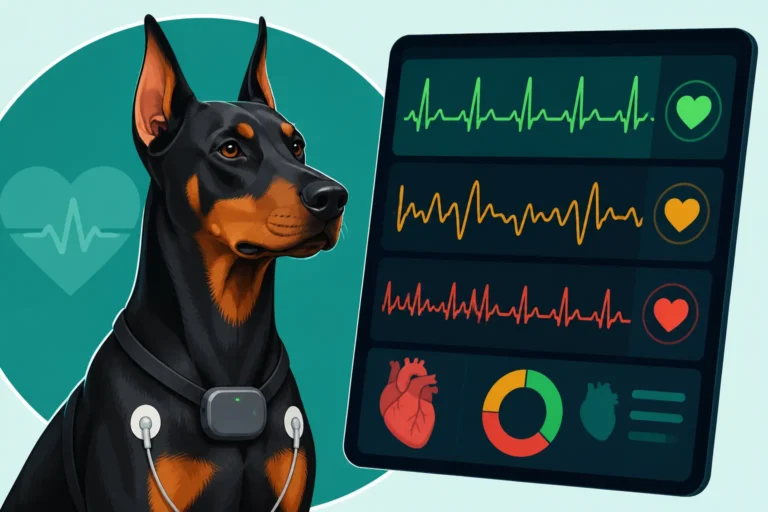
This is why regular cardiac screening is not just a recommendation; it's a necessity for Doberman owners. Annual echocardiograms and 24-hour Holter monitors are crucial tools in identifying the early structural and electrical abnormalities that signal DCM. An echocardiogram allows a veterinary cardiologist to visualize the heart's size, shape, and function, looking for signs of ventricular dilation. A Holter monitor, which records heart rhythm over a full day, helps detect the abnormal heartbeats (ventricular premature contractions or VPCs) that are often an early indicator of DCM in Dobermans. Waiting until your dog starts to cough means you've likely missed precious months, or even years, where intervention could have made a significant difference. The thought of those missed opportunities is enough to motivate any Doberman owner to pursue diligent screening. Understanding The Age Doberman Heart Disease Usually Starts is key to beginning these vital tests. We need to be vigilant and act well before our dogs show any outward hint of trouble.
What is Pimobendan and How Does It Work?
Pimobendan is a medication that has truly revolutionized the way we treat heart disease in dogs, particularly for breeds like the Doberman. If you’ve ever had a dog diagnosed with heart issues, you've probably heard this name, and for good reason. It's often referred to by its brand names, like Vetmedin, and it’s a cornerstone of modern veterinary cardiology. But what exactly does it do, and how can it help before a Doberman even appears sick?
The Mechanics Behind the Miracle Drug
At its core, Pimobendan is what we call an "inodilator." This fancy term breaks down into two key actions that are incredibly beneficial for a struggling heart. Firstly, it's a positive inotrope, which means it enhances the contractility of the heart muscle. Essentially, it helps the heart pump more powerfully and efficiently. Think of it like a tired runner getting a sudden boost of energy; their muscles can work harder with less effort. This improved pumping action helps move blood more effectively throughout the body. Without Pimobendan, a heart weakened by DCM struggles to push blood, leading to a build-up and less oxygen reaching vital organs.
Secondly, Pimobendan is a vasodilator. This means it helps to widen, or dilate, the blood vessels. When blood vessels are narrower, the heart has to work harder to push blood through them. By dilating these vessels, Pimobendan reduces the resistance, making it easier for the heart to pump blood around the body. It lessens the "afterload" (the resistance the heart has to overcome to eject blood) and "preload" (the volume of blood returning to the heart). So, in one clever medication, you have a drug that makes the heart stronger and gives it less work to do. This dual mechanism is why it’s so effective in improving cardiac function and overall blood flow. It’s like giving your Doberman’s heart a helping hand, strengthening its push while simultaneously clearing a path for the blood to flow more freely.
Traditional Use vs. Proactive Approach
Historically, Pimobendan was primarily prescribed once a dog had already developed clinical signs of heart failure, such as persistent coughing, difficulty breathing, or significant exercise intolerance – what cardiologists refer to as Stage C or D DCM. At this point, the goal was to manage the symptoms, improve quality of life, and extend survival time by directly addressing the failing heart's ability to pump. It was a reactive treatment, a crucial lifeline once the disease had already taken hold. For years, this was the accepted standard, and it provided much-needed relief to countless dogs and their owners.
However, a groundbreaking shift has occurred in veterinary cardiology. Instead of waiting for overt signs of illness, the focus has moved towards a proactive, preventative approach for breeds like the Doberman. This means using Pimobendan in the occult or pre-clinical phase (specifically Stage B2 DCM), before the Doberman exhibits any symptoms. This is where the profound impact of research really comes into play, challenging traditional methods and offering a new paradigm of care. This approach aims to delay the onset of those dreaded clinical signs, extending the period of good health for our beloved companions. It moves from managing a crisis to preventing one, offering a powerful tool in the fight against this devastating disease. Understanding the criteria for Medication for a Doberman in the Occult Phase is now a vital part of Doberman care.
The EPIC Study: A Game Changer for Dobermans
For years, Doberman owners and veterinarians grappled with the devastating reality of DCM, often feeling like they were playing catch-up once symptoms appeared. Then came the European Prospective Study in Dogs with Dilated Cardiomyopathy, affectionately known as the EPIC study, which completely reshaped our understanding and approach to this disease. This wasn't just another small trial; it was a large-scale, rigorously designed study that provided undeniable evidence of the benefits of early intervention.
Unpacking the Evidence for Early Intervention
The EPIC study was a multinational, prospective, randomized, blinded, placebo-controlled clinical trial specifically designed to evaluate the efficacy of Pimobendan in delaying the onset of clinical signs of congestive heart failure (CHF) or sudden death in Dobermans with pre-clinical DCM (Stage B2). This means that Dobermans in the study had no outward signs of heart disease but had echocardiographic evidence of significant left ventricular enlargement, a hallmark of occult DCM in the breed. One group received Pimobendan, and the other received a placebo. Neither the owners nor the veterinarians knew which treatment their dog was receiving, ensuring an unbiased assessment of the drug’s effects.
The results, published in 2016, were nothing short of a breakthrough. The study demonstrated that Dobermans receiving Pimobendan in the pre-clinical (B2) stage of DCM experienced a significant delay in the time to the onset of congestive heart failure or sudden cardiac death. In fact, the median time to these endpoints was extended by an average of 329 days, or nearly a full year! This meant more precious time with healthy, active Dobermans, free from the debilitating symptoms of heart failure. It also showed a significant reduction in the risk of sudden cardiac death. The implications were monumental: we no longer had to wait for our Dobermans to get sick before acting. This study truly validated the proactive approach, giving hope and a tangible treatment plan to Doberman owners worldwide. It fundamentally proved How Much Longer Early Treatment Buys a Doberman.
Identifying Dobermans for Pre-Symptomatic Pimobendan
So, with this incredible evidence, the next crucial step is accurately identifying which Dobermans qualify for pre-symptomatic Pimobendan therapy. It's not a blanket recommendation for every Doberman, but rather for those specifically diagnosed with Stage B2 DCM. This diagnosis isn't based on a hunch or an occasional cough; it requires concrete evidence from comprehensive cardiac screening. The cornerstone of this identification is a detailed echocardiogram performed by a board-certified veterinary cardiologist.
During the echocardiogram, the cardiologist will meticulously measure the size of the left ventricle at different points in the cardiac cycle. Dobermans deemed Stage B2 typically show significant left ventricular enlargement (specifically, a left ventricular internal diameter in diastole, normalized for body weight, that is above certain thresholds, combined with other indicators like a reduced left ventricular systolic function fraction). In simpler terms, their main pumping chamber is noticeably larger than it should be for a healthy Doberman of their size and age, even though they still appear well. Alongside the echo, a 24-hour Holter monitor is often essential, as it helps detect ventricular arrhythmias. While the EPIC study primarily focused on echocardiographic criteria, many cardiologists also consider the presence of a high number of ventricular premature contractions (VPCs) on a Holter as a supportive indicator for initiating Pimobendan. Knowing How Many Abnormal Beats Worry a Doberman Cardiologist can greatly assist in this diagnostic process. This rigorous diagnostic process ensures that the medication is given to the Dobermans who will truly benefit, turning annual screenings into potentially life-extending opportunities. Regular screening and understanding What a Doberman Echo Actually Measures are your best defenses.
Practical Considerations for Doberman Owners
Bringing a Doberman into your life means accepting a certain level of responsibility for their unique health challenges, and DCM is at the top of that list. Deciding to start Pimobendan before your dog shows symptoms is a significant step, and it comes with practical considerations that every owner should be prepared for, from navigating the vet visits to managing the financial aspects. It's a journey, but one that offers the profound reward of more time with your beloved companion.
Navigating the Diagnosis and Treatment Plan
First and foremost, the decision to start pre-symptomatic Pimobendan must be made in close consultation with a board-certified veterinary cardiologist. They are the experts who can accurately diagnose Stage B2 DCM and guide you through the treatment protocol. Your regular veterinarian may initiate the screening, but a specialist will confirm the diagnosis and prescribe the medication. This typically involves annual or bi-annual echocardiograms and Holter monitoring, starting at a young age for Dobermans (often around two to three years old), to catch those subtle changes early. This dedicated screening schedule ensures you're aware of The Doberman Years When Everything Shows Up when DCM is most likely to emerge.
Once a Stage B2 diagnosis is confirmed, and Pimobendan is prescribed, it’s a long-term commitment. This isn’t a short course of medication; it’s typically for the remainder of your Doberman's life. You’ll be responsible for administering the medication diligently, usually twice a day, at consistent times. Many owners find it helpful to integrate it into their daily routine, perhaps with breakfast and dinner. Communication with your cardiologist will be ongoing, with regular follow-up appointments to monitor your dog's progress. These check-ups will include repeat echocardiograms and Holter monitors to assess how the heart is responding and to ensure the medication is still appropriate. The commitment is real, but the potential to extend their healthy years makes it incredibly worthwhile. You'll become very familiar with Lifetime Heart Medication for a Doberman.
Potential Side Effects and Monitoring
One of the great advantages of Pimobendan is that it is generally very well-tolerated by most dogs, including Dobermans. Serious side effects are uncommon, which is always a relief when you’re committing to a long-term medication for your beloved pet. However, it's essential to be aware of potential issues, just in case. Some dogs might experience mild gastrointestinal upset, such as vomiting or diarrhea, especially when first starting the medication or if the dosage is adjusted. A slight increase in lethargy or a change in appetite can also occur, though these are rare when the medication is given in the pre-symptomatic phase.
Your cardiologist will guide you on what to look for and when to be concerned. They’ll also advise on how to manage any minor side effects, often by giving the medication with food or adjusting the timing. Regular follow-up appointments are crucial not just for monitoring the heart itself, but also for checking for any adverse reactions to the medication. Blood work might be done periodically to ensure overall health and organ function. If you notice any significant changes in your Doberman’s behavior, energy levels, or appetite, it’s always best to contact your veterinary team promptly. This diligent monitoring, which includes understanding Reading a Doberman's Holter Result, ensures that your Doberman remains as comfortable and healthy as possible throughout their treatment.
The Role of Insurance and Financial Planning
The proactive management of Doberman DCM, while incredibly beneficial, can become a significant financial commitment. The cost of annual or bi-annual cardiac screenings (echocardiograms and Holter monitors), the consultations with a specialist, and the lifelong cost of medications like Pimobendan can certainly add up. Many Doberman owners, understandably, grapple with how to best budget for these essential expenses. This is where pet insurance can truly be a lifesaver, provided you enroll your Doberman before any heart issues are diagnosed.
For instance, companies like Healthy Paws are well-regarded for their comprehensive coverage, but like most insurers, they operate on a pre-existing condition basis. This means if your Doberman is diagnosed with DCM before you enroll them, that condition will likely be excluded from coverage. The key is to get your Doberman insured at a young age, ideally before their first cardiac screening, so that if a Stage B2 DCM diagnosis occurs later, the treatment, including Pimobendan and follow-up diagnostics, will be covered according to your policy terms. Having a robust plan with a provider like Healthy Paws can alleviate immense financial stress, allowing you to focus on your Doberman's health rather than the mounting bills. It’s a proactive financial step that mirrors the proactive medical care. It's truly essential to consider Insuring a Doberman Before the Heart Turns to avoid potential heartache down the line. Understanding What a Doberman Costs Month to Month often highlights the need for such financial foresight.
Comparing Pimobendan Use in Dobermans
| Feature | Traditional Pimobendan Use (Stage C/D DCM) | Prophylactic Pimobendan Use (Stage B2 DCM) |
|---|---|---|
| Timing of Initiation | After clinical signs of congestive heart failure (CHF) appear (e.g., coughing, labored breathing, fainting). | Before any clinical signs of CHF, based on echocardiographic evidence of significant left ventricular enlargement. |
| Primary Goal | Manage symptoms, improve quality of life, extend survival in symptomatic heart failure. | Delay the onset of clinical signs of CHF and/or sudden cardiac death, extending the asymptomatic period. |
| Diagnosis Required | Clinical signs of CHF confirmed by physical exam, X-rays, and often echocardiogram. | Echocardiogram by a board-certified cardiologist confirming Stage B2 DCM (significant left ventricular enlargement). |
| Impact on Lifespan | Improves prognosis and extends life compared to no treatment at this stage. | Significantly extends the asymptomatic period and overall lifespan, as demonstrated by the EPIC study. |
| Owner's Experience | Often reactive, dealing with an already sick dog, higher stress. | Proactive, allows for more healthy time with the dog, less acute crisis management. |
| Cost Implications | High costs for emergency care, hospitalization, and ongoing medication for advanced disease. | Costs for regular screening and ongoing medication. Pet insurance (e.g., Healthy Paws) is critical if enrolled early. |
| Monitoring Needs | Frequent veterinary visits, potentially emergency care, daily symptom monitoring. | Regular (e.g., annual/bi-annual) cardiologist check-ups, ongoing medication administration. |
Pimobendan, used proactively, represents a powerful tool in extending the healthy, vibrant years we get with our Dobermans. It’s a testament to how far veterinary medicine has come, offering a tangible way to fight back against a disease that once left us feeling so powerless. For Doberman owners, it means shifting from a mindset of dread to one of empowered, proactive care.
Disclaimer
Please remember that this article is for informational purposes only and is not a substitute for professional veterinary advice. Always consult with a qualified veterinarian or a board-certified veterinary cardiologist regarding any medical conditions or treatment plans for your Doberman. Medications and treatment protocols should only be administered under the direct guidance of a professional.