Nosebleeds and Gum Bleeding in a Doberman
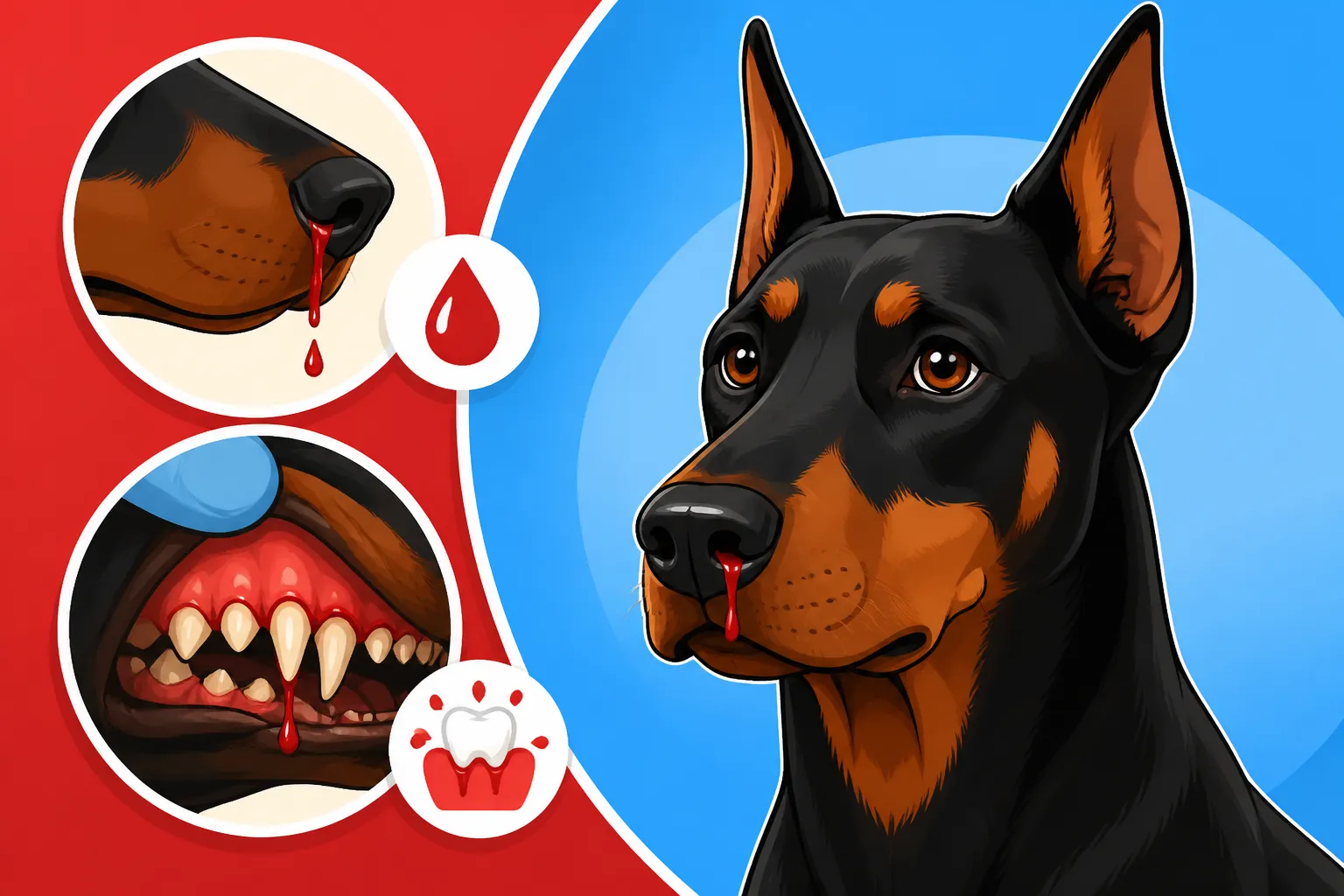
It can be absolutely terrifying to discover your beloved Doberman with a nosebleed, or to notice their gums are bleeding unexpectedly. These aren't just minor inconveniences; they can be signs of something much more serious brewing beneath the surface, and as Doberman owners, we're all too aware of the breed's propensity for certain health challenges. This comprehensive guide will walk you through the potential causes, what immediate steps to take, and how to work with your vet to get to the bottom of these alarming symptoms.
Understanding Why Your Doberman Might Be Bleeding
When you see blood, especially from an orifice like the nose or mouth, your heart immediately sinks. It's not always a dire emergency, but with Dobermans, it's always worth investigating thoroughly due to some known breed-specific predispositions.
The Alarming Truth About Von Willebrand Disease
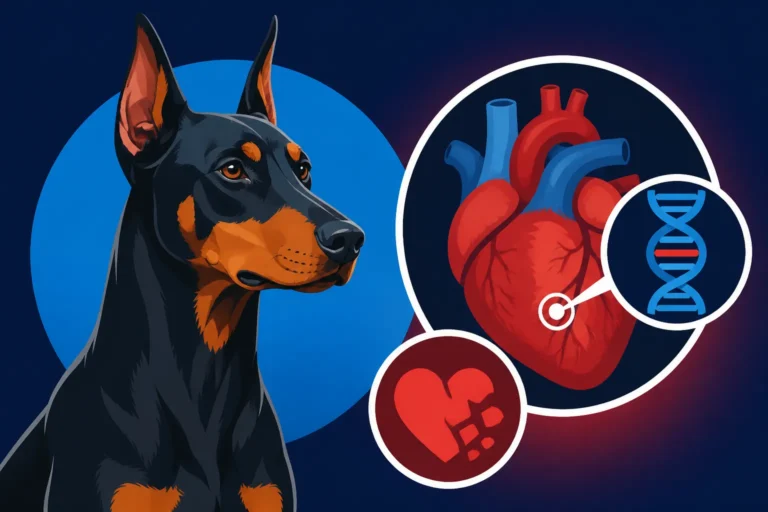
One of the most common and concerning reasons a Doberman might experience unexplained bleeding is Von Willebrand Disease (vWD). This inherited blood disorder is distressingly prevalent in the breed, affecting a significant portion of Dobermans. It's a genetic defect that impairs the blood's ability to clot properly because they either have too little, or a defective form of, Von Willebrand factor, a protein essential for platelet adhesion and clotting. Imagine trying to stop a leaky faucet when the washer is missing – that's somewhat what it's like for a Doberman with vWD.
The signs can vary. Some Dobermans might have minor, recurring nosebleeds that seem to come out of nowhere, especially after excitement or mild trauma. Others might show excessive bleeding from a small cut, their gums might bleed easily during rough play or even during routine dental care, or you might notice blood in their urine or stool. It's an insidious disease because the severity can range from mild, almost unnoticeable issues, to life-threatening hemorrhages. Knowing that The Bleeding Disorder Almost Every Doberman Line Carries makes it a prime suspect whenever unusual bleeding occurs. It's not just a concern for owners of affected dogs; How Many Dobermans Carry the Bleeding Gene will tell you just how widespread this genetic issue is within the Doberman population, meaning even outwardly healthy dogs can pass it on.
Other Medical Conditions That Cause Bleeding
While vWD often comes to mind first for Doberman owners, it's far from the only possible cause of bleeding. There's a whole host of other medical conditions, some equally serious, that can manifest with similar symptoms. One such condition is thrombocytopenia, a fancy name for a low platelet count. Platelets are tiny blood cells crucial for forming clots. If your Doberman doesn't have enough of them, even a minor bump can lead to bruising and bleeding. This can be caused by various underlying issues, including immune-mediated diseases where the body mistakenly attacks its own platelets, infections, or even certain medications.
Liver disease can also play a significant role. The liver is a powerhouse organ responsible for producing many of the clotting factors necessary for blood coagulation. If your Doberman's liver isn't functioning correctly, these crucial factors won't be produced in adequate amounts, leading to bleeding problems. You might notice yellowing of the skin or eyes (jaundice), lethargy, or a decreased appetite in addition to the bleeding. If your vet notes abnormal Liver Enzyme Results in a Doberman, bleeding could be a secondary concern. Furthermore, certain types of Cancer Types That Reach Dobermans, such as hemangiosarcoma or lymphoma, can cause internal bleeding or affect blood clotting mechanisms, leading to visible signs like nosebleeds or bleeding gums. Toxins, particularly rodenticides, are also a horrifying possibility. These poisons work by preventing the blood from clotting, causing widespread internal and external bleeding. If you suspect your Doberman might have ingested a rodenticide, it is an absolute emergency.
Everyday Scenarios That Lead to Minor Bleeding
Not every instance of bleeding signals a major medical crisis, and sometimes, the simplest explanation is the correct one. Dobermans, with their inquisitive natures and active lifestyles, can sometimes get into situations that cause minor trauma. For instance, a particularly enthusiastic sniff into dense bushes could result in a scratch or minor laceration inside the nostril, leading to a temporary nosebleed. A foreign object, like a grass awn or a tiny stick, could get lodged in the nasal passage and irritate the delicate tissues, causing bleeding until it's dislodged.
Oral bleeding, specifically from the gums, can often be traced back to dental issues. Plaque and tartar buildup can lead to gingivitis, an inflammation of the gums that makes them sensitive and prone to bleeding, especially during chewing or brushing. A fractured tooth, perhaps from chewing on something too hard, can also expose pulp and lead to bleeding, not to mention significant pain. Sometimes, vigorous play with a hard toy or another dog can result in a minor cut or abrasion inside the mouth. While these scenarios are generally less severe than underlying medical conditions, they still warrant attention to ensure proper healing and prevent infection. Regular dental care, including using Dental Chews Sized for a Doberman, can help minimize some of these issues.
What to Do When You Spot Bleeding in Your Doberman
The first sight of blood can send any Doberman owner into a panic, but taking a deep breath and knowing what steps to take can make all the difference. Your immediate actions can help control the bleeding and provide crucial information for your veterinarian.
Immediate First Aid for Nosebleeds
If your Doberman suddenly starts gushing blood from their nose, it's alarming, but staying calm is paramount. Your dog will pick up on your stress, which can elevate their heart rate and blood pressure, potentially worsening the bleed. The first thing to do is gently try to keep your Doberman calm and still. Lead them to a quiet, cool spot if possible. Avoid letting them shake their head vigorously, as this can dislodge clots and prolong the bleeding.
Next, gently apply pressure to the bridge of their nose, just below their eyes, using a clean cloth or tissue. You want to apply firm but not crushing pressure, as if you're holding a tissue to your own nosebleed. You can also try applying a cold compress (like a bag of frozen peas wrapped in a cloth) to the bridge of their nose or even to their forehead, which can help constrict blood vessels. Tilt their head slightly forward, not backward, to encourage the blood to drain out rather than run down their throat. Swallowing blood can cause an upset stomach, leading to vomiting, which in turn can increase pressure and worsen the nosebleed. Keep them calm and continue pressure for 5-10 minutes. If the bleeding doesn't slow or stop after 10-15 minutes, or if it's very heavy from the start, it's time for emergency veterinary attention. For more specific guidance, you can refer to advice on Managing a Doberman Bleed at Home.
Addressing Gum Bleeding and Oral Issues
When you notice your Doberman's gums bleeding, it's often a different situation than a nosebleed, usually pointing to issues within the oral cavity itself. First, try to get a good look inside their mouth, but only if your Doberman is comfortable and not stressed. You might need someone to help hold their head gently. Carefully lift their lips and examine the gums, teeth, and roof of their mouth. Look for any obvious sources of bleeding: is it coming from a specific tooth, a cut on the gum, or a general oozing from inflamed gum tissue?
Common culprits include severe gingivitis or periodontal disease, where bacteria and plaque irritate the gums, making them red, swollen, and prone to bleeding. You might also spot a broken tooth with exposed pulp, which can bleed. Sometimes, a foreign object like a splinter or a piece of bone could be lodged between teeth or in the gumline. While minor bleeding from very mild gingivitis might be managed with improved dental hygiene and perhaps special dental chews, persistent or heavy gum bleeding, especially if accompanied by foul breath, swelling, or reluctance to eat, warrants a prompt visit to your veterinarian. They can assess the extent of dental disease, check for foreign bodies, or rule out more serious underlying conditions. Keeping an eye on Tartar on an Older Doberman's Molars can help prevent some of these issues before they become critical.
When to Seek Emergency Veterinary Care
While some bleeding might be minor, there are clear red flags that indicate an immediate trip to the emergency vet is necessary. Never hesitate when it comes to these warning signs, especially with a Doberman. If the bleeding is heavy, profuse, or doesn't stop after 10-15 minutes of direct pressure (for a nosebleed), it's an emergency. This goes double for any uncontrolled bleeding from a wound or surgical site. Another critical sign is if your Doberman is bleeding from multiple sites – for instance, a nosebleed combined with bleeding gums, or blood in their urine or stool. This often points to a systemic clotting disorder or a severe underlying condition.
Beyond visible blood, keep an eye out for signs of internal bleeding or significant blood loss. These can be more subtle but are equally, if not more, dangerous. Look for extreme lethargy, weakness, pale gums (which indicate anemia), a distended or painful abdomen, difficulty breathing, or collapse. Any sudden change in behavior, disorientation, or reluctance to move also signals an emergency. If your Doberman is showing signs of Bruising and Bleeding in a Doberman that appears spontaneously or excessively, don't wait. These symptoms mean your dog needs immediate veterinary attention to stabilize them and diagnose the cause. While no one wants an unexpected vet bill, having a comprehensive pet insurance plan like those offered by Healthy Paws can provide peace of mind in these stressful, unforeseen circumstances, allowing you to focus on your Doberman's care rather than the cost.
Diagnosing and Managing Bleeding Disorders in Dobermans
Once you've managed the immediate crisis, the next crucial step is to work with your veterinarian to get a definitive diagnosis. This is especially important for Dobermans, given their genetic predispositions.
The Importance of Genetic Testing
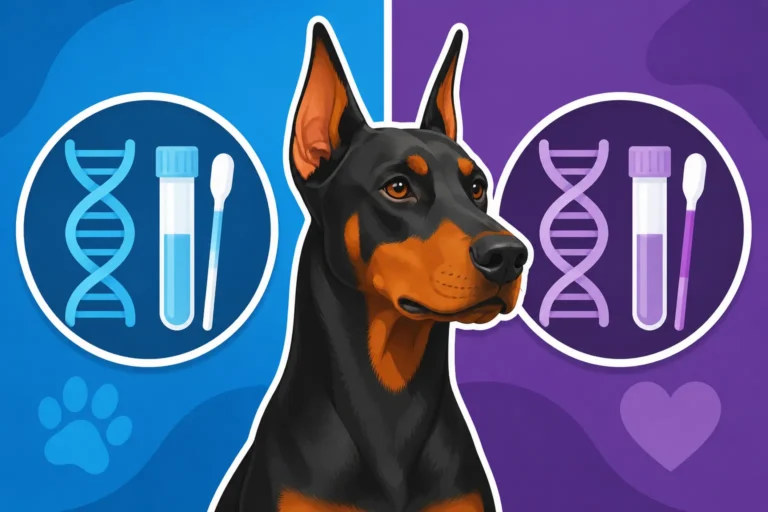
For Dobermans, genetic testing for Von Willebrand Disease (vWD) is not just a good idea; it's a vital part of responsible ownership and breeding. A simple DNA test can determine if your Doberman is clear, a carrier, or affected by vWD. This test can be performed at any age, often with just a buccal swab (from the cheek) or a blood sample sent to a specialized lab. Knowing your dog's status allows you to make informed decisions about their care throughout their life. If your Doberman tests as affected, it means they have two copies of the defective gene and are likely to experience bleeding episodes. Carriers have one copy and usually don't show symptoms themselves but can pass the gene to their offspring.
This testing is crucial not only for the individual dog but also for the future of the breed. Reputable breeders will always screen their breeding stock for vWD. Understanding The Von Willebrand DNA Test for Dobermans and the implications of Clear, Carrier and Affected Doberman Results helps ensure that informed breeding decisions are made to reduce the prevalence of this debilitating disease. If you know your Doberman is affected, you can take precautions, such as always informing your vet before any surgery or dental procedure, and avoiding certain medications that might exacerbate bleeding.
Veterinary Diagnostics for Unknown Bleeding
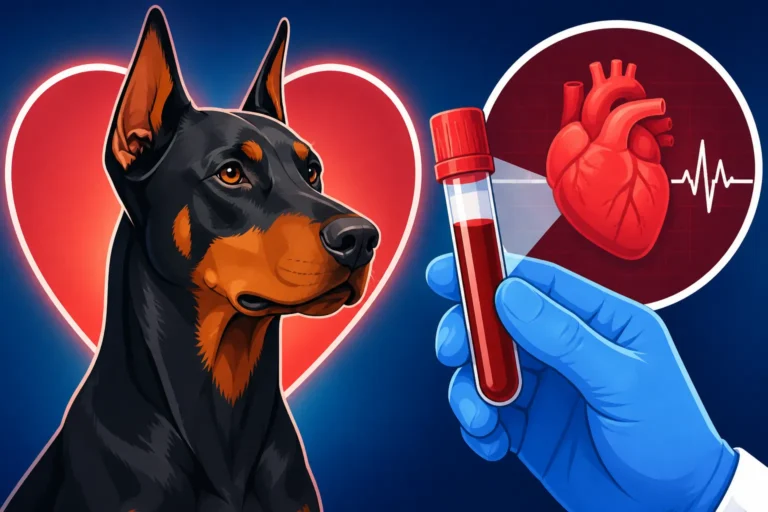
When the cause of bleeding isn't immediately obvious, your veterinarian will become a detective, using various diagnostic tools to uncover the mystery. A thorough physical examination is always the starting point, assessing your Doberman's overall health, looking for bruises, swelling, or other clues. Blood work is almost certainly next. A complete blood count (CBC) will check for anemia (low red blood cells due to blood loss) and assess platelet numbers. If platelet counts are low, further investigation into the cause is needed.
Beyond the CBC, coagulation profiles are critical. These specialized blood tests evaluate how quickly and efficiently your Doberman's blood clots. Tests like prothrombin time (PT), activated partial thromboplastin time (aPTT), and a buccal mucosal bleeding time (BMBT) can help pinpoint which part of the clotting cascade is malfunctioning. For suspected vWD, a specific Von Willebrand factor antigen (vWF:Ag) test can measure the level of functional Von Willebrand factor in the blood. Depending on these initial findings, your vet might recommend additional diagnostics such as imaging (X-rays or ultrasound) to look for internal bleeding, tumors, or organ abnormalities, or even a bone marrow biopsy if a primary platelet production issue is suspected. Remember that comprehensive pet insurance like Healthy Paws can be a lifesaver when these extensive diagnostics are needed, as the costs can quickly add up.
Treatment Options and Long-Term Management
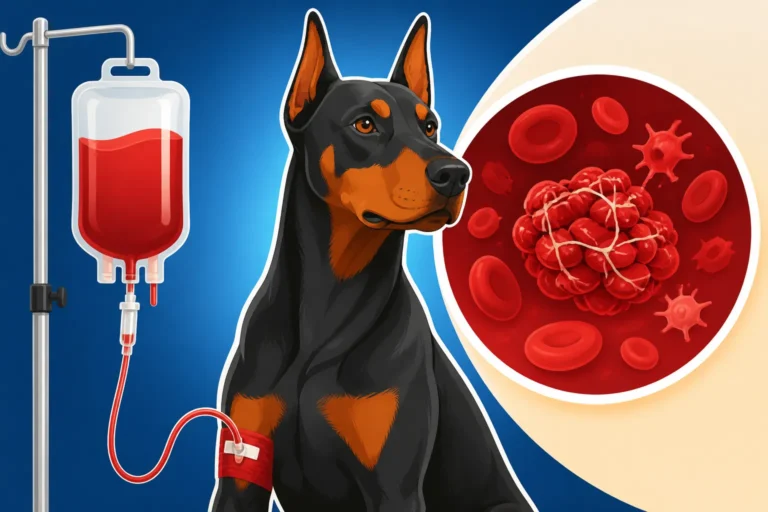
The treatment for your Doberman's bleeding will entirely depend on the underlying cause. If Von Willebrand Disease is the culprit, management often involves a multi-faceted approach. For active bleeding, your vet might administer desmopressin acetate (DDAVP), a medication that can temporarily increase the release of Von Willebrand factor from cellular stores, helping to improve clotting. In severe cases, or during surgery, cryoprecipitate or fresh frozen plasma transfusions may be necessary to directly provide the missing clotting factors. Understanding Transfusions for a Doberman With a Clotting Disorder can help you prepare for this possibility.
For other causes, treatment might involve specific medications for immune-mediated diseases, supportive care for liver issues, or even surgery for certain cancers or foreign bodies. If your Doberman has a diagnosed bleeding disorder, long-term management focuses on preventing future episodes and being prepared for emergencies. This includes avoiding medications that interfere with clotting (like NSAIDs), careful supervision to prevent injuries, and always informing all veterinary professionals about their condition before any procedures. Many affected Dobermans can live relatively normal lives with careful management, demonstrating Whether an Affected Doberman Lives Normally is possible, but it requires vigilance and dedication from their owners. Ongoing communication with your vet and specialist, and often reliance on your pet insurance to cover the continuous care, will be key to giving your Doberman the best quality of life.
Prevention and Proactive Care
Being a Doberman owner means being proactive, especially when it comes to their health. Taking preventative measures can significantly reduce the risk and severity of bleeding episodes.
Screening Before Breeding and Surgery
One of the most impactful ways to prevent the spread of Von Willebrand Disease is through diligent screening of breeding Dobermans. Responsible breeders utilize the genetic vWD test to ensure they are not mating affected or carrier dogs in a way that produces affected puppies. Before purchasing a Doberman puppy, always ask to see the vWD test results for both parents. This is a foundational step in bringing a healthy puppy into your home.
Beyond breeding, pre-surgical screening is paramount for any Doberman, especially if their vWD status is unknown. Before any procedure that requires anesthesia and could involve bleeding, such as spaying, neutering, or even a dental cleaning, your vet should perform a pre-anesthetic blood panel, including a clotting profile. For Dobermans specifically, this might include a BMBT test. This helps identify any clotting abnormalities before surgery begins, allowing the veterinary team to take precautions, like having cryoprecipitate on hand or administering DDAVP. Being informed about Testing a Doberman for Von Willebrand Before Surgery can literally be life-saving, as well as understanding the complexities of Surgery on a Doberman With a Clotting Problem.
Environmental Management and Safety
For Dobermans, especially those known to have a bleeding disorder, managing their environment to minimize injury risk is a crucial part of daily care. Their active, sometimes clumsy nature can lead to bumps and scrapes, which can become serious if their blood doesn't clot properly. "Dober-proof" your home: remove sharp objects from accessible areas, ensure furniture edges are padded if possible, and keep small, chewable items that could cause internal trauma out of reach.
When outdoors, supervise your Doberman closely. Avoid off-leash excursions in densely wooded areas where they could run into sharp branches or objects that could cause cuts or nose trauma. Choose walking paths that are well-maintained and free from hazards. If they play with other dogs, monitor interactions to prevent overly rough play that could lead to injury. Remember that even minor cuts can become problematic for a Doberman with a clotting issue, so vigilance is key. While we do our best, accidents happen, and having pet insurance like Healthy Paws can help cover the unforeseen costs of an emergency visit for a nasty cut or injury.
Regular Vet Check-ups and Dental Care
Routine veterinary check-ups are the cornerstone of proactive health management for any Doberman. These yearly visits allow your vet to catch subtle changes that might indicate an emerging health issue, perform necessary preventative screenings, and discuss any concerns you might have. During a routine exam, your vet might notice signs of mild gingivitis, a small lump, or unusual bruising that you might have missed, all of which could be linked to bleeding disorders or other medical conditions. For specific insights, check out The Yearly Checkup a Doberman Still Needs.
Beyond general check-ups, regular professional dental care is especially important for preventing gum bleeding. Good oral hygiene, including daily brushing at home and professional cleanings under anesthesia when recommended by your vet, helps prevent periodontal disease. Inflamed gums are much more prone to bleeding, and severe dental disease can lead to systemic infections that further complicate a Doberman's health. By maintaining excellent overall health and dental hygiene, you minimize one potential source of bleeding and keep your Doberman feeling their best.
| Symptom Feature | Nosebleed (Epistaxis) | Gum Bleeding (Gingival Hemorrhage) |
|---|---|---|
| Typical Appearance | Blood dripping/gushing from one or both nostrils | Oozing, streaks of blood on toys/food, visible blood on gums |
| Common Causes | Trauma, foreign body, vWD, high blood pressure, tumors, infections, rodenticide | Dental disease (gingivitis, periodontitis), broken tooth, vWD, trauma, low platelets, systemic illness |
| Urgency (Initial) | Moderate to High: Monitor closely, apply first aid. If persistent/heavy, immediate vet. | Low to Moderate: Evaluate extent. If persistent/profuse, or with other symptoms, vet visit. |
| Associated Signs | Head shaking, pawing at face, swallowing (can cause vomit), sometimes weakness | Bad breath, reluctance to chew, pawing at mouth, swelling, sometimes pale gums |
| First Aid | Apply pressure to bridge of nose, cold compress, keep calm, tilt head forward. | Examine mouth (if safe), gentle rinse. Avoid brushing that area immediately. |
| Vet Visit If… | Doesn't stop after 10-15 min, heavy flow, multiple episodes, weakness/collapse. | Persistent/profuse bleeding, large area, pain, foul odor, other systemic signs. |
| Doberman Relevance | High concern for Von Willebrand Disease (vWD) | High concern for vWD and dental health, given Doberman genetics. |
Disclaimer
The information provided in this guide is intended for informational purposes only and does not constitute veterinary advice. Always consult with a qualified veterinarian for any health concerns or before making any decisions about your Doberman's care. Only a trained professional can diagnose and treat your pet's specific condition.